por TCMVET | Ago 14, 2026 | Investigación y noticias
Los suplementos naturales para perros con cáncer pueden ser un apoyo complementario dentro de un plan veterinario bien supervisado, pero no sustituyen la cirugía, la quimioterapia, la radioterapia ni otros tratamientos indicados por un especialista. Cuando un perro recibe un diagnóstico oncológico, es normal buscar opciones que mejoren su bienestar, ayuden a mantener el apetito o acompañen su recuperación. Sin embargo, “natural” no significa automáticamente seguro: algunos productos interactúan con los medicamentos, afectan la coagulación o sobrecargan el hígado y los riñones.
¿Qué objetivos pueden tener los suplementos naturales para perros con cáncer?
El cáncer y sus tratamientos pueden provocar pérdida de peso, inflamación, náuseas, cansancio, diarrea o disminución del apetito. Por ello, los suplementos naturales para perros con cáncer suelen plantearse con objetivos concretos, como:
- Mantener la masa muscular y el peso corporal.
- Apoyar una alimentación completa y equilibrada.
- Favorecer la tolerancia digestiva.
- Ayudar a controlar ciertos procesos inflamatorios.
- Contribuir al bienestar general y a la calidad de vida.
- Corregir una deficiencia nutricional confirmada.
The goal should not be to “cure” the tumor with a product, but to provide support to the body without interfering with the main treatment. The priority is always that the dog eats, drinks, rests, and maintains a good quality of life.
¿Cómo elegir un suplemento natural para perro con tumor?
Before administering any natural supplement for dog tumors, it is advisable to review several aspects with the veterinarian. The type of cancer, its location, the state of the liver and kidneys, age, weight, and the medications used determine which options may be appropriate.
It is also important to know the exact composition of the product. It should indicate the ingredients, the amount per dose, the batch, the expiration date, and the usage recommendations for dogs. It is preferable to avoid formulas with proprietary blends that do not detail the quantities, products intended for humans with dangerous sweeteners, or supplements of dubious origin.
Quality can vary greatly between brands. A reliable supplement should have manufacturing controls and analyses that reduce the risk of contamination, adulteration, or dosing errors. Even so, no commercial seal replaces professional assessment. For more safety criteria on veterinary products, the global nutrition guide from WSAVA can be consulted..
Complementos que pueden considerarse bajo supervisión
Some dogs may benefit from certain nutrients, as long as they are used individually. At this stage, the suplementos naturales para perros con cáncer should be seen as support tools, not as universal solutions.
Omega-3 fatty acids
Fish oil rich in EPA and DHA is studied as nutritional support in dogs with inflammatory processes and muscle mass loss. It can be part of a dietary strategy designed by the veterinarian, especially when the animal tolerates fats well.
However, high doses can cause diarrhea, weight gain, or coagulation-related problems. They should also be used with caution if the dog is taking anti-inflammatories, anticoagulants, or is going to undergo surgery.
Probiotics and fiber
Cancer treatments can alter the gut microbiota and cause changes in bowel movements. Certain veterinary probiotics and appropriate sources of fiber can help maintain digestive function, although the response is individual.
Not all probiotics are the same, and some immunocompromised dogs require special precautions. If there is persistent vomiting, severe diarrhea, blood in the stool, or dehydration, the supplement should not delay veterinary attention.
Antioxidants
Vitamins and antioxidant compounds, such as vitamin E or some carotenoids, may seem appealing due to their relationship with oxidative stress. However, during certain cancer treatments, it is not always advisable to provide high doses of antioxidants, as they may interfere with the mechanism of some drugs.
For this reason, megadoses should never be administered without the veterinarian oncologist's authorization. A balanced diet is usually safer than combining numerous antioxidant products.
Plant extracts
Substances like turmeric, medicinal mushrooms, or milk thistle are often marketed as natural support for cancer in dogs. The evidence in dogs is still variable and depends on concentration, formulation, and clinical situation.
Turmeric can affect coagulation and cause digestive discomfort. Milk thistle may influence the metabolism of some medications. Medicinal mushrooms can also modify the immune response. Just because an ingredient has studies in humans or in the lab does not prove it is effective or safe for a dog with cancer.
Suplementos y tratamientos: posibles interacciones
The main risk is not always in the isolated supplement but in its combination with other treatments. Some supplements can:
- Increase or decrease the effect of a medication.
- Alter blood pressure or glucose.
- Increase the risk of bleeding.
- Change the absorption of drugs.
- Overload the liver or kidneys.
- Cause vomiting, diarrhea, or loss of appetite.
Therefore, it is essential to provide the veterinarian with a complete list of everything the dog receives, including oils, herbs, vitamins, functional treats, and homemade products. It is also advisable to introduce only one supplement at a time and observe any changes in the following days.
If you need to review general recommendations on the care and veterinary assessment of an oncology patient, it may also be helpful to consult this resource from veterinary traditional Chinese medicine as a complementary reference for the integrative approach.
La alimentación sigue siendo la base
No supplement compensates for an insufficient diet. In many cases, the nutritional strategy should focus on providing good quality proteins, sufficient energy, water, and a texture that facilitates consumption. Some dogs prefer wet food, slightly warmed or divided into several small meals.
It is not advisable to eliminate entire groups of nutrients or apply extreme diets based on unproven claims. Needs change depending on the type of tumor, treatment, weight, and digestive tolerance. A veterinarian specialized in nutrition can design an appropriate plan and adjust calories if there is weight loss.
When seeking complementary support, the suplementos naturales para perros con cáncer work best when they accompany a complete diet and regular clinical follow-up. The combination of good nutrition, pain control, and periodic check-ups usually provides more benefit than adding many products at once.
Additionally, nutritional management may require changes throughout the process. A dog that tolerates a supplement well today may not do so after a treatment session, an episode of vomiting, or a decrease in appetite. That’s why follow-up is as important as the initial choice.
Señales de alerta durante el uso
The supplement should be discontinued and the veterinarian consulted if repeated vomiting, persistent diarrhea, black or bloody stools, pale gums, marked weakness, difficulty breathing, facial swelling, intense itching, or complete rejection of food occur. Rapid attention should also be sought if the dog is not drinking, seems painful, or shows sudden deterioration.
Keeping a record of the dose, time of administration, appetite, bowel movements, and energy level helps identify if the product is well tolerated. Periodic review allows for deciding whether it is worth continuing or if it should be withdrawn.
In some cases, adverse signs appear slowly and subtly. A slight decrease in appetite, more gas than usual, or a change in stool consistency may seem minor, but it is advisable to mention them early to avoid greater complications.
Un enfoque seguro y realista
Los suplementos naturales para perros con cáncer can have a limited but useful role when selected wisely and integrated into a veterinary plan. Safety depends on the quality of the product, the dose, the type of tumor, the medications used, and the overall health of the animal.
The best decision is often simple: first define a clinical goal, choose only products with clear composition, avoid megadoses, and monitor the dog's response. Emotional support, pain control, proper nutrition, and veterinary check-ups are as important as any supplement. The animal's well-being should guide every choice.
In summary, the suplementos naturales para perros con cáncer should only be used judiciously, with information and supervision. This makes it easier to protect the dog's safety and avoid unrealistic expectations.
por TCMVET | Ago 14, 2026 | Investigación y noticias
Suplemento perro tumor: elegir un apoyo nutricional durante un proceso oncológico requiere información, prudencia y coordinación con el veterinario. Ningún producto sustituye la cirugía, la quimioterapia, la radioterapia ni los tratamientos indicados por un especialista, pero determinados complementos pueden contribuir al bienestar general, al mantenimiento del apetito o a una mejor tolerancia del tratamiento. La clave está en valorar cada caso de forma individual y evitar decisiones basadas únicamente en publicidad o recomendaciones sin respaldo clínico.
¿Qué papel pueden tener los suplementos para perros con tumores?
Los perros con cáncer pueden experimentar pérdida de peso, disminución del apetito, inflamación, debilidad, alteraciones digestivas o una mayor demanda de ciertos nutrientes. Además, algunos tratamientos pueden provocar náuseas, diarrea, vómitos o cansancio. En este contexto, los suplementos para perros con tumores se utilizan, cuando están indicados, como apoyo complementario y no como cura.
The main objective is usually to maintain good body condition and promote quality of life. A dog that eats adequately, maintains muscle mass, and receives effective pain management faces many stages of the process better. However, not all animals need the same nutrients or tolerate supplements in the same way. Age, type of tumor, its location, the state of the kidneys and liver, medication, and usual diet are determining factors.
In clinical practice, the use of a suplemento perro tumor must fit with the overall treatment plan. Therefore, before purchasing any product, it is advisable to review whether there is really a specific nutritional need or if the dog already meets its requirements with the prescribed diet. This evaluation avoids unnecessary expenses and reduces the risk of adverse effects.
It is also helpful to remember that each dog's response may be different. A product well tolerated in one case may be of little use in another, even when the oncological diagnosis seems similar. Therefore, supplements for dogs with tumors should be assessed according to the stage of the disease, appetite, weight, digestion, and the treatment the animal is receiving at that moment.
Cómo comparar un suplemento perro tumor
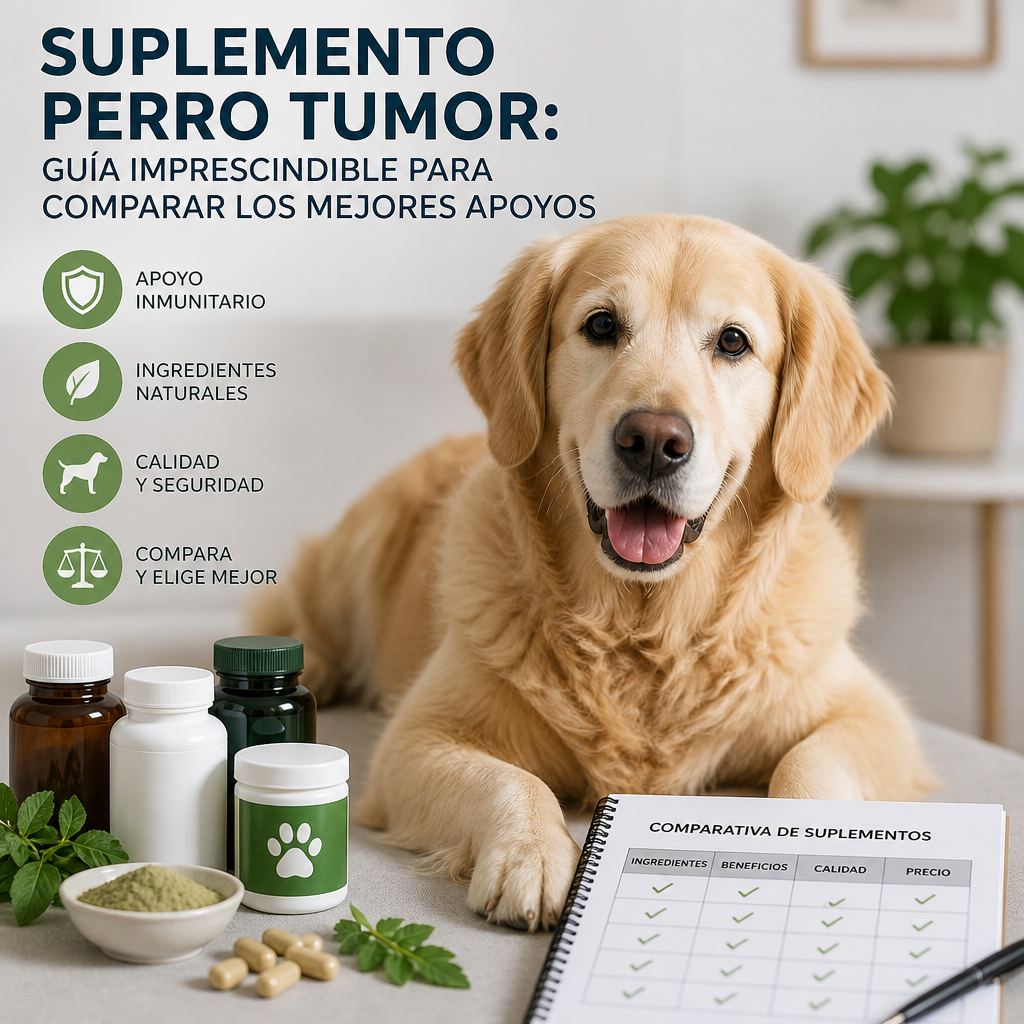
Before choosing a suplemento perro tumor, it is advisable to review several essential aspects:
Composition and concentration
The label must clearly indicate the ingredients, the amounts per dose, and the method of administration. Formulas with an extensive list of components, but without specific concentrations, make it difficult to know what the animal is really receiving. It is also important to distinguish between the total amount of the ingredient and the amount of active principles.
For example, in fish oil products, it is important to know the milligrams of EPA and DHA, not just the general amount of oil. In fiber supplements, it is advisable to identify the type of fiber and its proportion. A transparent composition facilitates the veterinarian's work and reduces the risk of duplicating nutrients present in other products. When you compare a suplemento perro tumor, this information is one of the first things you should check.
Quality and manufacturing control
Animal supplements must come from reliable manufacturers, with quality controls, traceability, and good manufacturing practices. It is preferable to choose products that indicate the batch, expiration date, storage conditions, and details of the commercial responsible party.
Quality is especially important in oils, probiotics, and plant-derived products, as they can deteriorate or have variable concentrations. A supplement of dubious origin may contain contaminants, undeclared ingredients, or different amounts than advertised.
Available evidence
Not all ingredients have the same level of backing. Some have preliminary studies or clinical experience, while others are promoted with exaggerated claims. It is advisable to be wary of any product that promises to eliminate tumors, replace an oncological treatment, or guarantee results.
Scientific evidence in veterinary medicine is still developing. Therefore, the veterinarian must interpret studies based on the specific diagnosis and not automatically extrapolate results obtained in humans or in animals with different diseases. If you want to expand general criteria for preventive health, you can also review the TCM Vet blog as an internal reference for the site.
A good method to compare a suplemento perro tumor is to analyze three questions: what does it exactly provide, for what problem would it be used, and what risks may it have in the clinical context of the dog. If any answer is unclear, it is prudent not to incorporate it into the plan yet.
Additionally, it is advisable to think about ease of use. A supplement that the dog rejects, that has a complex administration, or that requires handling many capsules a day can end up being impractical. In real life, adherence matters as much as formulation, so a product that is easy to administer is often a more realistic option for many caregivers.
Another useful point is to evaluate the format. Some families prefer liquids, others capsules, powders, or sachets. The best format is not the most modern, but the one that allows following the guideline safely and without stress for the animal. In dogs with nausea or irregular appetite, the format can make a notable difference in the acceptance of the supplement.
It is also useful to compare the cost per dose, not just the price of the packaging. An apparently economical jar can turn out to be expensive if it requires many doses a day or if it provides a low amount of active ingredients. Therefore, the analysis of a suplemento perro tumor should include efficacy, safety, practicality, and real cost of use.
Compatibility with other products
In some cases, the dog is already taking therapeutic foods, symptomatic medication, digestive protectants, or pain products. Adding another supplement without reviewing the whole can duplicate vitamins, minerals, or extracts. Compatibility with the complete regimen should be part of the comparison.
Ingredientes que se valoran con más frecuencia
Among the options that a professional may consider are omega-3 fatty acids, especially EPA and DHA. They can be part of a nutritional strategy aimed at maintaining body condition and modulating certain inflammatory processes. Their use should be adjusted to the dog's weight, diet, and medical history, as high doses can cause digestive problems or interfere with some treatments.
Antioxidants require more careful assessment. Although certain antioxidant nutrients are important for the body, administering them in high doses during certain treatments may not be advisable. Therefore, a combination of vitamins, minerals, and plant extracts should not be added without prior consultation with the veterinary oncologist.
Probiotics and some fibers can be useful when there are intestinal disturbances, as long as the animal tolerates them and does not present a clinical situation that contraindicates their use. Not all probiotics have the same strains or the same efficacy, and their choice should relate to the specific digestive problem.
There are also caloric formulas or protein supplements intended for dogs with low appetite or weight loss. In these cases, the goal is usually to provide energy and nutrients in small amounts. However, if there is kidney or liver disease or difficulties in metabolizing certain components, the formula should be selected with special care.
When reviewing a suplemento perro tumor, it is useful to check if its composition meets a real need or if it simply adds trendy ingredients. A product with fewer elements but well formulated may be more appropriate than another more eye-catching and less specific.
In addition to these groups, some caregivers ask about ingredients such as glutamine, certain amino acids, botanical extracts, or immunomodulatory nutrients. The answer should not be based on trends but on the specific situation of the dog. If there is digestive irritation, muscle loss, or a specific energy need, the veterinarian can assess whether any of those components fit or if, on the contrary, they do not provide a clear benefit.
It is important to avoid the idea that “more ingredients” equals “better support.” In veterinary oncology, a very complex formulation can hinder tolerance and the evaluation of results. Instead, a simple formula, correctly dosed and well justified, is usually easier to integrate into daily management. That logic also applies when comparing one suplemento perro tumor with another similar one.
The phase of the disease also influences. A newly diagnosed dog may need a different approach than one that already shows loss of appetite or side effects from treatment. Therefore, the value of each ingredient changes according to the clinical moment, and a supplement that seems useful at the beginning may not be so in a later phase.
Riesgos de utilizar complementos sin supervisión
A “natural” product is not necessarily harmless. Some plants can interact with drugs, modify coagulation, affect the liver, or alter blood pressure. It is also possible for a supplement to increase diarrhea, cause vomiting, or reduce the absorption of other medications.
Another common risk is duplication. A complete food, a multivitamin, and a specific supplement may contain the same nutrients. The sum of all of them can exceed the recommended amounts. Additionally, certain human products contain xylitol, caffeine, high doses of vitamin D, or other ingredients that are dangerous for dogs.
Communication with the veterinarian should include all the supplements the animal receives, including infusions, oils, functional treats, or products purchased online. Bringing a photograph of the labels can help review the composition more accurately.
Before introducing a suplemento perro tumor, it is also advisable to confirm if the dog is taking anti-inflammatories, chemotherapy, or other drugs that may modify digestive tolerance. This simple step can prevent unnecessary interactions and improve the safety of the overall plan.
Professional supervision is even more important when the dog already has kidney, liver, pancreatic, or coagulation problems. In those situations, even seemingly mild support can modify the body's response. Therefore, if overall health is fragile, any decision about a supplement should be made with more caution and with more frequent reviews.
It is also necessary to watch the expectation. A supplement should not be sold or interpreted as a miracle solution. When looking for a suplemento perro tumor, el objetivo realista es apoyar el estado general, no prometer una respuesta oncológica imposible de garantizar. Mantener esa perspectiva ayuda a elegir mejor y a evitar decepciones o retrasos en el tratamiento adecuado.
Alimentación, hidratación y control del peso
El mejor apoyo tumor perro no siempre se encuentra en un frasco. La alimentación diaria, la hidratación, el control de las náuseas y el seguimiento del peso suelen tener una importancia decisiva. Registrar cuánto come el animal, su nivel de actividad, la frecuencia de vómitos o diarrea y cualquier cambio de conducta permite detectar problemas con rapidez.
Cuando existe poco apetito, pueden funcionar medidas sencillas como ofrecer raciones pequeñas varias veces al día, mejorar la palatabilidad según las indicaciones profesionales o elegir una dieta veterinaria adecuada. No conviene hacer cambios bruscos ni forzar al perro a comer, especialmente si siente dolor o náuseas.
La pérdida de masa muscular merece una atención particular. El peso por sí solo no siempre refleja la evolución, ya que un perro puede conservar un peso similar mientras pierde músculo y acumula líquidos o grasa. El veterinario puede valorar la condición corporal y muscular para ajustar la estrategia nutricional.
En muchos casos, el suplemento perro tumor funciona mejor cuando se integra en una rutina estable: horarios de comida predecibles, acceso fácil al agua, control de síntomas y revisiones periódicas. Esa combinación suele ser más eficaz que acumular varios complementos sin un objetivo claro.
La hidratación también merece seguimiento. Un perro con poco apetito puede beber menos de lo normal, y eso empeora el malestar general. Cuando el equipo veterinario lo considera apropiado, pueden utilizarse estrategias para favorecer la ingesta de agua o revisar si hace falta un ajuste del manejo clínico. Sin una hidratación suficiente, incluso el mejor plan nutricional pierde eficacia.
Otro aspecto útil es observar cómo responde el perro en casa. Si un alimento más atractivo mejora la ingesta durante unos días, esa información es valiosa; si el animal empeora tras un cambio de suplemento, conviene registrar el momento exacto y comentarlo en la consulta. La evolución diaria ofrece pistas que a veces no aparecen en una visita breve. En ese sentido, un suplemento perro tumor solo es útil si encaja con el comportamiento real del perro y con su rutina familiar.
Los cuidadores también pueden anotar la tolerancia al producto: si lo acepta bien, si se mezcla con comida húmeda, si produce gases o si altera las heces. Estos detalles ayudan al veterinario a decidir si conviene continuar, ajustar la dosis o cambiar a otra fórmula. El seguimiento práctico, aunque parezca simple, aporta información clínica muy valiosa.
Cómo decidir con criterio antes de comprar
Si dudas entre varias marcas, compara la evidencia, la transparencia de la etiqueta, la concentración real de activos y la compatibilidad con el tratamiento. También es útil revisar si el producto ofrece instrucciones claras de uso según el peso del perro y si el fabricante proporciona datos de contacto verificables.
Un veterinario puede ayudarte a decidir si un suplemento perro tumor merece la pena o si sería mejor invertir en una dieta terapéutica, un control del dolor más eficaz o una evaluación digestiva. En algunos casos, el beneficio de un complemento será modesto; en otros, puede marcar una diferencia razonable en el confort diario.
Si buscas información general sobre cómo valorar suplementos y soporte nutricional en animales, una referencia útil es la guía de nutrición para mascotas de la AVMA, que explica principios básicos para tomar decisiones más seguras con el asesoramiento profesional adecuado.
Una forma sencilla de ordenar la decisión es responder cuatro preguntas: ¿qué problema concreto quiero mejorar?, ¿el producto ofrece una dosis clara?, ¿puede combinarse con el tratamiento actual?, ¿hay una forma más directa de conseguir el mismo objetivo? Cuando estas respuestas están claras, elegir un suplemento perro tumor resulta mucho más sencillo y menos impulsivo.
También es importante no cambiar varios elementos a la vez. Si se introducen al mismo tiempo una nueva dieta, un nuevo complemento y una medicación distinta, será difícil saber qué ha ayudado o qué ha provocado molestias. Los cambios graduales permiten evaluar mejor la respuesta y tomar decisiones más seguras.
Señales que requieren atención veterinaria
Debe solicitarse orientación profesional si el perro deja de comer, vomita repetidamente, presenta diarrea intensa, pierde peso con rapidez, muestra dolor, tiene dificultad para respirar, sangra o está notablemente decaído. También es importante consultar antes de introducir cualquier suplemento cuando se inicia o modifica un tratamiento.
Un enfoque responsable combina diagnóstico, tratamiento oncológico, nutrición, control de síntomas y bienestar emocional. Los suplementos pueden formar parte de ese plan en algunos casos, pero solo tienen sentido cuando responden a una necesidad concreta, presentan una composición fiable y se administran con una pauta adecuada. La comparación más útil no consiste en elegir el producto con más ingredientes, sino en encontrar el apoyo más seguro y pertinente para las circunstancias particulares de cada perro. En definitiva, escoger un suplemento perro tumor con criterio puede ayudar, pero siempre debe hacerse con supervisión veterinaria y expectativas realistas.
Si quieres revisar de forma práctica los puntos principales antes de comprar, quédate con esta idea: la etiqueta debe ser clara, la dosis debe ser justificable, el producto debe encajar con la dieta y el tratamiento, y la respuesta del perro debe observarse con atención. Ese enfoque reduce errores y aumenta la probabilidad de que el complemento aporte un beneficio real.
En resumen, los suplementos para perros con tumores pueden ser útiles cuando se usan como parte de una estrategia médica y nutricional más amplia. El objetivo no es añadir productos por costumbre, sino escoger con calma aquello que realmente apoye al animal en su situación concreta. Con esa perspectiva, el mejor suplemento perro tumor será siempre el que se selecciona con información, prudencia y seguimiento veterinario.
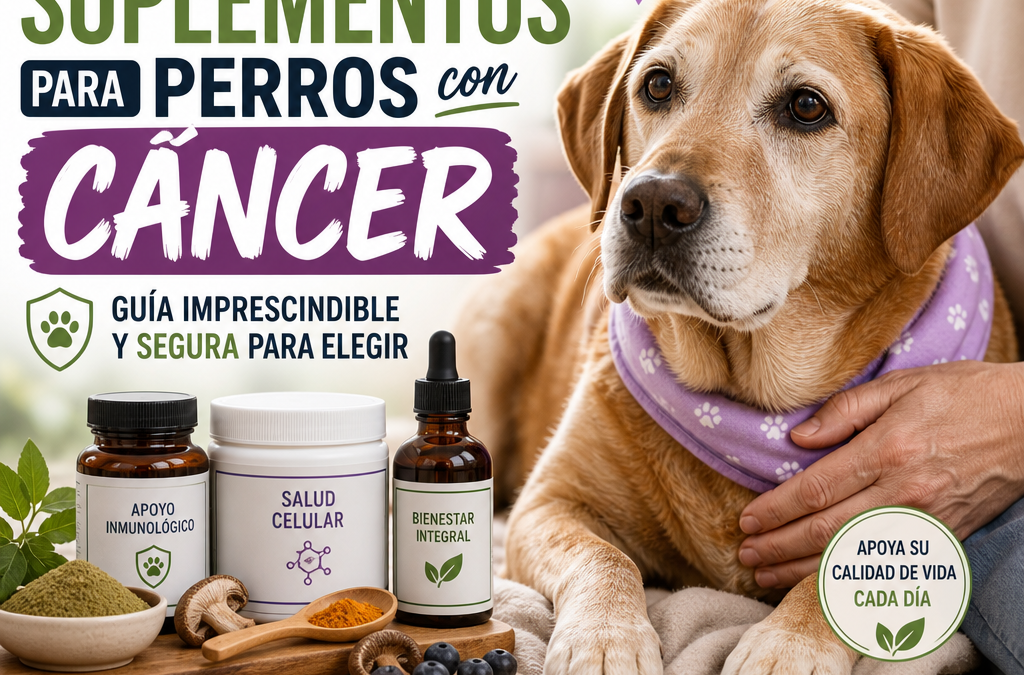
por TCMVET | Hace 12 de agosto de 2026 | Investigación y noticias
Choosing the best supplements for dogs with cancer does not mean buying the most popular product or combining several compounds at once. In dogs with tumors, any supplement should be considered part of an individualized veterinary plan, as it can influence appetite, weight, digestion, immune response, or even the action of certain treatments. A safe choice begins with knowing the type of cancer, the general condition of the animal, and the real goals of nutritional support.
What a supplement for dogs with cancer should provide
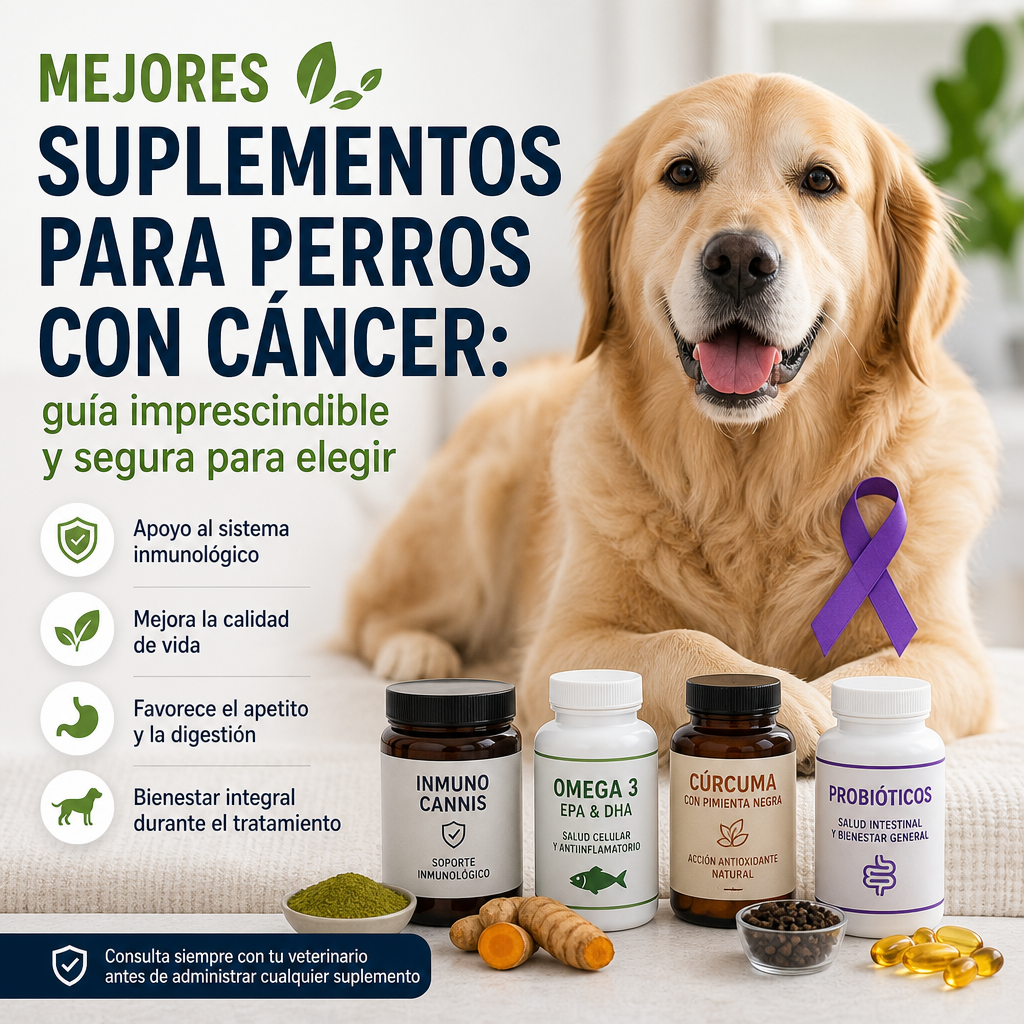
Cancer can modify the energy and nutritional needs of a dog. Some animals lose weight, muscle mass, and appetite; others experience nausea, diarrhea, constipation, or greater difficulty maintaining stable feeding. Therefore, supplements should not be seen as a cure, but as complementary tools to enhance quality of life.
A good cancer dog supplement should address a specific need, such as:
- Helping to maintain muscle mass.
- Increasing the caloric density of the diet when there is weight loss.
- Promoting adequate digestion.
- Complementing nutrients that the veterinarian has identified as insufficient.
- Supporting hydration or appetite at specific times.
Complete and balanced nutrition remains the foundation. No product can replace chemotherapy, surgery, radiotherapy, analgesia, or other prescribed treatments.
It is also worth remembering that the best supplements for dogs with cancer are not always the most expensive or those that promise the most effects. In many cases, the real benefit depends on whether the product fits the clinical state of the dog and the therapeutic plan at the moment. A supplement may be useful during a phase of appetite loss but unnecessary when the animal is already stable.
Best supplements for dogs with cancer according to their needs
Omega-3 fatty acids
Omega-3s, especially EPA and DHA from purified fish oil, are some of the most studied supplements in veterinary nutrition. They can help maintain body condition and support a balanced inflammatory response. In some dogs, they also contribute to improving the palatability of food and energy intake.
However, the dosage must be adjusted to weight, diet, and health status. It is important to use products formulated for animals or recommended by a professional, monitor their storage, and avoid rancid or questionable oils. Omega-3s may not be appropriate in dogs with certain coagulation disorders, pancreatitis, or specific medications.
Cuando se valoran los mejores suplementos para perros con cáncer, este grupo suele aparecer entre las primeras opciones por su perfil de uso extendido y su posible utilidad como apoyo nutricional. Aun así, no debe asumirse que todos los perros se benefician de la misma forma, porque cada caso oncológico tiene necesidades distintas.
Proteínas de alta calidad
Cuando un perro pierde músculo, el primer paso suele ser revisar la cantidad y calidad de proteína que consume. Un suplemento rico en proteínas puede ser útil en casos seleccionados, pero no todos los perros lo necesitan. Además, algunos pacientes con enfermedad renal, hepática o digestiva requieren restricciones concretas.
En lugar de añadir productos al azar, el veterinario puede recomendar una dieta terapéutica, una comida húmeda más apetecible o una fuente proteica compatible con el tratamiento. El objetivo es preservar la musculatura sin sobrecargar otros órganos.
En este punto, los mejores suplementos para perros con cáncer son los que realmente corrigen una carencia y no los que solo prometen resultados rápidos. Si el perro ya ingiere suficiente proteína, el beneficio de añadir más puede ser limitado o incluso contraproducente.
Probiotics and digestive support
Los tratamientos oncológicos, el estrés y los cambios de alimentación pueden alterar la microbiota intestinal. Un probiótico veterinario podría ayudar a mantener una función digestiva normal en algunos animales, sobre todo cuando aparecen heces blandas o irregularidades intestinales.
Not all probiotics are the same. It is advisable to choose identified strains, with a guaranteed viable amount and clear storage instructions. If the dog shows persistent vomiting, intense diarrhea, blood in the stool, or lethargy, a probiotic does not replace medical evaluation. To better understand the nutritional approach in these cases, it may also be helpful to review this guide on nutrition for dogs with cancer.
For many guardians, the best supplements for dogs with cancer start with those that help stabilize digestion and make it easier for the animal to eat more normally. When the stomach is regulated, daily intake tends to be more consistent and the dog tolerates the treatment routine better.
Antioxidants: usefulness and precautions
Antioxidants often appear in support formulas for dogs with tumors. Vitamins like E, minerals like selenium, and plant compounds can play important roles in the body, but that does not mean that high doses are always beneficial.
During some treatments, especially when therapies that generate oxidative stress are used as part of their mechanism, concentrated antioxidants could interfere with the therapeutic goal. The evidence depends on the compound, the amount, the type of cancer, and the treatment used. For this reason, megadoses of vitamins or antioxidant extracts should not be administered without veterinary authorization.
If the goal is to add support without complicating the clinical plan, the best supplements for dogs with cancer are usually those that respect the oncologist's recommendations and do not interfere with the main therapy. In practice, this means prioritizing simple and well-documented formulas over extensive mixtures with multiple promises.
Broths, gels, and caloric supplements
When the main problem is a lack of appetite, energy products designed for dogs can be used. Caloric gels and some recovery diets provide energy in small volumes, which is useful for animals that eat little.
Nevertheless, it is essential to review their ingredients. Products containing onion, garlic, xylitol, grapes, raisins, excessive salt, or inappropriate fats should be avoided. Homemade broths are only safe if prepared without toxic ingredients and without seasonings. Additionally, forcing feeding can worsen food aversion; in some cases, pain, nausea, or dehydration needs to be addressed first.
In dogs with low appetite, the best supplements for dogs with cancer are those that provide energy practically and are well tolerated from a digestive standpoint. It may also be helpful to offer small portions spread throughout the day, rather than one large meal.
B-complex vitamins and appetite support
In some oncology patients, the veterinarian may consider B-complex vitamins when there is low intake, weight loss, or a specific need detected during the clinical review. These vitamins are involved in energy metabolism and various bodily functions, so they sometimes form part of a broader support plan.
However, they should not be given by inertia. If the dog is already receiving a complete diet and the professional has not identified a deficiency, adding vitamins indiscriminately does not always provide benefits. In this context, the best supplements for dogs with cancer are those that respond to a measurable objective, not to a general feeling that “the more, the better.”.
Fiber supplements when there is constipation or irregular transit
Some dogs with tumors show changes in intestinal transit. When there is constipation, very dry stools, or irregular digestion, fiber can be part of the solution, although not in all cases. The type of fiber, the amount, and the way it is administered must be adjusted carefully, as excess could worsen gas, diarrhea, or abdominal discomfort.
If fiber supplements are chosen, they should be integrated into a diet that the dog tolerates well. Hydration is also important, as fiber without enough water can be unhelpful or even uncomfortable. Therefore, the best supplements for dogs with cancer are not selected based on trends, but rather on the specific need that exists at that moment.
Dog tumor supplements: which products require more care
La categoría suplementos perro tumor incluye numerosas fórmulas con setas medicinales, cúrcuma, cáñamo, extractos de plantas y mezclas patentadas. Aunque algunos ingredientes se investigan por sus posibles efectos inmunitarios o antiinflamatorios, la evidencia clínica en perros todavía es variable. Que un producto sea natural no garantiza que sea inocuo.
Los extractos vegetales pueden alterar la coagulación, la presión arterial, el hígado o la absorción de medicamentos. También pueden causar diarrea o reacciones alérgicas. Los productos de cannabis o cannabidiol requieren una especial precaución: la concentración real puede no coincidir con la etiqueta y algunos contienen contaminantes o niveles de THC perjudiciales.
Antes de utilizar cualquier suplemento, el veterinario debe conocer el nombre comercial, la composición, la concentración y la dosis prevista. También conviene desconfiar de las promesas de “curar” tumores, reemplazar la quimioterapia o eliminar los efectos secundarios de forma garantizada. Si quieres ampliar el contexto clínico, esta lectura sobre los tipos de tratamiento contra el cáncer ayuda a entender por qué los complementos nunca deben sustituir la terapia principal.
In many cases, the best supplements for dogs with cancer are not the most complex, but the most transparent in their composition and the easiest to monitor. A simple formula, with clear ingredients and without exaggerated claims, is often a more prudent option than a product loaded with hard-to-evaluate extracts.
Safety depends on both the supplement and the clinical context. To make a responsible decision:
- Consult the veterinary oncologist or the professional handling the case.
- Define the objective: appetite, weight, muscle mass, digestion, or general well-being.
- Revisa la lista completa de ingredientes y la concentración por dosis.
- Comprueba que el fabricante ofrezca controles de calidad y trazabilidad.
- Empieza solo con un producto cada vez, salvo indicación distinta.
- Respeta la dosis recomendada y no la aumentes porque el efecto tarde en aparecer.
- Observa vómitos, diarrea, picor, apatía, cambios en la sed o alteraciones del apetito.
- Suspende el producto y contacta con el veterinario si aparecen reacciones preocupantes.
También es útil llevar un registro sencillo del peso, la cantidad de comida ingerida, las deposiciones y el nivel de energía. Estos datos permiten determinar si el suplemento aporta algún beneficio real o si debe retirarse.
Antes de comprar, compara si el producto encaja con el plan nutricional general y si realmente aporta algo distinto a una dieta terapéutica bien formulada. En muchos casos, los mejores suplementos para perros con cáncer son los que resuelven una necesidad concreta y no los que prometen más beneficios en la etiqueta.
Otro aspecto importante es el momento de introducción. Si el perro acaba de empezar un tratamiento o atraviesa una fase de náuseas, quizá no sea el mejor momento para añadir novedades. Introducir cambios de manera escalonada facilita saber qué funciona y qué no, y ayuda a distinguir una reacción al suplemento de una respuesta del propio cáncer o del tratamiento farmacológico.
What to check on the label before buying
A quick review of the label can prevent important mistakes. It is advisable to check the active ingredient, the species for which it is formulated, the dosage per kilo, the expiration date, the method of preservation, and the presence of allergens or unnecessary additives. It is also recommended to confirm if the manufacturer indicates quality analysis, batch, and traceability.
If the dog is already taking medication, this review is even more important. Some products can alter the absorption of drugs, increase drowsiness, or modify coagulation. Therefore, even when a supplement seems simple, it should be evaluated within the overall treatment.
The best supplements for dogs with cancer usually stand out for a clear label, a simple formula, and a specific utility for the individual case. If a label is confusing or does not precisely explain what the product contains, the most prudent thing is to look for another alternative.
In addition, it is advisable to check if the manufacturer provides storage instructions once the container is opened. Many supplements lose stability if exposed to heat or humidity, something especially relevant at home when the dog only takes small amounts over several days or weeks.
How to accompany daily feeding without improvising
Además del suplemento, la forma de ofrecer la comida puede marcar una gran diferencia. Algunas medidas útiles son repartir la ración en comidas pequeñas, templar ligeramente el alimento para mejorar el aroma, mantener horarios constantes y ofrecer texturas que el perro tolere mejor. En animales con náuseas o aversión al alimento, también puede ayudar variar entre comida húmeda, dieta de recuperación o preparados de alta palatabilidad siempre con orientación veterinaria.
La hidratación merece una atención especial. Si el perro bebe menos, la prioridad es detectar la causa y corregirla, no simplemente añadir productos. Un estado de hidratación adecuado facilita la digestión, el bienestar general y la tolerancia al tratamiento.
Con este enfoque práctico, los mejores suplementos para perros con cáncer pueden integrarse de forma más segura en la rutina diaria. La clave está en que el suplemento facilite la alimentación y no complique la vida del perro ni la del tutor.
También puede servir mucho observar el entorno: algunos perros comen mejor en un lugar tranquilo, lejos de ruidos o del resto de animales. Otros necesitan que la comida esté siempre en el mismo cuenco o servida a la misma hora. Estos detalles no sustituyen al tratamiento, pero sí pueden mejorar la respuesta global al plan nutricional.
Cuándo conviene suspender un suplemento y consultar
Aunque un producto parezca bien tolerado al principio, siempre existe la posibilidad de que deje de ser útil o provoque molestias. Conviene contactar con el veterinario si aparece vómito repetido, diarrea, heces negras, picor intenso, inflamación facial, apatía marcada, rechazo total del alimento o un empeoramiento claro del estado general.
También es importante consultar si el perro está tomando varios suplementos a la vez y no queda claro cuál está ayudando o perjudicando. En algunos casos, la simplificación del plan es la mejor decisión. Menos productos, pero mejor elegidos, suele ser una estrategia más segura y más fácil de evaluar.
De nuevo, los mejores suplementos para perros con cáncer son los que pueden monitorizarse con facilidad y que se retiran sin problema si el caso clínico cambia. La adaptabilidad es una ventaja, no una señal de debilidad.
The priority is quality of life
En un perro con cáncer, el mejor apoyo no siempre es el suplemento más completo, sino la estrategia que consigue que coma, mantenga un peso razonable, tenga menos dolor y disfrute de sus rutinas. Una dieta adecuada, el control de las náuseas, la hidratación, el descanso y el seguimiento veterinario suelen ser más importantes que acumular productos.
The best supplements for dogs with cancer are those that respond to a specific need, have a reliable composition, and integrate safely into the treatment. Caution, professional supervision, and daily observation help protect the animal and make decisions based on its real well-being. If the case changes, the response to the best supplements for dogs with cancer may also change, so it is advisable to reevaluate each option regularly.
In summary, choosing among the best supplements for dogs with cancer requires judgment, patience, and a practical view of the treatment. With a careful review of ingredients, dosages, and objectives, it is easier to avoid mistakes and prioritize what truly improves their quality of life. In this approach, the best supplements for dogs with cancer are those that add safety, utility, and veterinary supervision.
