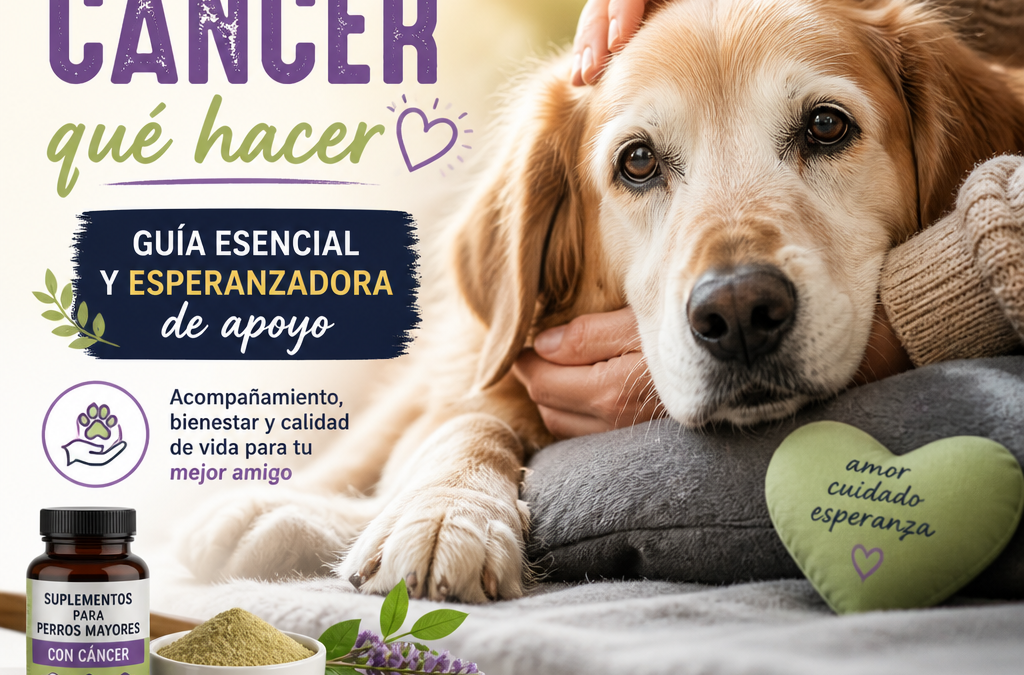
por TCMVET | Hace 25 de agosto de 2026 | Investigación y noticias
Elderly dog cancer what to do is a difficult question that many guardians face when receiving a concerning diagnosis. Although the news can generate fear and uncertainty, there are concrete steps to understand the disease, alleviate discomfort, and make responsible decisions. The goal is not always to cure, especially when the animal is very old, but to preserve its well-being, dignity, and the quality time it can still share with the family.
Elderly dog cancer what to do after the diagnosis
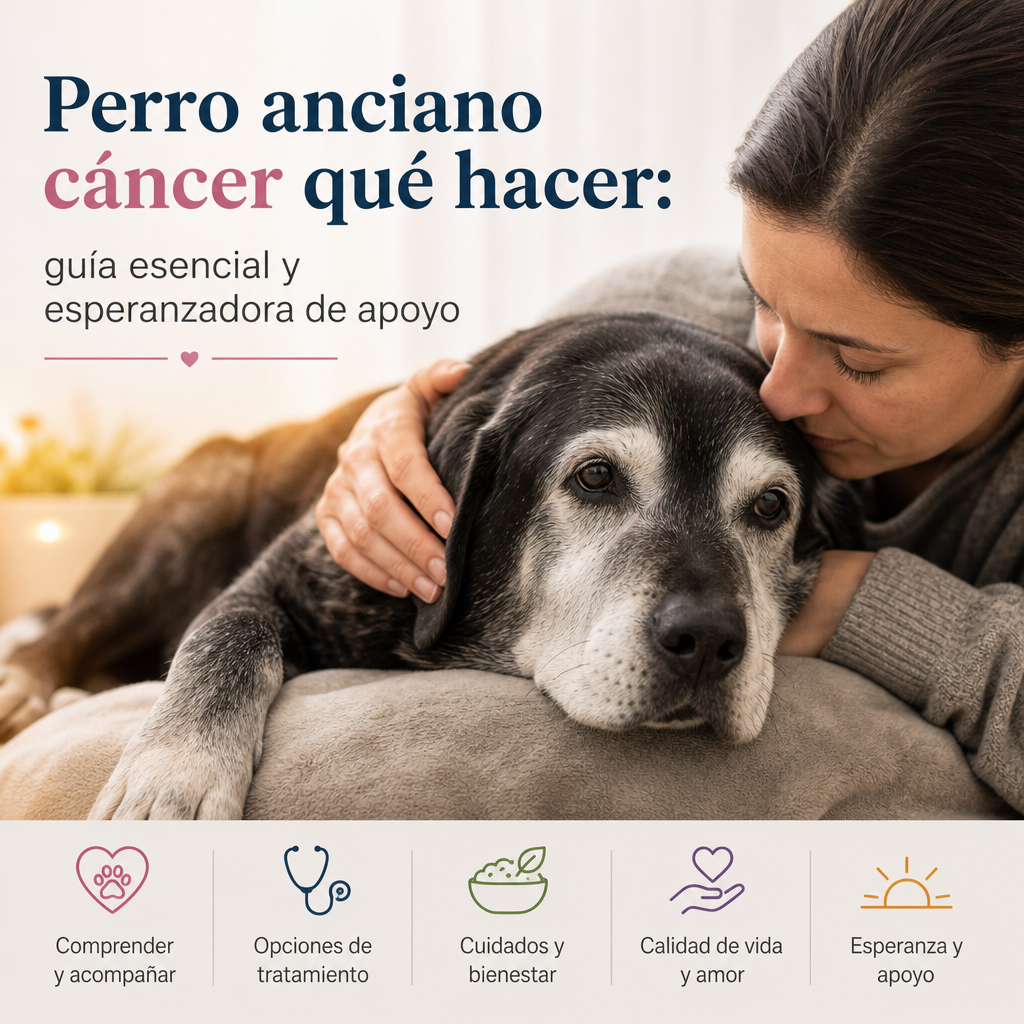
The first step is to stay calm and request clear information from the veterinarian. “Cancer” encompasses numerous diseases, with very different behaviors and treatments. Some tumors grow slowly and can be controlled for months or years, while others progress rapidly.
It is advisable to ask:
- What type of tumor does the dog have?
- What stage is it in?
- Has it spread to other organs?
- What tests are necessary to confirm the diagnosis?
- What treatments are available and what are their side effects?
- What is the prognosis with and without treatment?
- Is the goal curative, palliative, or controlling?
Tests may include blood tests, X-rays, ultrasounds, cytologies, biopsies, or CT scans. Not all are essential in every case. In an older dog, the veterinarian must assess the real usefulness of each procedure, its cost, the stress it generates, and whether it will change therapeutic decisions.
If you need basic and reliable information about oncological disease in animals, you can review the educational guide from the Veterinary Information Network on cancer in dogs.
At this stage, understanding well elderly dog cancer what to do helps avoid impulsive decisions. Writing down questions, asking for explanations of the report in simple words, and requesting a second opinion when necessary can provide a lot of peace of mind.
It is also helpful to have in writing the exact name of the tumor, the dates of the tests, the prescribed medications, and the symptoms that appear at home. This record facilitates the consultation and allows for more precise decision-making. If the guardian thinks again about elderly dog cancer what to do, having organized information usually reduces anxiety and improves communication with the veterinarian.
Assessing the quality of life of the older dog
When seeking to know what to do with an elderly dog with cancer, quality of life should be at the center of the conversation. Age alone does not determine the options: some older dogs tolerate surgery or treatment well, while others have heart, kidney, or joint diseases that limit alternatives.
To observe its evolution, a daily record of aspects such as can be kept:
- Appetite and water intake.
- Ease of walking, getting up, and resting.
– Pain, excessive panting or restlessness.
– Vomiting, diarrhea or difficulty defecating.
– Interest in family and their usual activities.
– Ability to sleep comfortably.
– Number of good days versus bad days.
A dog can have a serious illness and still enjoy quiet walks, petting, and food. In contrast, persistent pain, total lack of appetite, difficulty breathing, or inability to rest indicate that it is necessary to contact the veterinarian soon. Quality of life scales can help objectify the situation, although they never replace professional assessment.
In many households, checking daily how the animal feels helps make calmer and more realistic decisions. This monitoring also allows for the detection of subtle changes and acting before discomfort increases. If the caregiver asks themselves over and over elderly dog cancer what to do, the answer usually starts by honestly observing how the dog lives each day.
In addition to what is visible, it is advisable to pay attention to less obvious signals: if it hides more than usual, if it avoids getting on the sofa, if it stops seeking company, or if it becomes irritable when it was previously calm. Sometimes, small changes in behavior indicate pain or fatigue. The sooner they are detected, the easier it will be to adjust the support plan and maintain a good balance between comfort and activity.
Possible treatments and palliative care
Depending on the type of tumor, options may include surgery, chemotherapy, radiation therapy, immunotherapy, or medications to control symptoms. Veterinary chemotherapy does not always aim to completely eliminate cancer; in many cases, it seeks to slow its progression and maintain a good quality of life. Dogs usually tolerate it better than humans, although fatigue, nausea, diarrhea, or decreased appetite may occur.
Surgery may be appropriate if the tumor is localized and the animal's overall condition allows for anesthesia. Before operating, tests and analyses are usually performed to assess organ function. In other cases, especially when cancer is widespread or the dog has multiple illnesses, palliative care may be the most humane alternative.
Palliative care seeks to reduce pain and other symptoms without subjecting the animal to aggressive procedures. It may include analgesics, anti-inflammatories, gastric protectants, anti-nausea medications, appetite stimulants, and measures to improve rest. Human medications should never be administered on one's own: some, like ibuprofen, acetaminophen, or aspirin, can be dangerous.
When the case requires nutritional support or supplementing the diet, some caregivers first consult options like the suplementos para perros con cáncer: 7 consejos imprescindibles, seguros y positivos para elegir mejor, always under professional supervision and without replacing the indicated treatment.
It can also be helpful to ask the veterinarian what specific goals each option aims to achieve: reducing pain, slowing tumor growth, improving appetite, or maintaining mobility. Having these goals clear makes it easier to decide more calmly what to do at each stage.
In some older dogs, the best plan is not to do more, but to do just enough at the right time. This decision may include regular check-ups, pain assessments, dose adjustments, or changes in the regimen if the animal improves or worsens. Understanding these nuances is an essential part of elderly dog cancer what to do when prioritizing well-being over haste.
Adapting the environment and routine
The older dog with cancer needs a comfortable, predictable, and safe environment. A cushioned, warm, and easily accessible bed can reduce joint pain and facilitate rest. If it has weakness, it is advisable to place non-slip rugs in areas where it walks, avoid stairs, and use ramps when necessary.
Walks should be adapted to its energy level. It is preferable to take short and frequent outings rather than forcing it to walk for a long time. Gentle exercise helps maintain mobility, but it should stop if intense panting, trembling, limping, or exhaustion occurs.
Feeding also requires attention. Some dogs eat better small portions several times a day, with wet or slightly warmed food to enhance aroma. The diet should be complete and appropriate for its condition; it is not advisable to change it abruptly or offer very fatty foods. If it loses weight, vomits, or stops eating for an extended period, the veterinarian should intervene.
It can also be helpful to prepare a quiet corner with water within reach, easy-to-wash blankets, and simple access to the exit. These small changes reduce the daily effort of the animal and help it maintain its routine.
Un hogar adaptado no cura el cáncer, pero sí puede marcar una diferencia importante en su comodidad. Si surge de nuevo la duda de elderly dog cancer what to do, conviene revisar el entorno antes de pensar en medidas más complejas: a veces, mejorar el descanso y la accesibilidad ya alivia mucho.
La rutina diaria también debe ser flexible. En días más difíciles, quizá necesite más descanso y menos estímulos; en jornadas mejores, podrá disfrutar de un paseo algo más largo o de una sesión breve de juego suave. Adaptarse a su estado, en lugar de imponer una agenda rígida, suele ser una de las decisiones más acertadas para un perro anciano con cáncer.
Supplements for older dogs with cancer
Los suplementos para perro mayor con cáncer pueden parecer una solución sencilla, pero no sustituyen el tratamiento veterinario. Además, algunos productos interfieren con medicamentos, alteran la coagulación o afectan al hígado y los riñones. Por eso, cualquier suplemento debe revisarse con el profesional que conoce el diagnóstico y la medicación del animal.
En ciertos casos, el veterinario puede valorar ácidos grasos omega-3, antioxidantes específicos, probióticos o complementos nutricionales. La utilidad depende del tipo de tumor, la dieta, el peso, el estado de los órganos y el tratamiento elegido. “Natural” no significa automáticamente seguro, y las dosis destinadas a humanos no deben trasladarse a los perros sin supervisión.
También conviene desconfiar de productos que prometen curar el cáncer, sustituir la quimioterapia o garantizar resultados. La evidencia científica sobre muchos suplementos es limitada, y retrasar una atención adecuada puede perjudicar al animal.
Si el tutor quiere comparar opciones de forma más específica, puede revisar best supplements for dogs with cancer: 7 essential, useful, and safe keys to choose para entender mejor qué preguntar antes de comprar.
En cualquier caso, la pregunta práctica no es si un suplemento suena bien, sino si aporta beneficios reales sin añadir riesgos. Esa es una parte esencial de elderly dog cancer what to do con criterio y sin falsas expectativas.
Antes de introducir cualquier complemento, es recomendable hacer una lista de todo lo que ya toma el perro: medicamentos, dieta, vitaminas y productos para otras dolencias. Así se evitan combinaciones innecesarias y se detectan mejor posibles efectos adversos. En algunos casos, el veterinario puede preferir priorizar una alimentación adecuada y un buen control del dolor antes que añadir más productos.
How to support them emotionally
Los perros perciben los cambios en la rutina y el estado emocional de sus cuidadores. Mantener horarios regulares, hablarle con tranquilidad y ofrecer contacto físico si lo busca puede ayudarlo a sentirse seguro. No es necesario forzarlo a jugar o interactuar; respetar sus periodos de descanso también es una forma de cuidado.
The family can agree on who administers the medications, who records the symptoms, and when to contact the veterinarian. This organization reduces errors and prevents one person from bearing all the responsibility.
In advanced stages, talking early about the end of life does not mean losing hope. It allows for understanding pain management options, planning for possible humane euthanasia, and avoiding hasty decisions during a crisis.
Before reaching that point, it is advisable to frequently check if they still enjoy eating, resting, walking, and receiving affection. If those small things consistently disappear, it is wise to reevaluate the plan with the veterinarian without delay.
Accompanying an elderly dog with cancer involves making decisions step by step, guided by medical information and daily observation. With veterinary attention, adjustments at home, symptom control, and plenty of affection, it is possible to offer them security and well-being for as long as they remain with their family.
In such a process, the emotional support of the caregiver also matters. It is normal to feel sadness, guilt, or exhaustion, but it is not advisable to make decisions alone if feeling overwhelmed. Sharing responsibility with family, consulting the veterinarian again, or asking for explanations to be repeated can help maintain clarity in a delicate moment.
Frequently asked questions and follow-up
Many families ask if an elderly dog with cancer should continue living their normal life. The answer depends on the tumor, pain, and the energy they have left. In general, maintaining gentle and predictable routines tends to be beneficial, as long as they do not cause fatigue or discomfort.
Another common question is whether eating less means that the cancer has worsened. Not always, as it can also be due to nausea, pain, stress, constipation, or side effects of treatment. Therefore, it is advisable to note when they stop eating, which foods they accept better, and if there are other associated signs.
It is also common to ask how often they should return to the veterinarian. In stages of active treatment or when symptoms change, check-ups are usually closer together. If the case is stable, the professional will indicate the appropriate frequency based on the evolution.
If the caregiver wants to know again elderly dog cancer what to do, daily monitoring offers the best practical response: observe, record, and notify when something changes. This routine of vigilance allows for earlier detection of pain, dehydration, weight loss, or lack of rest.
In summary, responding to elderly dog cancer what to do requires observing, asking, adjusting, and accompanying with criteria. With a clear plan and veterinary support, elderly dog cancer what to do stops being a paralyzing doubt and becomes a practical guide for better care every day.
Making informed decisions, frequently reviewing pain, and prioritizing quality of life allows each step to make sense. If the diagnosis is recent, asking again elderly dog cancer what to do It is normal; the important thing is to turn that concern into a realistic, compassionate, and well-supervised support routine.
With patience and follow-up, many families find that there is still room for comfort, companionship, and small daily pleasures. This approach does not eliminate the difficulty of the diagnosis, but it does help to live it with more serenity and to maintain the dog's well-being for as long as possible.
por TCMVET | Ago 22, 2026 | Investigación y noticias
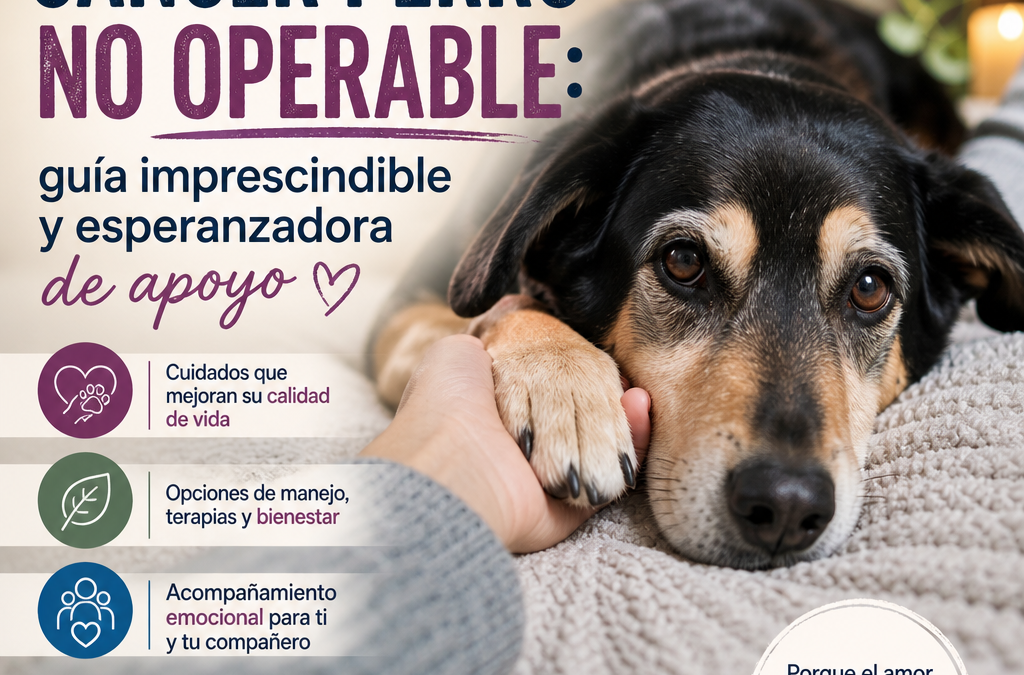
Cáncer perro no operable: recibir este diagnóstico puede resultar devastador, pero “no operable” no significa necesariamente que no haya nada que hacer. En muchos casos, todavía existen medidas para controlar el dolor, reducir otros síntomas, mantener la movilidad y mejorar la calidad de vida. La atención veterinaria, el acompañamiento emocional y la observación diaria son pilares esenciales para ayudar al animal durante esta etapa.
Qué significa que un cáncer no sea operable
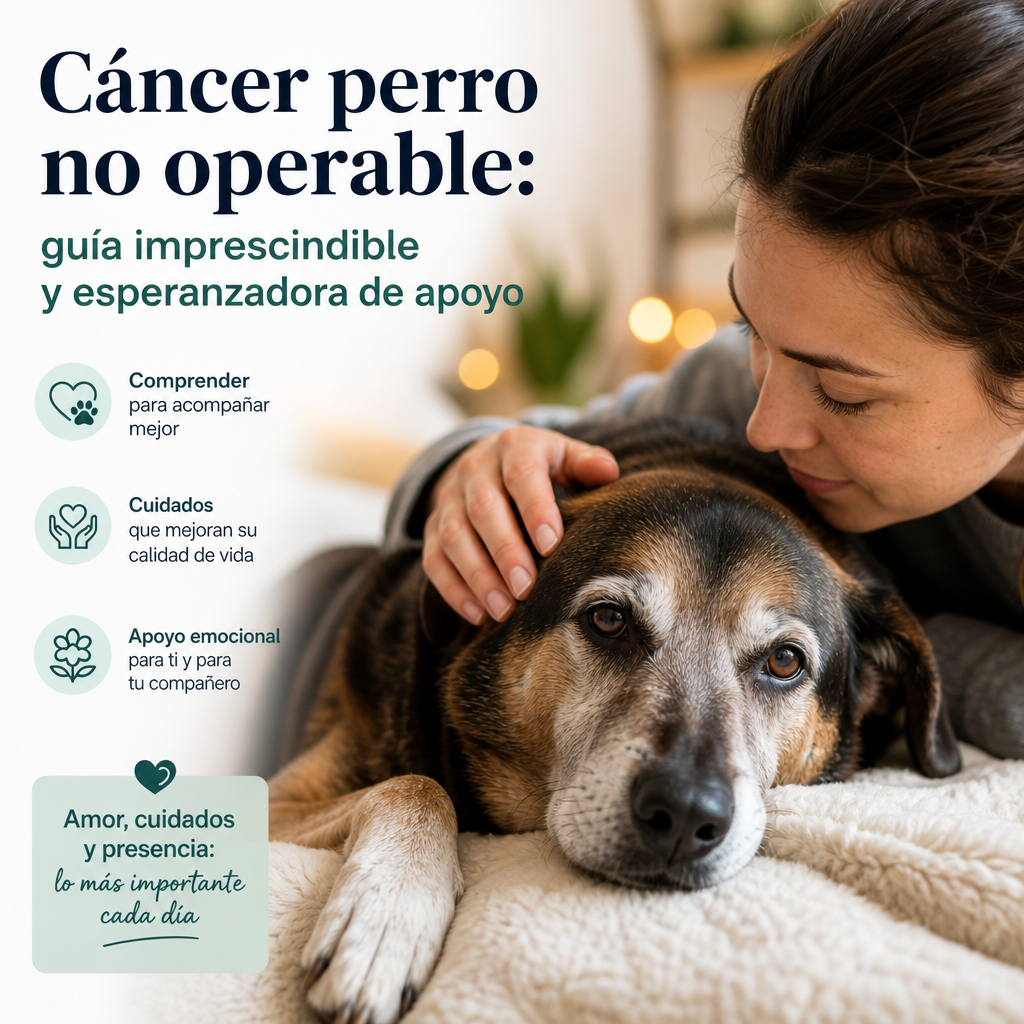
Cuando el veterinario describe un cáncer como no operable, puede referirse a varias situaciones. El tumor quizá esté situado cerca de órganos vitales, vasos sanguíneos o estructuras nerviosas que dificultan una cirugía segura. También puede haber invadido tejidos cercanos, presentar metástasis en otros órganos o encontrarse en una zona donde la extirpación completa no sea posible.
En algunos casos, el estado general del perro tampoco permite afrontar una intervención con garantías. La edad avanzada, enfermedades cardíacas, problemas renales, alteraciones respiratorias o una debilidad marcada pueden aumentar demasiado el riesgo anestésico y quirúrgico.
It is important to understand that the decision is not based solely on the size of the tumor. The veterinarian assesses the type of cancer, its growth rate, location, presence of pain, the state of the organs, and the expectation of future well-being. The goal should be to provide the most beneficial and least harmful treatment for the animal.
At this stage, speaking clearly about inoperable dog cancer helps to understand what can be done and what expectations are realistic. That conversation is often the first step in organizing a useful and compassionate support plan.
It is also worth remembering that the prognosis is not always identical among patients with the same diagnosis. Two dogs with similar lesions may have very different needs depending on their age, energy, appetite, and response to treatment. That is why individualized assessment is so important.
If the case is newly diagnosed, asking for a written explanation of the stage, the tests performed, and the available options can help make decisions with less pressure. Understanding the clinical context helps prioritize what is truly important: comfort, safety, and daily well-being.
Tumor perro inoperable: opciones que pueden ayudar
Even if surgery is not viable, the veterinary team may propose different alternatives. Not all treatments aim to eliminate cancer; some seek to slow it down, reduce its size, or alleviate its consequences.
Chemotherapy can be useful for certain types of tumors and does not always cause the intense side effects that many people imagine. In veterinary medicine, doses are usually adjusted prioritizing quality of life. Radiation therapy can also be considered when the tumor is localized and causes pain, pressure, or bleeding.
In addition, there is the possibility of using palliative treatments. These may include analgesics, anti-inflammatories, anti-nausea medications, gastric protectors, appetite stimulants, or drugs to control anxiety. In some patients, several measures are combined to address different symptoms.
Human medications should never be administered on your own initiative. Some, such as ibuprofen, acetaminophen, or certain anti-inflammatories, can be toxic to dogs. Treatment should always be established and reviewed with a professional.
To expand supportive feeding, it may be helpful to consult this guide on best supplements for dogs with cancer, always as a complement and under veterinary supervision.
When the dog lives with an inoperable tumor, the plan can vary greatly depending on the type of cancer, age, and predominant symptoms. Therefore, the ideal strategy combines medical treatment, clinical follow-up, and adjustments at home.
In some cases, the veterinarian may also consider supportive medication for specific issues, such as constipation, dizziness, inflammation, or weakness. It is not just about “treating the tumor,” but addressing each symptom that reduces the animal's comfort.
Another part of the plan may include regular check-ups to see if the treatment is still effective. Sometimes a small change in the regimen can greatly improve tolerance and appetite. Other times, the priority shifts to reducing side effects and maintaining simple routines.
Support options that are often considered
Depending on the case, the veterinarian may recommend a combination of measures such as pain control, tailored nutrition, sufficient rest, and therapies aimed at the tumor or its effects. At this point, consistency is as important as choosing the right medication.
If the dog shows digestive discomfort, weight loss, or fatigue, the plan may need frequent adjustments. The goal should always be to preserve well-being, not just prolong time.
Cómo reconocer el dolor y el malestar
Dogs do not always whine or show obvious signs of pain. Some hide, remain still, or change their habits without making sounds. Among the signs to watch for are:
- Rapid breathing or effort to breathe.
- Panting without having exercised.
- Difficulty getting up, walking, or climbing stairs.
- Tremors, stiffness, or hunched posture.
- Loss of appetite or sudden rejection of food.
- Lamido insistente de una zona del cuerpo.
- Irritabilidad, aislamiento o menor interés por la familia.
- Problemas para dormir o descanso interrumpido.
- Incontinencia, vómitos o diarrea persistente.
Keeping a daily record can be very helpful. Noting how much they eat, how they sleep, if they walk, their pain level, and their moments of interest allows for detecting changes and provides concrete information to the veterinarian.
In cases of respiratory symptoms or disease progression, it is advisable to review clinical information from reliable sources such as the VCA veterinary guide on cancer in dogs, which summarizes signs, management, and follow-up.
Recognizing discomfort in a timely manner is especially important in an inoperable cancer dog, as it allows for adjusting treatment before pain or loss of appetite become more difficult to control.
In addition to physical signs, subtle changes in behavior should also be monitored. A dog that previously sought play and now avoids contact, sleeps more than usual, or loses interest in walks may be silently asking for help.
When in doubt, it is better to consult early. Waiting too long can turn a manageable symptom into a much more difficult problem to handle. Close observation is a support tool as valuable as any medication.
Apoyo perro cáncer: cuidados cotidianos en casa
Support for cancer dogs should focus on providing safety, comfort, and simple routines. The environment can be adapted to reduce physical effort. A cushioned, warm, and easy-to-clean bed helps prevent discomfort and pressure sores. If there are mobility issues, non-slip rugs can prevent slips.
Fresh water should always be available and placed near the resting area. If the dog has difficulty bending down, it may be helpful to slightly elevate the bowls, as long as the veterinarian considers it appropriate. Feeding should be adjusted to their needs and preferences, without forcing them. Sometimes smaller, more frequent meals or specific diets for certain diseases are recommended.
Walks should be short and adapted to their energy. It is not necessary to maintain the same activity level as before: going out for a few minutes to sniff and enjoy the surroundings may be enough. Rest is also part of the treatment. It is advisable to avoid excessive visits, noise, or stressful situations if the animal appears tired.
Affectionate contact, a calm voice, and respectful companionship can provide a lot of well-being. Some dogs prefer to be close to their family; others need more space. Observing their preferences allows for accompanying them without imposing activities.
Additionally, organizing fixed schedules for medication, food, and outings helps make the day more predictable. In this type of illness, routine reduces anxiety and makes it easier for the dog to maintain small habits that are comforting to them.
La higiene también merece atención. Si el animal pierde movilidad, puede necesitar limpieza frecuente de la zona perineal, cuidado de la piel y revisión de almohadillas o úlceras por presión. Estos detalles, aunque parezcan pequeños, forman parte del apoyo perro cáncer y pueden marcar una gran diferencia en su comodidad diaria.
Un buen apoyo perro cáncer también implica adaptar la casa a sus cambios de energía. Reducir escaleras, asegurar zonas de paso y mantener objetos esenciales cerca puede evitar esfuerzos innecesarios y accidentes.
Si el perro tolera bien ciertas rutinas suaves, puede beneficiarse de momentos cortos de contacto tranquilo, como permanecer junto a la familia en un espacio cómodo. Lo importante es respetar su ritmo y evitar sobreestimularlo cuando necesita calma.
En casa, la comunicación entre todos los miembros de la familia ayuda mucho. Dejar anotadas las dosis, los horarios y las observaciones del día reduce errores y permite actuar con rapidez si aparece un cambio importante.
Rutinas útiles en el día a día
Un horario estable para comer, descansar y medicarse reduce la incertidumbre. También puede ser útil preparar una zona de descanso alejada de corrientes de aire, con acceso fácil a agua y sin barreras físicas.
Si hay días en los que el perro tiene menos energía, no se debe interpretar como un fracaso. En una enfermedad oncológica avanzada, la flexibilidad es parte del cuidado. Adaptarse a la realidad del momento es una forma de amor y de respeto.
Cuándo hablar de pronóstico y objetivos de tratamiento
Hablar del pronóstico no significa rendirse. Significa comprender qué se puede esperar y qué metas son realistas. En una enfermedad avanzada, los objetivos pueden cambiar: a veces el foco pasa de controlar el tumor a priorizar el bienestar, la comodidad y la ausencia de dolor.
El veterinario puede explicar si el tratamiento busca reducir el tamaño de la masa, ralentizar el avance, controlar síntomas específicos o mantener al perro estable durante el mayor tiempo posible. También puede indicar cuándo conviene reevaluar la respuesta y ajustar la medicación.
If there is doubt about complementary options, it is advisable to review educational materials from veterinary oncology centers and discuss any ideas with the responsible professional. Useful information is the one that helps make safer decisions, not the one that promises miraculous results.
In an inoperable dog cancer, treatment goals should be reviewed frequently. What works at the beginning may cease to be sufficient over the weeks, and adjusting in time usually improves the patient's comfort.
It is also helpful to ask what signals would indicate that the plan needs a change. Knowing in advance when to return for a consultation avoids delays and allows for action before pain or fatigue advance too much.
Specific goals can be very simple: to eat better, to rest without disturbances, to walk with less difficulty, or to enjoy more quiet moments. These small goals are often more useful than a general expectation that is too ambitious.
Calidad de vida y decisiones difíciles
Evaluating quality of life does not mean waiting for the dog to be in a critical situation. It is advisable to talk to the veterinarian from the beginning about what signs indicate suffering, what symptoms can be controlled, and when it would be necessary to modify the plan.
A simple tool consists of periodically assessing various aspects: pain, appetite, hydration, mobility, hygiene, rest, and interest in people or activities they used to enjoy. It also helps to compare good days with bad days. If moments of discomfort become more frequent and available measures no longer alleviate it, a review should be requested.
In certain circumstances, the veterinarian may discuss humane euthanasia. This decision is painful, but it can prevent suffering when the disease progresses and there is no reasonable way to maintain well-being. It should not be made out of guilt or external pressure, but through a clear and compassionate conversation with the medical team.
Taking notes on appetite, mobility, rest, and daily interaction levels can greatly facilitate that conversation. The more specific the information, the easier it will be to decide whether the support plan remains useful or needs changes.
When the evolution is uncertain, the approach to inoperable dog cancer should focus on small measurable improvements: less pain, less nausea, more rest, and more quiet moments with family.
It can also help to ask whether the dog still enjoys some simple things: sniffing in the garden, lying close to their favorite people, or eating with appetite. These details often provide valuable clues about their real well-being.
If at any point the sum of symptoms clearly outweighs the periods of calm, the conversation with the veterinarian should be a priority. Talking in advance allows for better support and avoids decisions made solely out of urgency.
Signs that usually alert to significant deterioration
Persistent loss of appetite, poorly controlled pain, inability to rest, marked respiratory difficulty, or disinterest in everything they used to enjoy are signs that require rapid professional evaluation.
In light of these changes, it is advisable to review whether the current treatment is still fulfilling its function or if it is time to focus care exclusively on comfort and symptomatic relief.
El acompañamiento emocional de la familia
Caring for a dog with cancer also affects the people around them. It is normal to feel sadness, fear, confusion, or even guilt. However, offering support does not mean finding a cure at all costs, but being present and ensuring that each day is as comfortable as possible.
The family can share the tasks of medication, feeding, cleaning, and veterinary visits. Maintaining open communication prevents one person from bearing all the responsibility. It can also be helpful to prepare questions before each consultation and ask for explanations about the benefits and possible side effects of each treatment.
A cancer diagnosis does not completely define the time that remains. Some dogs respond well to palliative therapies and maintain a calm life for months; others progress more quickly. Individualized attention is essential, as each patient has a different disease, response, and needs.
With veterinary control, careful observation, and a lot of love, it is possible to transform a difficult stage into a meaningful period of companionship. The priority is not just to prolong life, but to protect their well-being, alleviate suffering, and preserve the moments of connection that make the bond between a dog and its family so special.
If you want to delve into how to choose products that really help, also check the guide suplementos para perros con cáncer and discuss it with your veterinarian before incorporating it into the care plan.
In summary, facing an inoperable dog cancer requires information, follow-up, and emotional support. With a well-adjusted plan, many families can help their dog live with more comfort and dignity during this stage.
When the diagnosis is difficult, remembering that there is still room to care, alleviate, and accompany can bring serenity. This practical and compassionate approach is often the one that helps both the dog and its family the most.
The best decision will always be the one that combines veterinary criteria, daily observation, and respect for the animal's quality of life. In an inoperable dog cancer, every small adjustment can add to well-being.
