
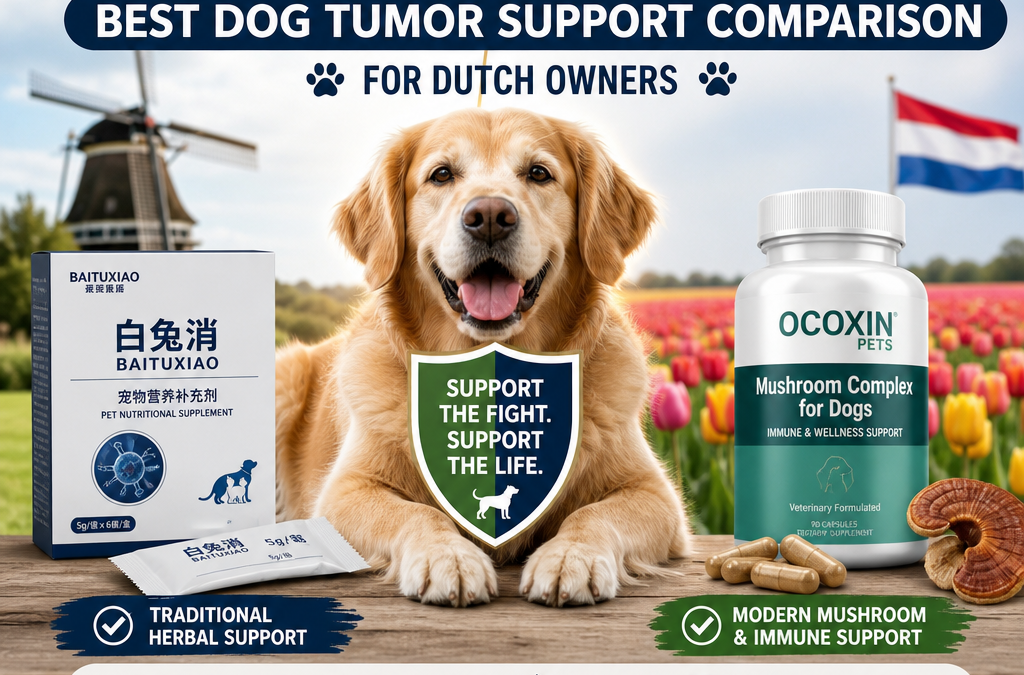
Baituxiao vs Ocoxin Pets è un confronto che molti proprietari di cani olandesi possono considerare quando cercano cure di supporto durante il trattamento del cancro di un animale domestico. Entrambi i prodotti sono commercializzati come integratori complementari piuttosto che sostituti per la diagnosi o la terapia veterinaria, ma differiscono per ingredienti, presentazione, uso previsto e disponibilità. Comprendere queste differenze può aiutare i proprietari ad avere una discussione più informata con il loro veterinario.
Un cane diagnosticato con un tumore ha bisogno di un piano di trattamento individualizzato. A seconda del tipo di tumore, della posizione, dello stadio e della salute generale, il trattamento può comportare chirurgia, chemioterapia, radioterapia, immunoterapia, controllo del dolore, supporto dietetico o cure palliative. Gli integratori possono talvolta essere utilizzati insieme al trattamento convenzionale, ma la loro idoneità dipende dal cane e dai farmaci prescritti.
Cos'è Baituxiao?
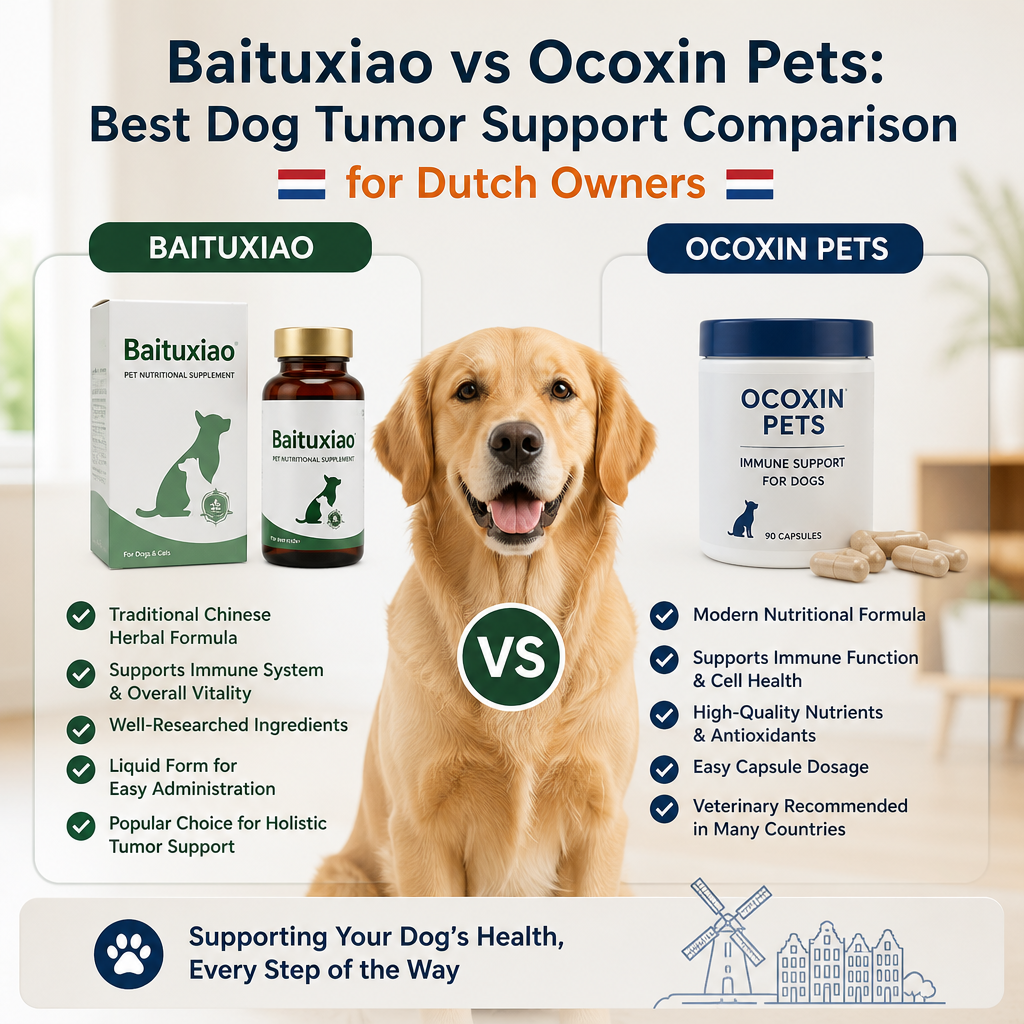
Baituxiao è un prodotto ispirato alla medicina tradizionale cinese comunemente promosso per un uso di supporto negli animali con masse o tumori. La sua formula può includere più ingredienti botanici e minerali, sebbene la composizione esatta, la concentrazione e la qualità del prodotto possano variare a seconda del fornitore e del mercato.
Il prodotto è generalmente presentato come un'opzione complementare destinata a supportare la condizione generale del corpo. I materiali di marketing possono riferirsi a supporto immunitario, circolazione, infiammazione o gestione della crescita anomala dei tessuti. Tuttavia, queste affermazioni dovrebbero essere interpretate con cautela. Le prove provenienti da studi di laboratorio, uso tradizionale o integratori umani non dimostrano automaticamente che un prodotto possa ridurre i tumori o prolungare la vita di un cane.
Per i proprietari olandesi, una considerazione importante è la trasparenza del prodotto. Prima di acquistare Baituxiao, controlla l'elenco completo degli ingredienti, le informazioni sul produttore, i dettagli del lotto, il dosaggio raccomandato, le istruzioni per la conservazione e lo stato di importazione. I prodotti acquistati tramite siti web internazionali possono avere formulazioni o standard di etichettatura diversi rispetto ai prodotti distribuiti all'interno dell'Unione Europea.
Quando l'obiettivo principale è la cura di supporto, è utile anche confrontare il prodotto con altre opzioni utilizzate in oncologia veterinaria. Un veterinario potrebbe essere in grado di spiegare se un integratore è appropriato insieme al piano attuale del cane o se un approccio diverso è più sicuro. Per una panoramica più ampia della consapevolezza del cancro nei cani, il guida ai rischi di cancro e ai segni precoci di tumore dell'Alaskan Malamute può essere un utile riferimento interno.
Baituxiao vs Ocoxin Pets solleva anche una questione più ampia che interessa molti proprietari: come separare la cura di supporto dalle affermazioni che sembrano più certe di quanto le prove consentano. Un prodotto può essere discusso come un possibile aiuto, ma dovrebbe comunque essere visto attraverso la stessa lente veterinaria utilizzata per qualsiasi altro integratore.
Cos'è Ocoxin Pets?
Ocoxin Pets è un integratore nutrizionale orientato verso la veterinaria progettato per supportare cani e gatti durante periodi di malattia, comprese situazioni in cui è stata diagnosticata una neoplasia. È comunemente associato a supporto nutrizionale e antiossidante, e la sua formulazione può contenere composti vegetali, vitamine, minerali, aminoacidi e altri nutrienti.
L'obiettivo di Ocoxin Pets è solitamente di supporto piuttosto che curativo. Può essere considerato quando un cane ha un appetito ridotto, sta recuperando da un trattamento o ha bisogno di ulteriore assistenza nutrizionale. Alcuni veterinari possono anche discuterne come parte di un piano più ampio per la qualità della vita, in particolare quando mantenere l'assunzione di cibo e la condizione generale è una priorità.
Come con qualsiasi integratore, la formula esatta è importante. I proprietari dovrebbero verificare l'etichetta del prodotto e consultare un veterinario riguardo a possibili interazioni. I prodotti contenenti antiossidanti, ad esempio, potrebbero non essere sempre appropriati durante ogni tipo di terapia oncologica, poiché il momento e la dose di antiossidanti possono essere rilevanti per alcuni trattamenti.
Per ulteriori informazioni sull'oncologia veterinaria e sui segni di cancro, i proprietari possono anche trovare letture utili su noduli addominali nei cani e tumori addominali.
In termini pratici, Ocoxin Pets è spesso scelto per il suo posizionamento nutrizionale, mentre Baituxiao è più comunemente associato a un approccio erboristico tradizionale. Questa differenza è importante perché l'intento di un integratore può influenzare se un veterinario lo considera adatto durante il trattamento.
Baituxiao vs Ocoxin Pets: Differenze Chiave
Il modo più utile per affrontare una decisione tra Baituxiao e Ocoxin Pets è confrontare le loro caratteristiche pratiche piuttosto che fare affidamento su affermazioni promozionali.
Formula e ingredienti
Baituxiao è tipicamente associato a una formula erboristica tradizionale ampia. Ocoxin Pets è generalmente posizionato come un integratore nutrizionale veterinario contenente una miscela definita di nutrienti e composti botanici. Tuttavia, le formulazioni possono cambiare, quindi i proprietari dovrebbero fare affidamento sull'etichetta ufficiale attuale piuttosto che su riassunti online.
Un elenco chiaro degli ingredienti è essenziale. Evitare prodotti che non divulgano le quantità, utilizzano “miscele proprietarie” vaghe o fanno forti promesse senza spiegare le prove a sostegno.
Ruolo previsto
Baituxiao è spesso commercializzato per il supporto ai cani con masse o tumori. Ocoxin Pets è più comunemente descritto come supporto nutrizionale generale e antiossidante durante la malattia. Nessuno dei due dovrebbe essere considerato un sostituto per interventi chirurgici, chemioterapia, radioterapia o altri trattamenti raccomandati da un oncologo veterinario.
Prove e affidabilità
Le prove scientifiche per gli integratori utilizzati nella cura del cancro nei cani sono generalmente più limitate rispetto alle prove per i trattamenti veterinari consolidati. La ricerca su ingredienti singoli può fornire informazioni utili, ma non dimostra necessariamente che il prodotto completo migliori la sopravvivenza o elimini un tumore.
Ocoxin Pets potrebbe attrarre i proprietari che preferiscono un prodotto presentato specificamente per uso veterinario e supporto nutrizionale. Baituxiao potrebbe attrarre coloro che sono interessati ad approcci erboristici tradizionali. In entrambi i casi, la qualità delle prove indipendenti e gli standard di produzione dovrebbero essere attentamente considerati.
Disponibilità nei Paesi Bassi
I proprietari olandesi dovrebbero verificare se un prodotto è fornito attraverso un canale europeo o veterinario rispettabile. Gli integratori importati potrebbero essere soggetti a requisiti di etichettatura diversi, condizioni di consegna e procedure doganali. È anche importante determinare se il prodotto è commercializzato legalmente come integratore alimentare, alimento complementare o un'altra categoria.
Un veterinario olandese potrebbe essere più familiare con i prodotti distribuiti attraverso reti veterinarie europee. Questo può rendere più facile confermare l'autenticità, il dosaggio, i requisiti di stoccaggio e la compatibilità con i farmaci prescritti.
Come i prodotti si inseriscono nei piani di trattamento reali
In una discussione Baituxiao vs Ocoxin Pets, la domanda non è solo quale prodotto suoni più attraente, ma quale si adatti alla reale cura del cancro del cane. Un cane piccolo e anziano con scarso appetito potrebbe aver bisogno di un tipo di supporto diverso rispetto a un cane più giovane che si sta riprendendo dopo un intervento chirurgico. La scelta migliore dipende da ciò che il cane sta vivendo giorno per giorno.
Ecco perché il contesto veterinario è così importante. Un integratore può apparire attraente sulla carta, ma può comunque essere poco adatto se causa disturbi digestivi, conflitti con i tempi di assunzione dei farmaci o aggiunge poco valore al piano attuale.
Confronto Ocoxin Pets: Cosa dovrebbero valutare i proprietari?
Un utile confronto Ocoxin Pets dovrebbe andare oltre il prezzo. Considera la diagnosi del cane, i farmaci attuali, l'appetito, il peso corporeo, la funzione renale e epatica e il programma di trattamento.
Chiedi se il prodotto contiene ingredienti che potrebbero influenzare la coagulazione del sangue, la pressione sanguigna, gli enzimi epatici, la sedazione o l'attività immunitaria. Gli ingredienti erboristici possono essere biologicamente attivi e potrebbero interferire con i farmaci convenzionali. Il fatto che un prodotto sia naturale non garantisce che sia innocuo.
I proprietari dovrebbero anche valutare la palatabilità. Un integratore che causa nausea o rende il cibo meno appetibile potrebbe essere controproducente. Monitora i cambiamenti in vomito, diarrea, appetito, sete, minzione, energia e comportamento dopo aver iniziato qualsiasi nuovo prodotto. Tieni un registro scritto in modo che il veterinario possa distinguere gli effetti dell'integratore dai cambiamenti causati dalla malattia o dal trattamento del cancro.
Molti proprietari chiedono anche degli obiettivi del prodotto e del follow-up. In una discussione Baituxiao vs Ocoxin Pets, vale la pena chiedere quale miglioramento ci si può realisticamente aspettare e quanto rapidamente dovrebbero essere rivisti eventuali cambiamenti. Questo approccio pratico è spesso più utile che fare affidamento solo sul linguaggio di marketing.
Un'altra parte utile del confronto Ocoxin Pets è comprendere se l'integratore viene utilizzato per supportare la nutrizione, il comfort o la resilienza generale. Questa distinzione potrebbe sembrare piccola, ma può influenzare se il cane riceve un prodotto che si adatta veramente alla situazione.
Se il cane sta già assumendo farmaci per il dolore, la nausea o la stimolazione dell'appetito, il proprietario non dovrebbe assumere che il supplemento si comporterà in modo passivo. Le interazioni sono possibili, quindi l'approccio più sicuro è rivedere l'intero piano di cura invece di valutare il supplemento in isolamento.
Come Leggere le Etichette e le Dichiarazioni dei Prodotti
I proprietari spesso confrontano il linguaggio delle confezioni prima di confrontare le formule effettive. Questo può essere fuorviante. Un supplemento può menzionare supporto immunitario, vitalità o recupero, ma quelle parole non spiegano quali sono gli ingredienti o come sono stati testati.
Cercare:
- piena divulgazione degli ingredienti
- chiare istruzioni per il dosaggio
- identificazione del lotto o del batch
- dettagli di contatto del produttore
- istruzioni per la conservazione
- etichettatura specifica per specie per cani o animali domestici
Se uno di questi elementi è mancante, chiedi perché. Un prodotto rispettabile dovrebbe rendere facile per i proprietari e i veterinari capire esattamente cosa viene somministrato. Per i proprietari olandesi, è anche saggio controllare se l'etichetta è tradotta in modo sufficientemente chiaro per evitare errori di dosaggio accidentali.
Quando leggi le dichiarazioni, fai particolare attenzione alle frasi che suggeriscono certezza. I supplementi di supporto possono aiutare alcuni animali a sentirsi meglio, ma non dovrebbero essere presentati come trattamenti garantiti per il cancro. Questa cautela si applica in egual modo nella conversazione Baituxiao vs Ocoxin Pets.
Supportare un cane con un tumore
I supplementi sono solo una piccola parte della cura di supporto. Mantenere un peso corporeo sano, fornire cibo altamente appetibile, gestire il dolore, controllare la nausea e ridurre lo stress possono avere un impatto significativo sul benessere quotidiano. Controlli veterinari regolari aiutano a identificare precocemente le complicazioni e consentono di adattare il trattamento.
I proprietari dovrebbero essere cauti riguardo alle affermazioni che qualsiasi integratore possa dissolvere i tumori, sostituire il trattamento per il cancro o garantire la remissione. Tali promesse non sono coerenti con una cura veterinaria responsabile. Un integratore può potenzialmente supportare la nutrizione o il comfort, ma non dovrebbe mai ritardare la diagnosi o il trattamento basato su evidenze.
Per i proprietari che vogliono comprendere meglio la consapevolezza sui tumori nei cani, un riferimento utile è questa guida a il cancro della pelle nei cani e fatti utili sul carcinoma.
Nella discussione Baituxiao vs Ocoxin Pets, la scelta più sicura dipende dal singolo cane, dalla formulazione verificata del prodotto e dal consiglio del veterinario curante. Per i proprietari olandesi, acquistare tramite una fonte affidabile e confermare le informazioni normative e sugli ingredienti è altrettanto importante. Un approccio attento e consapevole delle evidenze aiuta a garantire che il supporto complementare aggiunga valore senza compromettere la cura primaria del cancro del cane.
In breve, Baituxiao vs Ocoxin Pets dovrebbe essere visto come una decisione pratica riguardo al supporto, non come un sostituto della cura oncologica. Quando l'etichetta del prodotto è trasparente, il veterinario ha esaminato il piano di trattamento del cane e il proprietario sta monitorando attentamente la risposta, un integratore può inserirsi più facilmente nella strategia complessiva. La chiave è mantenere la discussione focalizzata sulle esigenze del cane piuttosto che su ampie affermazioni riguardo a ciò che un integratore potrebbe fare.
Per molte famiglie, il miglior passo successivo dopo una diagnosi non è scegliere rapidamente tra i prodotti, ma rallentare e chiedere come ciascuna opzione si inserisca nel piano di cura più ampio. Se il cane sta mangiando male, sta perdendo peso o sta lottando durante il trattamento, un veterinario potrebbe dare priorità al supporto nutrizionale, al controllo dei sintomi e al monitoraggio piuttosto che a qualsiasi singola scelta di integratore. È spesso lì che inizia l'aiuto più significativo.
Domande pratiche da porre al tuo veterinario
Se stai confrontando Baituxiao vs Ocoxin Pets, una breve conversazione con il tuo veterinario può prevenire molta confusione in seguito. Porta l'etichetta del prodotto, il piano di dosaggio e l'elenco attuale dei farmaci del cane all'appuntamento.
Le domande utili includono:
- Questo integratore è appropriato per il tipo specifico di tumore del mio cane?
- Potrebbe interferire con i farmaci attuali o con l'anestesia?
- Dovrebbe essere somministrato con cibo o a stomaco vuoto?
- Quanto tempo dovremmo provarlo prima di rivedere i risultati?
- Quali effetti collaterali dovrei osservare a casa?
- Sarebbe meglio un supporto nutrizionale, una gestione dell'appetito o un prodotto diverso?
Queste domande sono utili perché trasformano una decisione generale sugli integratori in una decisione medica. Questo è particolarmente importante quando il cane sta ricevendo un trattamento attivo o è già medicalmente fragile.
I proprietari dovrebbero anche chiedere come sarà monitorato il prodotto. Se l'integratore sta aiutando, cosa dovrebbe migliorare per prima: appetito, energia, qualità delle feci o comfort? Se nulla cambia, quando dovrebbe essere interrotto? Quei punti di controllo rendono il confronto Baituxiao vs Ocoxin Pets più pratico e sicuro.
Errori comuni da evitare
Un errore comune è assumere che un prodotto naturale sia automaticamente delicato. Alcune formule erboristiche possono essere piuttosto attive e alcuni ingredienti possono influenzare il fegato, il sistema di coagulazione o la digestione. Un altro errore è iniziare più di un nuovo supplemento contemporaneamente, il che rende difficile capire cosa sta aiutando e cosa sta causando problemi.
I proprietari a volte cambiano i prodotti troppo rapidamente. Se il cane è stabile e un veterinario ha approvato il supplemento, può essere ragionevole osservare durante un periodo di prova pianificato. Tuttavia, se compaiono effetti collaterali, il prodotto dovrebbe essere riesaminato prontamente piuttosto che continuato solo per speranza.
Un errore finale è fare affidamento su testimonianze online. Le storie personali possono essere emotivamente persuasive, ma non sostituiscono la valutazione medica. Nella cura del cancro, le decisioni devono essere basate sul singolo cane, non su assunzioni tratte dall'esperienza di un altro animale domestico.
Quando cercare aiuto veterinario
Contattare rapidamente un veterinario se il cane sviluppa vomito, diarrea, marcata letargia, difficoltà respiratorie, collasso, sanguinamento, gonfiore, ittero o una perdita improvvisa di appetito dopo aver iniziato un supplemento. Questi segni possono riflettere effetti collaterali, progressione della malattia o un altro problema medico che necessita di attenzione.
È anche importante cercare aiuto se un tumore sembra crescere rapidamente, diventa doloroso, sanguina o influisce sulla camminata, sull'alimentazione o sull'eliminazione. I supplementi non sono un sostituto per il monitoraggio e i ritardi possono ridurre le opzioni di trattamento.
Se stai ancora valutando Baituxiao vs Ocoxin Pets, una buona regola è semplice: inizia con la sicurezza, conferma la diagnosi e assicurati che il prodotto si adatti al piano di trattamento. Un supplemento di supporto ben scelto può avere un posto, ma solo quando viene utilizzato con attenzione e sotto la supervisione veterinaria.
Per i proprietari di cani olandesi, questo approccio cauto è spesso il migliore. Mantiene il focus sulla qualità della vita, sulla compatibilità del trattamento e sulle aspettative realistiche, che sono le stesse priorità che dovrebbero guidare qualsiasi decisione di supporto al cancro.