
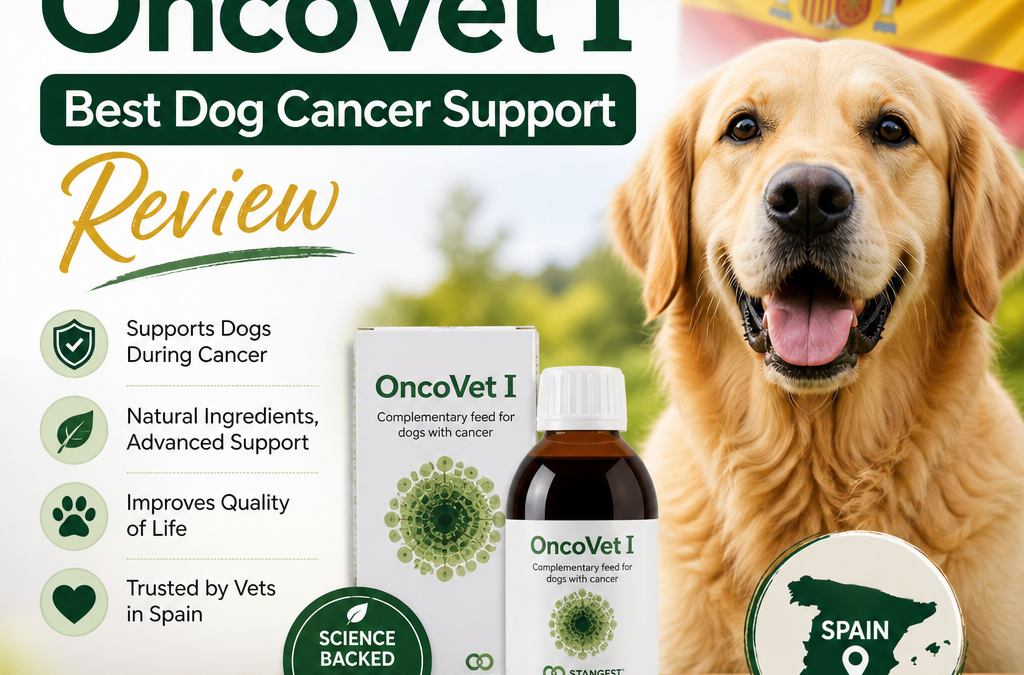
Stangest OncoVet I è un integratore nutrizionale progettato per supportare i cani durante la cura del cancro, in particolare quando hanno bisogno di un aiuto extra per mantenere una normale funzione immunitaria, appetito, energia e condizioni generali. Per le famiglie in Spagna, scegliere un integratore per cani può essere difficile perché i prodotti variano in ingredienti, indicazioni sul dosaggio, disponibilità e idoneità per ogni animale. Questa recensione spiega cos'è Stangest OncoVet I, come può inserirsi in un piano di trattamento veterinario e le considerazioni più importanti prima di somministrarlo a un cane.
Indice dei Contenuti
Cos'è Stangest OncoVet I?
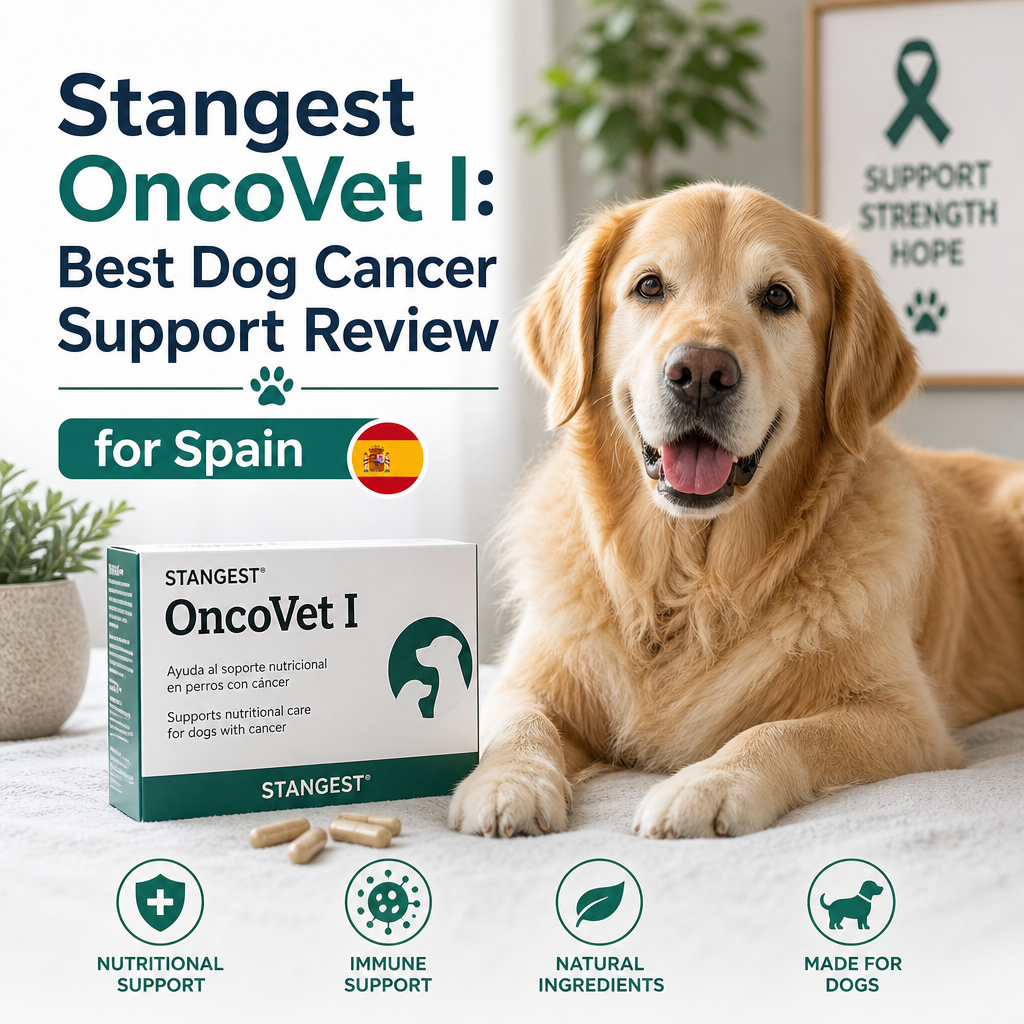
Stangest OncoVet I è un prodotto veterinario complementare formulato per cani e gatti che necessitano di supporto nutrizionale durante periodi di malattia. È comunemente associato al supporto oncologico, il che significa che può essere utilizzato insieme alle cure veterinarie convenzionali per animali diagnosticati con cancro. Il prodotto non è destinato a sostituire interventi chirurgici, chemioterapia, radioterapia, immunoterapia, gestione del dolore o altri trattamenti prescritti da un veterinario.
Il cancro può influenzare un cane in diversi modi. Alcuni animali sperimentano una riduzione dell'appetito, perdita di peso, cambiamenti digestivi, affaticamento, infiammazione o un declino nella condizione muscolare. In altri casi, la malattia stessa o il suo trattamento possono aumentare le esigenze nutrizionali. Un integratore come OncoVet I può essere considerato come parte di un piano più ampio focalizzato sul mantenimento della qualità della vita e sul supporto del corpo durante il trattamento.
Prima di scegliere qualsiasi integratore, è utile confrontarlo con la diagnosi attuale e il piano di cura del cane. Un prodotto come Stangest OncoVet I può essere appropriato per un paziente e non necessario per un altro, motivo per cui la guida veterinaria è importante fin dall'inizio.
Molti proprietari preferiscono anche discutere le opzioni di cura di supporto con il loro veterinario prima di effettuare un acquisto, specialmente quando un cane è già sotto più farmaci o una dieta speciale. Se desideri una panoramica più ampia sui prodotti di supporto per animali domestici, consulta le nostre risorse veterinarie per la salute degli animali domestici per indicazioni correlate.
Stangest OncoVet I supporto per il cancro nei cani: Cosa può fare?
La frase Stangest OncoVet I supporto per il cancro nei cani si riferisce generalmente al ruolo del prodotto come ausilio alle cure oncologiche veterinarie. Il suo scopo è di supporto piuttosto che curativo. A seconda della condizione individuale del cane, gli integratori nutrizionali possono aiutare a fornire nutrienti selezionati, antiossidanti o altri composti che contribuiscono alle normali funzioni fisiologiche.
Motivi potenziali per cui un veterinario potrebbe considerare questo tipo di prodotto includono:
- Supportare un cane con ridotto appetito o esigenze nutrizionali in cambiamento
- Aiutare a mantenere la condizione corporea durante una malattia prolungata
- Fornire supporto nutrizionale complementare durante il trattamento del cancro
- Supportare la normale funzione del sistema immunitario
- Aiutare i proprietari a seguire una routine di cura strutturata a casa
Tuttavia, il beneficio atteso dipende dalla diagnosi del cane, dall'età, dal peso, dai farmaci, dalla funzione degli organi e dalla risposta al trattamento. Un integratore che è appropriato per un cane potrebbe non essere adatto per un altro. Per questo motivo, dovrebbe essere visto come una parte di un piano di cura individualizzato piuttosto che un rimedio universale per il cancro.
Per ulteriori informazioni sulla nutrizione di supporto negli animali domestici malati, il Associazione Mondiale Veterinaria per Piccoli Animali offre risorse cliniche ampiamente rispettate per veterinari e proprietari di animali.
In termini pratici, Stangest OncoVet I può essere più utile quando l'obiettivo è un supporto costante piuttosto che un cambiamento rapido. I proprietari spesso cercano qualcosa che possa aiutare un cane a continuare a mangiare, rimanere a proprio agio e preservare la condizione mentre il trattamento è in corso, ed è lì che un prodotto di supporto scelto con cura può adattarsi.
Stangest OncoVet I recensione: Ingredienti e formulazione
Una recensione utile di Stangest OncoVet I dovrebbe andare oltre le affermazioni di marketing e considerare il ruolo pratico del prodotto. I proprietari dovrebbero leggere attentamente l'imballaggio attuale o le informazioni ufficiali sul prodotto per l'elenco esatto degli ingredienti, poiché le formulazioni, le dimensioni di presentazione e le istruzioni possono cambiare tra i mercati.
Molti integratori di oncologia veterinaria contengono combinazioni di ingredienti nutrizionali selezionati per supporto antiossidante, immunitario, digestivo o metabolico. La rilevanza di ciascun ingrediente dipende dallo stato di salute del cane. Ad esempio, un nutriente che è ben tollerato in un animale sano potrebbe richiedere cautela in un cane con malattia renale, malattia epatica, diabete, pancreatite o una storia di problemi urinari.
È anche importante distinguere il supporto nutrizionale dal trattamento del cancro basato su evidenze. Gli integratori possono contribuire al benessere generale, ma non distruggono i tumori né garantiscono la remissione. Le affermazioni che suggeriscono che un prodotto possa curare il cancro dovrebbero essere trattate con cautela. Una recensione affidabile del prodotto dovrebbe riconoscere sia i possibili benefici che le limitazioni.
Quando si legge l'etichetta, prestare attenzione alla forma dell'integratore, alla quantità giornaliera raccomandata, a quanto a lungo un contenitore è probabile che duri e se il prodotto è destinato a un uso a breve termine o continuativo. Questi dettagli sono importanti perché un cane con cancro potrebbe aver bisogno di un piano che cambi di settimana in settimana man mano che l'appetito, i farmaci e la condizione corporea cambiano. Se l'etichetta non è chiara, l'opzione più sicura è chiedere a un veterinario o a un farmacista veterinario qualificato prima di iniziare.
Può anche essere utile confrontare l'integratore con la dieta del cane. Alcuni cani stanno già ricevendo cibo terapeutico progettato per il mantenimento del peso o il supporto digestivo. In quella situazione, un integratore potrebbe essere superfluo, oppure potrebbe dover essere regolato per evitare di aggiungere troppe calorie o ingredienti che il cane non tollera bene. Una revisione attenta dell'intero piano alimentare è spesso più utile che concentrarsi su un singolo prodotto in isolamento.
Per indicazioni pratiche sulla salute degli animali domestici in Europa, i proprietari possono anche rivedere il informazioni sulla salute e il benessere degli animali della Commissione Europea, che spiega standard più ampi rilevanti per la cura responsabile.
Poiché le liste degli ingredienti possono variare, Stangest OncoVet I dovrebbe sempre essere controllato nella sua versione attuale prima dell'uso. Quel piccolo passo aiuta a ridurre la confusione e rende più facile confrontare il prodotto con le reali esigenze del cane.
Come può essere utilizzato durante il trattamento veterinario
I veterinari possono raccomandare integratori in diverse fasi della cura. Alcuni cani ricevono supporto nutrizionale dopo la diagnosi, mentre altri iniziano la supplementazione durante la chemioterapia, dopo un intervento chirurgico, o quando l'appetito e il peso corporeo diventano difficili da mantenere.
La quantità corretta dovrebbe sempre essere basata sulle istruzioni del prodotto e sulle indicazioni veterinarie. I proprietari non dovrebbero assumere che una dose più alta produrrà risultati migliori. Dare troppo può aumentare il rischio di disturbi digestivi o interferire con il piano di trattamento complessivo dell'animale.
Prima di utilizzare Stangest OncoVet I, fornire al veterinario un elenco completo di:
- Farmaci prescritti
- Antidolorifici e farmaci antinfiammatori
- Altri integratori
- Diete speciali o cibi preparati in casa
- Allergie note
- Reazioni precedenti a prodotti nutrizionali
Queste informazioni aiutano il team veterinario a valutare possibili interazioni e a determinare se l'integratore è appropriato.
In molti casi di cancro, il tempismo è importante tanto quanto il prodotto stesso. Un integratore può essere più utile quando un cane è stabile e in grado di mangiare in modo affidabile piuttosto che durante un periodo di grave nausea o vomito. Se il cane fatica a trattenere il cibo, il veterinario può dare priorità ai farmaci anti-nausea, al sollievo dal dolore, all'idratazione o a una strategia alimentare prima di introdurre un nuovo integratore. Questo approccio porta spesso a una migliore tolleranza e a una comprensione più chiara di se l'integratore stia effettivamente aiutando.
I proprietari dovrebbero anche tenere a mente che la cura del cancro raramente segue una linea retta. Lo stesso cane può aver bisogno di più supporto dopo un intervento chirurgico, meno durante un periodo stabile e un diverso supporto nutrizionale se esami del sangue o imaging mostrano una progressione della malattia. Utilizzare un integratore come routine fissa senza revisione può far perdere di vista questi cambiamenti. Una comunicazione regolare con il team di oncologia veterinaria è il modo migliore per assicurarsi che il piano rimanga appropriato.
Poiché l'etichetta e il piano di trattamento sono entrambi importanti, Stangest OncoVet I dovrebbe essere introdotto solo dopo che il proprietario ha compreso come si inserisce nella più ampia cura veterinaria del cane. Questo rende più facile individuare cambiamenti utili e fermare il prodotto se non si adatta più al paziente.
Per i proprietari che decidono se iniziare Stangest OncoVet I, l'approccio più utile è trattarlo come parte di un piano medico: controllare prima la compatibilità, poi monitorare se il cane lo tollera effettivamente bene una volta introdotto.
Possibili benefici e limitazioni
Il principale vantaggio di un integratore specializzato è la comodità. Può fornire una fonte concentrata di nutrienti selezionati in un formato destinato agli animali da compagnia. Alcuni proprietari trovano anche che una routine nutrizionale coerente li aiuti a monitorare più da vicino l'appetito, la qualità delle feci, l'energia e il peso.
Tuttavia, nessun supplemento può compensare per calorie insufficienti, dolore incontrollato, disidratazione, nausea o trattamento del cancro inadeguato. Se un cane sta perdendo peso rapidamente, vomita, rifiuta il cibo, ha difficoltà a respirare o mostra debolezza severa, una valutazione veterinaria urgente è più importante dell'aggiunta di un supplemento.
Gli effetti indesiderati possibili possono includere feci molli, vomito, riluttanza a mangiare o intolleranza a uno degli ingredienti. Smettere di somministrare il prodotto e contattare un veterinario se il cane sviluppa una reazione preoccupante. I cani con condizioni mediche complesse potrebbero aver bisogno di esami del sangue o aggiustamenti dietetici prima che inizi la supplementazione.
Il modo più realistico di pensare a questo prodotto è come uno strumento di supporto. Può aiutare alcuni cani a mantenere meglio la loro condizione durante il trattamento, ma il suo valore dipende dal paziente individuale e dal resto del piano di cura. Se il cane sta ricevendo più terapie, il supplemento dovrebbe essere esaminato insieme a ciascuna di esse in modo che qualsiasi cambiamento nell'appetito, nella qualità delle feci o nell'energia possa essere interpretato correttamente.
Per i proprietari, la maggiore limitazione è spesso l'aspettativa. Un buon supplemento può supportare il comfort e la nutrizione, ma non può sostituire una diagnosi, la stadiazione, la pianificazione del trattamento o la cura di follow-up. I cani con cancro di solito traggono maggiori benefici quando il supplemento viene utilizzato per supportare una strategia veterinaria più ampia che include già medicina appropriata, dieta e monitoraggio.
Usato in quel modo, Stangest OncoVet I può essere una parte pratica del supporto a lungo termine piuttosto che una soluzione autonoma, e quella distinzione aiuta a mantenere le aspettative realistiche.
Quando le persone cercano Stangest OncoVet I, di solito stanno cercando di rispondere a una domanda molto specifica: questo aiuterà il mio cane in questo momento, ed è sicuro con tutto il resto che il mio cane sta già ricevendo? La migliore risposta arriva sempre dall'intero quadro clinico, non solo da un'etichetta.
Stangest OncoVet I Spagna: Considerazioni per l'acquisto e veterinarie
Per i proprietari che cercano Stangest OncoVet I Spagna, l'approccio più sicuro è acquistare tramite una clinica veterinaria rispettabile, una farmacia per la salute degli animali consolidata o un rivenditore autorizzato. Controlla che il confezionamento sia sigillato, che la data di scadenza sia valida e che le istruzioni di conservazione siano state seguite. I prodotti acquistati da venditori online sconosciuti possono avere autenticità o condizioni di conservazione incerte.
La disponibilità può variare tra le regioni spagnole e i rivenditori. Un veterinario potrebbe essere in grado di consigliare se il prodotto è attualmente adatto, identificare un'opzione equivalente o raccomandare una diversa strategia nutrizionale. I proprietari di animali domestici spagnoli dovrebbero anche confermare che l'etichetta includa istruzioni chiare, informazioni sul lotto e indicazioni appropriate per le specie.
Quando si confrontano i prezzi, considera la quantità giornaliera raccomandata piuttosto che il costo del contenitore da solo. Un pacchetto più grande non è sempre più economico se il cane ha bisogno solo di un breve ciclo o non può tollerare il prodotto.
È anche sensato controllare se il venditore fornisce un adeguato supporto clienti e documentazione del prodotto. In Spagna, dove i supplementi per animali domestici importati possono a volte apparire su più marketplace, un prezzo basso da solo non è sufficiente per giudicare il valore. Una fonte affidabile dovrebbe essere in grado di confermare le condizioni di conservazione, la scadenza e la versione esatta del prodotto in vendita. Se quei dettagli mancano, è meglio cercare altrove.
Prima di acquistare, confronta il supplemento con le specifiche esigenze cliniche del cane. Un prodotto commercializzato per il supporto generale potrebbe non essere adatto a un cane che richiede una dieta renale, una dieta a basso contenuto di grassi o farmaci che devono essere assunti con il cibo. La decisione di acquisto dovrebbe arrivare dopo una discussione veterinaria, non prima. Questo approccio è particolarmente importante nella cura del cancro, dove anche piccoli cambiamenti nella digestione o nell'assunzione possono influenzare quanto bene un cane si sente giorno per giorno.
In termini pratici, Stangest OncoVet I dovrebbe essere trattato come qualsiasi altro prodotto per la salute di un animale malato: controlla la fonte, conferma le istruzioni e assicurati che l'acquisto si adatti al piano medico piuttosto che il contrario.
Monitorare la risposta del tuo cane
Se Stangest OncoVet I viene introdotto, monitora regolarmente il cane. Osservazioni utili includono appetito, consumo di acqua, peso corporeo, consistenza delle feci, vomito, livello di attività, condizione del pelo e segni di dolore. Tenere un semplice registro giornaliero può aiutare il veterinario a valutare se il piano complessivo sta funzionando.
Un integratore non dovrebbe ritardare un appuntamento di follow-up o sostituire i test diagnostici. La cura del cancro spesso richiede cambiamenti nel tempo, e le esigenze nutrizionali del cane possono cambiare dopo un intervento chirurgico, durante la chemioterapia o man mano che la malattia progredisce.
Fai attenzione a schemi sottili così come a effetti collaterali evidenti. Un cane potrebbe non vomitare, ad esempio, ma potrebbe iniziare a mangiare più lentamente, lasciare del cibo indietro o mostrare esitazione durante i pasti. Questi cambiamenti possono segnalare che l'integratore, la dieta o il piano di trattamento necessitano di aggiustamenti. Registrare la data, l'ora e il tipo di cambiamento rende più facile per il veterinario decidere cosa fare dopo.
Se il cane sta migliorando, continua a osservare piuttosto che presumere che il prodotto da solo sia responsabile. Il miglioramento potrebbe essere dovuto a un migliore controllo del dolore, a un cambiamento nella dieta, al recupero da un intervento chirurgico o a una combinazione di fattori. Ecco perché il follow-up è importante: aiuta a separare il vero beneficio dalla coincidenza e protegge il cane dal rimanere su un prodotto non necessario per troppo tempo.
Molti proprietari scoprono che il metodo di monitoraggio più semplice è anche il più efficace: annota i pasti, i cambiamenti nel bagno, l'energia e il comfort ogni giorno. Nel tempo, quel registro può mostrare se Stangest OncoVet I sta aiutando o se è necessario un altro approccio.
Un monitoraggio costante è particolarmente prezioso perché i prodotti di supporto per il cancro non sono universali. Un cane che appare meglio nei primi giorni potrebbe comunque necessitare di una revisione successiva se l'appetito diminuisce di nuovo o se compaiono cambiamenti nelle feci.
Domande che i proprietari spesso pongono prima di scegliere un integratore
È sicuro usarlo con i farmaci per il cancro?
A volte, ma non sempre. La risposta dipende dalle prescrizioni del cane, dagli ingredienti dell'integratore e dalle condizioni attuali del cane. Un veterinario dovrebbe esaminare entrambi prima che il prodotto venga iniziato.
Può sostituire una dieta terapeutica?
No. Un integratore non può sostituire una dieta terapeutica completa e bilanciata a meno che un veterinario non abbia specificamente progettato quel piano. La nutrizione per i cani con cancro di solito richiede una strategia più ampia di quanto un singolo prodotto possa fornire.
Quanto velocemente dovrebbero apparire i risultati?
Non esiste una tempistica fissa. Alcuni cani possono mostrare cambiamenti nell'appetito o nella qualità delle feci entro pochi giorni, mentre altri potrebbero non rispondere in modo evidente. Se non si osservano benefici dopo un periodo di prova ragionevole, il veterinario potrebbe suggerire di interromperlo o di provare un approccio diverso.
E se il mio cane lo rifiuta?
Non forzare il prodotto senza un consiglio professionale. Il rifiuto potrebbe significare che il gusto, la consistenza o il momento non sono adatti, o potrebbe segnalare che il cane si sente male. Il tuo veterinario può suggerire alternative.
Queste domande sorgono spesso perché i prodotti di supporto per il cancro nei cani sono utili solo quando si adattano alla realtà medica dell'animale. Stangest OncoVet I potrebbe essere ben adattato a una fase della cura e meno utile in un'altra, quindi la revisione continua è parte di un uso responsabile.
I proprietari che non sono sicuri di iniziare Stangest OncoVet I dovrebbero ricordare che una discussione attenta con il team veterinario può prevenire spese inutili, ridurre la possibilità di effetti collaterali e rendere più facile scegliere l'opzione di supporto giusta per lo stadio di malattia del cane.
Valutazione finale
Stangest OncoVet I può essere un'opzione complementare utile per cani selezionati che ricevono cure per il cancro, specialmente quando il supporto nutrizionale e la salute generale fanno parte di un piano veterinario gestito con attenzione. Il suo valore risiede nel supportare l'animale—non nel sostituire i trattamenti contro il cancro provati. I proprietari in Spagna dovrebbero controllare la formulazione attuale, acquistare da una fonte affidabile, seguire il dosaggio raccomandato e consultare il proprio veterinario prima dell'uso. I migliori risultati sono più probabili quando la supplementazione è combinata con un trattamento oncologico appropriato, una dieta adeguata, il controllo del dolore, un monitoraggio regolare e una stretta attenzione alla qualità della vita del cane.
Per una decisione pratica, la domanda più importante non è se un integratore sembri promettente in generale, ma se si adatti al singolo cane. Quando usato con attenzione e rivisto con un veterinario, Stangest OncoVet I può far parte di un piano di supporto ben equilibrato per un cane che vive con il cancro.
Alla fine, Stangest OncoVet I è più prezioso quando i proprietari lo usano come un'opzione di supporto misurata, non come una scorciatoia. Quella mentalità aiuta a mantenere le cure più sicure, chiare e più focalizzate sui reali bisogni del cane.
Usato bene, Stangest OncoVet I può supportare il comfort quotidiano senza distrarre dagli obiettivi principali del trattamento. Questo è il tipo di uso equilibrato che la maggior parte dei proprietari desidera, ed è di solito il percorso più sicuro per i cani che affrontano il cancro.