
執筆者 TCMVET | 12月 9, 2024 | 犬の癌と腫瘍
Spinal tumors in dogs, though rare, can severely impact their mobility and quality of life. These tumors may develop within or around the spinal column, affecting the nervous system’s function. Early detection and proper management are essential to providing the best care for your furry friend. Here’s a comprehensive guide to the types of spinal tumors in dogs and their symptoms, causes, and treatment options.
Common Types of Spinal Tumors in Dogs
- Intramedullary Tumors
- Description: These tumors originate within the spinal cord itself. They often arise from glial cells, which support the nervous system.
- Examples: Astrocytomas, ependymomas, and oligodendrogliomas
- 症状: Gradual weakness, incoordination, and possible paralysis in severe cases
- 治療: Surgery (if possible), radiation therapy, and supportive care
- Extradural Tumors
- Description: These tumors occur outside the spinal cord but within the spinal canal, often compressing the cord and causing neurological issues.
- Examples: Osteosarcomas, fibrosarcomas, and lymphomas
- 症状: Back pain, difficulty walking, and muscle weakness
- 治療: Surgical removal, chemotherapy, or radiation, depending on the tumor type
- Intradural-Extramedullary Tumors
- Description: Located within the spinal canal but outside the spinal cord, these tumors grow in the surrounding meninges or nerve roots.
- Examples: Meningiomas, nerve sheath tumors (schwannomas)
- 症状: Pain, incoordination, and possible urinary or bowel incontinence
- 治療: Surgery and radiation therapy
- Vertebral Tumors
- Description: These tumors arise from the bones of the spine, causing structural instability and potential compression of the spinal cord.
- Examples: Osteosarcoma, chondrosarcoma
- 症状: Severe pain, swelling, and difficulty standing or walking
- 治療: Surgery, chemotherapy, and pain management
犬の脊髄腫瘍の症状
The symptoms of spinal tumors can vary depending on the tumor’s location and size, but common signs include:
- Reluctance to move or play
- Difficulty walking or dragging limbs
- Pain or sensitivity in the back or neck
- Loss of bladder or bowel control
- Sudden changes in behavior or posture
原因とリスク要因
Spinal tumors in dogs may be caused by:
- Genetic Predisposition: Certain breeds like German Shepherds and Golden Retrievers may be at higher risk.
- 年齢: Older dogs are more likely to develop spinal tumors.
- Cancer Metastasis: Tumors from other parts of the body may spread to the spine.
診断と治療
Veterinarians use several methods to diagnose spinal tumors:
- Neurological Examination: Assesses reflexes, coordination, and pain response.
- 画像診断: X-rays, MRI, or CT scans to locate and evaluate the tumor.
- 生検: Confirms the tumor type for targeted treatment.
Treatment options include:
- 手術: The preferred method for accessible and operable tumors.
- 放射線療法: Used for inoperable or residual tumors post-surgery.
- 化学療法: Effective for some metastatic or primary spinal tumors.
- 痛み管理: Essential for improving the dog’s quality of life.
Supporting Your Dog Through Recovery
Care for dogs with spinal tumors should include:
- Providing a soft, supportive bed to prevent pressure sores
- Assisting with mobility through harnesses or carts
- Maintaining a nutritious diet to support overall health
- Regular follow-ups with the vet to monitor progress
結論
Spinal tumors in dogs require prompt attention and specialized care. While the prognosis depends on the tumor type and progression, advancements in veterinary medicine have made treatments more effective. By understanding the symptoms and options available, you can ensure your dog receives the best care and support.
執筆者 TCMVET | 2024年12月7日 | 犬の癌と腫瘍
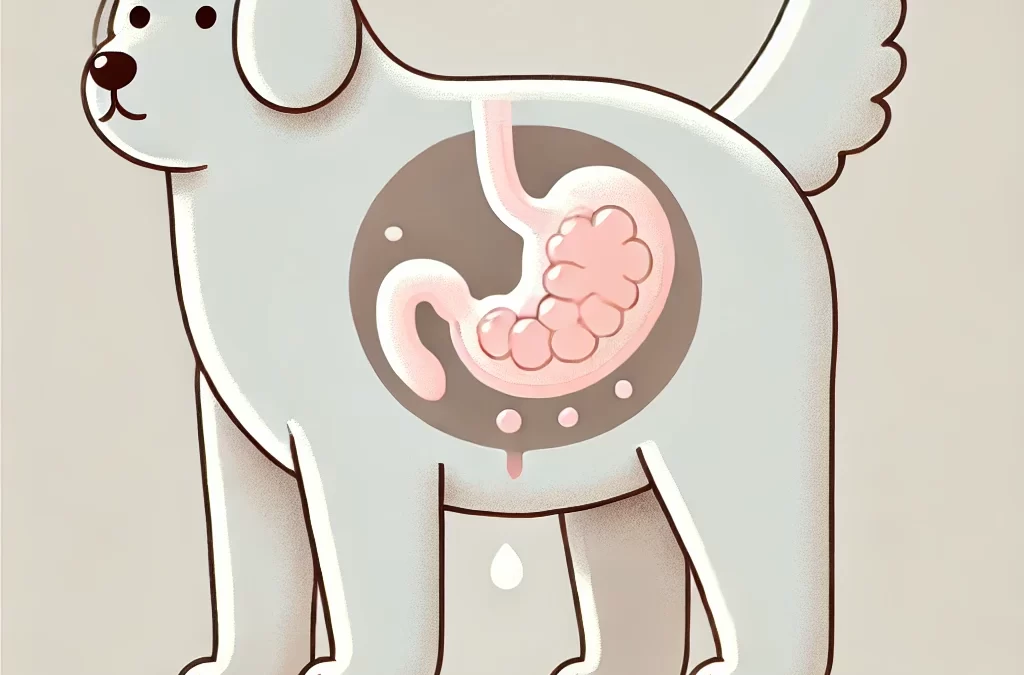
犬に大きな腹部腫瘤を発見することは、どのペットオーナーにとっても衝撃的です。心配するのは自然ですが、潜在的な原因、症状、治療オプションを理解することで、犬の健康について情報に基づいた決定を下すことができます。.
腹部腫瘤とは何ですか?
腹部腫瘤は、肝臓、脾臓、腸、または周囲の組織などの臓器から生じる可能性のある、胃部の異常な成長です。これらの腫瘤はサイズが大きく異なり、良性(非癌性)または悪性(癌性)である可能性があります。.
腹部腫瘤の一般的な原因
- 良性腫瘍
- 脂肪腫: 一般的に無害な脂肪腫瘍。.
- 嚢胞: 時間とともに成長する可能性のある液体で満たされた袋ですが、通常は脅威ではありません。.
- 悪性腫瘍
- 血管肉腫: 脾臓に影響を与える一般的な癌。.
- リンパ腫: リンパ節に影響を与え、腹部に広がる可能性があります。.
- 癌腫: 内臓の上皮組織から生じる腫瘍。.
- その他の原因
- 膿瘍: 膿で満たされたポケットを引き起こす感染症。.
- 臓器の肥大: 肝疾患のような状態は腫瘤の成長を模倣することがあります。.
注意すべき症状
早期発見は結果に大きな影響を与える可能性があります。次のことに注意してください:
- 腹部の腫れまたは膨満
- 体重減少または食欲減退
- 嘔吐または下痢
- 無気力または不快感の兆候
- 腹部圧迫による呼吸困難
診断
腹部腫瘤の診断には獣医の専門知識が必要です。手順には以下が含まれる場合があります:
- 身体検査: 腹部を触診して異常な成長を検出する
- 画像検査: 腫瘤のサイズ、位置、性質を判断するための超音波またはX線
- 生検または細針吸引: 分析のための組織サンプルを収集する
- 血液検査: 関連する健康状態を確認する
治療オプション
治療は腫瘤の種類と位置に依存します:
- 外科的除去: 手術可能な腫瘤に対する最初の行動としてよく用いられる
- 化学療法または放射線治療: 手術が不可能な場合、悪性成長に使用される
- 緩和ケア: 治療不可能な状態の場合、快適さを維持することに焦点を当てる
ペットオーナーのための積極的なステップ
- 定期的な健康診断: 定期的な獣医訪問は問題を早期に発見するのに役立ちます
- 症状を監視する: 犬の行動や食欲の変化に注意を払う
- 適切な栄養: バランスの取れた食事は全体的な健康と回復をサポートします
- セカンドオピニオン複雑なケースについては、他の獣医に相談することをためらわないでください。
犬の大きな腹部腫瘤は深刻な懸念ですが、適時の獣医療と適切な管理により、多くの犬が良好な結果を得ることができます。常に獣医と密接に連携し、あなたの愛犬にとって最良の行動方針を決定してください。.
執筆者 TCMVET | 2024年12月3日 | 犬の癌と腫瘍
Hemangiopericytoma is a rare soft tissue tumor in dogs, arising from pericytes, the cells surrounding blood vessels. While these tumors are generally slow-growing and localized, their tendency to recur after surgical removal makes them a unique challenge in veterinary oncology. This article delves into the nature of hemangiopericytomas, their diagnosis, and groundbreaking ways to manage them effectively.
What is Hemangiopericytoma in Dogs?
Hemangiopericytomas are typically found in the skin or subcutaneous tissues of middle-aged to older dogs. These tumors may appear as:
- Firm, movable lumps under the skin
- Masses varying in size, sometimes ulcerated if on the surface
- Slow-progressing but invasive growths
Commonly located on limbs, these tumors rarely metastasize but can significantly impact a dog’s mobility and comfort.
Uncommon Signs to Watch For
While hemangiopericytomas might initially seem harmless, certain symptoms should raise concern:
- Persistent licking or biting of a lump
- Swelling that doesn’t resolve
- Localized lameness or discomfort
These subtle signs often precede more obvious indications of a growing tumor.
Innovative Approaches to Diagnosis
Traditional diagnostic methods involve fine-needle aspiration or biopsy, followed by imaging like X-rays or ultrasounds. However, advancements in veterinary diagnostics now allow for:
- CTスキャン: Providing detailed images of the tumor’s extent.
- 3D Tumor Modeling: Used to plan precise surgical interventions.
- Liquid Biopsies: A cutting-edge method to detect tumor-specific markers in the bloodstream, offering non-invasive monitoring.
Rethinking Treatment Options
While surgery remains the gold standard for hemangiopericytoma treatment, innovative methods are emerging to enhance outcomes:
- Advanced Surgical Techniques: Laser surgery and electrosurgery reduce the risk of recurrence by achieving cleaner margins.
- 免疫療法: Stimulating the immune system to target residual cancer cells post-surgery.
- 冷凍療法: Freezing tumor cells for localized control when surgery is not viable.
- Photodynamic Therapy: Using light-activated drugs to destroy cancer cells.
These novel approaches provide alternatives for cases where traditional surgery might be challenging or insufficient.
Natural and Supportive Therapies
Holistic care is gaining traction as a complement to conventional treatments. These include:
- ハーブサプリメント: Ingredients like astragalus and medicinal mushrooms support immunity and potentially inhibit tumor growth.
- 鍼灸: Helps alleviate pain and improve overall wellbeing.
- CBDオイル: Renowned for its anti-inflammatory and analgesic properties, it can help dogs cope with discomfort.
Combined with proper nutrition and regular exercise, these therapies contribute to improved quality of life.
緩和ケアの力
For dogs with advanced or recurrent hemangiopericytomas, palliative care focuses on comfort:
- Pain management with medications or laser therapy
- Mobility aids like harnesses or wheelchairs
- Emotional enrichment to maintain mental health
Owners often find solace in knowing they’re providing their pets with love and care during challenging times.
Why Hemangiopericytomas Are a Call for Innovation
Hemangiopericytomas challenge veterinarians and pet owners alike to think beyond conventional treatments. The low metastatic potential provides a unique opportunity to experiment with targeted therapies and holistic approaches without compromising the dog’s quality of life.
By embracing emerging technologies and integrative care, the management of hemangiopericytomas can evolve into a more personalized and effective process, giving dogs the best chance at a comfortable and fulfilling life.
執筆者 TCMVET | 2024年11月16日 | 犬の癌と腫瘍
When we hear the word “tumor,” our minds often leap to the worst-case scenario: cancer. However, not all tumors are malignant. In fact, benign intestinal tumors in dogs are far less sinister and can often be managed effectively with the right approach. This article dives into the nuances of these benign growths, helping you understand their causes, symptoms, and management strategies.
What Are Benign Intestinal Tumors?
Benign intestinal tumors are non-cancerous growths that develop in the gastrointestinal (GI) tract of dogs. While they don’t invade surrounding tissues or spread to other parts of the body, their presence can still lead to discomfort or digestive issues if they grow large enough to obstruct the intestines or interfere with normal function.
Common Types of Benign Intestinal Tumors in Dogs:
- Adenomas: Develop from glandular cells lining the intestines.
- 平滑筋腫: Originate from smooth muscle cells in the intestinal wall.
- ポリープ: Small growths that protrude from the lining of the intestines.
Causes: Why Do These Tumors Develop?
While the exact cause of benign intestinal tumors in dogs is unknown, several factors may contribute:
- 遺伝学: Some breeds, like German Shepherds and Collies, may have a predisposition.
- 慢性炎症: Long-term GI inflammation can increase the risk of abnormal cell growth.
- Dietary Factors: Poor-quality diets lacking fiber may play a role in polyp development.
症状:注意すべきこと
Benign tumors often grow slowly, making symptoms subtle at first. Over time, as the tumor enlarges, the following signs may appear:
- Chronic Vomiting or Diarrhea: Due to irritation or partial blockage.
- 体重減少: If the tumor affects nutrient absorption.
- Blood in Stool: Bright red or dark, depending on the tumor’s location.
- 腹痛: If the tumor causes bloating or obstruction.
- Change in Appetite: Fluctuations between hunger and refusal to eat.
Red Flag: Any persistent GI symptom warrants a visit to your veterinarian for a thorough evaluation.
Diagnosis: Pinpointing the Problem
Diagnosing benign intestinal tumors involves a combination of techniques:
- 身体検査: Palpation of the abdomen for masses.
- 画像診断: X-rays or ultrasounds to visualize the intestinal tract.
- 内視鏡検査: A camera-assisted examination to view and potentially biopsy the growth.
- 生検: Definitive diagnosis comes from analyzing a tissue sample to determine if the tumor is benign.
Treatment: Options for Managing Benign Tumors
While benign tumors aren’t life-threatening, they often require treatment to alleviate symptoms or prevent complications.
1. 外科的切除
- When Is Surgery Needed? If the tumor causes obstruction or severe symptoms.
- Outcome: Surgery is typically curative for benign growths, and dogs recover well post-operation.
2. Endoscopic Polypectomy
- What Is It? A less invasive method to remove polyps or small tumors via an endoscope.
- Advantages: Shorter recovery time and minimal discomfort.
3. Dietary Adjustments
- Why It Helps: A high-fiber diet may reduce inflammation and support gut healing after treatment.
- Foods to Include: Pumpkin, cooked sweet potatoes, and vet-recommended kibble.
4. Monitoring
- For Small Tumors: Regular check-ups to monitor growth without immediate intervention.
予後:期待されること
Benign intestinal tumors generally have an excellent prognosis when treated appropriately. Regular veterinary visits and follow-ups are crucial to ensure the tumor doesn’t recur or cause further issues.
Prevention: Can You Lower the Risk?
While it’s impossible to guarantee prevention, the following steps may reduce your dog’s risk of developing benign intestinal tumors:
- バランスの取れた食事: Include high-quality proteins, healthy fats, and sufficient fiber.
- 定期的な獣医訪問: Routine check-ups can catch potential issues early.
- 症状に注意する: Early detection often leads to simpler, less invasive treatments.
A Unique Perspective: The Gut and Overall Health
Interestingly, your dog’s gut health is closely tied to their overall well-being. The presence of a benign tumor might signal underlying imbalances, like inflammation or poor diet, that deserve attention. Treating the tumor is just one part of the journey—addressing the root causes ensures your dog remains healthy and vibrant.
Conclusion: Turning Challenges into Opportunities
Benign intestinal tumors in dogs, while concerning, are manageable and often curable. They offer a reminder to prioritize gut health, provide nutritious meals, and maintain a strong partnership with your veterinarian. With care and vigilance, your furry companion can continue to enjoy a happy, comfortable life.
執筆者 TCMVET | 2024年11月11日 | 犬の癌と腫瘍
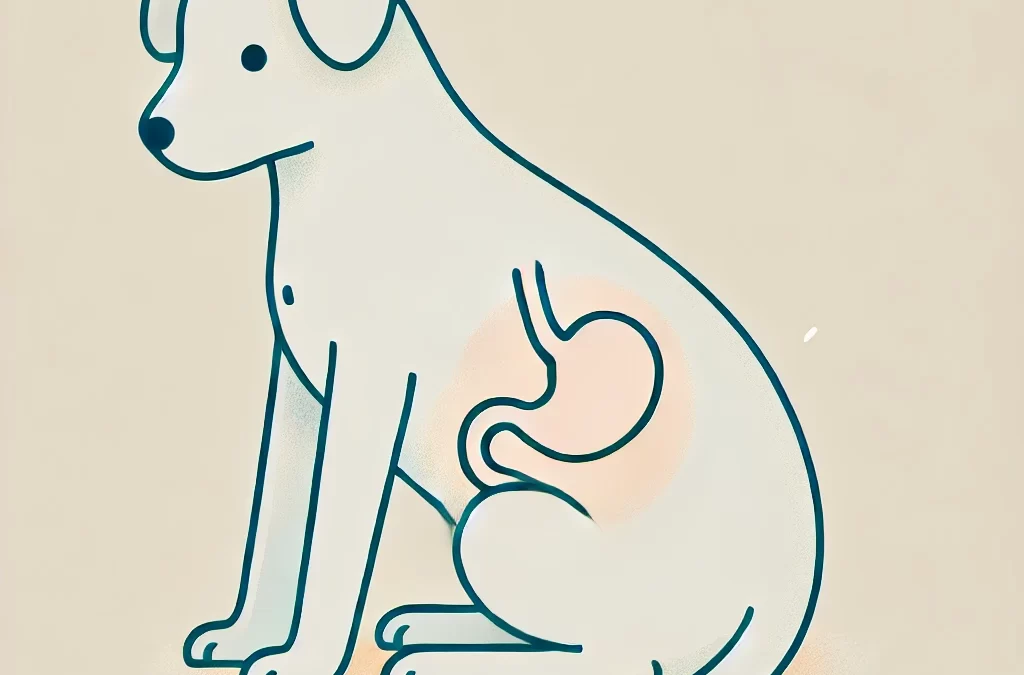
愛する犬の脾臓腫瘍の診断は心を痛めるものであり、これらの腫瘍はしばしば深刻な健康リスクを伴います。しかし、脾臓腫瘍の種類、生存率、潜在的な治療法を理解することで、犬の飼い主はペットの健康のために最良の選択をすることができます。この記事では、犬の脾臓腫瘍を新しい視点から探求し、明確さと希望を提供する現実と選択肢に焦点を当てます。.
1. 脾臓腫瘍とは何ですか?
- 血管肉腫:悪性で攻撃的な腫瘍の一種である血管肉腫は、犬の脾臓で残念ながら一般的であり、他の臓器に急速に広がることがよくあります。.
- 血管腫と脾臓腫瘤: 良性腫瘍や腫瘤も脾臓に形成されることがあります。これらは血管肉腫のように転移することはありませんが、破裂する可能性があり、内部出血を引き起こすことがあります。.
- リンパ腫: リンパ系に発生するこのタイプは、脾臓にも影響を及ぼし、状態を複雑にすることがあります。.
2. 症状を早期に認識する
- 微妙な症状: 脾臓腫瘍は、進行した段階に達するまで無症状であることが多いです。症状には、無気力、食欲不振、体重減少が含まれることがあります。.
- 急性危機: 腫瘍が破裂した場合、症状は急速に悪化する可能性があります。歯茎の蒼白、失神、腹部の膨満、呼吸困難は内部出血を示す可能性があり、即座の獣医の注意が必要です。.
3. 生存率とその意味
- 脾臓血管肉腫: 血管肉腫の場合、攻撃的な性質のため予後はしばしば不良です。手術のみの中央値生存率は2〜3ヶ月の範囲です。.
- 化学療法と共に: 手術と化学療法を組み合わせることで生存期間を延ばすことができ、個々の犬の反応に応じて6〜12ヶ月を提供することがあります。.
- 良性腫瘍と腫瘤: 良性腫瘤の生存率はかなり楽観的であり、手術による除去が再発なしに完全な解決を提供することができることが多いです。.
4. 治療オプションの探求
- 外科的介入: 脾臓摘出術、または脾臓の除去は、脾臓腫瘍に対する最も一般的な治療法です。これは症状からの即時の緩和を提供し、破裂した腫瘤からのさらなる合併症を防ぐことができます。.
- 10. 化学療法: これは、血管肉腫のような悪性腫瘍の拡散を制御するためにしばしば推奨されますが、治癒的ではない場合があります。一部の犬は化学療法をよく耐え、副作用が少ないことを示します。.
- 代替療法: 多くのペットの飼い主は、免疫機能を高める可能性のある医療用キノコのような自然なサプリメントを探求します。これらは手術や化学療法の代替にはなりませんが、補完的なサポートとして機能することができます。.
5. 良好な生活の質を提供すること
- 痛みと快適さの管理: 痛みの管理は良好な生活の質を確保するために不可欠です。獣医師はしばしば痛み緩和薬や鍼治療を勧めます。.
- 食事と栄養: 抗酸化物質と免疫を高めるサプリメントが豊富なバランスの取れた食事を提供することは、特に治療や回復中の全体的な健康をサポートします。.
- ストレスの少ない環境: 落ち着いた馴染みのある環境でストレスを最小限に抑えることは、大きな違いを生むことができ、犬が快適で安心できるように助けます。.
6. なぜまだ希望があるのか
- 有望な研究: 特に血管肉腫に関する犬の癌に対する継続的な研究は、より良い治療法と結果につながる可能性があります。.
- 新しい治療法: 免疫療法や標的治療が開発中であり、一部は試験で早期の希望を示しています。これらはまだ広く利用可能ではありませんが、未来への希望を提供します。.
- 回復力の物語: 脾臓腫瘍を持つ多くの犬は、特に注意深いケアと適時の治療によって、予想以上に長生きすることがあります。.
7. あなたの犬の旅をサポートする方法
- 獣医の指導: 獣医師との強い関係を築くことは重要です。彼らは治療計画を調整し、犬の状態を管理するためのリソースを提供できます。.
- サポートコミュニティ: 癌に対処している犬の飼い主のための多くのオンラインサポートグループが存在し、励まし、アドバイス、共有された経験を提供し、非常に励みになります。.
結論
犬の脾臓腫瘍は独自の課題を呈しますが、迅速な診断、情報に基づいた決定、思いやりのあるケアによって、多くの犬は良好な生活の質を維持します。生存率は異なりますが、積極的で希望を持ち続けることがすべての違いを生むことができます。各旅はユニークであり、犬のすべてのステップをサポートすることで、彼らが受けるべき愛とケアを与えていることを忘れないでください。.
