執筆者 TCMVET | 2026年8月24日 | 研究とニュース
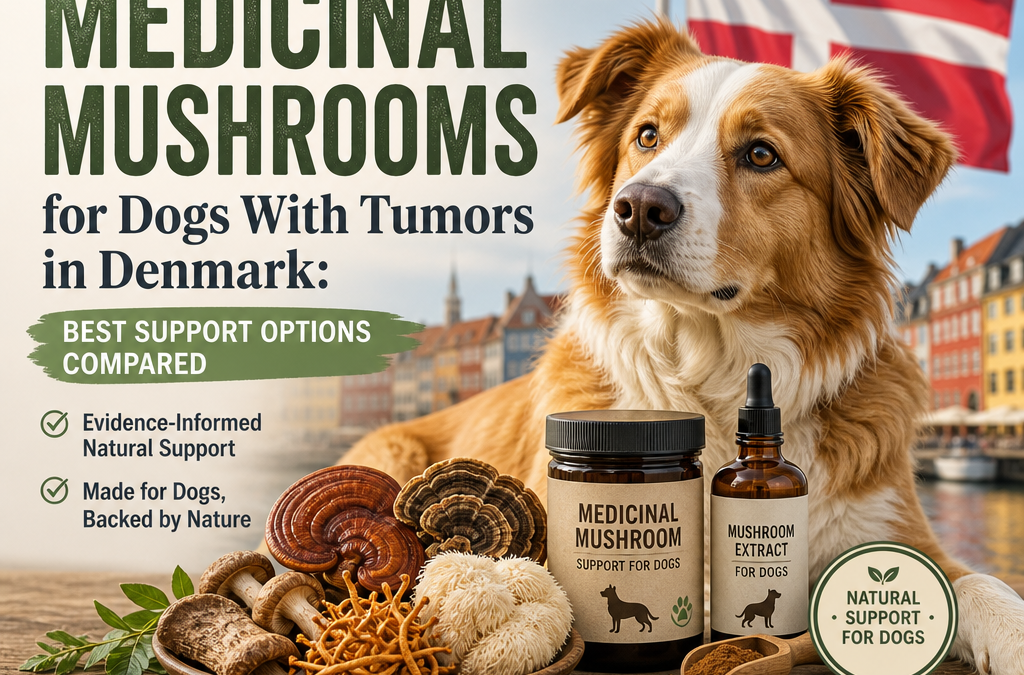
医療キノコは、腫瘍を持つ犬のためのサポートケアオプションを探しているデンマークの犬の飼い主の間で関心のあるトピックになっています。これらの自然製品は獣医の診断や癌治療の代わりにはなりませんが、特定のキノコ抽出物は、注意深く使用される場合に栄養的および免疫サポート特性を提供する可能性があります。最も重要な考慮事項は、製品の品質、獣医の指導、犬の個々の状態、および手術、化学療法、放射線治療、または処方薬との互換性です。.
犬のための医療キノコの理解

医療キノコは、ベータグルカン、トリテルペン、ステロール、および多糖類などの自然に存在する化合物を含む真菌です。実験室および動物研究では、これらの化合物のいくつかが免疫調節、抗酸化活性、および正常な炎症反応のサポートに関連付けられています。.
癌を持つ犬にとって、サプリメントで腫瘍を「治す」ことが一般的な目標ではありません。代わりに、慎重に選ばれた製品は、食欲、エネルギー、消化、免疫機能、および生活の質を維持するために設計されたより広範なサポートプランの一部として使用される可能性があります。犬における証拠は、従来の腫瘍学研究と比較して限られているため、主張は慎重に見るべきです。.
サプリメントは、診断テストや治療を遅らせるべきではありません。腫瘍は、その位置、ステージ、細胞タイプ、および成長速度によって非常に異なる振る舞いをすることがあります。獣医師、理想的には腫瘍学の経験を持つ者が、すべての治療決定の中心にいるべきです。.
医療キノコ:主要なオプションの比較
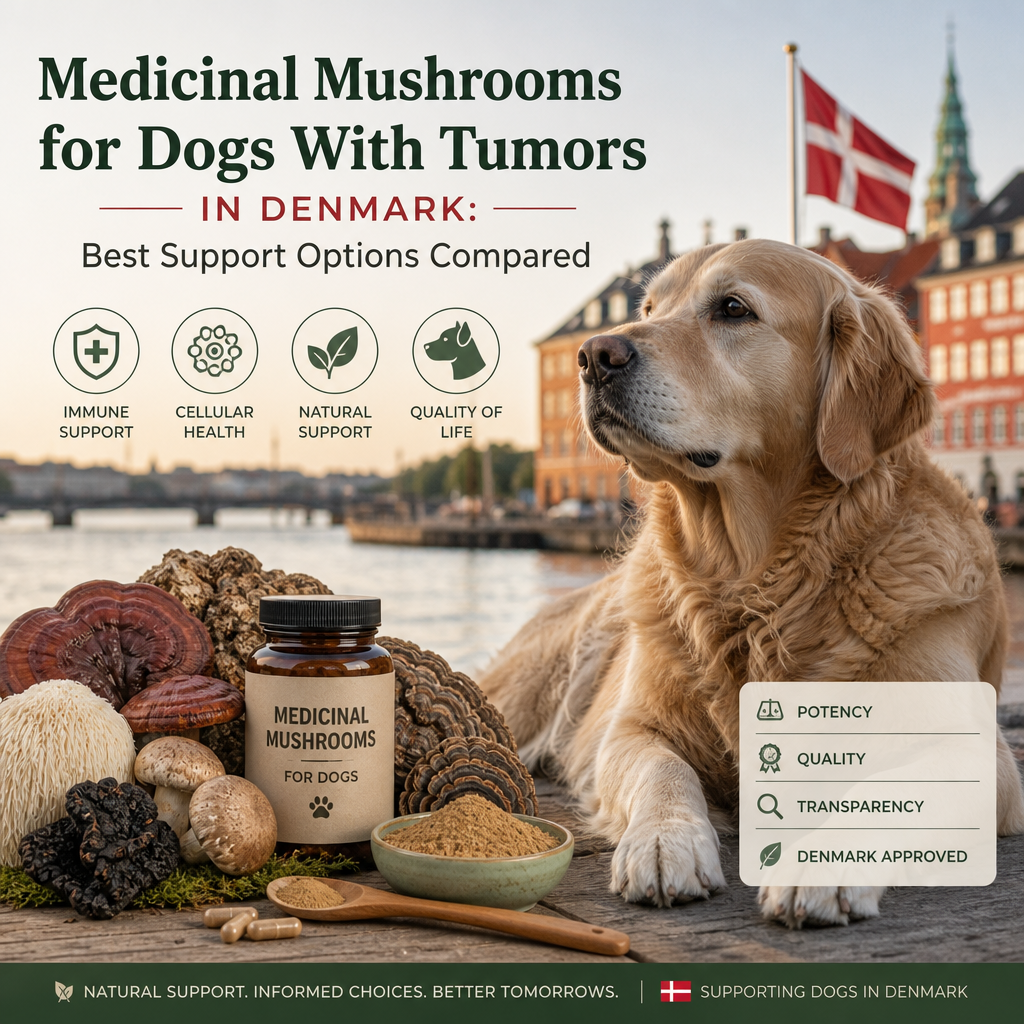
いくつかのキノコ種は、犬用サプリメントに一般的に含まれています。これらは互換性がなく、証拠の質は異なります。飼い主が比較する際には、 薬用キノコ, 意図された使用法、抽出方法、および犬の現在の治療計画を見ることが役立ちます。.
ターキーテイル
ターニャテールは、またの名を トラメテス・バーシカラー 持っている コリオラス・バーシカラー, は、獣医の癌サポートで最も議論されているキノコの一つです。これは、免疫関連の効果が研究されているポリサッカロペプチドとして知られる化合物を含んでいます。.
一部の犬の研究では、特定の癌、特に血管肉腫を持つ犬におけるトルコの尾の抽出物が探求されています。結果は、選択された状況での可能な利益を示唆していますが、トルコの尾を単独療法として扱うには証拠が十分ではありません。その潜在的な役割は、獣医の監督の下での補完的なサポートとして最もよく理解されています。多くの飼い主は、癌サポートの会話で広く議論されているため、 薬用キノコ この種を最初に知ることになります。.
レイシ
レイシ、または ガノデルマ・ルシダム, は、トリテルペンと多糖類を含んでいます。これは、免疫バランス、抗酸化サポート、および一般的な活力のためにしばしば販売されています。霊芝は、抽出物や用量によって異なる場合がありますが、鎮静または抗炎症特性を持つ可能性もあります。.
レイシは血液凝固や免疫活動に影響を与える可能性があるため、手術前や犬が抗凝固剤、抗炎症薬、または免疫抑制薬を服用している場合は注意が重要です。 薬用キノコ 複雑な治療計画を受けている犬の場合、.
マイタケ
Maitake, or グリフォラ・フロンドーサ, は免疫サポートに豊富なβ-グルカンを含み、一般的に免疫サポートのために推奨されます。従来の癌治療を受けている犬をサポートするためのブレンドに含まれることがあります。.
マイタケは血糖値や免疫反応に影響を与える可能性があるため、糖尿病、自身免疫疾患、または複雑な治療計画を持つ犬には特別な注意が必要です。このキノコの潜在的な利点は、犬の全体的な健康と比較して評価されるべきであり、単独で考慮されるべきではありません。.
シイタケ
シイタケ、または シイタケ, はβ-グルカンや他の化合物を含み、正常な免疫機能をサポートする可能性があります。一般的に、より広範なキノコブレンドの一部として使用されます。.
食品グレードのシイタケは一般的に料理用キノコとして知られていますが、濃縮エキスは通常の食事のサービングとは異なります。犬は消化不良を経験する可能性があり、適切に処理されていない製品は過剰な繊維や耐え難い化合物を含む可能性があります。.
コルディセプス
コルディセプス製品は通常、スタミナ、呼吸器サポート、エネルギーのためにマーケティングされています。疲労を経験している犬の飼い主にアピールするかもしれませんが、犬における癌関連の使用に関する証拠は現在限られています。.
コルディセプスは血液凝固や免疫系に影響を与える薬剤と相互作用する可能性があります。製品の特定も重要であり、多くの商業製品は伝統的なキノコの形ではなく、栽培された種や菌糸体バイオマスを使用しています。.
あなたが比較している場合 薬用キノコ 腫瘍を持つ犬にとって、最も安全なアプローチは、その製品が犬の診断、現在の薬、治療目標に合っているかどうかを尋ねることです。犬の健康におけるキノコサポートがどのように議論されているかのより広範な概要については、 犬の健康における薬用マッシュルームの癒しの力.
デンマークの犬の癌サプリメント:探すべきこと
デンマークの犬の癌サプリメントを比較する際、飼い主は印象的なマーケティング言語にあまり焦点を当てず、トレーサビリティと処方にもっと注目すべきです。信頼できる製品は、キノコの種、使用部分、抽出方法、濃度、サービングガイダンス、バッチ情報を明確に示すべきです。.
有用な品質指標には以下が含まれます:
- 重金属、農薬、微生物、汚染物質に対する独立したテスト
- 特にβ-グルカンの活性化合物の明確なラベリング
- 犬専用に設計された製品
- 透明な調達と連絡先情報を持つ製造業者
- 製品が癌を排除または治癒するという根拠のない約束はないこと
- 体重に基づいた実用的な投与指示
デンマークで販売されている製品は、獣医クリニック、専門ペット小売店、薬局、またはオンラインストアを通じて入手できる場合があります。デンマークおよびヨーロッパの規制は、製品が飼料サプリメント、補完飼料、または他のカテゴリとして分類されるかどうかによって異なる場合があります。飼い主は、信頼できるテストやヨーロッパの適合情報を提供せずに医療的主張を行う輸入製品には注意が必要です。.
一般的なキノコカテゴリをより深く比較したい読者のために、次の記事を参照してください。 現在の科学研究は、トルコテールマッシュルーム化合物に関するものです 獣医サポートケアでよく議論される証拠の種類についての有益な背景を提供します。.
デンマークの犬の腫瘍サポート:サプリメントを安全に統合する
デンマークの犬の腫瘍サポートは、単一のサプリメントではなく、完全なケアプランとしてアプローチすべきです。犬のサポートプログラムには、痛みの管理、抗吐き気薬、栄養管理、歯科ケア、移動支援、症状の定期的なモニタリングが含まれる場合があります。.
導入する前に 薬用キノコ, 、獣医に製品の全ラベルを提供してください。これは、犬が化学療法、コルチコステロイド、非ステロイド性抗炎症薬、抗生物質、抗けいれん薬、心臓病や糖尿病のための薬を受けている場合に特に重要です。.
潜在的な副作用には、嘔吐、下痢、食欲減退、かゆみ、無気力、または血糖値の変化が含まれます。症状が現れた場合は、サプリメントを中止し、獣医のアドバイスを求めるべきです。特に犬が同時に複数の治療を受けている場合、肝臓と腎臓の機能をモニタリングするために血液検査が推奨されることがあります。.
通常、一度に新しい製品を1つだけ導入するのが賢明です。これにより、利点と副作用の両方を特定しやすくなります。特に手術の周りでは、自然製品が自動的に安全であると仮定しないでください。一部のマッシュルーム化合物は、血小板、血圧、または免疫活動に影響を与える可能性があります。.
すでに犬のケアプランにサポートマッシュルーム製品が含まれている場合、 犬のための薬用キノコの利点:免疫健康を自然に高める と比較することで、一般的なウェルネスサポートと癌に焦点を当てた使用の違いを理解するのに役立ちます。.
単一のキノコとブレンドの選択
単一マッシュルーム製品は、耐性を評価し、犬が受けている成分を特定しやすくします。獣医が慎重で制御されたアプローチを望む場合には、好ましいかもしれません。.
ブレンドは、より広範なマッシュルーム化合物を提供できますが、投与量や品質評価を難しくする可能性もあります。一部のブレンドには、治療と相互作用する可能性のあるハーブ、ビタミン、またはミネラルとともに、非常に少量のいくつかの成分が含まれています。長い成分リストは、必ずしもより良い製品の兆候ではありません。.
抽出方法も重要です。ホットウォーター抽出は多糖類を濃縮するために一般的に使用されますが、アルコール抽出は特定のトリテルペンや他の化合物に使用されることがあります。抽出プロセスを説明している製品は、単に「マッシュルームパウダー」と記載されている製品よりも評価しやすいです。“
場合によっては、 薬用キノコ を調査している飼い主が、 医療用キノコ/マイコセラピーの代替品:オーストリアの犬の腫瘍サポートオプション7選, のような他の地域のサポート製品と比較することもあり、マッシュルームベースのフォーミュラがより広範なマイコセラピーアプローチとどのように異なるかをよりよく理解するのに役立ちます。.
栄養と生活の質は優先事項であり続ける
腫瘍のある犬にとって、生活の質を維持することは、攻撃的なサプリメントルーチンを追求するよりも意味があることが多いです。十分なカロリー、水分、食べやすい食事、快適な動き、安らかな睡眠、効果的な痛み管理は、大きな影響を与える可能性があります。.
一部の犬はサプリメントをよく耐えますが、他の犬は食事の変化に敏感です。もしキノコ製品が吐き気を引き起こしたり食欲を減少させたりする場合、その使用は逆効果になる可能性があります。飼い主は食欲、体重、便の質、エネルギー、痛みの兆候、日常活動の楽しみを追跡するべきです。.
医療用キノコは犬のケアをサポートする上での役割があるかもしれませんが、証拠に基づいた計画の一部として考慮されるときに最も効果的です。獣医の監視、信頼できる製品テスト、現実的な期待、そして注意深い観察は、犬の癌サプリメントデンマークや犬の腫瘍サポートデンマークをより安全で責任ある選択にするために不可欠です。言い換えれば、, 薬用キノコ ケアプランをサポートするべきであり、置き換えるべきではありません。.
多くの家族にとって、次の最良のステップは、キノコ抽出物が犬の現在のケアの段階、投薬スケジュール、消化耐性に合うかどうかについて獣医と話し合うことです。その実践的な会話は、特に 薬用キノコ より広範な癌サポート戦略の一部として管理する際には、マーケティングだけに基づいて製品を選ぶよりも通常は価値があります。.

執筆者 TCMVET | 2026年8月24日 | 研究とニュース
がんと診断されたシニア犬がその知らせを受け取ると、その体験は家族全体にとって恐ろしい、混乱を招く、感情的に圧倒されるものに感じられることがあります。がんの診断は、必ずしも犬の命がすぐに終わることを意味するわけではなく、どの治療が最適かを自動的に決定するものでもありません。思慮深い獣医の指導、注意深い観察、そして十分な快適さがあれば、多くの高齢犬は愛する人々や活動とともに意味のある時間を楽しみ続けることができます。.
がんと診断されたシニア犬を理解する
がんは単一の病気ではありません。さまざまなタイプの腫瘍や血液がんが含まれ、それぞれ異なる行動、治療オプション、および結果が予想されます。いくつかのがんはゆっくりと成長し、数ヶ月または数年にわたって管理できる場合がありますが、他のものはより攻撃的で緊急の決定を必要とします。がんと診断されたシニア犬に直面している場合、最初のステップは犬がどのタイプのがんを持っているかを学び、それが日常のケアに何を意味するかを理解することです。.
あなたの獣医は、血液検査、X線、超音波、細針吸引、生検、または高度な画像診断などの追加検査を推奨する場合があります。これらの検査は、癌の種類を特定し、それが広がっているかどうかを判断し、治療の推奨を導くのに役立ちます。獣医チームに診断を明確な言葉で説明してもらい、病気の予想される経過、可能な副作用、費用、現実的な目標を含めるように依頼してください。.
獣医腫瘍医からのセカンドオピニオンも価値があります。専門家は、化学療法、放射線療法、手術、免疫療法、またはすべての一般診療所で利用できない臨床試験を提供する場合があります。より多くの情報を求めることは、ケアを遅らせることを意味するわけではありません。それは、あなたの犬の健康、気質、そしてあなたの家族の状況に合った決定を下すのに役立ちます。.
サポートオプションを比較している場合、信頼できる教育リソースを見直すことも役立ちます。 コーネル大学獣医学部の癌情報 ページは、一般的な質問とケアの考慮事項の概要を提供します。.
多くの家族にとって、癌と診断されたシニア犬の最初の数日は最も困難な時期です。ゆっくりと進み、答えてほしい質問を書き留め、次のステップを導く詳細を集めることが助けになります。診断自体は大きなものであると感じるかもしれませんが、最良の計画は通常、いくつかの実用的な事実から始まります:それがどのような癌であるか、どこに位置しているか、広がっているかどうか、そして現在あなたの犬にどのように影響を与えているかです。.
癌が痛み、呼吸の変化、出血、跛行、または消化問題を引き起こす可能性があるかどうかを尋ねることも役立ちます。これらの症状は、どれだけ早く行動する必要があるか、治療がコントロール、快適さ、またはその両方に焦点を当てるべきかに影響を与える可能性があります。病気の明確なイメージは、次の選択を理解しやすくします。.
高齢犬はしばしば複数の医療状態を持っているため、癌だけでなく全体の患者を考慮することが重要です。関節炎、心雑音、腎疾患、または以前の麻酔合併症を持つ犬は、より保守的な計画が必要な場合があります。その広い視野は、思いやりのある老犬癌サポートの大きな部分です。.
実用的な老犬がんサポートプランを作成する
老犬癌サポートは、快適さ、ルーチン、そして獣医との密接なコミュニケーションから始まります。高齢犬は、関節炎、腎疾患、心臓の問題、または認知の変化など、他の状態を持っている場合があります。これらの問題は、どの癌治療が安全であるか、そしてあなたの犬が病気にどのように反応するかに影響を与える可能性があります。癌と診断されたシニア犬は、治療と日常の快適さのバランスを取る計画がしばしば必要です。.
重要な変化の毎日の記録を保持してください。あなたの犬の食欲、水分摂取、エネルギー、睡眠、排便、排尿、呼吸、痛みの信号、そして家族との交流への関心を記録してください。シンプルなカレンダーや電話のメモは、ストレスの多い診察中に思い出すのが難しいパターンを明らかにすることができます。.
あなたの家をより簡単で安全に移動できるようにしましょう。静かな場所に柔らかくサポートのある寝具を提供し、滑りやすい床には滑り止めのラグを使用し、犬が階段を登らずに食べ物と水にアクセスできる場所に置いてください。ランプやステップは犬が好きな場所にアクセスするのに役立つかもしれませんが、安定していて監視されるべきです。.
痛みの管理は癌ケアの重要な部分です。犬は不快感を隠すことがあるので、安静時の息切れ、震え、落ち着きのなさ、動きたがらない、背中を丸めた姿勢、引きこもり、過度の舐め、または睡眠の変化に注意してください。獣医が特に処方しない限り、人間の痛み止めを与えないでください。多くの一般的な家庭用薬は犬にとって危険または致命的です。.
一部の家族にとって、癌と診断されたシニア犬は最初は小さな変更だけで済むことがあります:柔らかい寝具、短い散歩、階段を少なくすること。これらの調整はストレスを軽減し、あなたと獣医が次のステップを決定する間に犬がエネルギーを温存するのに役立ちます。.
病気が進行すると、老犬の癌サポートには持ち上げの手助け、優しいグルーミング、または犬が最も快適に感じる時間に合わせて食事の時間を調整することが含まれる場合があります。小さなルーチンは、困難な診断をより管理しやすく感じさせることができます。.
実用的なケアには、予約、薬のスケジュール、緊急連絡先の計画も含めるべきです。クリニックの電話番号、営業時間外の緊急病院、薬の用量、各薬を与えるべき時間を書き留めておいてください。そのシンプルなリストは、疲れているときや心配しているときにミスを減らし、ストレスを軽減することができます。.
交通手段についても前もって考えることは賢明です。いくつかの老犬は、サポートのある毛布やクレートで車の中で横になると気分が良くなる一方で、他の犬は車に乗り降りするのに助けが必要です。事前に準備することで、クリニックへの旅行があなたと犬の両方にとってより簡単で身体的なストレスが少なくなります。.
あなたのルーチンを構築する際、癌と診断されたシニア犬は良い日と悪い日があることを覚えておいてください。柔軟な計画は、厳格なスケジュールよりもしばしば役立ちます。良い日には、少し余分な遊び、長めの嗅ぎ散歩、または獣医に承認された特別な食事を許可するかもしれません。厳しい日には、優先事項は単に休息と静かな付き合いかもしれません。.
がん治療中の栄養と水分補給
癌を患っている犬は、痛み、吐き気、薬の副作用、ストレス、または病気によって引き起こされる変化のために食べる量が少なくなることがあります。大きなポーションを一度に与えるのではなく、小さく頻繁な食事を提供してください。食べ物を少し温めることで香りが増し、獣医に承認されたトッパーを追加することで食事がより魅力的になるかもしれません。.
専門家のアドバイスなしに大きな食事の変更を行わないでください。一部の犬は慎重にバランスの取れた治療食から恩恵を受けますが、獣医栄養士によって調整されていない自家製の食事は栄養的に不完全になる可能性があります。十分なカロリーと水分を維持することは、流行の癌食を追求することよりもしばしば重要です。.
あなたの犬が長期間食べ物を拒否したり、繰り返し嘔吐したり、下痢を発症したり、水を飲み込めない場合は、獣医に連絡してください。食欲刺激剤、抗吐き気薬、液体、またはその他のサポート治療が快適さと生活の質を改善するかもしれません。.
あなたの犬が体重を減らしている場合は、カロリー密度の高い食べ物や処方食が役立つかどうか尋ねてください。癌と診断された高齢犬は、治療や緩和ケア中に栄養ニーズが急速に変化する可能性があるため、頻繁な再評価が必要です。.
水分補給はカロリーと同じくらい重要です。いくつかの犬は、吐き気や虚弱を感じるため、飲水量が少なくなることがありますので、新鮮な水は常に手の届くところに置いておくべきです。獣医が推奨する場合は、ウェットフード、犬用のブロス、または液体療法があなたの犬の状態に適しているかどうか尋ねることもできます。.
食事の摂取はカロリーだけではなく、エネルギー、免疫機能、回復にも影響を与えます。犬の食欲が完璧でなくても、小さな成功が重要です。お気に入りの食事の数口、きれいに舐められたボウル、そして安定した水分補給は、あなたのケアプランが役立っているサインかもしれません。.
一部の飼い主は、犬が最も快適に感じる時、例えば休息後や抗吐き気薬が効果を発揮するまでの時間に食事を提供することが有益だと感じています。他の飼い主は、1日の中でいくつかの小さな食事を提供する方が良い結果を得ています。目標は、プレッシャーやフラストレーションを避けながら、犬が耐えられるパターンを見つけることです。.
がんと診断されたシニア犬が口の痛み、噛むのが難しい、または吐き気を感じている場合、食べ物の質感はレシピと同じくらい重要かもしれません。ドライフードを温水で柔らかくしたり、缶詰の食べ物を使用したり、獣医師が承認した回復食を提供することで、食べることが容易になることがあります。犬に膵炎や腎疾患などの他の健康問題がある場合は、食事を変更する前に獣医に相談してください。.
がんを持つシニア犬のためのサプリメント
多くの飼い主が、がんを患うシニア犬のためのサプリメントについて質問します。魚油、抗酸化物質、薬用キノコ、プロバイオティクス、ハーブ製品などが含まれます。一部のサプリメントは一般的な健康をサポートするかもしれませんが、「自然」とは自動的に安全または効果的であることを意味しません。特定の製品は化学療法に干渉したり、出血リスクを高めたり、肝臓に影響を与えたり、処方薬の効果を変えたりすることがあります。.
常に獣医にサプリメントの完全なリストを提供し、ブランドや用量を含めてください。獣医チームが承認しない限り、手術やがん治療の直前にサプリメントを開始することは避けてください。品質も重要です。サプリメントは処方薬と同じように規制されていないため、明確な成分情報と独立した品質テストを提供する信頼できる製造業者からの製品を探してください。.
オメガ-3脂肪酸は、皮膚、関節、炎症の健康をサポートする可能性があるため、選ばれた犬に推奨されることがあります。ただし、正しい用量は犬の体重、食事、病歴、治療計画によって異なります。サプリメントは適切な獣医ケアを補完するものであり、置き換えるものではありません。.
あなたが考慮している場合 がんを患うシニア犬のためのサプリメント, 、その製品が麻酔、血液凝固、または肝機能に影響を与える可能性があるかどうかを尋ねてください。その追加の会話は、治療中の避けられる合併症を防ぐことができます。また、各化学療法の訪問や手術日ごとにサプリメントの変更について話し合うことも賢明です。.
一部の家族は、シニア犬ががんを患っているため、家庭でできるすべてを行いたいと考えてサプリメントを探します。その本能は理解できますが、安全なアプローチは、獣医の計画と犬の医療ニーズに合った製品だけを選ぶことです。.
新しいものを購入する前に、製品の目的を確認してください。それは食欲を改善するため、関節の快適さをサポートするため、消化を助けるため、またはカロリーサポートを提供するためのものですか?明確な目標があれば、サプリメントが使用する価値があるかどうか、また継続すべきかどうかを判断しやすくなります。多くのサプリメントは有望に聞こえますが、意味のある利益を追加せずにコストを増やすだけです。.
相互作用に注意を払うことも賢明です。たとえば、治療を受けている犬はすでに抗吐き気薬、痛み緩和薬、抗生物質、またはステロイドを服用しているかもしれません。一度に複数のサプリメントを追加すると、何が助けになっているのか、何が副作用を引き起こしているのかを判断するのが難しくなります。通常、一度に一つの変更が最も安全な戦略です。.
獣医師がサプリメントを承認した場合、どのようにいつ与えるか、副作用に注意すべきこと、いつ中止するかを尋ねてください。そのシンプルな計画は、癌と診断されたシニア犬をより安全に保ちながら、思慮深いサポートケアを可能にします。.
治療または緩和ケアの選択
癌治療の決定は、生存時間だけでなく、日常の快適さ、移動能力、食欲、楽しみへの影響を考慮すべきです。いくつかの治療法は犬にとってよく耐えられますが、他の治療法は頻繁な訪問、麻酔、または一時的な副作用を伴うかもしれません。.
緩和ケアは癌を排除するのではなく、快適さに焦点を当てています。それには、痛みの薬、抗吐き気治療、食欲サポート、移動支援、傷のケア、家庭環境の変更が含まれる場合があります。ホスピスケアは、病気が進行している場合に追加のガイダンスを提供できます。.
普遍的に正しい選択はありません。ある家族は積極的な治療を追求し、他の家族は自宅での穏やかな時間を優先します。最も思いやりのある計画は、あなたの犬のニーズを反映し、尊厳を保つものです。.
一部の犬にとって、治療は良好な生活の質を持つ時間を追加するかもしれません。他の犬にとっては、緩和ケアがより適した選択です。あなたの獣医チームは、計画が現実的で人道的であるように、予想される利益と負担を比較する手助けをしてくれます。.
癌と診断されたシニア犬は、症状管理から始まり、快適さと機能が本当に改善される場合にのみ治療を追加するという測定されたアプローチでうまくいくかもしれません。その柔軟性は、犬と家族の両方のストレスを軽減できます。.
選択肢について話し合うときは、実用的な質問をしてください。訪問はどのくらいの頻度ですか?最も一般的な副作用は何ですか?治療後の最初の週はどのようになりますか?治療にもかかわらず癌が成長した場合、次のステップは何ですか?これらの質問は、あなたが悲観的であることを意味するものではありません。これらは、今後の道を理解するのに役立ちます。.
場合によっては、最良の決定は集中的な治療を避け、一緒に過ごす時間に焦点を当てることかもしれません。それでもアクティブなケアであり得ます。快適なケア、痛みの緩和、感情的な親密さは、特に年齢に関連する変化を管理している癌と診断されたシニア犬にとって貴重な治療の形です。.
家族が不安な場合、治療の短期間の試行が役立つ情報を提供することがあります。犬がうまく反応し、快適に感じる場合は、続けることができます。副作用が利益を上回る場合は、緩和ケアに戻ることができます。正しい答えは時間とともに変わる可能性があり、あなたの計画も変わることがあります。.
生活の質のモニタリング
生活の質の評価は、難しい決定をより客観的にすることができます。あなたの犬が食べているか、水を飲んでいるか、快適に休んでいるか、正常に呼吸しているか、清潔に保たれているか、安全に動いているか、お気に入りの活動に興味を示しているかを追跡してください。また、良い日と難しい日のバランスも考慮してください。.
もはや家族に反応しない社交的な犬、制御できない痛みを経験している犬、または快適に呼吸できない犬は、緊急の獣医評価が必要かもしれません。危機が発生する前に警告サインや緊急計画について話し合ってください。.
苦痛がもはや制御できなくなった場合、安楽死が最も優しい選択肢かもしれません。獣医師がそのプロセスを説明し、穏やかでプライベートな別れを計画する手助けをしてくれます。安楽死を選ぶことは諦めることではなく、快適さと尊厳を維持できなくなったときの最終的な保護の行為です。.
多くの家族は、毎週いくつかの生活の質に関する質問を書き留めることが役立つと感じています。あなたの犬は食べていますか?あなたの犬は快適ですか?あなたの犬はまだ愛情、好きな場所での昼寝、短い散歩に興味を持っていますか?これらの答えは、次のステップをより明確に導くことができます。.
決定を圧倒的でなくするために、一部の飼い主は癌と診断された高齢犬のためにシンプルな生活の質スコアを保持しています。短い週次のメモでも、あなたと獣医師が計画が役立っているか、変更が必要かを確認するのに役立ちます。.
明らかな変化だけでなく微妙な変化にも注意してください。普段とは異なる場所で寝始める犬、より頻繁に隠れる犬、触れることを避ける犬、または家族に熱心に挨拶しなくなる犬は、快適さが失われつつあることを伝えているかもしれません。これらの静かなサインは、毎日犬を見ると見落としやすいです。.
「ケアの目標」という観点で考えることが役立つ場合があります。ある家族にとって、目標は快適さと最小限のクリニック訪問かもしれません。別の家族にとっては、治療計画での良質な時間を数ヶ月延ばすことかもしれません。犬の幸福を中心に置いている限り、間違った目標はありません。.
あなたの犬がまだ元気かどうか不安な場合は、獣医師にシンプルなチェックリストを求めてください。実用的なリストには、食欲、水分補給、移動能力、痛み、呼吸、幸福が含まれることがあります。それらのポイントを定期的に見直すことで、感情的な不確実性をより明確な意思決定プロセスに変えるのに役立ちます。.
犬のケアをしながら自分をサポートする
癌を持つ高齢犬のケアは、悲しみ、疲労、経済的圧力、不確実性をもたらすことがあります。信頼できる家族からの実用的な助けを受け入れ、獣医に関する質問をメモしておき、困難な感情を処理する時間を自分に与えてください。あなたの犬はあなたの存在から利益を得ますが、すべての責任を一人で管理する必要はありません。.
あなたの犬がまだ楽しめる瞬間に焦点を当ててください:優しい仲間、短い嗅ぎ散歩、獣医師に承認されたお気に入りの食べ物、静かなグルーミング、そして馴染みのあるルーチン。診断は未来を変えますが、今日の価値を消すことはありません。注意深いケア、情報に基づいた決定、そして思いやりを通じて、あなたはシニア犬が旅の間、安全で愛され、快適に感じるのを助けることができます。.
最も困難な瞬間には、癌と診断されたシニア犬がまだ快適さ、尊厳、そして穏やかさに値することを思い出してください。小さな選択でも、一貫して行うことで、あなたの犬が支えられ、安全だと感じるのを助けることができます。.
犬の癌ケアについて学び続けたい場合は、こちらの関連ガイドも見つけることができるかもしれません。 dog cancer supplements 獣医師とのサポートオプションについて話し合う際に役立ちます。.
自分自身のサポートも重要です。できるときに寝るようにし、定期的な食事を取り、薬局の受け取りや家事などの小さなタスクを他の人に任せてください。疲れが少なくなると、あなたの犬が必要としていることに気づきやすくなり、獣医師と共に思慮深い決定を下すことが容易になります。.
変化が起こる前に準備をすることが役立つかもしれません。誰があなたと一緒に診察に行くか、誰が薬のリマインダーを手伝うか、犬が突然衰弱した場合に誰に電話したいかを決めてください。少しの計画が、すでにストレスの多い時期にパニックを減らすことができます。.
何よりも、成功を快適さとつながりで測るようにし、完璧さで測らないようにしてください。癌と診断されたシニア犬には、完璧なルーチンは必要ありません。あなたの安定した存在、穏やかな声、そして調整する意欲が、毎日本当の違いを生むことができます。.
執筆者 TCMVET | 2026年8月24日 | 研究とニュース
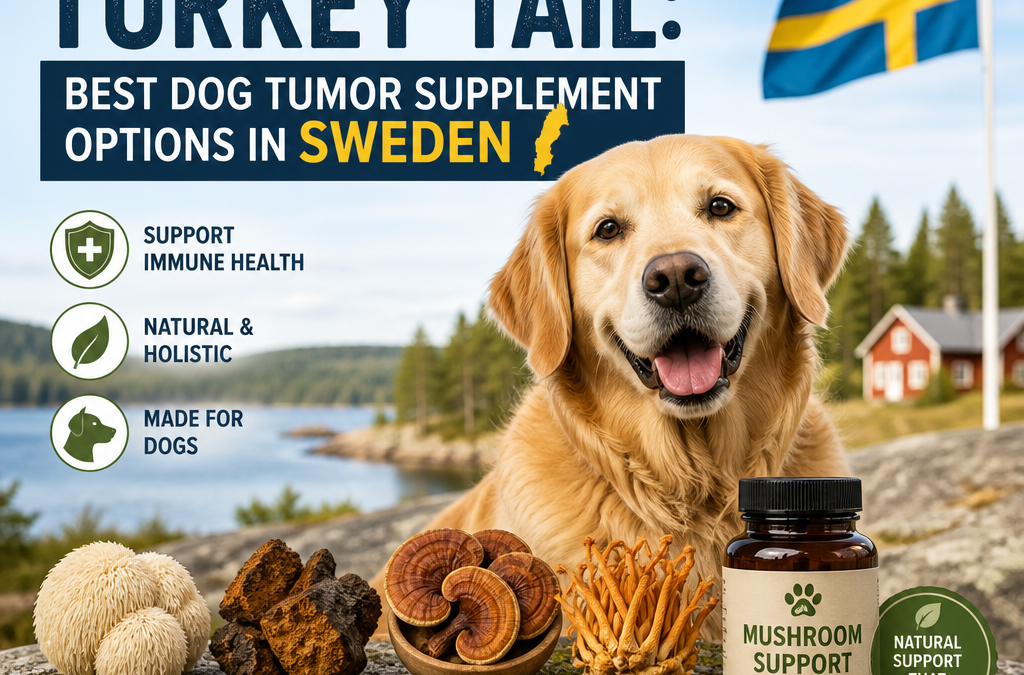
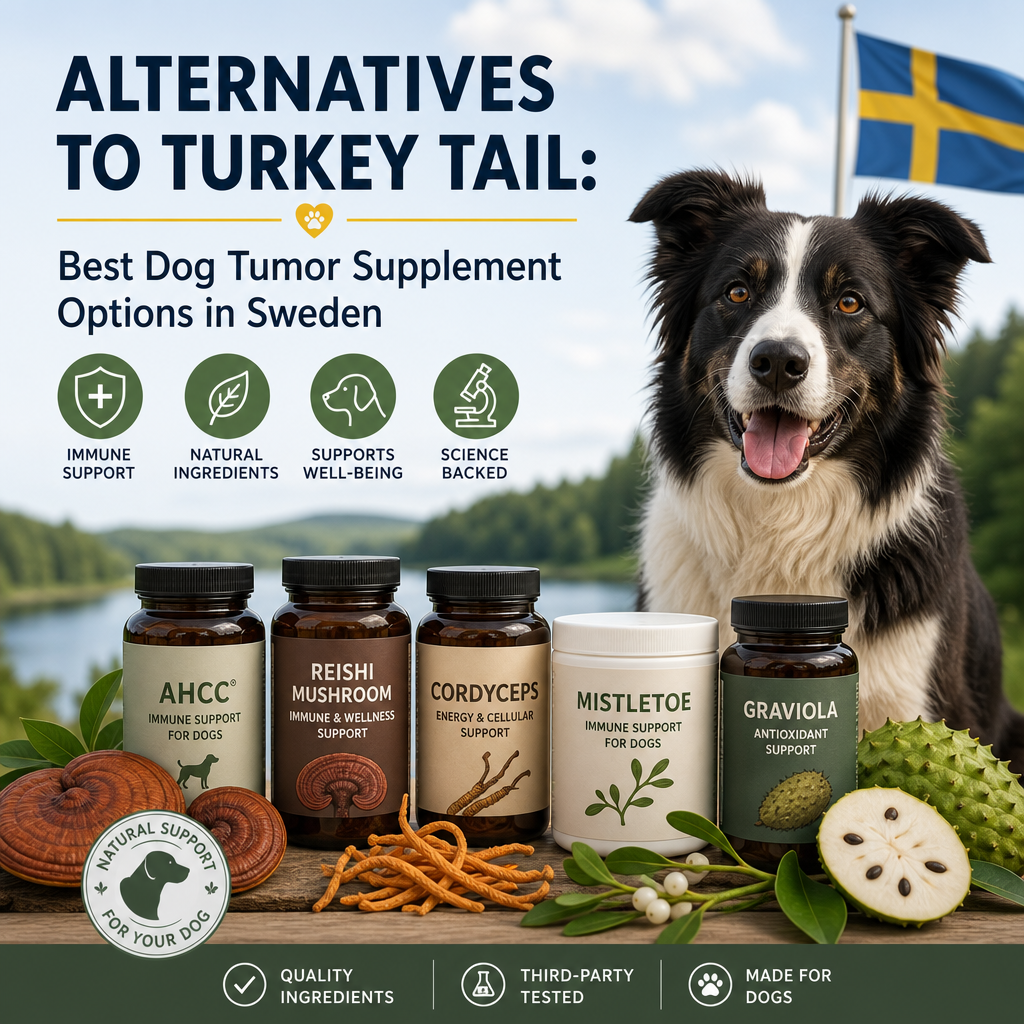
トルコテールの代替品 / 医療用キノコは、腫瘍の獣医療中にサポートサプリメントを探しているスウェーデンの犬の飼い主に追加の選択肢を提供できます。トルコテールキノコは、別名 トラメテス・バーシカラー, 、その多糖類と免疫関連化合物について広く議論されていますが、犬の健康のために考慮される唯一のサプリメントではありません。他の医療用キノコ、栄養化合物、および慎重に選ばれたサポート製品も役割を果たす可能性があります。しかし、サプリメントは獣医によって推奨される診断、手術、化学療法、放射線治療、または他の治療を置き換えるべきではありません。.
犬の腫瘍サプリメントの代替品を考慮する理由は?
トルコテールは、その化合物のいくつか、特にベータグルカンと多糖類-タンパク質複合体が免疫系との相互作用について研究されているため、注目を集めています。この関心にもかかわらず、個々の犬は異なる反応を示すことがあります。犬は消化の敏感さを持っているかもしれませんし、サプリメントと相互作用する可能性のある薬を服用しているかもしれません。また、特定の製品が不適切な状態を持っているかもしれません。.
スウェーデンでは、入手可能性も考慮すべき点です。製品は品質、濃度、ラベル、配送形態が異なります。一部のサプリメントは輸入される場合がありますが、他は獣医クリニック、ペット薬局、または専門小売業者を通じて販売されています。単一の成分を超えて考えることで、飼い主は獣医とより広範で実用的なサポートプランについて話し合うことができます。.
正しい選択は、犬の腫瘍の種類、病気の段階、全体的な健康、現在の治療、食欲、肝臓と腎臓の機能、および薬のリストに依存します。そのため、, トルコテールの代替品 / 医療用キノコ は、常に全体的な医療状況を考慮して選ばれるべきです。.
多くの場合、最良の トルコテールの代替品 / 医療用キノコ は、最も大きなマーケティング主張ではなく、犬の現実のニーズに合ったものです。だからこそ、成分リストと同じくらい慎重な製品選択が重要です。.
飼い主は、実用的なサポート目標を比較することからも利益を得ます。一部の犬は体重を維持するための助けが必要ですが、他の犬は胃に優しい製品や毎日与えやすい製品が必要です。そのような状況では、, トルコテールの代替品 / 医療用キノコ 単一の「最良」の成分としてではなく、より大きなサポートケアプランの一部として議論されることができます。.
トルコテールの代替品としての医療用キノコ
いくつかの医療用キノコは、補完的な動物健康製品に使用されています。犬に関する研究はまだ発展途上であり、実験室や人間の研究からの証拠は自動的に犬の癌に適用できるわけではありません。それでも、これらのキノコは犬の腫瘍サプリメントの代替品に関する議論に一般的に含まれています。.
レイシ
レイシ、または ガノデルマ・ルシダム, 、ベータグルカンとトリテルペンを含んでいます。免疫サポートと一般的な活力のためにしばしば販売されています。一部の製品は、トルコテールや他のキノコ抽出物と組み合わせて霊芝を使用していますが、他の製品はそれを単独の成分として使用しています。.
レイシは免疫活動に影響を与える可能性があり、血液凝固に影響を及ぼしたり、薬物と相互作用する可能性があります。手術を受ける犬や抗凝固薬を服用している犬には特に注意が必要です。獣医師は使用前にレイシ製品を確認するべきです。ある犬にとって、レイシは実用的な トルコテールの代替品 / 医療用キノコ より広範なサポートフォーミュラが好まれる場合に役立ちます。.
飼い主がラベルを読むとき、製品に果実体抽出物、菌糸体、またはブレンドが含まれているかどうかも確認するべきです。その詳細は最終的な成分に影響を与え、似た名前の2つの製品が非常に異なるパフォーマンスを示す理由を説明するかもしれません。このカテゴリでは、フレーズ トルコテールの代替品 / 医療用キノコ は、棚の上で見た目が似ているが、抽出方法や用量が大きく異なる製品を含むことがよくあります。.
マイタケ
Maitake, or グリフォラ・フロンドーサ, 、はそのβ-グルカン含有量で知られる別のキノコです。免疫サポートブレンドに一般的に含まれており、キノコベースの代替品を求める飼い主にとって魅力的かもしれません。製品の品質は重要で、ブランド間で量や抽出方法が大きく異なる可能性があります。.
一部のマイタケサプリメントはマルチキノコブレンドの一部として販売されている一方で、他は単一成分のフォーミュラです。マルチキノコ製品は便利ですが、どの成分が利益や副作用を引き起こしているのか理解するのが難しくなることもあります。消化が敏感な犬には、シンプルなフォーミュラの方が評価しやすいことがよくあります。それが理由の一つです。 トルコテールの代替品 / 医療用キノコ はすべて互換性があるわけではありません。.
シイタケ
シイタケ、または シイタケ, 、はポリサッカライドや他の栄養素を提供します。時には濃縮された単一抽出物としてではなく、組み合わせフォーミュラで使用されることがあります。全食品キノコ製品は標準化された抽出物と同じ化合物を提供しない可能性があるため、飼い主はラベルを注意深く読み、製品がどのように準備されたかを尋ねるべきです。.
シイタケは食品成分として馴染みがあるかもしれませんが、食品使用とサプリメント使用は同じではありません。キッチン用に設計された粉末は、自動的に犬のサポートケアに適しているわけではありません。比較することが目的であれば、 トルコテールの代替品 / 医療用キノコ, 、獣医に焦点を当てた製品で透明な用量情報を探すことが重要です。.
コルディセプス
コルディセプス製品はエネルギー、スタミナ、呼吸器サポートのためにしばしば宣伝されます。これらの特性は疲労を感じている犬にとって有用に思えるかもしれませんが、腫瘍サポートに関する証拠は限られています。コルディセプスは、免疫関連の状態を持つ犬や特定の薬を服用している犬には不適切な場合もあります。.
「エネルギーサポート」は犬によって異なる意味を持つ可能性があるため、獣医師がコルディセプスが関連するかどうかを判断するのを助けるべきです。貧血、痛み、吐き気、脱水のために疲れている犬は、一般的にスタミナが低下している犬とは異なる戦略が必要です。その文脈では、, トルコテールの代替品 / 医療用キノコ 根本的な問題に対処する場合、単に別のキノコ抽出物を追加するのではなく、より有用である可能性があります。.
チャガ
チャガは抗酸化化合物を含み、抽出物や粉末として頻繁に販売されています。しかし、腎疾患や特定の尿石の歴史がある犬にとっては、高レベルのオキサレートを含む可能性があるため、懸念材料となることがあります。チャガは自然であるからといって、自動的に安全と見なされるべきではありません。.
飼い主が比較するために トルコテールの代替品 / 医療用キノコ, 「マッシュルームサプリメント」が品質保証ではないことを思い出すことが重要です。抽出方法、原材料、用量はすべて重要です。.
より広く言えば、マッシュルーム製品は、馴染みのある成分名の存在だけでなく、実際の活性化合物の濃度を確認する必要があります。これは、犬がすでに複数の治療を受けている場合に特に重要です。慎重な計画の中で、, トルコテールの代替品 / 医療用キノコ 不必要なリスクを加えることなく犬をサポートするべきです。.
非キノコの犬の腫瘍サプリメントの代替品
ターキーテイルの代替品 / 医療用マッシュルームは、医療用マッシュルームである必要はありません。いくつかの栄養補助食品は、食欲、体調、炎症管理、または癌治療中の正常な臓器機能をサポートするために使用されます。.
オメガ-3脂肪酸
魚油はEPAとDHAを提供し、正常な炎症バランスや皮膚、被毛、関節の健康をサポートするのに役立つ可能性があります。オメガ-3サプリメントは、食欲が減少している犬や筋肉が減少している犬に対して考慮されることがありますが、癌の治療法ではありません。.
製品は、総魚油のみをリストするのではなく、EPAとDHAの明確に記載された量を提供するべきです。品質は重要で、酸化した油は消化問題を引き起こす可能性があります。オメガ-3は血小板機能にも影響を与える可能性があるため、手術前や薬と併用する際には用量とタイミングを確認する必要があります。.
オメガ-3は広く使用され、入手が容易であるため、他の トルコテールの代替品 / 医療用キノコ 快適さと栄養サポートに焦点を当てた計画にうまく組み込まれることがよくあります。.
一部の犬では、体調を維持したり被毛の質をサポートすることが主な目標である場合、魚油サプリメントがマッシュルーム製品よりも役立つことがあります。それはオメガ-3が癌の治療法であることを意味するわけではありませんが、 トルコテールの代替品 / 医療用キノコ 異なるサポート目標に役立つ方法の良い例となります。.
医療グレードの栄養とカロリーサポート
体重と筋肉を維持することは、腫瘍治療中の中心的な目標であることがよくあります。完全な獣医用食、カロリー密度の高い食品、または臨床的に配合された回復製品は、犬が体重を減らしている場合、未証明のサプリメントよりも価値があるかもしれません。.
飼い主は食欲、嘔吐、下痢、飲水、体重、筋肉の状態を監視するべきです。獣医師または獣医栄養士が適切なカロリーレベルと給餌戦略を推奨できます。.
食欲が悪い場合、最も有用な介入は、柔らかい食感、強い香り、小さな食事、または消化しやすい食事かもしれません。そのような場合には、, トルコテールの代替品 / 医療用キノコ 基本的な栄養計画がうまく機能している場合にのみ考慮されるべきです。.
抗酸化物質およびビタミン製品
ビタミンCとE、セレン、その他の抗酸化物質は、犬用サプリメントに含まれることがあります。化学療法や放射線治療中の使用は個別に調整されるべきです。高用量は不適切な場合があり、いくつかの抗酸化物質は、プロトコルに応じて治療目標に干渉する可能性があります。.
複数の成分が重複する製品を重ねて使用することは避けてください。犬は、特にサプリメントが強化された市販の食べ物と組み合わされると、特定のビタミンやミネラルを過剰に摂取する可能性があります。.
サプリメントが短期的なサポート用か、日常的な長期使用を目的としているかを確認する価値もあります。いくつかの製品は、病気からの回復などの狭い目的のために設計されている一方で、他の製品はより広範なウェルネスフォーミュラです。 トルコテールの代替品 / 医療用キノコ, 、ビタミンや抗酸化物質は特に注意深いラベルの読み取りが必要です。.
プロバイオティクスと消化サポート
癌治療、ストレス、抗生物質、そして食事の変更は消化に影響を与える可能性があります。獣医のプロバイオティクスは、特定のケースで正常な消化器機能をサポートするのに役立つかもしれません。プロバイオティクスは犬用に選ばれ、正しく保管され、徐々に導入されるべきです。これらはサポート製品であり、腫瘍の直接的な治療ではありません。.
もし犬がすでに吐き気や下痢に苦しんでいる場合、別の植物を追加するよりも、よりシンプルな消化プランが役立つかもしれません。その状況では、最も効果的な トルコテールの代替品 / 医療用キノコ のは、複雑なキノコのブレンドではなく、ターゲットを絞った栄養と腸のサポートかもしれません。.
消化サポートは、薬やサプリメントを一貫して与えるのを容易にすることもできます。その一貫性は重要です。理論的には有用でも、投与が不可能な製品は日常生活ではあまり役立ちません。.
スウェーデンでのサプリメントの選び方
スウェーデンで犬の腫瘍サプリメントの代替品を比較する際は、透明性から始めてください。完全な成分リスト、明確に記載されたサービングガイダンス、バッチまたはロット情報、賞味期限、製造者の連絡先情報、保管方法の指示を探してください。「独自のブレンド」といった曖昧な製品は、犬が実際に受け取っているものを判断するのを難しくします。.
食事摂取はカロリーだけでなく、エネルギー、免疫機能にも影響を与えます。.
一部の飼い主は、犬が最も快適に見える時に食べ物を提供することが役立つと感じています。.
癌と診断された高齢犬が口の痛み、噛むのが難しい、または吐き気を感じている場合、 アメリカン・ケネル・クラブの犬の癌リソース 一般的な治療やケアに関する質問を理解したい飼い主にとって、役立つ出発点を提供します。.
スウェーデンの犬の飼い主は、製品の形状を比較したいと思うかもしれません。噛むおやつは与えやすいですが、カプセルはより正確な投与が可能です。オイルはオメガ-3に役立ち、パウダーは食べ物に混ぜるのに便利かもしれません。選択する際には トルコテールの代替品 / 医療用キノコ, 、最も簡単に投与できる製品が、一貫して使用される可能性が高いものです。.
より広範な犬の癌サポートの概要を望む飼い主のために、その投稿 ピラベット免疫 + EBC-46を持つ犬のための癌サポート代替:強力で手頃なオプション 支持的アプローチを比較するための便利な関連リファレンスです。.
安全性と獣医の監督
サプリメントを始める前に、獣医師に製品ラベルとすべての薬のリストを提供してください。これには処方薬、痛み緩和薬、ステロイド、ハーブ製品、その他のサプリメントが含まれます。潜在的な懸念には出血リスク、鎮静、免疫効果、消化器の刺激、肝臓の代謝、腎臓への負担が含まれます。.
新しい製品は一度に一つだけ導入してください。これにより、嘔吐、下痢、かゆみ、無気力、渇きの変化、または食欲の喪失などの副作用を特定しやすくなります。深刻な反応が発生した場合は、製品を中止し、獣医クリニックに連絡してください。.
最も有用なサプリメントは、必ずしも最も高価である必要はなく、最も長い成分リストを持つものでもありません。多くの場合、栄養の適切さ、痛みの管理、水分補給、定期的なモニタリング、感情的なサポートが、いくつかの未検証の製品を追加するよりも生活の質に大きな影響を与えます。.
サプリメントが手術、化学療法、または放射線治療と併用される場合、獣医師がタイミングについて最終的な決定を下すべきです。それは特に重要です。 トルコテールの代替品 / 医療用キノコ 血液凝固、消化、または免疫活動に影響を与える可能性があるもの。.
実用的なアプローチは、開始日、用量、食事の変更、および観察された効果を含む各新製品の短いログを保持することです。これにより、獣医チームはパターンを見つけ、サプリメントが実際に価値があるかどうかを判断するのに役立ちます。良好なモニタリングは、使用する最も簡単な方法の一つです。 トルコテールの代替品 / 医療用キノコ 使用する最良の方法です。.
補完的ケアへのバランスの取れたアプローチ
医療用キノコやその他の犬の腫瘍サプリメントの代替品は、一部の犬にとってサポートオプションを提供するかもしれませんが、証拠と安全性は異なります。霊芝、舞茸、椎茸、コルディセプス、オメガ-3脂肪酸、プロバイオティクス、治療的栄養などのターキー・テイルの代替品は、それぞれ異なる潜在的な利点とリスクを持っています。.
スウェーデンの犬の飼い主にとって、サプリメントを調整されたケアプランの一部として扱うのが最良のアプローチです。診断と治療プロトコルについて獣医師と話し合い、透明なラベルの製品を選び、誇張された主張を避け、犬を注意深く監視してください。責任を持って使用すれば、サポートサプリメントは獣医ケアを補完し、快適さ、栄養、生活の質をすべての決定の中心に保つことができます。.
実際的な観点から、最も安全な トルコテールの代替品 / 医療用キノコ 犬の状態に合致し、現在の治療計画をサポートし、明確な獣医の指導のもとで時間をかけてモニタリングできるものです。.
目標が迅速な解決策ではなく安定したサポートである場合、シンプルで透明なサプリメントが最良の選択であることが多いです。だからこそ、 トルコテールの代替品 / 医療用キノコ 適合性、安全性、一貫性のために最初に選択され、マーケティングの主張のために最後に選択されるべきです。.
多くの犬にとって、最も強力なサポートプランは、良好な栄養、症状管理、そして一つまたは二つの適切に選ばれた製品を組み合わせることであり、過剰なサプリメントの積み重ねではありません。そのバランスの取れた方法は、飼い主が維持しやすく、獣医師が時間をかけて評価しやすいことが通常です。.
獣医の指導、製品の質、現実的な目標に焦点を当てることで、, トルコテールの代替品 / 医療用キノコ 犬の腫瘍ケアプランにおいて、合理的なサポート役割を果たすことができます。.
執筆者 TCMVET | 2026年8月24日 | 研究とニュース
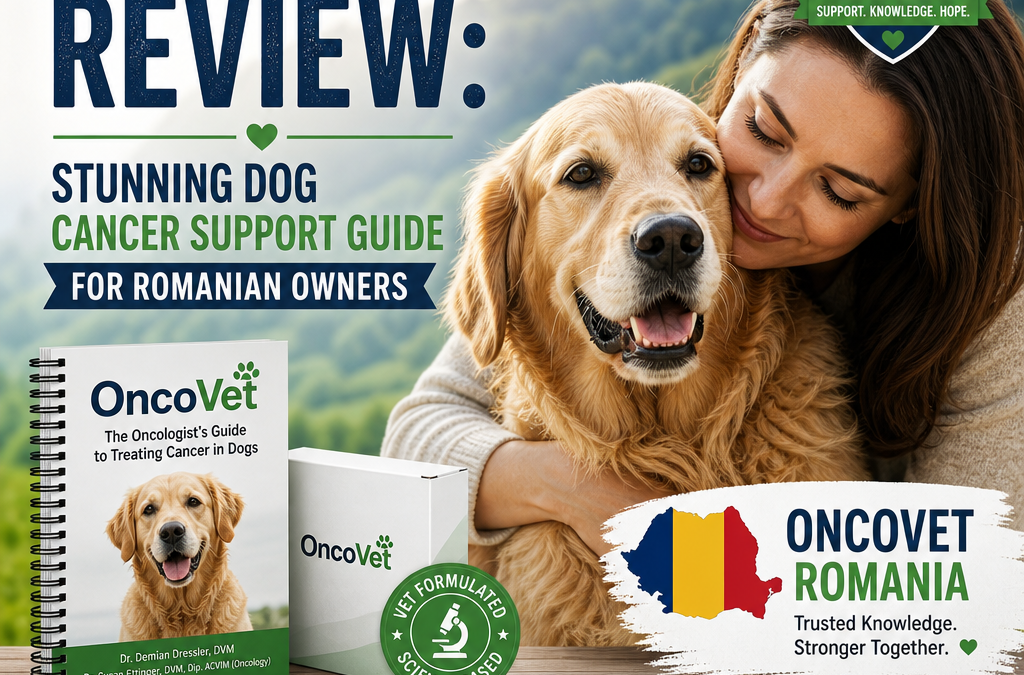
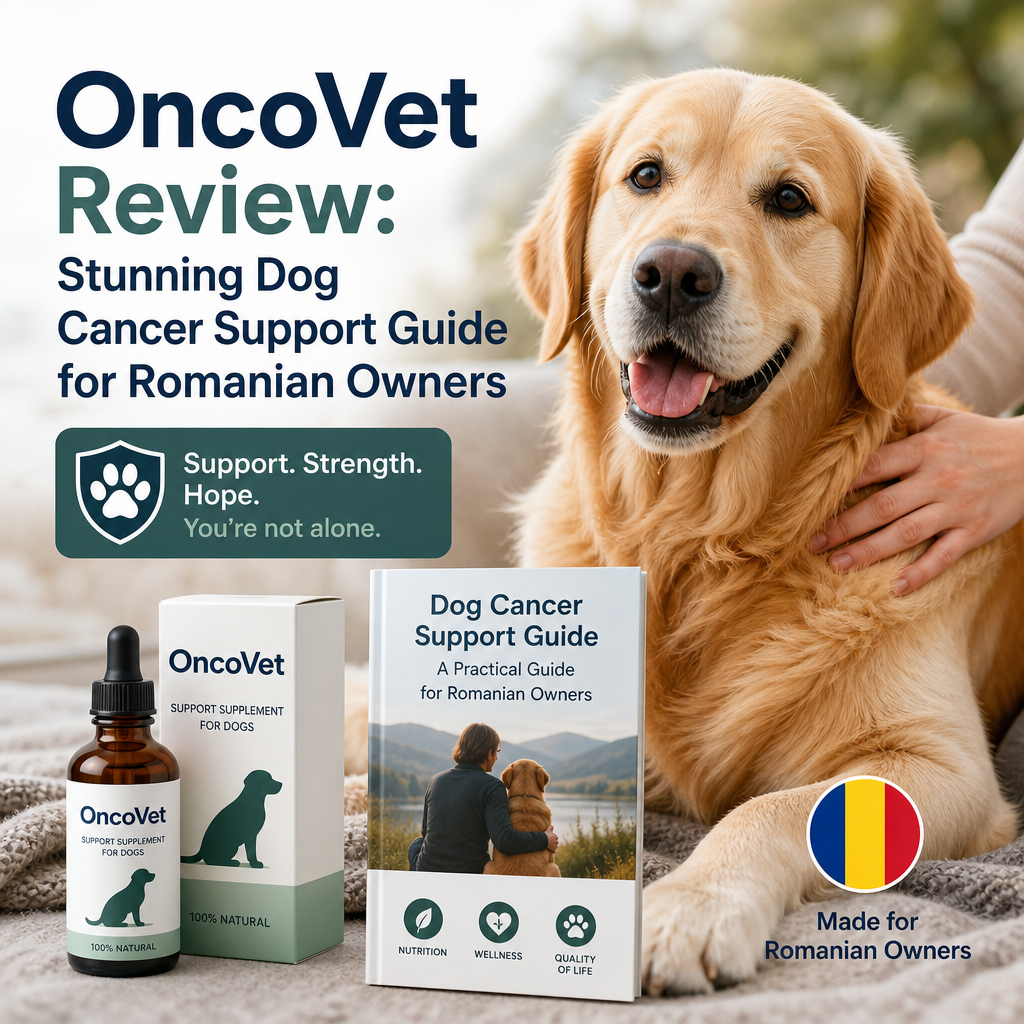
OncoVetは、犬の癌ケア、サポート治療、獣医腫瘍学に関する情報を検索する際に、ルーマニアの犬の飼い主が遭遇する可能性のある用語です。癌の診断は圧倒されることがありますが、信頼できる情報は家族がより落ち着いて、より良い判断を下すのに役立ちます。このガイドでは、OncoVetが何を意味するか、OncoVetレビューを評価する方法、犬の癌サポートに関連する製品、サービス、または治療を検討する前に飼い主が知っておくべきことを説明します。.
OncoVetと犬の癌ケアの理解
犬の癌は単一の病気ではありません。リンパ腫、肥満細胞腫、骨癌、乳腺腫瘍、血管肉腫、内臓に影響を与える癌など、多くの状態を含みます。各診断は異なる振る舞いをし、手術、化学療法、放射線療法、免疫療法、痛みの管理、またはモニタリングの異なる組み合わせを必要とする場合があります。.
したがって、OncoVet犬の癌サポートは、獣医治療の自動的な代替としてではなく、より広範なケアプランの一部として理解されるべきです。サポートには、栄養ガイダンス、症状管理、サプリメント、飼い主への感情的支援、または腫瘍学に関連する情報へのアクセスが含まれる場合があります。適切なアプローチは、犬の年齢、品種、一般的な健康状態、癌の種類、ステージ、および治療への反応に依存します。.
獣医は、個別のアドバイスの最も重要な情報源であり続けます。オンライン情報は選択肢を説明し、飼い主が質問を準備するのに役立ちますが、身体検査、検査、画像診断、生検結果、または専門的な解釈の代わりにはなりません。サポートケアオプションのより広範な概要については、参照してください。 犬の癌ケアにおけるTCMを用いた副作用の最小化と快適さの向上.
犬における一般的な癌の種類に関する医学的背景については、アメリカ獣医師会が役立つ概要を提供しています。 ペットの飼い主のためのAVMA癌情報.
OncoVetレビューが説明すべきこと
OncoVetレビューを読む際は、一般的な称賛や劇的な主張を超えて見る必要があります。役立つレビューは、サービスまたは製品が何であるか、誰が提供しているか、どのように使用されるか、そしてその推奨を支持する証拠が何であるかを明確に説明するべきです。.
確認すべき重要なポイントには以下が含まれます:
- 情報が資格のある獣医師または獣医腫瘍学の専門家から来ているかどうか
- 製品に明確に記載された成分と使用指示があるかどうか
- 安全警告や可能な相互作用が説明されているかどうか
- 主張が公開された研究によって支持されているか、または証言のみであるかどうか
- サービスがルーマニアの飼い主に利用可能であるかどうか
- カスタマーサポート、価格、配達、返金情報が透明であるかどうか
- コンテンツが犬によって結果が異なることを認めているかどうか
証言は顧客の体験に関する洞察を提供することができますが、科学的証拠とは異なります。犬が改善する理由はいくつかあり、手術、薬物、食事の変更、または病気の自然な変動が含まれます。このため、飼い主は癌を治す、腫瘍を排除する、または化学療法を置き換えることを約束する声明には注意するべきです。.
既存の腫瘍学ガイダンスと主張を比較する価値もあります。情報源が診断、ステージング、またはフォローアップケアについての議論を避ける場合、それは教育的よりも宣伝的である可能性があります。信頼できるリソースは、飼い主が何が知られているか、何が不確かであるか、何が獣医の判断を必要とするかを理解するのを助けるべきです。.
OncoVet犬の癌サポートの評価
OncoVet犬癌サポートは、飼い主がケアを整理し、癌診断の実際の課題を理解するのに役立つ場合に有用です。役立つサポートには、一般的な治療法の説明、食欲とエネルギーの監視に関するガイダンス、獣医と痛みについて話し合うための提案、生活の質を維持するためのアドバイスが含まれます。.
しかし、サポートケアは慎重に選択する必要があります。一部のサプリメントは血液凝固、肝臓の代謝、腎機能、または処方薬の効果に影響を与える可能性があります。ハーブや濃縮栄養素を含む製品は、自然とラベル付けされているからといって自動的に安全ではありません。化学療法や他の治療を受けている犬は、相互作用に特に脆弱である可能性があります。.
新しいサプリメントを与えたり、犬の食事を変更したりする前に、飼い主は獣医に完全な成分リストを提供するべきです。これは、犬が腎疾患、肝疾患、糖尿病、消化器系の問題、または発作の歴史を持っている場合に特に重要です。.
購入前にルーマニアの飼い主が尋ねるべき質問
どの癌サポート製品を選ぶ前にも、それに明確な製造基準があるか、犬の診断に適しているか、現在の処方薬と安全に併用できるかを尋ねてください。製品の説明が曖昧に聞こえたり、真実に思えない約束をしたり、リスクについての議論を避けたりする場合は、慎重に扱ってください。.
場合によっては、自然サポートリソースは、確立された獣医ケアを含む統合計画の一部としてより良く使用されるかもしれません。獣医が補完的アプローチについて話し合うことにオープンであれば、あなたも読むことを検討したいかもしれません。 犬の骨肉腫に対する自然治療オプション 文脈におけるホリスティックケアをよりよく理解するために。.
多くの飼い主は、サポートケアが実際の治療タイムラインにどのように適合するかを知りたいとも思っています。実際には、最も役立つ製品は、日常のケアを簡素化し、監視を改善し、フォローアップ訪問中のストレスを軽減するものが多いです。診断を遅らせたり、証拠なしに治療を置き換えたり、獣医の予約をスキップすることを奨励するものは避けるべきです。.
獣医の注意を必要とする癌の症状
ルーマニアの犬の飼い主は、持続的または異常な変化に気づいたときに獣医の予約を手配するべきです。考えられる警告サインには以下が含まれます:
- 説明のつかない腫れが成長または変化する
- 異常な出血または分泌物
- 継続的な体重減少
- 4. 食欲の減少
- 持続的な嘔吐や下痢
- 呼吸困難
- 足の不具合または説明のつかない痛み
- 極度の疲労
- 排尿または排便の困難
- 治らない傷
これらの症状は必ずしも癌を示すわけではありません。感染症、ホルモンの状態、怪我、その他の病気も似たような兆候を引き起こすことがあります。それでも、早期の評価は重要です。なぜなら、いくつかの癌は早期に発見されると管理が容易になるからです。.
獣医師は血液検査、X線、超音波、細胞診、バイオプシー、または高度な画像診断を推奨することがあります。バイオプシーは、正確な腫瘍の種類を特定し、その攻撃性を判断するためにしばしば必要です。.
腫瘍管理に対する獣医師のアプローチを理解したい飼い主は、以下の実用的なガイドを確認できます。 あなたの犬の腫瘍を縮小するための実証済みの方法.
癌が早期に発見されると、治療の選択肢はしばしば広がり、緊急性が低くなります。これにより、家族は選択肢を比較し、セカンドオピニオンを求め、アフターケアの計画を立てるための時間が増えます。診断が深刻であっても、迅速な獣医の注意は通常、快適さと安定した症状管理の可能性を改善します。.
OncoVetルーマニア:飼い主のための実用的な考慮事項
OncoVet Romaniaを検索すると、飼い主はオンラインリソース、獣医クリニック、サプリメント供給業者、または教育プラットフォームにたどり着くことがあります。購入やサービスの予約を行う前に、提供者の身元、連絡先、専門資格、配送ポリシーを確認してください。.
ルーマニアの飼い主は、サービスが自分たちが明確に理解できる言語で情報を提供しているかどうかも考慮すべきです。医療の決定は、混乱を招く指示や曖昧な翻訳に基づくには重要すぎます。製品ラベルには、完全な成分詳細、用量ガイダンス、保管指示、期限情報、および関連する警告が含まれているべきです。.
オンラインの推奨事項を地元の獣医クリニックからのアドバイスと比較することも有用です。ルーマニアの獣医師は犬を直接評価し、利用可能な診断オプションを説明し、適切な場合には獣医腫瘍医への紹介について話し合うことができます。治療のコストやアクセスは都市、クリニック、癌の種類によって異なる場合があるため、書面での見積もりを求めることで家族が現実的に計画を立てるのに役立ちます。.
飼い主が複数のケアパスを比較したい場合、以下のような広範な教育リソースを参照することが役立ちます。 革新的な犬の癌ケア戦略と治療 決定を下す前に。.
地元の入手可能性も重要です。役立つサポートリソースであっても、配送が遅い、指示が不明確、またはフォローアップの支援が限られている場合は実用的ではないかもしれません。オーナーは、迅速に対応し、成分を完全に説明し、単発の購入ではなく継続的な獣医の監督を奨励するプロバイダーを選ぶべきです。.
治療中の生活の質をサポートする
癌治療は単に寿命を延ばすことだけではなく、快適さと楽しみを維持することでもあります。オーナーは、日々の食欲、水分摂取、移動能力、睡眠、呼吸、トイレの習慣、通常の活動への関心を追跡できます。シンプルな日記は、日々の変化を見逃しがちな徐々の変化を特定するのに役立つかもしれません。.
快適な寝具、水へのアクセスの容易さ、穏やかな運動、そして落ち着いたルーチンは、意味のある違いを生むことができます。吐き気、痛み、虚弱、または呼吸の問題を抱える犬は、獣医のアドバイスなしに運動や不慣れな食べ物を強制されるべきではありません。.
癌が治癒できない場合や治療の副作用が潜在的な利益を上回る場合、緩和ケアが適切である可能性があります。このタイプのケアには、痛みの緩和、抗吐き気薬、食欲のサポート、家族への感情的なガイダンスが含まれることがあります。快適さに焦点を当てたケアを選ぶことは、あきらめることではなく、犬の福祉に基づいた責任ある決定です。.
一部の家族は、快適さを保ちながら治療のストレスを軽減することを目指すアプローチを探しています。それが関連する場合、以下の記事が役立つかもしれません。 犬の癌ケアにおけるTCMの利点 さらなる読書のために役立つかもしれません。.
良好な生活の質の計画は、病気の変化に応じて目標を再評価することも意味します。診断時に意味があった治療が、後に適切な選択でなくなることがあります。定期的なチェックインは、家族が積極的なケアを続けるか、支援的なケアに移行するか、または自宅での快適さに焦点を当てるかを決定するのに役立ちます。.
OncoVetへのバランスの取れたアプローチ
OncoVetの最も責任ある見解は、バランスが取れ、証拠を意識したものです。教育リソースやサポート製品は、オーナーが孤独感を和らげ、より準備が整った気持ちになるのに役立つかもしれませんが、専門の獣医ケアを補完するものであり、置き換えるものではありません。信頼できるプロバイダーは、保証された治癒の主張を避け、獣医との相談を奨励し、制限を説明し、現実的な期待を提示します。.
ルーマニアのオーナーにとって、疑わしいまたは確認された癌の診断の後の最良の次のステップは、犬の医療記録を集め、明確な質問をし、すべての提案された治療について資格のある獣医専門家とオープンに話し合うことです。情報に基づいたケアプランは、適切な医療治療、慎重な症状の監視、安全な支援策、そして生活の質への継続的な注意を組み合わせることができます。.
従来の治療と並行して補完的な選択肢を調査している場合、以下を探ることもできます。 Baituxiaoによる腫瘍縮小の革新 より広範な教育レビューの一環として。.
最終的には、最良の結果は通常、信頼できる情報、迅速な獣医ケア、現実的な期待を組み合わせることから得られます。このアプローチは、腫瘍を抱える犬に快適さ、安定性、そして尊厳を持って治療を受ける最良の機会を与えます。.
難しい診断に直面している飼い主にとって、最も役立つ次のステップは、オンラインで確実性を追い求めることではなく、獣医と実用的な計画を立てることです。その計画には、医療処置、栄養、痛みの管理、モニタリング、明確な意思決定ポイントが含まれ、各選択肢が犬の健康と快適さをサポートします。.
執筆者 TCMVET | 2026年8月24日 | 研究とニュース
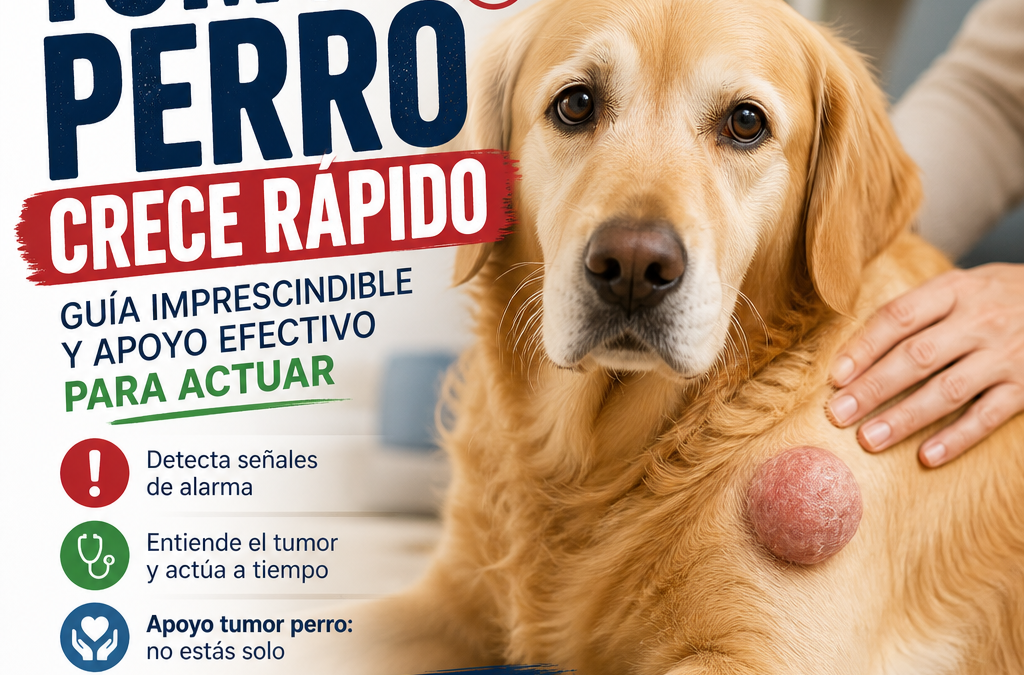
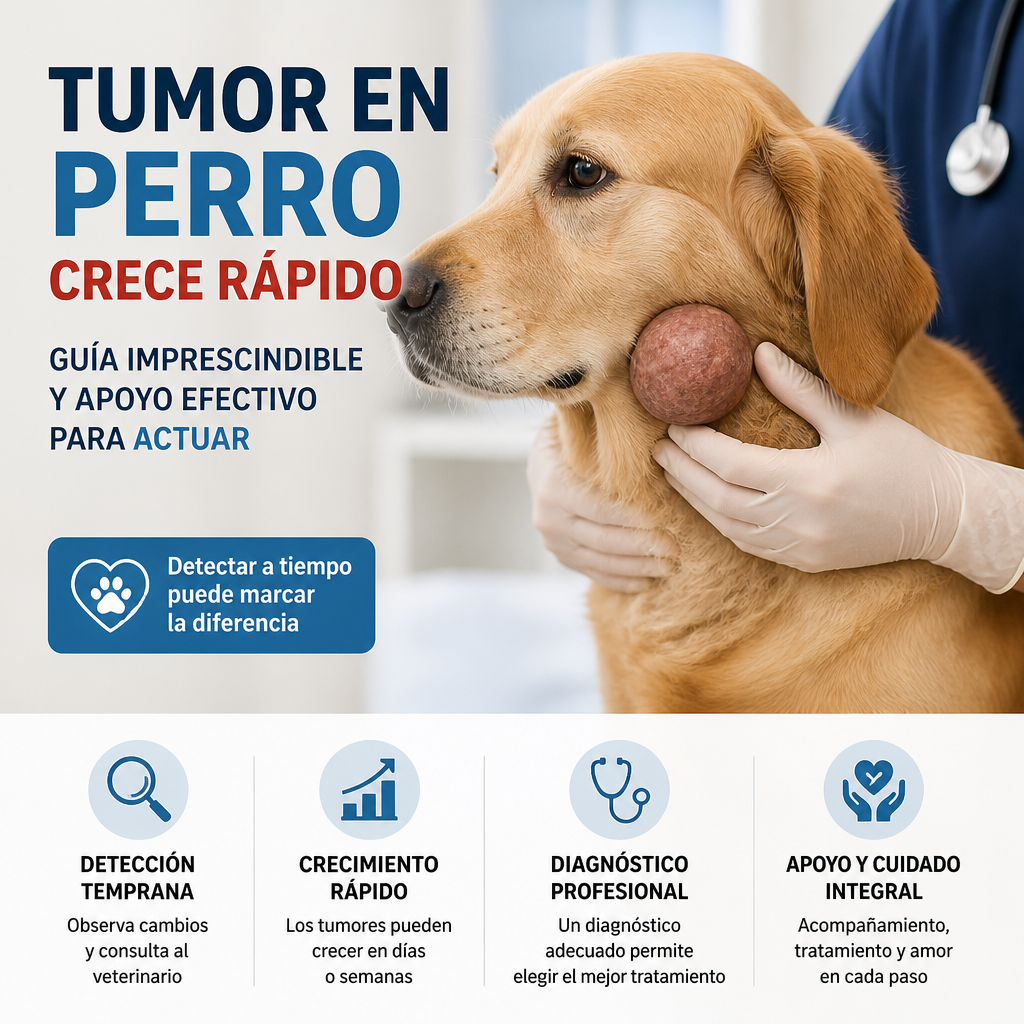
一つの 犬の腫瘍が急速に成長する 特に腫瘍が数日または数週間でサイズを変えるときは、多くの不安を引き起こす可能性があります。それでも、成長の速度だけでは良性、悪性、炎症性、または感染性の病変かどうかを知ることはできません。最も確実な答えは、変化を注意深く観察し、信頼できる診断を得るために早めに獣医に行くことです。.
犬の腫瘍が急速に成長することは何を意味しますか?
「犬の腫瘍の急速な成長」という表現は、短期間で明らかに体積が増加する腫瘍を説明します。皮膚の上、下、乳腺、口、四肢、または体の他の部分に現れることがあります。いくつかの腫瘍は攻撃的な挙動を持って急速に成長しますが、他の腫瘍は炎症、液体の蓄積、感染、外傷、または内部出血によって増加します。.
考えられる原因には、脂肪腫、嚢胞、膿瘍、肥満細胞腫、軟部組織肉腫、乳腺腫瘍が含まれます。また、最初は小さく見える皮膚病変が、時間とともに形、色、または質感を変えることもあります。したがって、腫瘍を触診するだけではその性質を判断するには不十分です。.
急速な成長は獣医の注意を必要とします。特に痛み、潰瘍、出血、脱毛、悪臭、または動物の行動の変化を伴う場合はそうです。この段階では、問題の起源を推測しようとするよりも、冷静に考えることが助けになります。.
最近の腫瘍は、数ヶ月間変化のない病変と同じように振る舞うわけではないことを思い出すことが重要です。犬の年齢、位置、触診時の硬さ、体積の変化の速さは重要な手がかりを提供しますが、どれも臨床評価に代わるものではありません。したがって、 犬の腫瘍が急速に成長する, 、優先事項は関与している組織の種類を確認し、他の部位への拡張のリスクがあるかどうかを確認することです。.
また、腫瘍が皮膚の上で動くか、深い層に付着しているか、歩く、噛む、または横になるときに不快感を引き起こすかを観察することも役立ちます。その情報は、単純に見えても、初期評価の指針となることがよくあります。場合によっては、サイズの増加が活発な炎症を反映していることがありますが、他の場合では緊急の治療が必要なプロセスを示すことがあります。両者の違いは、適切な検査によってのみ明らかになります。.
迅速な相談が必要な警告サイン
すべての腫瘍が即時の緊急事態を構成するわけではありませんが、いくつかのサインは遅滞なく注意を求めるべきであることを示しています:
- 数日または数週間での目に見える成長。.
- 色、形、または硬さの変化。.
- 開いた傷、出血、分泌物、または悪臭。.
- 触れると痛みがある、または検査を拒否する。.
- 歩く、食べる、呼吸する、または飲み込むのが難しい。.
- 食欲の減少、嘔吐、下痢、または体重減少。.
- 明らかな疲労、発熱、または異常な行動。.
- 塊の近くの腫れたリンパ節。.
- 口の中、目の周り、喉、または関節の近くの位置。.
犬が呼吸困難、大量出血、極度の虚弱、青白い歯茎、失神、または激しい痛みを示す場合は、緊急の獣医診察が必要です。 犬の腫瘍が急速に成長する さらに呼吸や運動能力に影響を与える場合は、次の定期検診を待つべきではありません。.
一見深刻でないように見えても、注意を要する兆候があります。たとえば、潰瘍化し始めたり、色が変わったりする塊は、壊死や二次的な刺激を受けている可能性があります。同様に、特定の部位をしつこく舐める犬は、痛みやかゆみを和らげようとしている可能性があり、何かがうまくいっていないことを示唆しています。毎日の写真を撮り、症状を記録することで、変化が実際のものであるか、一時的な認識に過ぎないかを確認するのに役立ちます。.
損傷が四肢にある場合は、犬がその足をあまり使わないか、ジャンプを避けるか、頻繁に座って休むかを観察してください。口の中に塊がある場合、噛むのが難しい、過剰な唾液、または硬い食べ物を拒否することが見られるかもしれません。腹部や胸部では、変化はより微妙ですが、疲労、咳、または体重減少は貴重な手がかりとなる可能性があります。いずれにせよ、早期の検査は重要な病気を見逃すリスクを減少させます。.
急速に成長する腫瘍の診断方法
獣医は完全な身体検査から始めます。塊のサイズ、可動性、温度、一貫性、および近くの組織との関係を評価します。また、リンパ節を確認し、他の損傷を探します。.
最も一般的に使用される検査の一つは、細針吸引による細胞診です。これは、顕微鏡で検査するために少量の細胞を抽出することを含みます。多くの場合、この手続きは、塊が炎症細胞、脂肪、細菌、または他の種類の組織を含んでいるかどうかを迅速に示します。.
細胞診が決定的でない場合、組織の一部を分析するために生検が必要になることがあります。これにより、損傷の種類とその攻撃性の程度をより正確に知ることができます。ケースによっては、専門家が血液検査、X線、超音波、CTスキャン、またはMRIを要求して、他の臓器に影響があるかどうかを確認することがあります。.
塊が「成熟」するのを待ったり、消えるのを期待したりして検査を遅らせないことが重要です。早期の診断は治療の選択肢を広げ、より複雑でない介入を容易にすることができます。さらに、状況によっては、 犬の腫瘍が急速に成長する, 検査の迅速さが、簡単な手術とはるかに広範なアプローチの違いを生むことがよくあります。.
腫瘍プロセス中の栄養的兆候や補助的ケアに関する一般的な情報を拡充するために、このガイドを確認することが役立つかもしれません。 がんを患っている犬にとっての最良のサプリメント, 、常にサポートとして、獣医診断の代わりにはなりません。.
診察では、犬が他の腫瘍、アレルギー、皮膚感染、最近の体重減少、行動の変化を経験したかどうかを話すことも役立ちます。一部の良性腫瘍は特定の段階で急速に成長し、その後安定しますが、他のプロセスは休むことなく拡大し続けます。これらのパターンを区別することは自宅では常に可能ではありませんが、最初にどの検査を依頼するかを決定するのに役立ちます。目標は、できるだけ遅延なく診断に到達し、最良の計画を選択するための十分な情報を得ることです。.
診察に持参する情報
訪問前に、発生の約日付、観察されたサイズの変化、測定値(ある場合)、および関連する症状のリストを準備することが望ましいです。異なる日付に撮影した写真があれば、それも持参してください。その視覚的比較は、進行状況を正確に評価する必要があるときに非常に示唆に富んでいます。 犬の腫瘍が急速に成長する 、進行状況を正確に評価する必要があります。.
診断に基づく可能な治療法
治療は、腫瘍の種類、位置、大きさ、犬の全体的な健康状態、および転移の可能性に依存します。小さくて安定しており、苦痛を引き起こさない良性病変の場合、獣医は定期的な監視を推奨することがあります。それでも、急速に成長する腫瘍は通常、より積極的な評価を必要とします。.
手術は、病変を完全に切除できる場合によく選択されるオプションです。悪性腫瘍の場合、外科医は腫瘍細胞が残るリスクを減らすために周囲の健康な組織を切除する必要があるかもしれません。特定の状況では、化学療法、放射線療法、標的療法、または複数の治療法の組み合わせが使用されます。.
治癒が不可能な場合や治療が過度に攻撃的な場合、緩和ケアが重要な役割を果たします。目標は、痛みを管理し、食欲を維持し、休息を促進し、できるだけ長く生活の質を保つことです。.
一部の家族では、治療を行うかどうかの決定が感情的に難しくなります。その文脈では、目標、コスト、可能な副作用、予後について明確な説明を求めることが、より落ち着いて現実的な決定を下すのに役立ちます。また、より集中的な治療に進む前に反応を再評価するための段階的な計画を求めることも合理的です。.
治療の選択は、必ずしも組織学的診断だけに依存するわけではありません。時には、犬の年齢、麻酔に対する耐性、腫瘍の位置、病変を完全に切除する可能性も影響します。進行しているように見える腫瘍の場合、早期の介入は不快感を軽減したり、局所的な合併症を避けたりするのに役立つことがあります。そして、状況が非常に複雑な場合、獣医は効果と快適さのバランスを取るために複合的なアプローチを提案することがあります。.
犬がすでに治療を受けている場合、治療が効果を示しているかどうかを示す兆候と、計画を調整する必要がある兆候について尋ねることが重要です。たとえば、嘔吐、無気力、または下痢の出現は、治療または病気の進行に関連している可能性があります。両方のシナリオを区別することを知ることは、タイムリーに反応し、不要な合併症を避けるのに役立ちます。.
手術が不十分な場合
切除可能な腫瘤もありますが、再発する傾向があるため、フォローアップが必要です。その場合、病理学的報告書は、より頻繁な検査、より大きな外科的マージン、または補助的な治療が必要かどうかを決定するための鍵となります。 犬の腫瘍が急速に成長する, 手術後の分析は、手術自体と同じくらい重要です。.
犬の腫瘍のサポート:自宅での責任あるケア
エル 腫瘍犬のサポート 補完するべきであり、決して獣医のケアを置き換えるものではありません。家では、穏やかなルーチンを維持し、毎日動物を観察することが重要です。腫瘤のサイズを記録し、測定の参考として写真を撮り、食欲やエネルギーの変化を記録することは、獣医が進行状況を評価するのに役立ちます。.
腫瘤を押したり、刺したり、切ったり、家庭用の製品を傷に適用したりしないでください。人間用の軟膏、エッセンシャルオイル、アルコール、過酸化水素、いくつかの抗炎症薬は、皮膚を刺激したり、毒性を持つ可能性があります。腫瘤が潰瘍化した場合、獣医が指示した場合のみ清潔なガーゼで覆い、犬が舐めないように保護用のカラーを使用してください。.
バランスの取れた食事と新鮮な水を提供してください。食欲が減少している場合は、より美味しい食事が推奨されることがありますが、どんな変更も医療ニーズに合わせる必要があります。運動はその状態に合わせるべきです:短く穏やかな散歩は有益ですが、ジャンプや激しい運動は痛みを悪化させたり、怪我を引き起こす可能性があります。.
環境を整えることも重要です。快適なベッド、滑り止めの表面、簡単に水にアクセスできることは、日常のストレスを軽減することができます。犬がより疲れている様子を見せる場合は、散歩や休息の時間を調整することで、複雑さを加えることなく、彼らの幸福を大いに改善することができます。.
家でのサポートには、腫瘤周辺の皮膚を監視することも含まれます。かさぶた、赤み、または常に湿っている場合は、二次的な刺激や感染がある可能性があり、それを獣医に伝えることが重要です。専門的な指示に従ってそのエリアを清潔に保つことは、合併症を予防し、犬の不快感を軽減することが一般的です。あるとき、 犬の腫瘍が急速に成長する, これらの日常的な詳細は、見た目以上の価値があります。.
予約を待っている間に何をしないべきか
診察が来るまでの間、自分で薬を与えたり、腫瘤を繰り返し触ったり、排出しようとしたりしないでください。専門的な指示なしに強い熱や冷たい圧迫を適用しないでください。なぜなら、いくつかの傷はこれらの試みで悪化するからです。また、腫瘤が「自然に再吸収される」と考えて訪問を遅らせることも避けるべきです。特に腫瘤が 犬の腫瘍が急速に成長する 外観が変わる場合は。.
軽い出血がある場合は、清潔なガーゼで数分間優しく押さえ、反応を観察してください。出血が止まらない場合や傷がさらに開く場合は、できるだけ早く再診を受けてください。.
また、監視なしに複数の「自然な」製品を組み合わせることも避けてください。市販されているものであっても、いくつかは薬と干渉したり、凝固を変えたり、傷ついた皮膚に刺激を与えたりする可能性があります。犬が他の治療を受けている場合や、獣医がすでに疑わしい傷を発見している場合は、慎重さが特に重要です。シンプルで整理された管理は、同時に多くのことを試みるよりも安全であることが一般的です。.
セカンドオピニオンを求めるべき時
セカンドオピニオンを求めることは、診断が明確でない場合、提案された治療が複雑な場合、または腫瘤が急速に変化し最初の説明と合わない場合には、賢明な決定となることがあります。また、手術、バイオプシー、またはフォローアップの計画が本当に最良の選択肢であるかを確認したい場合にも役立ちます。.
セカンド評価は自動的な不信を意味するものではなく、時には貴重な追加の視点を提供します。獣医腫瘍学において、他の専門家と画像、細胞診、またはバイオプシーを再確認することは、重要な決定を下す前に安心感をもたらすことがあります。.
可能であれば、常に報告書、検査結果、画像検査のコピーを求めてください。すべての文書を整理しておくことで、他の専門家が不必要な手順を繰り返すことなくケースを評価しやすくなります。これは特に重要です。 犬の腫瘍が急速に成長する 時間が重要です。.
提案された計画があなたの疑問に答えない場合や、犬が初期の治療にもかかわらず悪化し続ける場合には、別の意見を求める価値があります。そのような場合、腫瘍学または外科の専門家による再評価は、選択肢を広げ、より明確な予後を提供することができます。セカンドオピニオンは問題を変えるわけではありませんが、アプローチを改善することができます。.
フォローアップと生活の質
手術後や一見好ましい診断の後でも、再評価は不可欠です。獣医は、治癒を監視し、リンパ節を確認し、検査を繰り返し、早期に再発を検出することができます。一部の腫瘍では、フォローアップには数ヶ月または数年にわたる定期的なチェックが含まれます。.
腫瘤の成長速度は、単独で解釈されるべきではありません。最も重要なのは、そのデータを傷の外観、全体的な症状、検査結果、治療への反応と組み合わせることです。即座に行動し、即興の治療法に頼らないことは、犬が適切なケアを受ける機会を高め、良好な生活の質を維持するのに役立ちます。.
計画が緩和ケアに関わる場合、目標は単に時間を延ばすことではなく、快適さ、食欲、休息、家族との絆を維持することです。この段階では、運動の調整、痛みの管理、食欲の監視など、日々の小さな決定が実際に大きな違いを生むことがあります。.
要約すると、前述の 犬の腫瘍が急速に成長する, に直面した場合、最良の戦略は変化を過小評価せず、直感で診断を仮定しないことです。早期の再評価、適切な検査、責任あるフォローアップは、冷静に行動し犬を守るための最も堅固な基盤を提供します。.
フォローアップは、動物の感情的な反応を評価するためにも役立ちます。痛みや不快感を感じているとき、一部の犬はより控えめになり、より多く眠り、相互作用を求めなくなることがあります。これらの変化を検出することは、家庭での管理を調整し、痛みの管理計画が見直しを必要としているかどうかを相談するのに役立ちます。腫瘤のサイズを監視するだけでなく、犬の日常生活における全体的な幸福を考慮することが重要です。.
よくある質問
急速に成長する腫瘍は常に悪性ですか?
いいえ。一部の良性、炎症性、または感染性の腫瘤は急速に成長することがあります。それでも、いかなる急速な変化も、実際に何が起こっているのかを知るために獣医の評価が必要です。.
減少するかどうかを数日待ってもいいですか?
非常に軽度のケースで、獣医がすでに傷を見ている場合のみです。もし 犬の腫瘍が急速に成長する, 、痛みがある、出血している、または外観が変わる場合は、できるだけ早く予約を取ることをお勧めします。.
自然療法は役に立ちますか?
診断や専門的な治療の代わりにはなりません。一部の製品は皮膚を刺激したり、傷を悪化させたりする可能性があるため、獣医の指示なしに使用しない方が良いです。.
緊急相談に行く際に持参すべきものは何ですか?
写真、成長に関するメモ、薬やサプリメントのリスト、そしてあれば以前の報告書を持参してください。その情報は評価を迅速にし、最も適切な検査を決定するのに役立ちます。.
すぐに行くべきサインは何ですか?
呼吸困難、大量出血、激しい痛み、失神、歯茎の蒼白、極度の虚弱、または通常通りに食べたり動いたりできないことです。.
もしあなたがペットの癌や腫瘤に関する教育的な参考が必要な場合、の臨床情報は、急速に成長する腫瘤が専門的な注意を必要とする理由を理解するための信頼できる明確な基盤を提供します。 メルク獣医マニュアル Baituxiao vs HerbalVet Turkey Tail: ハンガリーにおける犬の腫瘍サポートのための7つのベストヒント.