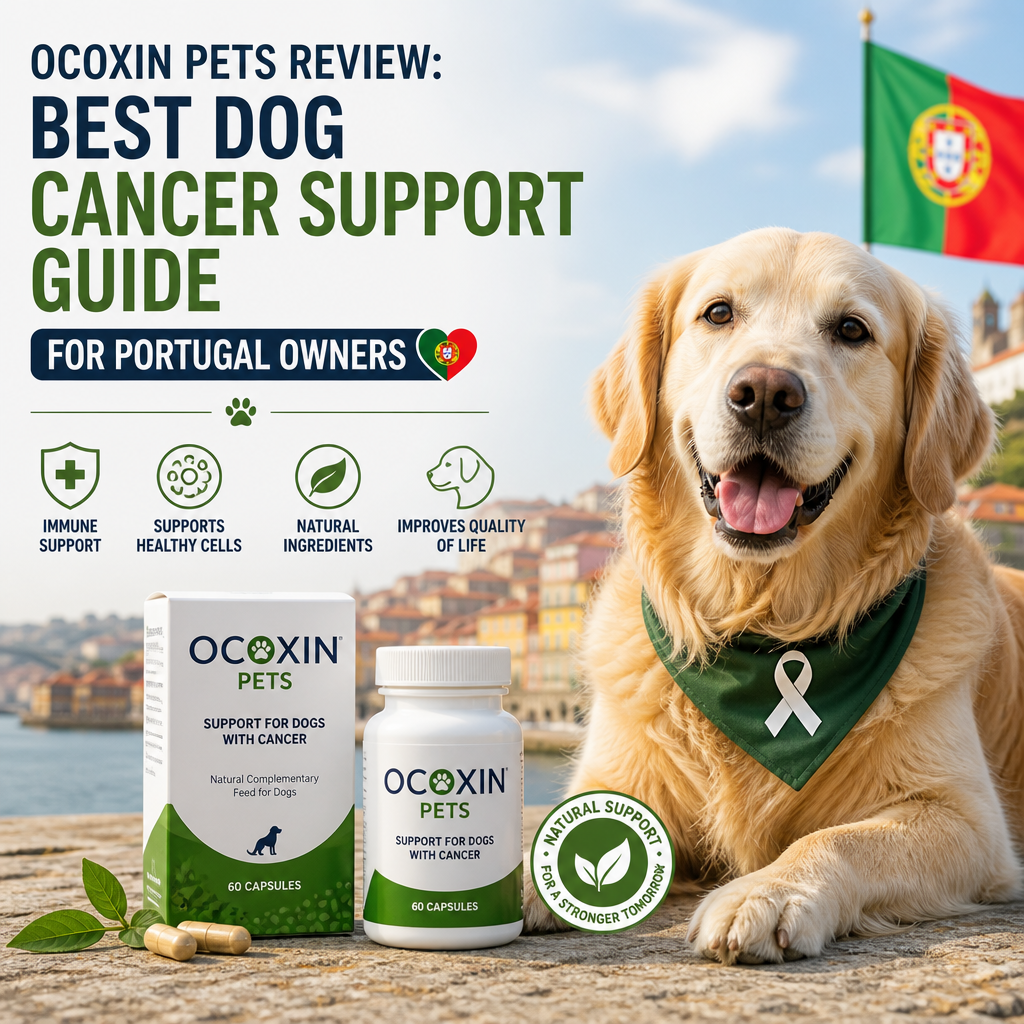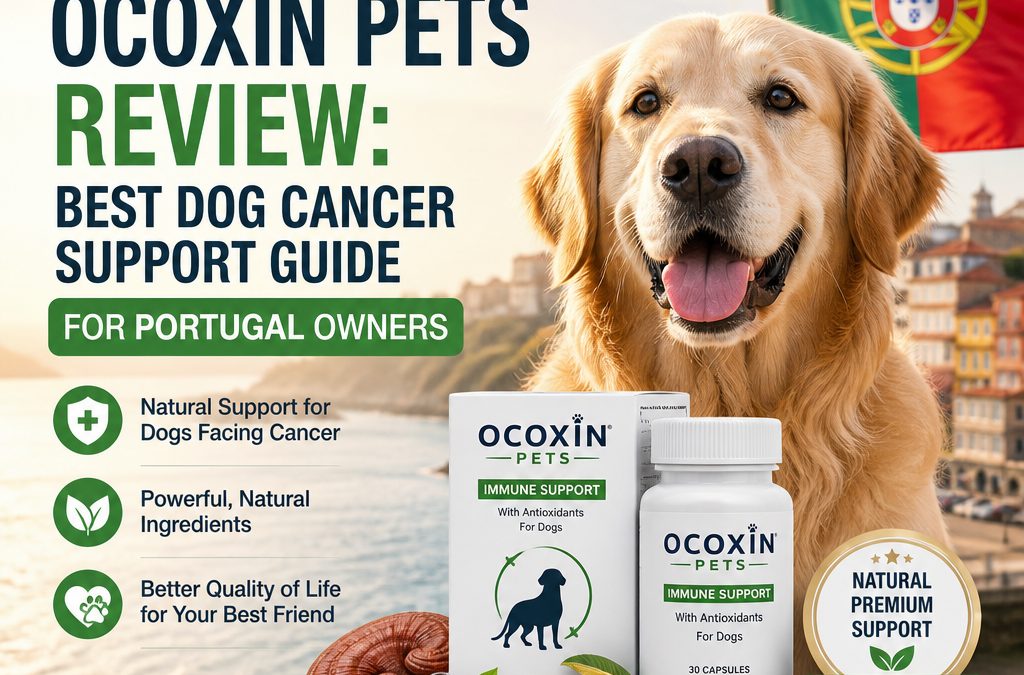
Ocoxin Pets is a complementary nutritional product designed to support dogs during periods of illness, including cancer treatment. For Portugal owners researching Ocoxinペット dog cancer support, the most important point is that it should be viewed as an adjunct to veterinary care—not as a replacement for diagnosis, surgery, chemotherapy, radiation, pain management, or other treatments recommended by a veterinarian.

A cancer diagnosis can be overwhelming, particularly when owners are trying to understand complex medical information and decide which supportive products may be appropriate. This Ocoxin Pets review explains what the product is generally used for, what benefits owners may hope to obtain, important safety considerations, and how to approach its use responsibly in Portugal.

In practical terms, the goal is not to treat a supplement like a miracle solution. Instead, the better question is whether it fits the dog’s current condition, medication plan, appetite, and overall comfort. That is especially important in cancer care, where nutrition, symptom control, and quality of life often matter as much as the disease itself.

Ocoxin Petsとは何ですか?

Ocoxinペットのイラスト

Ocoxin Pets is a veterinary nutritional supplement associated with supportive care for dogs and other companion animals. Products in this category commonly contain a combination of vitamins, minerals, antioxidants, plant-based ingredients, and other nutritional compounds intended to help maintain general wellbeing.

The product is often discussed in relation to dogs with serious or chronic conditions because illness and cancer treatment can affect appetite, energy, digestion, hydration, immune function, and body weight. However, the exact ingredients, concentration, recommended serving, and product registration may vary depending on the formulation and market. Owners should always check the current label and confirm the details with a veterinarian or qualified veterinary pharmacy.

It is also important to distinguish nutritional support from anticancer treatment. A supplement may help a dog maintain nutritional status or cope with some treatment-related challenges, but it does not directly eliminate a tumor or guarantee improved survival.

For readers comparing support options across countries, this broader Ocoxin Pets Alternative guide for the UK can help frame what owners often look for in dog tumor supplements.

Many owners first hear about the product when they are already under emotional strain. That is understandable, because cancer care can feel urgent and confusing. A supplement may seem like a simple step, but the smartest approach is to slow down, review the label, and ask whether the formula fits the dog’s current medical situation. In many cases, the best result comes from small, steady supportive measures rather than dramatic promises.

Ocoxin Pets Dog Cancer Support: What Can It Do?

When discussing Ocoxin Pets dog cancer support, realistic expectations are essential. Supportive supplements may be considered for goals such as:

  • 食欲と体調を維持するのを助ける
  • 正常なエネルギーレベルのサポート
  • Providing additional nutritional compounds during illness
  • Complementing a carefully planned veterinary diet
  • Helping owners manage the broader effects of cancer treatment

Dogs with cancer can experience reduced appetite, nausea, weight loss, fatigue, inflammation, or digestive changes. Chemotherapy and other treatments may also affect eating patterns and activity levels. In these circumstances, a veterinarian may recommend nutritional strategies, prescription diets, appetite support, anti-nausea medication, or selected supplements.

The potential value of Ocoxin Pets depends on the individual dog. A healthy-weight dog eating well may have different needs from an elderly dog with advanced disease, kidney impairment, or ongoing chemotherapy. The type of cancer, treatment plan, blood-test results, medication list, and general condition all influence whether a supplement is suitable.

For example, one dog may be losing weight because nausea makes meals unappealing, while another may be eating but still struggling with fatigue. A supplement can only be judged properly in the context of the underlying problem. If the real issue is pain, infection, constipation, or a medication side effect, nutritional support alone may not solve it.

What to expect in daily use

If a veterinarian approves the supplement, owners usually focus on consistency rather than quick changes. A helpful routine includes giving the product exactly as directed, watching how the dog eats and drinks, and noting whether energy, stool quality, or comfort changes over time. Small improvements in appetite or hydration can matter a great deal in supportive care.

It can also help to keep a simple daily log. Write down the time the product was given, how much food the dog ate, whether there was vomiting or diarrhea, and how active the dog seemed. This type of record makes follow-up visits more productive because the veterinarian can see patterns instead of relying only on memory.

Some owners expect an obvious response within a day or two, but supportive nutrition is usually more subtle than that. The most meaningful signs may be steadier eating, less food refusal, or slightly better energy over one to two weeks. If the dog seems worse, the product should not be assumed to be working “in the background.” It may need to be paused and reviewed.

Possible Benefits and Limitations

Some owners use products such as Ocoxin Pets because they want to provide extra nutritional support during a difficult period. A carefully selected supplement may be useful when a dog needs help maintaining normal routines, especially if food intake is inconsistent or the veterinary team believes additional nutritional support is appropriate.

Nevertheless, evidence for supplements in canine cancer care can be limited. Research quality varies widely, and positive results in laboratory studies, human medicine, or one animal cannot automatically be applied to every dog. Marketing claims should therefore be interpreted cautiously.

Owners can get a clearer picture by separating possible support from proven treatment effects. A supplement may be most helpful when it fits into a broader care plan that includes a veterinary diet, symptom control, and ongoing monitoring. In some dogs, that may mean better appetite or steadier weight. In others, the product may make little visible difference, which is why tracking day-to-day changes is so important.

There are also practical limitations. Some dogs dislike liquid or flavored supplements. Others develop digestive upset, especially if the product is introduced too quickly or given alongside multiple medications. Cost can also become an issue if the supplement is used long term. For that reason, owners should ask whether the expected benefit justifies the expense and whether simpler nutritional support could achieve the same goal.

A supplement should never delay professional assessment. Symptoms such as persistent vomiting, sudden weight loss, breathing difficulty, severe weakness, bleeding, uncontrolled pain, or refusal to eat require prompt veterinary attention. In some cases, these signs indicate a complication that needs urgent treatment rather than a nutritional product.

For general guidance on how cancer support is approached in veterinary practice, the アメリカ獣医師会のペットの癌リソース offers a clear overview of common treatment goals and care priorities.

When owners compare options, it helps to think in terms of benefit, risk, and practicality. A product may look appealing online, but if the dog refuses the taste, struggles with swallowing, or reacts poorly, it is not a good fit. The most useful support option is usually the one the dog can tolerate consistently and the veterinarian can safely monitor.

Safety Considerations for Portuguese Dog Owners

Before purchasing Ocoxin Pets Portugal products online or through a local supplier, owners should verify the source, packaging, expiration date, storage instructions, and dosage information. Avoid products with damaged seals, unclear labeling, or no reliable information about the manufacturer and distributor.

Discuss the supplement with the veterinarian before giving it, particularly when the dog:

  • Is receiving chemotherapy, radiotherapy, immunotherapy, or corticosteroids
  • Takes anticoagulants, anti-inflammatory medicines, or seizure medication
  • Has kidney, liver, pancreatic, or gastrointestinal disease
  • Is pregnant, elderly, or severely underweight
  • 最近手術を受けた場合
  • Has a history of allergies or supplement intolerance

Some ingredients may influence drug metabolism, blood clotting, blood pressure, or the immune system. Antioxidant products can also raise questions during certain cancer treatments, since treatment mechanisms differ. This does not mean every antioxidant is harmful, but it does mean that timing and formulation should be reviewed by the veterinary oncologist or primary veterinarian.

Watch for changes after administration, including diarrhea, vomiting, itching, lethargy, reduced appetite, abdominal discomfort, or unusual behavior. Stop and contact the veterinary team if a concerning reaction occurs. Do not increase the dose because a dog appears unwell or because a larger amount seems likely to work faster.

When owners compare supportive products more carefully, they should also evaluate how each option fits into a dog’s current treatment plan. The article on Ocoxin Pets alternative options for dogs in Spain provides a useful example of how supplement choices can be reviewed with more structure and less marketing pressure.

It is also sensible to check whether the supplement is being used at a time when the dog’s body is already under extra stress. For instance, a dog recovering from surgery, dealing with dehydration, or struggling with liver values may need a more conservative plan than a dog that is stable and eating normally. In those cases, the “right” product is often the one that avoids unnecessary risk.

Checklist before starting

  • Confirm the exact product name and formulation
  • Review the ingredient list with the vet
  • Check whether the product should be given with food
  • Ask how long to try it before reassessing
  • Keep the oncology team informed about every supplement used

How to Discuss Ocoxin Pets With a Veterinarian

A productive veterinary discussion begins with accurate information. Bring the product packaging, ingredient list, proposed dosage, and details of where it was purchased. Provide a full list of prescription medicines, supplements, treats, and special foods the dog receives.

Ask practical questions such as:

  1. Is this supplement appropriate for my dog’s diagnosis and current treatment?
  2. Could any ingredient interact with prescribed medication?
  3. Should it be given with food or at a particular time?
  4. What signs would indicate intolerance?
  5. Are blood tests or weight monitoring needed?
  6. What other nutritional or palliative options may be more suitable?

Keeping a simple record of appetite, water intake, weight, bowel movements, vomiting, pain, and activity can help the veterinarian evaluate whether the overall plan is working. In cancer care, quality of life is often more important than focusing on one product in isolation.

Owners may also want to discuss whether the dog needs changes in meal timing, softer food textures, smaller and more frequent meals, or nausea control before adding any supplement. Sometimes those adjustments do more to improve comfort than a new product. If the dog is already receiving treatment, ask the veterinary team whether the supplement should be paused around infusion days, surgery, or lab work.

A useful conversation also includes expectations. Ask what “success” would look like in this case. For one dog, success may mean maintaining weight. For another, it may mean fewer skipped meals or less digestive upset. Defining that goal ahead of time makes it much easier to judge whether the supplement is worth continuing.

When owners need more context about practical supplement alternatives, a related post such as Ocoxin Pets Alternative in Canada can be useful for understanding how similar support products are discussed internationally.

Finding Ocoxin Pets in Portugal

Availability may differ between veterinary clinics, specialist pharmacies, pet suppliers, and online retailers. Searching for Ocoxin Pets Portugal can produce different formulations or sellers, so owners should confirm that the product is intended for veterinary use and legally distributed in the region.

A Portuguese veterinarian can also help identify an equivalent nutritional option if the product is unavailable. The most important factors are ingredient safety, appropriate dosing, manufacturing quality, and compatibility with the dog’s medical plan—not simply brand recognition or online reviews.

Owners should be cautious with testimonials claiming that a supplement cured cancer. Personal experiences can be sincere, but they do not establish clinical effectiveness. A dog’s outcome may depend on tumor type, stage, genetics, treatment response, age, and many other factors.

If a seller offers unusually strong promises or asks owners to bypass veterinary advice, that is a warning sign. Reliable suppliers should be willing to provide ingredient information, batch details, storage guidance, and clear instructions. In a health decision this important, transparency matters more than sales language.

It is also helpful to compare total cost, not only the sticker price. Some products look affordable at first but require frequent purchases or higher daily servings. Others may be more expensive but last longer because the dosage is lower. Owners should ask the clinic whether a similar nutritional goal could be met with a simpler or more economical option if needed.

実用的なサポートプランの構築

For many dogs, the best results come from combining several simple forms of support rather than relying on a single supplement. That may include a veterinary-approved diet, hydration support, nausea control, pain medication, gentle exercise, rest, and regular rechecks.

Owners often ask what “support” should look like in day-to-day life. A useful plan usually has three goals: keep the dog comfortable, preserve appetite and body weight when possible, and maintain enough strength for normal routines. That might mean adjusting food texture, offering meals at quieter times, or using highly palatable foods that encourage eating. It may also mean changing expectations so the dog can rest more and do less when energy is low.

Small household changes can make a meaningful difference. A softer bed, easy access to water, fewer stairs, and a calm feeding area may reduce stress. Some dogs prefer several small meals instead of one larger meal, especially if treatment affects their stomach. Others respond better when food is warmed slightly to improve aroma. These practical steps are often overlooked, but they can support nutrition just as well as a product on its own.

Owners should also know when to call the clinic. Contact the veterinarian if the dog eats noticeably less for more than a day, loses weight, shows repeated vomiting or diarrhea, becomes withdrawn, or seems unable to settle comfortably. Early intervention can prevent a minor issue from becoming a crisis.

In that context, Ocoxin Pets dog cancer support may be one part of a larger comfort-focused plan rather than the central feature. If the dog tolerates the product and the veterinarian agrees it is suitable, it can be used alongside the broader care routine. If not, there are usually other ways to support nutrition and wellbeing.

Owners can also keep the plan realistic by reviewing it every few weeks. Dogs change quickly during illness, and a supplement that made sense at diagnosis may no longer suit the dog later on. Reassessment helps prevent unnecessary expense and keeps care aligned with current needs.

7 practical support tips for everyday care

  1. Offer meals at a time of day when nausea seems lowest.
  2. Keep fresh water available in several easy-to-reach places.
  3. Track body weight and appetite at home when possible.
  4. Use the exact dosage approved by the veterinarian.
  5. Introduce only one new support product at a time.
  6. Watch for changes in stool, vomiting, and comfort after each dose.
  7. Prioritize comfort and consistency over aggressive supplement use.

全体的な評価

This Ocoxin Pets review supports a balanced conclusion: the product may have a place as complementary nutritional support for some dogs, but its suitability must be assessed individually. It should not be promoted as a cure, a substitute for oncology treatment, or a guaranteed way to extend life.

For Portugal owners, the safest approach is to purchase through a trustworthy channel, inspect the current labeling, involve the veterinary team, and monitor the dog closely. Good cancer support also includes pain control, appropriate nutrition, hydration, emotional comfort, regular reassessment, and honest conversations about quality of life. Used within that broader plan, a supplement may be one supportive tool—but veterinary guidance should remain the foundation of care.

When the decision is made carefully, owners can avoid unrealistic expectations and focus on what truly matters: comfort, safety, and the dog’s day-to-day wellbeing. That is the most responsible way to evaluate any supplement, including Ocoxin Pets, during a cancer journey.

For readers who are still comparing options, it may help to remember that no supplement should be selected based only on popularity. The right choice depends on the dog’s diagnosis, treatment stage, eating habits, and tolerance. In some situations, the best support is a carefully monitored supplement; in others, it is a simpler diet adjustment or a different veterinary product entirely.

Above all, use the supplement as part of an honest conversation with the veterinarian. That approach gives dogs the best chance of staying comfortable while their medical team focuses on treatment, symptom control, and quality of life.

TCMVETのある緑の陰陽ロゴ
プライバシーの概要

このウェブサイトは、最良のユーザーエクスペリエンスを提供するためにクッキーを使用しています。クッキー情報はブラウザに保存され、ウェブサイトに戻ったときにあなたを認識したり、ウェブサイトのどのセクションが最も興味深く有用であるかを理解するのに役立ちます。.