
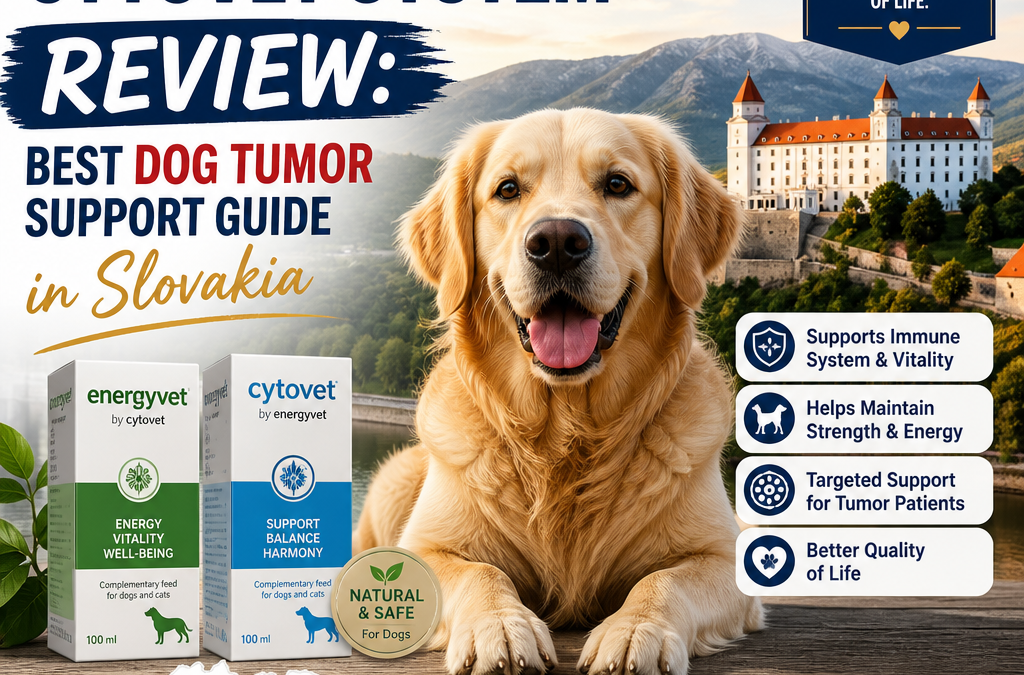
Energyvet / Cytovet systeem wordt vaak besproken door Slowaakse hondenbezitters die op zoek zijn naar aanvullende ondersteuning tijdens de kankerbehandeling van een huisdier. Het systeem is geassocieerd met Cytovet, een veterinaire aanvulling op basis van natuurlijke ingrediënten, en met de bredere Energyvet-aanpak, die zich richt op het ondersteunen van de algehele balans van het dier. Hoewel de interesse in holistische zorg groeit, mogen supplementen nooit de veterinaire diagnose, chirurgie, chemotherapie, bestraling, pijnbestrijding of andere op bewijs gebaseerde behandelingen vervangen.
Inhoudsopgave
Wat is het Energyvet / Cytovet systeem?
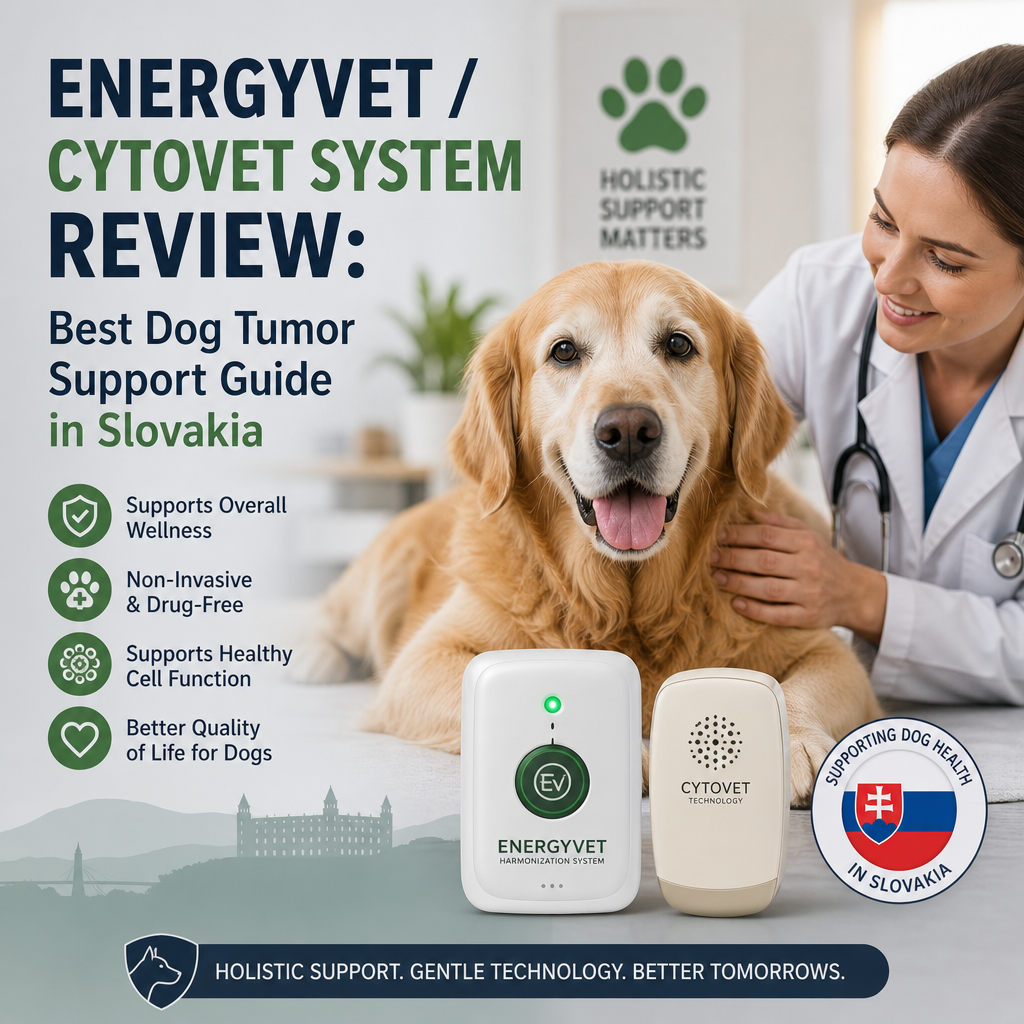
Het Energyvet / Cytovet systeem verwijst over het algemeen naar een aanvullend protocol dat is opgebouwd rond Cytovet en, in sommige gevallen, andere Energyvet-producten die zijn geselecteerd op basis van de toestand van de hond. Cytovet wordt vaak gepresenteerd als een product dat natuurlijke stoffen bevat die bedoeld zijn om ontgifting, spijsvertering, immuniteit en het vermogen van het lichaam om met fysiologische stress om te gaan te ondersteunen.
De exacte samenstelling, aanbevolen dosering en gebruiksduur kunnen afhankelijk zijn van de productversie en de grootte en gezondheidstoestand van de hond. Om deze reden moeten eigenaren de huidige Slowaakse productinformatie lezen en een dierenarts raadplegen voordat ze met supplementatie beginnen. Een protocol dat geschikt is voor een gezonde volwassen hond, kan ongepast zijn voor een puppy, oudere hond, drachtig dier of patiënt met nier-, lever- of gastro-intestinale aandoeningen.
Het is ook belangrijk om te onthouden dat ondersteunende producten het beste werken wanneer ze worden gebruikt met een duidelijk klinisch plan. Een hond met een tumor heeft een diagnose, staging en monitoring nodig, niet alleen een supplement. Dat betekent dat de eerste stap altijd een goede veterinaire onderzoek moet zijn, idealiter met een behandelplan dat is afgestemd op het type tumor en de algehele toestand van de hond.
Energyvet / Cytovet systeem beoordeling: wat kunnen eigenaren redelijkerwijs verwachten?
Een evenwichtige Energyvet / Cytovet systeem beoordeling moet onderscheid maken tussen ondersteunende zorg en kankerbehandeling. Cytovet is geen bewezen genezing voor tumoren, en er is geen betrouwbare basis om te beweren dat het kanker onafhankelijk kan elimineren. De potentiële rol is beperkter: het kan worden beschouwd als een aanvulling die bedoeld is om de eetlust, spijsvertering, algemene conditie of herstel te ondersteunen, afhankelijk van de individuele hond.
Eigenaren melden vaak subjectieve verbeteringen zoals meer energie, stabielere spijsvertering of een verbeterde bereidheid om te eten. Deze waarnemingen kunnen betekenisvol zijn, maar bewijzen niet dat een tumor is gekrompen of gestopt met groeien. Honden kunnen zich tijdelijk beter voelen, zelfs wanneer kanker actief blijft. Objectieve monitoring door middel van lichamelijke onderzoeken, bloedtesten, echografie, röntgenfoto's, CT-scans of andere geschikte methoden is essentieel.
Een verantwoordelijke beoordeling moet ook de veiligheid in overweging nemen. Natuurlijke producten kunnen bijwerkingen veroorzaken, interageren met medicijnen of extra eisen stellen aan de lever en nieren. Een hond die chemotherapie, corticosteroïden, niet-steroïdale ontstekingsremmers, antibiotica of medicatie tegen epilepsie ontvangt, kan bijzondere voorzichtigheid vereisen. De dierenarts moet op de hoogte zijn van elk supplement dat de hond ontvangt.
Wanneer eigenaren proberen hoop van bewijs te scheiden, is de meest nuttige vraag eenvoudig: verbetert het product het comfort en de dagelijkse functie van de hond zonder nieuwe risico's te creëren? Die standaard is realistischer dan verwachten dat een supplement oncologische zorg vervangt. Het helpt ook gezinnen om beslissingen te nemen die consistent zijn met het welzijn op lange termijn van de hond.
Een ander praktisch punt is timing. Sommige eigenaren beginnen supplementen toe te voegen direct na het horen van een diagnose, wanneer de emoties hoog zijn en de informatiebelasting zwaar is. In dat moment kan het verleidelijk zijn om het eerste product te kopen dat natuurlijk en zacht klinkt. Maar een pauze voor beoordeling is meestal wijzer. Een dierenarts kan helpen bepalen of de hond verlies van eetlust, misselijkheid, pijn, orgaanfunctiestoornissen of een ander probleem heeft dat eerst directe behandeling nodig heeft.
Energyvet / Cytovet systeem hond kankersupport
Energyvet / Cytovet systeem hond kankersupport wordt het beste begrepen als onderdeel van een breder ondersteunend zorgplan. De primaire doelen moeten zijn het behouden van comfort, het behouden van spiermassa, het ondersteunen van hydratatie, het beheersen van pijn en het beschermen van de kwaliteit van leven. Afhankelijk van de diagnose kan een veterinaire oncoloog chirurgie, chemotherapie, radiotherapie, immunotherapie, palliatieve medicatie of zorgvuldige monitoring aanbevelen.
Ondersteunende voeding is vaak bijzonder belangrijk. Honden met kanker kunnen gewicht verliezen, misselijkheid ontwikkelen of kieskeurig worden met voedsel. Een dierenarts kan helpen bij het kiezen van een dieet dat voldoende calorieën en eiwitten biedt, rekening houdend met de nierfunctie, het risico op pancreatitis, allergieën en bijwerkingen van de behandeling. Supplementen moeten dit plan aanvullen in plaats van ervan af te leiden.
Eigenaren moeten ook een eenvoudig gezondheidsrecord bijhouden. Nuttige observaties zijn onder andere eetlust, waterinname, braken, kwaliteit van de ontlasting, activiteit, ademhaling, pijnsignalen, lichaamsgewicht en veranderingen in de grootte of het uiterlijk van een massa. Deze informatie helpt het veterinaire team te bepalen of een product nuttig, ineffectief of problematisch is.
Voor veel gezinnen is de emotionele uitdaging net zo significant als de medische. Wanneer een hond een tumor heeft, kan elke gedragsverandering urgent aanvoelen. Een gestructureerde zorgroutine kan die stress verminderen. Voeden op voorspelbare tijden, dagelijkse activiteit noteren en regelmatig gewicht controleren kan subtiele veranderingen gemakkelijker te spotten maken. Dit is vooral waardevol wanneer eigenaren een aanvullend product proberen naast de standaardbehandeling.
In klinische praktijk kan ondersteunende zorg ook pijnverlichting, anti-misselijkheid medicatie, spijsverteringsondersteuning of zachte aanpassingen aan lichaamsbeweging omvatten. Deze maatregelen hebben vaak een veel duidelijker effect op de kwaliteit van leven dan welk supplement dan ook alleen. Om deze reden moet elk ondersteuningsplan voor hondentumoren worden opgebouwd rond wat de hond daadwerkelijk nodig heeft in plaats van rond een enkele productnaam.
Mogelijke voordelen en beperkingen
De belangrijkste aantrekkingskracht van het Energyvet / Cytovet systeem is de focus op zachte, complementaire ondersteuning. Sommige eigenaren waarderen producten die gemakkelijk toe te dienen zijn en die passen in een breder welzijnsregime. In bepaalde gevallen kan een supplement de spijsvertering of de algemene conditie ondersteunen, vooral wanneer het wordt gebruikt naast geschikte voeding en veterinaire zorg.
Er moeten echter verschillende beperkingen duidelijk zijn:
- Het mag niet worden beschreven als een op zichzelf staande kanker genezing.
- Positieve anekdotes kunnen gecontroleerd klinisch bewijs niet vervangen.
- Een supplement kan het type, de fase of de prognose van de tumor niet bepalen.
- Het uitstellen van conventionele behandeling kan ervoor zorgen dat een potentieel behandelbare tumor vordert.
- Individuele honden kunnen verschillend reageren, inclusief het ontwikkelen van intolerantie of allergische reacties.
- Productkwaliteit, opslag en nauwkeurigheid van de dosering zijn belangrijk.
Claims die betrekking hebben op “ontgifting,” “balanceren,” of immuunversterking moeten zorgvuldig worden geïnterpreteerd. De lever, nieren, longen en het spijsverteringssysteem van het lichaam voeren al complexe metabolische functies uit, en de biologie van kanker is zeer variabel. Duidelijke communicatie met een dierenarts is waardevoller dan vertrouwen op brede marketingbeloven.
Het kan ook helpen om verwachtingen te stellen voordat de eerste dosis wordt gegeven. Eigenaren kunnen besluiten om een supplement voor een bepaalde periode uit te proberen, en vervolgens opnieuw beoordelen of de hond beter eet, zijn gewicht behoudt, of minder spijsverteringsproblemen vertoont. Als er geen duidelijke voordelen zijn, heeft het weinig zin om oneindig door te gaan. Als de hond slechter lijkt, moet het product worden gestopt en moet de dierenarts worden gecontacteerd.
Een praktische zorg is de authenticiteit van het product. Supplementen die via onduidelijke kanalen worden verkocht, komen mogelijk niet overeen met het etiket, kunnen verkeerd zijn opgeslagen of kunnen zijn verlopen. Omdat honden met kanker vaak al medisch kwetsbaar zijn, kan zelfs een klein kwaliteitscontroleprobleem belangrijk zijn. Het kiezen van betrouwbare bronnen is een eenvoudige maar belangrijke stap in risicoreductie.
Eigenaren moeten ook voorzichtig zijn met het gelijktijdig mengen van meerdere supplementen. Het wordt moeilijk om te bepalen wat helpt, wat onnodig is, en wat bijwerkingen veroorzaakt. Wanneer mogelijk, voeg slechts één nieuw product tegelijk toe en documenteer eventuele veranderingen. Deze aanpak maakt het veel gemakkelijker voor de dierenarts om de resultaten te evalueren.
Energyvet / Cytovet systeem Slowakije: het kiezen en verantwoord gebruiken ervan
Voor eigenaren die op zoek zijn naar het Energyvet / Cytovet-systeem in Slowakije, is de veiligste aanpak om te kopen via een gerenommeerd veterinaire of geautoriseerde distributiekanaal. Controleer het etiket, batchinformatie, vervaldatum, opslagvereisten en instructies in het Slowaaks of een andere taal die je begrijpt. Vermijd producten van onofficiële verkopers met beschadigde verpakkingen, onduidelijke ingrediënten of overdreven medische claims.
Bereid voor gebruik de medische geschiedenis van de hond, de huidige medicatielijst, diagnose, laboratoriumresultaten en details over eerdere reacties op supplementen voor. Vraag de dierenarts of het product geschikt is, hoe het moet worden toegediend en welke waarschuwingssignalen onmiddellijke stopzetting vereisen. Neem nooit aan dat een dosering die voor de ene hond wordt aanbevolen, ook voor een andere geldt.
Dierenarts aandacht is bijzonder urgent als de hond moeite heeft met ademhalen, ongecontroleerde pijn, herhaaldelijk braken, ineenstorting, ernstige zwakte, bloedige ontlasting, onvermogen om te eten of te drinken, snelle abdominale vergroting of plotselinge neurologische veranderingen. Deze tekenen vereisen een snelle beoordeling en mogen niet alleen met supplementen worden beheerd.
Als de hond al oncologische zorg ontvangt, wil de dierenarts mogelijk ook het exacte behandelingsschema weten. Een supplement kan ongepast zijn rond bepaalde chemotherapie-sessies of tijdens perioden van verminderde orgaanfunctie. Dit is een van de redenen waarom zelfgestuurde supplementatie riskant kan zijn: timing is net zo belangrijk als de ingrediëntenlijst.
Wanneer eigenaren in Slowakije opties vergelijken, is het slim om primaire productinformatie en gerenommeerde medische bronnen te gebruiken in plaats van getuigenissen op sociale media. Voor algemene informatie over kanker, de Overzicht van het National Cancer Institute over soorten kankerbehandelingen biedt een duidelijke uitleg van chirurgie, chemotherapie, radiotherapie en andere benaderingen. Hoewel deze bron is geschreven voor de zorg voor menselijke kanker, helpt het om het verschil tussen ondersteunende producten en evidence-based behandeling te illustreren.
Hoe te praten met uw dierenarts
Als je een aanvullend product overweegt, is het beste gesprek met je dierenarts specifiek en praktisch. Neem de verpakking of een foto van het etiket mee, plus de exacte diagnose als je die hebt. Vraag of het product past in het huidige behandelplan van je hond, of er bekende interactieproblemen zijn en welke symptomen zouden betekenen dat het moet worden gestopt.
Nuttige vragen zijn onder andere:
- Is dit supplement veilig met de huidige medicaties van mijn hond?
- Verandert het type tumor of de gezondheidstoestand van mijn hond het risico?
- Zou het de lever-, nier- of spijsverteringsfunctie kunnen beïnvloeden?
- Welke veranderingen moet ik thuis in de gaten houden?
- Hoe lang moeten we het uitproberen voordat we beslissen of het helpt?
Deze vragen houden de discussie gericht op de behoeften van de hond in plaats van op marketingtaal. Ze maken het ook gemakkelijker voor de dierenarts om een duidelijke aanbeveling te doen. In sommige gevallen zal het antwoord ja zijn, met monitoring. In andere gevallen kan het antwoord nee zijn, vooral als de hond medisch instabiel is of medicijnen gebruikt die supplementatie riskanter maken.
Het kan helpen om te onthouden dat veterinaire begeleiding geen afwijzing is van aanvullende zorg. In plaats daarvan is het de veiligste manier om ervoor te zorgen dat elk toegevoegd product past in het geheel van de behandeling. Een goed plan balanceert mogelijke voordelen tegen de werkelijke mogelijkheid van bijwerkingen, verspilde tijd of uitgestelde interventie.
Praktische tekenen dat een supplement het heroverwegen waard kan zijn
Zelfs wanneer een product onschadelijk lijkt, is het de moeite waard om het plan te herzien als de hond nieuwe symptomen ontwikkelt. Herbeoordeling is vooral verstandig wanneer er is:
- verminderde eetlust die langer dan een dag of twee aanhoudt
- braken, diarree of duidelijke veranderingen in de ontlasting
- ongebruikelijke lethargie of rusteloosheid
- nieuwe pijnsignalen zoals hijgen of verstoppen
- veranderingen in urineren of drinkgewoonten
- gele tandvlees, bleke tandvlees of abdominale zwelling
Deze signalen betekenen niet altijd dat het supplement de oorzaak is, maar ze betekenen wel dat de situatie snel moet worden herzien. Als de hond kankerbehandeling ontvangt, moet het oncologieteam mogelijk medicijnen aanpassen of tests uitvoeren. Een supplement mag die reactie nooit vertragen.
Waarom monitoring belangrijker is dan getuigenissen
Getuigenissen kunnen emotioneel overtuigend zijn omdat ze komen van echte eigenaren die van hun honden houden en hoop willen delen. Maar individuele verhalen zijn niet genoeg om vast te stellen of een product werkt bij honden, tumortypes of behandelingsfasen. Een hond kan er beter uitzien door pijnbestrijding, een dieetverandering, chirurgie of simpelweg een tijdelijke fluctuatie in de ziekte.
Daarom is monitoring zo belangrijk. De hond regelmatig wegen, de eetlust bijhouden en energieniveaus registreren kan patronen onthullen die gemakkelijk van dag tot dag te missen zijn. Als het supplement echt helpt, zou het bewijs moeten verschijnen in praktische uitkomsten: beter eten, stabieler gewicht, verbeterd comfort of gemakkelijker herstel. Als die veranderingen niet plaatsvinden, kan het voortzetten van het product niet de moeite waard zijn.
Verantwoordelijke eigenaren ontdekken vaak dat de beste resultaten komen van het combineren van realisme met medeleven. Ze ondersteunen de hond met alle beschikbare geschikte middelen, maar laten hoop niet in vertraging veranderen. Die mindset beschermt zowel de kwaliteit van leven als de behandelingsopties.
Eindoordeel
Het Energyvet / Cytovet-systeem kan een plaats hebben als een aanvullende welzijnsmaatregel voor sommige honden, maar de verwachtingen moeten realistisch blijven. Het sterkste kankerondersteuningsplan combineert een nauwkeurige diagnose, een geïndividualiseerde veterinaire behandelingsstrategie, geschikte voeding, pijnbestrijding, regelmatige monitoring en zorgzame dagelijkse zorg. Cytovet kan binnen dat kader worden overwogen wanneer de behandelende dierenarts het eens is dat de potentiële voordelen opwegen tegen de risico's.
Voor Slowaakse hondenbezitters is de meest betrouwbare beslissing niet alleen gebaseerd op getuigenissen. Het moet worden geleid door transparante productinformatie, zorgvuldige observatie en voortdurende communicatie met een gekwalificeerde dierenarts. Aanvullende ondersteuning kan waardevol zijn, maar werkt het beste wanneer het de medische zorg die een hond met kanker nodig heeft versterkt - niet vervangt.
Als je het Energyvet / Cytovet-systeem evalueert, is de veiligste vraag niet of het natuurlijk klinkt, maar of het past bij de diagnose van de hond, de huidige behandeling en de algehele toestand. Die perspectief houdt de focus waar het hoort: op comfort, veiligheid en de best mogelijke kwaliteit van leven.