por TCMVET | Conjunto 10, 2024 | Medicamentos e terapias
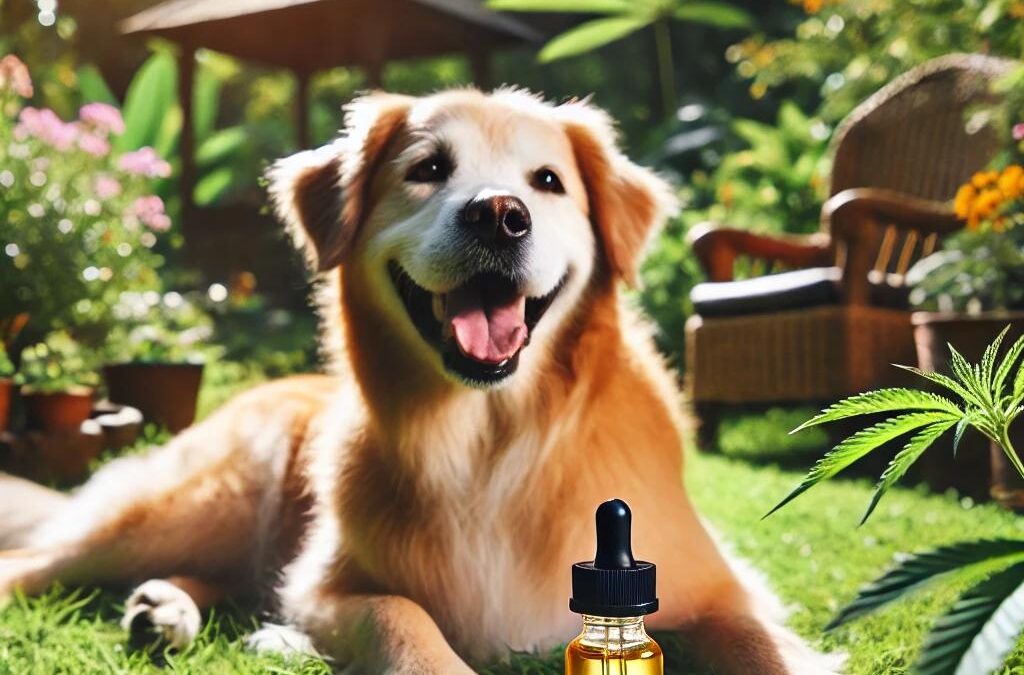
À medida que os donos de animais de estimação buscam maneiras de melhorar a saúde de seus cães, especialmente quando enfrentam diagnósticos desafiadores como câncer, o CBD (canabidiol) está surgindo como uma opção natural poderosa. Derivado da planta de cannabis, o CBD não é psicoativo e tem sido amplamente estudado por seu potencial em apoiar a saúde canina. Embora seu uso para controlar a dor e a ansiedade em cães seja bem conhecido, pesquisas recentes destacam seu papel na terapia do câncer, oferecendo benefícios potenciais na redução do crescimento do tumor e aumentando a eficácia dos tratamentos tradicionais.
Como o CBD pode ajudar no tratamento do câncer canino
O canabidiol funciona interagindo com o sistema endocanabinoide (ECS) do cão, uma parte crucial da manutenção da saúde geral. O ECS regula funções-chave, como controle da dor, resposta imunológica e inflamação. Em cães com câncer, a capacidade do CBD de influenciar o ECS é promissora, pois pode dar suporte à luta do corpo contra o câncer, ao mesmo tempo em que reduz os efeitos negativos da doença.
Vários estudos indicam que o CBD pode desempenhar um papel na indução da apoptose, ou morte celular programada, em células cancerígenas, impedindo que elas se multipliquem. Essa capacidade de atingir seletivamente células cancerígenas enquanto poupa as saudáveis torna o CBD uma ferramenta potencialmente poderosa no combate ao câncer em cães.
Um estudo publicado no Revista de Farmacologia e Terapêutica Experimental relataram que o CBD reduziu a viabilidade de células cancerígenas em indivíduos caninos. As descobertas sugerem que o CBD pode ajudar a retardar a progressão do tumor, especialmente em cânceres agressivos como linfoma e osteossarcoma.
Efeitos sinérgicos do CBD com tratamentos convencionais contra o câncer
Um dos aspectos mais empolgantes do CBD na terapia do câncer é seu potencial para complementar tratamentos tradicionais, como quimioterapia e radiação. Embora esses tratamentos sejam frequentemente eficazes em atingir células cancerígenas, eles podem causar efeitos colaterais significativos, incluindo náusea, dor e fadiga.
Pesquisas emergentes mostram que o CBD pode reduzir esses efeitos colaterais e aumentar a eficácia dos tratamentos convencionais contra o câncer. Ao reduzir a inflamação e fornecer alívio da dor, o CBD pode tornar o processo de tratamento mais tolerável para cães, melhorando sua qualidade de vida ao longo da terapia.
Além disso, o CBD demonstrou a capacidade de proteger células saudáveis de danos durante a quimioterapia e a radiação, o que pode levar a melhores resultados e uma recuperação mais rápida para cães submetidos a esses tratamentos intensivos.
Gerenciando a dor e a ansiedade em cães com câncer
Cães com câncer frequentemente enfrentam dor crônica e níveis aumentados de ansiedade, seja pela doença em si ou pelos tratamentos aos quais são submetidos. O CBD oferece uma maneira natural e não invasiva de controlar ambas as condições. Sua interação com o ECS ajuda a reduzir os sinais de dor no cérebro, proporcionando alívio para cães que sofrem de desconforto.
Além disso, o CBD tem propriedades calmantes que podem reduzir os níveis de ansiedade em cães, fazendo com que eles se sintam mais confortáveis e relaxados durante as visitas ao veterinário ou enquanto se recuperam de tratamentos. Esse efeito duplo — gerenciar o estresse físico e emocional — torna o CBD uma ferramenta valiosa para melhorar o bem-estar geral de um cão enquanto ele luta contra o câncer.
Garantindo o uso seguro de CBD para cães
Embora o CBD seja geralmente bem tolerado por cães, é crucial que os donos de animais de estimação consultem um veterinário antes de introduzi-lo no plano de tratamento do câncer de seu animal de estimação. A dosagem e a qualidade do produto são fatores-chave para garantir a segurança e a eficácia do CBD. Os veterinários podem recomendar produtos de CBD de alta qualidade, testados por terceiros, que são livres de aditivos ou contaminantes prejudiciais.
Também é importante garantir que o CBD não interfira com nenhum medicamento que seu cão possa estar tomando como parte do tratamento do câncer. Um veterinário pode fornecer orientação sobre a dosagem adequada, o momento da administração e quaisquer interações potenciais com terapias tradicionais.
O futuro do CBD na terapia do câncer canino
À medida que a pesquisa sobre o CBD e seus potenciais benefícios terapêuticos continua, seu papel no tratamento do câncer canino está se tornando mais claro. Seja usado para complementar tratamentos tradicionais ou como parte de uma abordagem holística ao tratamento do câncer, o CBD oferece uma maneira promissora de apoiar a saúde e o conforto de cães que enfrentam esse diagnóstico difícil.
Da redução do crescimento do tumor ao controle da dor e da ansiedade, os efeitos abrangentes do CBD fornecem esperança para donos de animais de estimação que buscam maneiras naturais de melhorar o plano de tratamento do câncer do seu cão. Como sempre, é essencial trabalhar em conjunto com um veterinário para garantir que o CBD seja usado com segurança e eficácia para as necessidades únicas do seu cão.
O papel do CBD na terapia do câncer canino continua a se expandir à medida que mais pesquisas descobrem seus benefícios potenciais. Da redução da viabilidade das células cancerígenas à melhoria da eficácia dos tratamentos tradicionais e ao controle da dor e da ansiedade, o CBD oferece uma abordagem natural e holística para dar suporte a cães com câncer. Os donos de animais de estimação interessados em incorporar o CBD ao tratamento do câncer de seus cães devem buscar orientação de um veterinário para garantir que seu animal de estimação receba o tratamento mais seguro e eficaz possível.

por TCMVET | Jun 2, 2024 | Câncer e Tumores em Cães
Cancer is a devastating diagnosis that affects countless dogs and their families each year. While traditional treatments like surgery, chemotherapy, and radiation therapy have been the mainstay for treating canine cancer, there is growing interest in alternative and complementary medicines. This article explores the latest breakthroughs in dog medicine aimed at curing cancer naturally, highlighting the potential benefits and effectiveness of these innovative treatments.
Compreendendo o câncer canino
Canine cancer can manifest in various forms, including lymphoma, mast cell tumors, osteosarcoma, and hemangiosarcoma. Symptoms may vary depending on the type and location of the cancer but often include lumps, weight loss, lethargy, and changes in appetite or behavior. Early detection and treatment are crucial for improving the prognosis and quality of life for affected dogs.
The Role of Natural Medicine in Treating Dog Cancer
Natural medicine for dogs with cancer focuses on holistic approaches that support the body’s innate ability to heal. These treatments aim to strengthen the immune system, reduce inflammation, and promote overall well-being. Some of the most promising natural therapies include herbal supplements, dietary changes, and integrative treatments.
Suplementos de ervas
Herbal supplements have gained popularity for their potential to support cancer treatment in dogs. Some of the most effective herbs used in canine cancer therapy include:
- Cúrcuma (Curcumina): Known for its anti-inflammatory and antioxidant properties, turmeric can help slow the growth of cancer cells and reduce tumor size.
- Soursop (Graviola): Soursop has shown potential in inhibiting cancer cell growth and boosting the immune system.
- Astrágalo: This herb enhances immune function and has anti-tumor properties, making it a valuable addition to cancer treatment protocols.
- TCMVET Herbal Formulas: These specially formulated blends of herbs are designed to support cancer treatment by boosting immunity, reducing inflammation, and improving overall vitality.
Mudanças na dieta
A balanced and nutrient-rich diet is essential for dogs undergoing cancer treatment. Key dietary changes that can support cancer treatment include:
- Proteína de alta qualidade: Protein supports tissue repair and immune function. Opt for high-quality, easily digestible protein sources like chicken, fish, and eggs.
- Gorduras Saudáveis: Omega-3 fatty acids from fish oil or flaxseed oil can help reduce inflammation and support overall health.
- Alimentos Ricos em Antioxidantes: Fruits and vegetables high in antioxidants, such as blueberries, spinach, and carrots, can help combat oxidative stress and support the immune system.
- Low Carbohydrate Diet: Reducing carbohydrate intake can help starve cancer cells, which rely on glucose for energy.
Integrative Treatments
Integrative treatments combine conventional veterinary care with complementary therapies to provide a comprehensive approach to cancer treatment. Some effective integrative treatments include:
- Acupuntura: Acupuncture can help manage pain, reduce inflammation, and improve energy flow in the body.
- Chiropractic Care: Regular adjustments can help maintain proper body alignment and reduce pain and discomfort.
- Reiki and Massage Therapy: These therapies promote relaxation, reduce stress, and improve overall well-being.
- Homeopathy: Tailored homeopathic remedies can support the body’s natural healing processes and improve quality of life.
Histórias de sucesso e pesquisas
There are numerous success stories of dogs overcoming cancer with the help of natural medicine. For instance, many pet owners have reported significant improvements in their dogs’ health and vitality after incorporating herbal supplements and dietary changes into their treatment plans. Research is ongoing to validate the effectiveness of these natural treatments, with promising results emerging from various studies.
Conclusão
Natural medicine offers a hopeful avenue for treating cancer in dogs, focusing on holistic and integrative approaches that support the body’s healing capabilities. By combining herbal supplements, dietary changes, and complementary therapies with traditional veterinary care, pet owners can provide their dogs with the best possible chance of overcoming cancer and enjoying a better quality of life. Always consult with a veterinarian before starting any new treatment to ensure it is safe and appropriate for your dog’s specific condition.

por TCMVET | Mai 31, 2024 | Câncer e Tumores em Cães
Cancer is a challenging diagnosis for any pet owner to face. While conventional treatments like surgery, chemotherapy, and radiation remain the mainstay of cancer care, many are exploring alternative treatments to support their dogs’ health and quality of life. This article delves into various alternative cancer treatments for dogs, offering insights into their benefits, risks, and how they can complement traditional therapies.
Understanding Alternative Cancer Treatments
Alternative cancer treatments encompass a range of therapies that fall outside mainstream veterinary medicine. These treatments often focus on holistic approaches, aiming to boost the dog’s overall health, immune function, and well-being. While they should not replace conventional treatments, they can be valuable as complementary therapies.
Types of Alternative Cancer Treatments
- Nutritional Therapy:
- Dietary Changes: A balanced diet rich in high-quality proteins, healthy fats, and low in carbohydrates can support a dog’s overall health. Diets specifically designed for cancer patients often include ingredients that boost the immune system and reduce inflammation.
- Suplementos: Supplements such as omega-3 fatty acids, antioxidants, and probiotics can enhance a dog’s immune function and overall health. TCMVET Baituxiao, a herbal supplement, has been noted for its tumor-shrinking properties and overall vitality improvement in dogs.
- Fitoterapia:
- Traditional Chinese Medicine (TCM): Herbs like astragalus, turmeric, and ginseng are used to boost the immune system and combat cancer cells. Formulas like TCMVET Baituxiao have shown promise in managing cancer symptoms and improving quality of life.
- Western Herbs: Herbs such as milk thistle and echinacea can support liver function and enhance immune responses.
- Acupuntura:
- How It Works: Acupuncture involves inserting thin needles into specific points on the body to stimulate the immune system, reduce pain, and improve energy flow.
- Benefícios: It can help alleviate pain, improve appetite, and reduce nausea, making it a valuable complementary therapy for dogs undergoing cancer treatment.
- Homeopathy:
- How It Works: Homeopathy uses highly diluted substances to trigger the body’s natural healing processes.
- Benefícios: Some pet owners report improvements in their dogs’ energy levels, appetite, and overall well-being with homeopathic treatments.
- Cannabidiol (CBD) Therapy:
- How It Works: CBD, a non-psychoactive compound derived from hemp, has anti-inflammatory and analgesic properties.
- Benefícios: It can help manage pain, reduce inflammation, and improve appetite, providing comfort for dogs with cancer.
- Hyperbaric Oxygen Therapy (HBOT):
- How It Works: HBOT involves placing the dog in a pressurized chamber with pure oxygen, enhancing oxygen delivery to tissues.
- Benefícios: Increased oxygen levels can promote healing, reduce inflammation, and improve the effectiveness of conventional cancer treatments.
Integrating Alternative Treatments with Conventional Therapies
While alternative treatments can offer significant benefits, they should be used in conjunction with conventional veterinary care. Here are some tips for integrating these therapies:
- Consulte o seu veterinário: Always discuss any alternative treatments with your veterinarian to ensure they are safe and appropriate for your dog’s specific condition.
- Develop a Comprehensive Plan: Work with your vet to create a holistic treatment plan that includes both conventional and alternative therapies.
- Acompanhar a evolução: Regularly assess your dog’s response to treatments and adjust the plan as necessary.
Conclusão
Alternative cancer treatments can provide valuable support for dogs battling cancer, enhancing their quality of life and overall well-being. By exploring nutritional therapy, herbal medicine, acupuncture, homeopathy, CBD therapy, and hyperbaric oxygen therapy, pet owners can find complementary approaches to support their furry friends. Always consult with a veterinarian to ensure a safe and effective treatment plan tailored to your dog’s needs.
