
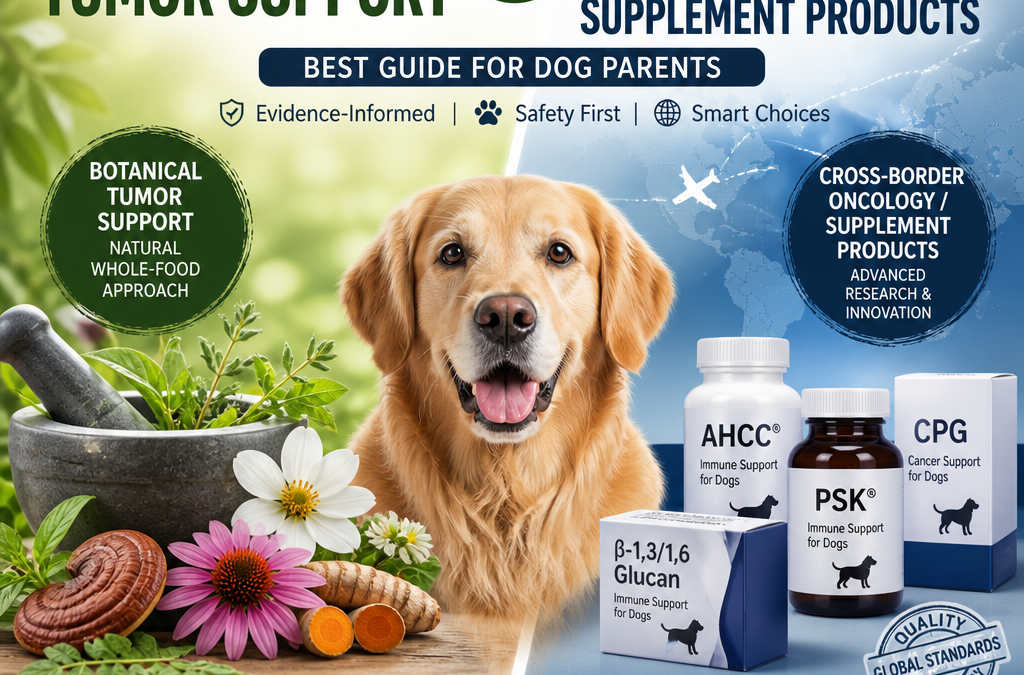
Botanik tümör desteği ile Sınır ötesi onkoloji / takviye ürünleri, kanserle mücadele eden bir köpek için ek destek arayan evcil hayvan sahipleri için önemli bir karşılaştırmadır. Takviyeler beslenme, iltihaplanma, iştah veya genel sağlık durumunu ele almaya yardımcı olabilir, ancak bunlar veteriner onkoloji tedavisi ile değiştirilemez. En sorumlu yaklaşım, her seçeneğin ne yapabileceğini ve ne yapamayacağını anlamak, ürün kalitesini dikkatlice değerlendirmek ve herhangi bir takviyeyi yalnızca veteriner rehberliğindeki bakım planının bir parçası olarak kullanmaktır.
İçindekiler
- Botanik tümör desteği ile Sınır ötesi onkoloji / takviye ürünleri
- Botanik tümör desteği ne sunabilir
- Sınır ötesi onkoloji ve takviye ürünlerini anlama
- Köpek kanseri takviye karşılaştırması: en önemli kriterler
- Takviyeleri kanser tedavisi ile birleştirmenin potansiyel riskleri
- Daha güvenli bir karar nasıl alınır
- Yaşam kalitesinin rolü
Botanik tümör desteği ile Sınır ötesi onkoloji / takviye ürünleri
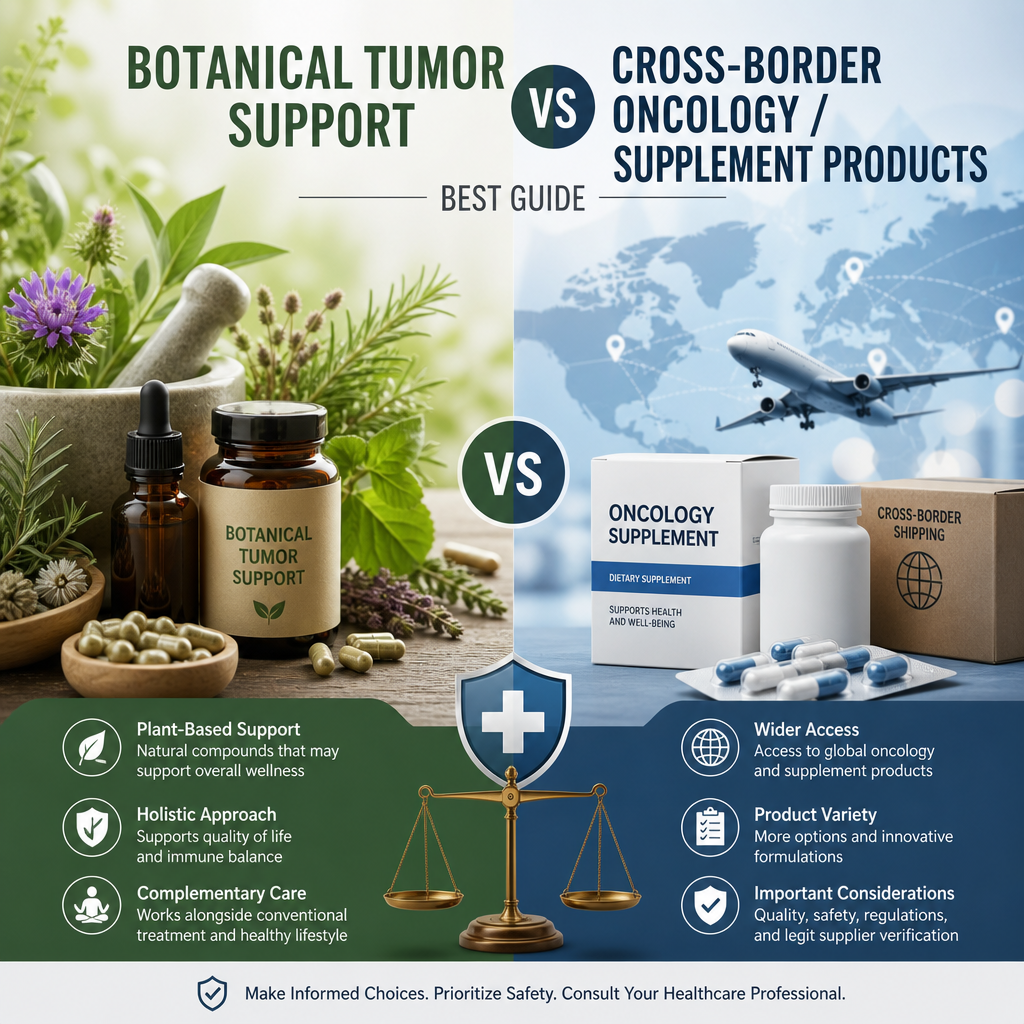
Botanik tümör desteği genellikle geleneksel kanser bakımına ek olarak kullanılan bitki kökenli bileşenleri ifade eder. Bunlar tıbbi mantarlar, zerdeçal kökenli kurkuminler, yeşil çay bileşenleri, süt thistle, boswellia veya diğer bitkisel bileşenleri içerebilir. Önerilen rolleri arasında antioksidan aktivite, bağışıklık desteği, sindirim desteği ve yaşam kalitesinin korunmasına yardımcı olma yer alabilir.
Pratik anlamda, botanik tümör desteği genellikle sahiplerin nazik, tanıdık ve rutin bakımla uyumlu bir şey istemesi nedeniyle tercih edilir. Bu ilgi anlaşılabilir, özellikle bir köpek iştah değişiklikleri, yorgunluk veya tedavi yan etkileri ile başa çıkıyorsa. Yine de, her botanik ürün, herhangi bir aktif sağlık ürünü için kullanılan aynı standartlara göre değerlendirilmelidir. Soru, bir takviyenin doğal görünüp görünmediği değil; belirli bir köpek, belirli bir tanı ve mevcut onkoloji planı için uygun olup olmadığıdır.
Sınır ötesi onkoloji veya takviye ürünleri daha geniş bir kategoridir. Reçeteli ilaçlar, ithal veteriner ürünleri, bileşen formülleri, besin ürünleri ve başka bir ülkeden satın alınan reçetesiz takviyeleri içerebilir. “Sınır ötesi” ifadesi, bir ürünün otomatik olarak üstün veya güvensiz olduğunu göstermez. Bu, üretim standartları, etiketleme, depolama, yasal durum ve veteriner gözetimi hakkında ek sorular sorulması gerektiği anlamına gelir.
Diğer bir deyişle, botanik tümör desteği ile Sınır ötesi onkoloji / takviye ürünleri arasında iyi ve kötü ürünler arasında bir yarışma yoktur. Bu, amaç, kalite ve kanıt açısından geniş ölçüde değişebilen farklı ürün kategorileri arasında bir karşılaştırmadır. Sorumlu bir köpek sahibi, menşei ülkesinin ötesine bakmalı ve güvenlik, formülasyon ve klinik uyuma odaklanmalıdır.
Ana ayrım, botanik desteğin esasen bileşenleri ve amaçlanan destekleyici rolü ile tanımlanmasıdır; oysa sınır ötesi onkoloji ürünleri, kanıta dayalı tıbbi tedavilerden sınırlı belgeleri olan ürünlere kadar değişebilir. Bunları karşılaştırmak, yalnızca pazarlama iddialarına veya bileşen listelerine bakmaktan daha fazlasını gerektirir.
Birçok sahip için, merkezi mesele bir ürünün yerel mi yoksa ithal mi olduğu değil, köpeğin tanısına ve tedavi planına uyup uymadığıdır. Bu nedenle, veteriner incelemesi herhangi bir köpek kanseri takviyesi karşılaştırmasında önemlidir.
Botanik tümör desteği ne sunabilir
Dikkatlice seçilmiş bir bitkisel formül bazen bir köpeğin kanser bakım planını tamamlayabilir. İçeriklere bağlı olarak, olası hedefler şunları içerebilir:
- İştah ve sindirimi destekleme
- Vücut durumunu korumaya yardımcı olmak
- İyileşme sırasında besin maddeleri sağlamak
- Normal iltihabi yolları destekleme
- Antioksidan veya bağışıklık modüle edici özelliklere sahip bileşikler sunmak
- Genel konfor ve sağlık teşvik etmek
Bu hedefler destekleyici olup tedavi edici değildir. Bu ayrım önemlidir, çünkü birçok sahip geleneksel bakım başladıktan sonra veya gereksiz karmaşıklık eklemeden rahatsızlığı azaltmaya çalışırken bitkisel tümör desteği arar. Uygun şekilde kullanıldığında, bazı ürünler bir köpeğin daha iyi hissetmesine veya tedavi planını daha rahat tolere etmesine yardımcı olabilir. Kötü kullanıldığında, aynı ürünler kafa karışıklığı, yan etkiler veya etkileşimler yaratabilir.
Ancak, kanıtlar bir bileşenden diğerine önemli ölçüde değişir. Laboratuvar hücrelerinde, kemirgenlerde veya insanlarda yapılan araştırmalar otomatik olarak köpeklere uygulanamaz. Dozaj, emilim, metabolizma ve toksisite türler arasında farklılık gösterebilir. İnsanlarda geleneksel olarak kullanılan bir bitki, yoğunlaştırılmış öz formunda köpekler için uygun olmayabilir.
Bu nedenle, bitkisel ürünler belirli bileşenleri, miktarları, formülasyonu ve amaçlanan kullanımı açısından değerlendirilmelidir—sadece “doğal”, “bitkisel” veya “bütünsel” kelimeleriyle değil. Doğal maddeler yan etkilere neden olabilir ve kemoterapi, radyasyon, cerrahi, steroidler, ağrı ilaçları veya karaciğer tarafından işlenen ilaçlarla etkileşime girebilir.
Aileler bitkisel tümör desteği ararken, genellikle proaktif ve nazik bir şey yapmaya çalışıyorlardır. En faydalı ürünler, kağıt üzerinde mantıklı olan, net bir gerekçeye sahip olan ve köpeğin gerçek ihtiyaçlarına uyanlardır. Birçok durumda, en iyi sonuçlar, ürünü çok belirli bir hedefle eşleştirmekten gelir, her şeyi birden yapmaya çalışmaktan değil.
Sahipler, herhangi bir destekleyici ürün seçmeden önce bir tümör tanısının arkasındaki biyolojiyi anlamak istediklerinde, tümör davranışı, bağışıklık dengesizliği ve tedavi yanıtının bir vakadan diğerine nasıl farklılık gösterdiğini gözden geçirmek faydalı olabilir. Daha geniş bir kaynak, Köpek Kanseri Biyolojisi Yardımcı Bağışıklık Dengesizliği ve Tümör Faktörleri yardımcı bir bağlam sağlayabilir.
Sınır ötesi onkoloji ve takviye ürünlerini anlama
İthal veya sınır ötesi ürünler hem fırsatlar hem de riskler yaratabilir. Bazıları yerel olarak bulunmayan bileşenler içerebilirken, diğerleri köpeğin ev ülkesindeki düzenleyici sistemlerden farklı olarak pazarlanmaktadır. Ürün adları, konsantrasyonlar, dozaj talimatları ve kalite standartları pazarlar arasında net bir şekilde çevrilemeyebilir.
Botanik tümör desteği ile Sınır ötesi onkoloji / takviye ürünleri tartışıldığında, en önemli pratik farklardan biri düzenlemedir. Bir botanik ürün, bir ülkede minimal denetimle takviye olarak satılabilirken, başka bir ülkede daha spesifik etiketleme veya onaylar gerektirebilir. Benzer şekilde, onkoloji ile ilgili bir ürün bir pazarda standart olabilir ve başka bir pazarda talimatlar, dil veya dozaj gelenekleri farklı olduğu için değerlendirilmesi zor olabilir.
Önemli endişeler şunlardır:
- Belirsiz içerik miktarları: Bir etiket, her aktif bileşenin miktarını belirtmeden özel bir karışım listeleyebilir.
- Farklı kalite kontrolleri: Üretim, test, kontaminasyon taraması ve parti tutarlılığı değişkenlik gösterebilir.
- Depolama ve nakliye sorunları: Isı, nem, gecikmeler veya uygunsuz ambalaj, ürün stabilitesini azaltabilir.
- Sahte veya yanlış etiketlenmiş ürünler: Çevrimiçi pazar yerleri, orijinal üreticiyi doğrulamayı zorlaştırabilir.
- Düzenleyici farklılıklar: Bir ülkede yasal olarak takviye olarak satılan bir ürün, başka bir yerde farklı bir şekilde sınıflandırılabilir.
- Sınırlı veteriner rehberliği: Talimatlar insanlar için yazılmış olabilir veya köpeklere uygulanmayan varsayımlara dayanabilir.
Bir ürünün yabancı kökeni etkinliğin kanıtı değildir ve yerel bulunabilirlik düşük kalite kanıtı değildir. Pratik soru, ürünün güvenilir belgeleri olup olmadığı ve köpeğin tedavi planına güvenli bir şekilde entegre edilip edilemeyeceğidir.
Zaten tedavi gören köpekler için, sınır ötesi ürünler içerik örtüşmesi, gizli yardımcı maddeler ve dozaj tutarsızlıkları açısından dikkatlice kontrol edilmelidir. Bu, köpeğin hassas bir mide, karaciğer hastalığı, böbrek hastalığı veya ilaç intoleransı geçmişi varsa özellikle önemlidir. Yararlı bir ürün bile, sahibin beklediğinden farklı bir konsantrasyona sahipse sorun haline gelebilir.
Farklı pazarlardaki destekleyici seçenekleri karşılaştıran okuyucular için, bu makale ayrıca takviye seçimleri ve veteriner rehberliğinde bakım araştırırken bölgesel rehberlik ile eşleştirilebilir. Ocoxin Pets alternatif 5 Güçlü Yöntemle İspanya'daki Köpekleri Desteklemek Yararlı bir köpek kanseri takviye karşılaştırması, güvenlik, şeffaflık, kanıt ve tedavi ile uyumluluk üzerine odaklanmalıdır. Bir karar vermeden önce aşağıdaki kriterleri göz önünde bulundurun.
Köpek kanseri takviye karşılaştırması: en önemli kriterler
Her aktif bileşeni tanımlayan ve porsiyon başına miktarı sağlayan ürünleri seçin. Anlamlı bir dozu hesaplamayı imkansız hale getiren belirsiz karışımlardan kaçının. Etiket ayrıca, ilgili olduğunda, inaktif bileşenleri, alerjenleri, koruyucuları ve tatlandırıcıları da açıklamalıdır.
Bileşen şeffaflığı
İyi etiketleme, sahiplerin botanik tümör desteği ile Sınır ötesi onkoloji / takviye ürünlerini değerlendirirken özellikle önemlidir, çünkü etiketler farklı ulusal standartlara uymaktadır. Açık bir etiket, bileşenleri adil bir şekilde karşılaştırmayı ve ürünü veterinerle tartışmayı kolaylaştırır.
İyi etiketleme, sahiplerin botanik tümör desteği ile Sınır Ötesi onkoloji / takviye ürünlerini tarttığı zaman özellikle önemlidir, çünkü etiketler farklı ulusal standartları takip edebilir. Açık bir etiket, bileşenleri adil bir şekilde karşılaştırmayı ve ürünü veterinerle tartışmayı kolaylaştırır.
Üretim ve test
Tanınmış kalite standartlarına uyan tesislerde üretilen ürünleri arayın. Kontaminantlar, ağır metaller, pestisitler, mikroplar ve doğru içerik seviyeleri için bağımsız testler daha fazla güven sağlar. Bir analiz sertifikası faydalı olabilir, ancak güvenilir bir laboratuvardan gelmeli ve belirli ürün partisinin karşılığı olmalıdır.
Ürün ithal edildiyse, aynı partinin ihracattan önce, varıştan sonra veya hiç test edilip edilmediğini sorun. Bu detay önemlidir çünkü taşıma koşulları stabiliteyi ve raf ömrünü etkileyebilir. İyi yapılmış ancak kötü saklanmış bir takviye beklenildiği gibi performans göstermeyebilir.
Veteriner uyumluluğu
Veterineriniz, köpeğinizin aldığı her takviye hakkında bilgi sahibi olmalıdır. Bu, özellikle ameliyat öncesinde veya köpeğiniz kemoterapi, radyasyon, hedeflenmiş ilaç, antikoagülanlar, nonsteroid anti-inflamatuar ilaçlar, antikonvülsanlar veya kortikosteroidler alıyorsa önemlidir. Bazı takviyeler kanama, kan basıncı, karaciğer enzimleri, bağışıklık aktivitesi veya ilaç emilimini etkileyebilir.
Veteriner uyumluluğu, köpeğin yaşı, ırkı, ağırlığı ve eş zamanlı hastalıkları ile ilgili olarak da dikkate alınmalıdır. Yaşlı evcil hayvanlar belirli bileşenleri daha yavaş işleyebilir ve küçük köpekler dozaj hatalarına karşı daha hassas olabilir. Teoride hafif görünen bir ürün, yine de zayıf bir hasta için çok yoğun olabilir.
Kanıtlar ve gerçekçi iddialar
Kanseri iyilettiğini, kemoterapinin yerini aldığını, tümörleri çözdüğünü veya hayatta kalmayı garanti ettiğini iddia eden ürünlere dikkat edin. Bu ifadeler uyarı işaretleridir. Güvenilir bir ürün genellikle bir tedavi vaadi yerine destekleyici hedefler sunar ve laboratuvar bulgularını klinik kanıtlardan ayırır.
Bu iddiaları değerlendirmek için en iyi yol, hangi tür kanıtların mevcut olduğunu sormaktır. Veriler köpeklerden mi, yoksa sadece laboratuvar modellerinden mi? Çalışma küçük, kontrolsüz müydü yoksa farklı bir türe mi dayanıyordu? Güçlü iddialar, sadece referanslar veya satış diliyle değil, daha güçlü kanıtlarla desteklenmelidir.
Köpek spesifik formülasyonu
İnsan ürünleri, xylitol, aşırı D vitamini, yoğunlaştırılmış uçucu yağlar veya uygun olmayan mineral seviyeleri gibi köpekler için uygun olmayan bileşenler içerebilir. Bir köpek ürünü yine de dikkatlice değerlendirilmelidir, ancak formülasyon ve talimatlar veteriner kullanımı için özel olarak tasarlandığında değerlendirmek genellikle daha kolaydır.
Botanik tümör desteği ile Sınır ötesi onkoloji / takviye ürünleri arasındaki bir diğer nokta, “evcil hayvanlar için” ifadesinin otomatik olarak “her evcil hayvan için güvenli” anlamına gelmediğidir. Köpeğin tıbbi geçmişi her zaman nihai kararı yönlendirmelidir.
Takviyeleri kanser tedavisi ile birleştirmenin potansiyel riskleri
En ciddi hata, bir takviyenin doğal olduğu için zararsız olduğunu varsaymaktır. Belirli yoğunlaştırılmış botanikler karaciğer enzimlerini etkileyebilir ve ilaçların nasıl metabolize edildiğini potansiyel olarak değiştirebilir. Diğerleri kanama riskini artırabilir, kan şekerini değiştirebilir, sindirim sorunlarına neden olabilir veya belirli bir tedavi planı için istenmeyen şekillerde bağışıklık sistemini uyarabilir.
Antioksidan takviyeleri de düşünceli bir tartışma gerektirir. Antioksidanlar bazı koşullarda normal hücreleri destekleyebilir, ancak radyasyon veya belirli kemoterapi protokolleri sırasında kullanımları tartışmalı olabilir çünkü tedavi kısmen oksidatif mekanizmalara dayanabilir. Doğru karar, belirli kanser, ilaç, zamanlama ve köpeğin genel sağlığına bağlıdır.
Karaciğer hastalığı, böbrek hastalığı, pıhtılaşma bozuklukları, diyabet, nöbet bozuklukları veya sindirim problemleri olan köpekler ek risklerle karşılaşabilir. Yavru köpekler, yaşlı köpekler ve zayıf hastalar yoğunlaştırılmış ürünlere farklı yanıt verebilir.
Bu endişeler, botanik seçeneklerin bakımda yerinin olmadığı anlamına gelmez. Bir köpek kanseri takviyesi karşılaştırmasının her zaman öncelikle güvenliği içermesi gerektiğini, özellikle bir köpeğin zaten reçeteli tedavi altında olduğu durumlarda belirtir. Destekleyici bileşenler bile gerçek tıbbi araçlar gibi ele alınmalı, tatsız gıda katkı maddeleri gibi değil.
Dikkatli bir sahip, aynı anda çok fazla takviye kullanmaktan da kaçınmalıdır. Birden fazla ürün, örtüşen bileşenlere, istenmeyen yüksek dozlara veya yan etkiler ortaya çıktığında kafa karışıklığına yol açabilir. Basitlik genellikle izlemeyi daha güvenli ve etkili hale getirir.
Daha güvenli bir karar nasıl alınır
Öncelikle ana hedefi belirleyin. Amaç iştahı desteklemek, kiloyu korumak, sindirim sorunlarını hafifletmek, belgelenmiş bir eksikliği gidermek veya genel beslenme desteği sağlamak mı? Açık bir hedef, birden fazla örtüşen ürünün kullanılmasını önlemeye yardımcı olur.
Sonra, etiketin fotoğrafları, porsiyon boyutu, üretici, parti numarası ve önerilen doz dahil olmak üzere tam ürün bilgilerini toplayın. Bu bilgileri veteriner ekibiyle paylaşın. Herhangi bir bileşenin köpeğin teşhisi veya mevcut ilaçlarıyla çelişip çelişmediğini sorun.
Veteriner farklı talimatlar vermedikçe, yalnızca bir yeni ürünü tanıtın. Bu, yan etkileri tanımlamayı kolaylaştırır. İştah, kusma, ishal, enerji, susuzluk, idrara çıkma, cilt değişiklikleri ve herhangi bir alışılmadık davranışı izleyin. Endişe verici semptomlar ortaya çıkarsa ürünü durdurun ve veterinerle iletişime geçin.
Düzenli izleme, kan testleri, kilo kontrolleri, karaciğer ve böbrek değerlendirmeleri ve tümör yanıtının değerlendirilmesini içerebilir. Takviyeler, görüntüleme, cerrahi, onkoloji danışmanlıkları, ağrı yönetimi veya diğer önerilen bakımları asla geciktirmemelidir.
Tanınmış tıbbi referanslardan birincil kaynak ürün veya bileşen bilgilerini gözden geçirmek de yardımcı olabilir. Örneğin, PubMed araştırma veritabanı bitkisel bir bileşenin köpeklerde veya ilgili türlerde incelenip incelenmediğini doğrulamak için güvenilir bir yerdir.
Botanik tümör desteği ile Sınır Ötesi onkoloji / takviye ürünlerini karşılaştıran sahipler, satın almadan önce pratik sorular sormak isteyebilir. Kesin aktif bileşen nedir? Doz açık bir şekilde ifade edilmiş mi? Ürün köpeklerde kullanıldı mı, yoksa sadece insan çalışmalarında mı tartışıldı? Üretici, kaynak ve test sürecini açıklayabilir mi? Bu sorular, bir pazarlama kararını sağlık kararına dönüştürmeye yardımcı olur.
Bir ürün ithal edilmesi gerekiyorsa, nasıl gönderileceğini, buzdolabında saklanıp saklanmadığını ve açıldıktan sonra ne kadar süre stabil kaldığını doğrulayın. Paketle birlikte bir parti numarası ve son kullanma tarihi olup olmadığını sorun. Bu ayrıntılar önemsiz görünebilir, ancak bir köpeğin tedavisi tutarlı kaliteye bağlı olduğunda önemlidir.
Yaşam kalitesinin rolü
Kanser bakımı yalnızca tümör boyutu veya hayatta kalma süresi ile ölçülmez. İştah, konfor, hareketlilik, uyku, etkileşim, hidrasyon ve günlük aktivitelerden zevk almak da önemlidir. Bir takviye, belirli bir yaşam kalitesi hedefini destekliyorsa ve etkili tedavi ile çelişmiyorsa değerli olabilir.
Bazı köpekler, agresif ürün kullanımından ziyade semptom desteğinden en fazla faydayı sağlar. Örneğin, iştah zayıfsa, sindirim veya lezzet konusunda yardımcı olan bir ürün, geniş anti-tümör aktivitesi vaat eden bir üründen daha önemli olabilir. Eklem sertliği veya rahatsızlık ana sorun ise, o zaman yaşam kalitesi desteği diğer iddialardan öncelikli hale gelebilir.
En güçlü plan genellikle kanıta dayalı veteriner onkolojiyi bireyselleştirilmiş beslenme, ağrı kontrolü, semptom yönetimi ve dürüst izleme ile birleştirir. Botanik ürünler bu planda bir yer edinebilir, ancak herhangi bir aktif tıbbi maddeye uygulanan aynı dikkatle seçilmelidir.
Sonuç olarak, botanik tümör desteği ile Sınır Ötesi onkoloji / takviye ürünleri arasında basit bir “doğal” ve “tıbbi” seçenekler yarışı yoktur. En güvenli seçim, köpeğin teşhisi, tedavi protokolü, sağlık durumu, ürün kalitesi ve veteriner gözetimine bağlıdır. Şeffaf etiketleme, gerçekçi beklentiler ve dikkatli izleme, sorumlu takviye kullanımının temelini oluşturur.
Sahiplerin pazarlar arasında seçenekleri karşılaştırması için bu tartışma, yerel erişilebilirlik, maliyet ve takip bakımını içeren daha geniş bir karar verme sürecine de uyar. Dosing belirsizse veya kaynak doğrulanamıyorsa, daha düşük fiyatlı bir ürün otomatik olarak daha iyi değildir. Benzer şekilde, iyi belgelenmiş ve profesyonel olarak denetlenen bir Sınır Ötesi ürün, bakım planında net bir rolü yoksa otomatik olarak fiyatını hak etmez.
Her köpek kanser takviye karşılaştırması, umudu kanıtla dengelemelidir. Botanik destek faydalı olabilir ve ithal ürünlerin bir yeri olabilir, ancak hiçbiri klinik yargıyı değiştirmemelidir. Bir ürün, şeffaf, pratik ve önünüzdeki köpek için uygun olduğunda güven kazanır.
Pratikte, en iyi cevap nadiren en dramatik olandır. Doğru neden için kullanılan dikkatlice seçilmiş bir botanik formül yardımcı olabilir. İyi belgelenmiş ve profesyonel olarak denetlenen bir Sınır Ötesi ürün de uygun olabilir. Anahtar, köpeği korumaktır, pazarlama iddiasını değil. Sahipler bu önceliği akıllarında tuttuklarında, botanik tümör desteği ile Sınır Ötesi onkoloji / takviye ürünleri daha net ve daha güvenli bir karar haline gelir.