
由 TCMVET | 5 月 29, 2024 | 狗狗癌症與腫瘤
When a beloved pet is diagnosed with cancer, it’s a distressing time for any pet owner. Understanding the prognosis and comparing available treatment options are crucial steps in making informed decisions for your pet’s health and quality of life. This article delves into the various pet cancer treatments, their prognoses, and the factors that influence the outcomes, helping pet owners navigate this challenging journey.
What is Prognosis in Pet Cancer?
Prognosis refers to the likely course and outcome of a disease. In the context of pet cancer, it involves predicting how the disease will progress, the chances of remission or cure, and the overall impact on the pet’s lifespan and quality of life. Several factors influence the prognosis, including the type and stage of cancer, the pet’s overall health, and the chosen treatment plan.
Common Pet Cancer Treatments
1. Surgery
Overview: Surgery involves the physical removal of the tumor and is often the first line of treatment for localized cancers.
預後: Surgery can be highly effective, especially if the cancer is detected early and hasn’t metastasized. The prognosis is generally favorable for tumors that are completely removable. However, the risk of recurrence depends on the cancer type and margins achieved during surgery.
Considerations: Post-surgery recovery, potential complications, and the pet’s ability to withstand anesthesia are crucial factors.
2. 化療
Overview: Chemotherapy uses drugs to kill cancer cells or slow their growth. It can be administered orally or intravenously.
預後: Chemotherapy is effective for treating cancers that have spread (metastasized) or are inoperable. The prognosis varies widely depending on the cancer type and stage. It can significantly extend life expectancy and improve quality of life in many cases.
Considerations: Side effects such as nausea, vomiting, and lowered immune function can occur, though pets often tolerate chemotherapy better than humans.
3.放射治療
Overview: Radiation therapy uses high-energy rays to target and destroy cancer cells. It’s often used for tumors that cannot be surgically removed or in combination with surgery and chemotherapy.
預後: Radiation therapy can effectively control and reduce the size of tumors, especially those located in sensitive areas like the brain or spine. It can also provide palliative care, reducing pain and improving quality of life.
Considerations: Multiple sessions are usually required, and side effects can include skin irritation and temporary fatigue.
4. Immunotherapy
Overview: Immunotherapy enhances the body’s immune system to fight cancer. It includes vaccines and other therapies designed to stimulate an immune response.
預後: As a newer treatment modality, immunotherapy shows promise, particularly for certain types of cancers. It may offer fewer side effects compared to traditional treatments and can be used in conjunction with other therapies.
Considerations: Availability and suitability for specific cancer types are still under research, and long-term efficacy data is still being gathered.
影響預後的因素
Cancer Type and Stage
The type and stage of cancer at diagnosis significantly affect the prognosis. Early-stage cancers that are localized have a better prognosis compared to advanced-stage cancers that have metastasized.
Overall Health of the Pet
A pet’s overall health and age play a critical role in determining the prognosis. Healthier pets with strong immune systems are more likely to respond positively to treatments and recover faster.
Treatment Plan and Compliance
A well-structured treatment plan tailored to the specific type of cancer and the pet’s condition is essential. Compliance with the treatment regimen, including follow-up visits and supportive care, greatly influences the outcome.
生活品質
The primary goal of cancer treatment in pets is to ensure a good quality of life. Treatments that effectively manage symptoms and reduce pain contribute to a more favorable prognosis, even if the cancer is not completely curable.
結論
Understanding the prognosis and comparing the available cancer treatments for pets is a critical step in making informed decisions for your furry friend’s health. Surgery, chemotherapy, radiation therapy, and immunotherapy each offer different benefits and considerations. By working closely with your veterinarian and veterinary oncologist, you can choose the best treatment plan tailored to your pet’s specific needs, ensuring the best possible outcome and quality of life.
For more detailed information and personalized advice, consult with your veterinarian or a veterinary oncologist. They can provide insights based on your pet’s unique situation and help you navigate the complexities of cancer treatment.

由 TCMVET | 5 月 28, 2024 | 狗狗癌症與腫瘤
When a beloved pet is diagnosed with cancer, it can be a heart-wrenching experience for pet parents. Understanding the available treatment options can help you make informed decisions for your furry friend’s health and well-being. In this article, we’ll explore the various cancer treatments available for pets, their benefits, and what pet parents should consider.
Understanding Pet Cancer Treatments
Cancer treatment for pets often involves a combination of therapies designed to target cancer cells, relieve symptoms, and improve quality of life. The most common treatments include surgery, chemotherapy, radiation therapy, and immunotherapy. Each treatment has its unique approach and potential benefits.
1. Surgery
What It Is: Surgery involves physically removing the tumor or cancerous tissue. It is often the first line of treatment, especially if the cancer is localized.
好處: Surgery can be highly effective in removing cancer completely, especially if detected early. It can also provide immediate relief from symptoms caused by the tumor.
Considerations: Post-surgical recovery can vary, and there is always a risk of complications. Discuss with your veterinarian the potential outcomes and the extent of surgery required.
2. 化療
What It Is: Chemotherapy uses drugs to kill cancer cells or slow their growth. It can be used alone or in conjunction with other treatments.
好處: Chemotherapy is effective for treating cancers that have spread or are inoperable. It can help shrink tumors and relieve symptoms.
Considerations: Chemotherapy can have side effects such as nausea, vomiting, and fatigue. However, pets often tolerate chemotherapy better than humans, and your veterinarian can help manage side effects.
3.放射治療
What It Is: Radiation therapy uses high-energy rays to target and kill cancer cells. It is often used for tumors that cannot be surgically removed or in conjunction with surgery and chemotherapy.
好處: Radiation therapy can effectively shrink tumors and alleviate pain. It is particularly useful for cancers located in sensitive areas.
Considerations: Multiple sessions may be required, and side effects can include skin irritation and temporary fatigue. Your veterinary oncologist will discuss the treatment schedule and potential side effects.
4. Immunotherapy
What It Is: Immunotherapy boosts the body’s immune system to fight cancer. This relatively new approach includes vaccines and other therapies that enhance the immune response.
好處: Immunotherapy can target cancer cells more precisely, potentially causing fewer side effects than traditional treatments.
Considerations: As a newer treatment, availability and long-term efficacy data are still being studied. Discuss with your veterinarian if this option is suitable for your pet.
Factors to Consider
When deciding on a cancer treatment plan for your pet, several factors need to be considered:
預後
Understanding the prognosis with each treatment option is crucial. Ask your veterinarian about the expected outcomes and the likelihood of remission or cure.
生活品質
Consider how each treatment will affect your pet’s quality of life. Side effects, treatment duration, and recovery times are important aspects to discuss.
Costs
Cancer treatments can be expensive. Ask your veterinarian for a detailed breakdown of the costs involved in each treatment option to prepare financially.
Frequency of Visits
Some treatments require frequent visits to the veterinarian. Ensure you are aware of the commitment needed in terms of time and transportation.
結論
Choosing the right cancer treatment for your pet is a complex decision that requires thorough understanding and consideration. By discussing all available options with your veterinarian and veterinary oncologist, you can make informed decisions that prioritize your pet’s health and quality of life.
For more detailed information and resources on pet cancer treatments, feel free to contact our team or visit our website. Your pet’s well-being is our top priority, and we are here to support you every step of the way.

由 TCMVET | 2024 年 3 月 21 日 | 寵物中草藥
在管理寵物健康方面,特別是胸腺瘤和淋巴瘤等複雜疾病,整合不同的醫學傳統可以提供全面有效的治療。傳統中醫(TCM)擁有豐富的歷史和獨特的方法,為治療寵物的這些疾病提供了寶貴的見解。
了解胸腺瘤和淋巴瘤
胸腺瘤和淋巴瘤是寵物中較常見的縱膈腫瘤。胸腺瘤是胸腺的腫瘤,通常見於中年和老年狗和貓,而淋巴瘤是淋巴系統的癌症,影響廣泛年齡層的寵物。兩者都會對寵物健康產生重大影響,出現嗜睡、體重減輕和呼吸困難等症狀。
中醫視角看寵物腫瘤
傳統中醫將健康視為能量的平衡,關注整個身體,而不是孤立的症狀或疾病。在中醫中,癌症通常被視為身體基本能量(氣)失衡和阻塞的結果。中醫治療的目標是恢復這種平衡並增強身體的自然防禦能力。
寵物中醫草藥療法
草藥是中醫的基石,對於治療寵物的胸腺瘤和淋巴瘤特別有效。一些常用的草藥包括:
- 黃耆(黃耆)-增強免疫功能。
- 人參(人參)-提高整體活力。
- 馬尾藻(海藻)-因其抗腫瘤特性而被使用。
- 當歸(Dang Gui)-促進血液循環。
這些草藥通常結合使用以最大限度地發揮其功效,並根據個別寵物的需求進行客製化。
寵物中醫針灸
針灸是中醫的另一個重要組成部分,可以與草藥一起使用。眾所周知,它有助於減輕患有癌症的寵物的疼痛等症狀並改善其生活品質。根據個別寵物的症狀和中醫診斷來選擇穴位。
中西醫結合
將中醫與傳統的西醫治療相結合可以製定更全面的護理計劃。雖然西方醫學可以提供先進的診斷和治療(如化療),但中醫可以透過減輕副作用、增強寵物的身體和改善整體健康來補充這些。
中醫為對抗寵物胸腺瘤和淋巴瘤提供了寶貴的工具。透過專注於整個身體及其平衡,中醫提供了一種替代和補充方法,可以提高寵物應對這些挑戰性條件的生活品質和整體健康。
由 TCMVET | 2024 年 3 月 7 日 | 貓癌症和腫瘤
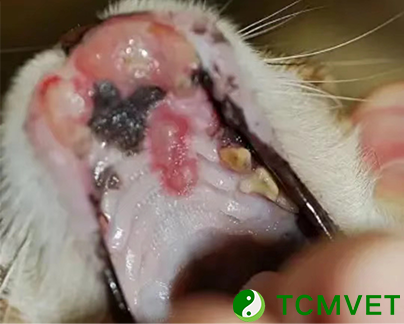
鱗狀細胞癌 (SCC) 是小動物常見的癌症,尤其影響狗和貓。它是一種惡性腫瘤,起源於鱗狀上皮(皮膚的最外層)以及身體器官和體腔的內壁。作為寵物主人或獸醫愛好者,了解小動物鱗狀細胞癌的治療方案對於有效控制這種疾病至關重要。
1. 手術切除:
手術通常是鱗狀細胞癌的主要治療方法,特別是當腫瘤局限於局部且尚未轉移時。手術的目標是完全移除癌組織。如果鱗狀細胞癌位於皮膚中,手術切除相對簡單。然而,如果腫瘤位於更複雜的區域,例如口腔或甲床附近,手術可能會更具挑戰性。術後組織病理學對於確保邊緣沒有癌細胞至關重要。
2.放射治療:
放射治療是另一種有效的治療方法,特別是對於難以透過手術切除的腫瘤,例如口腔中的腫瘤。它涉及使用高能量射線來破壞癌細胞並縮小腫瘤。如果邊緣不清晰或癌症無法手術,通常在手術後使用這種療法。對於某些寵物來說,放射治療可以作為安寧療護,以緩解症狀並提高生活品質。
3.化療:
與其他類型的癌症相比,化療不太常用於治療小動物鱗狀細胞癌,但在癌症已轉移的情況下可能會建議化療。它涉及使用藥物殺死癌細胞或減緩其生長。化療可以口服或註射,通常會帶來副作用,如噁心、疲勞和增加感染的可能性。
4.冷凍手術:
對於較小或淺表的鱗狀細胞癌病變,冷凍手術可能是一種選擇。這種治療涉及使用極冷(液態氮)來冷凍和破壞異常細胞。它比傳統手術侵入性更小,通常在門診進行。
5.光動力療法(PDT):
PDT 是一種相對較新的治療選擇,涉及使用稱為光敏劑的藥物以及光來殺死癌細胞。該藥物被癌細胞吸收,當暴露於特定波長的光時,它會產生一種形式的氧氣來殺死細胞。
6.電化學療法:
電化學療法結合了化療和電脈衝,以增強癌細胞對化療藥物的吸收。這種療法在治療傳統方法難以治療的腫瘤方面引起了人們的興趣。
7. 安寧療護:
如果癌症太晚期,或動物不適合積極治療,安寧療護就成為焦點。這涉及透過藥物、營養支持和疼痛管理來控制症狀並維持生活品質。
小動物鱗狀細胞癌的治療根據腫瘤的位置、大小和動物的整體健康狀況而有所不同。獸醫學的進步顯著提高了鱗狀細胞癌治療的有效性,為診斷患有這種疾病的寵物帶來了希望並改善了治療結果。定期檢查和早期發現仍然是成功管理和治療鱗狀細胞癌的關鍵。與往常一樣,諮詢合格的獸醫腫瘤學家對於確定每個病例的最佳行動方案至關重要。

由 TCMVET | 2024 年 2 月 3 日 | 寵物中草藥
家畜口腔癌是影響全球眾多寵物的重大健康議題。本文對東西方治療這種疾病的方法進行了比較研究,強調了兩種方法的優點和潛在的協同作用。目標是為寵物主人和獸醫專業人士提供更全面的癌症治療方法的見解。
了解寵物口腔癌
寵物(尤其是狗和貓)的口腔癌可表現為口腔、牙齦和嘴唇的腫瘤。這些腫瘤可能具有侵襲性,可能需要立即關注。早期發現和全面的治療計劃對於最佳結果至關重要。
西方治療方法
西醫方法通常結合手術、化療和放射治療。這些方法旨在去除或減少腫瘤的大小並防止其擴散。
- 手術:通常是第一線治療,涉及切除腫瘤和周圍組織。
- 化療:使用藥物殺死癌細胞或減緩其生長。
- 放射治療:涉及使用高能量射線來破壞癌細胞。
東方治療方法
東方醫學,特別是傳統中醫(TCM)提供了不同的視角,專注於平衡身體的能量並增強其自然治癒能力。
- 草藥療法:採用多種以其抗癌和增強免疫力特性而聞名的草藥。
- 針灸:旨在緩解疼痛並改善身體的自然能量流動。
- 飲食和生活方式的改變:專注於透過營養和環境增強身體的整體健康。
融合東西方方法
綜合方法可以提供兩全其美的效果。例如,草藥療法和針灸可以與傳統療法一起使用,以減輕副作用並改善動物的生活品質。
比較優勢
- 西醫治療:更有效地立即減少腫瘤並提供快速反應。
- 東方療法:著重長期健康、增強免疫力、盡量減少副作用。
獸醫專業人員的作用
與獸醫腫瘤學家和中醫執業醫師合作制定平衡有效的治療計劃至關重要。這種合作確保了兩個領域的治療方法相輔相成。
個案研究與研究
雖然有許多成功的軼事,但需要更多的科學研究來充分理解和驗證綜合方法的功效。正在進行的研究和臨床試驗在該領域至關重要。
一項針對東方和西方家畜口腔癌治療方法的比較研究表明,綜合方法可以提供更大的益處。透過將西方醫學的即時有效性與東方實踐的整體、長期重點相結合,寵物可以獲得全面的護理,解決癌症的症狀和根本原因。
