Curcumin dog cancer is an increasingly common search among those who wish to support their pet's health during an oncological process. Curcumin, one of the main active compounds of turmeric, has antioxidant and anti-inflammatory properties that have sparked interest in veterinary medicine. However, it should not be considered a cure for cancer nor replace diagnosis, surgery, chemotherapy, radiation therapy, or any treatment indicated by the veterinarian.
When evaluating curcumin dog cancer, the most important thing is to understand that not all supplements offer the same profile of quality, safety, or absorption. The difference between one product and another may lie in the actual concentration, the form of presentation, the presence of added ingredients, and the transparency of the brand. Therefore, before making a decision, it is advisable to compare with criteria and realistic expectations.
What is curcumin and why is it of interest in dogs?
Curcumin is a polyphenol found in the root of turmeric (Curcuma longaEn estudios de laboratorio se ha observado que puede influir en procesos relacionados con la inflamación, el estrés oxidativo y determinadas vías celulares. Estos resultados son interesantes, pero no significan automáticamente que un suplemento produzca el mismo efecto en un perro con un tumor.
Uno de los principales desafíos es su baja biodisponibilidad. La curcumina se absorbe de forma limitada y se elimina con rapidez, por lo que muchos productos incorporan ingredientes destinados a mejorar su aprovechamiento, como aceites, fosfolípidos o extractos específicos. La calidad de la formulación puede ser más importante que la cantidad total de cúrcuma indicada en la etiqueta.
Cuando se valora la curcumina perro cáncer, conviene entender que no todas las fórmulas se comportan igual. Dos suplementos con el mismo nombre pueden ofrecer resultados muy distintos según la concentración real, la tecnología de absorción y la pureza del producto. Por eso, antes de comprar, merece la pena leer la etiqueta con calma y comparar más allá del marketing.
En la práctica, también ayuda pensar en objetivos concretos: apoyo digestivo, comodidad durante el tratamiento, control de la inflamación o simple acompañamiento nutricional. Esa claridad evita esperar efectos que la curcumina perro cáncer no puede prometer por sí sola y permite discutir con el veterinario si el producto encaja en el plan general de cuidados.
Curcumin dog cancer: what is really known
When looking for information about turmeric dog tumor, it is essential to differentiate between experimental evidence and clinical evidence. Some cellular and preclinical studies have analyzed the action of curcumin on tumor cells, but these works do not confirm that it works as a treatment in dogs. Moreover, canine tumors are very diverse: a lymphoma does not behave the same as a mast cell tumor, an osteosarcoma, or a hemangiosarcoma.
For this reason, turmeric or curcumin can be considered, in certain cases, as complementary support within a supervised plan. The veterinarian must assess the type of cancer, the general condition of the animal, liver and kidney function, current medication, and the goal of the supplement. In some patients, it may be reasonable to prioritize appetite, digestive well-being, pain control, or nutritional recovery before adding multiple products.
At this point, many people seek a comparison between supplements for dogs with cancer that helps them decide with fewer doubts. That comparison should focus on safety, the quality of available evidence, and compatibility with the main treatment, not just on the popularity of the product.
Curcumin dog cancer should also be read with a key idea: that something being “natural” does not automatically make it harmless or effective. In veterinary oncology, caution is part of the care. A supplement may have potential support, but that potential only makes sense if evaluated alongside the clinical history, lab results, and the dog's actual response.
Dog cancer supplements comparison: fundamental criteria
A good dog cancer supplement comparison should not be based solely on price or the number of ingredients. These are the most important aspects to review:
Cantidad real de curcuminoides
The label should indicate how much curcumin or how many curcuminoids each dose provides. Some products only declare “turmeric powder,” without specifying the concentration of active ingredients. Turmeric powder can be part of the diet, but it does not necessarily equate to a standardized extract.
Biodisponibilidad
Formulas with phytosomal technology, water-dispersible extracts, or combinations with lipids may offer different absorption than conventional curcumin. However, greater bioavailability may also modify the product's effect and increase the need for caution with certain medications.
Transparencia y controles de calidad
It is preferable to choose brands that indicate the origin of raw materials, batch number, expiration date, and contaminant controls. An animal supplement should be specifically formulated for dogs or have clear veterinary dosing. It is also advisable to avoid products with proprietary blends that obscure individual quantities.
Ingredientes adicionales
Some supplements combine curcumin with omega 3, medicinal mushrooms, antioxidants, vitamins, or plants. A broad formula is not always better. The more ingredients it includes, the harder it is to identify what causes an adverse reaction or an interaction. The selection should respond to a specific need, not to an extensive list of promises.
Presentación y facilidad de administración
An effective supplement is not very useful if the dog rejects it. Capsules, powders, and liquids have different advantages. The format should allow for administering a precise amount and maintaining consistency without altering the animal's diet too much.
Encaje con una estrategia veterinaria realista
In a serious comparison, it also matters that the product fits the clinical objective. If the dog is undergoing treatment, the supplement should not interfere with the established regimen. That’s why it’s useful to review with the veterinarian if the priority is to support nutrition, improve digestive tolerance, or simply avoid an excess of unnecessary supplements.
To expand the buying guide with more practical criteria, it may also be helpful to review this resource on best supplements for dogs with cancer, where key points for responsible choice and use are explained.
Claridad sobre promesas y limitaciones
Beware of any supplement that promises to cure, eliminate tumors, or replace oncological therapies. The best option is usually the clearest, the most transparent, and the one that acknowledges its limits. In veterinary oncology, commercial honesty is worth more than an endless list of supposed benefits.
If the comparison includes several formulas, it is advisable to note in a simple table the dose per intake, the concentration of curcuminoids, the type of extract, the excipients, and the need for refrigeration or special storage. This quick review prevents impulsive purchases and makes the search for curcumin for cancer much more useful.
Possible complementary benefits
Curcumin could contribute to the control of some inflammatory processes and to the balance against oxidative stress. In certain dogs, this support may be interesting during recovery or when there is inflammation associated with the disease. However, the response is individual and is not always evident.
It is also important to remember that oncological well-being depends on several factors: complete nutrition, pain control, adapted activity, rest, hydration, and veterinary follow-up. An isolated supplement cannot compensate for an inadequate diet nor replace an indicated antitumor therapy.
Additionally, some caregivers prefer to compare curcumin with mixed formulas. In that case, a cautious approach is to review whether the product really adds something more or if it only adds complexity. Sometimes, a simple and well-formulated supplement is more useful than one with too many ingredients.
In some cases, curcumin for dogs with cancer is valued for its possible role as a companion in stages of fatigue, decreased appetite, or persistent inflammation. Even so, these complementary uses do not replace clinical evaluation. If the dog is losing weight, vomiting frequently, or showing pain, the priority should be to stabilize it before introducing any new supplement.
The key is not to attribute more to curcumin than the evidence allows. A realistic approach can help appreciate modest benefits, such as some improvement in comfort or overall tolerance, without turning the supplement into a false promise of healing.
Important precautions and interactions
Before administering curcumin, it is essential to consult with the veterinarian. It may not be suitable for dogs with gallbladder problems, bile obstructions, coagulation disorders, digestive ulcers, or certain liver diseases. It should also be used with special caution if the animal is receiving anti-inflammatories, anticoagulants, antiplatelets, corticosteroids, or oncological treatments.
Curcumin can cause gastrointestinal discomfort, diarrhea, nausea, or changes in appetite. If persistent vomiting, dark stools, bleeding, severe lethargy, yellowing of mucous membranes, or general worsening occur, the supplement should be discontinued, and the veterinarian should be contacted.
No se recomienda utilizar cúrcuma de cocina como sustituto automático de un producto veterinario. La cantidad de curcumina puede ser variable y algunos preparados domésticos incluyen pimienta negra u otros componentes que no siempre son apropiados para todos los perros.
Para ampliar el enfoque de seguridad, también puede consultarse la información de referencia sobre la agencia de referencia sobre medicamentos y salud animal, útil para entender por qué la supervisión profesional es importante cuando se añaden complementos a un tratamiento.
Cuando se habla de curcumina perro cáncer, también conviene recordar que algunos perros reciben varios medicamentos al mismo tiempo. En esos casos, incluso un suplemento aparentemente suave puede alterar la tolerancia digestiva o la dinámica de absorción de otros compuestos. Por eso, cada cambio debe hacerse con calma, uno por uno y con seguimiento.
How to incorporate a supplement responsibly
La introducción debe hacerse de manera gradual y con una pauta definida por un profesional. Es útil comenzar con un solo suplemento, registrar la cantidad administrada y observar durante varios días el apetito, las heces, la energía y cualquier signo de malestar. Incorporar varios productos a la vez dificulta saber cuál es responsable de un beneficio o de una reacción adversa.
The supplement should be considered a secondary part of the care plan. Periodic reviews allow for evaluating whether it really provides any advantage and whether it is necessary to maintain it. In veterinary oncology, the dog's quality of life should be the main criterion.
If the goal is to support a dog with a tumor in an orderly manner, curcumin for cancer dogs should only be part of a broader strategy. This includes reviewing the diet, adjusting medication when necessary, and avoiding improvised combinations that may create more problems than benefits.
A sensible practice is to note specific changes before and after starting the supplement: appetite, mobility, digestive tolerance, energy level, and sleep. This information helps decide whether it is worth continuing or if the product is not providing anything relevant.
It is also useful to review the schedule of the main treatment. If the dog has scheduled sessions, recent lab tests, or medication changes, the timing of introducing curcumin for cancer dogs should align with those clinical decisions. The more orderly the process, the easier it will be to detect whether the supplement adds something or just adds noise to the routine.
Frequently asked questions about curcumin and supplements
Can curcumin replace veterinary treatment?
No. It can be considered as complementary support, but it does not replace surgery, chemotherapy, radiation therapy, or other guidelines prescribed by the veterinarian.
Is a product with more ingredients better?
Not necessarily. A formula with many compounds can be more difficult to evaluate and tolerate. In many cases, simplicity and transparency are important advantages.
Is powdered turmeric the same as an extract?
No. Powdered turmeric provides a variable amount of curcuminoids and does not always equate to a standardized supplement with clear doses.
How long does it take to notice?
It depends on the dog, the goal, and the formulation. In any case, observation should be done cautiously and under veterinary supervision.
Does it make sense to compare curcumin with other oncological supplements?
Yes, as long as the comparison is made with criteria of safety, evidence, and tolerance. In fact, curcumin for cancer dogs is often just one piece within a broader view of nutritional support and well-being.
A choice based on evidence and safety
The search for curcumin for cancer dogs reflects the desire to offer more support to a sick pet, but decisions should be made with realistic expectations. Turmeric and its extracts may be of interest as supplements, although clinical evidence in dogs is still limited and does not justify presenting them as a curative treatment.
The best comparison between supplements is not the one that chooses the product with the most ingredients or the most eye-catching promise. It is the one that prioritizes a transparent composition, a clear dosage, quality controls, compatibility with veterinary treatment, and monitoring of the animal's response. With this approach, curcumin can be evaluated prudently within a comprehensive strategy focused on the safety, comfort, and well-being of the dog.
If you also want to continue expanding the comparison with other complementary options, check out suplementos para perros con cáncer and the guide on suplemento perro tumor to assess alternatives with an even more complete criterion.
In summary, curcumin for dog cancer can be part of a well-thought-out plan when there is a clear indication, a reasonable dose, and professional follow-up. Safety, transparency, and consistency with the main treatment should weigh more than any commercial promise.
Medicinal mushrooms for cancer dogs is an increasingly common search among guardians who wish to support their pet during an oncological process. However, any supplement should be considered as a complement and never as a substitute for veterinary evaluation, surgery, chemotherapy, radiotherapy, or indicated palliative care. The appropriate choice depends on the type of tumor, the stage of the disease, the medications used, and the general condition of the dog.
What are medicinal mushrooms for dogs with cancer?
Medicinal mushrooms are organisms that contain bioactive compounds, including polysaccharides, beta-glucans, triterpenes, and other antioxidants. Some species studied in animals and laboratory research include reishi, shiitake, maitake, turkey tail, and cordyceps. In the context of medicinal mushrooms for cancer dogs, the interest often focuses on their possible role as complementary support and not as a standalone treatment.
Their interest in veterinary oncology mainly relates to the possible support of the immune system, modulation of inflammation, and maintenance of overall well-being. However, the available results do not allow us to assert that a mushroom cures cancer or that all commercial products have the same quality.
The scientific evidence in dogs is still limited. Some preliminary studies have observed promising effects with certain extracts, especially regarding the immune response, but larger and controlled clinical trials are needed to know the dosage, safety, and possible interactions.
It is also important to differentiate between whole mushroom, mycelium, and standardized extract. This difference is not minor: one presentation may concentrate more active compounds, while another may mainly provide fiber or plant material from the substrate. Therefore, when discussing medicinal mushrooms for cancer dogs, the label and manufacturing process matter as much as the species name.
In practice, the goal is to help the dog without increasing its therapeutic burden. A well-chosen supplement can be useful, but a poorly formulated one can complicate clinical management, especially if the patient is already receiving several medications or if the oncological treatment requires frequent monitoring.
Potential benefits and limits of the evidence
Medicinal mushrooms can provide compounds that help maintain a balanced immune response. This does not mean that they “stimulate defenses” indiscriminately or that they can eliminate tumor cells on their own. Immunity does not work like a simple switch; it depends on multiple pathways, and that is why the results are not identical in all dogs.
The immune system is complex, and its functioning depends on many factors, such as nutrition, age, stress, infections, and treatments received. Therefore, any expectation must be realistic. A dog with weight loss, pain, or anorexia may first need clinical stabilization before adding a supplement.
Among the potential benefits being researched are:
General support for the immune system.
Provision of antioxidants.
Modulation of inflammatory processes.
Indirect help in maintaining appetite and vitality.
Possible support during certain veterinary treatments.
These potential benefits should be interpreted with caution. A supplement should not delay a consultation, replace diagnostic tests, or modify a prescribed therapy. In oncology, time matters, and delaying a useful decision can reduce therapeutic options or affect symptom control.
Furthermore, “natural” does not automatically mean safe: some substances can cause digestive effects, alter coagulation, or modify the way the body processes certain medications. To expand the context on complementary approaches in veterinary medicine, it may be helpful to review general information on veterinary traditional Chinese medicine and integrative support..
When a caregiver informs themselves about medicinal mushrooms for dog cancer, they often seek a way to support the animal with something that is not aggressive. That intention is understandable, but it is important to remember that safety depends on the species, dosage, product quality, and compatibility with the main treatment.
In some cases, the most realistic benefit is not a direct “anti-cancer” effect, but general support for the patient's condition. Maintaining intake, reducing digestive discomfort, and facilitating better tolerance to other treatments can be clinically valuable, even if it is a less striking effect than commercial promises.
Herbal mix for dog tumor: what to review before choosing
A herbal mix for dog tumors may include mushrooms, medicinal plants, vitamins, minerals, and other ingredients. The combination may seem more complete, but it also makes it difficult to identify which component causes a benefit, an adverse reaction, or an interaction.
Before purchasing any formula, it is important to review:
Complete list of ingredients. It should indicate each plant, mushroom, or compound, without limiting itself to general terms like “immune complex.”.
Amount per ingredient. The label should specify the concentration and the recommended dosage according to the dog's weight.
Type of extract. No es lo mismo un polvo del hongo completo que un extracto concentrado. También conviene conocer si se utiliza el cuerpo fructífero o el micelio.
Controles de calidad. Es preferible elegir productos con análisis de identidad, pureza, metales pesados, microorganismos y contaminantes.
Fabricante y trazabilidad. La empresa debe ofrecer información clara sobre lotes, origen y controles de fabricación.
Aditivos y excipientes. Algunos productos contienen saborizantes, alcohol, xilitol u otras sustancias potencialmente peligrosas para los perros.
Las mezclas con demasiados ingredientes pueden ser especialmente difíciles de valorar en un paciente oncológico, porque una reacción gastrointestinal o un cambio en los análisis de sangre podría tener múltiples causas.
También es importante pensar en el objetivo concreto del suplemento. No es lo mismo intentar apoyar el apetito, mejorar la tolerancia digestiva o acompañar un tratamiento específico que usar una mezcla muy amplia sin una meta clínica clara. Cuanto más definida sea la finalidad, más fácil será evaluar si el producto aporta algo útil.
Si el perro recibe una dieta terapéutica o una pauta médica estricta, cualquier fórmula nueva debe revisarse con cuidado. Incluso ingredientes aparentemente inocentes pueden cambiar la palatabilidad, la absorción o el equilibrio nutricional de la dieta diaria.
Dog cancer supplements comparison: practical criteria
Al realizar una comparación de suplementos para perros con cáncer, no basta con observar cuál producto tiene más ingredientes o una publicidad más llamativa. La mejor opción suele ser la que ofrece mayor transparencia, una composición razonable y compatibilidad con el tratamiento veterinario.
El siguiente enfoque puede ayudar:
Fórmulas de un solo ingrediente
They allow introducing one compound at a time and better observing tolerance. They are useful when the veterinarian wants to evaluate a specific fungus, although they do not necessarily provide all the components that the animal might need.
Formulas with several fungi
They can combine reishi, maitake, shiitake, or turkey tail. Its advantage is the variety of compounds; its disadvantage is that it can increase complexity, cost, and the risk of intolerance. The quality of the extract is more important than the number of species included.
Mushroom and herb blends
They can incorporate turmeric, astragalus, echinacea, or other plants. These combinations require special caution, as some herbs affect coagulation, blood pressure, liver, or drug metabolism. They should not be used without veterinary approval, especially before surgery or during chemotherapy.
General nutritional supplements
In some dogs, the most helpful support is not an immune blend, but an individualized nutritional strategy. Maintaining weight, muscle mass, hydration, and appetite can be crucial for quality of life.
The veterinarian may recommend adjustments in proteins, fats, fiber, or fatty acids depending on the case. In that assessment, medicinal mushrooms for cancer dogs can be part of the plan, but not the entire plan.
For a comparison to be truly useful, it is advisable to evaluate the product as if it were a clinical decision and not just a commercial one. This includes checking if there are certificates of analysis, if the dosage is consistent with the dog's weight, and if the manufacturer responds clearly to technical questions. Transparency reduces uncertainty and helps distinguish between marketing and serious formulation.
In patients with advanced tumors, sometimes the goal changes over time. A formula that seemed appropriate in an early phase may cease to be so if vomiting, diarrhea, pain, or laboratory alterations occur. Therefore, the comparison should not be made only at the beginning: the usefulness of the supplement should also be reevaluated during follow-up.
Medicinal mushrooms for cancer dogs: how to choose a safe option
To choose a safe option, it is advisable to prioritize simplicity, traceability, and consistency with treatment. In many cases, medicinal mushrooms for cancer dogs work better as a well-supervised and timely support than as an extensive and difficult-to-interpret formula.
It is also important to check if the product specifies the actual content of beta-glucans, the extraction method, and the exact amount per dose. These details help distinguish a serious supplement from a merely commercial one. When the label is ambiguous, the decision should lean towards caution.
If the dog is already taking several medications, the priority is not to add ingredients, but to avoid unnecessary interactions and digestive effects. In that context, medicinal mushrooms for cancer dogs may only be useful when there is a clear indication and close monitoring.
A key point is the method of administration. Some dogs tolerate small capsules better; others accept powders mixed with wet food. If the product forces hiding an unpleasant taste or generates food rejection, its real usefulness decreases. Adherence matters as much as theory.
Pueden combinar reishi, maitake, shiitake o cola de pavo. Su ventaja es la varie….
Mezclas de hongos y hierbas.
Pueden incorporar cúrcuma, astrágalo, equinácea u otras plantas. Estas combinaci….
Possible risks and interactions
The most common side effects of these products are vomiting, diarrhea, gas, loss of appetite, or taste aversion. Allergic reactions may also occur, especially in sensitive animals.
Greater caution should be exercised when the dog is receiving chemotherapy or radiation therapy, has liver or kidney disease, presents coagulation disorders, is taking anti-inflammatories, corticosteroids, or anticoagulants, is scheduled for surgery, is a puppy, geriatric, or has multiple diseases, or has shown intolerance to previous supplements.
Some products may modify the absorption or metabolism of medications. For this reason, it is advisable to provide the veterinarian with a photograph of the label and a list of everything the animal consumes, including treats, oils, vitamins, and home remedies.
If the dog is under oncological follow-up, any decision regarding medicinal mushrooms for cancer must be coordinated with the specialist overseeing the treatment and analyses.
It is also prudent to suspend the introduction of a supplement before medical procedures if the veterinarian indicates so. This is especially important when there is a risk of bleeding or when the patient is going to be anesthetized. Coordination avoids confusion and reduces avoidable adverse events.
On the other hand, not all changes in state are due to the supplement. Cancer itself, pain, anxiety, infection, or the effects of drugs can produce similar symptoms. If a new problem arises, one should not automatically assume that the product is to blame, but it is also not advisable to minimize it.
How to integrate a supplement responsibly
If the veterinarian considers it appropriate to use mushrooms or a herbal mix, the introduction should be gradual and with a clearly established dose. Several new supplements should not be combined at the same time, as it would be difficult to determine which one causes a reaction.
Pueden combinar reishi, maitake, shiitake o cola de pavo. Su ventaja es la varie….
Mezclas de hongos y hierbas.
Pueden incorporar cúrcuma, astrágalo, equinácea u otras plantas. Estas combinaci….
Supervision also includes periodically reviewing whether the product still makes sense. A dog can change treatment, appetite, or tolerance in a few weeks. What was initially appropriate may cease to be so when the clinical context evolves.
Furthermore, complementary support should be integrated into a realistic plan. Sleeping better, maintaining weight, reducing digestive discomfort, and preserving a certain level of activity may be more valuable goals than seeking a spectacular but poorly verifiable effect.
What questions to ask before buying
Before choosing a product, it is advisable to ask specific questions to the veterinarian and the manufacturer. These questions help avoid impulsive purchases and reduce the risk of errors.
What active ingredient is being sought to support exactly?
Is the dose adapted to the weight and clinical state of the dog?
Are there studies or quality data on that extract?
Can it be used alongside the current treatment?
Are there tests for purity, identity, and absence of contaminants?
What signs require immediate discontinuation?
If the product does not clearly address these concerns, it is wise to seek another option. In veterinary oncology, transparency is an essential part of safety.
It is also helpful to ask how the supplement will be stored, how long it maintains its stability once opened, and whether it requires protection from moisture or heat. A good product poorly stored can quickly lose quality.
If the dog rejects the supplement from day one, it does not always mean that “it is not good for him,” but it does indicate that the formulation may not be practical for that patient. In clinical nutrition, actual acceptance is as important as theoretical composition.
Final recommendations on medicinal mushrooms for cancer dogs
Before considering any supplement as good, it is worth remembering that medicinal mushrooms for dog cancer is not a one-size-fits-all solution or a replacement for the oncology plan. Its real value depends on the quality of the product, the clinical situation of the dog, and constant professional supervision.
When the family seeks complementary support, the most prudent decision is usually to start with what is clearest, safest, and verifiable. In some cases, a single well-chosen formula may be preferable to an extensive mix with more uncertainty.
With veterinary follow-up, periodic checks, and realistic expectations, medicinal mushrooms for dog cancer can be responsibly integrated into a broader care strategy. The ultimate goal should always be the same: to protect the health, comfort, and best possible quality of life for the dog.
If the case is complex, it is advisable to request a joint review of the therapeutic plan, diet, and supplements. This global perspective avoids duplications and helps decide whether it is really worth incorporating a new product or if it is better to simplify. In oncology patients, simplifying can also be a way to care.
Conclusion
Medicinal mushrooms for dogs with cancer can be a complementary tool in certain cases, but the evidence is still limited and not all products are equivalent. An herbal mix for dogs with tumors should be evaluated for its composition, concentration, purity, traceability, and possible interactions.
When comparing supplements for dogs with cancer, safety and veterinary supervision should take priority over the number of ingredients or healing claims. The most responsible decision is to individualize support according to the diagnosis, treatment, and quality of life of each dog.
In summary, medicinal mushrooms for dog cancer can be a useful search, but the correct answer always depends on the clinical context and a well-informed choice.
Turkey Tail para perros con cáncer es una búsqueda cada vez más frecuente entre tutores que desean complementar el tratamiento veterinario de su mascota. Este hongo, conocido científicamente como Trametes versicolor o Coriolus versicolor, contains bioactive compounds that have sparked interest due to their possible influence on the immune system. However, it should not be considered an independent cure nor replace surgery, chemotherapy, radiation therapy, or the controls indicated by the veterinarian.
When comparing medicinal mushrooms and herbs for dogs with cancer, the decision should be based on available evidence, safety, the type of tumor, and the conventional treatment the animal is receiving. Not all supplements are equivalent, and a “natural” product can also produce side effects or interactions.
What is Turkey Tail and why is it used in dogs with cancer?
Turkey Tail gets its name from the appearance of its fruiting bodies, which resemble the feathers of a turkey's tail. Its composition features polysaccharides and other compounds, including beta-glucans and fractions known as PSK and PSP. These substances have been studied for their ability to modulate certain immune responses.
In veterinary medicine, the main interest is not necessarily focused on directly destroying tumor cells, but on supporting certain defense mechanisms of the organism. Some preliminary studies have observed promising results in dogs with certain types of cancer, especially when the supplement is used alongside conventional treatment. However, the evidence is still limited and does not guarantee the same effect in all patients.
The quality of the product is fundamental. An extract made from the fruiting body of the mushroom, with standardized concentration and contaminant analysis, is not the same as a generic powder of unknown origin. There may also be significant differences between the doses investigated and those indicated on the commercial label.
In this context, Turkey Tail dog cancer often appears as a prominent option because it combines a profile of scientific interest with a relatively simple method of use when choosing a well-formulated product. Still, it is important to remember that the best choice depends not only on the supplement but also on the clinical state of the dog and the overall therapeutic strategy.
Turkey Tail para perros con cáncer: posibles beneficios y límites
The potential benefit of Turkey Tail in dogs with cancer is primarily related to immunomodulation. This means it could help regulate certain functions of the immune system, rather than simply “stimulating” it indiscriminately. In theory, this action could be relevant in animals subjected to physiological stress, inflammation, or oncological treatments.
Some veterinary research has analyzed its use in dogs with hemangiosarcoma, an aggressive tumor that often requires surgery and chemotherapy. Although certain results have been encouraging, they should not be interpreted as proof that the mushroom cures the disease. Studies may have small samples, different designs, and limitations that prevent generalizing their conclusions to all types of cancer.
Possible adverse effects include digestive discomfort, gas, vomiting, or diarrhea. Additionally, caution is necessary in dogs with autoimmune diseases, liver or kidney disorders, or those receiving medications that affect the immune system or coagulation.
Therefore, Turkey Tail for cancer in dogs should be seen as a potential tool within a broader plan, not as a standalone solution. Professional supervision is especially important if the dog is already receiving chemotherapy or other continuously used medications.
También es importante tener expectativas realistas. En la práctica, un suplemento puede ayudar a sostener el bienestar general o a complementar el manejo integral, pero no reemplaza la intervención temprana ni el seguimiento médico. Cuando se habla de Turkey Tail perro cáncer, el objetivo más prudente es apoyar, no prometer resultados que la evidencia todavía no respalda de forma sólida.
Hongos vs hierbas para perros con cáncer: diferencias principales
La comparación “hongos vs hierbas perro cáncer” no tiene una respuesta universal. Los hongos medicinales y las plantas pueden contener compuestos activos, pero pertenecen a grupos biológicos distintos y actúan de maneras diferentes.
Los hongos como Turkey Tail, reishi, maitake o shiitake suelen estudiarse por sus polisacáridos, triterpenos y otros componentes relacionados con la respuesta inmunitaria. En cambio, las hierbas pueden aportar flavonoides, aceites esenciales, alcaloides u otros compuestos con actividad antiinflamatoria, antioxidante o digestiva. El problema es que muchas plantas utilizadas en humanos no han sido evaluadas adecuadamente en perros.
For example, an herb may seem safe in small amounts, but turn out to be toxic in concentrated doses. Some plants can also interfere with drug metabolism in the liver, increase the risk of bleeding, or modify blood pressure. For this reason, it is not enough to know that an ingredient is “natural”; it is necessary to know its dose, purity, route of administration, and compatibility with cancer treatment.
In terms of evidence, Turkey Tail has more specific interest in veterinary oncology than many commercial herbal blends. Still, this does not mean it is automatically superior for every dog. The choice depends on the diagnosis, overall condition, and assessment by the veterinary oncologist.
If the goal is to understand how integrative supports are prioritized, it may also be helpful to review our article on suplementos para perros con cáncer, where practical criteria for selecting safer and more useful options within a veterinary plan are explained.
An additional difference between fungi and plants is standardization. In some fungal extracts, the concentration of beta-glucans can be measured more precisely than in complex herbal blends. This does not make the product perfect, but it can facilitate a clearer comparison between brands, doses, and usage objectives.
Suplementos para perros con cáncer comparación: qué aspectos revisar
A responsible comparison of supplements for dogs with cancer should consider several criteria:
Evidencia científica
It is important to distinguish between studies conducted in dogs, research in humans, and laboratory tests. Results obtained in isolated cells do not demonstrate that a supplement works within the organism. Likewise, a study in humans cannot be directly translated to dogs without considering metabolic and dosing differences.
Calidad y transparencia
The manufacturer should clearly indicate the ingredients, the amount per dose, the type of extract, and quality controls. It is preferable to choose products with independent analyses that verify the absence of heavy metals, pesticides, bacteria, and contaminating fungi.
Interacciones medicamentosas
A supplement can interfere with chemotherapeutics, corticosteroids, anti-inflammatories, anticoagulants, or heart medications. The combination should be reviewed before starting, even if the supplement is sold over the counter.
Tolerancia individual
Each dog responds differently. Size, age, liver and kidney function, appetite, and the presence of vomiting or diarrhea influence safety. If new symptoms appear after starting a product, the veterinarian should be informed.
Objetivo realista
The purpose should be clearly defined. A supplement could aim to support quality of life, appetite, or certain aspects of the immune system, but it does not replace tumor control. Promises like “cures all cancers” or “eliminates the need for chemotherapy” are signs of unreliable advertising.
Cuando se revisa una suplementos perro cáncer comparación, lo más útil es pensar en seguridad, evidencia y compatibilidad terapéutica antes que en modas o testimonios aislados.
Another important criterion is the form of presentation. Capsules, powders, liquid extracts, or combinations with other ingredients do not necessarily offer the same absorption profile. In a well-made comparison, the tutor not only asks what the product contains but also how it is administered, how much it provides per dose, and what technical support the brand offers.
It is also advisable to assess adherence. A supplement that the dog accepts poorly, that changes appetite, or complicates the daily routine ends up being of little use, even if the ingredient seems interesting on paper. The best decision is usually the one that balances safety, clarity, and real usability.
Are herbs better for a dog with cancer?
Herbs can have a place in certain integrative plans, but their use requires especially careful selection. Ingredients like turmeric, milk thistle, or ginger are used in some contexts, although evidence, bioavailability, and safety vary considerably.
Turmeric, for example, contains curcuminoids with anti-inflammatory interest, but its oral absorption may be limited and it can affect coagulation or cause digestive problems. Milk thistle is studied for its possible liver support, although it should not be assumed that it protects the liver from all the effects of chemotherapy. Ginger may help with certain digestive discomforts, but it should also be administered with caution in animals treated with anticoagulant medications.
The mixtures of many herbs make it difficult to identify which component produces a benefit or an adverse reaction. Therefore, it is usually more prudent to use simple products, with known quantities and under professional supervision.
In that context, the decision between herbs and mushrooms should not focus solely on the popularity of the product. A balanced analysis of Turkey Tail dog cancer ayuda a entender por qué algunos tutores prefieren un extracto de hongo bien estandarizado frente a fórmulas herbales más variables.
En muchos casos, la respuesta más sensata es no pensar en términos de “mejor” de forma absoluta, sino de “más adecuado”. Un perro con un tumor estable, con buen apetito y con una pauta médica clara puede tolerar mejor una opción concreta que otro animal con enfermedad renal, pérdida de peso o tratamientos múltiples. Las hierbas no son malas por sí mismas, pero sí requieren más cautela en su selección y seguimiento.
When should you consult the veterinarian before using any supplement?
La consulta veterinaria es imprescindible antes de iniciar un suplemento si el perro recibe quimioterapia, corticoides, antiinflamatorios o anticoagulantes. También debe pedirse orientación cuando el animal tiene vómitos, diarrea, enfermedad hepática, enfermedad renal, alteraciones de coagulación, pérdida de peso marcada o falta de apetito persistente.
Además, conviene preguntar antes de combinar más de un producto “natural”. Dos suplementos por separado pueden parecer inocuos, pero juntos aumentar el riesgo de interacciones o sobrecargar el sistema digestivo. El veterinario puede revisar la pauta completa y decidir si hay una opción más simple, más segura o directamente innecesaria.
This precaution is also useful when the caregiver is considering Turkey Tail for dog cancer along with other complementary strategies. The fact that a product has a good reputation does not mean it is appropriate for all patients. Professional review avoids common mistakes, such as duplicating ingredients, exceeding doses, or using formulas without quality control.
If the dog shows signs of intolerance after starting the supplement, the correct action is to suspend it and inform the veterinarian as soon as possible. Alarm signs include repeated vomiting, persistent soft stools, lethargy, itching, swelling, significant decrease in appetite, or changes in behavior.
The best option depends on the diagnosis and treatment.
There is no universally better supplement. Turkey Tail may be a reasonable option to consider in some dogs, especially when the veterinarian knows the case and selects a quality product. Herbs can be useful in specific situations, but they present significant variability in terms of evidence and safety.
Before administering any product, the caregiver should provide the veterinarian with a complete list of medications, vitamins, and supplements the animal is receiving. It is also advisable to periodically review blood tests, liver and kidney function, weight, appetite, and quality of life.
In short, the comparison between mushrooms and herbs should not be framed as an absolute competition. The priority is the indicated oncological treatment, followed by adequate nutritional support, pain control, and symptom monitoring. Turkey Tail can be part of a well-supervised integrative approach, but its responsible use requires realistic expectations, reliable products, and individualized veterinary assessment.
If your goal is to decide more judiciously, remember that Turkey Tail dog cancer may be useful in some plans, but the final choice should always be based on the specific case, evidence, and patient safety.
In a practical comparison, the most valuable thing is to combine reliable information, clinical follow-up, and common sense. Thus, Turkey Tail dog cancer ceases to be a vague promise and is evaluated for what it really is: a possible complementary aid, not a one-size-fits-all solution.
To broaden the context on how to choose supplements more prudently, you can also review this internal resource on best supplements for dogs with cancer, which delves into useful criteria for making more informed decisions.
In summary, Turkey Tail dog cancer stands out for its interest in immunity and complementary support, while herbs offer a broader but also more variable field. With appropriate veterinary guidance, it is possible to assess both alternatives without falling into exaggerations and without losing sight of the dog's well-being.
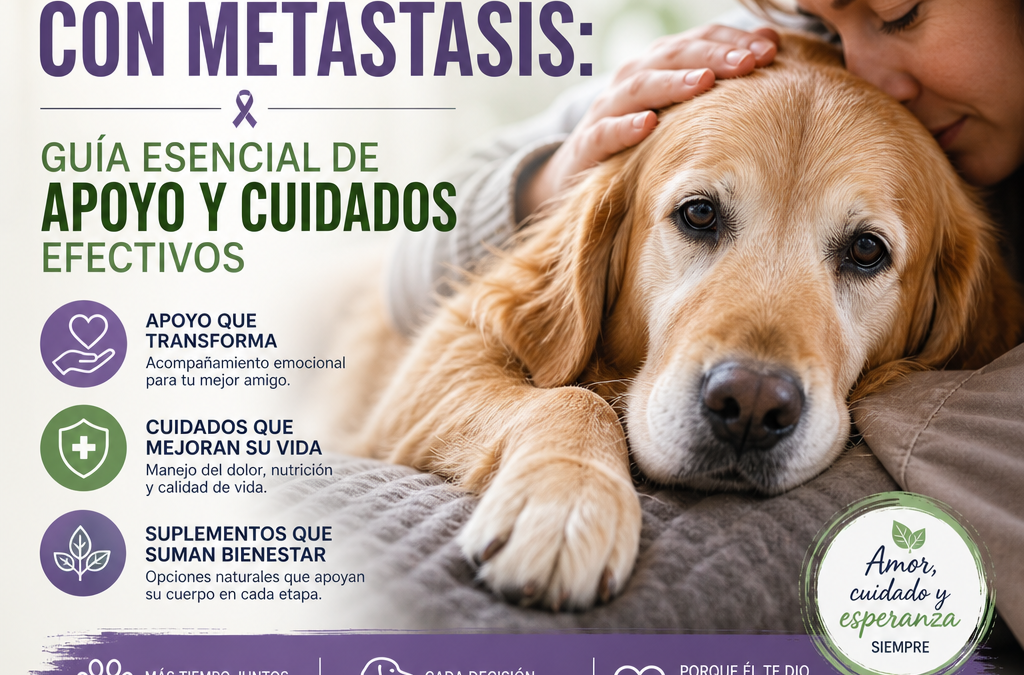
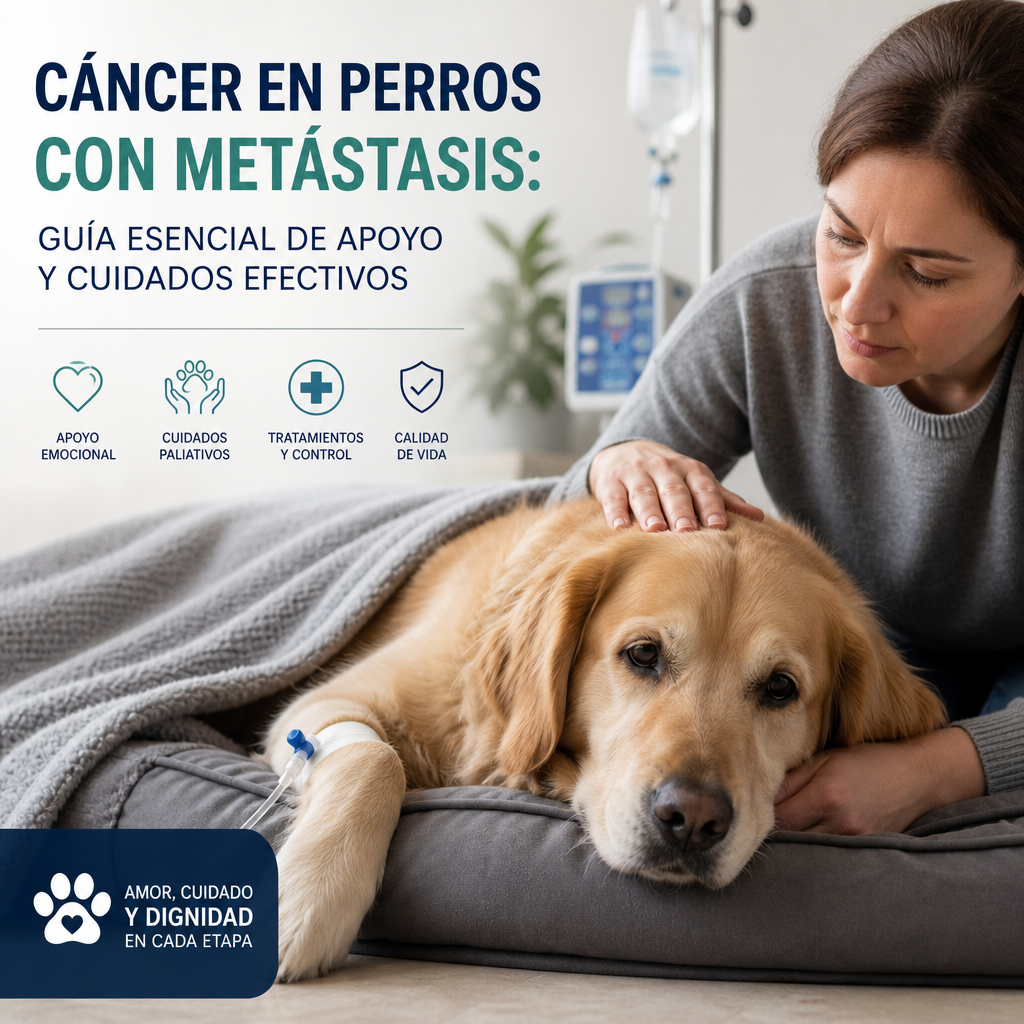
Cáncer perro metástasis apoyo: cuando un perro recibe un diagnóstico oncológico avanzado, toda la familia necesita información clara, acompañamiento y un plan de cuidados realista. La presencia de metástasis significa que las células tumorales se han extendido desde el lugar donde comenzó el cáncer hacia otros tejidos u órganos, pero no implica que no haya nada que hacer. El objetivo del tratamiento puede centrarse en controlar la enfermedad, aliviar el dolor, conservar la movilidad y mantener la mejor calidad de vida posible.
¿Qué significa que un tumor en un perro tenga metástasis?
La metástasis ocurre cuando las células de un tumor primario viajan por la sangre o el sistema linfático y forman nuevos focos tumorales. Los pulmones, el hígado, los ganglios linfáticos y los huesos son algunos de los lugares que pueden verse afectados, aunque la localización depende del tipo de cáncer.
Un tumor perro metástasis requiere una valoración completa. El veterinario puede recomendar análisis de sangre, radiografías, ecografías, tomografía computarizada, citología o biopsia. Estas pruebas ayudan a conocer la extensión de la enfermedad y a determinar si conviene utilizar cirugía, quimioterapia, radioterapia, medicamentos paliativos o una combinación de tratamientos.
Es importante recordar que cada caso es diferente. La edad, el estado general, el tipo de tumor, la velocidad de crecimiento y la respuesta al tratamiento influyen en el pronóstico. La existencia de metástasis suele dificultar la curación, pero todavía pueden existir opciones para reducir síntomas y prolongar el bienestar.
En este punto, el cáncer perro metástasis apoyo debe enfocarse en decisiones informadas, realistas y centradas en el bienestar diario del animal.
Objetivos del tratamiento en el cáncer avanzado
En las fases metastásicas, el tratamiento no siempre busca eliminar por completo el cáncer. En muchos perros, la prioridad es ralentizar la progresión y controlar las molestias. Este enfoque se conoce como tratamiento paliativo y puede incluir analgésicos, antiinflamatorios, medicamentos contra las náuseas, estimulantes del apetito y terapias específicas contra determinados tipos de tumores.
La quimioterapia veterinaria suele administrarse con protocolos adaptados para proteger la calidad de vida. A diferencia de lo que muchas personas imaginan, los perros no siempre experimentan efectos secundarios intensos. Cuando aparecen, pueden incluir falta de apetito, vómitos, diarrea, cansancio o disminución temporal de las defensas. El veterinario debe explicar qué signos requieren atención inmediata.
La cirugía puede ser útil si existe un tumor localizado que provoca dolor, sangrado, obstrucción o dificultad para moverse. Sin embargo, cuando hay múltiples metástasis, es necesario valorar cuidadosamente si una intervención aportará beneficios suficientes frente a los riesgos de la anestesia y la recuperación.
En una etapa así, el cáncer perro metástasis apoyo también implica revisar con frecuencia si el plan sigue siendo proporcionado y amable para el perro.
Control del dolor y de los síntomas
El dolor puede manifestarse de formas sutiles. Algunos perros lloran o cojean, pero otros simplemente duermen más, dejan de subir escaleras, jadean sin motivo aparente, se esconden, cambian de postura con frecuencia o pierden interés por sus actividades habituales. Cualquier cambio persistente debe comunicarse al veterinario.
Pain management may require several medications and periodic adjustments. Human drugs should never be administered on one's own, as some are toxic to dogs even in small amounts. Acetaminophen, ibuprofen, and aspirin can cause serious problems if not used under precise veterinary guidance.
It is also advisable to observe breathing, feeding, hydration, bowel movements, and the ability to rest. Labored breathing, pale gums, repeated vomiting, bleeding, collapse, intense pain, or inability to stand are reasons to seek emergency veterinary services.
When pain is well controlled, cancer dog metastasis support becomes more effective because the dog can rest, eat, and move with less suffering.
Alimentación e hidratación durante la enfermedad
Nutrition does not cure cancer on its own, but it can help maintain strength and better tolerate certain treatments. The most important thing is that the dog eats a complete, balanced, and appropriate diet for its condition. In some cases, the veterinarian may recommend a diet with higher energy density, good quality proteins, or a texture that is easier to accept.
Small, frequent meals may work better than a large portion. It may also be helpful to offer food slightly warmed to enhance its aroma, as long as the animal tolerates it. Abrupt dietary changes should not be made, nor should raw foods be used without assessing the risks of contamination, especially if the dog is undergoing chemotherapy and has low defenses.
Dehydration can worsen fatigue and weakness. Clean, accessible water should be maintained in various places around the house. If the dog is not drinking, vomiting, or has diarrhea, the veterinarian may consider fluid therapy and supportive medications.
If appetite decreases steadily, it is advisable to seek professional guidance as soon as possible; in complex cases, the approach of cancer dog metastasis support helps to decide on dietary and medication adjustments without improvisation.
Suplementos para perros con cáncer: precauciones importantes
Los suplementos para perros con cáncer se han vuelto populares, pero no todos tienen evidencia suficiente ni son seguros para todos los animales. Algunos productos pueden interferir con la quimioterapia, alterar la coagulación, sobrecargar el hígado o los riñones, o modificar la absorción de otros medicamentos.
Before using omega-3, antioxidants, plant extracts, medicinal mushrooms, vitamins, or commercial products, it is essential to consult the veterinary oncologist. “Natural” does not automatically mean harmless. Additionally, doses for dogs should not be calculated based on human recommendations.
A supplement should only be incorporated when there is a specific goal, a veterinary dose, and monitoring. It is also advisable to choose products with quality controls and avoid mixtures with imprecise compositions. The main treatment should never be replaced by supplements, miracle diets, or remedies without medical backing.
En cualquier fase, el apoyo para perros con cáncer y metástasis debe priorizar la seguridad antes que las promesas comerciales.
Cuidados diarios y bienestar emocional
The environment should be comfortable, quiet, and safe. A cushioned bed, non-slip surfaces, and ramps can facilitate rest and reduce the risk of falls. Walks should be adapted to the dog's energy: short, slow, and frequent walks are usually better than long or intense activities.
Affectionate contact, familiar routines, and family companionship can reduce stress. It is not necessary to constantly stimulate them; some dogs need more hours of sleep and quiet spaces. Quality of life includes being able to rest, interact, eat with interest, move reasonably, and enjoy pleasant moments.
Keeping a daily record can help make objective decisions. Appetite, pain, mobility, breathing, vomiting, bowel movements, and moments of interest or joy can be noted. This data allows for detecting changes and discussing with the veterinarian more accurately.
Un apoyo cotidiano constante hace que el apoyo para perros con cáncer y metástasis sea más humano y más útil para toda la familia.
¿Cómo ayuda el apoyo para perros con cáncer y metástasis en la vida diaria?
Cuando la familia entiende qué observar y cómo actuar, el cuidado diario se vuelve más ordenado y menos angustiante. El apoyo para perros con cáncer y metástasis no se limita a dar medicamentos: también implica anticipar necesidades, reducir el esfuerzo físico y ajustar las rutinas para que el perro conserve energía.
For example, it is advisable to place the food and water bowls in an easily accessible location, avoid unnecessary stairs, and offer shorter but more frequent outings. In dogs with weakness or pain, a support harness can facilitate transfers and reduce the risk of falls.
It also helps to reserve moments of calm without excessive visits or noise. Some dogs benefit from a predictable routine, with stable schedules for eating, resting, and receiving medication. This stability can make the process more bearable for both the animal and the family.
If doubts arise about behavioral changes, loss of appetite, or fatigue, cancer dog metastasis support should include quick communication with the veterinarian to adjust the plan before discomfort progresses.
When to request an urgent veterinary check-up?
There are signs that should not wait for the next scheduled appointment. An urgent check-up is advisable if the dog has difficulty breathing, excessive bleeding, seizures, fainting, unrelenting pain, persistent vomiting, a very distended abdomen, or inability to stand.
It is also advisable to consult without delay if the dog stops eating or drinking completely, if dehydration progresses, or if the level of consciousness changes noticeably. In a context of advanced illness, acting quickly can prevent unnecessary suffering and allow timely adjustments to treatment.
In these situations, cancer dog metastasis support includes recognizing limits, asking for help, and not trying to solve the problem alone at home.
Cómo valorar la calidad de vida
Quality of life should be continuously reviewed, not just during crises. A practical tool is to observe if the dog has more good days than bad. Pain, hunger, hydration, hygiene, happiness, mobility, and interaction with the family can also be evaluated.
When symptoms are no longer controlled, the animal cannot rest, stops eating and drinking, suffers persistent pain, or shows more bad days than good, it is necessary to talk to the veterinarian about available options. In some cases, humane euthanasia may be the most compassionate decision to prevent suffering. Considering it does not mean abandoning the dog, but prioritizing its well-being when the disease has progressed too far.
Veterinary support, daily observation, and family affection are essential pillars. In the face of metastatic cancer, caring is not just about treating the tumor, but about protecting every possible day of comfort, dignity, and bond.
If you need a final thought, remember that cancer dog metastasis support does not replace professional care: it complements it with presence, consistency, and dog-centered decisions.
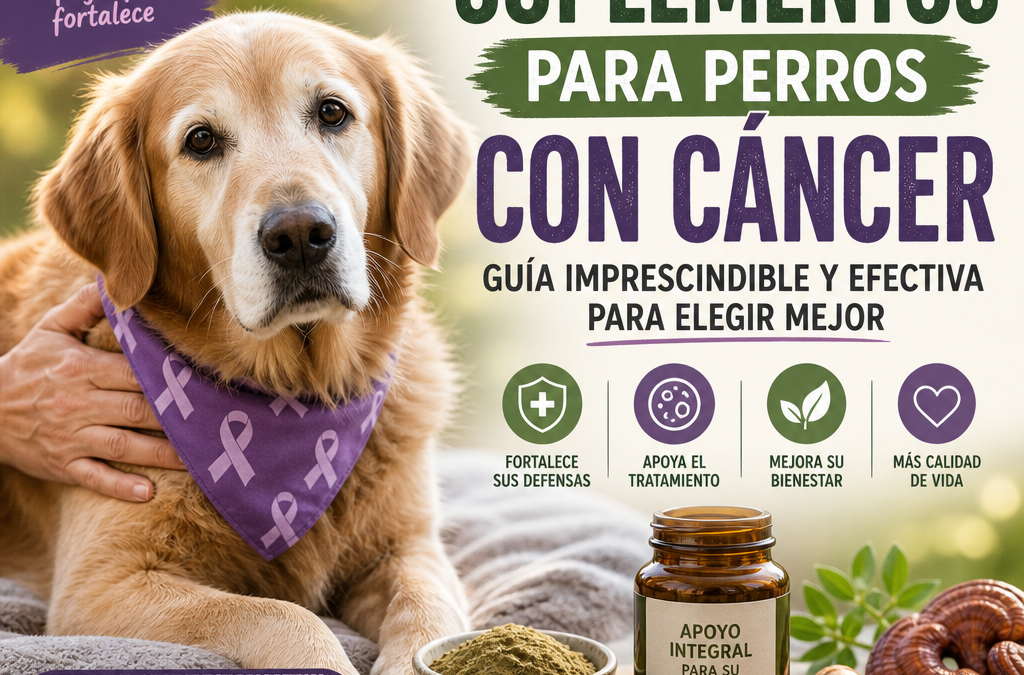
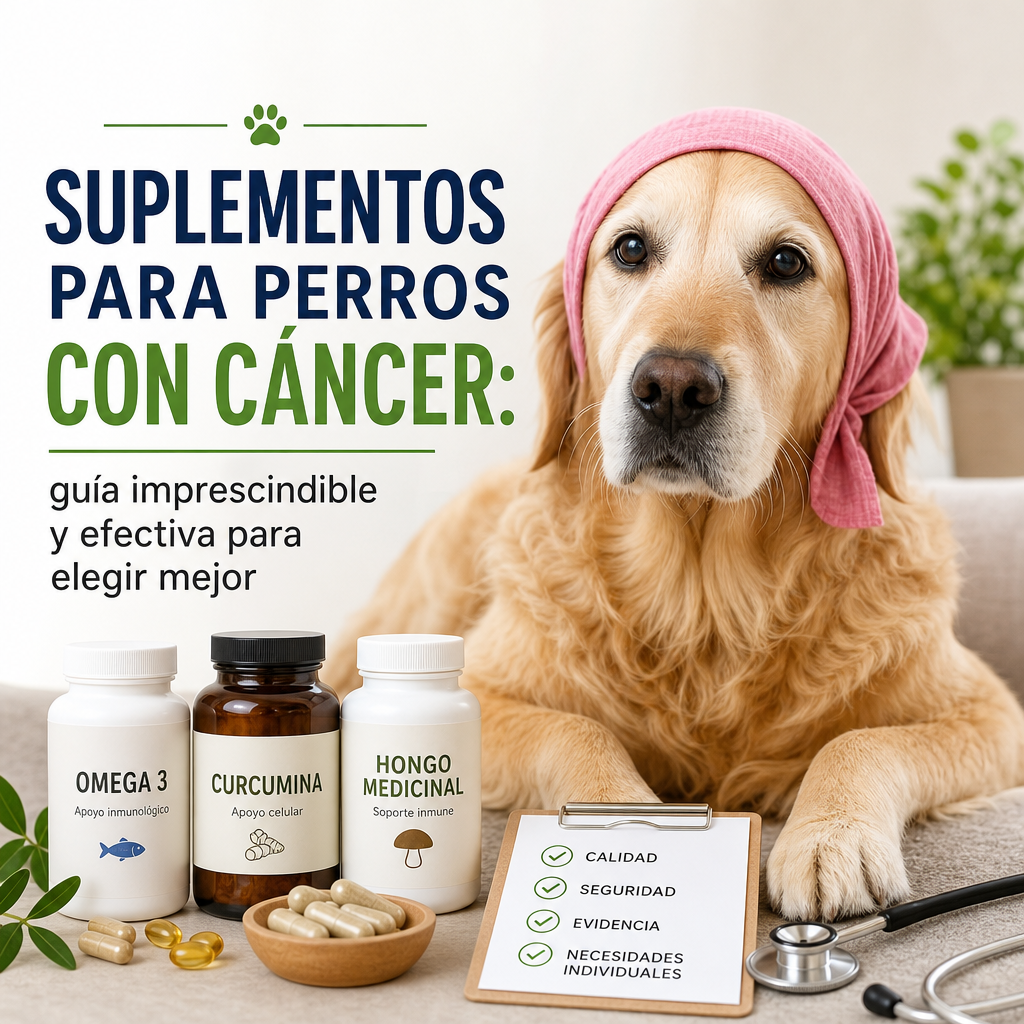
Los suplementos para perros con cáncer pueden complementar el tratamiento veterinario, mejorar el bienestar y ayudar a mantener la calidad de vida, pero no sustituyen la quimioterapia, la cirugía, la radioterapia ni las indicaciones del especialista. Elegirlos correctamente exige valorar el tipo de tumor, el estado general del animal, los medicamentos que recibe y sus necesidades nutricionales. Una decisión informada evita interacciones, gastos innecesarios y posibles riesgos para la salud.
¿Qué función pueden cumplir los suplementos para perros con cáncer?
Un suplemento puede aportar apoyo nutricional durante una etapa en la que el perro presenta menos apetito, pérdida de peso, inflamación, alteraciones digestivas o mayor desgaste físico. Algunos productos están diseñados para complementar la alimentación con ácidos grasos, vitaminas, minerales, antioxidantes, aminoácidos o ingredientes destinados a favorecer la función intestinal.
Sin embargo, ningún suplemento ha demostrado curar por sí solo el cáncer. Su utilidad depende de cada caso y debe entenderse como parte de un plan integral. El objetivo principal es que el perro conserve una condición corporal adecuada, tolere mejor el tratamiento y mantenga una vida lo más cómoda y activa posible.
Antes de incorporar cualquier producto, conviene consultar al veterinario que conoce el historial clínico. La misma sustancia puede ser apropiada para un paciente y poco recomendable para otro, especialmente si existen enfermedades renales, hepáticas, cardíacas o problemas de coagulación.
También es importante recordar que el tiempo de uso, la dosis y la forma de administración influyen en el resultado. En algunos casos, un suplemento se utiliza durante una fase concreta del tratamiento; en otros, se mantiene como apoyo de largo plazo si hay buena tolerancia y un beneficio claro.
Cuando se valoran opciones, los suplementos para perros con cáncer deben encajar con el plan clínico general y con la realidad del día a día del animal. Si el perro ya está comiendo mejor, gana peso o tolera bien el tratamiento, el objetivo puede ser mantener ese progreso sin introducir cambios innecesarios.
Cómo elegir un suplemento para perro con cáncer
La elección debe comenzar por una evaluación profesional y no por la publicidad del producto. Un suplemento para perro con cáncer debe seleccionarse teniendo en cuenta varios factores:
Diagnóstico y tratamiento actual
The type of tumor, its location, and the stage of the disease influence the animal's needs. Additionally, some ingredients may modify the absorption or metabolism of certain drugs. For this reason, it is essential to inform the veterinarian about all products administered, including those sold as natural.
Nutritional status
A dog that is losing weight, muscle mass, or appetite may need a specific nutritional strategy. Sometimes, the problem is not solved with vitamins, but with a more energetic diet, wet food, several small meals, or a plan formulated by a veterinarian specialized in nutrition.
Quality and composition
It is preferable to choose products from reliable manufacturers, with clearly specified ingredients and quality controls. The label should indicate the amount of each component, the recommended dosage according to weight, and usage precautions. Products with opaque proprietary blends make it difficult to know the actual amount the dog receives.
It is also useful to check if the manufacturer provides technical information, batch analysis, or support from a veterinary professional. When comparing several suplementos para perros con cáncer, transparency is often as important as the ingredient list.
Another practical aspect is the ease of administration. Some dogs accept soft capsules well, others prefer powder mixed with food, and others tolerate a liquid presentation better. The best option is usually the one that can be given regularly without causing stress or food rejection.
Finally, it is advisable to read the warnings on the packaging carefully. A serious product explains when it should not be used, what to do if digestive discomfort occurs, and in which cases closer supervision is required. This information helps avoid common mistakes and choose more confidently.
Ingredientes que suelen considerarse como apoyo
Omega-3 fatty acids, especially EPA and DHA from fish oil, are studied for their role in modulating inflammation and maintaining body condition. Not all dogs need the same dosage, and oils can cause digestive discomfort if administered in excess. They should also be used with caution in animals with coagulation disorders or those receiving certain medications.
Probiotics and prebiotics can be useful when there are intestinal disturbances, diarrhea, or changes in the microbiota related to stress and treatments. Their effect depends on the strains used and the specific situation of the animal. A product suitable for a healthy dog may not necessarily be the best during oncological therapy.
Amino acids and protein-rich nutritional supplements can help maintain muscle mass when the patient eats little or loses weight. Still, in dogs with kidney or liver disease, the amount and type of protein must be carefully adjusted.
Some antioxidants, such as vitamins C and E, are marketed to support cellular defenses. However, high doses and indiscriminate combinations can be counterproductive, especially during certain treatments. The veterinarian must decide if they are appropriate, in what amount, and when.
In practice, the suplementos para perros con cáncer More useful are usually those that respond to a specific need: helping with appetite, supporting digestion, or facilitating weight maintenance. This logic of use avoids accumulating products without a clear benefit.
In addition, some patients benefit from formulas aimed at joint support or general well-being, especially when the disease limits their mobility. In those cases, the value of the supplement is not in promising spectacular results, but in offering support compatible with the dog's real condition and routine.
Apoyo perro cáncer: la alimentación es la base
The best support for dogs with cancer usually starts with a complete, balanced diet tailored to their tolerance. Many animals accept wet food better, slightly warm foods, or small portions distributed throughout the day. It is important to avoid sudden changes, as they can increase nausea or diarrhea.
Hydration is also essential. Water should always be available, and if the veterinarian deems it appropriate, strategies can be used to stimulate intake, such as adding moisture to the food. When the dog goes too long without eating, vomits repeatedly, or cannot keep water down, veterinary attention is needed.
Pain control, nausea, constipation, and anxiety are essential parts of well-being. Sometimes, improving these symptoms has a much greater impact than adding several supplements to the diet.
At this point, it is worth remembering that the suplementos para perros con cáncer work better when they accompany a well-planned nutritional base. Without an adequate diet, even the most complete product loses practical effectiveness.
In addition, a stable meal routine can help the dog maintain appetite and better accept treatment. In many cases, the veterinarian also assesses whether it is advisable to use high-energy density foods or specific formulas for oncology patients, always according to digestive tolerance and body condition.
A useful strategy is to observe which schedules, textures, and temperatures are more acceptable. Some dogs eat better in the morning; others prefer several small portions. Adjusting these details can make a real difference without the need to add too many products at once.
If the animal shows muscle mass loss, monitoring weight alone may not be sufficient. In those cases, the veterinarian may assess body condition, muscle mass, and overall progression to decide whether to reinforce the diet before considering more. suplementos para perros con cáncer.
Ingredientes y prácticas que requieren precaución
“Natural” does not necessarily mean safe. Medicinal plants, concentrated extracts, and human products can cause toxicity, affect the liver or kidneys, and alter the action of medications. Some supplements also contain xylitol, a dangerous sweetener for dogs, or excessive doses of minerals and vitamins.
Human medications or products intended for other species should never be administered without professional authorization. It is also not advisable to combine several supplements with similar ingredients, as unnecessary accumulation may occur.
During chemotherapy or radiotherapy, any antioxidant, herb, or immunostimulant product should be reviewed with the veterinary oncologist. The priority is not to interfere with the main treatment or delay a necessary intervention.
If you want to expand your information on the clinical basis of oncological management, you can consult the AVMA pet cancer guide, a useful veterinary reference for understanding the overall treatment approach.
It is also advisable to be wary of absolute promises. Phrases like “cure,” “repair,” or “eliminate” the problem are often a sign of aggressive marketing, not scientific backing. In an oncological context, caution always outweighs the spectacularity of the packaging.
When the tutor has doubts, the most sensible thing is to bring the complete label to the consultation. This way, the professional can review the composition, detect possible interactions, and decide if that product makes sense within the current treatment.
Señales para suspender un suplemento
Aunque un producto parezca bien tolerado, hay que vigilar cambios en el comportamiento y la salud. Vómitos, diarrea persistente, picor, hinchazón, decaimiento intenso, sangrado, dificultad respiratoria o empeoramiento repentino requieren suspender la administración y contactar con el veterinario.
También conviene llevar un registro sencillo de la dosis, la fecha de inicio, el apetito, el peso, las heces y cualquier reacción observada. Esta información permite evaluar si el suplemento aporta un beneficio real o si debe cambiarse.
Cuando se documentan bien los cambios, es más fácil distinguir si los suplementos para perros con cáncer están ayudando o si el problema está relacionado con la dieta, la medicación o la progresión de la enfermedad.
Si aparecen efectos secundarios leves al principio, como una pequeña molestia digestiva, el veterinario puede indicar ajustes de dosis o un cambio de producto. En cualquier caso, la observación temprana ayuda a actuar con rapidez y a proteger la seguridad del paciente.
En casa, una buena práctica es revisar si el problema aparece siempre tras la misma toma o si coincide con otros cambios, como un nuevo alimento, una modificación de medicación o un episodio de estrés. Ese tipo de seguimiento aporta pistas muy útiles para la consulta veterinaria.
Preguntas frecuentes sobre suplementos y tratamiento
¿Se pueden usar varios suplementos a la vez?
Only if the veterinarian deems it necessary. Using multiple products at once can duplicate ingredients, increase costs, and complicate the detection of adverse effects. In general, it is preferable to start with a specific need and evaluate the response before adding more things.
Does a supplement replace a complete diet?
No. Supplements are designed to complement an adequate diet, not to replace it. If the dog is not eating well, the problem usually requires a broader review of the nutritional plan.
Are they effective for all types of cancer?
Not necessarily. The value of the suplementos para perros con cáncer changes depending on the tumor, the dog's condition, the medications in use, and the presence of other diseases. That is why the recommendation should be individualized.
What happens if the dog takes a “natural” supplement without supervision?
Nothing may happen, but there may also be interactions, digestive irritation, or unwanted effects. The label does not always reflect the real risk, so professional supervision remains important.
When is it advisable to prioritize nutritional support over the supplement?
When there is loss of appetite, food rejection, weight loss, or weakness, it is usually more useful to first correct the nutritional base. In many cases, a better-adapted diet provides more benefit than adding several isolated products.
What to review before buying
Before buying, it's advisable to ask yourself these questions: Is the objective clear?, Is the dosage easily understood?, Does the product mention possible interactions?, Is there information about purity or quality controls?, Has the veterinarian approved it for this specific case? These checks reduce the margin of error.
Verify that the product is specific for dogs and not for humans.
Check that the label indicates dosage, concentration, and complete ingredients.
Avoid formulas with extensive mixtures if they do not explain the actual amount of each component.
Confirm if it can be administered alongside the current treatment.
Observe for several days if there is adequate digestive tolerance and appetite.
Taking these steps helps ensure that the suplementos para perros con cáncer are a supportive tool and not an unnecessary addition.
It is also advisable to keep the original packaging and note the batch, expiration date, and prescribed dosage. This habit facilitates clinical follow-up and allows for quick detection of any problems with the product or the dog's response.
When comparing one option to another, it is not enough to look at whether the packaging is attractive or if the formula includes many ingredients. Often, a simpler and well-explained composition is preferable to a complex mixture that is difficult to interpret.
Si el perro ya está tomando otros productos de apoyo, conviene revisar la lista completa antes de hacer una compra nueva. De ese modo se evita repetir ingredientes y se mantiene una estrategia más ordenada y segura.
Una decisión responsable y personalizada
Los suplementos para perros con cáncer pueden ser útiles cuando responden a una necesidad concreta y se integran en un plan veterinario. La mejor elección no es necesariamente el producto más caro ni el que promete resultados extraordinarios, sino aquel cuya composición, dosis y objetivo están claramente definidos.
El acompañamiento adecuado combina diagnóstico, tratamiento oncológico, nutrición, control de síntomas, actividad adaptada y observación diaria. Con orientación profesional y expectativas realistas, los suplementos pueden convertirse en una herramienta complementaria para proteger el bienestar del perro sin reemplazar la atención médica que necesita.
Si se usan con criterio, los suplementos para perros con cáncer pueden formar parte de un cuidado más completo, prudente y centrado en la calidad de vida. Esa sigue siendo la meta principal: apoyar al animal sin comprometer su seguridad.
En resumen, una decisión responsable prioriza la seguridad, la evidencia disponible y la situación clínica real del perro. Cuando el plan se adapta al paciente, el tutor gana tranquilidad y el animal recibe un apoyo más útil y coherente.
En este contexto, los suplementos para perros con cáncer no son una solución milagrosa, pero sí pueden ser un complemento valioso dentro de un manejo bien supervisado.
Choose calmly, review the composition, and seek professional guidance are simple steps that greatly improve decision-making. Thus, nutritional support is used more intelligently and with less room for avoidable errors.