por TCMVET | Hace 20 de agosto de 2026 | Investigación y noticias
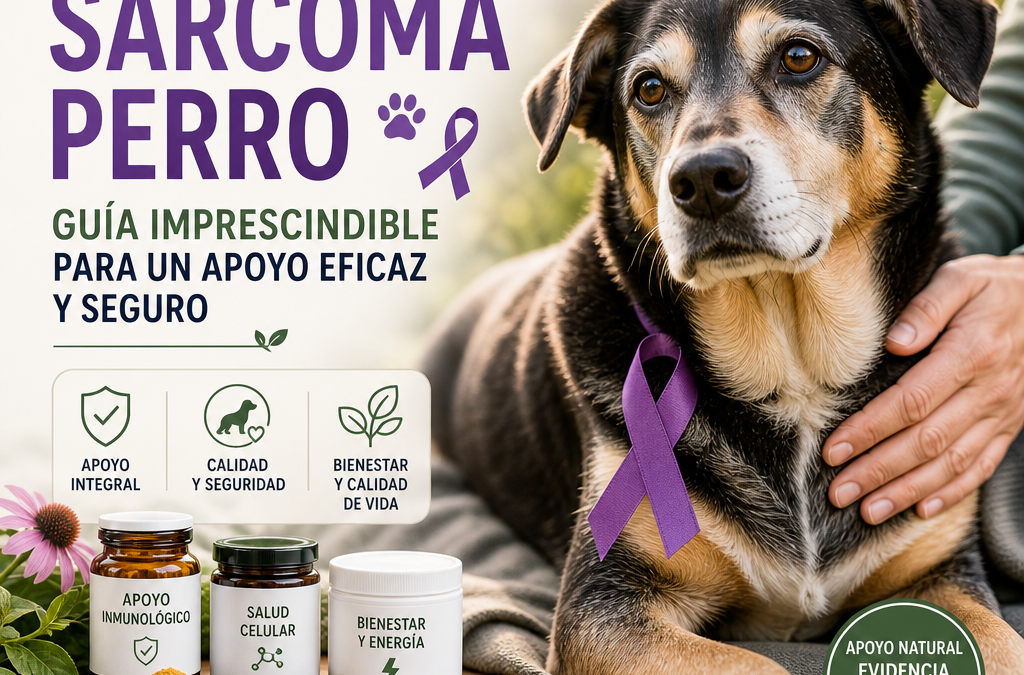
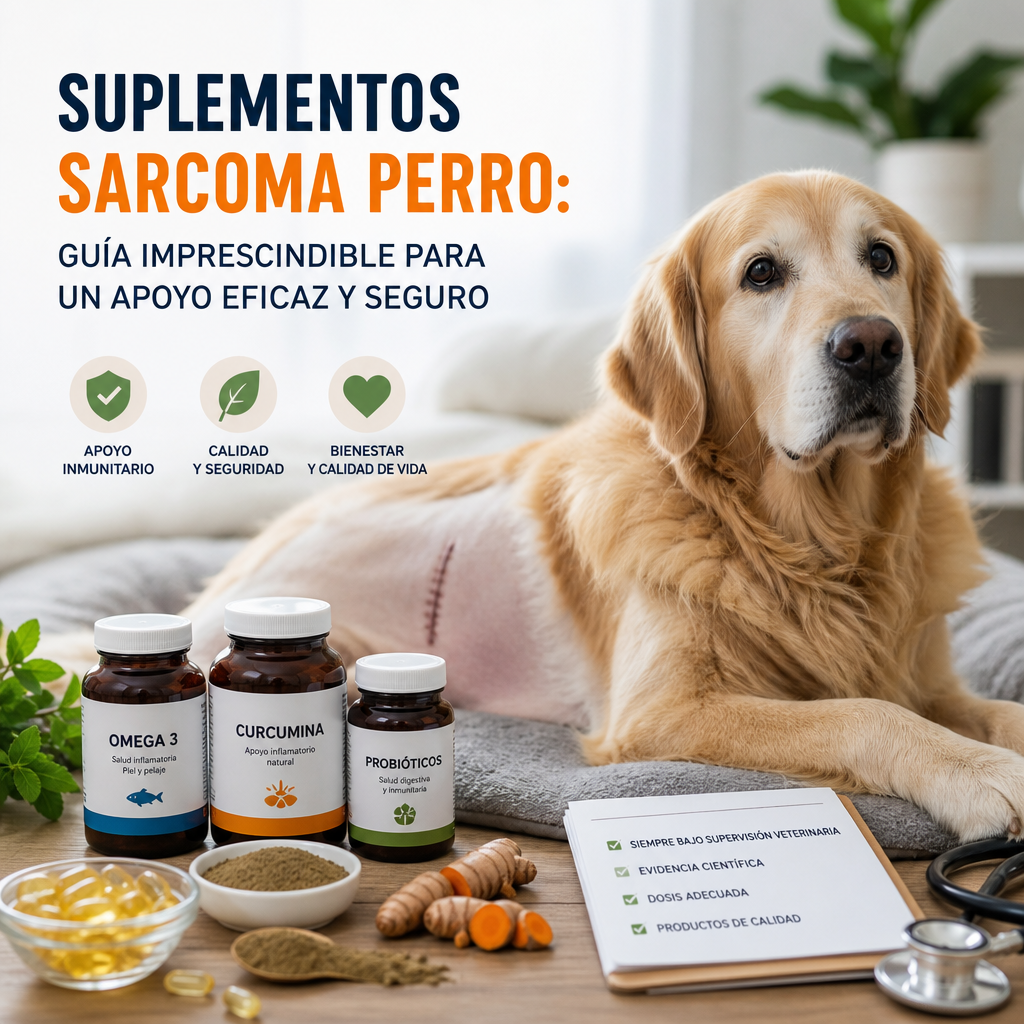
Los supplements sarcoma dog They are an increasingly common search among families who wish to improve their animal's well-being during diagnosis, treatment, or recovery. However, no supplement replaces surgery, chemotherapy, radiotherapy, or veterinary follow-up. Its function can be to support specific aspects, such as nutrition, muscle mass, digestion, or quality of life, as long as it is chosen individually and its safety is monitored.
In a case of soft tissue sarcoma, the main goal is not to accumulate products, but to build a realistic plan. This involves assessing the type of tumor, the clinical stage, the dog's appetite, its weight, its digestive tolerance, and the medications it receives. With that information, the supplements sarcoma dog can become a useful aid, but only within a well-designed veterinary strategy.
What is sarcoma in dogs?
Sarcoma is a type of tumor that originates in tissues such as muscle, fat, fibrous tissue, blood vessels, nerves, or bones. Among the most well-known is soft tissue sarcoma, which can appear as a mass under the skin or in deeper structures.
Not all sarcomas behave the same way. Some grow slowly and have a low probability of spreading, while others are more invasive. For this reason, diagnosis often requires cytology, biopsy, imaging tests, and, in certain cases, studies to assess whether metastasis exists.
Treatment depends on factors such as size, location, tumor grade, surgical margins, and the dog's overall condition. Surgery is usually one of the main options, although it can be combined with radiotherapy or chemotherapy.
After diagnosis, many families look for ways to better support their dog. At this stage, the supplements sarcoma dog can be part of a broader clinical conversation in which diet, pain management, physical activity, and quality of life goals are also reviewed.
Dog sarcoma supplements: what they can provide
Supplements do not eliminate the tumor, but in some cases, they can help meet specific needs. A dog with cancer may lose appetite, weight, or muscle mass, experience digestive discomfort, or have increased nutritional needs. Additionally, surgery and other treatments can create demanding recovery periods.
The realistic goal of a supplement is to provide support, not to promise a cure. Some products may contribute to:
- Maintaining adequate nutrient intake.
- Promoting the preservation of muscle mass.
- To support digestive function.
- Improving the palatability of the diet.
- Helping to cover confirmed deficiencies.
- Supporting recovery after an intervention.
The choice should be based on the animal's clinical situation, its analyses, the medications it receives, and the type of food it consumes.
When reviewing options for supplements sarcoma dog, it is advisable to first think of concrete and measurable objectives: eating better, losing less weight, tolerating treatment better, or gradually regaining energy.
It is also useful to prioritize. If the dog is already eating well and maintaining its weight, it may not need a broad nutritional supplement. On the other hand, if there is muscle loss, nausea, or diarrhea, the approach should be more specific. In that context, the supplements sarcoma dog only add value when they address a real need.
Soft tissue sarcoma dog nutritional support
When looking for supplements sarcoma dog to support the process, nutrition should be a priority. A complete and balanced diet, tailored to age, weight, activity, and concurrent diseases, forms the basis of any support strategy.
During the oncological process, some dogs eat less due to pain, stress, nausea, or changes in smell and taste. In these cases, the veterinarian may recommend foods with higher energy density, more appealing textures, or several small meals a day. If weight loss is significant, it may also be necessary to use veterinary recovery diets.
Protein is especially important for preserving muscle mass, but the amount and source should be tailored to each patient. A dog with kidney, liver, or digestive disease may need specific restrictions. Therefore, it is not advisable to increase protein or drastically modify the diet without professional supervision.
In some patients, the nutritional plan benefits from periodic review, especially if treatment changes or if nausea, diarrhea, constipation, or a marked decrease in appetite occurs. In that context, the supplements sarcoma dog may be useful only if they fit a real need and do not displace the base diet.
The Manual Veterinario Merck provides useful general clinical information to understand how tumors, nutrition, and therapeutic support are evaluated in veterinary medicine.
Additionally, a well-designed support plan also helps prevent common mistakes: giving too many products at once, choosing formulas without clear labeling, or trying to compensate for an insufficient diet solely with supplements. In a case of soft tissue sarcoma, consistency in feeding is often more valuable than the accumulation of ingredients.
If there is a loss of appetite, the veterinarian may consider additional strategies such as adjusting schedules, lightly warming the food to enhance aroma, or using a more palatable veterinary diet. At that stage, the supplements sarcoma dog should be considered a support and not the center of treatment.
When recovery is slow, it is also advisable to review the daily routine. Rest, comfort of the space, easy access to water, and the ability to eat without discomfort greatly influence the overall response. Therefore, a plan with supplements sarcoma dog works better if accompanied by practical adjustments at home.
Ingredients that are studied most frequently
Some ingredients frequently appear in formulas intended for the nutritional support of dogs with cancer. Their usefulness depends on the available evidence and the characteristics of the animal.
Omega-3 fatty acids, especially EPA and DHA from marine oils, can contribute to maintaining a balanced inflammatory response and the health of the skin, coat, and joints. However, high doses can cause digestive disorders or interfere with coagulation under certain circumstances.
Antioxidants, such as vitamins C and E, vitamin A, selenium, or certain polyphenols, are also included in some products. However, “more antioxidants” does not always mean “more benefits.” In animals undergoing chemotherapy or radiation therapy, the use of high doses should be reviewed with the veterinary oncologist, as some treatments generate part of their effect through oxidative processes.
Fiber supplements or probiotics can be useful if there are digestive disturbances, diarrhea associated with treatments, or sudden changes in diet. Their use should be tailored to the specific problem, as not all probiotics have the same composition or the same evidence.
In some contexts, the real need is not to add more ingredients, but to choose the right ones. Therefore, before buying supplements sarcoma dog, it is worth checking if the animal is already receiving a complete diet with sufficient nutrients and if there is a clear clinical reason to incorporate an additional product.
For more general information on evidence-based nutrition in dogs, you can consult the global nutrition guide from WSAVA can be consulted., a useful reference to contextualize dietary support in veterinary medicine.
If the dog has digestive discomfort, gentle and well-tolerated ingredients are usually preferable to complex formulas. On the other hand, if the goal is to support the body condition during a long process, the veterinarian may consider more complete combinations. In both cases, the supplements sarcoma dog should be chosen for their clinical usefulness, not for their popularity.
Dog sarcoma supplement: how to choose it safely
Before administering any supplement for dog sarcoma, it is important to review several aspects. First, the label should clearly indicate the ingredients, the amount per dose, the batch, and the usage recommendations. Products of dubious origin may contain variable concentrations, contaminants, or undeclared substances.
También conviene evitar los complementos que prometen “destruir el cáncer”, “curar tumores” o sustituir tratamientos veterinarios. Estas afirmaciones suelen carecer de respaldo científico y pueden retrasar decisiones importantes.
La dosis debe calcularse según el peso, la edad, la función renal y hepática, y el estado general del perro. Un producto seguro para un animal puede no serlo para otro. Además, algunos suplementos interactúan con fármacos, antiinflamatorios, anticoagulantes o medicamentos utilizados durante la quimioterapia.
Es recomendable introducir un solo producto cada vez. Así resulta más fácil identificar si produce beneficios, molestias digestivas, cambios en el apetito o cualquier reacción adversa.
También merece la pena valorar si el complemento aporta un beneficio medible. Cuando los supplements sarcoma dog se usan sin objetivo concreto, es más difícil saber si están ayudando de verdad o si solo añaden coste y complejidad al plan de cuidados.
En perros mayores o con otras enfermedades, la prudencia debe ser todavía mayor. Un historial de vómitos, insuficiencia renal, pancreatitis o alteraciones de coagulación puede cambiar por completo la elección del producto. Por eso, incluso una fórmula bien comercializada puede no ser adecuada en un caso concreto de supplements sarcoma dog.
Una buena pregunta para la consulta es: “¿Qué problema concreto quiero resolver con este producto?”. Si la respuesta no es clara, quizá no exista una necesidad real. Este criterio ayuda a evitar compras innecesarias y a mantener los supplements sarcoma dog dentro de un enfoque práctico y seguro.
Precautions and warning signs
Los suplementos pueden causar vómitos, diarrea, estreñimiento, pérdida de apetito o reacciones alérgicas. Si aparecen debilidad intensa, sangrado, dificultad respiratoria, vómitos persistentes, inflamación facial o empeoramiento repentino, se debe contactar con un veterinario de inmediato.
Nunca deben utilizarse productos humanos sin comprobar su seguridad. Algunos contienen xilitol, cafeína, vitamina D en cantidades peligrosas, hierro u otros componentes tóxicos para los perros. Tampoco es aconsejable combinar varios complementos con ingredientes repetidos, ya que puede producirse una sobredosificación inadvertida.
El seguimiento debe incluir controles de peso, apetito, hidratación, actividad, dolor y calidad de vida. En algunos casos, el veterinario solicitará análisis de sangre para comprobar la función de los órganos y valorar la tolerancia al tratamiento.
Si el animal toma medicación oncológica o analgésica, cualquier cambio debe comentarse antes de iniciar un nuevo producto. La prudencia es especialmente importante cuando se utilizan supplements sarcoma dog junto con terapias complejas o en pacientes frágiles.
Cuando aparecen efectos adversos, suspender el producto y consultar cuanto antes suele ser la decisión más segura. No todos los síntomas significan una reacción grave, pero sí indican que el plan debe revisarse. En este contexto, la observación diaria puede marcar la diferencia entre una molestia leve y una complicación mayor.
It is also important to remember that an apparent improvement does not always mean that the supplement is the cause. Sometimes the dog feels better due to pain adjustment, dietary changes, or the natural progression of treatment. That is why, even when it seems that the supplements sarcoma dog help, it is advisable to maintain a critical and periodic assessment.
A comprehensive approach to well-being
The support of a dog with sarcoma does not solely depend on supplements. Pain management, rest, adapted mobility, wound hygiene, and environmental enrichment are equally important. Maintaining calm routines and providing a comfortable place can reduce stress during recovery.
The diet should be appealing and easy to consume, while exercise should be adjusted according to medical advice, especially after surgery. Daily observation allows for the detection of changes before they become major problems.
Communication with the veterinary team also improves outcomes. If the dog refuses food, vomits, loses weight, or seems more painful, that information is as valuable as any list of ingredients. Sometimes, the most helpful plan is to simplify, not to add more things.
In short, the supplements sarcoma dog They can play a complementary role when responding to a specific need and are used under veterinary supervision. The safest strategy combines a precise diagnosis, an appropriate oncological treatment, a complete diet, and continuous monitoring of quality of life. Each dog needs an individual plan, and caution should always take precedence over commercial promises.
If the goal is to improve well-being with realistic expectations, the key is to review each step: what the dog eats, what medication it receives, how it tolerates treatments, and whether the chosen product really adds something. Thus, the supplements sarcoma dog go from being an impulsive purchase to becoming a reasoned aid within a well-supervised veterinary plan.
Before buying or administering any product, it is worth asking about its exact composition, the expected duration, possible adverse effects, and the follow-up method. With those answers, the supplements sarcoma dog cease to be a generic solution and are integrated into safer, more useful, and more humane clinical decisions.
por TCMVET | Hace 18 de agosto de 2026 | Investigación y noticias
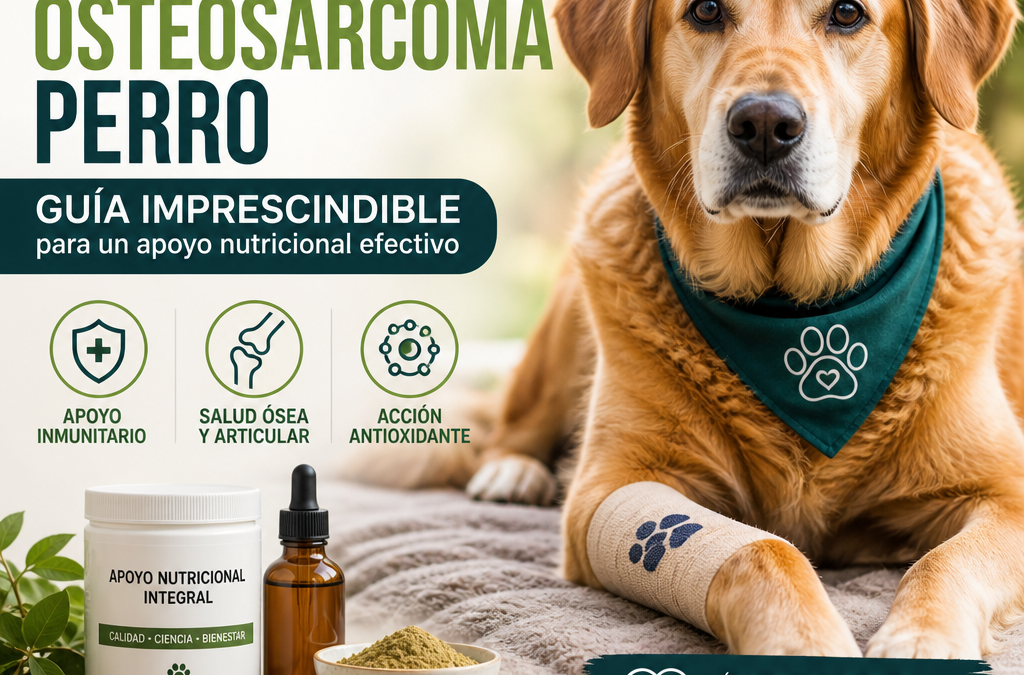
Osteosarcoma dog supplements: nutritional support can play an important role during the treatment of osteosarcoma, one of the most common and aggressive bone neoplasms in dogs. However, no supplement replaces surgery, chemotherapy, radiation therapy, painkillers, or veterinary follow-up. Its function should be understood as complementary: helping to maintain body condition, protecting muscle mass, promoting overall well-being, and covering specific needs when the animal is not eating adequately.
What is osteosarcoma in dogs?
Osteosarcoma is a cancer that originates in bone tissue. It most commonly affects large or giant dogs and can appear in the limbs, although it can also be located in other areas of the skeleton. The most common signs include persistent lameness, pain, localized swelling, difficulty getting up, and decreased willingness to walk or play.
Diagnosis usually requires imaging tests, such as X-rays or CT scans, in addition to blood tests and, in certain cases, a biopsy. Treatment depends on the location of the tumor, the presence of metastasis, the age of the animal, and its overall condition. Amputation and chemotherapy are common options, but the plan should be individualized.
Osteosarcoma dog supplements: what objectives can they have
When discussing osteosarcoma dog supplements, it is important to set realistic expectations. These products do not destroy the tumor nor have they been shown to cure cancer on their own. Their usefulness may focus on supportive objectives, such as the following:
– Maintain an adequate body weight.
– Reduce muscle mass loss.
– Improve tolerance to gentle exercise.
– Support joint health and mobility.
– Contribute to nutritional balance during periods of low appetite.
– Promote recovery after an intervention.
– Help control certain deficits confirmed through analysis.
Selection should be made according to the treatment the dog is receiving. Some nutrients may interact with medications, affect coagulation, or modify the response to treatment. Therefore, the recommendation of a veterinarian specialized in oncology or clinical nutrition is especially valuable.
Nutrition before and during treatment
Before adding any product, it is advisable to review the complete diet. A good quality commercial diet, suitable for the age, size, and clinical condition, usually provides a balanced foundation. In dogs with cancer, the veterinarian may consider a diet with sufficient protein, high energy density, and good palatability.
Protein helps preserve muscle mass, while sufficient calories prevent the body from using its own tissues as an energy source. If there is weight loss, nausea, or lack of appetite, moist foods, small and frequent meals, or therapeutic diets may be necessary.
It is not advisable to impose sudden dietary changes during chemotherapy. Modifications should be made gradually, unless the veterinary team indicates otherwise. It is also important to record weight, appetite, bowel movements, vomiting, and activity level to detect changes quickly.
When the dog tolerates food worse, a simple strategy may be to offer the meal in several small portions, slightly warm it to enhance the aroma, and avoid very fatty or indiscriminate treats. In these cases, the priority is to maintain a constant and safe intake, not to seek quick solutions. A well-designed nutritional plan can make osteosarcoma dog supplements a useful support and not an additional burden on the body.
Bone cancer dog supplements: options that are most frequently considered
The expression dog bone cancer supplements encompasses different alternatives, but not all have the same support nor are appropriate for all patients.
Omega-3 fatty acids
Omega-3, especially EPA and DHA from fish oil, can be considered for their anti-inflammatory properties and their potential usefulness in maintaining body condition. In some dogs, they may also contribute to joint support.
The dosage should be calculated based on weight, the actual content of EPA and DHA, and the health status of the animal. Low-quality products may be oxidized or contain insufficient amounts. Additionally, high doses can cause digestive discomfort or influence coagulation, so they should be used with caution before surgery.
In clinical practice, this type of support is particularly valued when there is loss of body condition, persistent inflammation, or difficulty in maintaining adequate intake. Still, veterinary follow-up remains essential to adjust the diet and avoid unnecessary excesses.
Antioxidants
Antioxidants, such as vitamins E and C, are part of many formulas aimed at general support. However, during certain oncological treatments, there is debate about the use of high doses, as some treatments may act partially through mechanisms related to oxidative stress.
This does not mean that all antioxidants are prohibited, but their use should be cautious and supervised. It is never advisable to administer megadoses on your own initiative.
Apoyo articular y movilidad
Glucosamine, chondroitin, collagen, and other ingredients are commonly used for joint health. They may be helpful in dogs with joint wear or difficulty moving, but they do not treat bone tumors. In a patient with pain, the priority is to establish an effective veterinary pain management plan; a joint supplement should not replace it.
In some patients, the goal is for the dog to move more comfortably to eat better, rest better, and maintain a minimal activity routine. Therefore, dog osteosarcoma supplements often make more sense when integrated into a comprehensive approach to mobility, analgesia, and nutrition.
Vitamins and minerals
Vitamins and minerals are necessary for multiple functions, but supplementing them without knowing the diet or analytical results can lead to imbalances. Calcium, phosphorus, vitamin D, and other nutrients are involved in bone metabolism, although providing more does not mean improving the bone affected by cancer.
Mineral supplements should only be administered when there is a clear indication. In some cases, an excess can harm the kidneys, alter the absorption of other nutrients, or complicate the management of certain diseases.
To expand safety criteria and responsible use, the global nutrition guide from WSAVA can be consulted., can also be consulted, which helps assess nutrition in veterinary patients.
Osteosarcoma dog support: measures that also matter
The dog osteosarcoma support does not depend solely on nutritional capsules or powders. The environment and daily care have a considerable influence on quality of life.
A cushioned and easily accessible bed can reduce pressure on the joints. Non-slip surfaces help prevent falls, especially after an amputation or when there is weakness. Walks should be short, controlled, and adapted to the level of pain, avoiding jumps and runs.
Pain management is essential. A dog that pants at rest, hides, changes position continuously, stops eating, or avoids contact may be experiencing significant discomfort. These signs should be communicated to the veterinarian, as there are different analgesic options, and not all are suitable for every patient.
It is also advisable to monitor the surgical wound, maintain a calm routine, and offer affectionate contact without forcing the animal. Professional rehabilitation can help regain mobility and confidence, especially after an amputation.
Communication with the clinical team also improves overall progress. If the dog loses appetite, appears more tired, or changes the way it supports a limb, it is advisable to notify as soon as possible. Detecting these changes in time allows for adjustments to both treatment and nutritional support, including dog osteosarcoma supplements when they truly add value.
How to choose a supplement safely
Before purchasing a product, it is advisable to review several aspects:
1. Complete composition: must clearly indicate the ingredients and their quantities.
2. es importante evitar productos que hagan afirmaciones exageradas sobre sus beneficios. Información sobre el osteosarcoma:.
3. es fundamental entender la enfermedad para poder tomar decisiones informadas. Frases como “cura el cáncer” o “elimina tumores” son señales de alarma.
4. Compatibility with treatment: El veterinario debe conocer todos los productos administrados.
5. Adequate dosage: No debe extrapolarse la dosis humana al perro.
6. Monitoring: Hay que observar apetito, vómitos, diarrea, energía y cambios de peso.
Natural products are not exempt from risks either. Some plants can be toxic, alter blood pressure, affect the liver, or interfere with medications. “Natural” does not automatically mean safe.
Si el objetivo es mejorar el confort diario, suele ser más prudente elegir pocos productos, bien justificados y fáciles de administrar, que acumular fórmulas distintas sin una meta clara. En el manejo del cáncer óseo, los suplementos para perros, la simplicidad y la supervisión suelen ofrecer mejores resultados que la improvisación.
Warning signs during supplementation
If persistent vomiting, severe diarrhea, itching, facial swelling, marked apathy, bleeding, rapid weight loss, or complete refusal of food occurs after starting a supplement, administration should be suspended until consulting with the veterinary team. In case of respiratory difficulty, severe pain, or sudden inability to support a limb, attention should be immediate.
The ultimate goal is not to add as many products as possible, but to provide rational, safe, and tailored support. A complete diet, pain management, oncological monitoring, and a comfortable environment often take precedence over any isolated supplement. With professional guidance, the osteosarcoma dog supplements pueden integrarse de forma responsable dentro de un plan global centrado en la comodidad y la calidad de vida. Cuando se usan bien, los suplementos para osteosarcoma en perros pueden acompañar el tratamiento sin sustituirlo y ayudar a sostener al paciente en cada etapa.
por TCMVET | Hace 13 de agosto de 2026 | Investigación y noticias
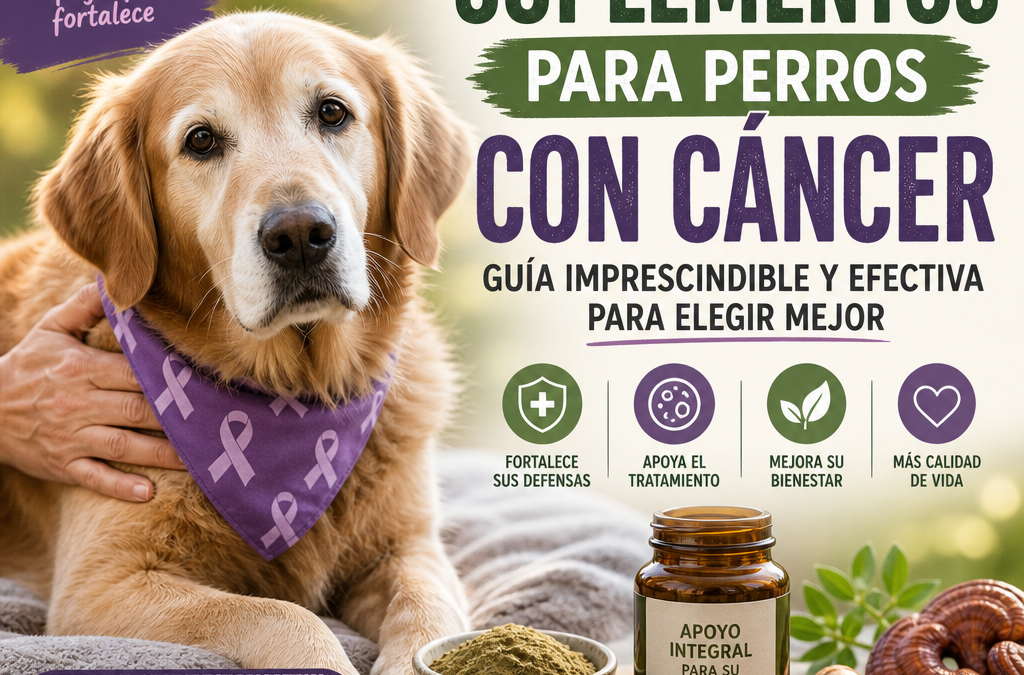
Los suplementos para perros con cáncer pueden complementar el tratamiento veterinario, mejorar el bienestar y ayudar a mantener la calidad de vida, pero no sustituyen la quimioterapia, la cirugía, la radioterapia ni las indicaciones del especialista. Elegirlos correctamente exige valorar el tipo de tumor, el estado general del animal, los medicamentos que recibe y sus necesidades nutricionales. Una decisión informada evita interacciones, gastos innecesarios y posibles riesgos para la salud.
¿Qué función pueden cumplir los suplementos para perros con cáncer?
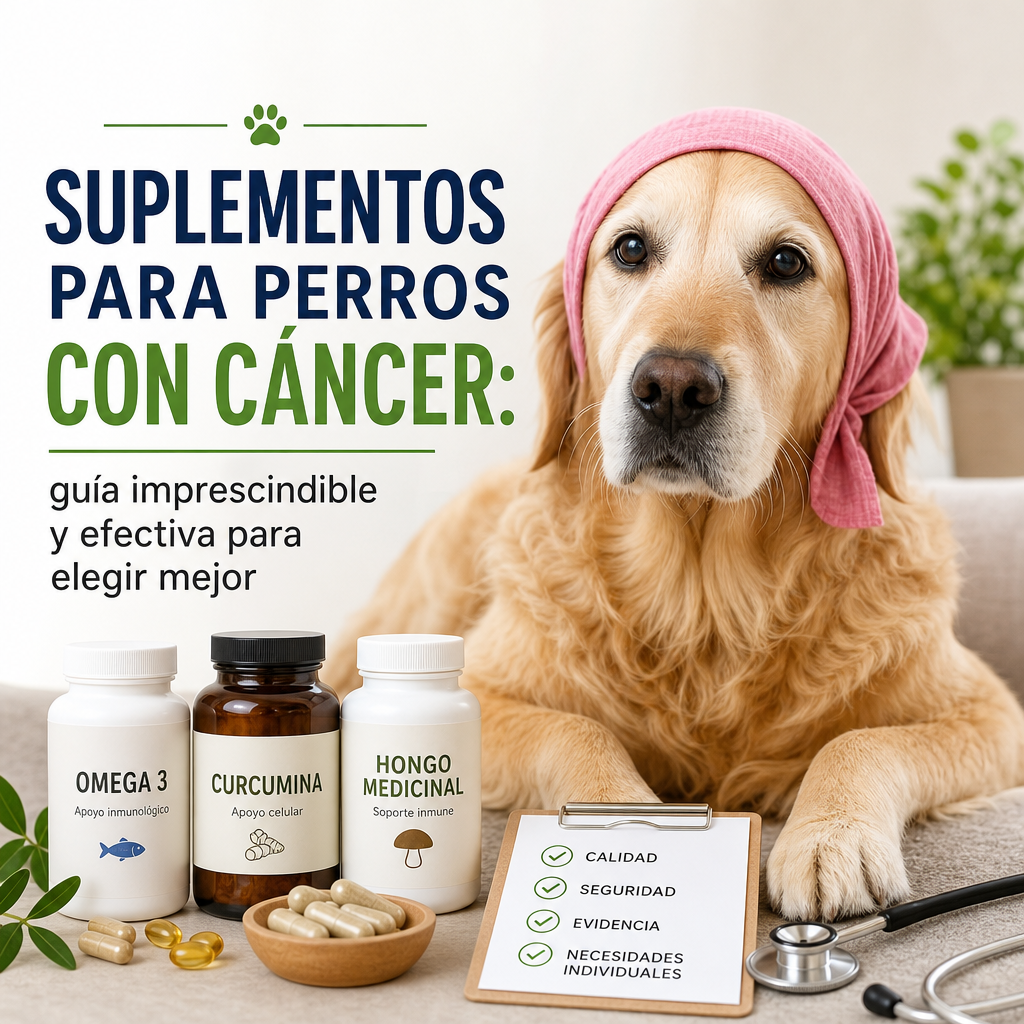
Un suplemento puede aportar apoyo nutricional durante una etapa en la que el perro presenta menos apetito, pérdida de peso, inflamación, alteraciones digestivas o mayor desgaste físico. Algunos productos están diseñados para complementar la alimentación con ácidos grasos, vitaminas, minerales, antioxidantes, aminoácidos o ingredientes destinados a favorecer la función intestinal.
Sin embargo, ningún suplemento ha demostrado curar por sí solo el cáncer. Su utilidad depende de cada caso y debe entenderse como parte de un plan integral. El objetivo principal es que el perro conserve una condición corporal adecuada, tolere mejor el tratamiento y mantenga una vida lo más cómoda y activa posible.
Antes de incorporar cualquier producto, conviene consultar al veterinario que conoce el historial clínico. La misma sustancia puede ser apropiada para un paciente y poco recomendable para otro, especialmente si existen enfermedades renales, hepáticas, cardíacas o problemas de coagulación.
También es importante recordar que el tiempo de uso, la dosis y la forma de administración influyen en el resultado. En algunos casos, un suplemento se utiliza durante una fase concreta del tratamiento; en otros, se mantiene como apoyo de largo plazo si hay buena tolerancia y un beneficio claro.
Cuando se valoran opciones, los suplementos para perros con cáncer deben encajar con el plan clínico general y con la realidad del día a día del animal. Si el perro ya está comiendo mejor, gana peso o tolera bien el tratamiento, el objetivo puede ser mantener ese progreso sin introducir cambios innecesarios.
Cómo elegir un suplemento para perro con cáncer
La elección debe comenzar por una evaluación profesional y no por la publicidad del producto. Un suplemento para perro con cáncer debe seleccionarse teniendo en cuenta varios factores:
Diagnóstico y tratamiento actual
The type of tumor, its location, and the stage of the disease influence the animal's needs. Additionally, some ingredients may modify the absorption or metabolism of certain drugs. For this reason, it is essential to inform the veterinarian about all products administered, including those sold as natural.
Nutritional status
A dog that is losing weight, muscle mass, or appetite may need a specific nutritional strategy. Sometimes, the problem is not solved with vitamins, but with a more energetic diet, wet food, several small meals, or a plan formulated by a veterinarian specialized in nutrition.
Quality and composition
It is preferable to choose products from reliable manufacturers, with clearly specified ingredients and quality controls. The label should indicate the amount of each component, the recommended dosage according to weight, and usage precautions. Products with opaque proprietary blends make it difficult to know the actual amount the dog receives.
It is also useful to check if the manufacturer provides technical information, batch analysis, or support from a veterinary professional. When comparing several suplementos para perros con cáncer, transparency is often as important as the ingredient list.
Another practical aspect is the ease of administration. Some dogs accept soft capsules well, others prefer powder mixed with food, and others tolerate a liquid presentation better. The best option is usually the one that can be given regularly without causing stress or food rejection.
Finally, it is advisable to read the warnings on the packaging carefully. A serious product explains when it should not be used, what to do if digestive discomfort occurs, and in which cases closer supervision is required. This information helps avoid common mistakes and choose more confidently.
Ingredientes que suelen considerarse como apoyo
Omega-3 fatty acids, especially EPA and DHA from fish oil, are studied for their role in modulating inflammation and maintaining body condition. Not all dogs need the same dosage, and oils can cause digestive discomfort if administered in excess. They should also be used with caution in animals with coagulation disorders or those receiving certain medications.
Probiotics and prebiotics can be useful when there are intestinal disturbances, diarrhea, or changes in the microbiota related to stress and treatments. Their effect depends on the strains used and the specific situation of the animal. A product suitable for a healthy dog may not necessarily be the best during oncological therapy.
Amino acids and protein-rich nutritional supplements can help maintain muscle mass when the patient eats little or loses weight. Still, in dogs with kidney or liver disease, the amount and type of protein must be carefully adjusted.
Some antioxidants, such as vitamins C and E, are marketed to support cellular defenses. However, high doses and indiscriminate combinations can be counterproductive, especially during certain treatments. The veterinarian must decide if they are appropriate, in what amount, and when.
In practice, the suplementos para perros con cáncer More useful are usually those that respond to a specific need: helping with appetite, supporting digestion, or facilitating weight maintenance. This logic of use avoids accumulating products without a clear benefit.
In addition, some patients benefit from formulas aimed at joint support or general well-being, especially when the disease limits their mobility. In those cases, the value of the supplement is not in promising spectacular results, but in offering support compatible with the dog's real condition and routine.
Apoyo perro cáncer: la alimentación es la base
The best support for dogs with cancer usually starts with a complete, balanced diet tailored to their tolerance. Many animals accept wet food better, slightly warm foods, or small portions distributed throughout the day. It is important to avoid sudden changes, as they can increase nausea or diarrhea.
Hydration is also essential. Water should always be available, and if the veterinarian deems it appropriate, strategies can be used to stimulate intake, such as adding moisture to the food. When the dog goes too long without eating, vomits repeatedly, or cannot keep water down, veterinary attention is needed.
Pain control, nausea, constipation, and anxiety are essential parts of well-being. Sometimes, improving these symptoms has a much greater impact than adding several supplements to the diet.
At this point, it is worth remembering that the suplementos para perros con cáncer work better when they accompany a well-planned nutritional base. Without an adequate diet, even the most complete product loses practical effectiveness.
In addition, a stable meal routine can help the dog maintain appetite and better accept treatment. In many cases, the veterinarian also assesses whether it is advisable to use high-energy density foods or specific formulas for oncology patients, always according to digestive tolerance and body condition.
A useful strategy is to observe which schedules, textures, and temperatures are more acceptable. Some dogs eat better in the morning; others prefer several small portions. Adjusting these details can make a real difference without the need to add too many products at once.
If the animal shows muscle mass loss, monitoring weight alone may not be sufficient. In those cases, the veterinarian may assess body condition, muscle mass, and overall progression to decide whether to reinforce the diet before considering more. suplementos para perros con cáncer.
Ingredientes y prácticas que requieren precaución
“Natural” does not necessarily mean safe. Medicinal plants, concentrated extracts, and human products can cause toxicity, affect the liver or kidneys, and alter the action of medications. Some supplements also contain xylitol, a dangerous sweetener for dogs, or excessive doses of minerals and vitamins.
Human medications or products intended for other species should never be administered without professional authorization. It is also not advisable to combine several supplements with similar ingredients, as unnecessary accumulation may occur.
During chemotherapy or radiotherapy, any antioxidant, herb, or immunostimulant product should be reviewed with the veterinary oncologist. The priority is not to interfere with the main treatment or delay a necessary intervention.
If you want to expand your information on the clinical basis of oncological management, you can consult the AVMA pet cancer guide, a useful veterinary reference for understanding the overall treatment approach.
It is also advisable to be wary of absolute promises. Phrases like “cure,” “repair,” or “eliminate” the problem are often a sign of aggressive marketing, not scientific backing. In an oncological context, caution always outweighs the spectacularity of the packaging.
When the tutor has doubts, the most sensible thing is to bring the complete label to the consultation. This way, the professional can review the composition, detect possible interactions, and decide if that product makes sense within the current treatment.
Señales para suspender un suplemento
Aunque un producto parezca bien tolerado, hay que vigilar cambios en el comportamiento y la salud. Vómitos, diarrea persistente, picor, hinchazón, decaimiento intenso, sangrado, dificultad respiratoria o empeoramiento repentino requieren suspender la administración y contactar con el veterinario.
También conviene llevar un registro sencillo de la dosis, la fecha de inicio, el apetito, el peso, las heces y cualquier reacción observada. Esta información permite evaluar si el suplemento aporta un beneficio real o si debe cambiarse.
Cuando se documentan bien los cambios, es más fácil distinguir si los suplementos para perros con cáncer están ayudando o si el problema está relacionado con la dieta, la medicación o la progresión de la enfermedad.
Si aparecen efectos secundarios leves al principio, como una pequeña molestia digestiva, el veterinario puede indicar ajustes de dosis o un cambio de producto. En cualquier caso, la observación temprana ayuda a actuar con rapidez y a proteger la seguridad del paciente.
En casa, una buena práctica es revisar si el problema aparece siempre tras la misma toma o si coincide con otros cambios, como un nuevo alimento, una modificación de medicación o un episodio de estrés. Ese tipo de seguimiento aporta pistas muy útiles para la consulta veterinaria.
Preguntas frecuentes sobre suplementos y tratamiento
¿Se pueden usar varios suplementos a la vez?
Only if the veterinarian deems it necessary. Using multiple products at once can duplicate ingredients, increase costs, and complicate the detection of adverse effects. In general, it is preferable to start with a specific need and evaluate the response before adding more things.
Does a supplement replace a complete diet?
No. Supplements are designed to complement an adequate diet, not to replace it. If the dog is not eating well, the problem usually requires a broader review of the nutritional plan.
Are they effective for all types of cancer?
Not necessarily. The value of the suplementos para perros con cáncer changes depending on the tumor, the dog's condition, the medications in use, and the presence of other diseases. That is why the recommendation should be individualized.
What happens if the dog takes a “natural” supplement without supervision?
Nothing may happen, but there may also be interactions, digestive irritation, or unwanted effects. The label does not always reflect the real risk, so professional supervision remains important.
When is it advisable to prioritize nutritional support over the supplement?
When there is loss of appetite, food rejection, weight loss, or weakness, it is usually more useful to first correct the nutritional base. In many cases, a better-adapted diet provides more benefit than adding several isolated products.
What to review before buying
Before buying, it's advisable to ask yourself these questions: Is the objective clear?, Is the dosage easily understood?, Does the product mention possible interactions?, Is there information about purity or quality controls?, Has the veterinarian approved it for this specific case? These checks reduce the margin of error.
- Verify that the product is specific for dogs and not for humans.
- Check that the label indicates dosage, concentration, and complete ingredients.
- Avoid formulas with extensive mixtures if they do not explain the actual amount of each component.
- Confirm if it can be administered alongside the current treatment.
- Observe for several days if there is adequate digestive tolerance and appetite.
Taking these steps helps ensure that the suplementos para perros con cáncer are a supportive tool and not an unnecessary addition.
It is also advisable to keep the original packaging and note the batch, expiration date, and prescribed dosage. This habit facilitates clinical follow-up and allows for quick detection of any problems with the product or the dog's response.
When comparing one option to another, it is not enough to look at whether the packaging is attractive or if the formula includes many ingredients. Often, a simpler and well-explained composition is preferable to a complex mixture that is difficult to interpret.
Si el perro ya está tomando otros productos de apoyo, conviene revisar la lista completa antes de hacer una compra nueva. De ese modo se evita repetir ingredientes y se mantiene una estrategia más ordenada y segura.
Una decisión responsable y personalizada
Los suplementos para perros con cáncer pueden ser útiles cuando responden a una necesidad concreta y se integran en un plan veterinario. La mejor elección no es necesariamente el producto más caro ni el que promete resultados extraordinarios, sino aquel cuya composición, dosis y objetivo están claramente definidos.
El acompañamiento adecuado combina diagnóstico, tratamiento oncológico, nutrición, control de síntomas, actividad adaptada y observación diaria. Con orientación profesional y expectativas realistas, los suplementos pueden convertirse en una herramienta complementaria para proteger el bienestar del perro sin reemplazar la atención médica que necesita.
Si se usan con criterio, los suplementos para perros con cáncer pueden formar parte de un cuidado más completo, prudente y centrado en la calidad de vida. Esa sigue siendo la meta principal: apoyar al animal sin comprometer su seguridad.
En resumen, una decisión responsable prioriza la seguridad, la evidencia disponible y la situación clínica real del perro. Cuando el plan se adapta al paciente, el tutor gana tranquilidad y el animal recibe un apoyo más útil y coherente.
En este contexto, los suplementos para perros con cáncer no son una solución milagrosa, pero sí pueden ser un complemento valioso dentro de un manejo bien supervisado.
Choose calmly, review the composition, and seek professional guidance are simple steps that greatly improve decision-making. Thus, nutritional support is used more intelligently and with less room for avoidable errors.
por TCMVET | Hace 12 de agosto de 2026 | Investigación y noticias
Choosing the best supplements for dogs with cancer does not mean buying the most popular product or combining several compounds at once. In dogs with tumors, any supplement should be considered part of an individualized veterinary plan, as it can influence appetite, weight, digestion, immune response, or even the action of certain treatments. A safe choice begins with knowing the type of cancer, the general condition of the animal, and the real goals of nutritional support.
What a supplement for dogs with cancer should provide
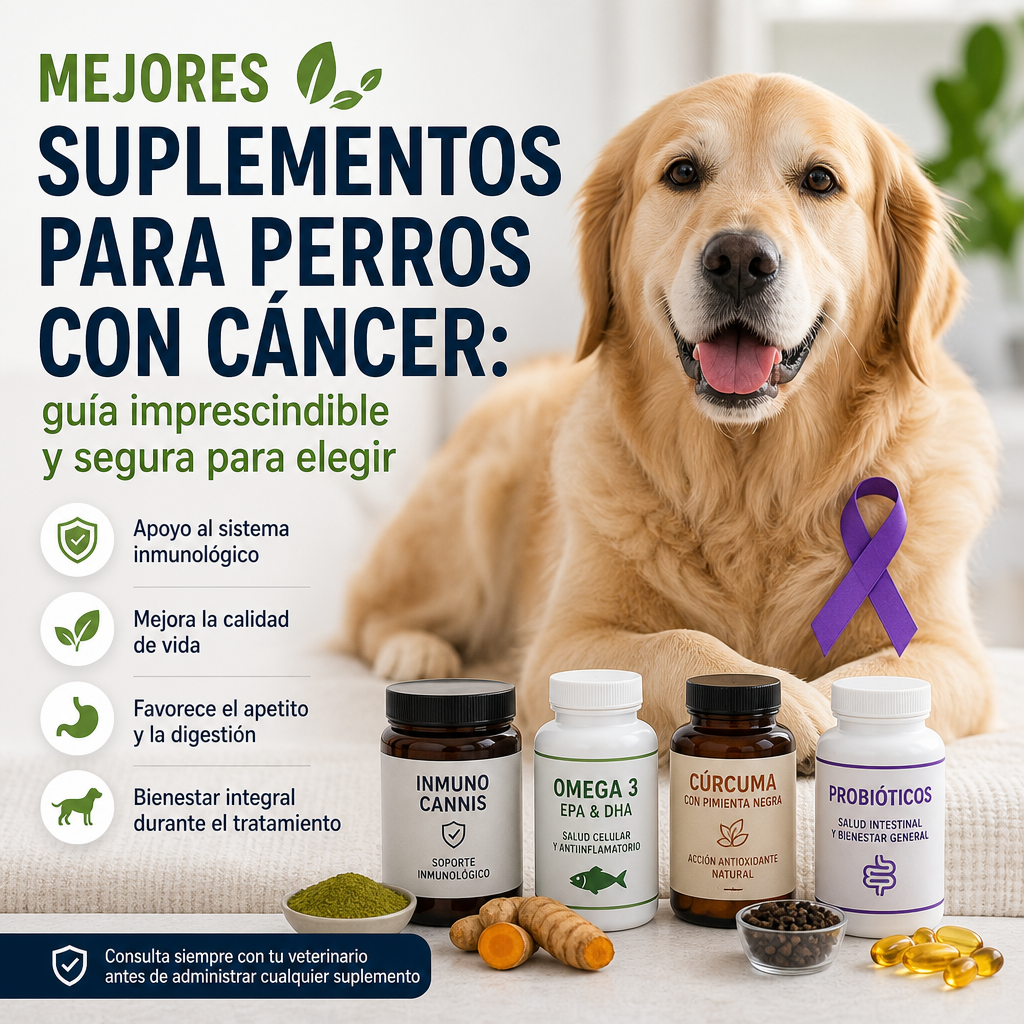
Cancer can modify the energy and nutritional needs of a dog. Some animals lose weight, muscle mass, and appetite; others experience nausea, diarrhea, constipation, or greater difficulty maintaining stable feeding. Therefore, supplements should not be seen as a cure, but as complementary tools to enhance quality of life.
A good cancer dog supplement should address a specific need, such as:
- Helping to maintain muscle mass.
- Increasing the caloric density of the diet when there is weight loss.
- Promoting adequate digestion.
- Complementing nutrients that the veterinarian has identified as insufficient.
- Supporting hydration or appetite at specific times.
Complete and balanced nutrition remains the foundation. No product can replace chemotherapy, surgery, radiotherapy, analgesia, or other prescribed treatments.
It is also worth remembering that the best supplements for dogs with cancer are not always the most expensive or those that promise the most effects. In many cases, the real benefit depends on whether the product fits the clinical state of the dog and the therapeutic plan at the moment. A supplement may be useful during a phase of appetite loss but unnecessary when the animal is already stable.
Best supplements for dogs with cancer according to their needs
Omega-3 fatty acids
Omega-3s, especially EPA and DHA from purified fish oil, are some of the most studied supplements in veterinary nutrition. They can help maintain body condition and support a balanced inflammatory response. In some dogs, they also contribute to improving the palatability of food and energy intake.
However, the dosage must be adjusted to weight, diet, and health status. It is important to use products formulated for animals or recommended by a professional, monitor their storage, and avoid rancid or questionable oils. Omega-3s may not be appropriate in dogs with certain coagulation disorders, pancreatitis, or specific medications.
Cuando se valoran los mejores suplementos para perros con cáncer, este grupo suele aparecer entre las primeras opciones por su perfil de uso extendido y su posible utilidad como apoyo nutricional. Aun así, no debe asumirse que todos los perros se benefician de la misma forma, porque cada caso oncológico tiene necesidades distintas.
Proteínas de alta calidad
Cuando un perro pierde músculo, el primer paso suele ser revisar la cantidad y calidad de proteína que consume. Un suplemento rico en proteínas puede ser útil en casos seleccionados, pero no todos los perros lo necesitan. Además, algunos pacientes con enfermedad renal, hepática o digestiva requieren restricciones concretas.
En lugar de añadir productos al azar, el veterinario puede recomendar una dieta terapéutica, una comida húmeda más apetecible o una fuente proteica compatible con el tratamiento. El objetivo es preservar la musculatura sin sobrecargar otros órganos.
En este punto, los mejores suplementos para perros con cáncer son los que realmente corrigen una carencia y no los que solo prometen resultados rápidos. Si el perro ya ingiere suficiente proteína, el beneficio de añadir más puede ser limitado o incluso contraproducente.
Probiotics and digestive support
Los tratamientos oncológicos, el estrés y los cambios de alimentación pueden alterar la microbiota intestinal. Un probiótico veterinario podría ayudar a mantener una función digestiva normal en algunos animales, sobre todo cuando aparecen heces blandas o irregularidades intestinales.
Not all probiotics are the same. It is advisable to choose identified strains, with a guaranteed viable amount and clear storage instructions. If the dog shows persistent vomiting, intense diarrhea, blood in the stool, or lethargy, a probiotic does not replace medical evaluation. To better understand the nutritional approach in these cases, it may also be helpful to review this guide on nutrition for dogs with cancer.
For many guardians, the best supplements for dogs with cancer start with those that help stabilize digestion and make it easier for the animal to eat more normally. When the stomach is regulated, daily intake tends to be more consistent and the dog tolerates the treatment routine better.
Antioxidants: usefulness and precautions
Antioxidants often appear in support formulas for dogs with tumors. Vitamins like E, minerals like selenium, and plant compounds can play important roles in the body, but that does not mean that high doses are always beneficial.
During some treatments, especially when therapies that generate oxidative stress are used as part of their mechanism, concentrated antioxidants could interfere with the therapeutic goal. The evidence depends on the compound, the amount, the type of cancer, and the treatment used. For this reason, megadoses of vitamins or antioxidant extracts should not be administered without veterinary authorization.
If the goal is to add support without complicating the clinical plan, the best supplements for dogs with cancer are usually those that respect the oncologist's recommendations and do not interfere with the main therapy. In practice, this means prioritizing simple and well-documented formulas over extensive mixtures with multiple promises.
Broths, gels, and caloric supplements
When the main problem is a lack of appetite, energy products designed for dogs can be used. Caloric gels and some recovery diets provide energy in small volumes, which is useful for animals that eat little.
Nevertheless, it is essential to review their ingredients. Products containing onion, garlic, xylitol, grapes, raisins, excessive salt, or inappropriate fats should be avoided. Homemade broths are only safe if prepared without toxic ingredients and without seasonings. Additionally, forcing feeding can worsen food aversion; in some cases, pain, nausea, or dehydration needs to be addressed first.
In dogs with low appetite, the best supplements for dogs with cancer are those that provide energy practically and are well tolerated from a digestive standpoint. It may also be helpful to offer small portions spread throughout the day, rather than one large meal.
B-complex vitamins and appetite support
In some oncology patients, the veterinarian may consider B-complex vitamins when there is low intake, weight loss, or a specific need detected during the clinical review. These vitamins are involved in energy metabolism and various bodily functions, so they sometimes form part of a broader support plan.
However, they should not be given by inertia. If the dog is already receiving a complete diet and the professional has not identified a deficiency, adding vitamins indiscriminately does not always provide benefits. In this context, the best supplements for dogs with cancer are those that respond to a measurable objective, not to a general feeling that “the more, the better.”.
Fiber supplements when there is constipation or irregular transit
Some dogs with tumors show changes in intestinal transit. When there is constipation, very dry stools, or irregular digestion, fiber can be part of the solution, although not in all cases. The type of fiber, the amount, and the way it is administered must be adjusted carefully, as excess could worsen gas, diarrhea, or abdominal discomfort.
If fiber supplements are chosen, they should be integrated into a diet that the dog tolerates well. Hydration is also important, as fiber without enough water can be unhelpful or even uncomfortable. Therefore, the best supplements for dogs with cancer are not selected based on trends, but rather on the specific need that exists at that moment.
Dog tumor supplements: which products require more care
La categoría suplementos perro tumor incluye numerosas fórmulas con setas medicinales, cúrcuma, cáñamo, extractos de plantas y mezclas patentadas. Aunque algunos ingredientes se investigan por sus posibles efectos inmunitarios o antiinflamatorios, la evidencia clínica en perros todavía es variable. Que un producto sea natural no garantiza que sea inocuo.
Los extractos vegetales pueden alterar la coagulación, la presión arterial, el hígado o la absorción de medicamentos. También pueden causar diarrea o reacciones alérgicas. Los productos de cannabis o cannabidiol requieren una especial precaución: la concentración real puede no coincidir con la etiqueta y algunos contienen contaminantes o niveles de THC perjudiciales.
Antes de utilizar cualquier suplemento, el veterinario debe conocer el nombre comercial, la composición, la concentración y la dosis prevista. También conviene desconfiar de las promesas de “curar” tumores, reemplazar la quimioterapia o eliminar los efectos secundarios de forma garantizada. Si quieres ampliar el contexto clínico, esta lectura sobre los tipos de tratamiento contra el cáncer ayuda a entender por qué los complementos nunca deben sustituir la terapia principal.
In many cases, the best supplements for dogs with cancer are not the most complex, but the most transparent in their composition and the easiest to monitor. A simple formula, with clear ingredients and without exaggerated claims, is often a more prudent option than a product loaded with hard-to-evaluate extracts.
Safety depends on both the supplement and the clinical context. To make a responsible decision:
- Consult the veterinary oncologist or the professional handling the case.
- Define the objective: appetite, weight, muscle mass, digestion, or general well-being.
- Revisa la lista completa de ingredientes y la concentración por dosis.
- Comprueba que el fabricante ofrezca controles de calidad y trazabilidad.
- Empieza solo con un producto cada vez, salvo indicación distinta.
- Respeta la dosis recomendada y no la aumentes porque el efecto tarde en aparecer.
- Observa vómitos, diarrea, picor, apatía, cambios en la sed o alteraciones del apetito.
- Suspende el producto y contacta con el veterinario si aparecen reacciones preocupantes.
También es útil llevar un registro sencillo del peso, la cantidad de comida ingerida, las deposiciones y el nivel de energía. Estos datos permiten determinar si el suplemento aporta algún beneficio real o si debe retirarse.
Antes de comprar, compara si el producto encaja con el plan nutricional general y si realmente aporta algo distinto a una dieta terapéutica bien formulada. En muchos casos, los mejores suplementos para perros con cáncer son los que resuelven una necesidad concreta y no los que prometen más beneficios en la etiqueta.
Otro aspecto importante es el momento de introducción. Si el perro acaba de empezar un tratamiento o atraviesa una fase de náuseas, quizá no sea el mejor momento para añadir novedades. Introducir cambios de manera escalonada facilita saber qué funciona y qué no, y ayuda a distinguir una reacción al suplemento de una respuesta del propio cáncer o del tratamiento farmacológico.
What to check on the label before buying
A quick review of the label can prevent important mistakes. It is advisable to check the active ingredient, the species for which it is formulated, the dosage per kilo, the expiration date, the method of preservation, and the presence of allergens or unnecessary additives. It is also recommended to confirm if the manufacturer indicates quality analysis, batch, and traceability.
If the dog is already taking medication, this review is even more important. Some products can alter the absorption of drugs, increase drowsiness, or modify coagulation. Therefore, even when a supplement seems simple, it should be evaluated within the overall treatment.
The best supplements for dogs with cancer usually stand out for a clear label, a simple formula, and a specific utility for the individual case. If a label is confusing or does not precisely explain what the product contains, the most prudent thing is to look for another alternative.
In addition, it is advisable to check if the manufacturer provides storage instructions once the container is opened. Many supplements lose stability if exposed to heat or humidity, something especially relevant at home when the dog only takes small amounts over several days or weeks.
How to accompany daily feeding without improvising
Además del suplemento, la forma de ofrecer la comida puede marcar una gran diferencia. Algunas medidas útiles son repartir la ración en comidas pequeñas, templar ligeramente el alimento para mejorar el aroma, mantener horarios constantes y ofrecer texturas que el perro tolere mejor. En animales con náuseas o aversión al alimento, también puede ayudar variar entre comida húmeda, dieta de recuperación o preparados de alta palatabilidad siempre con orientación veterinaria.
La hidratación merece una atención especial. Si el perro bebe menos, la prioridad es detectar la causa y corregirla, no simplemente añadir productos. Un estado de hidratación adecuado facilita la digestión, el bienestar general y la tolerancia al tratamiento.
Con este enfoque práctico, los mejores suplementos para perros con cáncer pueden integrarse de forma más segura en la rutina diaria. La clave está en que el suplemento facilite la alimentación y no complique la vida del perro ni la del tutor.
También puede servir mucho observar el entorno: algunos perros comen mejor en un lugar tranquilo, lejos de ruidos o del resto de animales. Otros necesitan que la comida esté siempre en el mismo cuenco o servida a la misma hora. Estos detalles no sustituyen al tratamiento, pero sí pueden mejorar la respuesta global al plan nutricional.
Cuándo conviene suspender un suplemento y consultar
Aunque un producto parezca bien tolerado al principio, siempre existe la posibilidad de que deje de ser útil o provoque molestias. Conviene contactar con el veterinario si aparece vómito repetido, diarrea, heces negras, picor intenso, inflamación facial, apatía marcada, rechazo total del alimento o un empeoramiento claro del estado general.
También es importante consultar si el perro está tomando varios suplementos a la vez y no queda claro cuál está ayudando o perjudicando. En algunos casos, la simplificación del plan es la mejor decisión. Menos productos, pero mejor elegidos, suele ser una estrategia más segura y más fácil de evaluar.
De nuevo, los mejores suplementos para perros con cáncer son los que pueden monitorizarse con facilidad y que se retiran sin problema si el caso clínico cambia. La adaptabilidad es una ventaja, no una señal de debilidad.
The priority is quality of life
En un perro con cáncer, el mejor apoyo no siempre es el suplemento más completo, sino la estrategia que consigue que coma, mantenga un peso razonable, tenga menos dolor y disfrute de sus rutinas. Una dieta adecuada, el control de las náuseas, la hidratación, el descanso y el seguimiento veterinario suelen ser más importantes que acumular productos.
The best supplements for dogs with cancer are those that respond to a specific need, have a reliable composition, and integrate safely into the treatment. Caution, professional supervision, and daily observation help protect the animal and make decisions based on its real well-being. If the case changes, the response to the best supplements for dogs with cancer may also change, so it is advisable to reevaluate each option regularly.
In summary, choosing among the best supplements for dogs with cancer requires judgment, patience, and a practical view of the treatment. With a careful review of ingredients, dosages, and objectives, it is easier to avoid mistakes and prioritize what truly improves their quality of life. In this approach, the best supplements for dogs with cancer are those that add safety, utility, and veterinary supervision.
