Baituxiao seguridad es un aspecto fundamental para cualquier persona que considere utilizar este producto en un perro. Antes de administrarlo, es importante conocer su finalidad, revisar la composición, confirmar la dosis adecuada y consultar con un veterinario. La respuesta de cada animal puede variar según su edad, peso, estado de salud y otros tratamientos que esté recibiendo.
Cuando una familia decide incorporar un apoyo para la salud del perro, la prioridad no debería ser solo si el producto “puede ayudar”, sino si realmente encaja con su caso concreto. En ese sentido, Baituxiao seguridad depende tanto del producto como de la forma en que se selecciona, se administra y se vigila durante los primeros días y semanas.
¿Qué es Baituxiao y para qué se utiliza en perros?
Baituxiao is a veterinary product that can be found in certain markets as a supplement or support within dog care. Its use may be related to specific well-being objectives, although the exact indication depends on the formula, presentation, and manufacturer's instructions.
Not all products with similar names have the same composition. Therefore, it is not enough to rely on recommendations found on the internet or on the experiences of other owners. The label must indicate the ingredients, the amount per unit, the species it is intended for, and the administration guidelines.
Under no circumstances should it be considered a substitute for a veterinary consultation. If the dog shows persistent symptoms, pain, loss of appetite, vomiting, diarrhea, difficulty breathing, or significant behavioral changes, it needs a professional evaluation.
When talking about Baituxiao safety, the goal is not only to avoid problems but also to ensure that the product truly fits the animal's needs. Responsible use begins with understanding what is being administered and why it has been recommended.
It is also important to distinguish between complementary support and primary treatment. If the dog is already receiving medication or following a clinical plan for a specific illness, Baituxiao safety should be analyzed within that context and not in isolation.
Baituxiao seguridad: comprobaciones antes de administrarlo
Safety begins before the first dose. It is advisable to verify several essential aspects:
Complete composition: check the active ingredients, extracts, vitamins, minerals, and excipients.
Indicated species: some products are exclusively for dogs and should not be administered to cats or other animals.
Weight and age: A puppy, a senior dog, or an underweight animal may require a different assessment.
Health status: Liver, kidney, digestive, or immune diseases may alter tolerance.
Current medications: Certain ingredients may interact with conventional drugs or supplements.
Origin: Only purchase from reliable establishments and check the packaging, batch, and expiration date.
It is also advisable to store the product under the indicated conditions. Humidity, excessive heat, or direct sunlight exposure can alter its stability. If the packaging is open, damaged, or shows changes in color, smell, or texture, it should not be used without prior consultation.
Before starting, ask the veterinarian to confirm if the regimen is suitable for your dog and if it is advisable to review lab tests, clinical history, or current medication. That brief conversation can prevent problems and greatly improve long-term Baituxiao safety.
In dogs with delicate backgrounds, a prior review is even more important. A professional can detect contraindications that are not visible at first glance and adjust the recommendation according to the real risk, not just based on the intended use.
Baituxiao uso perro: cómo administrar el producto correctamente
The Baituxiao dog use must always be adjusted to the official product information and the veterinarian's instructions. It is not advisable to increase the amount to achieve faster results or to compensate for a missed dose by administering double.
If it comes in tablets, capsules, or powder, it may be necessary to offer it with food, but this depends on the formula. Some products must be administered with food to improve digestive tolerance, while others may require a specific regimen. Following a routine makes it easier to observe the animal's response.
During the first few days, record aspects such as:
appetite and water consumption;
energy level;
quality of stools;
presence of vomiting;
changes in skin or coat;
usual behavior;
evolution of the problem for which it was indicated.
This monitoring allows for the quick identification of any unexpected reactions and helps the veterinarian assess whether it is necessary to continue, adjust, or suspend the product.
If you forget a dose, check the leaflet or consult with the professional before doubling it. Patience and consistency are often more useful than abrupt changes in administration, especially when seeking complete Baituxiao safety and a calm management for the dog.
In some cases, it may be helpful to associate administration with a fixed routine, for example, always after the walk or along with the first meal of the day. This consistency reduces errors and makes it easier for the whole family to follow the same instruction without confusion.
Baituxiao efectos secundarios perro: señales que deben vigilarse
Los efectos secundarios de Baituxiao para perros pueden variar según la sensibilidad individual y los ingredientes de la fórmula. Algunas reacciones leves pueden incluir gases, heces más blandas, náuseas, disminución temporal del apetito o somnolencia. Aunque no siempre indican una emergencia, deben observarse con atención, especialmente si aparecen poco después de iniciar el producto.
It is important to discontinue administration and contact a veterinarian if signs such as appear:
repeated or severe vomiting;
abundant or bloody diarrhea;
swelling of the face, muzzle, or throat;
difficulty breathing;
hives or intense itching;
marked weakness, fainting, or tremors;
yellowing of the gums or eyes;
total lack of appetite for an extended period.
An allergic reaction can progress rapidly. If the dog has difficulty breathing, loses consciousness, or shows significant swelling, it should receive urgent veterinary attention.
In practice, daily monitoring is an essential part of Baituxiao safety. There is no need to obsess over every minor change, but it is advisable to note any new signs to share with the veterinarian if something does not progress as expected.
Additionally, if the dog has a prior digestive sensitivity, any small change may become more relevant. In that context, observing food tolerance and stool consistency helps interpret whether the product is being well accepted or needs review.
Perros que requieren precauciones especiales
Some animals require a more careful assessment before using any supplement or medication. This includes dogs with kidney or liver disease, a history of allergies, gastrointestinal disorders, diabetes, bleeding problems, or weakened immune systems.
Pregnant or nursing females should also not receive Baituxiao without professional authorization. The same applies to very young puppies and older dogs, as they may metabolize certain ingredients differently.
If the animal is taking anti-inflammatories, antibiotics, anticoagulants, seizure medications, or other chronic treatments, inform the veterinarian before combining products. The sum of several supplements is not necessarily safe: some ingredients may repeat and cause excessive intake.
For these cases, the professional may recommend closer monitoring, a different alternative, or even postponing use until the dog's condition is better controlled. That caution is part of realistic and responsible Baituxiao safety.
When the dog is already following a therapeutic diet or a nutritional support plan, coordination between product, diet, and medication becomes even more important. At that point, a good complementary reference on nutrition and canine support can be found in suplementos para perros con cáncer: 7 consejos imprescindibles, seguros y positivos para elegir mejor, where useful criteria are explained to choose more wisely and avoid inappropriate combinations.
How to assess if the product fits the desired goal
Before starting any routine, it is advisable to ask a simple question: what is expected to be achieved exactly? If the goal is not clear, it is easy to interpret any change as an improvement or, conversely, mistakenly associate unrelated symptoms with the product. Therefore, Baituxiao safety also involves defining a specific goal with the veterinarian.
For example, the professional may indicate that appetite, digestive comfort, the dog's general response, or the evolution of a specific symptom should be monitored. If there is no clear way to measure progress, it becomes more difficult to know if the product is beneficial or if it is advisable to reevaluate the strategy.
It also helps to set a review deadline. A check-up after a few days or weeks allows for decisions based on data, not just impressions. In many cases, that review prevents prolonging a product that is not helping enough or that is generating unwanted effects.
Errores frecuentes al usar Baituxiao
One of the most common mistakes is to assume that a natural product is automatically harmless. Plant-based ingredients can also cause allergies, digestive irritation, or interactions with medications. Another mistake is using a recommended dose for a dog of a different size or using a formulation intended for another species.
It is also advisable to avoid buying products without clear information about their composition, administering human formulas, or continuing use indefinitely without checking results. If the original problem does not improve, worsens, or reappears, it is necessary to review the diagnosis instead of increasing the amount on your own.
In some households, the problem arises from wanting to see results too quickly. However, in canine care, it is usually better to proceed step by step, observe the response, and maintain open communication with the veterinarian. Thus, the use of Baituxiao safety does not depend on assumptions but on informed decisions.
Another common mistake is not reading the warnings on the packaging carefully. Even when the product seems simple, it may include important indications about duration of use, storage, or compatibility with other treatments. Respecting those indications is part of prudent administration.
Qué comentar con el veterinario antes de empezar
If you are considering this product, it is advisable to carry a brief list with useful information for the consultation. Include the dog's current weight, age, diet, other supplements being taken, recent medications, and any symptoms that concern you. The more complete the information, the easier it will be to determine if the product makes sense for your case.
It is also useful to ask what signs require discontinuation, when an improvement should be noticed, and when it would be necessary to re-evaluate the animal. That conversation provides clarity and reduces the margin of error. In many cases, a well-adjusted veterinary recommendation improves Baituxiao safety more than any generic instruction.
If the veterinarian needs to consult references about a specific ingredient, they can rely on reliable technical sources. For example, the Manual Veterinario Merck provides reference veterinary information on multiple animal health topics. It does not replace clinical diagnosis, but it can help contextualize a decision.
During the consultation, it is also worth asking if there is a more appropriate alternative based on the dog's history. Sometimes, the best decision is not to add another product, but to simplify the plan to reduce risks and facilitate monitoring.
Seguimiento práctico durante el uso
Once the product is started, it is advisable to keep a small record. Note the start date, the dose, the time of administration, and any observed reactions. You can also record changes in appetite, energy, and the dog's overall appearance. This habit is especially useful if you need to consult again by phone or in person.
If the animal shows a good and stable response, it does not mean that it should continue indefinitely without control. Most care plans need periodic reviews to confirm that they remain appropriate. Especially when seeking Baituxiao safety, reviewing progress avoids both unnecessary use and remaining on a regimen that no longer provides benefit.
It is also advisable to keep the product out of the reach of children and other animals. Proper storage prevents accidents and better preserves the quality of the contents. If the packaging has specific instructions for temperature or protection from light, follow them precisely.
If you notice an improvement, continue observing the dog for a few days before concluding that everything is resolved. Some changes are gradual and others depend on external factors, such as appetite, activity level, or the progression of the underlying disease. Ordered follow-up helps distinguish a real response from a temporary coincidence.
Señales de que conviene detener el producto y pedir ayuda
In addition to the obvious adverse effects, there are situations where it is advisable to interrupt administration and request a review. For example, if the dog starts eating clearly less, appears lethargic for several days, has repeated diarrhea, or shows notable changes in behavior. Although these signs do not always directly relate to the product, they do warrant an assessment.
One should also be cautious if the dog already had a medical condition and, after starting the product, you notice a coinciding worsening. In those cases, the veterinarian can determine if there is a relationship or if another approach is needed. The best decision is usually the one that protects the animal rather than the one that tries to force a result.
Remembering this simple guideline can help: if something makes you doubt, stop and consult. Baituxiao safety is not about guessing, but about acting with judgment and seeking professional support when necessary.
If the dog needs urgent attention, don't wait to see if the problem “goes away on its own.” Early intervention is especially valuable when there are persistent vomiting, difficulty breathing, or signs of an allergic reaction. In those situations, speed brings peace of mind and reduces risks.
Relationship between Baituxiao and the dog's overall health routine
dificultad para respirar;.
urticaria o picor intenso;.
debilidad marcada, desmayo o temblores;.
Recomendaciones finales para un uso responsable
La mejor forma de garantizar la seguridad de Baituxiao es combinar información fiable, supervisión veterinaria y observación diaria. Lee siempre el etiquetado, respeta la dosis indicada, no mezcles tratamientos sin autorización y mantén el producto fuera del alcance del perro.
Baituxiao can be part of a care plan only when its use is justified and appropriate for the animal's characteristics. Risk prevention depends on both the product and how it is administered. In case of any doubts or adverse reactions, professional consultation should be the priority.
En resumen, la seguridad de Baituxiao significa elegir con criterio, vigilar la respuesta del perro y mantener una comunicación clara con el veterinario. Esa combinación ofrece la forma más prudente de proteger su bienestar y tomar decisiones más tranquilas y acertadas.
Si quieres recordar la idea principal, quédate con esta regla práctica: revisar, consultar, observar y ajustar. Ese orden simple resume una manera responsable de acercarse a la seguridad de Baituxiao sin improvisaciones ni prisas.
With good professional guidance and attentive follow-up, the caregiver can decide with more confidence whether the product is appropriate, when it is advisable to continue, and when it is better to stop. That is the basis for a safer and calmer choice for the dog and its family.
En la práctica, la seguridad de Baituxiao mejora cuando se mantiene una revisión constante del estado general del perro y se respetan los tiempos de respuesta de cada caso. Esa visión evita decisiones precipitadas y ayuda a valorar con calma si el producto sigue siendo útil.
También conviene recordar que cualquier cambio importante en el comportamiento, el apetito o la digestión merece atención, aunque parezca leve al principio. Con un control prudente y seguimiento veterinario, la seguridad de Baituxiao se convierte en una parte más de un cuidado responsable y bien informado.
Baituxiao dog is an increasingly common search among families looking for options to support a dog diagnosed with cancer. However, when it comes to animal health, it is essential to separate reliable information from commercial promises, especially in products whose composition, authorization, or scientific evidence may vary by country. In Spain, any decision should be made under the supervision of a veterinarian, preferably specialized in veterinary oncology.
Baituxiao is often presented online as a product intended to complement the care of dogs with tumor problems. Depending on the distributor, it may be described as a supplement, traditional formula, or support product. This variety of descriptions makes it necessary to carefully review its labeling, ingredients, manufacturer, country of origin, and marketing conditions.
A dietary supplement should not be confused with an oncological medication. A complementary product does not replace surgery, chemotherapy, radiotherapy, immunotherapy, or other treatments indicated by a professional. Furthermore, just because a product is “natural” does not automatically mean it is harmless or effective. Some substances can cause side effects, alter liver or kidney function, or interfere with medications used during treatment.
Baituxiao dog: what the evidence says
The available information about Baituxiao dog may mainly come from commercial pages, testimonials, or publications without scientific review. Individual testimonials do not demonstrate that a product cures or controls a tumor, as the outcome may depend on the type of cancer, the stage, the age of the animal, the treatment received, and many other factors.
To evaluate any product, it is advisable to look for studies published in recognized veterinary journals, data on safety, clearly established dosages, and controlled trials. If that information is not available, strong claims such as “eliminates tumors,” “cures cancer,” or “replaces chemotherapy” should be avoided. Such promises can delay effective treatments and seriously harm the animal.
Cancer is not a single disease. A mastocytoma, lymphoma, osteosarcoma, or carcinoma require different approaches. Even within the same type of tumor, treatment varies depending on location, size, extent, and the overall health of the dog.
What to ask before trying Baituxiao dog
Before using Baituxiao dog, it is advisable to confirm if there is clear information about ingredients, dosage, and possible interactions. It is also helpful to ask if the product is intended as nutritional support, if it has studies in dogs, and if its use fits with the current oncological plan. These questions help avoid hasty decisions based solely on advertisements or reviews.
In a veterinary oncology consultation, the specialist can explain whether the product provides any real benefit or, on the contrary, introduces unnecessary risk. This review is especially important when the dog is already receiving treatments that require close monitoring. If you are looking for a broader view of the clinical approach, you can also consult veterinary acupuncture as part of supervised integrative care.
Baituxiao Spain: legal and safety aspects
Those looking for Baituxiao Spain should check if the product is sold legally and if it complies with applicable regulations. In Spain, veterinary medicines must have the corresponding authorization and be used according to the technical data sheet or professional prescription. Supplements and animal foods must also meet labeling and safety requirements, but they do not have the same consideration as a medicine.
Before purchasing, it is advisable to review:
Name and address of the manufacturer or responsible marketing entity.
Complete list of ingredients and quantities.
Lot number and expiration date.
Instructions for use and species for which it is intended.
Warnings about pregnancy, previous illnesses, and interactions.
Sales channel and possibility of obtaining professional advice.
Special caution should be exercised with products sold only through social media, pages without contact information, packaging without understandable translation, or sellers who promise guaranteed results. It is also important to be wary of “before and after” photographs without verifiable veterinary reports.
A supplement may seem like a simple alternative, but it is not without risks. Some plants or compounds can modify coagulation, increase sedation, alter blood pressure, or affect liver enzymes. They can also interfere with the absorption or elimination of medications.
The risk may be greater in dogs receiving chemotherapy, anti-inflammatories, corticosteroids, anticoagulants, or medications to control pain. Therefore, the veterinarian must know all the products the animal is taking, including supplements, infusions, and preparations purchased online.
Baituxiao perro es una búsqueda cada vez más frecuente entre familias que desean….
¿Qué es Baituxiao para perro?.
How to make a responsible decision
Baituxiao perro: qué dice la evidencia.
Nunca conviene administrar un producto humano a un perro sin indicación veterinaria. Las dosis, los excipientes y la tolerancia pueden ser muy diferentes. Del mismo modo, no se debe modificar la pauta de un tratamiento oncológico porque el perro parezca encontrarse mejor o peor durante algunos días.
En este contexto, Baituxiao perro solo debería valorarse dentro de una estrategia clínica completa y nunca como sustituto del tratamiento principal. La prudencia es especialmente importante si el animal tiene vómitos, diarrea, pérdida de peso o alteraciones en los análisis. También conviene documentar cualquier cambio tras iniciar Baituxiao perro para poder informar con precisión al veterinario.
El primer paso es obtener un diagnóstico preciso. Normalmente puede incluir exploración física, análisis de sangre, pruebas de imagen, citología o biopsia. Con esa información, el veterinario puede explicar el pronóstico y las alternativas disponibles.
Care that can help the dog
Si la familia está considerando Baituxiao perro como complemento, debería llevar el envase o una fotografía clara de la etiqueta a la consulta. El profesional podrá revisar la composición, valorar posibles interacciones y determinar si existe algún motivo para evitarlo. La decisión debe basarse en el bienestar del animal, no en la presión de una publicidad emocional.
También es útil solicitar una segunda opinión en un centro con experiencia en oncología veterinaria. Una consulta especializada puede ayudar a comprender los objetivos del tratamiento: curar cuando sea posible, controlar el crecimiento tumoral, aliviar el dolor o mantener una buena calidad de vida durante el mayor tiempo posible.
Quality of life should be the primary criterion. Treatment only makes sense if its potential benefits outweigh its adverse effects and if it meets the animal's needs. In some cases, palliative care and pain management are as important as treatment aimed at the tumor.
When a family seeks options like Baituxiao dog, they usually do so out of love and the hope of helping. That intention is valuable, but it must be accompanied by clinical judgment. Choosing calmly, requesting tests, and consulting professionals helps avoid mistakes and better care for the patient.
Conclusion
Baituxiao perro y las búsquedas relacionadas con Baituxiao perro cáncer o Baituxiao España reflejan el deseo comprensible de encontrar apoyo frente a una enfermedad difícil. Aun así, no existen garantías de que un producto comercial cure el cáncer, y la falta de evidencia sólida debe considerarse una señal para actuar con prudencia. La evaluación veterinaria, la transparencia sobre los ingredientes y la comprobación de la autorización o el etiquetado son pasos esenciales. Nunca debe sustituirse un tratamiento oncológico establecido por un producto sin respaldo suficiente. La mejor decisión será siempre la que proteja la seguridad, el bienestar y la calidad de vida del perro.
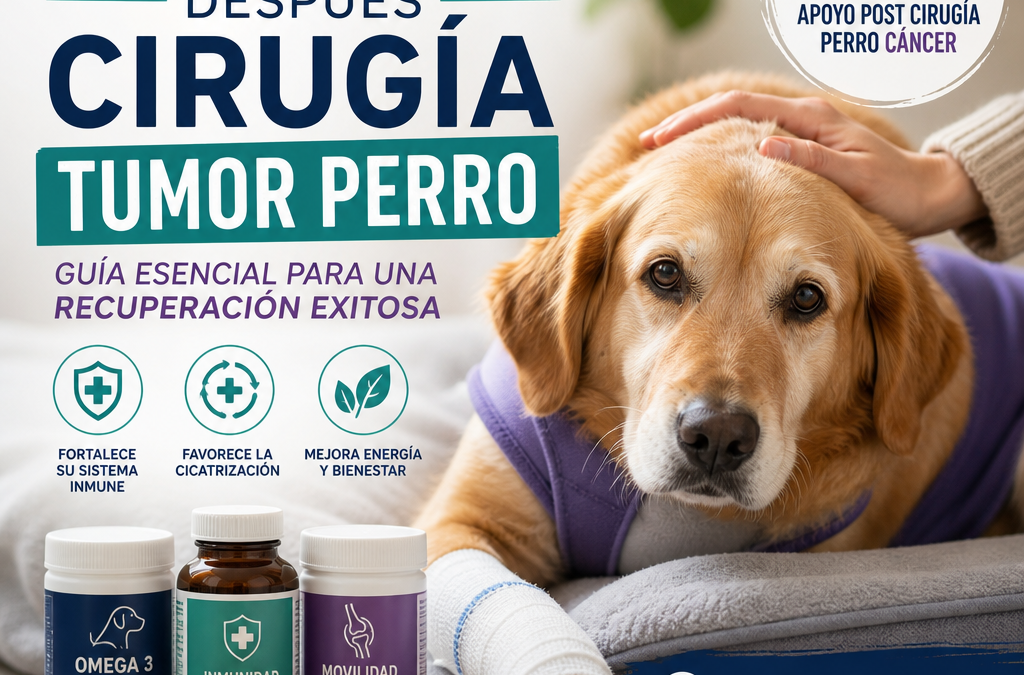
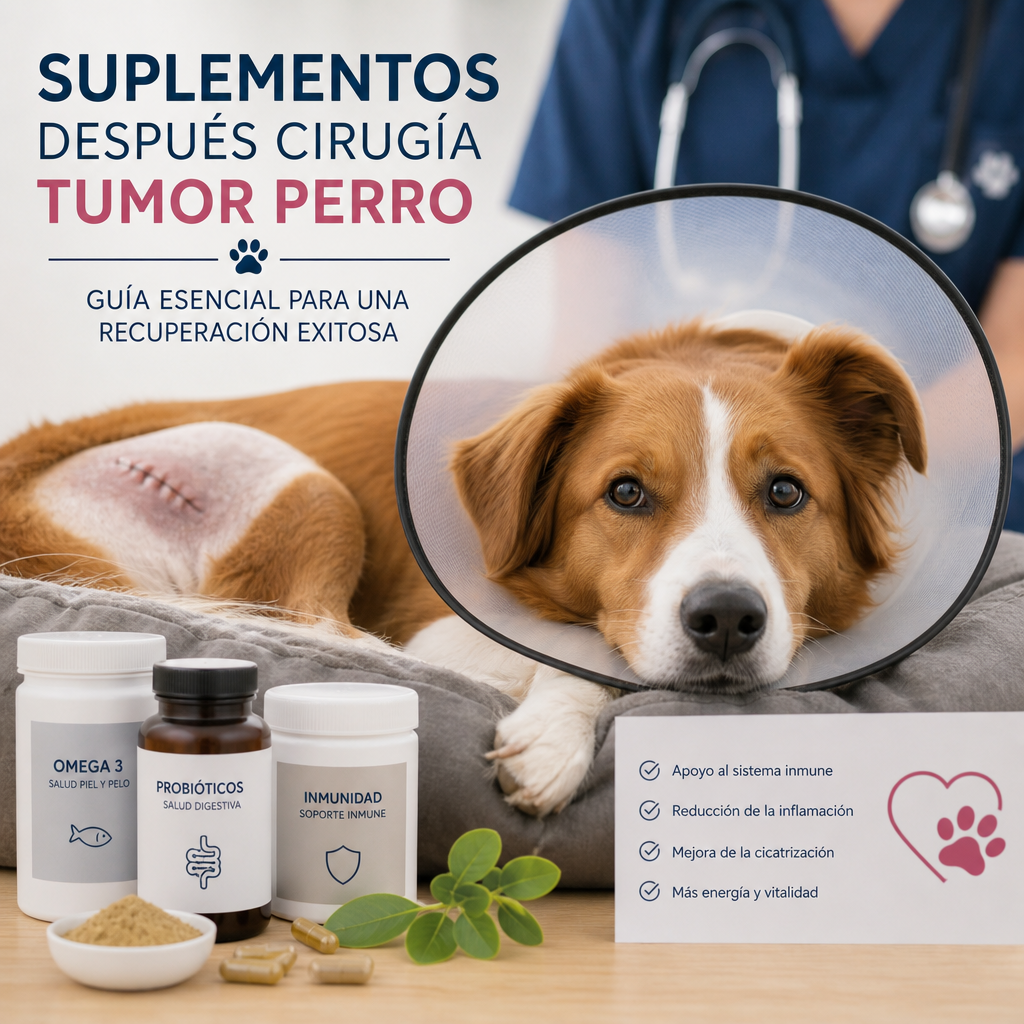
Supplements after tumor surgery in dogs can be part of the care of an oncology patient, but they should never be administered without the supervision of a veterinarian. After removing a tumor, the body needs time, energy, and nutrients to repair tissues, control inflammation, and regain normal functioning. Proper nutrition, rest, and medical follow-up are the foundation of recovery; supplements can be a complementary support when there is a specific need.
The recovery from tumor surgery in dogs depends on the type of tumor, its location, the size of the intervention, the age of the dog, and whether it receives additional treatments such as chemotherapy or radiotherapy. In the first few days, it is common to observe drowsiness, decreased appetite, some discomfort, and limited movement. However, these signs should progressively improve.
The veterinarian will indicate how to care for the wound, when to remove or check the stitches, and what medications to administer. It is important to respect the doses and schedules, especially when prescribing analgesics, antibiotics, or anti-inflammatories. Natural products should not be combined with drugs without authorization, as some may increase the risk of bleeding, alter blood pressure, or modify the action of certain medications.
During this period, the dog needs a calm, clean, and safe environment. It should avoid jumping, running, stairs, and rough play until receiving medical permission. It is also advisable to monitor the incision every day for signs of intense redness, discharge, foul odor, swelling, bleeding, or opening of the edges.
In this phase, the goal is not only for the wound to close but also for the animal to regain energy steadily. Therefore, rest, hydration, and the right food are as valuable as any nutritional supplement. A slow evolution does not always mean a problem, but it does require observing changes in appetite, mood, and mobility.
In some cases, the veterinarian may request more frequent follow-up checks to assess how the body responds and adjust the plan if pain, nausea, or excessive fatigue appears. This early monitoring helps detect small changes in time that may influence the recovery from tumor surgery in dogs and the animal's quality of life.
If the surgery was complex or the dog already had a low body condition, convalescence may take longer than expected. Nevertheless, with constant care, rest, and a good nutritional strategy, many dogs gradually improve and maintain a favorable evolution during the first weeks.
When can supplements be useful
Supplements can be considered when the diet does not meet the animal's needs, there is weight loss, decreased appetite, muscle weakness, or a confirmed nutritional deficiency. They can also be used as support in dogs undergoing oncological treatments, always within an individualized plan.
In many cases, the veterinary team first assesses whether the dog really needs a supplement or if it is enough to adjust the diet. That decision depends on the body condition, the type of tumor, the surgery performed, and the presence of side effects such as nausea, diarrhea, or constipation. In other words, it is not about adding products out of habit, but about responding to a specific need.
Among the supplements that the veterinarian might consider are:
Omega-3 fatty acids: present in quality fish oils, can help control certain inflammatory processes and assist in maintaining skin and coat health. The dosage should be calculated according to weight and health status.
Probiotics: can be useful to promote intestinal balance, especially if the dog has received antibiotics or has diarrhea related to stress or treatment.
Vitamins and minerals: are only recommended when there is a deficiency or a specific indication. An excess of fat-soluble vitamins, such as A, D, E, or K, can be harmful.
Caloric supplements: can help dogs that eat little and need to maintain their weight, although they should be chosen according to their needs and digestive tolerance.
Antioxidants: their use in cancer patients requires special caution. Some treatments may be affected by certain antioxidants in high doses, so they should not be administered on one's own initiative.
Not all products labeled as “natural” are safe. Quality, concentration, origin, and interaction with other treatments are fundamental factors. At this point, supplements after dog tumor surgery should only be seen as one more tool within a complete medical plan.
To better understand why professional supervision is so important, it is worth remembering that each dog metabolizes nutrients and medications differently. What is useful for one may not be for another, especially when there are recent surgeries, changes in appetite, or simultaneous treatments.
Nutrition during post-surgery support for dog cancer
Nutrition is one of the pillars of post-surgery support for dogs with cancer. The goal is to provide high-quality proteins, sufficient energy, and an easily digestible diet. In many cases, the veterinarian may recommend a therapeutic food or a diet formulated by a veterinary nutrition specialist.
If appetite is low, small portions can be offered several times a day. Lightly heating the food can enhance its aroma and make it more appealing, always avoiding excessive temperatures. It is also important to keep fresh water available and monitor the amount ingested.
It is not advisable to abruptly change food or offer leftovers, processed meats, very fatty foods, or seasoned products. Some dogs need a gradual transition to avoid vomiting or diarrhea. If they stop eating for an extended period, lose weight rapidly, or vomit repeatedly, they should be evaluated by a professional.
It is important to remember that nutritional support is not just about “getting them to eat something.” In an oncology patient, every bite should provide useful energy and be tolerated without worsening digestive discomfort. Therefore, in some cases, wet diets, soft textures, or small frequent meals are recommended. The goal is to maintain muscle mass, promote healing, and prevent recovery from becoming slower than necessary.
If the dog shows persistent rejection of food, the veterinarian may suggest temporary strategies such as adjusting meal times, using appetite stimulants, or modifying the presentation of the food. A homemade unbalanced diet should never be improvised, as it could worsen weight loss or cause deficiencies.
During this stage, post-surgery support for cancer dogs also depends on adequate hydration. When the dog drinks little, it may be necessary to increase water intake through wet food or specific guidelines indicated by the professional. Proper hydration helps the intestine function better and allows tissues to recover more easily.
In addition, it is advisable to maintain stable schedules and a relaxed environment for meals. Noise, stress, and haste can reduce interest in food in sensitive or weakened dogs. A calm environment encourages the dog to associate feeding with safety and comfort.
Nutritional support and supplements after dog tumor surgery
When the veterinarian considers it appropriate, supplements after dog tumor surgery can help close small nutritional gaps, but only if they are integrated with a complete and well-tolerated diet. In a recovering dog, excess is often as unhelpful as lack of intake.
Therefore, before choosing supplements after dog tumor surgery, it is advisable to review what the animal eats, how much it tolerates, and if there are any digestive side effects. A useful product in one phase may cease to be so later on, so periodic reevaluation is part of the process.
When therapeutic feeding and supplements are combined after tumor surgery in dogs, the goal is to sustain energy, protect muscle mass, and prevent weight loss that complicates healing. This combination should be simple, practical, and easy to follow at home.
Pain control, rest, and physical activity
A dog that feels pain may show signs of restlessness, hide, pant, lick the affected area, or refuse food. The analgesic treatment should be administered exactly as indicated. Human medications such as ibuprofen, acetaminophen, or aspirin should never be used without veterinary authorization, as they can cause serious poisoning.
Rest promotes healing, but absolute immobility for too long can also weaken the muscles. Short walks on a leash are usually appropriate when the specialist authorizes them. Activity should gradually increase and adapt to the surgery performed.
To prevent the dog from licking or biting the wound, it may be necessary to use an Elizabethan collar or a postoperative garment. Although it may be uncomfortable, protecting the incision reduces the risk of infection and complications.
During rehabilitation, many caregivers wonder if it is advisable to speed up the return to routine. The answer is usually no. A sudden increase in activity can open the wound, cause pain, or delay healing. The most prudent course is to follow the evolution plan set by the veterinarian and observe how the dog responds to each small change.
It can also help to maintain stable schedules for feeding, resting, and walking. Routine reduces stress and allows the body to focus its resources on healing. In older or weakened dogs, this daily organization makes a significant difference in overall well-being.
In some patients, pain is not expressed in an obvious way. That’s why it’s useful to watch for discreet signals like stiffness when getting up, less interest in walking, a hunched posture, or changes in sleep. When pain is well controlled, the recovery from tumor surgery in dogs tends to be more orderly, and the dog tolerates feeding and mobility better.
Additionally, rest does not mean total isolation. The calm company of family, without intense play or excessive handling, can provide emotional security. A dog that feels accompanied tends to relax more and rest better, which also favors tissue repair.
Supplements after tumor surgery in dogs: safety and interactions
Supplements after tumor surgery in dogs are not harmless simply because they are sold without a prescription. A product may contain active ingredients that interact with painkillers, antibiotics, chemotherapy, or anticoagulants. Therefore, before starting any supplement, the veterinarian should review the complete medical history.
Among the most important risks are excess vitamins, the use of low-quality oils, contamination of some products, and lack of control over the actual dosage. In a dog with cancer, special attention should also be paid to antioxidant supplements or certain herbs that are promoted as “immune stimulants,” because they are not always suitable for all cases.
The following precautions help reduce problems:
Do not start several products at once.
Introduce only one change at a time to be able to detect adverse effects.
Check if the supplement is formulated for dogs and not for humans.
Verify the exact dosage according to the actual weight of the animal.
Inform the veterinarian about oils, powders, capsules, functional snacks, and “natural” products.
If a reliable reference on food safety and nutrition is needed, the portal of the FDA's animal health information offers useful resources for owners and professionals. Although it does not replace veterinary consultation, it can serve as educational support to understand why quality control and supervision are so important.
When combining oncological treatments with supplements, the margin of error is reduced. Therefore, clinical follow-up and communication with the veterinarian are more valuable than any commercial promise. A prudent choice protects recovery and avoids unnecessary setbacks.
In practice, the safest approach is to treat any supplement as part of the treatment, not as an isolated addition. If a new product is suspended or started, the professional should be informed to assess whether it may alter the dog's appetite, digestion, coagulation, or overall response. This coordination is especially useful in the first weeks following surgery.
Además, algunos suplementos pueden resultar adecuados solo durante un tiempo limitado. Cuando el perro mejora, quizá ya no sean necesarios. Revisar periódicamente la utilidad real de cada producto evita gastos innecesarios y reduce el riesgo de sobrecargar el organismo con ingredientes que no aportan un beneficio claro.
Warning signs after surgery
La supervisión diaria permite detectar problemas a tiempo. Es necesario contactar con el veterinario si aparecen fiebre, apatía intensa, dolor que empeora, encías pálidas, dificultad para respirar, vómitos persistentes, diarrea intensa, falta total de apetito, incapacidad para orinar o una herida muy inflamada.
También se debe consultar si el perro aumenta o pierde peso de manera marcada, presenta debilidad repentina o desarrolla nuevos bultos. Los controles posteriores permiten revisar la cicatrización, analizar los resultados histopatológicos y decidir si hace falta continuar con otras terapias.
En algunos perros, los primeros signos de complicación son sutiles: menos ganas de moverse, jadeo sin motivo aparente, inquietud nocturna o rechazo de la comida que antes aceptaba bien. Si esos cambios aparecen, conviene no esperar “a ver si se le pasa”. Un aviso temprano puede evitar una recaída en el proceso de recuperación.
Additionally, it is important to monitor the general behavior. If the dog appears more lethargic than usual or stops showing interest in its surroundings, this may indicate pain, fever, or a digestive problem. Careful monitoring helps distinguish a mild discomfort from a situation that requires immediate attention.
Another important sign is an abnormal smell from the wound or the presence of persistent discharge. While some mild discomfort may be expected after surgery, a worsening condition instead of improvement requires a professional review. The sooner action is taken, the easier it usually is to correct the problem.
An individualized plan improves recovery
There is no universal supplement for all dogs operated on for a tumor. The best approach combines diagnosis, nutrition, medication, pain management, and regular check-ups. Before adding any supplement, the veterinarian must be aware of all the products the animal is taking, including oils, herbs, vitamins, and functional treats.
With constant vigilance and a tailored plan, many dogs can gradually regain their appetite, mobility, and well-being. The key is to understand that supplements are an addition, not a substitute for surgery, complete nutrition, or the indicated oncological treatment.
When the family actively participates in the follow-up, the evolution tends to be more orderly. Observing, noting changes, and communicating doubts to the specialist helps to detect real progress or small setbacks before they become a bigger problem. In that sense, home care is part of the treatment.
If your dog is going through this stage, remember that supplements after dog tumor surgery should be chosen with criteria, patience, and supervision. A good decision is not the one that promises more, but the one that better protects the animal's health and integrates safely into its recovery.
It also helps to periodically review if the plan is still appropriate. A dog may need different support as its appetite, energy, or the evolution of the wound changes. Adjusting calmly, instead of accumulating products, is usually the safest and most sustainable path for a healthy recovery.
In summary, combining postoperative care, quality nutrition, and veterinary control offers better results than relying solely on a specific product. If chosen well, supplements after dog tumor surgery can responsibly accompany the process, but always as part of a complete and well-supervised strategy.