
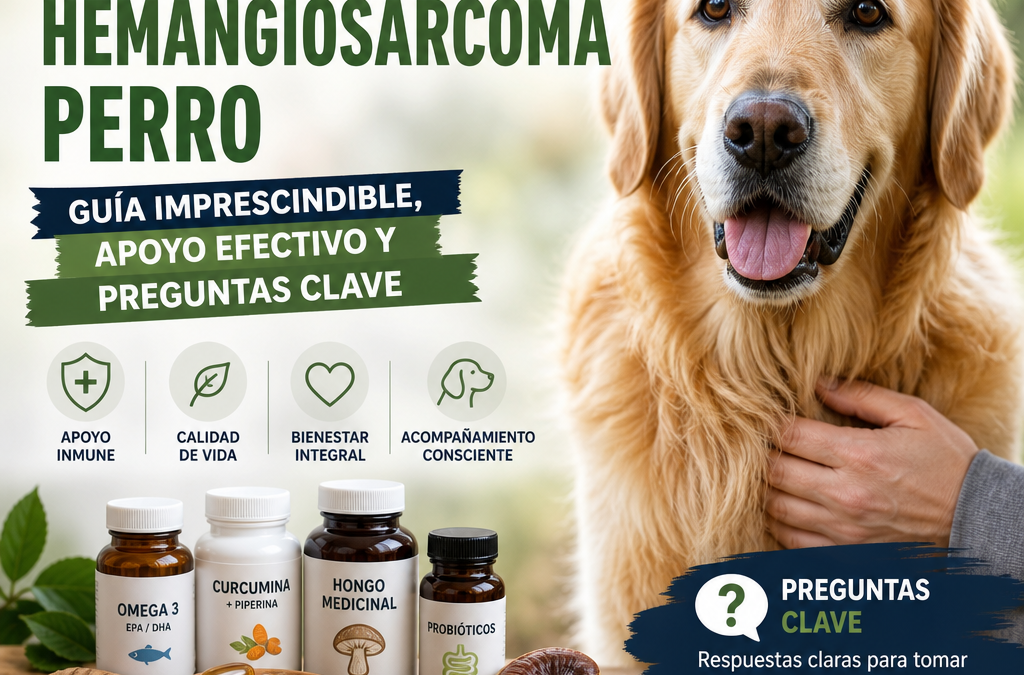
Hemangiosarcoma supplements for dogs can be a common search when a family receives this diagnosis and wants to provide the best possible care. However, no supplement replaces surgery, chemotherapy, pain management, or the veterinarian's recommendations. Hemangiosarcoma is an aggressive cancer that affects blood vessels and can frequently appear in the spleen, heart, liver, or skin. Therefore, any complementary product should be chosen wisely, considering the stage of the disease, the treatment, and the overall condition of the animal.
In this guide, we will see what hemangiosarcoma supplements for dogs can offer, what precautions to take, and what questions to ask before adding any supplement. The idea is to support the dog's quality of life without creating unnecessary risks or unrealistic expectations.
Table of contents
What is hemangiosarcoma in dogs?
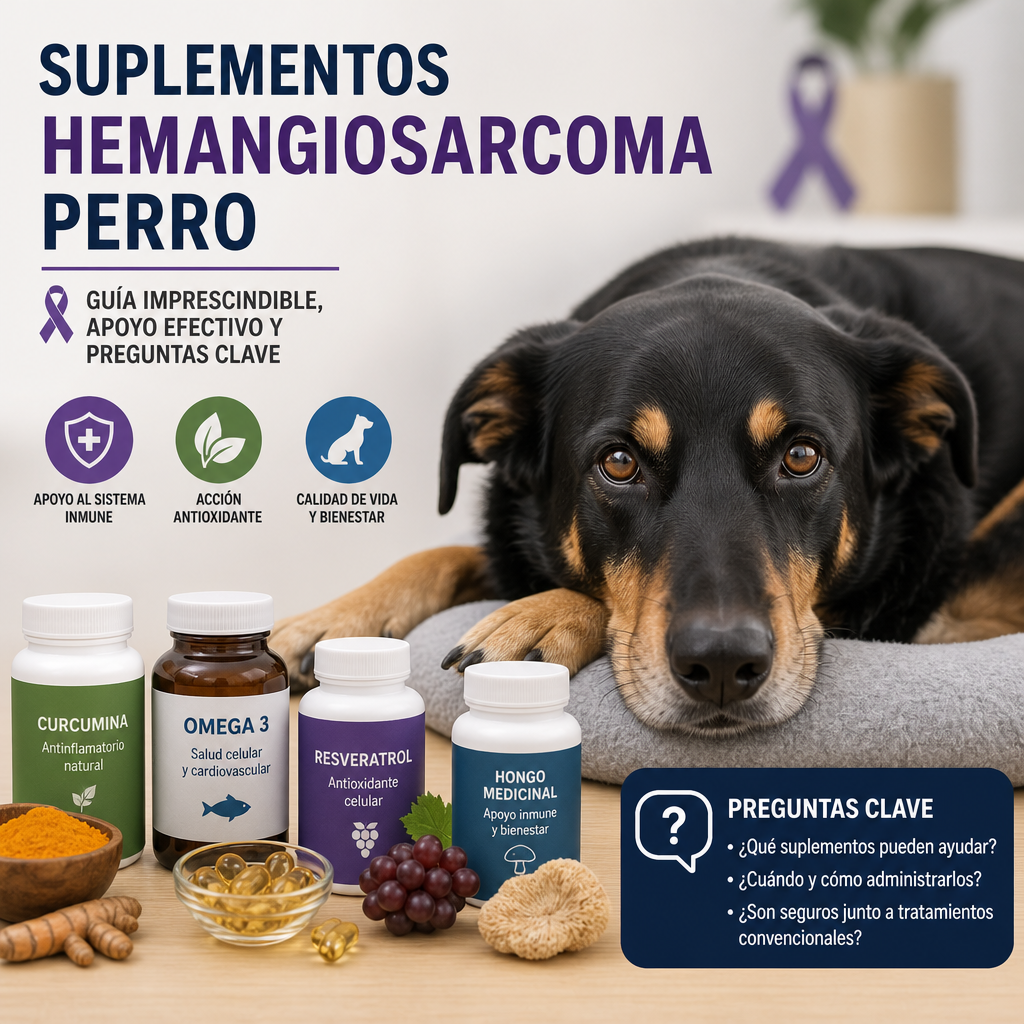
Hemangiosarcoma originates in the cells that form the lining of blood vessels. Due to its vascular nature, these tumors can bleed and spread to other organs. In many cases, the diagnosis occurs after an emergency caused by internal bleeding, especially when the tumor is located in the spleen.
The signs depend on the location and progression of the cancer. They may include weakness, pale gums, a distended abdomen, rapid breathing, fainting, weight loss, lack of appetite, or fatigue. Some dogs experience seemingly normal periods between episodes, which can make early detection difficult.
Treatment usually considers surgery, chemotherapy, and palliative care. The prognosis is variable and depends on factors such as the stage, location, presence of metastasis, and individual response.
At this stage, many families seek practical information about hemangiosarcoma supplements for dogs to understand if they can help stabilize appetite, energy, or daily comfort. This search is understandable, but it should always be accompanied by a complete veterinary examination.
Hemangiosarcoma supplements for dogs: what they can offer
Hemangiosarcoma supplements for dogs do not eliminate the tumor or guarantee increased survival. Their potential usefulness is related to nutritional support, preservation of muscle mass, maintenance of appetite, or protection of certain organs during intensive treatments. In some cases, they may also contribute to improving overall well-being.
Before administering any product, the veterinarian should review:
- The diagnosis and stage of hemangiosarcoma.
- Current medications, including chemotherapy.
- Liver and kidney function.
- The presence of anemia, coagulation disorders, or bleeding.
- El peso, la edad y las enfermedades previas.
- La dieta habitual y posibles deficiencias nutricionales.
La calidad también importa. Conviene elegir productos formulados específicamente para perros, con ingredientes identificables, dosis claras y controles de fabricación. Los suplementos humanos pueden contener sustancias peligrosas, concentraciones inadecuadas o edulcorantes como el xilitol.
Cuando se habla de suplementos hemangiosarcoma perro, también es útil pensar en el objetivo concreto. No es lo mismo intentar apoyar el apetito que proteger el tracto digestivo o ayudar con la movilidad. Cuanto más claro sea el objetivo, más fácil será decidir si un producto tiene sentido o si solo añade complejidad.
Cómo valorar si un suplemento merece la pena
Un suplemento útil debe responder a una necesidad real. Por ejemplo, si el perro ha perdido peso, el equipo veterinario puede priorizar una estrategia nutricional completa antes que varios productos aislados. Si hay molestias gastrointestinales, puede ser más sensato ajustar la dieta y valorar un apoyo digestivo específico. Si existe riesgo de sangrado, la prudencia debe ser máxima.
También conviene revisar la evidencia disponible. Algunos ingredientes tienen más respaldo que otros, pero incluso cuando existe información positiva, eso no significa que funcionen en todos los perros ni en todas las fases del cáncer. En este tipo de decisiones, el historial clínico pesa más que las tendencias de internet.
A good starting question is: does this supplement change something important for my dog or does it just add another capsule? If the answer is not clear, the veterinarian can better guide the choice.
Options that the veterinarian can evaluate
Some supplements for dogs with cancer are used as support, but their indication should be individualized.
Omega-3 fatty acids
EPA and DHA, primarily found in fish oils, can help maintain body condition and promote a balanced inflammatory response. In dogs with cancer, they are studied for their possible relationship with appetite and muscle metabolism. However, high doses can cause digestive issues or influence coagulation, a consideration especially relevant in a tumor with a tendency to bleed. In such cases, hemangiosarcoma dog supplements should always be reviewed with the veterinary oncologist.
Furthermore, not all oils are the same. Purity, freshness, and concentration of the product influence its tolerance. Rancid oil can worsen digestive discomfort and reduce food acceptance.
Antioxidants
Vitamins and antioxidant compounds can be part of some nutritional plans. However, during chemotherapy, it is not always advisable to add high doses of antioxidants, as they may interfere with the mechanism of certain treatments. The decision should be made by the veterinary oncologist. For general clinical information about cancer in companion animals, you can consult the guía de la AVMA sobre cáncer en mascotas.
In some situations, the goal is not to “add more” but to avoid excesses. A plan overloaded with vitamins or concentrated extracts can generate more doubts than benefits. Therefore, hemangiosarcoma dog supplements should be incorporated into the routine with a specific intention and follow-up.
Digestive support
Probiotics, soluble fiber, or certain gastrointestinal supplements can be useful if there is diarrhea, constipation, or alterations in the microbiota. Their use should be adapted to the dog's immune status, especially when receiving chemotherapy.
If vomiting or soft stools appear after starting a new product, the most prudent thing is to suspend it and consult. Sometimes the problem is not the supplement itself, but the combination with other recent changes in diet or medication.
Supplements for joints and well-being
In older or weakened dogs, some products aimed at joints can improve mobility and comfort. Still, they should not be considered a treatment for cancer, and it is always necessary to check that they do not interfere with other medications.
This type of support can be useful if the dog has stiffness, difficulty getting up, or less desire to move. Better physical comfort usually translates into more appetite, better rest, and a calmer daily coexistence.
Specialized nutritional support
In some patients, the veterinarian may recommend therapeutic diets or complete nutritional supplements rather than isolated products. When there is weight loss, the priority is usually to ensure sufficient calories and good digestibility. In other cases, the strategy focuses on stimulating intake with more palatable meals and small portions.
If the dog is selective, eating little or rejecting food should not be normalized. Appetite is often a sensitive indicator of the general state and deserves close monitoring.
Hemangiosarcoma dog support: care that makes a difference
Daily support does not solely depend on supplements. Proper nutrition is essential. The diet should provide high-quality proteins, sufficient energy, and a texture that facilitates intake. If the dog loses weight, vomits, or stops eating, it is important to act quickly and seek veterinary guidance.
Pain management is also a priority. Dogs can hide discomfort, but changes such as sleeping more, avoiding stairs, panting without reason, isolating themselves, or losing interest in food can indicate pain or weakness. Human painkillers should never be administered without authorization, as some are toxic to dogs.
The environment should be calm, safe, and comfortable. Short walks, as long as the veterinarian allows them, can help maintain some mobility without causing exhaustion. It is also advisable to avoid rough play, jumping, and intense exertion due to the risk of bleeding or collapse.
Los suplementos hemangiosarcoma perro pueden ser una búsqueda habitual cuando un….
En esta guía veremos qué pueden aportar los suplementos hemangiosarcoma perro, q….
Tabla de contenido
When the dog tolerates food worse, it is often more helpful to offer small and frequent portions rather than insisting on large meals. It may also help to lightly warm the food to enhance the aroma or alternate textures if the veterinarian approves. In some patients, palatability is as important as nutritional value.
Hydration deserves the same attention. If the dog drinks little, a professional can indicate whether it is advisable to add water to the food, use wet diets, or consider additional strategies. Dehydration can worsen weakness and affect recovery after an acute crisis.
In this context, hemangiosarcoma dog supplements should only be seen as one piece within a broader plan. The foundation remains medical management, proper nutrition, and symptom control.
It may also be helpful to divide the day into quiet feeding moments, without rush or distractions. If the dog associates food with nausea or discomfort, the veterinary team may recommend temporary adjustments to regain food acceptance.
When the main goal is to maintain weight, the consistency of the routine is often more valuable than continuously trying new products. A simple, stable, and well-tolerated plan usually works better than an improvised strategy.
Warning signs that require quick attention
A dog with hemangiosarcoma needs urgent attention if it shows very pale gums, sudden weakness, an enlarged abdomen, difficulty breathing, fainting, visible bleeding, or inability to stand up. These signs may indicate internal bleeding and should not be treated at home with supplements.
It is also advisable to contact the veterinarian if the dog stops eating for more than a day, vomits repeatedly, clearly worsens after starting a new product, or shows evident pain. In these situations, waiting is often worse than acting quickly.
Cancer dog supplements: important precautions
La palabra “natural” no significa necesariamente “seguro”. Algunas plantas y sustancias pueden aumentar el riesgo de sangrado, alterar la presión arterial, afectar al hígado o modificar la absorción de medicamentos. Entre los productos que requieren especial cautela se encuentran los extractos concentrados de plantas, ciertos hongos medicinales, la cúrcuma en dosis elevadas y los preparados con múltiples ingredientes.
También es importante evitar los cambios simultáneos. Si se incorpora un suplemento, conviene hacerlo de uno en uno y registrar cualquier modificación en el apetito, las heces, los vómitos, el nivel de energía o la aparición de hematomas. Esta información ayuda al veterinario a identificar beneficios o efectos adversos.
A dog with hemangiosarcoma needs urgent attention if it shows very pale gums, sudden weakness, an enlarged abdomen, difficulty breathing, fainting, visible bleeding, or inability to stand up. These signs may indicate internal bleeding and should not be treated at home with supplements.
También conviene revisar con el veterinario cualquier producto comprado por internet. No todos los fabricantes ofrecen la misma calidad, y algunos anuncios prometen resultados que no están respaldados por evidencia. Una elección prudente suele ser preferible a varias opciones dudosas. En caso de duda, el oncólogo veterinario puede indicar qué componentes se toleran mejor y cuáles conviene evitar. Cuando se trata de suplementos hemangiosarcoma perro, la seguridad debe ir siempre por delante de la urgencia por probar algo nuevo.
If the dog is already taking several medications, a written record helps avoid mistakes. Noting the schedule, dosage, and reason for each product reduces the risk of duplications and facilitates clinical review. This is especially valuable when combining oncological treatments, analgesics, and digestive support.
Frequently asked questions from owners
Can supplements cure cancer? No. They can support nutrition or well-being, but they do not cure hemangiosarcoma.
Is it better to start as soon as possible? Only if the veterinarian approves it. In some cases, starting too early or with too many products can complicate treatment.
Can several supplements be combined? Sometimes yes, but it should not be done without supervision. There are combinations that increase the risk of interactions or digestive disorders.
What signs indicate that a product does not agree with them? Vomiting, diarrhea, loss of appetite, lethargy, bleeding, behavioral changes, or worsening mobility justify reviewing the plan.
Are they useful if the case is advanced? They can still be useful if they help eat better, maintain comfort, or reduce discomfort, but always with realistic goals.
Is it necessary to use them all the time? Not necessarily. Some products are tested for a limited period and are continued only if they provide a clear benefit.
Key questions for the veterinary consultation
Before starting a supplement, it is helpful to ask:
- Is this product compatible with chemotherapy or current medications?
- Can it increase the risk of bleeding?
- Does renal and hepatic function allow its use?
- What dose corresponds to the weight and clinical condition of the dog?
- How long should it be administered?
- What signs would indicate that it should be discontinued?
- Is it preferable to improve the diet first?
- What realistic goals are expected: appetite, weight, digestion, or comfort?
- Is there an alternative with less risk of interaction?
The main goal should be to preserve quality of life. Supplements can be part of a well-supervised support plan, but they should not delay effective treatments or create unrealistic expectations. In hemangiosarcoma, coordination between the family, the general veterinarian, and the oncologist allows for safer decisions focused on the specific needs of each dog. If the plan is reviewed frequently, hemangiosarcoma dog supplements can be integrated more prudently and usefully into daily care.
For more comprehensive care, it is worth remembering that hemangiosarcoma dog supplements work best when used as support and not as the main solution. Regularly reviewing the plan helps detect early changes and adjust the strategy quickly.
In practice, the most valuable thing is often to combine reliable information, clinical follow-up, and simple goals. Thus, hemangiosarcoma dog supplements can take their correct place: a potential support, never a promise of healing.