執筆者 TCMVET | 2024年7月3日 | 犬の癌と腫瘍
犬の癌は、失明を含むさまざまな健康合併症を引き起こす可能性があります。この記事では、異なる種類の癌が犬の視力にどのように影響するか、注意すべき症状、早期発見と治療の重要性について探ります。.
犬における癌が失明を引き起こす方法
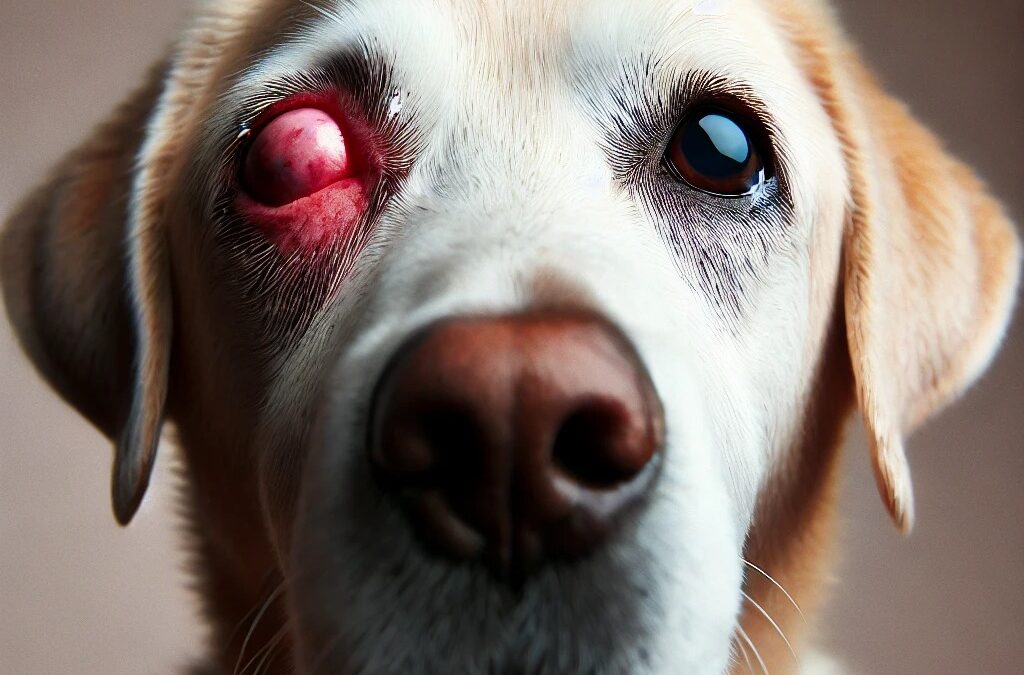
- 眼腫瘍: 腫瘍は目の内部に直接発生し、網膜、視神経、または視力に責任を持つ他の重要な構造に影響を与えることがあります。一般的な眼の癌には、メラノーマ、リンパ腫、腺癌が含まれます。これらの腫瘍は目に重大な損傷を引き起こし、部分的または完全な失明につながる可能性があります。症状には、目に見える塊、赤み、腫れ、または目の色の変化が含まれることがあります。.
- 脳腫瘍: 脳に位置する腫瘍、特に視神経や視覚皮質に影響を与える領域にある腫瘍は、犬の視力を妨げる可能性があります。視神経は目から脳への視覚情報を伝達し、腫瘍からの圧力や損傷がこのプロセスを妨げる可能性があります。症状には、突然の視力喪失、行動の変化、発作、または頭を傾けることが含まれるかもしれません。.
- 転移性癌: 体の他の部分に起源を持つ癌は、目や脳に転移(転移)し、これらの場所における原発腫瘍と同様の問題を引き起こす可能性があります。転移性癌はしばしば急速に進行し、早期発見と介入が重要です。.
- 副腫瘍症候群: これは癌の間接的な影響で、目を含む体のさまざまな部分に影響を与える可能性があります。特定の癌は、眼の組織を損傷する免疫系の反応を引き起こし、視力喪失をもたらすことがあります。.
注意すべき症状
あなたの犬が癌を患っている場合、視力の問題の兆候を監視することが重要です。潜在的な失明を示す症状には以下が含まれます:
- 片目を細めたり閉じたりする
- 過剰な涙や分泌物
- 目の周りの赤みや腫れ
- 目のかすみや見える塊
- 物にぶつかったり、薄暗い場所で動くのをためらったりする行動の変化
- 突然または徐々に視力を失う
診断と治療
早期発見と介入は、犬の癌関連の失明を管理するための鍵です。診断方法には以下が含まれます:
- 身体検査: 異常をチェックするための獣医による徹底的な眼科検査。.
- 画像診断: 目や脳の腫瘍を検出するためのMRI、CTスキャン、または超音波などの技術。.
- 生検: 腫瘍のサンプルを取り、その種類を特定し、治療を導く。.
治療オプションは、癌の種類と位置に応じて異なります。これには以下が含まれる場合があります:
- 手術: 腫瘍を除去してさらなる損傷を防ぎ、視力を回復させる可能性があります。.
- 7. 放射線療法: 腫瘍を放射線で標的にし、それを縮小させて視力への影響を減らすこと。.
- 10. 化学療法: 薬を使用して癌を治療し、その進行を遅らせること。.
- 緩和ケア: 進行したケースでは、快適さと生活の質を維持することに焦点を当てる。.
癌は犬の視力に大きな影響を与え、部分的または完全な失明を引き起こす可能性があります。癌と失明の関係を理解し、症状を認識し、迅速な獣医療を求めることは、この状態を管理する上で重要なステップです。情報を得て積極的でいることで、あなたの犬が最良のケアを受けられるように助けることができます。.

執筆者 TCMVET | 2024年6月22日 | 研究とニュース
はじめに
癌はペットの飼い主にとって恐ろしい言葉です。しかし、早期に症状を理解し認識し、適切な治療措置を講じることで、犬の生存率を大幅に改善することができます。この記事では、愛するペットのケアをより良くするための包括的な犬の癌生存ガイドを提供します。.
犬の癌の一般的な種類を理解する
犬における癌の一般的な種類を知ることは、早期発見と治療にとって重要です。以下は犬の癌の一般的な種類です:
- リンパ腫: リンパ節とリンパ系に影響を与えます。.
- 骨肉腫: 最も一般的な骨癌で、主に大型犬種に見られます。.
- 皮膚癌: メラノーマ、扁平上皮癌などが含まれます。.
- 乳腺腫瘍: 特に去勢されていない雌犬に多く見られます。.
症状の早期認識
癌の症状を早期に認識することで、治療成功率を大幅に改善できます。以下の兆候に注意してください:
- 説明のつかない塊や腫れ: いかなる異常な塊も獣医にチェックしてもらうべきです。.
- 食欲の減少: 突然の食欲不振は早期警告サインとなることがあります。.
- 体重減少: 説明のつかない体重減少は懸念材料です。.
- 持続的な咳や呼吸の問題: 特に活動時に悪化する場合。.
診断と治療の選択肢
診断
癌の診断には、一連の検査が含まれます:
- X線と超音波: 内臓や骨の異常をチェックするため。.
- 細針吸引または生検: サンプルを分析し、癌の種類を確認するため。.
- 血液検査: 犬の全体的な健康状態を評価するため。.
治療オプション
治療計画は癌の種類と進行に基づいて異なります。一般的な治療法には以下が含まれます:
- 手術: 腫瘍の直接除去。.
- 10. 化学療法: 癌細胞の拡散を制御するための薬を使用すること。.
- 7. 放射線療法: 癌細胞を殺すための高エネルギー放射線。.
- 免疫療法: 癌と戦うために犬の免疫システムを強化すること。.
日常的なケアとサポート
食事と栄養
- 高タンパク質ダイエット: 筋肉量を維持するのに役立ちます。.
- 抗酸化物質: ビタミンCとEはフリーラジカルによる損傷と戦うのに役立ちます。.
- オメガ-3脂肪酸: 癌の進行を遅らせる可能性のある抗炎症特性を持っています。.
定期的な健康診断
定期的な獣医の健康診断は、早期発見と必要に応じた治療計画の調整に不可欠です。.
感情的なサポート
犬のメンタルヘルスも重要です。犬が十分な仲間と適切な活動を持ち、ポジティブな心構えを維持できるようにしてください。.
結論
犬の癌に直面したときは、ポジティブで冷静でいることが重要です。一般的な癌の種類を理解し、早期に症状を認識し、タイムリーな診断と治療を求め、包括的な日常ケアと感情的サポートを提供することで、犬の生存の可能性を大幅に改善できます。この犬の癌生存ガイドがあなたとあなたの愛するペットに役立つことを願っています。.
この記事を通じて、私たちはペットの飼い主に詳細な犬の癌生存ガイドを提供し、犬の癌の問題をよりよく理解し対処できるように支援することを目指しています。質問がある場合やさらなるサポートが必要な場合は、獣医の専門家に相談してください。.
(キーワード: 犬の癌生存ガイド、犬の癌の種類、犬の癌の症状、犬の癌の治療、犬の癌のケア)
4o

執筆者 TCMVET | 2024年6月10日 | 犬の癌と腫瘍
A tumor on a dog’s paw pad can be a concerning issue for pet owners. These growths can cause discomfort, pain, and potential mobility issues for your furry friend. This article delves into the causes, symptoms, diagnosis, and treatment options for tumors on dog paw pads, providing you with a comprehensive guide to help your pet live a healthier, happier life.
What Causes Tumors on Dog Paw Pads?
Tumors on dog paw pads can arise from various factors. Common causes include:
- 良性の成長: These non-cancerous tumors, such as warts or cysts, can develop due to infections, inflammation, or genetic predisposition.
- 悪性腫瘍: Cancerous growths, such as melanomas, mast cell tumors, or squamous cell carcinomas, can also affect the paw pads, often requiring more aggressive treatment.
- Infections: Bacterial, fungal, or viral infections can lead to the formation of tumors or tumor-like lesions on the paw pads.
- Trauma: Chronic injury or irritation to the paw pads can sometimes result in the formation of growths.
注意すべき症状
Early detection of tumors on dog paw pads can significantly improve treatment outcomes. Keep an eye out for the following symptoms:
- 腫れ: Unusual swelling or lumps on the paw pads.
- Discoloration: Changes in color, such as redness or darkening of the affected area.
- 痛み: Signs of discomfort, such as limping, licking, or chewing at the paw.
- 出血: Open sores or bleeding from the tumor site.
- Odor: Foul smell emanating from the paw, which may indicate infection.
Diagnosing Tumors on Dog Paw Pads
If you notice any abnormal growths on your dog’s paw pads, it’s essential to consult a veterinarian promptly. The diagnostic process typically involves:
- 身体検査: The vet will perform a thorough examination of the paw and may check for other signs of illness.
- 細針吸引(FNA): A sample of cells is taken from the tumor using a thin needle and examined under a microscope.
- 生検: A small tissue sample may be removed for more detailed analysis, especially if the tumor is suspected to be malignant.
- 画像診断: X-rays or ultrasound may be used to assess the extent of the tumor and check for potential spread to other areas.
治療オプション
Treatment for tumors on dog paw pads varies based on the type, size, and malignancy of the tumor. Common treatment options include:
- 外科的除去: The most effective treatment for many tumors, involving the excision of the growth with clear margins to prevent recurrence.
- Cryotherapy: Freezing the tumor with liquid nitrogen, often used for small, superficial tumors.
- 放射線療法: Used for malignant tumors that are not easily removed surgically.
- 化学療法: Systemic treatment for cancerous tumors, especially if there is a risk of metastasis.
- Topical Treatments: Medications or ointments for benign tumors or to manage symptoms.
Post-Operative Care and Monitoring
After treatment, proper care and monitoring are crucial for a successful recovery. Follow these tips:
- Wound Care: Keep the affected area clean and dry, and follow the vet’s instructions for cleaning and bandaging.
- Activity Restriction: Limit your dog’s activity to prevent strain on the paw.
- 薬物: Administer any prescribed medications, such as antibiotics or pain relievers, as directed.
- 定期的な健康診断: Attend follow-up appointments to monitor the healing process and check for any signs of recurrence.
結論
A tumor on your dog’s paw pad can be a daunting discovery, but with prompt diagnosis and appropriate treatment, your pet can regain comfort and mobility. Always consult with your veterinarian to determine the best course of action for your dog’s specific needs. By staying vigilant and proactive, you can ensure your furry friend enjoys a healthy and happy life.

執筆者 TCMVET | 2024年6月2日 | 犬の癌と腫瘍
wollen lymph nodes in dogs can be a concerning symptom for pet owners, often indicating underlying health issues that need attention. The prognosis for a dog with swollen lymph nodes depends largely on the underlying cause. This article will explore the potential reasons for lymph node swelling, their implications, and the expected lifespan of a dog with this condition.
Causes of Swollen Lymph Nodes in Dogs
- 感染: Bacterial, viral, or fungal infections can cause lymph nodes to swell as the immune system responds to fight the infection.
- 治療: With appropriate antibiotics or antifungal medication, dogs can recover fully, and their lymph nodes should return to normal size.
- 炎症: Conditions such as autoimmune diseases or allergic reactions can lead to lymph node enlargement.
- 治療: Anti-inflammatory medications or steroids can help manage these conditions effectively.
- 癌: One of the most serious causes of swollen lymph nodes is cancer, particularly lymphoma.
- リンパ腫: A common type of cancer in dogs, lymphoma often presents as painless swelling of the lymph nodes.
予後と寿命
The lifespan of a dog with swollen lymph nodes varies significantly based on the cause:
- Infections and Inflammation:
- Good Prognosis: If the swelling is due to an infection or inflammatory condition, the prognosis is generally good. With proper treatment, most dogs can recover fully and live a normal lifespan.
- Lymphoma and Other Cancers:
- Without Treatment: For dogs diagnosed with lymphoma, the prognosis without treatment is poor, with an average survival time of only a few weeks to a few months.
- With Treatment: Treatment options such as chemotherapy can significantly extend a dog’s life. Many dogs respond well to chemotherapy, and the average survival time can extend to one to two years. Some dogs may live even longer, depending on the type and stage of lymphoma and how well they respond to treatment.
Factors Influencing Survival
- Type and Stage of Cancer: Early detection and treatment of lymphoma can improve prognosis. The type of lymphoma (B-cell or T-cell) also plays a role, with B-cell lymphoma generally having a better prognosis.
- Overall Health: A dog’s overall health and age can impact how well they respond to treatment. Younger, healthier dogs may tolerate chemotherapy better and have improved outcomes.
- Treatment Plan: A comprehensive treatment plan, including chemotherapy, supportive care, and regular monitoring, is crucial for managing lymphoma and extending a dog’s life.
Supporting Your Dog’s Health
In addition to medical treatments, holistic approaches can support a dog’s overall health:
- 食事と栄養: Providing a balanced diet rich in antioxidants, omega-3 fatty acids, and high-quality proteins can support the immune system.
- ハーブサプリメント:製品のような TCMVET バイトゥシャオ can offer additional support. TCMVET Baituxiao combines traditional Chinese herbs known for their anti-inflammatory and immune-boosting properties, potentially helping to manage symptoms and improve quality of life.
結論
The prognosis for a dog with swollen lymph nodes varies widely depending on the underlying cause. While infections and inflammation often have a good outcome with proper treatment, cancer such as lymphoma poses a more serious challenge. Early detection, appropriate treatment, and supportive care can significantly improve the quality of life and survival time for affected dogs.

執筆者 TCMVET | 2024年5月30日 | 犬の癌と腫瘍
臨床試験は、獣医学の進歩において重要な基盤となっており、特に腫瘍学の分野で重要です。ペットの飼い主として、がんを患う犬のための臨床試験の役割と利点を理解することは、この困難な状態を管理する上で希望と方向性を提供します。この記事では、臨床試験の複雑さに迫り、その重要性、プロセス、犬のがん患者にとっての潜在的な利点について明らかにします。.
臨床試験とは何ですか?
臨床試験は、新しい治療法、診断ツール、または予防策の安全性と有効性を評価するために実施される研究です。これらの試験は、革新的ながん治療法を開発し、既存のプロトコルを改善するために不可欠です。獣医学において、がんを患う犬のための臨床試験は、新薬、外科手術技術、放射線療法、その他の治療法をテストするために設計されています。.
獣医腫瘍学における臨床試験の重要性
- 治療オプションの進展:臨床試験は、がんを患う犬のために生活の質を延ばし改善する新しい治療法を発見する上で重要な役割を果たします。.
- 予後ツールの改善:臨床試験を通じて、獣医師はより良い診断および予後ツールを開発し、早期発見とより個別化された治療計画を可能にします。.
- 人間医学への貢献:多くの犬のがんは人間のがんと生物学的に類似しているため、獣医臨床試験からの発見は人間のがん研究にも利益をもたらす可能性があります。.
臨床試験はどのように機能しますか?
- 適格性と登録:犬は臨床試験に参加するために特定の基準を満たす必要があります。これらの基準には、がんの種類とステージ、全体的な健康状態、以前の治療歴が含まれることがよくあります。.
- インフォームド・コンセント:ペットの飼い主は、試験の潜在的なリスクと利点を認識し、インフォームド・コンセントを提供する必要があります。.
- 試験のフェーズ:臨床試験は通常、いくつかのフェーズを経て進行します:
- フェーズI:新しい治療法の安全性と適切な投与量を決定することに焦点を当てています。.
- フェーズ II: 治療の有効性を評価し、安全性をさらに評価します。.
- フェーズ III: 新しい治療法を標準治療と比較し、その効果を確認するために、より大きな犬のグループを含めます。.
- フェーズ IV: 治療が承認された後に実施され、長期的な影響と最適な使用に焦点を当てます。.
臨床試験に参加する利点
- 最先端の治療へのアクセス: 臨床試験に参加している犬は、一般の人々にはまだ利用できない新しい治療法にアクセスできることがよくあります。.
- 包括的なケア: 参加者は通常、試験全体を通じて広範な監視とケアを受け、状態の綿密な管理が保証されます。.
- 科学的知識への貢献: 臨床試験に参加することで、ペットの飼い主は獣医学の進歩に貢献し、将来的に無数の他の犬を助ける可能性があります。.
潜在的なリスクと考慮事項
- 不確実な結果: すべての実験的治療と同様に、成功の保証はなく、一部の治療には予期しない副作用がある場合があります。.
- 頻繁な訪問と検査: 臨床試験はしばしば頻繁な獣医の訪問、検査、および手続きを必要とし、ペットと飼い主の両方にとって負担になることがあります。.
- 倫理的考慮事項: 潜在的な利益とリスクを天秤にかけ、試験中の犬の生活の質を考慮することが重要です。.
臨床試験の発見と参加
- 獣医への相談: あなたの獣医と相談して、犬を臨床試験に登録する可能性について話し合ってください。彼らは適切な試験と資格についてのガイダンスを提供できます。.
- 研究機関と獣医学部: 多くの臨床試験は獣医学部や研究機関で行われています。これらのセンターは、進行中の試験に関する情報を持っていることがよくあります。.
- オンラインデータベース: 獣医癌協会やclinicaltrials.govなどのウェブサイトは、獣医腫瘍学における進行中の臨床試験の検索可能なデータベースを提供しています。.
結論
臨床試験は、癌と闘う犬にとって希望の光を表しており、画期的な治療法と改善された結果の可能性を提供します。プロセス、利点、リスクを理解することで、ペットの飼い主はこれらの重要な研究に参加することについて情報に基づいた決定を下すことができます。獣医学が進歩し続ける中で、臨床試験は犬の癌との戦いにおいて重要な要素であり、私たちの愛するペットに対するより効果的で思いやりのあるケアへの道を切り開いていくでしょう。.
