由 TCMVET | 2024 年 7 月 3 日 | 狗狗癌症與腫瘤
狗的癌症會導致多種健康併發症,包括失明。本文探討了不同類型的癌症如何影響狗的視力、需要注意的症狀以及早期發現和治療的重要性。
癌症如何導致狗失明
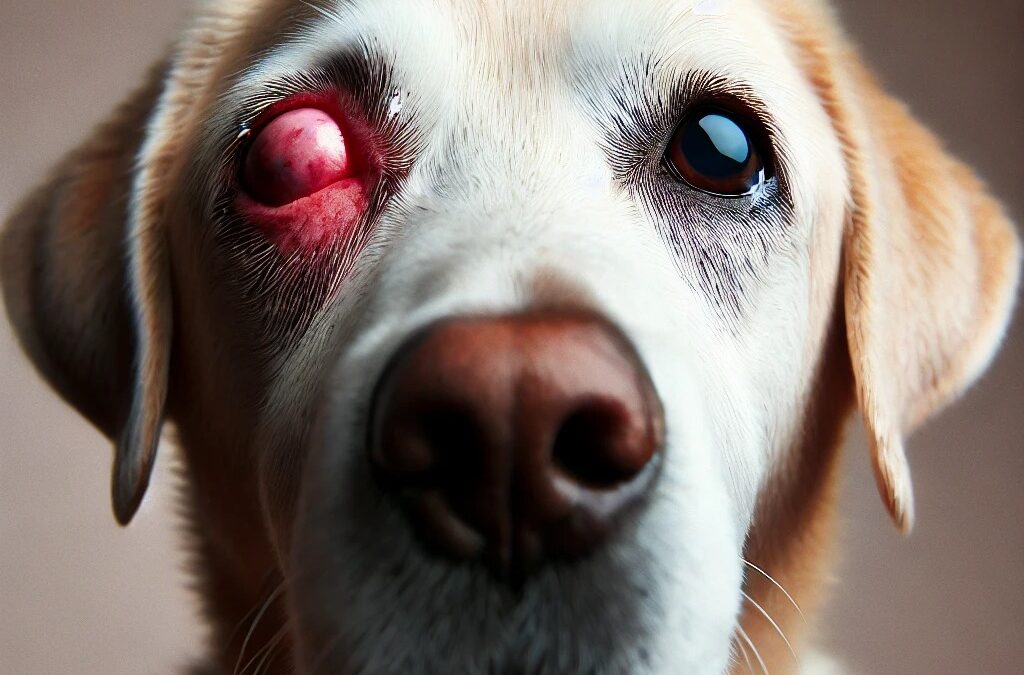
- 眼部腫瘤:腫瘤可以直接在眼睛內發育,影響視網膜、視神經或其他負責視力的關鍵部件等結構。常見的眼癌包括黑色素瘤、淋巴瘤和腺癌。這些腫瘤會對眼睛造成嚴重損害,導致部分或完全失明。症狀可能包括眼睛出現明顯腫塊、發紅、腫脹或眼睛顏色變化。
- 腦瘤:位於大腦中的腫瘤,特別是影響視神經或視覺皮質的區域,可能會破壞狗的視力。視神經將視覺訊息從眼睛傳遞到大腦,腫瘤造成的任何壓力或損傷都會損害這一過程。症狀可能包括突然視力喪失、行為改變、癲癇發作或頭部傾斜。
- 轉移性癌症:起源於身體其他部位的癌症可以擴散(轉移)到眼睛或大腦,導致這些部位出現與原發性腫瘤類似的問題。轉移性癌症通常進展迅速,因此早期檢測和介入至關重要。
- 副腫瘤症候群:這些是癌症的間接影響,會影響身體的各個部位,包括眼睛。某些癌症會引起免疫系統反應,損害眼部組織,導致視力喪失。
需要注意的症狀
如果您的狗患有癌症,監測視力問題的跡像很重要。顯示潛在失明的症狀包括:
- 瞇著眼睛或閉上一隻眼睛
- 過度撕裂或分泌物
- 眼睛周圍發紅或腫脹
- 眼睛出現混濁或可見腫塊
- 行為改變,例如撞到物體或在昏暗的光線下猶豫是否要行動
- 視力突然或逐漸喪失
診斷與治療
早期檢測和介入是控制狗癌症相關失明的關鍵。診斷方法包括:
- 身體檢查:由獸醫進行徹底的眼部檢查以檢查是否有異常。
- 影像學:MRI、CT 掃描或超音波等技術可偵測眼睛或大腦中的腫瘤。
- 活檢:採集腫瘤樣本以確定其類型並指導治療。
治療方案根據癌症的類型和位置而有所不同。它們可能包括:
- 手術:切除腫瘤以防止進一步損傷並可能恢復視力。
- 放射治療:用輻射瞄準腫瘤,使其縮小並減少對視力的影響。
- 化療:使用藥物治療癌症並減緩其進展。
- 緩和醫療:對於晚期病例,重點在於維持舒適度和生活品質。
癌症會嚴重影響狗的視力,導致部分或完全失明。了解癌症與失明之間的關聯、識別症狀並及時尋求獸醫護理是控制這種疾病的關鍵步驟。透過保持資訊靈通和積極主動,您可以幫助確保您的狗得到最好的照顧。

由 TCMVET | 2024 年 6 月 22 日 | 研究與新聞
介紹
對於任何寵物主人來說,癌症都是一個可怕的詞。然而,儘早了解和識別症狀,並採取適當的治療措施,可以顯著提高狗的生存機會。本文提供了全面的狗癌症生存指南,以幫助您更好地照顧您心愛的寵物。
了解狗狗癌症的常見類型
了解狗的常見癌症類型對於早期發現和治療至關重要。以下是一些常見的狗癌症類型:
- 淋巴瘤:影響淋巴結和淋巴系統。
- 骨肉瘤:最常見的骨癌,常見於大型犬種。
- 皮膚癌:包括黑色素瘤、鱗狀細胞癌等。
- 乳腺腫瘤:在未絕育的母犬中尤其常見。
早期識別症狀
及早識別癌症症狀可以顯著提高治療成功率。請留意以下跡象:
- 不明原因的腫塊或腫脹:任何異常腫塊都應由獸醫檢查。
- 食慾不振:突然對食物不感興趣可能是一個早期預警信號。
- 減肥:不明原因的體重減輕令人擔憂。
- 持續咳嗽或呼吸問題:特別是當它隨著活動而惡化時。
診斷和治療方案
診斷
診斷癌症涉及一系列測試,包括:
- X 光和超音波:檢查內臟器官和骨骼異常。
- 細針抽吸或切片:分析樣本並確認癌症類型。
- 血液檢查:評估狗狗的整體健康狀況。
治療選擇
治療計劃根據癌症類型和進展而有所不同。常見的治療方法包括:
- 手術:直接切除腫瘤。
- 化療:使用藥物控制癌細胞的擴散。
- 放射治療:高能量射線殺死癌細胞。
- 免疫療法:增強狗狗的免疫系統以對抗癌症。
日常護理和支持
飲食與營養
- High-Protein Diet:幫助維持肌肉量。
- 抗氧化劑:維生素 C 和 E 可以幫助對抗自由基損傷。
- Omega-3脂肪酸:具有抗發炎特性,可以減緩癌症進展。
定期檢查
定期的獸醫檢查對於早期發現和根據需要調整治療計劃至關重要。
情感支持
狗的心理健康也很重要。確保您的狗有充足的陪伴和適當的活動,以幫助保持積極的心態。
結論
面對狗狗癌症時,保持積極和冷靜很重要。透過了解常見的癌症類型、及早識別症狀、及時診斷和治療以及提供全面的日常護理和情感支持,您可以顯著提高狗狗的生存機會。我們希望這份狗狗癌症生存指南對您和您心愛的寵物有所幫助。
透過這篇文章,我們旨在為寵物主人提供詳細的狗癌症生存指南,幫助他們更好地了解和應對狗的癌症問題。如果您有任何疑問或需要進一步支持,請諮詢獸醫專家。
(關鍵字:狗狗癌症存活指南、狗狗癌症類型、狗狗癌症症狀、狗狗癌症治療、狗狗癌症照護)
4o

由 TCMVET | 2024 年 6 月 10 日 | 狗狗癌症與腫瘤
狗爪墊上的腫瘤對寵物主人來說可能是一個令人擔憂的問題。這些生長物可能會給您毛茸茸的朋友帶來不適、疼痛和潛在的行動問題。本文深入探討了狗爪墊腫瘤的原因、症狀、診斷和治療方案,為您提供全面的指南,幫助您的寵物過上更健康、更快樂的生活。
狗爪墊上長腫瘤的原因是什麼?
狗爪墊上的腫瘤可能由多種因素引起。常見原因包括:
- 良性生長: 這些非癌性腫瘤,例如疣或囊腫,可能由於感染、發炎或遺傳傾向而發生。
- 惡性腫瘤: 癌性生長,例如黑色素瘤、肥大細胞瘤或鱗狀細胞癌,也會影響爪墊,通常需要更積極的治療。
- 感染: 細菌、真菌或病毒感染可能導致爪墊上形成腫瘤或腫瘤樣病變。
- 創傷: 爪墊的慢性損傷或刺激有時會導致生長物的形成。
需要注意的症狀
及早發現狗爪墊上的腫瘤可以顯著改善治療效果。留意以下症狀:
- 腫脹: 爪墊上出現異常腫脹或腫塊。
- 變色: 顏色變化,例如受影響區域發紅或變黑。
- 疼痛: 不適的跡象,例如跛行、舔或咀嚼爪子。
- 流血的: 腫瘤部位有開放性潰瘍或出血。
- 氣味: 爪子散發出惡臭,這可能表示受到感染。
診斷狗爪墊上的腫瘤
如果您發現狗的爪墊有任何異常生長,請務必立即諮詢獸醫。診斷過程通常包括:
- 身體檢查: 獸醫將對爪子進行徹底檢查,並可能檢查是否有其他疾病跡象。
- 細針抽吸(FNA): 使用細針從腫瘤中取出細胞樣本並在顯微鏡下檢查。
- 活檢: 可以取出小組織樣本進行更詳細的分析,特別是如果腫瘤被懷疑是惡性的。
- 影像學: X 光或超音波可用於評估腫瘤的範圍並檢查是否有可能擴散到其他區域。
治療選擇
狗爪墊腫瘤的治療會根據腫瘤的類型、大小和惡性程度而有所不同。常見的治療方案包括:
- 手術切除: 對於許多腫瘤最有效的治療方法是切除邊緣清晰的生長物以防止復發。
- 冷凍療法: 用液態氮冷凍腫瘤,通常用於小型表淺腫瘤。
- 放射治療: 用於不易手術切除的惡性腫瘤。
- 化療: 癌性腫瘤的全身性治療,特別是有轉移風險的情況。
- Topical Treatments: 用於治療良性腫瘤或控制症狀的藥物或藥膏。
術後護理和監測
治療後,適當的護理和監測對於成功康復至關重要。請遵循以下提示:
- 傷口護理: 保持受影響區域清潔乾燥,並按照獸醫的指示進行清潔和包紮。
- 活動限制: 限制你的狗的活動,以防止爪子拉傷。
- 藥物: 依指示服用任何處方藥物,例如抗生素或止痛藥。
- 定期檢查: 參加後續預約以監測癒合過程並檢查是否有任何復發跡象。
結論
狗爪墊上的腫瘤可能是一個令人畏懼的發現,但透過及時診斷和適當的治療,您的寵物可以恢復舒適和活動能力。請務必諮詢您的獸醫,以確定適合您的狗的特定需求的最佳行動方案。透過保持警惕和積極主動,您可以確保您的毛茸茸的朋友享受健康快樂的生活。

由 TCMVET | 6 月 2, 2024 | 狗狗癌症與腫瘤
wollen lymph nodes in dogs can be a concerning symptom for pet owners, often indicating underlying health issues that need attention. The prognosis for a dog with swollen lymph nodes depends largely on the underlying cause. This article will explore the potential reasons for lymph node swelling, their implications, and the expected lifespan of a dog with this condition.
Causes of Swollen Lymph Nodes in Dogs
- Infections: Bacterial, viral, or fungal infections can cause lymph nodes to swell as the immune system responds to fight the infection.
- 治療: With appropriate antibiotics or antifungal medication, dogs can recover fully, and their lymph nodes should return to normal size.
- Inflammation: Conditions such as autoimmune diseases or allergic reactions can lead to lymph node enlargement.
- 治療: Anti-inflammatory medications or steroids can help manage these conditions effectively.
- 癌症: One of the most serious causes of swollen lymph nodes is cancer, particularly lymphoma.
- 淋巴瘤: A common type of cancer in dogs, lymphoma often presents as painless swelling of the lymph nodes.
Prognosis and Lifespan
The lifespan of a dog with swollen lymph nodes varies significantly based on the cause:
- Infections and Inflammation:
- Good Prognosis: If the swelling is due to an infection or inflammatory condition, the prognosis is generally good. With proper treatment, most dogs can recover fully and live a normal lifespan.
- Lymphoma and Other Cancers:
- Without Treatment: For dogs diagnosed with lymphoma, the prognosis without treatment is poor, with an average survival time of only a few weeks to a few months.
- With Treatment: Treatment options such as chemotherapy can significantly extend a dog’s life. Many dogs respond well to chemotherapy, and the average survival time can extend to one to two years. Some dogs may live even longer, depending on the type and stage of lymphoma and how well they respond to treatment.
Factors Influencing Survival
- Type and Stage of Cancer: Early detection and treatment of lymphoma can improve prognosis. The type of lymphoma (B-cell or T-cell) also plays a role, with B-cell lymphoma generally having a better prognosis.
- Overall Health: A dog’s overall health and age can impact how well they respond to treatment. Younger, healthier dogs may tolerate chemotherapy better and have improved outcomes.
- Treatment Plan: A comprehensive treatment plan, including chemotherapy, supportive care, and regular monitoring, is crucial for managing lymphoma and extending a dog’s life.
Supporting Your Dog’s Health
In addition to medical treatments, holistic approaches can support a dog’s overall health:
- 飲食與營養: Providing a balanced diet rich in antioxidants, omega-3 fatty acids, and high-quality proteins can support the immune system.
- 草藥補充劑: Products like TCMVET百凸消 can offer additional support. TCMVET Baituxiao combines traditional Chinese herbs known for their anti-inflammatory and immune-boosting properties, potentially helping to manage symptoms and improve quality of life.
結論
The prognosis for a dog with swollen lymph nodes varies widely depending on the underlying cause. While infections and inflammation often have a good outcome with proper treatment, cancer such as lymphoma poses a more serious challenge. Early detection, appropriate treatment, and supportive care can significantly improve the quality of life and survival time for affected dogs.

由 TCMVET | 5 月 30, 2024 | 狗狗癌症與腫瘤
Clinical trials have become a cornerstone in advancing veterinary medicine, particularly in the realm of oncology. As pet owners, understanding the role and benefits of clinical trials for dogs with cancer can offer hope and direction in managing this challenging condition. This article delves into the intricacies of clinical trials, shedding light on their significance, process, and potential benefits for canine cancer patients.
What Are Clinical Trials?
Clinical trials are research studies conducted to evaluate the safety and efficacy of new treatments, diagnostic tools, or preventive measures. These trials are essential for developing innovative cancer therapies and improving existing protocols. In veterinary medicine, clinical trials for dogs with cancer are designed to test new drugs, surgical techniques, radiation therapies, and other treatment modalities.
The Importance of Clinical Trials in Veterinary Oncology
- Advancing Treatment Options: Clinical trials play a crucial role in discovering new treatments that can extend and improve the quality of life for dogs with cancer.
- Improving Prognostic Tools: Through clinical trials, veterinarians can develop better diagnostic and prognostic tools, enabling earlier detection and more personalized treatment plans.
- Contributing to Human Medicine: Many canine cancers are biologically similar to human cancers, meaning that findings from veterinary clinical trials can also benefit human cancer research.
How Do Clinical Trials Work?
- Eligibility and Enrollment: Dogs must meet specific criteria to be eligible for a clinical trial. These criteria often include the type and stage of cancer, overall health status, and prior treatment history.
- Informed Consent: Pet owners must provide informed consent, acknowledging the potential risks and benefits of the trial.
- Trial Phases: Clinical trials typically progress through several phases:
- Phase I: Focuses on determining the safety and appropriate dosage of a new treatment.
- Phase II: Assesses the efficacy of the treatment and further evaluates its safety.
- Phase III: Compares the new treatment to standard treatments, involving larger groups of dogs to confirm its effectiveness.
- Phase IV: Conducted after the treatment has been approved, focusing on long-term effects and optimal use.
Benefits of Enrolling in a Clinical Trial
- Access to Cutting-Edge Treatments: Dogs enrolled in clinical trials often receive access to new treatments not yet available to the general public.
- Comprehensive Care: Participants typically receive extensive monitoring and care throughout the trial, ensuring meticulous management of their condition.
- Contribution to Scientific Knowledge: By participating in a clinical trial, pet owners contribute to the advancement of veterinary medicine, potentially helping countless other dogs in the future.
潛在風險和注意事項
- Uncertain Outcomes: As with any experimental treatment, there is no guarantee of success, and some treatments may have unforeseen side effects.
- Frequent Visits and Tests: Clinical trials often require frequent veterinary visits, tests, and procedures, which can be demanding for both the pet and the owner.
- Ethical Considerations: It is essential to weigh the potential benefits against the risks and consider the quality of life of the dog during the trial.
Finding and Participating in Clinical Trials
- Consulting Your Veterinarian: Discuss with your veterinarian the possibility of enrolling your dog in a clinical trial. They can provide guidance on suitable trials and eligibility.
- Research Institutions and Veterinary Schools: Many clinical trials are conducted at veterinary schools and research institutions. These centers often have information on ongoing trials.
- Online Databases: Websites such as the Veterinary Cancer Society and clinicaltrials.gov offer searchable databases of ongoing clinical trials in veterinary oncology.
結論
Clinical trials represent a beacon of hope for dogs battling cancer, offering the potential for groundbreaking treatments and improved outcomes. By understanding the process, benefits, and risks, pet owners can make informed decisions about participating in these vital studies. As veterinary medicine continues to advance, clinical trials will remain a pivotal element in the fight against canine cancer, paving the way for more effective and compassionate care for our beloved pets.
