執筆者 TCMVET | 2025年1月26日 | 犬の癌と腫瘍
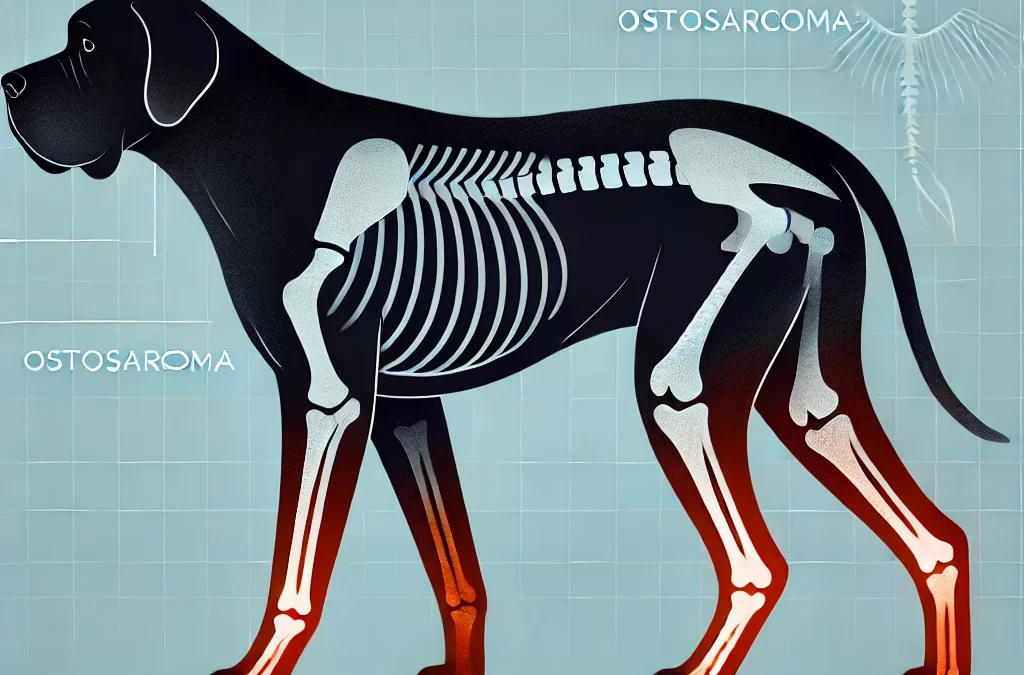
骨肉腫(OSA)は犬における最も一般的な原発性骨癌であり、大型犬や超大型犬に不均衡に影響を与えます。その攻撃的な性質と急速な転移により、この癌はペットの飼い主にとって大きな課題となります。しかし、リスク要因を理解し、予防策を採用することで違いを生むことができます。この記事では、大型犬が骨肉腫に対してなぜより脆弱であるのか、そして飼い主がリスクを最小限に抑えるためにどのような積極的なステップを取ることができるかを探ります。.
なぜ大型犬や超大型犬は骨肉腫に対してより感受性が高いのか?
- 急速な成長と骨の発達
大型犬や超大型犬は初期の数ヶ月間に急速に成長し、骨にストレスをかけます。この急成長は骨構造に微細な損傷を引き起こし、癌の変異に対する素因を作り出す可能性があります。.
- 遺伝的要因
特定の犬種は骨肉腫に対する遺伝的素因を持っています。一般的に影響を受ける犬種には以下が含まれます:
- グレート・デーン
- セント・バーナード
- アイリッシュ・ウルフハウンド
- ロットワイラー
- グレイハウンド
- ラブラドールレトリーバー
- ゴールデンレトリーバー
- 四肢の長さと骨のストレス
背の高い犬は長い四肢を持ち、骨のストレスを受けやすいです。骨肉腫は、橈骨、尺骨、上腕骨、大腿骨などの荷重を支える骨で頻繁に発生します。.
- ホルモンの影響と去勢・避妊
研究によると、特に骨の成熟前に早期に去勢または避妊を行うことが骨肉腫のリスクを高める可能性があります。これは、骨の成長調整に関与する性ホルモンの除去に関連していると考えられています。.
- 慢性的な炎症と骨の外傷
繰り返される外傷、以前の骨折、または整形外科手術は、特に骨肉腫に対する素因を持つ犬種において癌の感受性を高める可能性があります。.
大型犬における骨肉腫のリスクを減らす方法
- 子犬時代の成長を制御する
- 発育中の骨に過度の負担をかける高カロリーで急成長を促す食事を避けてください。.
- 大型犬の子犬には、安定した成長を促進する特別に配合された食事を与えてください。.
- 抗酸化物質を含むバランスの取れた食事
- 食品に豊富に含まれるものを取り入れましょう オメガ-3脂肪酸、ターメリック、抗酸化物質 炎症と酸化ストレスに対抗するために。.
- カルシウムとリンのレベルを制御した食事は、過成長を防ぎながら骨の健康をサポートします。.
- 責任ある去勢と避妊
- 犬が骨格の成熟に達するまで(通常は大型犬で18〜24ヶ月)去勢を遅らせることを検討してください。.
- 獣医と相談して、がんリスクと生殖健康のバランスを取るための代替去勢オプションについて話し合いましょう。.
- 過度の負担のない定期的な運動
- 水泳や制御された散歩のような低衝撃の活動は、骨と関節の健康を維持するのに役立ちます。.
- 特に若い犬では、過度のジャンプや繰り返しの高衝撃活動を避けてください。.
- 早期発見と定期的な健康診断
- 定期的な獣医のスクリーニングは、微妙な骨の変化を早期に検出するのに役立ちます。.
- 飼い主は、以下のような兆候を監視する必要があります 足を引きずること、四肢の腫れ、持続的な痛み、または突然の動きの困難。.
- 骨の強度のためのサプリメント
- グルコサミンとコンドロイチン: 関節と骨の完全性をサポートします。.
- ビタミンDとK2: カルシウムの吸収と骨密度を助けます。.
- クルクミンと薬用キノコ: 抗炎症作用と潜在的な抗癌特性を示します。.
- 環境毒素の回避
- 農薬、タバコの煙、人工添加物を含む加工ペットフードなど、既知の発癌物質への曝露を減らします。.
最後の考え
大型犬や巨犬種は骨肉腫のリスクが高いですが、予防ケアはこの脅威を減少させる上で重要な役割を果たすことができます。バランスの取れた食事、適度な運動、責任ある繁殖、定期的な健康監視は、ペットの飼い主がリスクを効果的に管理するのに役立ちます。積極的であることは、犬の寿命を延ばすだけでなく、全体的な生活の質を向上させます。跛行や腫れの兆候に気付いた場合は、早期診断が結果を改善するために重要であるため、獣医に相談してください。.
執筆者 TCMVET | 2024年7月4日 | 犬の癌と腫瘍
As pet owners, we strive to provide our furry companions with the best care possible. However, two significant health concerns, canine cancer and osteoporosis, pose serious risks to their well-being. This article delves into the risk factors associated with these conditions and offers insights into prevention strategies, aiming to equip pet owners with the knowledge needed to safeguard their dogs’ health.
犬の癌を理解する
Canine cancer is a leading cause of death among dogs, affecting various breeds and ages. It encompasses a range of malignancies, including lymphoma, mast cell tumors, and osteosarcoma. Identifying the risk factors can help in early detection and intervention.
Common Risk Factors for Canine Cancer
- 年齢: Older dogs are more susceptible to cancer due to accumulated cellular damage over time.
- 品種: Certain breeds, such as Golden Retrievers, Boxers, and Rottweilers, have a higher predisposition to specific cancers.
- 遺伝学: Family history plays a crucial role; dogs with cancer-prone relatives are at greater risk.
- 環境曝露: Prolonged exposure to carcinogens, such as pesticides and tobacco smoke, can increase cancer risk.
- Diet and Obesity: Poor diet and obesity can contribute to the development of cancer, emphasizing the importance of balanced nutrition.
Recognizing Osteoporosis in Dogs
Osteoporosis, a condition characterized by weakened bones, is less commonly discussed but equally concerning. It can lead to fractures and reduced mobility, significantly impacting a dog’s quality of life.
Common Risk Factors for Canine Osteoporosis
- 年齢: Similar to cancer, older dogs are more prone to osteoporosis due to natural bone density loss.
- 品種: Small and toy breeds are particularly susceptible, but large breeds can also be affected.
- 栄養不足: Lack of essential nutrients, particularly calcium and vitamin D, can weaken bones.
- Lack of Exercise: Regular physical activity is crucial for maintaining bone density; sedentary lifestyles increase osteoporosis risk.
- ホルモンの不均衡: Conditions like hypothyroidism and hyperparathyroidism can contribute to bone density loss.
Prevention Strategies for Canine Cancer and Osteoporosis
Prevention is always better than cure. Implementing proactive measures can significantly reduce the risk of both cancer and osteoporosis in dogs.
食事と栄養
- バランスの取れた食事: Provide a well-balanced diet rich in essential nutrients. Incorporate high-quality proteins, healthy fats, and a variety of fruits and vegetables.
- サプリメント: Consider supplements like Omega-3 fatty acids, antioxidants, and vitamins to support overall health and immunity.
- 体重管理: Maintain a healthy weight to reduce the risk of obesity-related cancers and bone density loss.
定期的な運動
- 身体活動: Ensure your dog gets regular exercise to strengthen bones and maintain a healthy weight. Activities like walking, running, and playing are beneficial.
- Strength Training: Incorporate strength training exercises, such as climbing stairs or playing with resistance toys, to build bone density.
定期的な獣医の健康診断
- Regular Screenings: Schedule routine veterinary visits for early detection of potential health issues. Regular blood tests and imaging can identify problems before they become severe.
- Dental Health: Dental hygiene is essential, as infections can spread and affect overall health, including bones.
環境の安全性
- 発癌物質への曝露を制限する: Avoid exposing your dog to harmful chemicals, pesticides, and second-hand smoke.
- Safe Living Environment: Provide a safe and clean living environment to reduce the risk of infections and injuries.
Understanding the risk factors for canine cancer and osteoporosis is crucial for proactive pet care. By implementing preventive measures, including a balanced diet, regular exercise, and routine veterinary check-ups, you can significantly reduce the risk of these conditions and ensure your dog leads a healthy and fulfilling life. Stay informed, stay vigilant, and cherish every moment with your loyal companion.
