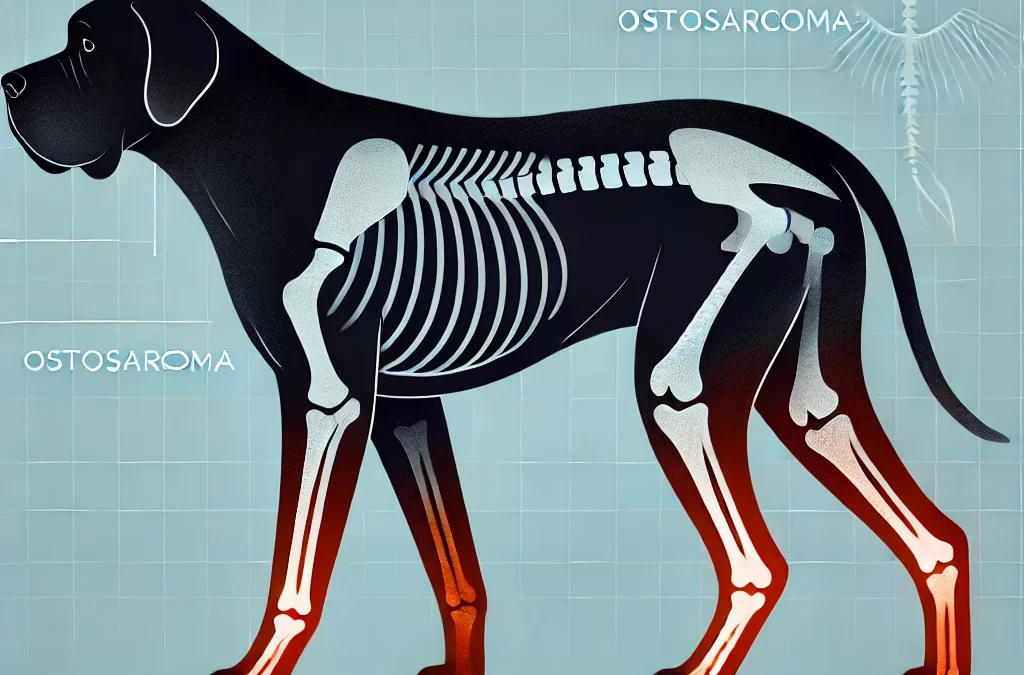
Osteosarcoma (OSA) is the most common primary bone cancer in dogs, and it disproportionately affects large and giant breeds. With its aggressive nature and rapid metastasis, this cancer presents a significant challenge for pet owners. However, understanding the risk factors and adopting preventive strategies can make a difference. This article explores why large dogs are more vulnerable to osteosarcoma and what proactive steps owners can take to minimize the risk.
Why Are Large and Giant Breeds More Susceptible to Osteosarcoma?
Rapid Growth and Bone Development Large and giant breed dogs grow quickly during their early months, putting stress on their bones. This rapid growth may lead to micro-damages in bone structures, creating a predisposition for cancerous mutations.
Genetic Factors Certain breeds have a genetic predisposition to osteosarcoma. Commonly affected breeds include:
Great Dane
Saint Bernard
Irish Wolfhound
Rottweiler
Greyhound
Labrador Retriever
Golden Retriever
Limb Length and Bone Stress Taller dogs with long limbs are more prone to bone stress. Osteosarcoma frequently occurs in weight-bearing bones like the radius, ulna, humerus, and femur.
Hormonal Influence and Spaying/Neutering Studies suggest that early spaying or neutering, particularly before skeletal maturity, may increase osteosarcoma risk. This is believed to be linked to the removal of sex hormones, which play a role in bone growth regulation.
Chronic Inflammation and Bone Trauma Repeated trauma, previous fractures, or orthopedic surgeries may increase cancer susceptibility in dogs, especially in breeds already predisposed to osteosarcoma.
How to Reduce the Risk of Osteosarcoma in Large Dogs
Controlled Growth During Puppyhood
Avoid high-calorie, rapid-growth diets that put excessive strain on developing bones.
Feed large breed puppies specially formulated food that promotes steady, controlled growth.
Balanced Diet with Antioxidants
Incorporate foods rich in omega-3 fatty acids, turmeric, and antioxidants to combat inflammation and oxidative stress.
A diet with controlled calcium and phosphorus levels supports bone health without overgrowth.
Responsible Spaying and Neutering
Consider delaying sterilization until the dog has reached skeletal maturity (typically around 18-24 months for large breeds).
Discuss alternative sterilization options with a veterinarian to balance cancer risk with reproductive health.
Regular Exercise Without Excessive Strain
Low-impact activities like swimming and controlled walks help maintain bone and joint health.
Avoid excessive jumping and repetitive high-impact activities, particularly in young dogs.
Early Detection and Routine Checkups
Regular veterinary screenings help detect subtle bone changes early.
Owners should monitor for signs such as limping, swelling in limbs, persistent pain, or sudden difficulty in movement.
Supplements for Bone Strength
Glucosamine & Chondroitin: Supports joint and bone integrity.
Vitamin D & K2: Helps with calcium absorption and bone density.
Curcumin & Medicinal Mushrooms: Exhibits anti-inflammatory and potential anti-cancer properties.
Avoidance of Environmental Toxins
Reduce exposure to known carcinogens, including pesticides, tobacco smoke, and processed pet foods with artificial additives.
Final Thoughts
While large and giant breed dogs are at higher risk for osteosarcoma, preventative care can play a significant role in reducing this threat. A well-balanced diet, controlled exercise, responsible breeding, and regular health monitoring can help pet owners manage risks effectively. Being proactive not only improves a dog’s longevity but also enhances their overall quality of life. If you notice any signs of lameness or swelling, consult a veterinarian as early diagnosis is crucial for improving outcomes.
As pet owners, we strive to provide our furry companions with the best care possible. However, two significant health concerns, canine cancer and osteoporosis, pose serious risks to their well-being. This article delves into the risk factors associated with these conditions and offers insights into prevention strategies, aiming to equip pet owners with the knowledge needed to safeguard their dogs’ health.
Understanding Canine Cancer
Canine cancer is a leading cause of death among dogs, affecting various breeds and ages. It encompasses a range of malignancies, including lymphoma, mast cell tumors, and osteosarcoma. Identifying the risk factors can help in early detection and intervention.
Common Risk Factors for Canine Cancer
Age: Older dogs are more susceptible to cancer due to accumulated cellular damage over time.
Breed: Certain breeds, such as Golden Retrievers, Boxers, and Rottweilers, have a higher predisposition to specific cancers.
Genetics: Family history plays a crucial role; dogs with cancer-prone relatives are at greater risk.
Environmental Exposure: Prolonged exposure to carcinogens, such as pesticides and tobacco smoke, can increase cancer risk.
Diet and Obesity: Poor diet and obesity can contribute to the development of cancer, emphasizing the importance of balanced nutrition.
Recognizing Osteoporosis in Dogs
Osteoporosis, a condition characterized by weakened bones, is less commonly discussed but equally concerning. It can lead to fractures and reduced mobility, significantly impacting a dog’s quality of life.
Common Risk Factors for Canine Osteoporosis
Age: Similar to cancer, older dogs are more prone to osteoporosis due to natural bone density loss.
Breed: Small and toy breeds are particularly susceptible, but large breeds can also be affected.
Nutritional Deficiencies: Lack of essential nutrients, particularly calcium and vitamin D, can weaken bones.
Lack of Exercise: Regular physical activity is crucial for maintaining bone density; sedentary lifestyles increase osteoporosis risk.
Hormonal Imbalances: Conditions like hypothyroidism and hyperparathyroidism can contribute to bone density loss.
Prevention Strategies for Canine Cancer and Osteoporosis
Prevention is always better than cure. Implementing proactive measures can significantly reduce the risk of both cancer and osteoporosis in dogs.
Diet and Nutrition
Balanced Diet: Provide a well-balanced diet rich in essential nutrients. Incorporate high-quality proteins, healthy fats, and a variety of fruits and vegetables.
Supplements: Consider supplements like Omega-3 fatty acids, antioxidants, and vitamins to support overall health and immunity.
Weight Management: Maintain a healthy weight to reduce the risk of obesity-related cancers and bone density loss.
Regular Exercise
Physical Activity: Ensure your dog gets regular exercise to strengthen bones and maintain a healthy weight. Activities like walking, running, and playing are beneficial.
Strength Training: Incorporate strength training exercises, such as climbing stairs or playing with resistance toys, to build bone density.
Routine Veterinary Check-ups
Regular Screenings: Schedule routine veterinary visits for early detection of potential health issues. Regular blood tests and imaging can identify problems before they become severe.
Dental Health: Dental hygiene is essential, as infections can spread and affect overall health, including bones.
Environmental Safety
Limit Exposure to Carcinogens: Avoid exposing your dog to harmful chemicals, pesticides, and second-hand smoke.
Safe Living Environment: Provide a safe and clean living environment to reduce the risk of infections and injuries.
Understanding the risk factors for canine cancer and osteoporosis is crucial for proactive pet care. By implementing preventive measures, including a balanced diet, regular exercise, and routine veterinary check-ups, you can significantly reduce the risk of these conditions and ensure your dog leads a healthy and fulfilling life. Stay informed, stay vigilant, and cherish every moment with your loyal companion.