執筆者 TCMVET | 2024年12月14日 | 犬の癌と腫瘍
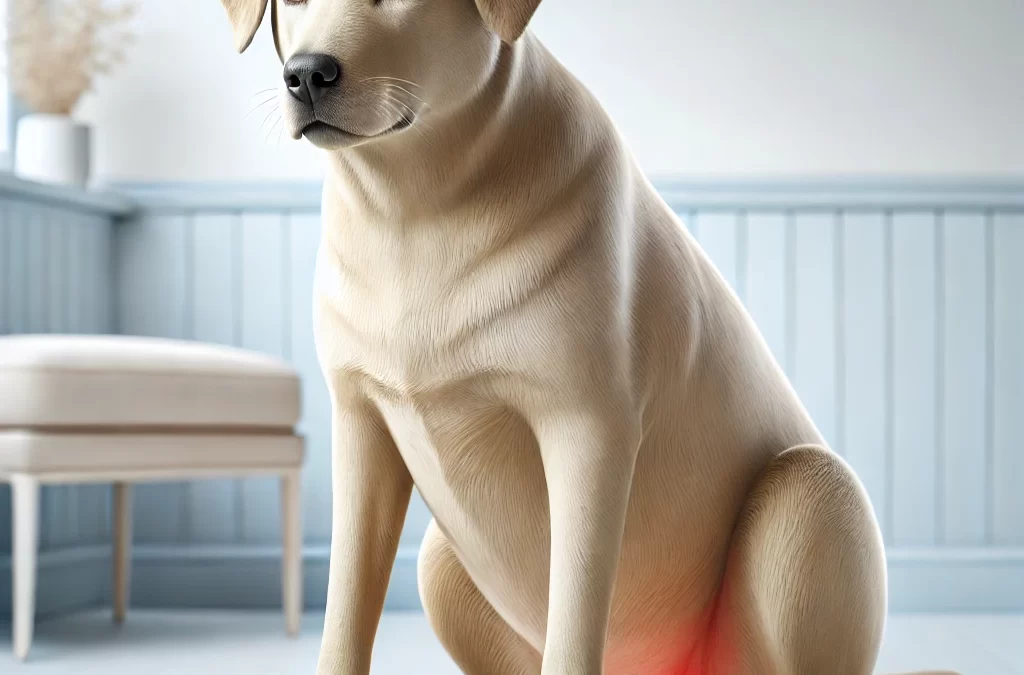
犬の下部腸における異常な成長は、他の健康問題ほど一般的ではありませんが、見過ごされがちな懸念すべき現象です。これらの成長は、良性のポリープから悪性腫瘍までさまざまで、犬の消化、全体的な快適さ、長期的な健康に影響を与えます。原因、兆候、治療オプションを理解することは、あなたの毛むくじゃらの仲間の生活の質を向上させるために重要です。.
下部腸の異常な成長とは何ですか?
「異常な成長」という用語は、結腸、直腸、肛門を含む下部腸管に影響を与えるさまざまな状態を含みます。これらの成長は次のようなものです:
- ポリープ: 不快感を引き起こす可能性がある良性の非癌性成長ですが、まれに広がることはありません。.
- 腺癌: 腺細胞から発生する悪性腫瘍で、しばしば攻撃的で浸潤性です。.
- 平滑筋肉腫: 腸の平滑筋層に影響を与えるまれな悪性成長です。.
- リンパ腫: 腸のリンパ組織に影響を与える癌で、消化器疾患にかかりやすい犬に一般的です。.
犬の下部腸の成長の原因
正確な原因はさまざまですが、異常な成長の発生に寄与するいくつかの要因があります:
- 年齢: 高齢の犬は、細胞の老化や突然変異により腸の腫瘍にかかりやすくなります。.
- 品種の素因: ジャーマンシェパードやコリーのような犬種は、消化器癌のリスクが高いです。.
- 食事と環境: 低品質の食事、毒素への曝露、または慢性的な腸の刺激は、異常な細胞成長を引き起こす可能性があります。.
- 慢性的な炎症: 炎症性腸疾患(IBD)のような状態は、異常な成長の温床を作ります。.
注意すべき兆候と症状
下部腸における異常な成長は、微妙またはあいまいな症状を呈することが多く、早期発見が課題となります。主な兆候には以下が含まれます:
- 慢性的な下痢: 粘液や血液を伴う持続的な軟便。.
- 便秘または排便時のいきみ: 成長による閉塞のために便を排出するのが困難。.
- 便に血液(血便): 明るい赤または暗いタール状の血液は一般的な指標です。.
- 腹痛: 犬は、鳴き声、落ち着きのなさ、または猫背の姿勢などの兆候を示すことがあります。.
- 体重減少: 普通の食欲にもかかわらず、説明のつかない体重減少。.
- 無気力と虚弱: 貧血や成長の全身的な影響によるエネルギーレベルの低下。.
診断:隠れた問題を明らかにする
下部腸の成長を診断するには、臨床検査と高度な診断の組み合わせが必要です:
- 身体検査: 直腸検査では、下部管に触知可能な成長が明らかになることがあります。.
- 画像診断: X線、超音波、またはCTスキャンは、腫瘍とその位置を可視化するのに役立ちます。.
- 内視鏡検査: 大腸に挿入されたカメラは、異常な組織を特定し、時には生検を行うことができます。.
- 生検: 組織サンプルは、成長が良性か悪性かを確認し、治療の指針となります。.
治療オプション:各ケースに合わせた治療
治療は、成長の種類、位置、段階によって異なります:
- 外科的除去: 限局性の成長、特に良性ポリープや小さな悪性腫瘍に対する一次治療。.
- 化学療法: 転移したり、外科的に完全に除去できない癌に推奨されます。.
- 放射線療法: 攻撃的な腫瘍に対して手術と併用されます。.
- 緩和ケア: 進行したまたは治療不可能なケースでの痛み管理と犬の快適さの向上に焦点を当てています。.
消化器の健康のためのホリスティックサポート
医療的治療が主な状態に対処する一方で、ホリスティックアプローチは追加のサポートを提供できます:
- 高繊維食: スムーズな消化を促進し、下部腸の刺激を減少させます。.
- プロバイオティクス: 腸内フローラを強化し、全体的な腸の健康をサポートします。.
- ターメリック(クルクミン): 抗炎症作用と潜在的な抗癌特性で知られています。.
- CBDオイル: 炎症と痛みを軽減し、犬の生活の質を向上させます。.
予防策:リスクを減らす
すべての成長を防ぐことはできませんが、犬のリスクを下げるために取れるステップがあります:
- 定期的な健康診断: 年次の獣医検査は異常を早期に発見するのに役立ちます。.
- 高品質の食事: 消化器系のストレスを最小限に抑えるために、バランスの取れた栄養価の高い食事を提供します。.
- 糞便の健康を監視する: 犬の糞便や腸の習慣の変化に注意を払います。.
- 毒素への曝露を制限する: 低品質の食べ物を与えたり、犬を有害な化学物質にさらさないようにします。.
ペットの飼い主への感情的な負担
腸の成長を持つ犬の世話は感情的に疲れることがあります。不安や圧倒されるのは自然なことですが、あなたは一人ではないことを忘れないでください。サポートグループや獣医専門家など、多くのリソースがこの旅を通じてあなたを導いてくれます。.
結論:知識は力である
犬の下部腸における異常な成長は daunting に見えるかもしれませんが、早期発見と積極的なケアにより、多くの犬は充実した生活を送ることができます。警戒を怠らず、定期的な獣医のアドバイスを求め、あなたの四足の友人に可能な限り最良のケアを提供してください。.
執筆者 TCMVET | 2024年12月14日 | 犬の癌と腫瘍
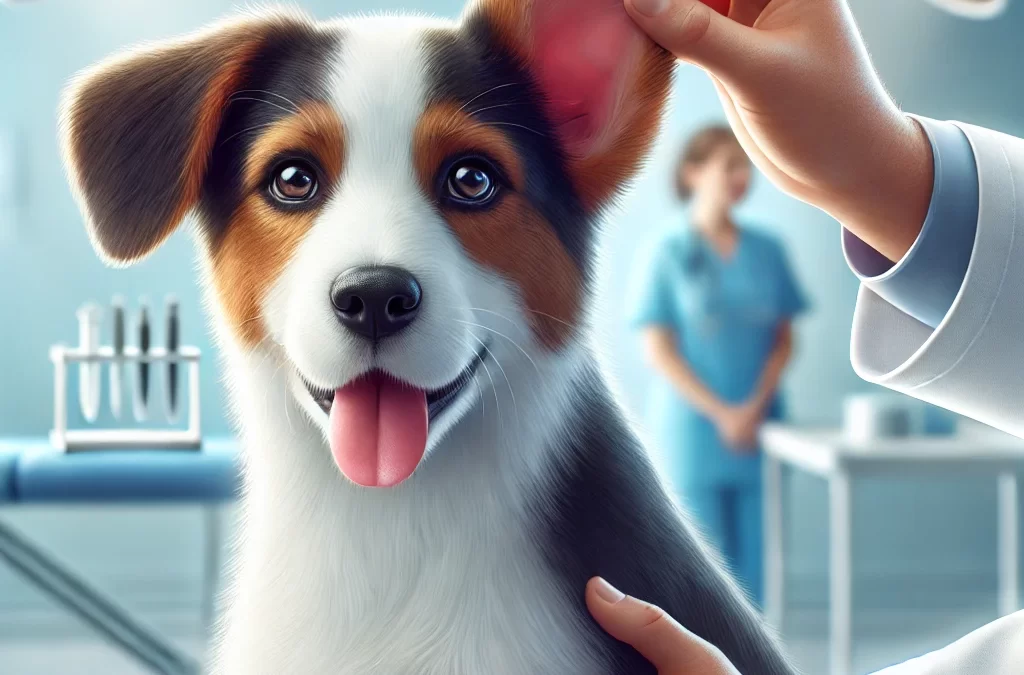
犬の耳にできる腫瘤については、飼い主を驚かせる可能性があるのが 組織球腫. です。これらの良性の成長は若い犬に一般的で、急速な発展と目立つ場所のために驚くべきものに見えることがあります。しかし、通常は無害で、しばしば自然に解決します。組織球腫がユニークである理由と、あなたの毛むくじゃらの友達に最良のケアを提供する方法を見ていきましょう。.
組織球腫とは何ですか?
組織球腫は、皮膚に見られる免疫細胞の一種である ランゲルハンス細胞, から発生する非癌性の腫瘍です。これらの腫瘍は、通常3歳未満の犬に最も一般的に見られ、頭部、耳、または四肢に発生します。.
耳の場合、組織球腫は外側の表面や端に形成され、ペットの親を心配させる可視の腫瘤を作ります。その劇的な外観にもかかわらず、組織球腫は犬における最も良性の成長の一つと見なされています。.
なぜ犬に組織球腫が発生するのですか?
組織球腫の正確な原因は不明ですが、若い犬の過剰な免疫反応に関連していると考えられています。ボクサー、ラブラドール、ブルドッグなどの犬種は、より高い素因を持っているようですが、どの犬種でも発生する可能性があります。.
耳の組織球腫を特定する方法
組織球腫はその外観と行動が独特で、比較的簡単に見つけることができます:
- 外観: 持ち上がった、丸い、赤い腫瘤で、しばしば毛がなく滑らかです。耳の上では、薄い皮膚と毛の欠如のために特に目立つことがあります。.
- サイズ: 通常は小さく、直径約0.5〜2 cmです。.
- テクスチャー: 触れるとしっかりしており、わずかに潰瘍化したり光沢のある表面を持っています。.
- 行動: 悪性腫瘍とは異なり、組織球腫は通常、引っかかれたり感染したりしない限り不快感を引き起こしません。.
心配するべきですか?
組織球腫の最も安心できる側面の一つは、それらが 自己制限的, 、つまり、介入なしで2〜3ヶ月以内に消えることがよくあります。ただし、診断を確認し、耳の感染症や膿瘍などのより深刻な状態を除外するために獣医の相談が重要です。
診断中に期待されること
獣医は通常、組織球腫を特定するために以下の方法を使用します:
- 身体検査: 腫瘤と犬の全体的な健康状態の詳細な検査。.
- 細針吸引(FNA): 顕微鏡分析のために小さな細胞サンプルが抽出されます。.
- 生検: 稀に、さらなる確認のために生検が行われることがあります。.
治療とケアの選択肢
ほとんどの組織球腫は自然に解消しますが、特定のケースでは介入が必要な場合があります:
- 治療は不要: 腫瘤が犬を困らせていない場合は、自然に退縮するまで放置できます。.
- 外科的除去: 成長が刺激を引き起こすか、治癒が遅い稀なケースでは、獣医が除去を勧めることがあります。.
- Topical Treatments: 組織球腫が潰瘍化した場合、抗生物質クリームやスプレーが感染を防ぐことができます。.
自宅ケアのヒント
組織球腫が解消するのを待っている間、犬が快適であることを確保するために取れるステップがあります:
- かきむしりを防ぐ: 犬が耳を過度にかく場合はエリザベスカラーを使用してください。これは出血や感染につながる可能性があります。.
- 成長を監視する: 腫瘤のサイズ、色、質感に注意を払ってください。急激な変化があれば、再診が必要かもしれません。.
- エリアを清掃する: 獣医師推奨の溶液で耳を優しく清掃し、二次感染のリスクを減らします。.
耳の組織球腫はどのように異なるのか?
耳の組織球腫は、耳の敏感な位置のためにより目立つことがあります。耳が非対称に見えたり、垂れ下がったりすることがあり、犬は頭をより頻繁に振るかもしれません。これらの特定の兆候は、監視とケアをさらに重要にします。.
愛犬の癒しをサポートする自然なアプローチ
一部のペットオーナーは、従来の獣医療を補完するために自然療法を探ります。これらの方法は治療法ではありませんが、全体的な皮膚の健康をサポートすることができます:
- オメガ-3脂肪酸: 健康的な免疫反応を促進し、炎症を軽減します。.
- カレンデュラクリーム: 腫瘍周辺の刺激を和らげるための穏やかなハーブ療法。.
- CBDオイル: 不快感に関連する掻きむしりやストレスを軽減するのに役立つかもしれません。.
獣医のアドバイスを求めるべき時
組織球腫は良性ですが、以下のことに気づいたら獣医に相談してください:
- 腫瘍が急速に成長するか、質感が変わる。.
- 持続的な掻きむしり、出血、または分泌物。.
- 3ヶ月経っても組織球腫が退縮しない。.
最後の考え
愛犬の耳にある組織球腫は、一見すると心配に見えるかもしれませんが、通常はほとんど介入なしで解決する無害な状態です。その独自の性質を理解し、注意深いケアを提供することで、愛犬がこのプロセスを通じて幸せで健康でいられるようにすることができます。.

執筆者 TCMVET | 2024年12月13日 | 犬の癌と腫瘍
犬の鼻癌、または鼻腔癌は、鼻腔または副鼻腔に影響を与える比較的まれですが攻撃的な状態です。すべての犬の癌の1%未満を占めていますが、その重症度は侵襲的な性質と早期発見の難しさにあります。この記事では、鼻癌と闘う犬の症状、診断、治療オプション、およびサポートケアについて掘り下げます。.
犬の鼻癌とは何ですか?
犬の鼻癌は、主に鼻腔や副鼻腔内で発生する腫瘍を含みます。最も一般的なタイプは 腺癌, 、しかし、扁平上皮癌、線維肉腫、または骨肉腫などの他の形態も発生する可能性があります。この状態は通常、年配の犬に影響を与え、大型犬種はわずかに高いリスクにさらされているようです。.
サインと症状
鼻の癌の初期症状は微妙で、しばしば呼吸器感染症やアレルギーと誤解されます。病気が進行するにつれて、症状はより顕著になります。以下に注意してください:
- 持続的な鼻の分泌物
血液または粘液性の性質を持つ片側の分泌物(片方の鼻孔に影響する)は、特徴的な症状です。.
- 頻繁なくしゃみ
治療しても改善しない慢性的なくしゃみは、腫瘍による鼻の刺激を示す可能性があります。.
- 顔の腫れ
腫瘍が周囲の構造に侵入するにつれて、鼻、目、または額の周りに腫れが生じることがあります。.
- 呼吸困難
いびきや騒がしい呼吸は、鼻腔内の閉塞を示す可能性があります。.
- 鼻血(鼻出血)
鼻からの断続的または持続的な出血がしばしば報告されます。.
- 神経症状
腫瘍が脳に広がると、発作、混乱、または行動の変化などの症状が現れることがあります。.
- 食欲不振と体重減少
多くの癌と同様に、全身的な影響が食事摂取量の減少や体重減少を引き起こす可能性があります。.
診断
鼻の癌の診断には、徹底的な評価が含まれます:
- 身体検査:獣医は顔の非対称性や呼吸中の異常音をチェックすることがあります。.
- 鼻鏡検査:鼻腔に挿入された小型カメラが腫瘍を可視化するのに役立ちます。.
- 画像診断:X線、CTスキャン、またはMRIが腫瘍とその広がりの詳細な画像を提供します。.
- 生検:組織サンプルが癌の種類と重症度を確認します。.
治療オプション
治療は腫瘍の大きさ、種類、ステージ、および犬の全体的な健康状態に依存します。選択肢には次のものが含まれます:
- 7. 放射線療法
放射線治療は鼻癌に対する最も効果的な治療法であり、腫瘍を縮小し、症状を緩和することを目的としています。癌を治すことはできないかもしれませんが、生活の質を大幅に改善することができます。.
- 手術
腫瘍の外科的除去は鼻の領域の複雑な解剖学のために困難ですが、特定のケースでは試みられることがあります。.
- 10. 化学療法
化学療法はあまり一般的に使用されませんが、特定の腫瘍タイプや他の治療の補助として推奨されることがあります。.
- 緩和ケア
根治的治療が選択肢でない場合、緩和ケアは抗炎症薬、鎮痛剤、鼻の去痰薬を含む薬物を通じて痛みや不快感を和らげることに焦点を当てます。.
支援ケアのための自然療法
従来の治療法と並行してホリスティックアプローチを取り入れることで、犬の快適さを向上させることができます:
- ハーブサプリメント
ハーブのような ターメリック (クルクミン)と アストラガルス は抗炎症作用と免疫促進作用があると考えられています。.
- 食事の調整
高品質で低炭水化物の食事は全体的な健康をサポートし、炎症を軽減します。.
- CBDオイル
カンナビジオールは、進行した癌を持つ犬の痛みを管理し、不安を軽減するのに役立つかもしれません。.
予後と生活の質
犬の鼻癌の予後は、腫瘍の種類や診断時のステージなどの要因によって異なります。放射線療法を受けた多くの犬は、症状の緩和と生存期間の延長を経験し、通常は8ヶ月から18ヶ月の範囲です。治療を受けない場合、病気は急速に進行し、通常は数週間から数ヶ月以内に進行します。.
How to Support Your Dog
- 症状を監視する:呼吸、食事、またはエネルギーレベルの変化を追跡してください。.
- 頻繁な獣医訪問:定期的な健康診断は、犬の状態が注意深く監視されることを保証します。.
- 快適さを提供する:柔らかい寝具、静かな環境、食べ物と水への簡単なアクセスは大きな違いを生み出します。.
最後の考え
犬の鼻癌は厄介な診断ですが、タイムリーな介入と包括的なケアプランにより、犬に可能な限り最高の生活の質を提供できます。常に獣医に相談して、犬の特定のニーズに合わせた治療オプションを探ってください。.

執筆者 TCMVET | 2024年12月13日 | 犬の癌と腫瘍
犬の腎臓癌は稀ではありますが、あなたの愛犬の生活の質に大きな影響を与える深刻な状態です。早期に兆候を認識することが治療結果に大きな違いをもたらすことがあります。この記事では、腎臓癌の特徴的な兆候を探り、なぜそれが見逃されがちなのかを議論し、サポートケアの選択肢についての洞察を提供します。.
犬の腎臓癌とは何ですか?
腎臓癌は、1つまたは両方の腎臓における異常な細胞成長を指します。犬では、腎細胞癌が最も一般的な腎臓癌のタイプであり、主に高齢の犬に影響を与えます。その正確な原因は不明ですが、遺伝的素因や毒素への曝露が関与している可能性があります。.
微妙な兆候:腎臓癌が見えないところに隠れる理由
腎臓癌の症状は、尿路感染症や一般的な老化などの軽度の問題と簡単に間違えられることがあります。この兆候の重複は、診断を遅らせることがよくあります。注意すべき点は以下の通りです:
- 頻尿または排尿困難
排尿頻度の増加や排尿時の明らかな不快感は、腎臓のストレスや腫瘍による閉塞を示している可能性があります。.
- 尿中の血液(血尿)
明るい赤色または暗い茶色の尿は、あなたの犬の腎臓に何か問題があるかもしれないという重要な警告サインです。.
- 食欲の減少
食欲の急激な低下と体重減少は、腎機能に関連する全身的な問題を示す可能性があります。.
- 無気力
あなたの犬が異常に疲れているように見えたり、日常活動に参加したがらない場合、これは腎機能障害による基礎的な疲労を示している可能性があります。.
- 腹部の膨張
腹部の腫れは、大きな腎臓腫瘍が他の臓器を圧迫していることが原因である可能性があります。.
- 嘔吐と吐き気
腎臓癌が進行するにつれて、血液中に毒素が蓄積し、消化器系の不調を引き起こします。.
腎臓癌が他の状態と異なる点
上記の多くの症状は、腎臓病、膀胱感染症、または糖尿病の症状に似ています。しかし、腎臓癌では、これらの兆候はより持続的で、治療なしでは時間とともに悪化します。.
診断の役割
腎臓癌を検出するには、複数の検査の組み合わせが必要です:
- 超音波検査とX線は、潜在的な腫瘍の画像を提供します。.
- 血液検査は異常な腎機能や貧血を明らかにします。.
- 尿検査は顕微鏡的な血液や癌細胞を特定できます。.
獣医師は癌の種類と重症度を確認するために生検を推奨することもあります。.
支援ケアのための自然療法
影響を受けた腎臓の外科的除去が主な治療法であることが多いですが、ホリスティックアプローチは伝統的な方法を補完し、犬の生活の質を向上させることができます。.
- ハーブ療法
川芎(四川セリ)などのハーブは、血行を促進し、腎臓周辺の炎症を軽減するのに役立つかもしれません。.
- 食事の調整
低リン、高品質のタンパク質の食事は腎機能をサポートし、残りの腎臓への負担を軽減します。.
- CBDオイル
カンナビジオールは、治療を受けている犬の痛みを管理し、ストレスを軽減するのに役立つかもしれません。.
予防のヒント:リスクを減らすことはできますか?
腎癌を完全に予防することは不可能ですが、全体的な腎の健康を促進するために取れるステップがあります:
- 新鮮でろ過された水を提供してください。.
- 殺虫剤のような既知の発癌物質への曝露を避けてください。.
- 特に高齢犬のために定期的な獣医の健康診断をスケジュールしてください。.
獣医に相談すべき時
上記の症状のいずれかに気付いた場合は、すぐに獣医に相談してください。早期の介入は、手術、化学療法、または緩和ケアを通じてより良い結果につながる可能性があります。.
最後の考え
犬の腎癌は挑戦的な診断ですが、犬の健康に積極的でいることで大きな違いを生むことができます。微妙な変化を認識し、タイムリーな医療アドバイスを求めることで、愛するペットが受けるべきケアと快適さを確保できます。.

執筆者 TCMVET | 2024年12月12日 | 犬の癌と腫瘍
犬の肛門癌は比較的まれですが、迅速な対応が必要な深刻な状態です。最も頻繁に診断されるタイプは 肛門嚢腺癌, 、肛門腺から発生する悪性腫瘍です。このタイプの癌は、その攻撃的な性質と他の体の部分に転移する可能性で知られています。この記事では、肛門癌に影響を受けた犬の症状、診断、治療オプション、および展望を探ります。.
犬の肛門癌とは何ですか?
肛門癌は、肛門腺内またはその近くに悪性腫瘍が発生することを指します。これらの腺は肛門の両側に位置し、テリトリーをマーキングするために使用される液体を分泌する役割を果たします。これらの腺に癌が発生すると、急速に成長し、近くのリンパ節、肺、または他の臓器に転移することがあります。.
犬の肛門癌の症状
犬の肛門癌の症状は、腫瘍のサイズや位置、転移の有無によって異なる場合があります。一般的な兆候には以下が含まれます:
- 腫瘤または腫れ: 肛門の近くに目立つ塊または腫れ。.
- 排便の困難: 腫瘍が直腸を塞ぐことによる、いきむこと、痛み、または便の形状の変化。.
- 出血: 肛門周辺または便に血液。.
- スクーティングまたは舐め: 不快感から地面でスクートしたり、過度にその部分を舐めたりすることがあります。.
- 高カルシウム血症の症状: 血中のカルシウムレベルが上昇することによる、喉の渇きの増加、頻繁な排尿、無気力、または虚弱。.
- 体重減少と食欲不振: 進行したケースでは、体重減少や食欲の減少などの全身症状が現れることがあります。.
肛門癌はどのように診断されますか?
肛門癌を診断するために、獣医は以下の組み合わせを使用します:
- 身体検査: 肛門周辺の腫瘤、腫れ、または不快感のチェック。.
- 細針吸引または生検: 悪性を確認するために腫瘍組織をサンプリングします。.
- 血液検査: 高カルシウム血症やその他の異常を特定します。.
- 画像診断: X線、超音波、またはCTスキャンで癌の広がりを判断し、転移を確認します。.
犬の肛門癌の治療オプション
治療アプローチは癌のステージと広がりに依存します。一般的なオプションには以下が含まれます:
- 手術: 局所肛門癌の主要な治療法は、腫瘍と潜在的に影響を受けたリンパ節の外科的除去です。.
- 放射線療法: 残存癌細胞を標的にするために手術と組み合わせて使用されることが多いです。.
- 化学療法: 癌が転移している場合や他の治療の補助として推奨されます。.
- 緩和ケア: 進行した症例では、痛みの管理、食事の調整、サポートケアが生活の質を向上させることができます。.
肛門癌を持つ犬の予後
肛門癌を持つ犬の見通しは、腫瘍の大きさ、転移の有無、提供された治療など、いくつかの要因に依存します。早期発見と積極的な治療は生存率を改善し、多くの犬が治療後に良好な生活の質を長期間経験します。しかし、転移を伴う進行した症例は予後があまり良くありません。.
肛門癌を持つ犬のケア
ペットの飼い主として、犬にとって支援的で快適な環境を提供することが重要です。以下のヒントに従ってください:
- 定期的な獣医訪問: 犬の状態を監視するために頻繁に健康診断をスケジュールします。.
- 栄養: 治療中に犬のニーズに合わせたバランスの取れた食事を提供します。.
- 痛み管理: 獣医と協力して犬が快適であることを確認します。.
- 感情的サポート: 愛情と安心感を提供して、犬が治療のストレスに対処できるようにします。.
結論
犬の肛門癌は攻撃的ですが、早期発見と包括的な治療計画は結果に大きな違いをもたらすことができます。症状に注意を払い、異常な兆候に気付いた場合は迅速に獣医のケアを求めてください。適切なサポートとケアがあれば、犬は困難な時期でも良好な生活の質を維持できます。.
