Spinal tumors in dogs, though rare, can severely impact their mobility and quality of life. These tumors may develop within or around the spinal column, affecting the nervous system’s function. Early detection and proper management are essential to providing the best care for your furry friend. Here’s a comprehensive guide to the types of spinal tumors in dogs and their symptoms, causes, and treatment options.
Common Types of Spinal Tumors in Dogs
Intramedullary Tumors
Description: These tumors originate within the spinal cord itself. They often arise from glial cells, which support the nervous system.
Examples: Astrocytomas, ependymomas, and oligodendrogliomas
症状: Gradual weakness, incoordination, and possible paralysis in severe cases
治療: Surgery (if possible), radiation therapy, and supportive care
Extradural Tumors
Description: These tumors occur outside the spinal cord but within the spinal canal, often compressing the cord and causing neurological issues.
Examples: Osteosarcomas, fibrosarcomas, and lymphomas
症状: Back pain, difficulty walking, and muscle weakness
治療: Surgical removal, chemotherapy, or radiation, depending on the tumor type
Intradural-Extramedullary Tumors
Description: Located within the spinal canal but outside the spinal cord, these tumors grow in the surrounding meninges or nerve roots.
症状: Pain, incoordination, and possible urinary or bowel incontinence
治療: Surgery and radiation therapy
Vertebral Tumors
Description: These tumors arise from the bones of the spine, causing structural instability and potential compression of the spinal cord.
Examples: Osteosarcoma, chondrosarcoma
症状: Severe pain, swelling, and difficulty standing or walking
治療: Surgery, chemotherapy, and pain management
犬の脊髄腫瘍の症状
The symptoms of spinal tumors can vary depending on the tumor’s location and size, but common signs include:
Reluctance to move or play
Difficulty walking or dragging limbs
Pain or sensitivity in the back or neck
Loss of bladder or bowel control
Sudden changes in behavior or posture
原因とリスク要因
Spinal tumors in dogs may be caused by:
Genetic Predisposition: Certain breeds like German Shepherds and Golden Retrievers may be at higher risk.
年齢: Older dogs are more likely to develop spinal tumors.
Cancer Metastasis: Tumors from other parts of the body may spread to the spine.
診断と治療
Veterinarians use several methods to diagnose spinal tumors:
Neurological Examination: Assesses reflexes, coordination, and pain response.
画像診断: X-rays, MRI, or CT scans to locate and evaluate the tumor.
生検: Confirms the tumor type for targeted treatment.
Treatment options include:
手術: The preferred method for accessible and operable tumors.
放射線療法: Used for inoperable or residual tumors post-surgery.
化学療法: Effective for some metastatic or primary spinal tumors.
痛み管理: Essential for improving the dog’s quality of life.
Supporting Your Dog Through Recovery
Care for dogs with spinal tumors should include:
Providing a soft, supportive bed to prevent pressure sores
Assisting with mobility through harnesses or carts
Maintaining a nutritious diet to support overall health
Regular follow-ups with the vet to monitor progress
結論
Spinal tumors in dogs require prompt attention and specialized care. While the prognosis depends on the tumor type and progression, advancements in veterinary medicine have made treatments more effective. By understanding the symptoms and options available, you can ensure your dog receives the best care and support.
Skin health in dogs is often a mirror of their overall well-being, yet some conditions can be puzzling for even the most attentive pet owners. One such rare condition is cornifying epitheliomas, a type of benign skin tumor that can cause concern due to its appearance and effects. Let’s delve into this unusual dermatological condition, its causes, treatments, and what makes it a unique challenge in canine healthcare.
角化上皮腫とは?
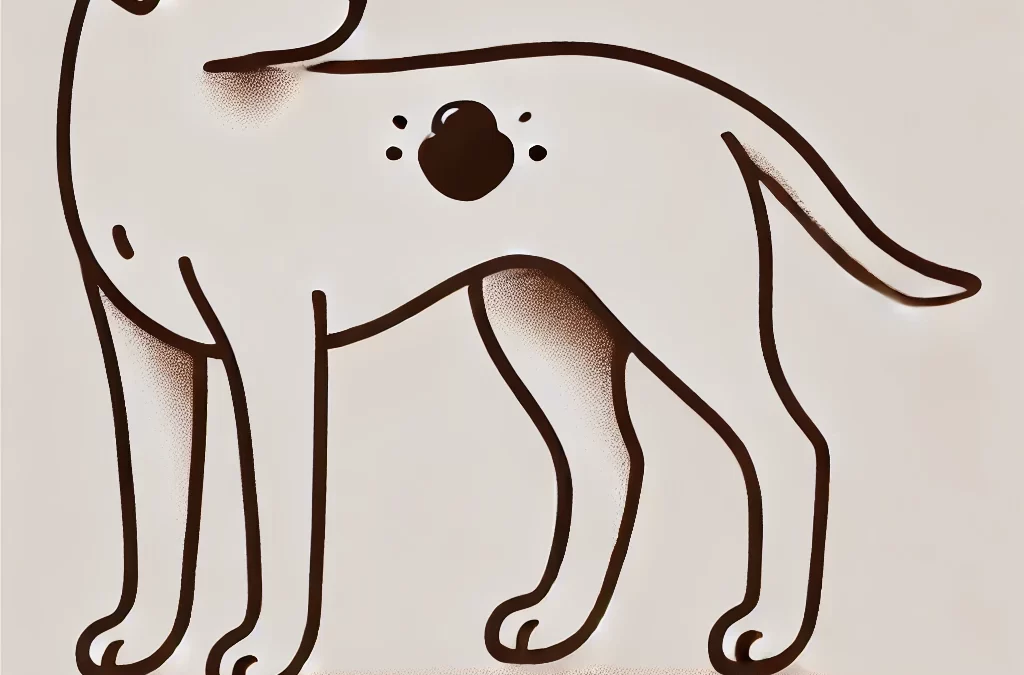
Cornifying epitheliomas are benign tumors that originate from sebaceous glands, specifically the epithelium (skin cells) responsible for keratin production. These tumors often present as nodular, wart-like growths on a dog’s skin. While they are not life-threatening, their potential to cause discomfort or infection means they shouldn’t be ignored.
What Causes Cornifying Epitheliomas?
The exact cause of cornifying epitheliomas isn’t fully understood, but contributing factors may include:
Genetic Predisposition: Breeds such as Cocker Spaniels, Beagles, and Siberian Huskies are more prone to developing these growths.
Hormonal Imbalances: Sebaceous gland activity can be influenced by hormonal changes, particularly in older dogs.
Dietary Deficiencies: Poor nutrition can lead to imbalances in skin health, potentially exacerbating conditions like epitheliomas.
症状の認識
Cornifying epitheliomas typically appear as:
Small, firm nodules with a wart-like texture
Yellowish or waxy in color due to keratin build-up
Localized around the head, neck, or back but can occur anywhere
Occasionally accompanied by redness or inflammation if secondary infection occurs
While these growths are benign, rapid changes in size, color, or texture should be evaluated by a veterinarian to rule out malignancies.
Diagnosing Cornifying Epitheliomas
Diagnosis usually involves:
身体検査: A veterinarian will assess the size, location, and appearance of the growths.
細針吸引(FNA): A sample of cells is extracted and analyzed to confirm the nature of the tumor.
生検: In some cases, a biopsy may be necessary to differentiate between benign epitheliomas and other skin conditions or cancers.
治療オプション
Treatment depends on the severity and impact of the epitheliomas on your dog’s quality of life.
監視 For small, non-problematic growths, regular monitoring is often sufficient.
Ensure the area remains clean and free from infection.
Use soothing topical treatments if recommended by your vet.
外科的除去 If the growths are causing discomfort, recurring infections, or cosmetic concerns, surgical removal is a common solution.
Minimally invasive techniques like laser surgery can reduce recovery time.
Topical or Systemic Therapies
Retinoids or vitamin A supplements can regulate keratin production.
Antibiotics may be prescribed for secondary bacterial infections.
Innovative and Natural Approaches
For owners looking to complement conventional treatments with holistic care:
オメガ-3脂肪酸: These can reduce inflammation and promote overall skin health.
ハーブ療法: Calendula and aloe vera can soothe irritated areas.
食事の調整: A diet rich in antioxidants and high-quality proteins supports skin regeneration.
予防策
Although not all cases of cornifying epitheliomas can be prevented, these steps can help maintain optimal skin health:
定期的なグルーミング: Keeps the skin clean and promotes early detection of abnormalities.
バランスの取れた食事: Supports the immune system and reduces the likelihood of skin issues.
Routine Veterinary Visits: Early intervention is key to managing any skin condition.
A Unique Challenge in Canine Dermatology
Cornifying epitheliomas highlight the importance of understanding and addressing even rare conditions in dogs. While benign, these growths can impact your pet’s comfort and appearance, making prompt and effective management essential. By staying informed and working closely with your veterinarian, you can ensure your dog remains healthy, happy, and thriving.