
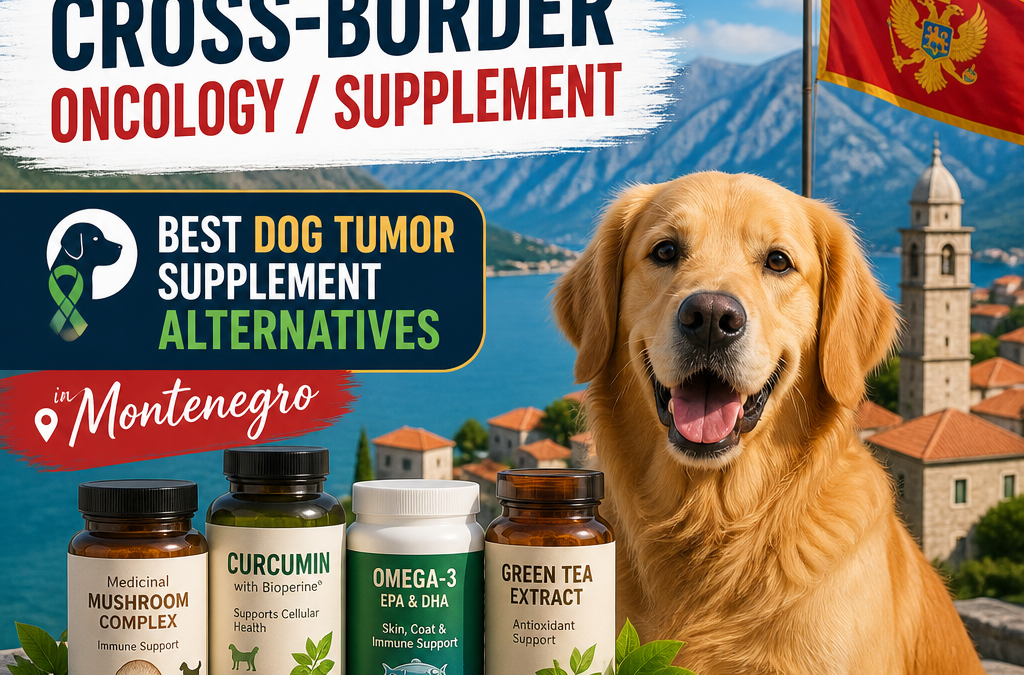
Alternatywy dla onkologii transgranicznej / suplementów stają się ważnym tematem dla właścicieli psów w Czarnogórze, którzy chcą mieć dostęp do opcji wsparcia, które są łatwiejsze do uzyskania lokalnie. Gdy pies zostaje zdiagnozowany z guzem, suplementy mogą pomóc wspierać apetyt, trawienie, funkcję odpornościową lub ogólne samopoczucie, ale nigdy nie powinny zastępować diagnozy i leczenia weterynaryjnego. Najbardziej odpowiednie alternatywy suplementów dla psów z guzami zależą od rodzaju guza, aktualnej terapii, wieku, wagi, wyników krwi i ogólnego stanu zdrowia psa.
Spis treści
- Dlaczego właściciele szukają alternatyw dla suplementów na guzy u psów
- Ważne kwestie bezpieczeństwa przed wyborem suplementu
- Wsparcie żywieniowe jako alternatywne podejście
- Kwasy tłuszczowe omega-3 i olej rybny
- Przeciwutleniacze i składniki odżywcze wspierające
- Grzyby lecznicze i produkty ziołowe
- Probiotyki i wsparcie trawienne
- Jak znaleźć wiarygodne alternatywy w Czarnogórze
- Wspieranie jakości życia
Dlaczego właściciele szukają alternatyw dla suplementów na guzy u psów

Alternatywy dla produktów onkologii transgranicznej / suplementów są często poszukiwane, ponieważ produkty transgraniczne mogą być trudne do zakupu w sposób ciągły. Opóźnienia w wysyłce, procedury celne, ograniczona dostępność, nieznane etykiety i zmieniające się warunki przechowywania mogą wpływać na dostęp. W Czarnogórze właściciele mogą również preferować produkty dostępne w lokalnych klinikach weterynaryjnych, aptekach, sklepach zoologicznych lub renomowanych dostawcach regionalnych.
Innym zmartwieniem jest komunikacja. Weterynarz powinien być w stanie przejrzeć dokładną listę składników i dawkowanie każdego suplementu. Produkty zakupione w innym kraju mogą mieć różne stężenia, nazwy marek lub instrukcje. Lokalne alternatywy z przejrzystymi etykietami mogą czasami znacznie ułatwić monitorowanie.
Celem nie powinno być znalezienie “cudownego leku”. Zamiast tego celem powinno być zidentyfikowanie bezpiecznego, opartego na dowodach wsparcia żywieniowego, które uzupełnia plan leczenia weterynaryjnego. W praktyce najlepsze alternatywy suplementów dla psów z guzami to zazwyczaj te, które są łatwe do pozyskania, łatwe do dawkowania i odpowiednie dla indywidualnego pacjenta.
Dla wielu rodzin poszukiwania zaczynają się po diagnozie nowotworu, która już stworzyła stres i niepewność. Dlatego warto zwolnić tempo i dokładnie porównać opcje. Dobrze dobrany produkt może wspierać komfort, ale źle dobrany może zakłócać leczenie, marnować pieniądze lub tworzyć fałszywą nadzieję. Najbardziej praktyczne alternatywy dla produktów onkologii transgranicznej / suplementów to te, które odpowiadają zarówno medycznym potrzebom psa, jak i zdolności właściciela do ich prawidłowego stosowania każdego dnia.
Ważne kwestie bezpieczeństwa przed wyborem suplementu
Przed podaniem jakiegokolwiek produktu, omów to z weterynarzem odpowiedzialnym za opiekę nad psem. Jest to szczególnie ważne, jeśli pies otrzymuje chemioterapię, radioterapię, operację, kortykosteroidy, leki przeciwbólowe, antybiotyki lub leki przeciwzakrzepowe. Ta sama ostrożność dotyczy wszystkich omawianych tutaj alternatyw suplementów dla psów z guzami.
Niektóre suplementy mogą wpływać na krzepnięcie krwi, enzymy wątrobowe, ciśnienie krwi lub aktywność układu odpornościowego. Inne mogą podrażniać żołądek lub powodować biegunkę. Nawet naturalne składniki mogą być niebezpieczne w niewłaściwej dawce lub w połączeniu z lekami. Produkt może wyglądać łagodnie na półce, ale wciąż być nieodpowiedni dla psa z rakiem.
Weterynarz może zalecić badania krwi w celu oceny funkcji wątroby i nerek, liczby czerwonych i białych krwinek, poziomów białka oraz nawodnienia. Wyniki te mogą pomóc określić, czy suplement jest odpowiedni i czy pies doświadcza skutków ubocznych związanych z leczeniem. Ten krok jest szczególnie przydatny, gdy właściciele porównują kilka alternatyw suplementów dla psów z nowotworami jednocześnie.
Właściciele powinni również unikać produktów z niejasnymi listami składników, niepopartymi roszczeniami o raku lub obietnicami, że guz zniknie. Wiarygodny produkt powinien wyraźnie podawać składniki aktywne, ilość na porcję, datę ważności, wymagania dotyczące przechowywania, producenta oraz zalecane zastosowanie.
Warto również rozważyć aktualny apetyt i poziom komfortu psa przed wprowadzeniem czegokolwiek nowego. Jeśli pies ma nudności, odmawia jedzenia lub wymiotuje, nawet dobrze zamierzony suplement może być obciążeniem. W takich przypadkach weterynarz może priorytetowo traktować leki przeciwwymiotne, nawodnienie, zarządzanie bólem lub tymczasową zmianę diety przed zaleceniem kolejnych alternatyw suplementów dla psów z nowotworami.
Właściciele, którzy chcą głębiej zrozumieć sygnały ostrzegawcze związane z masami, mogą również zapoznać się z tym zasobem edukacyjnym: Guzy w klatce piersiowej u psów: pomocne informacje o przyczynach nowotworów. Wiedza o tym, kiedy guzek wymaga pilnej uwagi, może pomóc rodzinom działać szybciej i uniknąć opóźnienia w diagnozie.
Wsparcie żywieniowe jako alternatywne podejście
Jedną z najbardziej praktycznych alternatyw suplementów dla psów z nowotworami nie jest pojedyncza kapsułka ani proszek, ale kompleksowa strategia żywieniowa. Psy z rakiem mogą tracić na wadze z powodu zmniejszonego apetytu, nudności, bólu, trudności w żuciu lub zmian w metabolizmie. Utrzymanie kondycji ciała może pomóc zachować siłę i jakość życia.
Weterynarz lub weterynaryjny dietetyk mogą zasugerować:
- Kompletną i zrównoważoną dietę komercyjną dostosowaną do stanu psa
- Żywność o wysokiej kaloryczności dla psów mających trudności z utrzymaniem wagi
- Łatwostrawne posiłki dla psów z problemami żołądkowo-jelitowymi
- Małe, częste posiłki w ciągu dnia
- Starannie dobrane poziomy białka i tłuszczu w zależności od rodzaju guza i funkcji narządów
- Bezpieczne strategie wspierające apetyt, gdy jest to medycznie uzasadnione
Domowe diety nie powinny być improwizowane do długoterminowego stosowania. Mięso, ryż, warzywa lub produkty mleczne same w sobie zazwyczaj nie zapewniają odpowiedniej równowagi wapnia, witamin, minerałów i niezbędnych kwasów tłuszczowych. Źle zbilansowana dieta może powodować dodatkowe problemy zdrowotne podczas leczenia raka. Jeśli właściciele chcą porównać alternatywy suplementów dla psów z nowotworami z podejściem skoncentrowanym na żywieniu, powinni zapytać, czy celem są kalorie, strawność, czy wsparcie konkretnych składników odżywczych.
W wielu przypadkach, spożycie pokarmu ma większe znaczenie niż dodawanie długiej listy produktów. Pies, który je mniej niż zwykle, może skorzystać na podgrzewaniu jedzenia, zmianie tekstury lub oferowaniu mniejszych posiłków o bardziej przewidywalnych porach. To proste strategie, ale mogą one znacząco wpłynąć na utrzymanie wagi i energii. Z tego powodu, wsparcie żywieniowe jest często jednym z najskuteczniejszych Alternatyw do Cross-border oncology / supplement, szczególnie gdy trawienie psa jest wrażliwe, a właściciel potrzebuje planu, który jest łatwy do wdrożenia w domu.
Gdy pies ma guz, cele żywieniowe powinny być dostosowane indywidualnie. Niektóre psy potrzebują dodatkowych kalorii; inne potrzebują łagodniejszej diety z niższym ładunkiem tłuszczu. Dlatego wskazówki weterynarza są cenniejsze niż jakakolwiek ogólna lista w internecie. Plan, który działa dla jednego pacjenta, może być nieodpowiedni dla innego, nawet jeśli oba psy mają raka.
Kwasy tłuszczowe omega-3 i olej rybny
Zatwierdzony przez weterynarzy olej rybny jest często uważany za jedną z bardziej użytecznych opcji wsparcia, ponieważ dostarcza kwasów tłuszczowych omega-3, szczególnie EPA i DHA. Te składniki odżywcze mogą wspierać zdrowie skóry, pomagać w utrzymaniu kondycji ciała i przyczyniać się do normalnej regulacji stanu zapalnego.
Jednak jakość i dawka mają znaczenie. Produkty z olejem rybnym mogą znacznie różnić się czystością i stężeniem. Niektóre mogą również stać się zjełczałe, jeśli są przechowywane niewłaściwie. Wysokie dawki mogą powodować problemy trawienne lub wpływać na krzepnięcie krwi, co jest szczególnie istotne przed operacją lub u psów z zaburzeniami krwawienia.
Weterynarz powinien obliczyć dawkę na podstawie rzeczywistej ilości EPA i DHA, a nie tylko całkowitej ilości oleju rybnego podanej na etykiecie. Produkty zaprojektowane specjalnie dla psów są często łatwiejsze do bezpiecznego dawkowania niż suplementy dla ludzi. Dla właścicieli porównujących alternatywy suplementów dla psów z guzami w Czarnogórze, olej rybny jest często jedną z najbardziej praktycznych opcji, gdy etykieta jest jasna, a źródło godne zaufania.
Olej rybny może być również przydatny, gdy apetyt maleje, a właściciel chce wspierać spożycie kalorii bez obciążania diety. Mimo to, więcej nie zawsze oznacza lepiej. Zbyt duża ilość może wywołać luźne stolce, tłusty stolec lub odmowę jedzenia. Dlatego najbezpieczniejszym podejściem jest zazwyczaj wprowadzenie jednego produktu na raz i monitorowanie, jak pies reaguje. Jeśli pies już przyjmuje inne leki, przepisujący weterynarz powinien potwierdzić, że plan omega-3 pasuje do ogólnego harmonogramu leczenia.
Przeciwutleniacze i składniki odżywcze wspierające
Przeciwutleniacze są często zawarte w weterynaryjnych formułach żywieniowych, ale ich stosowanie podczas terapii nowotworowej wymaga profesjonalnych wskazówek. Składniki takie jak witamina E, selen i niektóre związki roślinne mogą wspierać normalną ochronę komórek, jednak skoncentrowane dawki mogą nie być odpowiednie dla każdego pacjenta.
Czas suplementacji również może mieć znaczenie. Niektóre terapie nowotworowe działają częściowo poprzez mechanizmy oksydacyjne, więc dodawanie przeciwutleniaczy w wysokich dawkach bez nadzoru weterynaryjnego może nie być wskazane. To nie oznacza, że wszystkie przeciwutleniacze są szkodliwe; oznacza to, że ich stosowanie powinno być dostosowane indywidualnie.
Zrównoważona dieta weterynaryjna może już zapewniać odpowiednie poziomy niezbędnych składników odżywczych. Dodatkowe suplementy nie są automatycznie lepsze i czasami mogą prowadzić do nadmiernego spożycia. Gdy właściciele pytają o alternatywy suplementów dla psów z guzami, najlepszą odpowiedzią jest często ostrożny, dostosowany plan, a nie długa lista dodatkowych produktów.
Wspierające składniki odżywcze powinny być również analizowane w kontekście wyników laboratoryjnych psa. Jeśli badania krwi pokazują stres wątroby, problemy z nerkami, anemię lub niskie poziomy białka, weterynarz może chcieć dostosować plan przed zaleceniem czegokolwiek poza główną dietą. W tym kontekście, najbezpieczniejsze Alternatywy dla onkologii transgranicznej / suplementów mogą być prostymi pokarmami lub żywnością na receptę, a nie wysoko skoncentrowanymi formułami.
Właściciele powinni być ostrożni wobec produktów, które obiecują szerokie “wzmocnienie odporności” bez wyjaśnienia, co to oznacza w praktyce. Układ odpornościowy jest złożony, a opieka nad rakiem nie jest poprawiana przez każdy produkt, który używa języka wellness. Naprawdę pomocny suplement ma wyraźną rolę, znaną dawkę i realistyczne oczekiwanie korzyści.
Grzyby lecznicze i produkty ziołowe
Ekstrakty grzybowe i formuły ziołowe są czasami reklamowane jako naturalne wsparcie dla psów z guzami. Niektóre produkty mogą mieć wstępne badania za sobą, ale dowody w przypadku psów pozostają ograniczone, a jakość produktów może się znacznie różnić.
Potencjalne problemy obejmują zanieczyszczenie, niespójne składniki aktywne, interakcje z lekami i nieprawidłowe dawkowanie. Zioła mogą wpływać na wątrobę, nerki, układ odpornościowy lub krzepnięcie krwi. Produkt, który jest tolerowany przez jednego psa, może być nieodpowiedni dla innego.
Właściciele w Czarnogórze powinni szukać produktów z testowaniem partii i wyraźnymi wskazówkami weterynaryjnymi, zamiast polegać wyłącznie na opiniach online. Produkty ziołowe powinny być traktowane jako substancje aktywne, a nie automatycznie nieszkodliwe pokarmy. Tak jak w przypadku innych alternatyw suplementów dla psów z guzami, najbezpieczniejszym wyborem jest zazwyczaj ten, który można przeanalizować składnik po składniku z weterynarzem.
Jeśli rozważany jest produkt grzybowy lub ziołowy, warto zadać kilka praktycznych pytań: Jaki jest dokładny gatunek lub ekstrakt? Jak jest standaryzowany? Czy dawkowanie opiera się na wadze ciała? Czy produkt był testowany pod kątem zanieczyszczeń? Jeśli sprzedawca nie potrafi jasno odpowiedzieć na te pytania, produkt może nie być dobrym wyborem. Te kontrole są szczególnie ważne przy rozważaniu Alternatyw dla onkologii transgranicznej / suplementów, ponieważ importowane przedmioty mogą mieć różne standardy etykietowania.
Probiotyki i wsparcie trawienne
Psy poddawane leczeniu mogą doświadczać nudności, luźnych stolców, zaparć lub zmian apetytu. Weterynaryjny probiotyk może pomóc wspierać normalną funkcję jelit w wybranych przypadkach, szczególnie gdy problemy trawienne są związane ze stresem lub lekami.
Probiotyk powinien zawierać wyraźnie zidentyfikowane szczepy i określoną liczbę żywych organizmów. Powinien być również przechowywany zgodnie z etykietą. Ciężkie wymioty, uporczywa biegunka, krew w stolcu, odwodnienie lub odmowa jedzenia wymagają uwagi weterynaryjnej, a nie samoleczenia suplementami.
Wsparcie trawienne może również obejmować łagodną, odpowiednią dietę, zarządzanie nawodnieniem, leki przeciwwymiotne lub leczenie podstawowej infekcji. Suplementy same w sobie nie mogą skorygować każdego problemu żołądkowo-jelitowego, dlatego alternatywy suplementów dla psów z nowotworami powinny być dopasowane do objawu, który jest leczony.
Probiotyki mogą być szczególnie pomocne, gdy żołądek psa jest niespokojny po zmianach w lekach, podróży, stresie lub zmniejszonej podaży pokarmu. Nie są lekarstwem na raka, ale mogą poprawić komfort i pomóc psu lepiej tolerować posiłki. Stosowane odpowiednio, mogą być jedną z bardziej praktycznych alternatyw suplementów dla psów z nowotworami w codziennym wsparciu, ponieważ rozwiązują konkretny problem, a nie składają ogólnych obietnic.
Jak w przypadku każdego suplementu, konsekwencja ma znaczenie. Probiotyk przyjmowany nieregularnie jest mniej prawdopodobny, aby pomóc, a częsta zmiana produktów może utrudnić ustalenie, co działa. Jeśli właściciel już dostosowuje jedzenie, czas podawania leków i nawodnienie, weterynarz może zasugerować poczekanie przed dodaniem kolejnego produktu. Takie skoordynowane podejście jest często bardziej skuteczne niż jednoczesne stosowanie wielu alternatyw suplementów dla psów z nowotworami.
Co zapytać przed zakupem jakiegokolwiek produktu
Przed zakupem alternatyw suplementów dla psów z nowotworami zapytaj, czy produkt ma wyraźną listę składników, przewodnik dawkowania według wagi ciała i instrukcje przechowywania. Pomocne jest również potwierdzenie, czy suplement jest przeznaczony do codziennego stosowania, krótkoterminowego stosowania, czy wsparcia w trakcie konkretnej fazy leczenia.
W razie wątpliwości przynieś opakowanie do kliniki lub wyślij zdjęcie do weterynarza. Ten prosty krok może zapobiec kosztownym błędom i zmniejszyć ryzyko interakcji.
Może również pomóc zapytać, gdzie produkt został wyprodukowany i czy język etykiety odpowiada zawartości wewnątrz opakowania. Jeśli produkt jest sprzedawany jako “naturalne lekarstwo”, należy zachować ostrożność. Wiarygodne alternatywy suplementów dla psów z guzami powinny wspierać plan leczenia, a nie go zastępować ani obiecywać niemożliwych wyników.
Jak znaleźć wiarygodne alternatywy w Czarnogórze
Porównując alternatywy dla produktów onkologicznych / suplementów transgranicznych, zacznij od medycznych potrzeb psa, a nie od nazwy marki. Zapytaj weterynarza, czy pożądanym celem jest wsparcie apetytu, utrzymanie wagi, suplementacja omega-3, opieka trawienna czy ogólne wsparcie żywieniowe.
Produkty mogą być dostępne w praktykach weterynaryjnych, licencjonowanych aptekach, ustalonych detalistach dla zwierząt lub regionalnych dystrybutorach. Sprawdź, czy opakowanie jest zaplombowane i czy etykieta zawiera instrukcje dawkowania w języku, który właściciel może zrozumieć. Unikaj produktów sprzedawanych luzem, które nie mają daty ważności lub które składają obietnice dotyczące leczenia nowotworów.
Prowadź rejestr każdego suplementu, leku, dawki i daty rozpoczęcia. To pomaga weterynarzowi zidentyfikować możliwe skutki uboczne i zdecydować, czy produkt pomaga. Ułatwia to również porównywanie różnych alternatyw suplementów dla psów z guzami w czasie bez zgadywania, która zmiana przyniosła korzyść lub problem.
Dla ogólnych odniesień dotyczących opieki nad rakiem i edukacji klientów, przegląd leczenia nowotworów w zwierzętach przez Amerykańskie Stowarzyszenie Medycyny Weterynaryjnej jest przydatnym źródłem edukacyjnym.
Właściciele, którzy również śledzą ryzyko związane z rasą, mogą przeglądać Guzy w klatce piersiowej u psów: pomocne informacje o przyczynach nowotworów aby uzyskać więcej kontekstu na temat tego, kiedy masa może wymagać pilnej uwagi weterynaryjnej.
Lokalne dostępność może być dużą zaletą, ale produkt nadal musi być starannie wybrany. Opcja w pobliżu jest pomocna tylko wtedy, gdy jest renomowana, prawidłowo dawkowana i odpowiednia dla indywidualnego psa. W praktyce najsilniejsze alternatywy dla produktów onkologicznych / suplementów transgranicznych to te, które łączą przejrzyste etykietowanie, niezawodne dostawy i nadzór weterynaryjny.
Wspieranie jakości życia
Najlepsze alternatywy suplementów dla psów z guzami powinny być częścią szerszego planu opieki. Wygodne posłanie, łagodny wysiłek fizyczny, gdy jest tolerowany, regularne nawodnienie, redukcja stresu, kontrola bólu i monitorowanie apetytu oraz wagi są często równie ważne jak jakikolwiek suplement.
Właściciele powinni niezwłocznie skontaktować się z weterynarzem, jeśli pies ma trudności z oddychaniem, powtarzające się wymioty, omdlenia, ciężką słabość, niekontrolowany ból, niemożność oddania moczu lub nagłe zmiany neurologiczne. Opieka nad rakiem jest najskuteczniejsza, gdy problemy są rozpoznawane wcześnie.
Dla psów w Czarnogórze, lokalnie dostępne produkty wspierające mogą być przydatne, gdy są starannie wybierane i koordynowane z leczeniem weterynaryjnym. Bezpieczne odżywianie, przejrzyste składniki, realistyczne oczekiwania i regularne monitorowanie medyczne stanowią silniejszą podstawę niż poleganie na niezweryfikowanych produktach transgranicznych lub niepopartych roszczeniach. W tym kontekście alternatywy suplementów dla psów z guzami mogą wspierać komfort i stabilność, nie zastępując opieki opartej na dowodach.
Jakość życia obejmuje również rutyny, które redukują stres. Utrzymywanie spokojnych godzin posiłków, ograniczanie niepotrzebnych zmian i obserwowanie subtelnych zmian w zachowaniu mogą pomóc właścicielom zauważyć problemy wcześniej. Jeśli pies wydaje się bardziej zmęczony, mniej zainteresowany jedzeniem lub niewygodny po rozpoczęciu stosowania produktu, weterynarz powinien przeanalizować plan. Ta analiza może prowadzić do dostosowania dawki, innego suplementu lub braku suplementu w ogóle. Właściwy wybór to ten, który pomaga psu czuć się lepiej bez zwiększania ryzyka.
Podsumowując, alternatywy dla produktów onkologicznych / suplementów z przekroczeniem granic mogą być cenne, gdy są stosowane z rozwagą. Najlepsze opcje są proste, przejrzyste i wspierane przez weterynarza, który zna historię nowotworową psa. Przy odpowiednim monitorowaniu, właściciele w Czarnogórze mogą podejmować praktyczne decyzje, które wspierają komfort, zachowują odżywianie i utrzymują decyzje dotyczące leczenia w bezpiecznej opiece.