
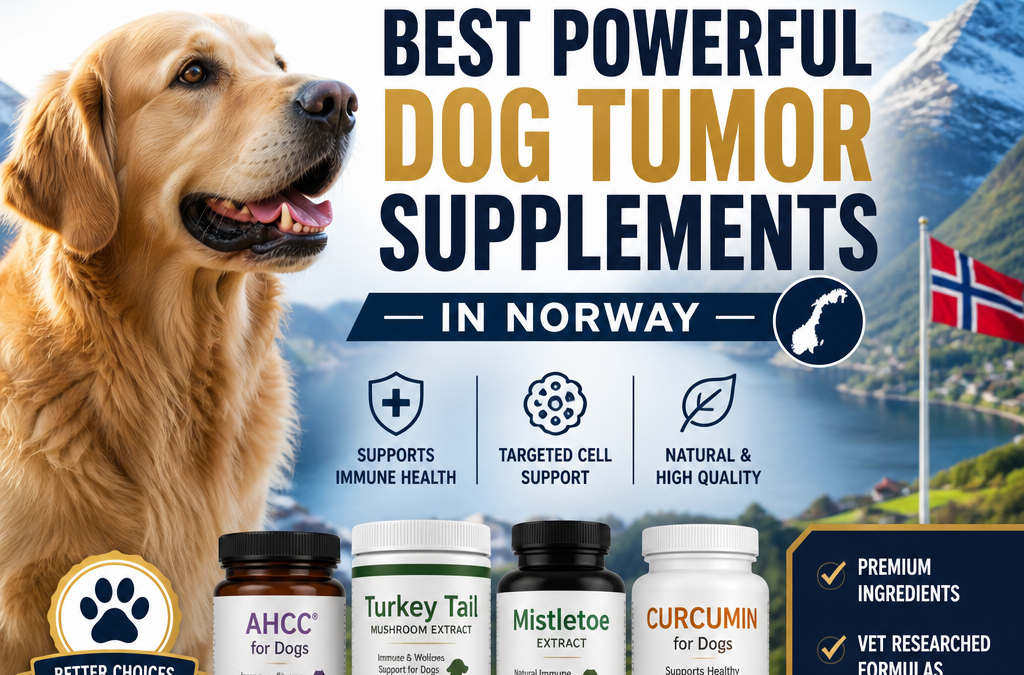
Opções alternativas ao K9 INU estão atraindo a atenção entre os proprietários de cães na Noruega que desejam nutrição de suporte para cães diagnosticados com tumores. Embora os suplementos não possam substituir o tratamento veterinário, produtos cuidadosamente selecionados podem ajudar a apoiar o apetite, a função imunológica normal, a digestão, a energia e a qualidade de vida geral. A escolha mais adequada depende do diagnóstico do cão, da medicação atual, da idade e da saúde geral.
Um diagnóstico de tumor pode ser esmagador, especialmente quando os proprietários estão tentando entender cirurgia, quimioterapia, radiação, manejo da dor e nutrição ao mesmo tempo. Portanto, os suplementos devem ser abordados como parte de um plano de cuidados mais amplo, em vez de como uma cura. Um veterinário, de preferência um experiente em oncologia, deve revisar qualquer produto antes de ser introduzido.
Índice
- Por que considerar alternativas ao K9 INU?
- O que procurar em suplementos para tumores de cães na Noruega
- Ingredientes comuns encontrados em fórmulas de suporte
- Selecionando uma alternativa ao K9 INU para um cão individual
- Como comparar rótulos antes de comprar
- Comprando suplementos com segurança na Noruega
- A nutrição continua sendo a base do cuidado de suporte
Por que considerar alternativas ao K9 INU?
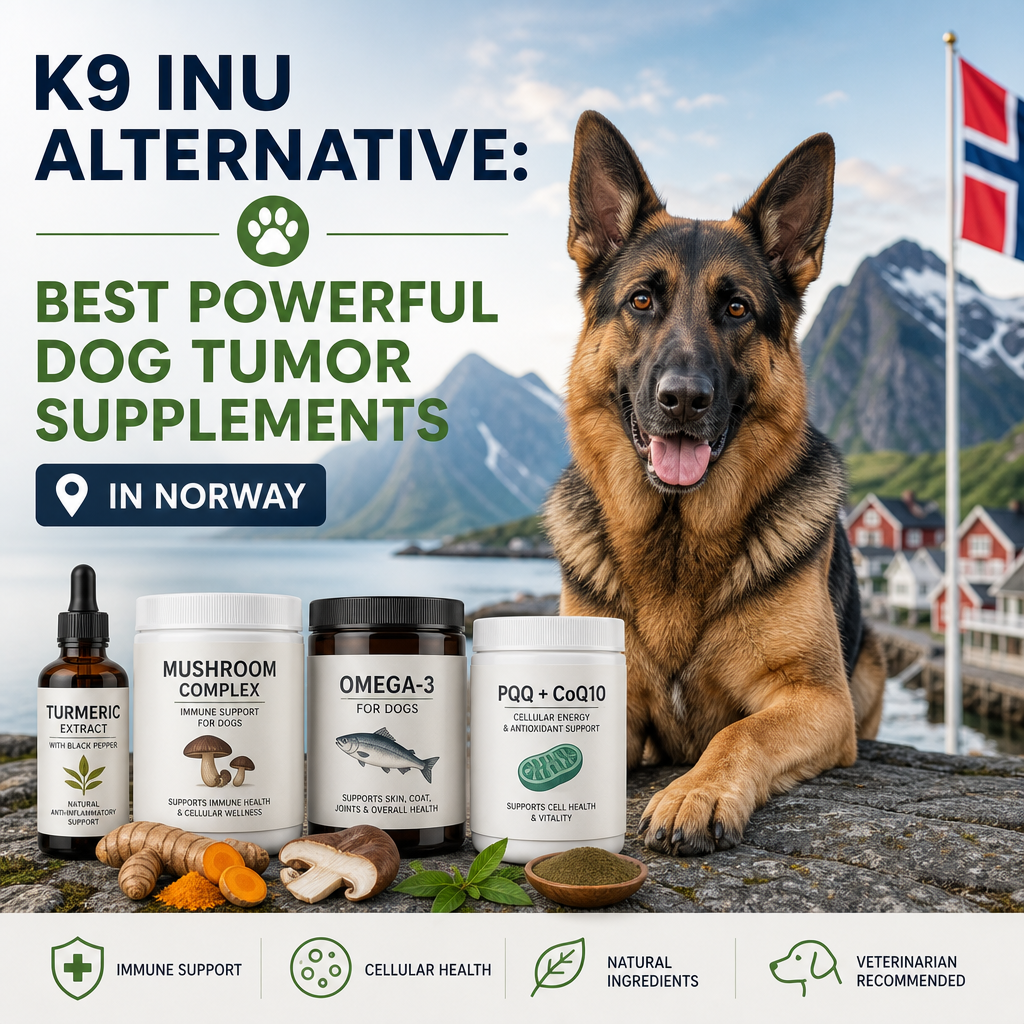
Proprietários de animais de estimação podem procurar alternativas ao K9 INU por várias razões. Um produto pode ser difícil de encontrar na Noruega, indisponível através de um fornecedor confiável, inadequado para um cão específico ou incompatível com a medicação. Alguns proprietários também podem preferir suplementos com ingredientes claramente listados, testes de qualidade independentes ou uma formulação projetada em torno de uma necessidade específica, como suporte digestivo ou manutenção da condição corporal.
Outra consideração importante é a evidência. Muitos suplementos comercializados para tumores caninos fazem alegações fortes, mas o suporte científico varia consideravelmente. A seleção responsável significa olhar além da publicidade e verificar a lista de ingredientes, as instruções de dosagem, os padrões de fabricação e as interações potenciais. Na prática, uma alternativa ao K9 INU deve ser avaliada pelo que pode realisticamente apoiar, não por promessas de controle de tumor.
Um suplemento nunca deve atrasar um exame veterinário ou substituir um tratamento comprovado. Tumores podem progredir rapidamente, e sinais como perda de peso inexplicável, sangramento, vômito persistente, dificuldade para respirar, dor intensa ou fraqueza súbita requerem atenção profissional imediata.
Para proprietários que comparam produtos, pode ser útil revisar uma referência confiável sobre cuidados com câncer canino antes de fazer uma compra. O resumo da Sociedade Americana de Câncer sobre medicina complementar e integrativa explica como terapias de suporte são tipicamente usadas ao lado do tratamento médico, o que é útil ao avaliar qualquer alternativa ao K9 INU.
Se você quiser comparar o mesmo conceito geral de produto em diferentes mercados, pode também achar útil revisar o guia de Alternativa K9 Immunity focado na Noruega, que cobre uma abordagem relacionada a suplementos de suporte para cães em um contexto de cuidado semelhante.
O que procurar em suplementos para tumores de cães na Noruega
Ao comparar produtos de suplementos para tumores em cães na Noruega, comece com segurança e transparência. Escolha suplementos feitos especificamente para cães, com dosagem clara baseada no peso corporal. Os produtos devem identificar a quantidade de cada ingrediente ativo em vez de esconder detalhes importantes em uma mistura proprietária.
Indicadores de qualidade úteis incluem:
- Uma lista completa de ingredientes com quantidades precisas
- Informações sobre lote ou lote
- Detalhes de contato do fabricante
- Instruções de armazenamento apropriadas
- Testes para contaminação e metais pesados onde relevante
- Instruções que distinguem claramente cães de gatos ou humanos
- Recomendações para consultar um veterinário quando o cão estiver doente ou tomando medicação
Também é prudente evitar produtos que contenham aromatizantes desnecessários, açúcar excessivo ou ingredientes que possam irritar o estômago. Cães em tratamento de câncer podem ser mais sensíveis do que animais saudáveis, então uma formulação suave é geralmente preferível. Se uma alternativa ao K9 INU contiver múltiplos extratos botânicos, procure rotulagem clara e uma justificativa para cada ingrediente.
Os proprietários também devem prestar atenção à palatabilidade. Um suplemento é útil apenas se o cão realmente o comer. Mastigáveis, pós, cápsulas, líquidos e cápsulas escondidas na comida têm diferentes vantagens. Para cães com náusea ou apetite reduzido, o formato mais fácil de administrar é frequentemente o mais prático, mesmo que não seja a formulação mais complexa do mercado.
Além disso, considere se o suplemento se encaixa na fase atual de tratamento do cão. Um produto que é sensato durante a recuperação após a cirurgia pode não ser apropriado durante a quimioterapia ativa, e uma fórmula que ajuda a manter a condição corporal pode ser menos relevante para um cão cuja principal preocupação é o desconforto gastrointestinal. Combinar o produto com o problema real é uma das maneiras mais simples de melhorar o valor de uma alternativa ao K9 INU.
Ingredientes comuns encontrados em fórmulas de suporte
Diferentes suplementos usam diferentes combinações de nutrientes e ingredientes botânicos. Nenhum deve ser assumido como tratamento direto para câncer, mas alguns podem fornecer suporte nutricional ou funcional.
Ácidos graxos ômega-3 de óleo de peixe purificado são comumente usados para apoiar o equilíbrio inflamatório normal, a saúde da pele e a condição corporal. O produto deve indicar o conteúdo real de EPA e DHA, não apenas a quantidade total de óleo de peixe. Cães com problemas de coagulação ou aqueles programados para cirurgia podem precisar de orientação especial. Muitos proprietários preferem este ingrediente ao escolher uma alternativa ao K9 INU porque é familiar e amplamente discutido na nutrição veterinária.
Cogumelos medicinais, incluindo cauda de peru, reishi e maitake, são frequentemente incluídos em produtos de bem-estar canino. Pesquisas preliminares geraram interesse em alguns compostos de cogumelos, mas os resultados não estabelecem que cada produto comercial seja eficaz contra tumores. A qualidade, o método de extração e a dosagem podem variar amplamente, então o rótulo deve ser examinado cuidadosamente antes de comprar qualquer alternativa ao K9 INU com extratos de cogumelos.
Nutrientes antioxidantes tais como vitaminas E e C, selênio e polifenóis vegetais podem apoiar a proteção celular normal. No entanto, a suplementação com antioxidantes em altas doses pode ser inadequada durante certos protocolos de quimioterapia ou radiação. O veterinário oncologista deve decidir se esses ingredientes se encaixam no plano de tratamento, especialmente se a alternativa K9 INU for usada durante o cuidado ativo.
Suporte digestivo pode incluir probióticos, fibras prebióticas ou enzimas digestivas. Esses produtos podem ser úteis para alguns cães que estão enfrentando mudanças de apetite, fezes soltas ou distúrbios digestivos, embora devam ser introduzidos gradualmente. Em muitos lares, o suporte digestivo é a razão prática pela qual uma alternativa K9 INU é escolhida primeiro.
Suporte de proteína e caloria pode ser mais importante do que um suplemento complexo quando um cão está perdendo peso. Um veterinário ou nutricionista veterinário pode recomendar alimentos densos em energia, coberturas palatáveis ou dietas clinicamente apropriadas. Por essa razão, uma alternativa K9 INU deve ser vista como uma parte do plano nutricional, em vez de todo o plano.
Suporte para articulações e conforto também pode ser importante para cães mais velhos com tumores, especialmente quando a mobilidade diminui. Algumas fórmulas incluem ingredientes à base de glucosamina, condroitina, mexilhão de lábio verde ou curcumina. Esses podem ajudar alguns cães a permanecer ativos e confortáveis, mas ainda devem ser verificados quanto a interações e adequação. O cuidado de suporte geralmente é mais eficaz quando aborda o paciente como um todo, não apenas o diagnóstico do tumor.
Ingredientes de suporte hepático como cardo mariano são às vezes adicionados a misturas de suplementos. Esses são frequentemente comercializados para bem-estar geral, mas não são automaticamente seguros para todos os cães ou para todos os planos de tratamento. Como muitos cães com câncer tomam outros medicamentos, até mesmo ingredientes naturais comuns devem ser revisados cuidadosamente antes do uso.
Compreendendo expectativas realistas
É fácil para a linguagem de marketing fazer um suplemento parecer mais poderoso do que realmente é. Os proprietários de cães na Noruega podem ver palavras como suporte, defesa, imunidade, vitalidade ou recuperação em um rótulo e assumir que um produto pode combater ativamente um tumor. Na realidade, os suplementos são melhor vistos como ferramentas de suporte que podem melhorar o conforto diário ou ajudar a manter a nutrição durante o tratamento. Eles não são um substituto para diagnóstico, estadiamento, cirurgia, terapia prescrita ou monitoramento.
É por isso que os veterinários frequentemente incentivam os proprietários a se concentrarem em objetivos específicos. Para um cão, o resultado certo pode ser um apetite melhor. Para outro, pode ser a melhoria da qualidade das fezes ou a redução do desconforto digestivo relacionado à medicação. Uma alternativa K9 INU prática deve ser selecionada com base em um ou dois objetivos claros, em vez de uma esperança vaga de que fará tudo de uma vez.
Quando as expectativas são realistas, torna-se mais fácil avaliar se o produto vale a pena. Se um suplemento causar desconforto estomacal, não melhorar o apetite ou for muito difícil de administrar, pode não ser a escolha certa, mesmo que pareça impressionante no papel. Nesse sentido, a utilidade importa mais do que a popularidade.
Selecionando uma alternativa ao K9 INU para um cão individual
A melhor alternativa ao K9 INU não é necessariamente o produto com a lista de ingredientes mais longa. Comece identificando o objetivo principal. O cachorro está lutando para manter o peso, experimentando desconforto digestivo, mostrando apetite reduzido ou se recuperando de uma cirurgia? Um suplemento direcionado é frequentemente mais fácil de avaliar do que vários produtos introduzidos de uma só vez.
Considere o perfil médico completo do cachorro. Doença renal, doença hepática, diabetes, pancreatite, alergias e distúrbios hemorrágicos podem afetar a segurança do suplemento. Interações medicamentosas também são importantes. Produtos herbais podem influenciar o metabolismo de medicamentos, pressão arterial, coagulação ou atividade imunológica. Esta é uma das razões pelas quais os clínicos frequentemente pedem aos proprietários que tragam o rótulo do suplemento para a consulta ao discutir uma alternativa ao K9 INU.
Introduza apenas um novo produto de cada vez, usando a dose recomendada, a menos que o veterinário forneça instruções diferentes. Monitore o apetite, a qualidade das fezes, vômitos, energia, coceira e quaisquer mudanças na dor ou comportamento. Pare o suplemento e entre em contato com o veterinário se uma reação preocupante se desenvolver.
Alguns cães precisam de suporte durante estágios específicos do tratamento, em vez de continuamente. Uma alternativa ao K9 INU cuidadosamente escolhida pode ser útil após a cirurgia, durante um período de apetite ruim ou quando manter o peso corporal se torna difícil. O momento certo pode ser tão importante quanto o próprio produto.
A idade e a condição corporal também importam. Cães idosos frequentemente toleram novos ingredientes de maneira diferente de adultos mais jovens, e cães magros podem precisar de um plano diferente de cães que ainda estão se alimentando bem, mas precisam de ajuda digestiva. Por essa razão, uma única fórmula não deve ser escolhida apenas porque outro cachorro respondeu bem a ela. Mesmo quando a categoria do suplemento é semelhante, a melhor opção pode variar muito de paciente para paciente.
Pode ser útil anotar uma breve lista de verificação antes de comprar: qual problema estou tentando resolver, que medicamento meu cachorro está tomando, quais ingredientes já estão na dieta e como saberei se o produto está ajudando? Esse hábito simples pode reduzir tentativas e erros e tornar a discussão com a equipe veterinária mais produtiva.
Como comparar rótulos antes de comprar
Ler o rótulo com atenção pode prevenir muitos erros. Verifique se o produto lista a quantidade exata por cápsula, mastigável, mililitro ou colher. Revise o tamanho da porção, instruções de armazenamento, data de validade e quaisquer avisos sobre o uso junto com medicamentos. Se um suplemento parecer vago, excessivamente promocional ou impossível de interpretar, muitas vezes é melhor escolher uma opção mais clara.
Também ajuda a comparar o uso pretendido da fórmula. Um produto projetado para digestão pode não ser a melhor escolha para um cão que precisa de suporte de peso, enquanto um produto comercializado para imunidade pode não abordar a perda de apetite. Uma alternativa K9 INU bem ajustada deve resolver um problema real, não simplesmente adicionar mais ingredientes.
Em caso de dúvida, pergunte à clínica se o produto foi usado com segurança em casos semelhantes. As equipes veterinárias geralmente sabem quais produtos são fáceis de dosar, palatáveis e práticos para cães que já estão lidando com doenças.
A comparação de rótulos também é o momento certo para procurar sinais de controle de qualidade. Procure um fabricante que explique a origem, os padrões de fabricação e como o produto é testado. Se a embalagem não fornecer informações além de amplas alegações de marketing, isso é um sinal de alerta. Os rótulos dos suplementos devem ajudá-lo a tomar uma decisão informada, não deixá-lo adivinhando.
Se o produto contém uma mistura em vez de um único ingrediente, verifique se cada ingrediente tem uma razão para estar lá. Misturas podem ser úteis, mas também podem dificultar a identificação do que está ajudando e do que pode estar causando um problema. Isso é ainda mais importante quando o cão já está tomando medicação prescrita ou seguindo uma dieta restrita.
Maneiras práticas de apoiar um cão com tumores em casa
Os suplementos funcionam melhor quando os cuidados diários são consistentes. Refeições pequenas e frequentes podem ser mais fáceis de tolerar do que grandes. Alguns cães comem melhor quando a comida está ligeiramente aquecida, pois o aroma se torna mais atraente. Outros se saem melhor em uma área de alimentação tranquila, com menos distrações e horários de refeição previsíveis.
A hidratação é igualmente importante. Cães com câncer podem beber menos se se sentirem enjoado ou cansados, e a desidratação pode piorar a fraqueza. Ofereça água fresca com frequência e pergunte à equipe veterinária se caldo, comida úmida ou outras estratégias de alimentação são apropriadas para o seu cão. Se o seu cão estiver tendo dificuldades para beber, não espere muito tempo para buscar aconselhamento.
O controle da dor também afeta o apetite e a digestão. Um cão que parece exigente pode na verdade estar desconfortável. Se um animal de estimação começar a comer menos, ficar inquieto ou mudar de postura com frequência, informe ao veterinário. Em alguns casos, melhorar o conforto faz mais pelo apetite do que mudar o suplemento.
Os proprietários também devem manter um registro diário simples. Anote a ingestão de alimentos, a qualidade das fezes, vômitos, energia, horários de medicação e qualquer suplemento dado. Este registro facilita a identificação de padrões e a decisão se um produto é realmente útil. Também ajuda a clínica a recomendar ajustes com base em observações reais, em vez de apenas na memória.
Comprando suplementos com segurança na Noruega
Proprietários de cães noruegueses devem comprar de clínicas veterinárias estabelecidas, farmácias respeitáveis ou fornecedores que forneçam informações completas sobre o produto e suporte ao cliente confiável. Tenha cuidado com produtos vendidos através de mercados anônimos, anúncios em redes sociais ou sites que prometem encolher tumores ou garantir recuperação.
Verifique se o produto é comercializado legalmente para uso animal, se o rótulo está disponível em um idioma que você entende e se as condições de envio podem afetar a estabilidade. Óleos, probióticos e certos produtos botânicos podem exigir armazenamento cuidadoso. Produtos importados também podem variar em concentração, rotulagem e padrões de controle de qualidade. Se uma alternativa K9 INU estiver sendo enviada do exterior, pergunte se a formulação é a mesma revisada pelo seu veterinário.
Uma clínica veterinária pode ser capaz de recomendar produtos comumente usados junto com o tratamento do câncer na Noruega. Isso pode reduzir o risco de comprar um suplemento falsificado ou mal documentado. Também pode ajudar os proprietários a evitar ingredientes duplicados quando vários produtos de suporte são usados juntos.
Ao fazer pedidos online, verifique a política de devolução e a data de validade. Um suplemento que chega atrasado, está próximo da data de validade ou está danificado durante o transporte não é um bom valor. Se uma empresa não puder explicar onde o produto é feito ou como é armazenado antes do envio, essa incerteza deve contar contra ela.
Outra verificação útil é o suporte ao cliente. Fornecedores confiáveis geralmente respondem perguntas sobre ingredientes, armazenamento e dosagem sem fazer alegações irreais. A capacidade de se comunicar claramente é frequentemente um sinal de que a empresa leva a segurança do produto a sério.
A nutrição continua sendo a base do cuidado de suporte
Os suplementos funcionam melhor, se forem apropriados, quando as necessidades nutricionais básicas do cão estão sendo atendidas. Cães com tumores podem comer menos devido a náuseas, dor, estresse, medicação ou mudanças no paladar e olfato. Refeições pequenas e frequentes, comida aquecida e dietas veterinárias altamente palatáveis podem ajudar, mas as estratégias de alimentação devem ser adaptadas ao diagnóstico.
Evite fazer mudanças dietéticas súbitas durante o tratamento ativo, a menos que aconselhado por um profissional. Dietas caseiras podem se tornar nutricionalmente desequilibradas quando usadas por mais de um curto período, particularmente se proteínas, cálcio, ácidos graxos essenciais ou vitaminas estiverem faltando.
Em última análise, o propósito de um suplemento deve ser prático e mensurável: ajudar o cão a comer, manter a força, tolerar o tratamento ou permanecer confortável. Expectativas honestas são essenciais. Uma alternativa K9 INU bem escolhida pode fornecer suporte, mas o monitoramento veterinário, o tratamento médico apropriado, o controle da dor e o cuidado diário atencioso permanecem as partes centrais do manejo do câncer canino.
Se você está comparando uma alternativa K9 INU com outros produtos de suporte, a abordagem mais segura é combinar a fórmula com as necessidades atuais do cão e revisar o plano à medida que essas necessidades mudam. Boa nutrição, monitoramento cuidadoso e orientação profissional são mais importantes do que qualquer suplemento único.
Para muitas famílias, a decisão se torna mais fácil uma vez que o objetivo é definido. Se a prioridade é o apetite, escolha um produto que apoie a palatabilidade e a digestão. Se a prioridade é a condição corporal, concentre-se no suporte calórico e proteico. Se a prioridade é o conforto, pergunte à equipe veterinária se o suporte para articulações ou mobilidade é apropriado. Um plano bem pensado geralmente funciona melhor do que tentar cobrir todas as necessidades possíveis de uma só vez.
Quando os suplementos são usados dessa maneira, eles podem ser uma parte útil de uma estratégia de cuidado maior sem criar falsas esperanças. Essa abordagem equilibrada é frequentemente a melhor maneira de apoiar um cão vivendo com tumores na Noruega.
Em resumo, a alternativa K9 INU mais útil é aquela que é transparente, prática, aprovada por veterinários e adaptada ao cão individual. A seleção cuidadosa e a revisão contínua são as chaves para tornar a nutrição de suporte genuinamente útil.