por TCMVET | Hace 27 de agosto de 2026 | Investigación y noticias
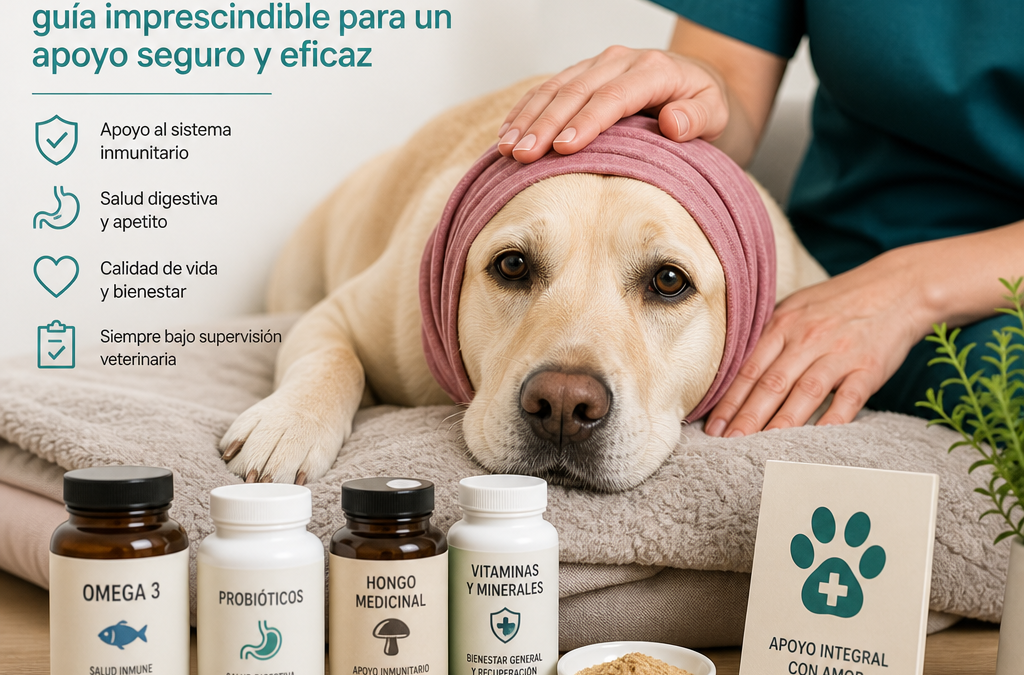
Los suplementos perro quimioterapia They can help maintain the well-being, appetite, and quality of life of the animal, but should never replace the treatment indicated by the veterinarian. During chemotherapy, the dog's body may experience digestive, metabolic, and hematological changes that require professional monitoring. Therefore, any vitamin, medicinal plant, oil, or nutritional supplement should be assessed individually and coordinated with the veterinary oncologist.
Why consider supplements during chemotherapy in a dog?
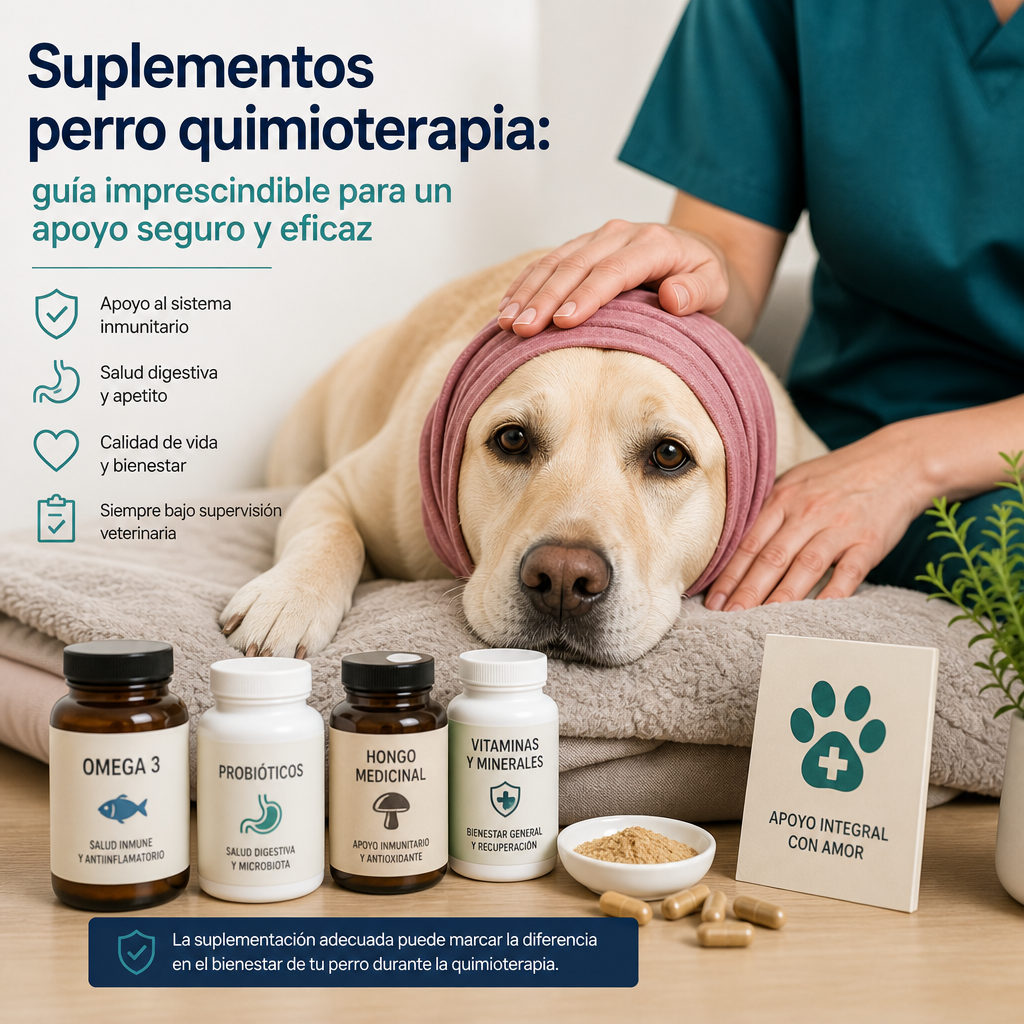
Chemotherapy aims to eliminate or control tumor cells, although it can also produce side effects. Some dogs may experience nausea, vomiting, diarrhea, decreased appetite, weight loss, fatigue, or alterations in blood tests. In these cases, the goal of supplements is not to “cure” cancer, but to support specific nutritional needs and contribute to a more comfortable recovery.
Los suplementos perro quimioterapia They can be useful when there is a specific deficiency, insufficient intake, or an associated condition that the veterinarian has identified. For example, an animal that eats little may need a specific nutritional strategy, while another with delicate kidney function will require avoiding certain products.
The response depends on the type of tumor, the pharmacological protocol, age, weight, general condition, and the presence of other diseases. Not all dogs need supplements, and in some cases, adding them without control can be counterproductive.
Dog cancer chemo support: main objectives
The Dog cancer chemo support It should focus on safe and realistic measures. Among the most common objectives are:
- Maintain an adequate body weight.
- Promote sufficient intake of proteins and energy.
- Control nausea, vomiting, or diarrhea under veterinary supervision.
- Help preserve muscle mass.
- Detect and treat dehydration early.
- Improve comfort and quality of life.
- Monitor possible alterations in the liver, kidneys, or blood cells.
Nutrition is often the main pillar. A complete, balanced, and well-tolerated food can provide more benefits than an extensive combination of supplements. If the dog stops eating, vomits repeatedly, or loses weight rapidly, it is preferable to consult the veterinarian soon rather than trying to resolve it solely with supplements.
Dog chemotherapy supplements: options that the veterinarian can evaluate
Omega-3 fatty acids
Omega-3s, especially present in purified fish oils, can be part of a nutritional strategy for some patients. They are studied for their relationship with inflammation and metabolism, although their benefits depend on the clinical situation and dosage.
It is important to use quality products, calculate the amount according to weight, and check their compatibility with other medications. They can also cause digestive discomfort or provide too many calories. Rancid oils or those of dubious origin should be avoided.
Probiotics and digestive support
Some dogs treated for cancer develop intestinal disturbances. A specific veterinary probiotic could help maintain the balance of the microbiota in certain cases, especially when there is diarrhea or changes in diet.
However, not all probiotics have the same composition or the same evidence. Additionally, in animals with very low defenses, serious illnesses, or active infections, their use must be strictly supervised.
Vitamins and minerals
Vitamins should not be administered automatically. If the dog receives a complete food, it usually does not need multivitamin supplements. Excess fat-soluble vitamins, such as A, D, E, or K, can accumulate and cause toxicity. Some minerals can also interfere with the absorption of medications or overload the kidneys.
Supplementation should be based on a demonstrated deficiency, an incomplete diet, or a specific clinical indication. Analyses and dietary evaluation are essential for making a safe decision.
Appetite and muscle mass supplements
When there is a loss of appetite, the veterinarian may recommend adjustments to the diet, more palatable foods, small and frequent meals, or specific medications. Some energy supplements may be useful, but they should be incorporated considering the caloric needs and the digestive state of the animal.
The preservation of muscle mass also depends on an adequate amount of protein, gentle activity when possible, and control of pain or nausea. No supplement replaces a well-formulated diet or the treatment of symptoms that prevent eating.
If you want to delve into the choice of supplements with criteria, you can review this guide on best supplements for dogs with cancer, especially useful for comparing options more safely.
Medicinal plants and natural products: essential precautions
“Natural” does not necessarily mean safe. Turmeric, milk thistle, garlic, ginseng, echinacea, CBD, and other substances can modify coagulation, blood pressure, liver function, or how the body processes drugs.
Some products can increase or decrease the concentration of a chemotherapy drug, alter its effects, or increase toxicity. There is also a risk of contamination, incomplete labeling, or imprecise doses in supplements intended for people.
For this reason, it is never advisable to administer herbs, concentrated extracts, or integrative medicine products without informing the veterinary oncologist. Coordination between professionals allows for assessing possible interactions and deciding whether the expected benefit justifies the risk.
Additionally, a review of reliable clinical sources can help better interpret each case. The AAHA's nutrition and weight management guide provides useful recommendations for making more informed decisions about diet and nutritional support.
How to safely administer supplements
Before starting, it is advisable to review with the veterinarian:
- The exact name and composition of the product.
- The calculated dose for the weight and clinical situation of the dog.
- The appropriate time to administer it.
- Possible interactions with chemotherapy and other medications.
- The side effects that should be monitored.
- The expected duration of use.
- The need to repeat tests or check-ups.
It is advisable to introduce only one product at a time. This will make it easier to identify if it causes diarrhea, vomiting, itching, drowsiness, or changes in appetite. It also helps to keep a daily record of food, water, stools, vomiting, energy, and medication.
In many households, the term suplementos perro quimioterapia is used for all kinds of products, but not all carry the same risk. An oil, a probiotic, or a vitamin do not behave the same way, and the correct guideline depends on the specific disease and the dog's tolerance.
Warning signs during chemotherapy
Some signs require quick contact with the veterinary clinic: persistent vomiting, severe or bloody diarrhea, fever, pale gums, difficulty breathing, marked weakness, obvious pain, complete refusal of food, inability to drink, or sudden lethargy.
Chemotherapy can temporarily reduce defenses, so an infection can progress rapidly. One should not wait for a supplement to take effect if significant symptoms appear. Supportive treatment, such as antiemetics, digestive protectants, fluid therapy, or dietary adjustments, should be indicated professionally.
If the dog shows rapid deterioration, the main goal is not to try more supplements, but to stabilize it as soon as possible. In that context, the suplementos perro quimioterapia only make sense when the oncologist confirms that they fit with the therapeutic plan.
A personalized and cautious approach
Los suplementos perro quimioterapia can play a complementary role, but their usefulness depends on an individual assessment. The priority should be to follow the oncology protocol, maintain proper nutrition, control side effects, and carry out the recommended check-ups.
Good support combines daily observation, communication with the veterinary team, and decisions based on available evidence. With careful planning, it is possible to accompany the dog during treatment more safely, reducing unnecessary risks and focusing all efforts on its well-being and quality of life.
If you are looking for a more specific selection to decide calmly, this other reading about suplementos para perros con cáncer can help you prioritize before introducing any new product.
In summary, chemotherapy does not automatically prevent the use of supplements, but it does require judgment. Well-chosen, they can support nutrition, comfort, and recovery; poorly used, they can complicate treatment. The best decision will always be the one made alongside the veterinary oncologist and with close monitoring of the dog.
When discussing suplementos perro quimioterapia, the key is to individualize: some dogs will need digestive support, others a caloric adjustment, and others no additional supplements. With professional supervision, the use of suplementos perro quimioterapia can be prudently integrated into the care plan, always prioritizing safety, tolerance, and quality of life.
In a well-designed plan, the suplementos perro quimioterapia are valued as support and not as a substitute for treatment. Therefore, it is advisable to calmly review what each patient really needs and avoid impulsive purchases guided only by commercial promises.
If the veterinarian confirms a specific need, the choice should be based on tolerance, product quality, and compatibility with the oncological protocol. With that caution, the suplementos perro quimioterapia can fit better into the daily routine without adding unnecessary risks.
The best strategy remains simple: observe the dog, adjust the diet, consult the clinical team, and use only the products that provide a clear benefit. Thus, the suplementos perro quimioterapia fulfill their role of real support and respect the main objective, which is to maintain the highest possible quality of life during treatment.
por TCMVET | Hace 27 de agosto de 2026 | Investigación y noticias
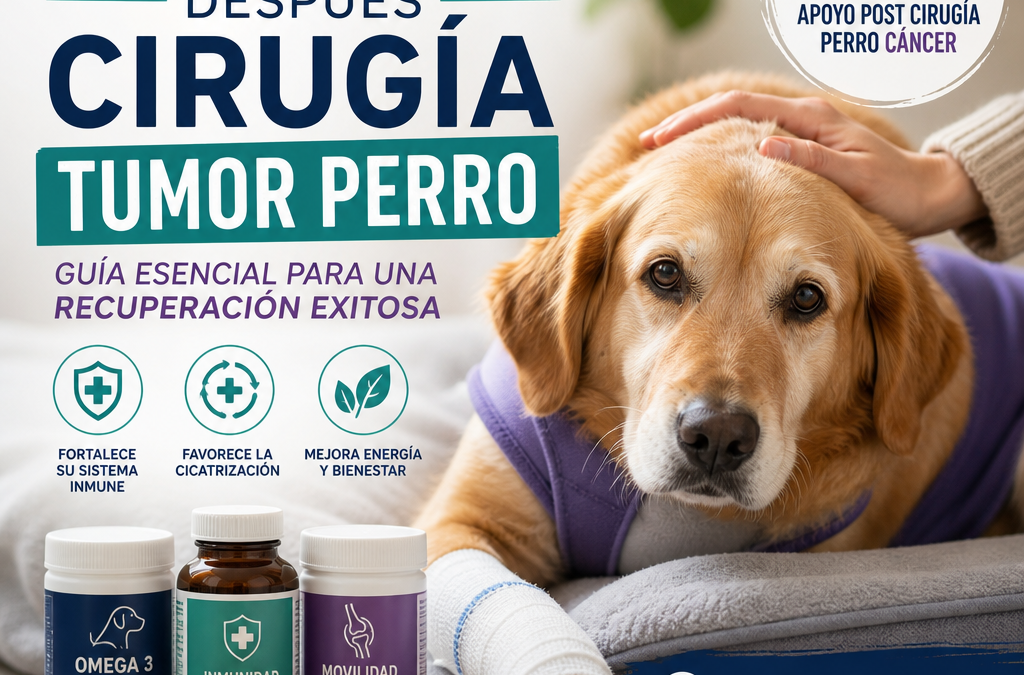
Supplements after tumor surgery in dogs can be part of the care of an oncology patient, but they should never be administered without the supervision of a veterinarian. After removing a tumor, the body needs time, energy, and nutrients to repair tissues, control inflammation, and regain normal functioning. Proper nutrition, rest, and medical follow-up are the foundation of recovery; supplements can be a complementary support when there is a specific need.
Recovery after tumor surgery in dogs
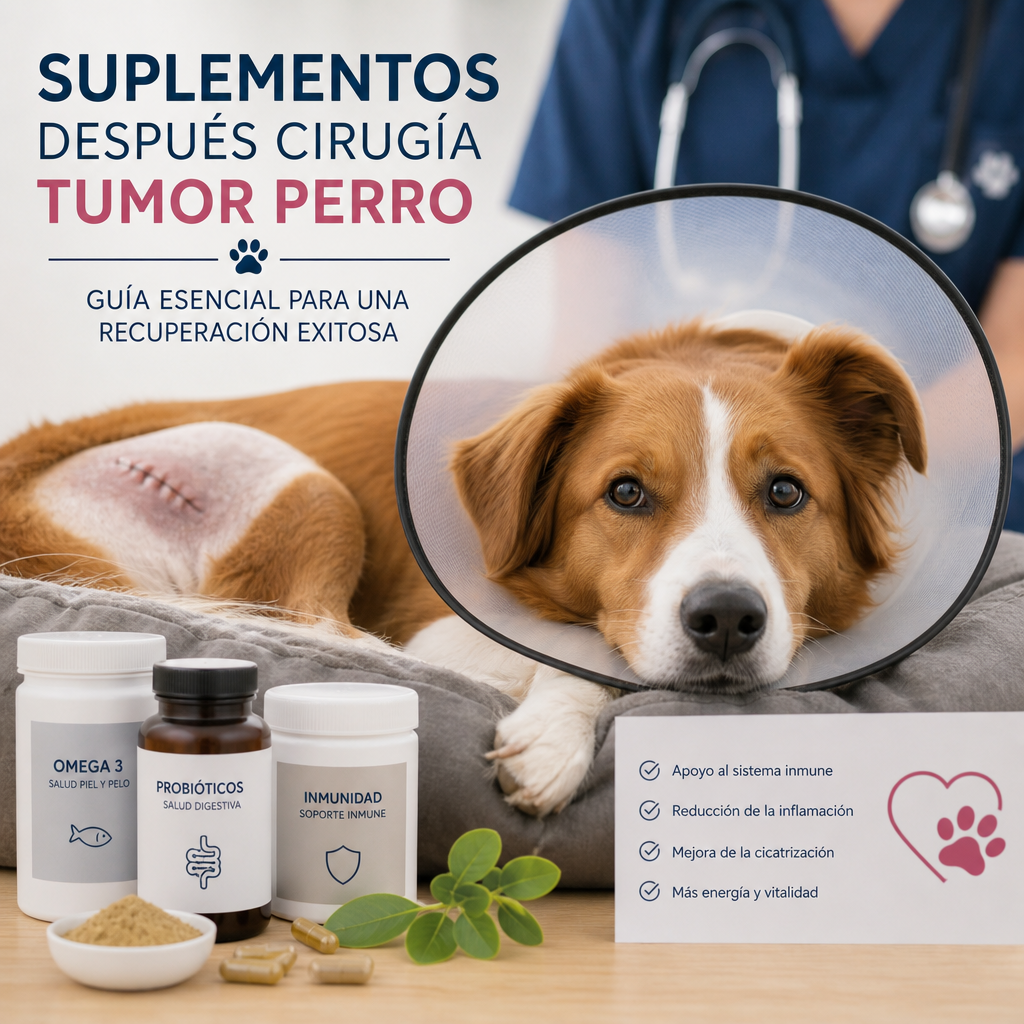
The recovery from tumor surgery in dogs depends on the type of tumor, its location, the size of the intervention, the age of the dog, and whether it receives additional treatments such as chemotherapy or radiotherapy. In the first few days, it is common to observe drowsiness, decreased appetite, some discomfort, and limited movement. However, these signs should progressively improve.
The veterinarian will indicate how to care for the wound, when to remove or check the stitches, and what medications to administer. It is important to respect the doses and schedules, especially when prescribing analgesics, antibiotics, or anti-inflammatories. Natural products should not be combined with drugs without authorization, as some may increase the risk of bleeding, alter blood pressure, or modify the action of certain medications.
During this period, the dog needs a calm, clean, and safe environment. It should avoid jumping, running, stairs, and rough play until receiving medical permission. It is also advisable to monitor the incision every day for signs of intense redness, discharge, foul odor, swelling, bleeding, or opening of the edges.
In this phase, the goal is not only for the wound to close but also for the animal to regain energy steadily. Therefore, rest, hydration, and the right food are as valuable as any nutritional supplement. A slow evolution does not always mean a problem, but it does require observing changes in appetite, mood, and mobility.
In some cases, the veterinarian may request more frequent follow-up checks to assess how the body responds and adjust the plan if pain, nausea, or excessive fatigue appears. This early monitoring helps detect small changes in time that may influence the recovery from tumor surgery in dogs and the animal's quality of life.
If the surgery was complex or the dog already had a low body condition, convalescence may take longer than expected. Nevertheless, with constant care, rest, and a good nutritional strategy, many dogs gradually improve and maintain a favorable evolution during the first weeks.
When can supplements be useful
Supplements can be considered when the diet does not meet the animal's needs, there is weight loss, decreased appetite, muscle weakness, or a confirmed nutritional deficiency. They can also be used as support in dogs undergoing oncological treatments, always within an individualized plan.
In many cases, the veterinary team first assesses whether the dog really needs a supplement or if it is enough to adjust the diet. That decision depends on the body condition, the type of tumor, the surgery performed, and the presence of side effects such as nausea, diarrhea, or constipation. In other words, it is not about adding products out of habit, but about responding to a specific need.
Among the supplements that the veterinarian might consider are:
- Omega-3 fatty acids: present in quality fish oils, can help control certain inflammatory processes and assist in maintaining skin and coat health. The dosage should be calculated according to weight and health status.
- Probiotics: can be useful to promote intestinal balance, especially if the dog has received antibiotics or has diarrhea related to stress or treatment.
- Vitamins and minerals: are only recommended when there is a deficiency or a specific indication. An excess of fat-soluble vitamins, such as A, D, E, or K, can be harmful.
- Caloric supplements: can help dogs that eat little and need to maintain their weight, although they should be chosen according to their needs and digestive tolerance.
- Antioxidants: their use in cancer patients requires special caution. Some treatments may be affected by certain antioxidants in high doses, so they should not be administered on one's own initiative.
Not all products labeled as “natural” are safe. Quality, concentration, origin, and interaction with other treatments are fundamental factors. At this point, supplements after dog tumor surgery should only be seen as one more tool within a complete medical plan.
If you are looking for a broader guide to compare options and safety, you can also review the best supplements for dogs with cancer and keys to choosing them safely, where useful criteria for making informed decisions are explained.
To better understand why professional supervision is so important, it is worth remembering that each dog metabolizes nutrients and medications differently. What is useful for one may not be for another, especially when there are recent surgeries, changes in appetite, or simultaneous treatments.
Nutrition during post-surgery support for dog cancer
Nutrition is one of the pillars of post-surgery support for dogs with cancer. The goal is to provide high-quality proteins, sufficient energy, and an easily digestible diet. In many cases, the veterinarian may recommend a therapeutic food or a diet formulated by a veterinary nutrition specialist.
If appetite is low, small portions can be offered several times a day. Lightly heating the food can enhance its aroma and make it more appealing, always avoiding excessive temperatures. It is also important to keep fresh water available and monitor the amount ingested.
It is not advisable to abruptly change food or offer leftovers, processed meats, very fatty foods, or seasoned products. Some dogs need a gradual transition to avoid vomiting or diarrhea. If they stop eating for an extended period, lose weight rapidly, or vomit repeatedly, they should be evaluated by a professional.
It is important to remember that nutritional support is not just about “getting them to eat something.” In an oncology patient, every bite should provide useful energy and be tolerated without worsening digestive discomfort. Therefore, in some cases, wet diets, soft textures, or small frequent meals are recommended. The goal is to maintain muscle mass, promote healing, and prevent recovery from becoming slower than necessary.
If the dog shows persistent rejection of food, the veterinarian may suggest temporary strategies such as adjusting meal times, using appetite stimulants, or modifying the presentation of the food. A homemade unbalanced diet should never be improvised, as it could worsen weight loss or cause deficiencies.
During this stage, post-surgery support for cancer dogs also depends on adequate hydration. When the dog drinks little, it may be necessary to increase water intake through wet food or specific guidelines indicated by the professional. Proper hydration helps the intestine function better and allows tissues to recover more easily.
In addition, it is advisable to maintain stable schedules and a relaxed environment for meals. Noise, stress, and haste can reduce interest in food in sensitive or weakened dogs. A calm environment encourages the dog to associate feeding with safety and comfort.
Nutritional support and supplements after dog tumor surgery
When the veterinarian considers it appropriate, supplements after dog tumor surgery can help close small nutritional gaps, but only if they are integrated with a complete and well-tolerated diet. In a recovering dog, excess is often as unhelpful as lack of intake.
Therefore, before choosing supplements after dog tumor surgery, it is advisable to review what the animal eats, how much it tolerates, and if there are any digestive side effects. A useful product in one phase may cease to be so later on, so periodic reevaluation is part of the process.
When therapeutic feeding and supplements are combined after tumor surgery in dogs, the goal is to sustain energy, protect muscle mass, and prevent weight loss that complicates healing. This combination should be simple, practical, and easy to follow at home.
Pain control, rest, and physical activity
A dog that feels pain may show signs of restlessness, hide, pant, lick the affected area, or refuse food. The analgesic treatment should be administered exactly as indicated. Human medications such as ibuprofen, acetaminophen, or aspirin should never be used without veterinary authorization, as they can cause serious poisoning.
Rest promotes healing, but absolute immobility for too long can also weaken the muscles. Short walks on a leash are usually appropriate when the specialist authorizes them. Activity should gradually increase and adapt to the surgery performed.
To prevent the dog from licking or biting the wound, it may be necessary to use an Elizabethan collar or a postoperative garment. Although it may be uncomfortable, protecting the incision reduces the risk of infection and complications.
During rehabilitation, many caregivers wonder if it is advisable to speed up the return to routine. The answer is usually no. A sudden increase in activity can open the wound, cause pain, or delay healing. The most prudent course is to follow the evolution plan set by the veterinarian and observe how the dog responds to each small change.
It can also help to maintain stable schedules for feeding, resting, and walking. Routine reduces stress and allows the body to focus its resources on healing. In older or weakened dogs, this daily organization makes a significant difference in overall well-being.
In some patients, pain is not expressed in an obvious way. That’s why it’s useful to watch for discreet signals like stiffness when getting up, less interest in walking, a hunched posture, or changes in sleep. When pain is well controlled, the recovery from tumor surgery in dogs tends to be more orderly, and the dog tolerates feeding and mobility better.
Additionally, rest does not mean total isolation. The calm company of family, without intense play or excessive handling, can provide emotional security. A dog that feels accompanied tends to relax more and rest better, which also favors tissue repair.
Supplements after tumor surgery in dogs: safety and interactions
Supplements after tumor surgery in dogs are not harmless simply because they are sold without a prescription. A product may contain active ingredients that interact with painkillers, antibiotics, chemotherapy, or anticoagulants. Therefore, before starting any supplement, the veterinarian should review the complete medical history.
Among the most important risks are excess vitamins, the use of low-quality oils, contamination of some products, and lack of control over the actual dosage. In a dog with cancer, special attention should also be paid to antioxidant supplements or certain herbs that are promoted as “immune stimulants,” because they are not always suitable for all cases.
The following precautions help reduce problems:
- Do not start several products at once.
- Introduce only one change at a time to be able to detect adverse effects.
- Check if the supplement is formulated for dogs and not for humans.
- Verify the exact dosage according to the actual weight of the animal.
- Inform the veterinarian about oils, powders, capsules, functional snacks, and “natural” products.
If a reliable reference on food safety and nutrition is needed, the portal of the FDA's animal health information offers useful resources for owners and professionals. Although it does not replace veterinary consultation, it can serve as educational support to understand why quality control and supervision are so important.
When combining oncological treatments with supplements, the margin of error is reduced. Therefore, clinical follow-up and communication with the veterinarian are more valuable than any commercial promise. A prudent choice protects recovery and avoids unnecessary setbacks.
In practice, the safest approach is to treat any supplement as part of the treatment, not as an isolated addition. If a new product is suspended or started, the professional should be informed to assess whether it may alter the dog's appetite, digestion, coagulation, or overall response. This coordination is especially useful in the first weeks following surgery.
Además, algunos suplementos pueden resultar adecuados solo durante un tiempo limitado. Cuando el perro mejora, quizá ya no sean necesarios. Revisar periódicamente la utilidad real de cada producto evita gastos innecesarios y reduce el riesgo de sobrecargar el organismo con ingredientes que no aportan un beneficio claro.
Warning signs after surgery
La supervisión diaria permite detectar problemas a tiempo. Es necesario contactar con el veterinario si aparecen fiebre, apatía intensa, dolor que empeora, encías pálidas, dificultad para respirar, vómitos persistentes, diarrea intensa, falta total de apetito, incapacidad para orinar o una herida muy inflamada.
También se debe consultar si el perro aumenta o pierde peso de manera marcada, presenta debilidad repentina o desarrolla nuevos bultos. Los controles posteriores permiten revisar la cicatrización, analizar los resultados histopatológicos y decidir si hace falta continuar con otras terapias.
En algunos perros, los primeros signos de complicación son sutiles: menos ganas de moverse, jadeo sin motivo aparente, inquietud nocturna o rechazo de la comida que antes aceptaba bien. Si esos cambios aparecen, conviene no esperar “a ver si se le pasa”. Un aviso temprano puede evitar una recaída en el proceso de recuperación.
Additionally, it is important to monitor the general behavior. If the dog appears more lethargic than usual or stops showing interest in its surroundings, this may indicate pain, fever, or a digestive problem. Careful monitoring helps distinguish a mild discomfort from a situation that requires immediate attention.
Another important sign is an abnormal smell from the wound or the presence of persistent discharge. While some mild discomfort may be expected after surgery, a worsening condition instead of improvement requires a professional review. The sooner action is taken, the easier it usually is to correct the problem.
An individualized plan improves recovery
There is no universal supplement for all dogs operated on for a tumor. The best approach combines diagnosis, nutrition, medication, pain management, and regular check-ups. Before adding any supplement, the veterinarian must be aware of all the products the animal is taking, including oils, herbs, vitamins, and functional treats.
With constant vigilance and a tailored plan, many dogs can gradually regain their appetite, mobility, and well-being. The key is to understand that supplements are an addition, not a substitute for surgery, complete nutrition, or the indicated oncological treatment.
When the family actively participates in the follow-up, the evolution tends to be more orderly. Observing, noting changes, and communicating doubts to the specialist helps to detect real progress or small setbacks before they become a bigger problem. In that sense, home care is part of the treatment.
If your dog is going through this stage, remember that supplements after dog tumor surgery should be chosen with criteria, patience, and supervision. A good decision is not the one that promises more, but the one that better protects the animal's health and integrates safely into its recovery.
It also helps to periodically review if the plan is still appropriate. A dog may need different support as its appetite, energy, or the evolution of the wound changes. Adjusting calmly, instead of accumulating products, is usually the safest and most sustainable path for a healthy recovery.
In summary, combining postoperative care, quality nutrition, and veterinary control offers better results than relying solely on a specific product. If chosen well, supplements after dog tumor surgery can responsibly accompany the process, but always as part of a complete and well-supervised strategy.
por TCMVET | Ago 21, 2026 | Investigación y noticias
Tumor spleen dog supplement: finding appropriate support can be an important concern when a dog receives a diagnosis of splenic mass or tumor. The spleen is involved in functions related to blood and the immune system, so any alteration requires careful veterinary evaluation. Supplements can complement the indicated treatment, but they do not replace surgery, chemotherapy, clinical checks, or decisions made by a specialist.
What does a tumor in the dog's spleen mean?
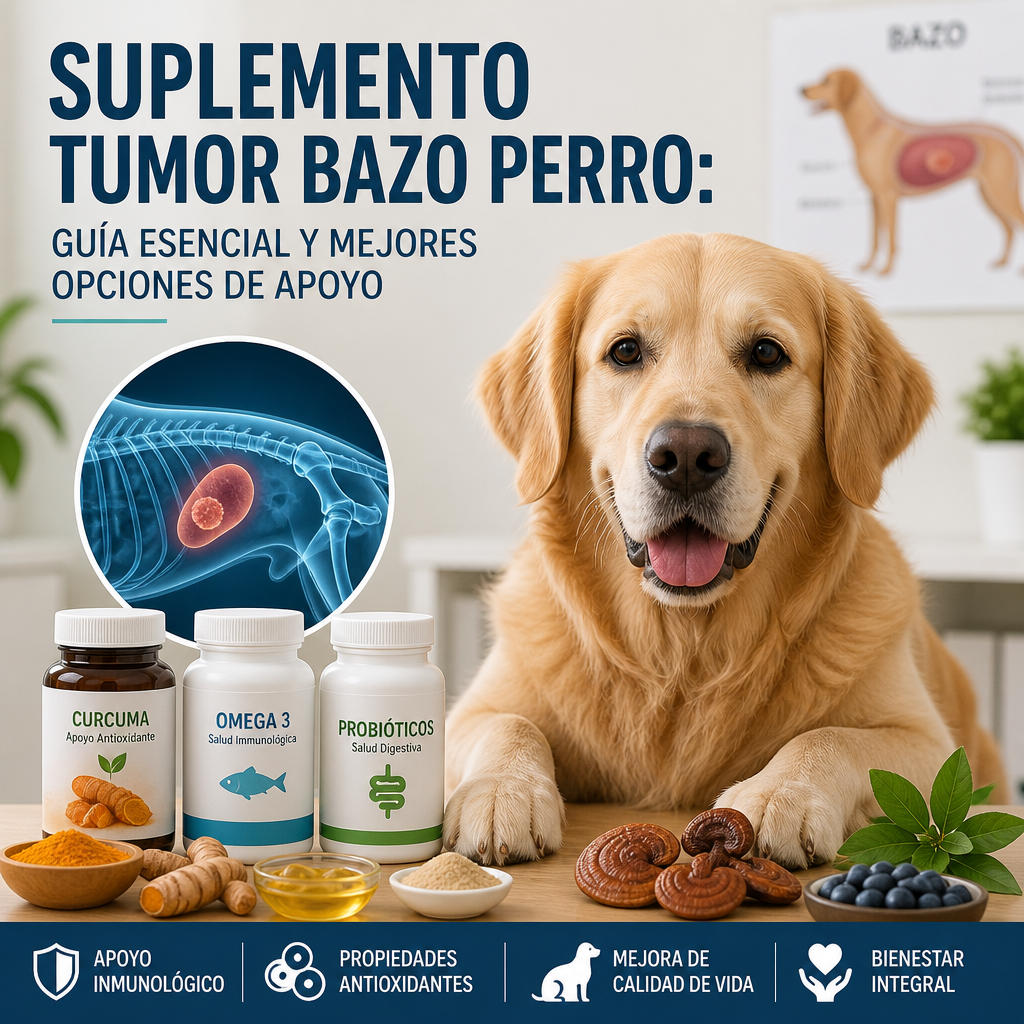
The spleen is an organ located near the stomach that helps filter blood, store blood cells, and collaborate with the body's defenses. In dogs, nodules, hematomas, benign lesions, or malignant tumors can appear. Some masses do not produce obvious signs and are discovered during an ultrasound; others may cause weakness, a distended abdomen, pale gums, loss of appetite, or episodes of collapse.
Among splenic neoplasms is hemangiosarcoma, an aggressive cancer that can bleed internally. However, not every mass in the spleen is cancerous. Ultrasound and tests provide useful information, although the definitive diagnosis usually requires studying the tissue obtained through surgery or biopsy.
At this stage, understanding the diagnosis well helps decide whether it makes sense to talk about nutritional support, pain management, or a possible spleen tumor dog supplement. The priority is always to know what type of lesion exists and whether there is an immediate risk to the animal's life.
It is also worth remembering that the prognosis can vary greatly depending on the type of mass, the dog's age, the presence of metastasis, and the general condition. Therefore, two patients with a similar finding may require totally different decisions. A complete assessment avoids delays and allows for clearer choices about the next step.
When the diagnosis is not completely defined, the veterinarian may recommend additional tests to refine the information. This stage is important because not all spleen tumors behave the same way, and the approach changes if the lesion is stable, if it bleeds, or if it is associated with other findings in the abdomen or thorax.
Spleen tumor dog support: priorities before choosing supplements
When there is a tumor in the spleen, the first priority is to determine if there is a risk of bleeding, anemia, metastasis, or general deterioration. The veterinarian may recommend blood tests, coagulation tests, chest X-rays, abdominal ultrasound, and, in some cases, a consultation with veterinary oncology.
La cirugía para retirar el bazo, llamada esplenectomía, puede ser necesaria cuando existe riesgo de ruptura o cuando la masa es operable. Después de la intervención, algunos perros requieren vigilancia estrecha por posibles alteraciones de la coagulación, infecciones o cambios en el recuento sanguíneo. Por eso, ningún suplemento debe administrarse antes o después de la cirugía sin autorización profesional.
También es importante reconocer signos de emergencia: encías muy pálidas, respiración acelerada, abdomen que aumenta de tamaño, debilidad repentina, desmayo, vómitos persistentes o incapacidad para mantenerse en pie. Estos síntomas pueden indicar sangrado interno y requieren atención veterinaria inmediata.
The suplemento tumor bazo perro adecuado no es el que promete más, sino el que encaja con el estado clínico real del animal. Si hay anemia severa, coagulopatía o dolor abdominal, la prioridad ya no es buscar un complemento, sino estabilizar al paciente y seguir el plan del veterinario.
En algunos casos, el perro puede necesitar fluidoterapia, analgesia o incluso hospitalización antes de cualquier decisión sobre nutrición adicional. Ese orden de prioridades protege al animal y reduce el riesgo de complicaciones. Por eso, el apoyo más útil suele comenzar con una revisión del estado general, no con una compra apresurada.
Dog cancer supplements: what goals can they have?
Cancer dog supplements are used, in some cases, to support nutrition, preserve muscle mass, improve digestive tolerance, or complement certain deficits. Their goal is not to destroy the tumor by themselves. The utility depends on the type of cancer, the state of the liver and kidneys, the treatment received, and the usual diet.
Among the options that a veterinarian may consider are:
- Omega-3 fatty acids, especially EPA and DHA, derived from quality fish oil. They can contribute to maintaining a balanced inflammatory response and body condition, although they should be used with caution if there are coagulation problems.
- Antioxidants, such as specific vitamins, only when indicated and in controlled doses. An excess can be harmful and, during certain oncological treatments, interfere with therapeutic goals.
- Probiotics, which can help intestinal function in dogs with diarrhea or digestive disturbances, provided the product is veterinary and a serious illness is ruled out.
- High-calorie nutritional supplements, useful in animals with poor appetite or weight loss. They should be adjusted to energy needs and not replace a complete diet.
- Vitamins or minerals, only when a blood test shows a deficiency or when the veterinarian identifies a specific need.
Commercial products vary greatly in purity, concentration, and manufacturing controls. It is advisable to choose formulas designed for dogs, with clear labeling and reliable sourcing. A good spleen tumor supplement for dogs should also have a specific clinical rationale and a defined duration of use, not just an attractive label.
Before starting any supplement, it is advisable to check if the dog is receiving homemade food, therapeutic commercial diet, or assisted nutritional support. This information completely changes the choice of product and dosage. If there is already a feeding plan, any addition should fit within that plan to avoid duplications or excesses.
It is also useful to distinguish between real nutritional support and marketing messages. A product may sound promising, but if it does not clarify dosage, composition, and purpose, its practical value is limited. Clinical judgment remains more important than label promises.
How to talk to your veterinarian about a spleen tumor supplement for dogs
A useful conversation with the veterinarian can focus on three questions: what specific problem is to be improved, what risks exist with the current treatment, and how will it be known if the supplement is helping. This approach avoids impulse buying of products and facilitates safe decisions.
If the goal is to maintain appetite, the professional may consider a nutritional strategy before a commercial product. If the concern is inflammation or muscle mass loss, they may suggest adjustments in diet or omega-3s. If there is bleeding, any option with a possible effect on coagulation should be reviewed with special care.
In some cases, the veterinarian may recommend tests before introducing a new tumor supplement for the dog, such as a complete blood count, biochemical profile, or coagulation tests. These tests help personalize support and reduce avoidable risks.
For many families, the best way to approach it is to bring a list of all the products the dog is already taking, including functional snacks, oils, vitamins, and “natural” formulas. This makes it easier to detect possible overlaps and avoid repeating ingredients unnecessarily.
If the case is being followed by veterinary oncology, it is advisable to ask for specific guidance on what can and cannot be used during each phase. The same supplement may be more reasonable during recovery than during an active protocol, and that difference matters a lot.
Ingredients that require special caution
Natural remedies are not automatically safe. Some plant extracts can affect the liver, modify coagulation, or interact with medications. This is especially relevant in a dog with a splenic tumor, as there may be a risk of bleeding or hematological alterations.
Turmeric, garlic, ginkgo, ginseng, certain medicinal mushrooms, and high doses of vitamin E are examples of ingredients that should be reviewed with a professional. Safety depends on the amount, concentration, the health of the animal, and the medications administered. Additionally, human medications, analgesics, multivitamins, or products for other species should never be offered without veterinary indication.
If the dog is receiving chemotherapy, corticosteroids, anti-inflammatories, anticoagulants, or pain medications, it is essential to inform the oncologist of all supplements used, even those that seem harmless.
It is also advisable to be wary of products that promise quick healing effects or claim to be “100% safe.” In cancer patients, safety depends on the clinical context, not on an advertising claim. When in doubt, reviewing the technical sheet and composition with the veterinarian is usually the most prudent option.
For more information on choosing support products for oncology patients, it may be helpful to review this guide on best supplements for dogs with cancer, since it provides practical criteria for assessing safety and utility.
As an external educational reference on canine hemangiosarcoma, information from VCA on hemangiosarcoma in dogs can also be consulted, which clearly summarizes why this type of tumor requires careful clinical attention.
Signs that a supplement is not suitable
A supplement is not suitable if it causes vomiting, diarrhea, food rejection, itching, lethargy, or changes in behavior. It should also be discontinued and consulted if black stools, paler gums, increased weakness, or worsening appetite appear. In a dog with splenic disease, any sudden change deserves attention.
Another reason to stop it is the appearance of multiple products at once. Mixing several supplements makes it difficult to know which one helps and which one harms. Additionally, it increases the risk of interactions and duplicating ingredients such as vitamins, omega-3, or herbal extracts.
A tumor supplement for splenic dogs only makes sense when it improves a specific goal and is well tolerated. If it does not provide a measurable advantage, it is better to simplify the plan. Fewer products, but better chosen, usually facilitate monitoring and safety.
In practice, many families observe that the dog tolerates a simple plan better than a routine loaded with capsules, powders, and oils. When there is splenic mass, digestive tolerance and overall stability weigh more than the amount of added products.
Daily feeding and care
Nutrition is an essential part of overall support. Many dogs with cancer maintain a good quality of life when they receive a complete, digestible diet tailored to their needs. The appropriate amount of proteins, fats, and calories should be established according to weight, age, activity, renal and liver function, and the presence of vomiting or diarrhea.
It is preferable to offer small portions several times a day if there is inappetence. It may also help to maintain regular schedules, reduce stress, and provide fresh water. It is not advisable to force feed, abruptly change diets, or follow extreme recommendations based on completely eliminating a nutrient without supervision.
Weight and muscle mass control allows for detecting changes before they become evident. Noting appetite, energy, bowel movements, vomiting, and any episodes of weakness helps the veterinarian adjust treatment.
If the dog is recovering after splenectomy, daily care may include rest, wound observation, monitoring gum color, and tracking activity level. In that context, adding a tumor supplement for the spleen dog without reviewing its compatibility with recovery is not a good idea.
When food loses interest, it may be helpful to lightly warm the ration, divide it into more servings, or look for highly palatable diets recommended by the veterinarian. The goal is to sustain energy and body mass without irritating the digestive system.
A short, calm, and well-supervised walk may be sufficient for some dogs, while others need more rest. The key is to adapt the environment so that the animal conserves energy without losing mobility or spirit. Every small adjustment helps make treatment more bearable.
If there is pain or discomfort, the veterinarian may recommend specific measures to maintain well-being. This comfort control is as important as diet because a more comfortable dog tends to eat better and recover more steadily.
Relationship between supplementation and oncological treatment
Supplementation is not evaluated in isolation. In a dog with splenic tumor, the plan usually depends on whether there will be surgery, chemotherapy, analgesia, or only palliative care. Each of these options changes the safety margin of the supplements.
For example, a product with high fat content may not be suitable if there is pancreatitis or persistent vomiting. An antioxidant without control may be inappropriate during certain protocols. And a seemingly benign plant extract may alter drug metabolism or add effects on coagulation.
Therefore, the real value of a tumor spleen dog supplement is better understood within the complete plan. It is not about adding “something natural,” but about thoughtfully supporting a patient who may be vulnerable, in pain, or recovering.
Communication between family and veterinary team is especially important when the dog is receiving multiple treatments at once. An updated list of medications, supplements, and dietary changes allows for safer decision-making and adjustments to the plan if side effects arise.
If the specialist believes that a supplement does not provide clear benefits, accepting that recommendation is also part of good care. Sometimes the best decision is to remove the unnecessary and focus on what truly helps maintain quality of life.
How to evaluate a support option
Before purchasing a tumor spleen dog supplement, it is advisable to review five aspects: the confirmed or presumptive diagnosis, current medications, bleeding risk, liver and kidney function, and the specific goal of the product. A well-chosen supplement should have a clear clinical rationale, a defined dosage, and a plan to evaluate whether it truly provides benefits.
The best strategy usually combines veterinary treatment, proper nutrition, regular check-ups, and careful observation at home. Supplements can be part of that plan when used wisely, but they should not delay surgery, replace oncological therapy, or create false expectations. In a spleen tumor, the safety and quality of life of the dog must guide every decision.
If the case changes, the strategy must also change. A stable dog can tolerate some nutritional support, while another with bleeding or anemia needs completely different attention. The key is to frequently reassess and maintain dialogue with the veterinary team.
Additionally, it is advisable to set a review date to assess whether the product is being useful. If there is no improvement in appetite, energy, weight, or digestive tolerance, the veterinarian may suggest discontinuing it or replacing it with another more appropriate measure. This avoids accumulating supplements that do not add value.
In summary, a spleen tumor supplement for dogs can be useful as part of a responsible plan, but only when chosen wisely, well monitored, and adapted to the animal's clinical moment. The priority remains the same: to protect their health and well-being with safe decisions.
Frequently asked questions about splenic tumor and nutritional support
Can a supplement cure a tumor in the spleen?
No. Supplements do not replace diagnosis, surgery, or veterinary oncology. Their role is supportive, never curative.
Is it safe to buy natural products without a prescription?
Not always. Natural does not mean harmless, and some ingredients can affect coagulation or interact with medications. Professional supervision is essential.
What should I watch for at home?
Sudden weakness, pale gums, collapse, distended abdomen, persistent vomiting, lack of appetite, and rapid breathing require immediate attention.
To choose more wisely, remember that the best approach is not to accumulate products, but to select just one when there is a real need. This principle is especially important if you are considering a dog spleen tumor supplement to accompany treatment or recovery.
Before making any decision, return to the most important point: the diagnosis and the overall condition of the dog. If the veterinary team confirms that nutritional support is appropriate, a well-chosen dog spleen tumor supplement can be part of a more complete and calm care. If it is not indicated, it is safest to wait and focus on the main therapy.
por TCMVET | Hace 20 de agosto de 2026 | Investigación y noticias
Suplemento melanoma perro: una guía responsable puede ayudar a los tutores a comprender qué opciones de apoyo existen y cómo integrarlas sin sustituir el tratamiento veterinario. El melanoma canino es un tumor que puede comportarse de forma muy distinta según su localización, tamaño, grado y posible diseminación. Por eso, antes de elegir cualquier producto, es fundamental contar con un diagnóstico preciso y un plan supervisado por un veterinario especializado en oncología.
Cuando se busca un suplemento melanoma perro, conviene pensar primero en objetivos concretos: mantener el apetito, favorecer la energía, reducir molestias digestivas y acompañar la calidad de vida del perro de una manera segura. No todos los casos requieren el mismo enfoque, y lo que es útil para un paciente puede no serlo para otro. La clave está en combinar información fiable, seguimiento clínico y expectativas realistas para tomar mejores decisiones en casa y en consulta.
¿Qué es el melanoma en perros?
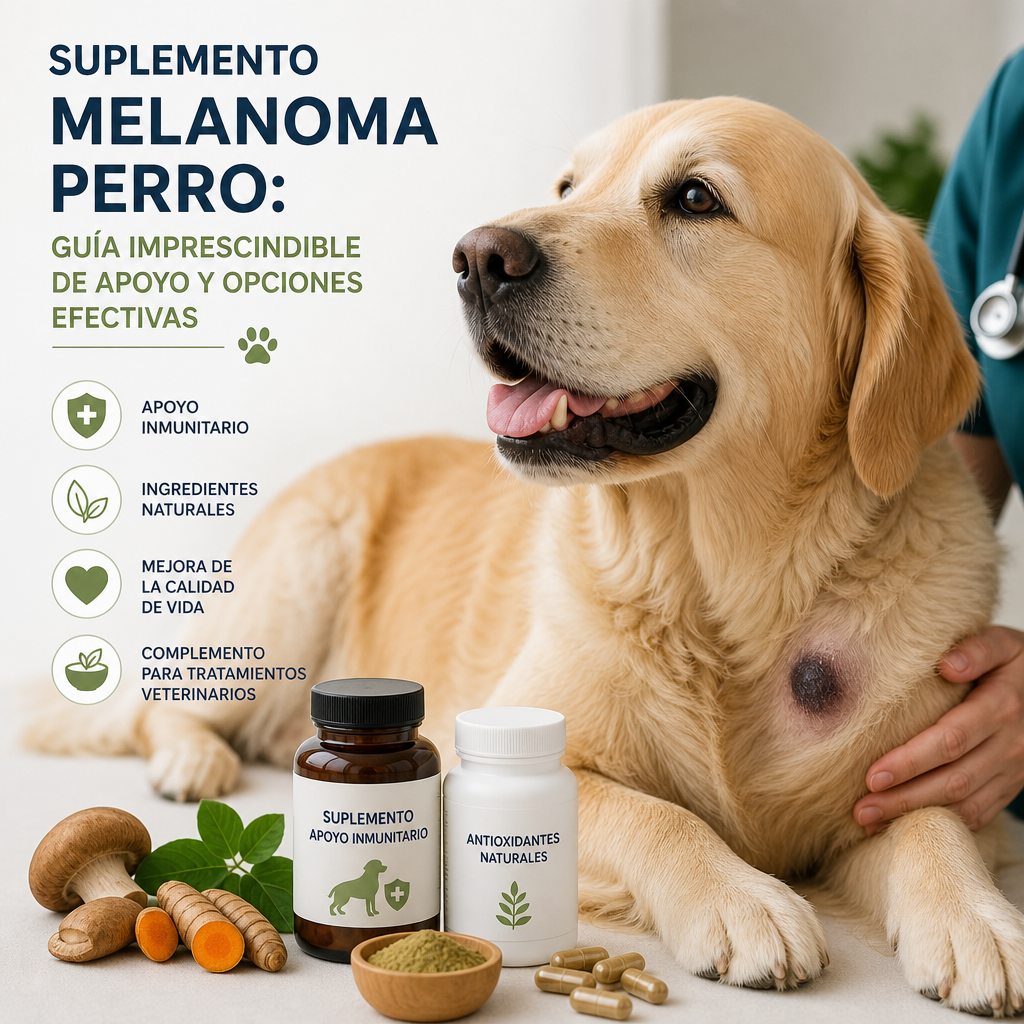
Melanoma is a tumor originating in melanocytes, the cells responsible for producing pigment. In dogs, it can appear on the skin, mouth, toes, or eye area. Small and localized cutaneous melanomas sometimes exhibit a less aggressive behavior, while oral, digital melanomas, or those affecting lymph nodes may have a higher risk of spreading.
Diagnosis usually includes a physical examination, cytology or biopsy, and, when necessary, imaging tests such as chest X-rays, abdominal ultrasound, or tomography. Nearby lymph nodes may also be analyzed to determine if metastasis exists. This information allows for establishing the most appropriate treatment, which may include surgery, immunotherapy, radiation therapy, chemotherapy, or palliative care.
Understanding the type of melanoma, its extent, and the overall health of the dog is essential before choosing a nutritional support. A suplemento melanoma perro is not selected for fashion or commercial promises, but for its possible utility within a specific clinical plan. In some patients, the goal will be to sustain appetite; in others, to reinforce muscle mass or improve digestive tolerance during therapy.
It is also important to remember that the evolution of this tumor can change over time. A dog that initially eats well and maintains activity may need later adjustments if oral pain, difficulty chewing, or weight loss occurs. Therefore, continuous veterinary follow-up remains a central piece of management.
Suplemento melanoma perro: qué objetivos puede tener
A supplement does not eliminate the tumor nor replace surgery, immunotherapy, or prescribed medications. Its function, when the veterinarian deems it appropriate, is to support certain aspects of the animal's overall well-being. Among the most common objectives are:
- To maintain an adequate body condition.
- To promote appetite and nutrient intake.
- To support digestive function.
- To contribute to the maintenance of muscle mass.
- Ayudar a controlar ciertos procesos inflamatorios.
- To provide antioxidant nutrients in safe amounts.
- To improve quality of life during treatment.
The priority should always be for the dog to eat, drink, rest, and maintain as much comfort as possible. A product with an appealing formulation is not necessarily useful for all patients. Age, weight, kidney and liver function, the type of melanoma, and the medications administered directly influence the choice.
In some cases, the veterinary team also assesses the state of the immune system, the level of pain, and the dog's ability to tolerate changes in diet. Therefore, a suplemento melanoma perro It should be integrated into a broader strategy, not as an isolated measure. When used judiciously, nutritional support can complement treatment and help sustain the animal's energy for longer.
Furthermore, the prudent use of supplements can be helpful when there is progressive weight loss or irregular appetite. In these situations, the focus is not on seeking miracle solutions, but on providing practical support. This approach is often the most useful for dogs undergoing a complex oncological process and who need care tailored to their day-to-day.
Melanoma perro apoyo: nutrición y cuidados básicos
The most important support usually begins with feeding. A dog with cancer needs a complete, balanced, and sufficiently palatable diet. In some cases, a specific veterinary diet is recommended; in others, the regular diet can be adjusted under the supervision of a professional.
High-quality proteins help preserve muscle mass, especially when there is weight loss. Fats can provide concentrated energy, but their amount should be individualized, as some dogs may have pancreatitis, diarrhea, or digestive intolerance. Carbohydrates do not have to be automatically eliminated: the complete composition of the diet should be adapted to the patient's needs.
También es importante ofrecer raciones pequeñas varias veces al día, calentar ligeramente la comida para intensificar su aroma y mantener agua fresca disponible. Si el perro deja de comer durante un periodo prolongado, vomita repetidamente o pierde peso con rapidez, es necesario contactar con el veterinario. En esa fase, un suplemento melanoma perro solo tiene sentido si realmente ayuda a mantener energía y tolerancia digestiva.
La rutina diaria también influye. Un entorno tranquilo, horarios constantes y una observación atenta del apetito pueden marcar la diferencia en perros con cáncer oral o con molestias al masticar. Si el alimento seco resulta difícil, la textura húmeda o semihúmeda puede facilitar la ingesta. Estos ajustes sencillos suelen ser más útiles de lo que parece y, combinados con una buena pauta veterinaria, refuerzan el manejo global del caso.
El descanso y el control del estrés también forman parte del cuidado básico. Un perro que duerme mejor, se siente seguro y no sufre dolor innecesario suele comer con mayor regularidad. Por eso, el apoyo nutricional debe ir acompañado de un ambiente predecible y de una vigilancia diaria de pequeños cambios, como la forma de masticar, la energía al levantarse o el interés por el alimento.
Suplementos perro cáncer: opciones que se valoran con frecuencia
Among the dog cancer supplements, omega-3 fatty acids, especially EPA and DHA, are some of the most studied for nutritional support. They can contribute to the maintenance of the skin, the immune system, and the inflammatory response. However, they should be administered in appropriate doses and with quality products, as excess can lead to digestive problems or increase the risk of bleeding under certain circumstances.
Probiotics and prebiotics can be helpful when there is an alteration of the intestinal microbiota, treatment-related diarrhea, or digestive sensitivity. Not all products contain the same strains or have the same evidence, so it is advisable to use a veterinary formula.
Vitamin and mineral supplements should only be used when there is a specific need. A complete commercial diet usually already provides the essential nutrients, and adding high amounts can cause imbalances. This is especially relevant with fat-soluble vitamins, such as A, D, E, and K, which can accumulate in the body.
Some supplements include plant extracts, medicinal mushrooms, or antioxidant compounds. Although certain substances are being investigated for their potential immunomodulatory effect, clinical evidence in dogs with melanoma may still be limited. Furthermore, “natural” does not necessarily mean safe: some ingredients interact with drugs, affect coagulation, or modify liver function.
In this context, it is advisable to always review the quality of the product and its traceability. If the guardian is looking for practical information, a guide like Best supplements for dogs with cancer: 7 essential, useful, and safe keys to choose can help compare options with criteria, always alongside the veterinary team.
It may also be helpful to consult recognized clinical sources. General information about cancer and its management in companion animals is usually clearly explained in resources like the PubMed Central biomedical studies repository, where reviews and reference articles on nutrition and oncology are collected.
In practice, there is no single ideal product for all patients. Some dogs tolerate omega-3 rich formulas better, while others need to stabilize their digestion or improve their food intake first. Therefore, the suplemento melanoma perro most suitable will always be the one that fits the animal's actual clinical state and the specific treatment goals.
Other caregivers ask about antioxidant compounds, collagen, or herbal mixtures. Before incorporating them, it is worth analyzing what is being sought exactly: digestive support, appetite control, weight maintenance, or improvement of general comfort. Without a clear goal, it is easy to accumulate products without obtaining real benefits. In contrast, a simple and well-supervised selection usually offers better results and fewer risks.
Precauciones antes de administrar cualquier producto
One should never start a supplement without informing the veterinarian of all the medications the dog is receiving. Some supplements can interfere with anti-inflammatories, corticosteroids, antibiotics, chemotherapy, or other treatments. It is also important to communicate if the animal suffers from kidney, liver, heart disease, pancreatitis, or coagulation disorders.
It is advisable to check the label to know the actual concentration, the dose per kilogram, the inactive ingredients, and the quality controls. Products intended for humans may contain dangerous sweeteners, such as xylitol, or excessive amounts of certain nutrients. Likewise, formulas that promise to “cure” cancer or replace conventional treatment should be avoided.
When discussing suplemento melanoma perro, Caution is essential: not all dogs need the same support, and not all tolerate the same ingredients. Safety must come before any commercial promise.
It is also advisable to introduce any new product gradually. This way, possible intolerances, such as diarrhea, vomiting, food rejection, or changes in behavior, can be better detected. If any of these signs appear, it is advisable to suspend the supplement and consult. This early vigilance prevents complications and allows for deciding whether nutritional support should be modified or replaced with another more suitable option.
Another important point is not to combine several supplements at once without a clear clinical reason. It is often difficult to know which ingredient has caused a reaction or which product truly provides a benefit. Starting with one option, observing the response, and documenting changes facilitates safer decision-making. In fragile patients, less can be more if the choice is well-founded.
Cómo evaluar si el apoyo está funcionando
The main goal is not just to prolong life but to maintain its quality. To assess progress, caregivers can record appetite, weight, activity level, pain, breathing, bowel movements, and interaction with the family. This data helps the veterinarian detect changes and adjust the plan.
A persistent loss of appetite, difficulty chewing or swallowing, oral bleeding, intense bad breath, limping, frequent vomiting, altered breathing, or marked apathy require professional attention. In oral melanoma, for example, lesions can hinder feeding and cause pain, so it may be necessary to modify the texture of the food or establish a pain management treatment.
If the dog tolerates the diet and treatment well, follow-up should continue with regular check-ups and realistic goals. Sometimes, a small but sustained improvement in appetite, energy, or comfort already indicates that the support is providing value. This follow-up is an essential part of any strategy with. suplemento melanoma perro.
To assess the results more objectively, it may be helpful to note the weekly weight, the amount of food ingested, and whether the dog shows more willingness to walk, play, or rest without discomfort. These simple indicators provide a practical view of the evolution and help decide whether to maintain, adjust, or withdraw a specific product. In an oncological process, consistency is often more important than sudden changes.
It may also help to establish a brief review with the veterinarian after a few weeks of use. In that appointment, the body condition, digestive tolerance, and general attitude of the dog can be compared. If the change is neutral or negative, it makes no sense to insist on an inadequate formula. If the change is positive, then the regimen can be maintained with greater confidence and well-defined expectations.
Un enfoque personalizado y realista
The melanoma supplement for dogs can be part of a comprehensive strategy, but it should never be considered an independent solution. The best support combines early diagnosis, appropriate oncological treatment, pain control, adapted feeding, regular check-ups, and daily observation at home.
Each dog responds differently. Therefore, the choice of cancer supplements for dogs should be based on their specific needs and the available evidence, avoiding excessive combinations or products with unclear compositions. With constant veterinary supervision, the goal is to support the treatment, reduce discomfort, and offer the animal the best possible quality of life throughout the process.
Ultimately, the prudent use of a. suplemento melanoma perro can be a valuable aid when there is a clear indication, an adequate diet, and close veterinary control. The key is to add well-being without generating unnecessary risks.
The most important thing is to maintain realistic expectations. A well-chosen support does not replace the oncological approach, but it can contribute to the dog eating better, tolerating therapies better, and maintaining a more comfortable routine. This combination of care, follow-up, and informed decision-making is often the safest and most positive way to accompany the patient.
En casa, el tutor puede fijarse en señales concretas de progreso: menos rechazo al alimento, mayor interés por beber, mejor tolerancia al paseo y más momentos de descanso tranquilo. Estas observaciones no reemplazan la evaluación clínica, pero sí ofrecen pistas valiosas sobre si el plan está funcionando. Cuando el apoyo se adapta al paciente y no al revés, los resultados suelen ser más coherentes y más fáciles de sostener en el tiempo.
Si el perro está recibiendo tratamientos específicos, el veterinario puede decidir si conviene reforzar la pauta con un suplemento melanoma perro o si es preferible simplificarla para evitar interacciones. Esa flexibilidad es una ventaja: no se trata de usar más productos, sino de usar los que realmente aportan algo útil. En oncología, una estrategia calmada, prudente y bien revisada suele ser mucho más valiosa que cualquier promesa rápida.
por TCMVET | 19 de agosto de 2026 | Investigación y noticias
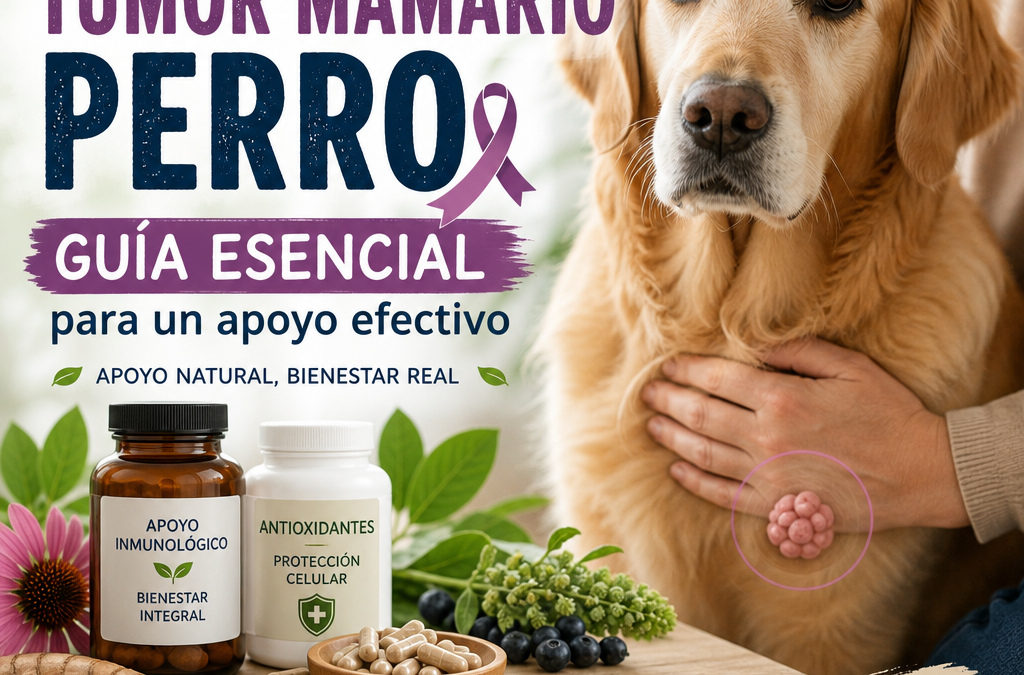
Suplemento tumor mamario perro es una búsqueda cada vez más frecuente entre las familias que desean acompañar el tratamiento de una perra con una masa mamaria. Sin embargo, ningún suplemento sustituye la evaluación veterinaria, la cirugía cuando está indicada, el análisis histopatológico ni los controles posteriores. Los complementos pueden tener un papel de apoyo, pero deben elegirse según el estado general del animal, el tipo de tumor y los medicamentos que recibe.
En este contexto, la información clara ayuda a tomar mejores decisiones. Cuando se habla de suplemento tumor mamario perro, no se trata de prometer resultados milagrosos, sino de entender qué puede aportar un producto, qué límites tiene y en qué situaciones conviene evitarlo. Esa mirada realista es la que protege la salud de la perra y también la tranquilidad de su familia.
Qué es un tumor mamario en perros
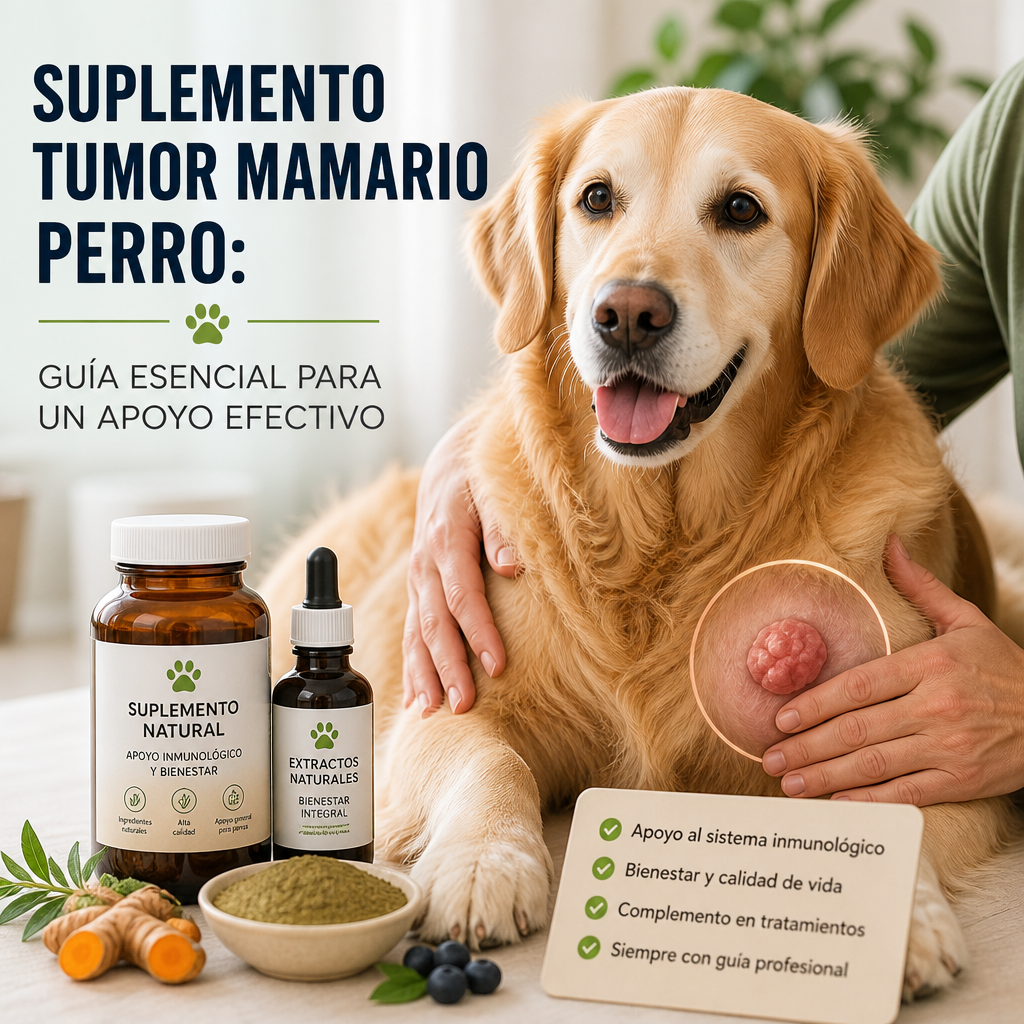
Los tumores mamarios son masas que aparecen en las glándulas mamarias, especialmente en perras adultas o mayores que no han sido esterilizadas o que lo fueron a una edad avanzada. Algunas lesiones son benignas, mientras que otras pueden ser malignas y extenderse a los ganglios linfáticos o los pulmones.
It is not possible to determine the severity solely by the size or external appearance of the mass. A small lesion may require immediate attention, and a large mass does not always indicate the same prognosis. Diagnosis usually includes physical examination, imaging tests, blood analysis, and, above all, cytology or biopsy. The study of the tissue allows us to know the type of tumor and guide the treatment.
When faced with a lump in a breast, it is not advisable to wait for it to grow or to apply home remedies. Early attention offers more options for action and allows for better control of pain, inflammation, and other possible symptoms. In many families, the interest in a suplemento tumor mamario perro appears right at this moment, when something useful but also safe is being sought.
It is also important to remember that each case evolves differently. Some dogs maintain a good appetite and energy, while others show weight loss, fatigue, or discomfort when moving. This difference explains why there is no one-size-fits-all recommendation for all patients. The plan must be adapted to the clinical reality of each animal.
Suplemento tumor mamario perro: qué puede aportar
A supplement can support certain functions of the body, such as weight maintenance, recovery after a procedure, digestive health, or stress control. However, its benefits depend on the specific situation of each patient. In an oncological context, the main objective is to accompany, not to replace.
Among the supplements that a veterinarian might consider are:
- Omega-3 fatty acids: Present in purified fish oils, they can contribute to maintaining a balanced inflammatory response and support skin and overall condition.
- Antioxidants: Vitamins and antioxidant compounds can help protect cells against oxidative stress, although they should not be presented as a cure for cancer.
- Probiotics: They may be useful for maintaining gut microbiota, especially during periods of stress, dietary changes, or certain treatments.
- High-calorie nutritional supplements: They can help dogs with low appetite or weight loss, as long as they are used under supervision.
- Joint or protein support: Some animals need additional support during surgical recovery or when they exhibit weakness and loss of muscle mass.
The choice should be based on the usual diet, renal and hepatic function, weight, age, and indicated treatments. An appropriate product for a healthy dog may be unsuitable for another with kidney disease, coagulation problems, or gastrointestinal sensitivity. Therefore, before purchasing a suplemento tumor mamario perro, it is advisable to first review the complete clinical history.
A useful point for families is to understand that not all supplements act the same. Some focus on nutritional support, others on digestion, and others on treatment tolerance. That difference matters because a dog with a mammary tumor may need additional energy, nausea control, better appetite, or simply an easier-to-accept diet.
When the veterinarian evaluates support options, they also consider the quality of the product. It is not enough for the packaging to promise “well-being” or “stronger defenses.” It is preferable to review the exact composition, the dosage per kilo, the source of the ingredients, and whether the product is specifically formulated for dogs. In a case of cancer, precision is more valuable than marketing.
Tumor mamario perro apoyo: medidas realmente importantes
When seeking mammary tumor dog support, it is essential to prioritize measures with the greatest clinical impact. The first is to follow the plan established by the veterinarian. If removal of the mass is recommended, delaying surgery to try a supplement may allow the disease to progress.
It is also important to provide a complete and balanced diet. During illness, many dogs eat less, so they may benefit from small, frequent meals, wet food, or a therapeutic diet recommended by a professional. Sudden changes should never be made, nor should homemade diets be administered without proper formulation.
Pain control is another essential aspect. The animal should rest in a comfortable, clean, and quiet place, avoiding jumps and exertion after an intervention. Additionally, it is advisable to monitor appetite, water intake, bowel movements, breathing, and the appearance of the wound.
Periodic check-ups allow for early detection of changes. Depending on the case, the veterinarian may recommend examinations of the mammary glands, palpation of lymph nodes, chest X-rays, ultrasounds, or other tests. In some patients, an organized follow-up makes the difference between acting in time or discovering complications when they are already more advanced.
If the dog is recovering, the environment also matters. A soft bed, short walks, avoiding stairs, and maintaining stable schedules help reduce stress. These measures are not a substitute for treatment, but they can improve daily well-being while deciding whether or not to use a suplemento tumor mamario perro.
Additionally, the emotional support of the family influences more than it seems. A dog in pain or fatigue may feel more secure with predictable routines, a calm voice, and gentle handling. Well-being does not only depend on medical treatment; it is also supported by small daily habits that reduce anxiety and facilitate recovery.
When a supplement may make more sense
A supplement may be more useful when there is a loss of appetite, convalescence after surgery, difficulty maintaining weight, or a period of greater physical wear. In these cases, the goal is to support the body and facilitate recovery. Even so, the selection must be individual and cautious.
It may also be reasonable to consider a supplement when the veterinarian detects specific needs, for example, temporary digestive support or nutritional help during a prolonged treatment. Professional judgment avoids using unnecessary products and reduces the risk of interactions.
In some cases, recovery is complicated by nausea, changes in smell towards food, or stress from hospitalization. There, the approach should be practical: better-accepted foods, sufficient hydration, and, if appropriate, timely nutritional support. A suplemento tumor mamario perro may be part of that plan if it truly fits the clinical picture.
Suplementos tumor mamario perro: precauciones antes de utilizarlos
The label “natural” does not mean that a product is harmless. Some supplements can interfere with anesthesia, increase the risk of bleeding, alter blood pressure, or modify the effect of certain medications. This is especially relevant before surgery or during oncological treatments.
Products with garlic, high doses of certain vitamins, plant extracts, medicinal mushrooms, or compounds with anticoagulant effects require special caution. Products intended for humans should also be avoided, as they may contain xylitol, caffeine, excessive doses, or other ingredients dangerous for dogs.
Before giving any supplement, it is advisable to inform the veterinarian of the trade name, composition, dosage, and frequency. Quality also matters: it is preferable to choose products with clearly specified ingredients, manufacturing controls, and appropriate dosing for animals.
Los supplements tumor mammary dog They should not be initiated based on informal recommendations from the internet, neighbors, or social media. Although the advice may seem well-intentioned, an oncological case requires reviewing interactions, general status, and therapeutic objectives. The best decision is usually the most personalized.
If you want to review general information and good practices on the prevention and management of oncological disease in dogs, a useful reference is the educational material from the American Veterinary Medical Association on cancer in pets.. Puede ayudar a entender por qué el seguimiento profesional sigue siendo la base del tratamiento.
Another key aspect is not to mix several products at once without a clear reason. If many supplements are introduced simultaneously, it becomes difficult to know which one helps, which one does not contribute anything, or which one is causing digestive discomfort. In veterinary oncology, simplifying is often an advantage.
Alimentación y recuperación tras el diagnóstico
After diagnosis, nutrition becomes a central piece of care. If the dog maintains its appetite, the ideal is to keep a balanced and highly digestible diet, avoiding unnecessary changes. If it eats less, the veterinarian may recommend adjusting caloric density, texture, or feeding frequency.
Muscle mass loss is a common problem when a disease is prolonged. Therefore, it is not enough for the dog to “eat something”; it is important that it receives enough energy and quality protein. In certain patients, a suplemento tumor mamario perro can help complete the intake, as long as it does not replace an adequate diet.
During recovery, it is advisable to observe how the dog responds to each meal. Some dogs accept warm foods better, others prefer soft textures, and others need several small meals instead of one large portion. This daily observation is simple but provides valuable information.
It also helps to maintain good hydration. If the patient drinks little, there may be increased fatigue, drier stools, and worse recovery. The veterinarian can guide on safe ways to increase water intake, always according to the case. When the general condition improves, any supplement used is usually better tolerated.
Recovery does not only depend on the intestine or appetite. Sleep, pain, and mood also influence. A dog with discomfort may refuse food, move less, and recover more slowly. That is why pain control and environmental comfort are as important as the choice of a suplemento tumor mamario perro.
Warning signs that require veterinary attention
A mass that grows rapidly, bleeds, ulcers, or produces discharge should be examined without delay. It is also urgent to consult if the dog presents intense pain, fever, marked lethargy, rapid weight loss, difficulty breathing, persistent vomiting, or prolonged lack of appetite.
After surgery, progressive redness, excessive swelling, wound opening, or abnormal discharge may indicate complications. In these cases, a supplement will not solve the problem, and a professional assessment is needed.
It is worth remembering that an apparently stable evolution does not always mean that everything is going well. In some mammary tumors, internal changes are not visible at first glance. That is why, even though the family is using a suplemento tumor mamario perro, scheduled check-ups remain essential.
Si la perra deja de caminar con normalidad, muestra tos persistente, jadea más de lo habitual o se muestra muy apagada, la consulta no debe posponerse. Estos signos pueden relacionarse con dolor, infección, anemia u otras complicaciones que requieren evaluación rápida. Actuar pronto suele ofrecer más opciones y mejor pronóstico funcional.
How to integrate a supplement responsibly
El uso de un suplemento debe formar parte de un plan general que incluya diagnóstico, tratamiento, nutrición, control del dolor y seguimiento. Es recomendable introducir un solo producto cada vez para identificar posibles reacciones y respetar siempre la dosis indicada.
La familia puede llevar un registro del peso, el apetito, la actividad, los medicamentos y cualquier cambio en la masa. Esta información ayuda al veterinario a valorar la evolución y ajustar el tratamiento. El objetivo principal no es “fortalecer las defensas” de manera indefinida, sino conservar la calidad de vida y apoyar las necesidades reales del animal.
También puede ser útil anotar si el perro acepta bien el producto, si aparecen diarreas, gases, vómitos o cambios en las heces, y si hay variaciones en el nivel de energía. Estas observaciones facilitan detectar si el suplemento está aportando algo positivo o si, por el contrario, conviene retirarlo.
In practice, the best approach combines simple and measurable decisions: appropriate diet, clear medical guidelines, wound monitoring, moderate exercise, and review of any supplements with the professional handling the case. A suplemento tumor mamario perro can be part of that plan, but should not take center stage.
When the veterinarian approves a supplement, the ideal is to introduce it gradually and observe its tolerance over several days. If all goes well, it can be maintained according to the indicated guidelines; if not, it is advisable to suspend it and reevaluate. This way of proceeding reduces risks and avoids impulsive decisions.
Frequently asked questions about nutritional support
Do all mammary tumors need supplements?
No. Some dogs benefit from nutritional support, but others do not need it. The decision depends on the overall condition, the planned surgery, the medication, and the digestive tolerance. Having a mammary mass does not require the use of supplements.
Can I start a supplement before surgery?
Only with veterinary approval. Before surgery, certain ingredients may increase the risk of bleeding or interfere with anesthesia. If there is a forthcoming intervention, it is important to review any suplemento tumor mamario perro in advance.
Does a supplement improve the prognosis?
By itself, no. The prognosis depends on the type of tumor, the stage, the extent of the disease, and the response to treatment. A supplement can support well-being, but it does not replace the measures that truly change the clinical course.
What signs indicate that a supplement is not working well?
Vomiting, diarrhea, lethargy, itching, swelling, food rejection, or general worsening may indicate intolerance or interaction. If any of these signs appear, the product should be discontinued and the veterinarian consulted.
Is it useful to use several supplements at once?
Not always. Sometimes adding too many products complicates the routine and increases the risk of interactions or digestive discomfort. The most prudent approach is usually to choose only what is necessary, assess the response, and adjust with professional supervision.
In conclusion, a mammary tumor supplement for dogs can be useful in specific situations, but it does not replace veterinary care nor does it act alone against the disease. The best strategy combines accurate diagnosis, timely therapeutic decisions, adequate nutrition, constant monitoring, and supplements selected with professional criteria. When used properly, nutritional support adds value; when used without control, it can distract from what is essential.
