
von TCMVET | 7. Juni 2024 | Hundekrebs & Tumore
Das Lymphom ist eine häufige und aggressive Krebserkrankung bei Hunden, die das lymphatische System, einschließlich Lymphknoten, Milz und Knochenmark, befällt. Während konventionelle Behandlungen wie Chemotherapie und Bestrahlung häufig zum Einsatz kommen, suchen viele Tierhalter nach natürlichen und ganzheitlichen Ansätzen, um diese Erkrankung zu kontrollieren und zu behandeln. Dieser Artikel befasst sich mit verschiedenen natürlichen Behandlungsmethoden, die die herkömmlichen Methoden ergänzen können, um die Lebensqualität zu verbessern und möglicherweise die Ergebnisse für Hunde mit Lymphomen zu verbessern.
Hunde-Lymphom verstehen
Das Lymphom bei Hunden ist eine Krebsart, die von den Lymphozyten ausgeht, einer Art von weißen Blutkörperchen, die für das Immunsystem von entscheidender Bedeutung sind. Es kann in verschiedenen Formen auftreten, wobei die häufigste Form das multizentrische Lymphom ist, bei dem mehrere Lymphknoten befallen sind. Zu den Symptomen gehören häufig geschwollene Lymphknoten, Lethargie, Gewichtsverlust und Appetitlosigkeit. Eine frühzeitige Diagnose und ein umfassender Behandlungsplan sind entscheidend für eine wirksame Behandlung der Krankheit.
Konventionelle Behandlungen für Lymphome
Herkömmliche Behandlungen für Lymphome bei Hunden umfassen in der Regel eine Chemotherapie, die darauf abzielt, den Tumor zu verkleinern und das Leben des Hundes zu verlängern. Eine Chemotherapie kann zwar wirksam sein, hat aber oft Nebenwirkungen wie Übelkeit, Erbrechen und eine geschwächte Immunfunktion. Aus diesem Grund suchen viele Tierhalter nach ergänzenden natürlichen Behandlungen, um ihre Hunde während und nach der konventionellen Therapie zu unterstützen.
Natürliche und ganzheitliche Behandlungen
- Diät und Ernährung:
- Entzündungshemmende Ernährung: Eine Ernährung, die reich an entzündungshemmenden Lebensmitteln ist, kann helfen, die Symptome zu lindern und die allgemeine Gesundheit zu verbessern. Nehmen Sie frisches Gemüse, mageres Fleisch und Omega-3-Fettsäuren aus Quellen wie Fischöl zu sich.
- Kohlenhydratarme Diät: Da sich Krebszellen von Zucker ernähren, kann eine kohlenhydratarme Ernährung dazu beitragen, Krebszellen auszuhungern und ihr Wachstum zu verlangsamen.
- Kräuterergänzungen:
- TCMVET Baituxiao: Diese Kräuterformel hat sich als vielversprechend erwiesen, wenn es darum geht, das Tumorwachstum zu kontrollieren und die Vitalität von Hunden mit Lymphomen zu steigern. Sie wurde entwickelt, um das Immunsystem zu unterstützen und die allgemeine Gesundheit zu fördern.
- Putenschwanz-Pilze: Truthahnschwanzpilze sind für ihre immunstärkenden Eigenschaften bekannt und können dazu beitragen, die Fähigkeit des Körpers zur Krebsbekämpfung zu verbessern. Sie enthalten Polysaccharopeptide, von denen angenommen wird, dass sie das Tumorwachstum hemmen.
- Holistic Therapies:
- Akupunktur: Diese alte chinesische Praxis kann helfen, Schmerzen zu lindern und den Energiefluss im Körper zu verbessern. Sie wird häufig eingesetzt, um die Nebenwirkungen einer Chemotherapie zu lindern und die Lebensqualität des Hundes zu verbessern.
- Massage Therapy: Regelmäßige Massagen können Stress abbauen, die Durchblutung verbessern und das Immunsystem stärken. Auch für Hunde, die sich einer Krebsbehandlung unterziehen, bietet sie Komfort und Entspannung.
- Antioxidantien und Vitamine:
- Vitamin C und E: Diese Antioxidantien können dazu beitragen, oxidativen Stress zu bekämpfen und das Immunsystem zu unterstützen. Sie können auch die Nebenwirkungen herkömmlicher Krebsbehandlungen verringern.
- Beta-Glucane: Beta-Glucane, die in Pilzen wie Maitake und Shiitake vorkommen, stärken die Immunabwehr und haben sich bei der Bekämpfung von Krebszellen bewährt.
- Änderungen des Lebensstils:
- Regelmäßiges Training: Sanfte, regelmäßige Bewegung trägt zur Erhaltung der Muskelmasse und der allgemeinen Gesundheit bei. Außerdem steigert es die Stimmung und das Energieniveau des Hundes.
- Stressreduzierung: Die Schaffung einer ruhigen und stressfreien Umgebung ist entscheidend. Stress kann das Immunsystem schwächen und es dem Körper erschweren, Krebs zu bekämpfen.
Integration natürlicher Behandlungen in die konventionelle Pflege
Natürliche und ganzheitliche Behandlungen können zwar zahlreiche Vorteile bieten, sollten aber die herkömmliche tierärztliche Versorgung nicht ersetzen. Stattdessen sollten sie in einen umfassenden Behandlungsplan integriert werden, der von Ihrem Tierarzt erstellt wird. Wenden Sie sich immer an einen Veterinäronkologen, bevor Sie mit einer neuen Behandlung beginnen, um sicherzustellen, dass diese sicher und für die spezielle Erkrankung Ihres Hundes geeignet ist.
Fazit
Lymphome bei Hunden sind eine schwierige Diagnose, aber eine Kombination aus konventionellen und natürlichen Behandlungsmethoden kann Hoffnung geben und die Lebensqualität der betroffenen Tiere verbessern. Mit einer ausgewogenen Ernährung, pflanzlichen Nahrungsergänzungsmitteln, ganzheitlichen Therapien und Änderungen der Lebensweise können Tierhalter ihre Hunde auf ihrem Weg durch die Krebserkrankung unterstützen. Arbeiten Sie immer eng mit Ihrem Tierarzt zusammen, um den bestmöglichen Behandlungsplan für Ihren pelzigen Freund aufzustellen.
Indem wir uns neben den konventionellen Behandlungen auf natürliche und ganzheitliche Ansätze konzentrieren, können wir unseren Hunden eine bessere Chance bieten, trotz ihrer Lymphomdiagnose ein gesünderes und glücklicheres Leben zu führen.

von TCMVET | 6. Juni 2024 | Medikamente & Therapien
Artemisinin, eine Verbindung, die aus der Süßholzpflanze (Artemisia annua) gewonnen wird, hat Aufmerksamkeit für ihre potenziellen Vorteile bei der Krebsbehandlung gewonnen. Ursprünglich als Malariamittel verwendet, wird Artemisinin nun auf seine krebsbekämpfenden Eigenschaften untersucht, nicht nur in...

von TCMVET | 6. Juni 2024 | Hundekrebs & Tumore
Cancer in dogs is a growing concern for pet owners worldwide. While traditional treatments like surgery, chemotherapy, and radiation therapy are commonly used, there is increasing interest in the potential benefits of Chinese herbs. These natural supplements can help alleviate cancer symptoms and enhance overall health. This article explores the key Chinese herbal anti-cancer supplements and introduces the highly regarded TCMVET products.
The Benefits of Chinese Herbal Supplements
Chinese herbs have been used for thousands of years, offering a wealth of clinical experience and proven efficacy. They work by naturally enhancing the immune system, reducing the spread of cancer cells, and improving the overall vitality of dogs. Here are some of the top Chinese herbal supplements for dogs with cancer:
1. Reishi-Pilz (Ganoderma lucidum)
Reishi mushroom, known for its immune-boosting properties, can help improve the body’s resistance to cancer. It contains polysaccharides and triterpenoids that have anti-tumor effects and can enhance the efficacy of chemotherapy.
2. Turkey Tail Mushroom (Trametes versicolor)
Turkey Tail is renowned for its potent anti-cancer properties. It contains PSK (polysaccharide-K) and PSP (polysaccharide-peptide), which have been shown to inhibit cancer growth and improve survival rates in dogs.
3. Astragalus (Astragalus membranaceus)
Astragalus is an adaptogen that supports the immune system, enhances energy levels, and combats fatigue. It helps increase the body’s natural ability to fight cancer cells and works synergistically with conventional treatments.
4. Huang Qi (Astragalus propinquus)
Similar to Astragalus, Huang Qi strengthens the immune system and increases the production of white blood cells, which are crucial in the fight against cancer. It also helps in detoxifying the body and promoting overall well-being.
5. Curcumin (aus Kurkuma)
Curcumin is the active ingredient in turmeric, known for its anti-inflammatory and anti-cancer properties. It can help reduce tumor growth and improve the overall health of dogs undergoing cancer treatment.
TCMVET: A Trusted Source for Herbal Supplements
TCMVET offers a range of herbal supplements specifically designed for pets. Their products combine traditional Chinese medicine principles with modern scientific research to create effective and safe treatments for dogs with cancer. TCMVET Baituxiao, for instance, has shown remarkable results in reducing tumor size and improving the vitality and mood of pets. Pet owners have reported significant improvements in their dogs’ conditions, including better appetite, increased energy, and a reduction in tumor-related symptoms.
Fazit
Incorporating Chinese herbal supplements into your dog’s cancer treatment plan can provide numerous benefits, from boosting the immune system to directly combating cancer cells. With trusted products like TCMVET, you can support your dog’s health and enhance their quality of life. Always consult with your veterinarian before starting any new supplement regimen to ensure the best care for your furry friend.

von TCMVET | 6. Juni 2024 | Ernährungsgesundheit
When your beloved dog is diagnosed with cancer, one of the immediate challenges is often a loss of appetite. Maintaining proper nutrition is crucial for supporting their immune system, enhancing treatment efficacy, and improving their overall quality of life. This article offers unique and innovative strategies to help your dog with cancer regain their appetite and enjoy their meals again.
1. Offer Flavorful and Aromatic Foods
One of the simplest yet effective ways to entice your dog to eat is by offering highly palatable and aromatic foods. Consider incorporating options like:
- Canned Wet Food: Rich in flavor and moisture, making it more appealing than dry kibble.
- Homemade Broths: Chicken or beef broth can add enticing smells and flavors to their regular meals.
- Specialty Dog Foods: Foods specifically designed for dogs with decreased appetites, often available through your vet.
2. Frequent, Smaller Meals
Instead of sticking to the traditional twice-a-day feeding schedule, offer smaller, more frequent meals throughout the day. This approach can make eating less overwhelming and encourage more consistent intake.
3. Enhance the Aroma
Dogs rely heavily on their sense of smell, especially when their appetite is low. Boost the aroma of their food by:
- Adding Fish Oil: A small amount of fish oil can significantly enhance the smell and nutritional value of the food.
- Warming the Food: Slightly warming their food can release more aroma, making it more enticing.
4. Hand-Feeding and Positive Reinforcement
Hand-feeding your dog can provide comfort and encourage them to eat. Use positive reinforcement techniques such as:
- Praise and Petting: Give plenty of praise and affection when they eat, creating a positive association with mealtime.
- Small Rewards: Offer small, healthy treats as rewards for eating portions of their meal.
5. Experiment with Food Texture
Some dogs may prefer certain textures over others. Experiment with:
- Soft and Moist Foods: Easier to eat and digest, especially if your dog is experiencing mouth sores or dental issues.
- Mixing Textures: Combine crunchy kibble with wet food or broths to create a more appealing mix.
6. Use Appetite Stimulants
Consult your veterinarian about the possibility of using appetite stimulants. There are several safe and effective options available that can help spark your dog’s interest in food.
7. Monitor and Adjust
It’s essential to closely monitor your dog’s eating habits and adjust your strategies as needed. Keep a journal of what works and what doesn’t, and stay in regular contact with your veterinarian to ensure your dog’s nutritional needs are being met.
Fazit
Helping a dog with cancer to eat can be challenging, but with patience and creativity, you can find ways to rekindle their interest in food. By offering flavorful meals, experimenting with textures, and using positive reinforcement, you can make mealtime a more enjoyable experience for your furry friend. Remember, maintaining good nutrition is key to supporting their overall health and well-being during their fight against cancer.
von TCMVET | 5. Juni 2024 | Hundekrebs & Tumore
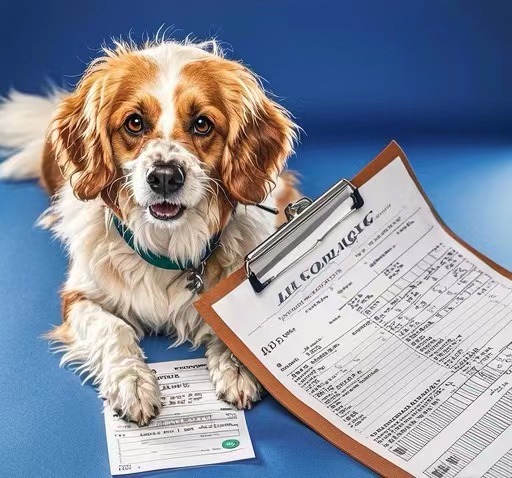
When a beloved pet is diagnosed with cancer, the first concern for many pet owners is their dog’s health and well-being. However, the cost of treatment, especially chemotherapy, can be a significant concern as well. In this article, we will explore the factors affecting the cost of chemotherapy for dogs, what to expect during treatment, and how to manage these expenses.
What is Chemotherapy for Dogs?
Chemotherapy is a type of cancer treatment that uses drugs to destroy cancer cells. In dogs, chemotherapy can be used to treat various types of cancer, including lymphoma, mast cell tumors, and osteosarcoma. The goal is to control or eliminate the cancer while maintaining the best possible quality of life for the pet.
Factors Affecting the Cost of Chemotherapy for Dogs
Several factors can influence the cost of chemotherapy for dogs, including:
- Type of Cancer: Different types of cancer require different chemotherapy protocols. Some cancers may need more intensive treatment than others.
- Size of the Dog: Larger dogs require higher doses of chemotherapy drugs, which can increase the overall cost.
- Frequency of Treatments: The number of chemotherapy sessions needed can vary. Some dogs may require weekly treatments, while others might need them less frequently.
- Standort: The cost of veterinary care can vary significantly depending on where you live. Urban areas tend to have higher costs compared to rural areas.
- Veterinary Oncologist vs. General Veterinarian: Specialized care from a veterinary oncologist may cost more than treatment from a general veterinarian.
Average Cost of Chemotherapy for Dogs
On average, the cost of chemotherapy for dogs can range from $150 to $500 per session. For a full course of treatment, pet owners can expect to pay between $3,000 and $5,000. However, this cost can be higher or lower depending on the factors mentioned above.
What to Expect During Chemotherapy
Chemotherapy for dogs is typically administered in a veterinary clinic. The process involves:
- Initial Consultation: A thorough examination and diagnostic tests to determine the appropriate chemotherapy protocol.
- Treatment Sessions: Chemotherapy drugs are administered via injection or oral medication. Sessions can last from 30 minutes to a few hours.
- Monitoring: Regular check-ups to monitor the dog’s response to treatment and adjust the protocol as needed.
Managing the Cost of Chemotherapy
While the cost of chemotherapy can be daunting, there are several ways to manage these expenses:
- Pet Insurance: If you have pet insurance, check if it covers cancer treatments. Some policies include chemotherapy and related costs.
- Payment Plans: Many veterinary clinics offer payment plans to help spread out the cost of treatment over time.
- Financial Assistance: Organizations such as The Pet Fund and The Magic Bullet Fund offer financial assistance for pet cancer treatments.
- Crowdfunding: Platforms like GoFundMe can help you raise money to cover your dog’s medical expenses.
Alternative and Complementary Treatments
In addition to chemotherapy, some pet owners explore alternative treatments to support their dog’s health. Natural supplements, like TCMVET Baituxiao, have been reported to help manage tumors and improve vitality. Always consult with your veterinarian before adding any supplements to your dog’s treatment plan.
Fazit
Chemotherapy can be a lifesaving treatment for dogs with cancer, but it does come with significant costs. Understanding the factors that influence these costs and exploring various options to manage expenses can help ensure that your dog receives the best possible care. Always discuss with your veterinarian to create a treatment plan that fits both your pet’s needs and your budget.
