
by TCMVET | Sep 13, 2024 | pet Chinese herbal medicine
Shiitake mushrooms (Lentinula edodes) are one of the most widely used edible mushrooms, valued for their rich flavor and impressive nutritional profile. With caps ranging from two to five inches in width, these mushrooms come in shades of light and dark brown, adding depth to dishes worldwide. Native to eastern Asia, shiitake mushrooms have become a staple ingredient in many kitchens, but their benefits go beyond flavor. In fact, they’ve been used for centuries in traditional medicine to promote health and wellness.
1. The History and Origins of Shiitake Mushrooms
The name “shiitake” is derived from the Japanese Castanopsis tree, known as “shii,” where the mushrooms grow naturally, and “take,” which means mushroom in Japanese. While shiitake mushrooms were originally found in the wild growing on decaying wood, they are now widely cultivated in various countries, including Japan, China, Singapore, Canada, and the United States. Remarkably, one log can produce mushrooms for several years, making them a sustainable choice for home cultivation.
2. Shiitake Mushrooms in Traditional Medicine
Shiitake mushrooms have long been incorporated into traditional medicine due to their antiviral, antibacterial, and antifungal properties. These mushrooms are nutrient powerhouses, loaded with vitamins, minerals, fiber, enzymes, and essential fatty acids. They also contain many of the same amino acids found in meat, making them a great option for plant-based diets. These qualities remain intact no matter how the mushrooms are prepared—whether they’re sautéed, roasted, or dried.
In traditional medicine, shiitake mushrooms are often used to boost the immune system, especially during illnesses such as colds or the flu. Their ability to enhance overall health has earned them a prominent place in natural remedies.
3. Shiitake Mushrooms for Dogs
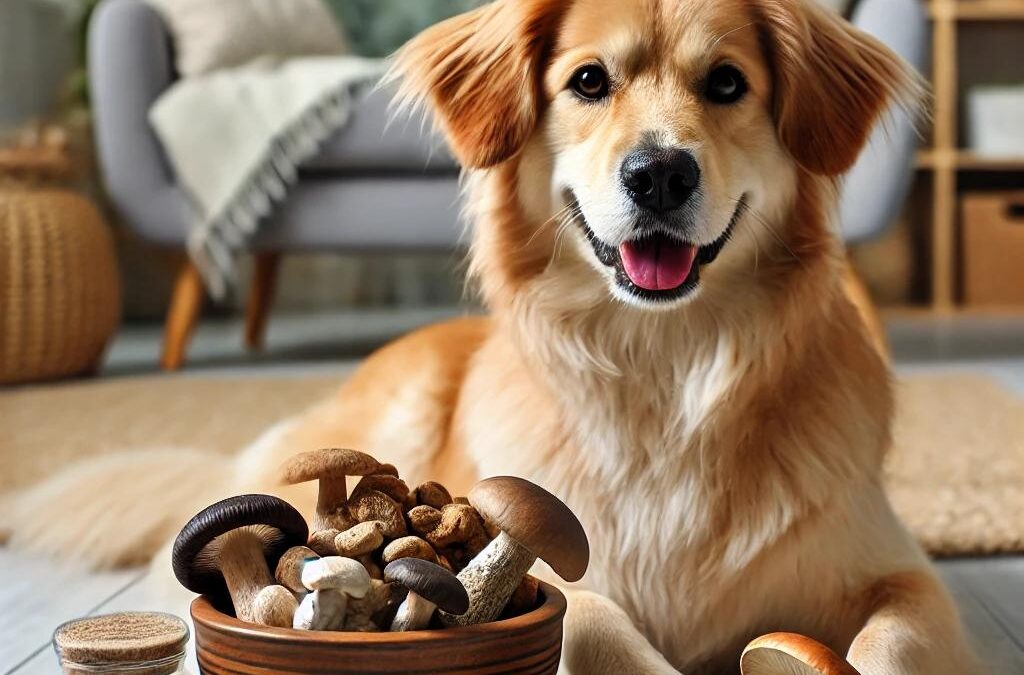
Given the wide-ranging health benefits of shiitake mushrooms for humans, it’s no surprise that they are now gaining popularity as a health supplement for dogs. Shiitake mushrooms are commonly used in canine supplements to help boost the immune system, but their advantages don’t stop there. With their rich nutritional content, shiitake mushrooms can support multiple areas of canine health, from enhancing immunity to promoting digestive health.
For dogs, the same beneficial properties of shiitake mushrooms—antiviral, antibacterial, and antifungal—can help protect against various ailments. Additionally, the high levels of antioxidants found in these mushrooms can reduce inflammation, support heart health, and improve overall vitality.
4. How to Safely Incorporate Shiitake Mushrooms into Your Dog’s Diet
While shiitake mushrooms can be a valuable addition to your dog’s diet, it’s essential to ensure that they are prepared safely. Always cook mushrooms before feeding them to your dog, as raw mushrooms can be difficult for them to digest. If you’re considering adding shiitake mushrooms as a regular supplement, consult your veterinarian for guidance, especially if your dog has existing health conditions.
Shiitake mushrooms are a versatile, nutrient-rich food that offers impressive health benefits for both humans and dogs. From enhancing immune function to promoting better overall health, this superfood has become a popular ingredient in supplements and natural remedies. With their rich nutritional content and medicinal properties, shiitake mushrooms are a valuable addition to a healthy lifestyle.
by TCMVET | Sep 13, 2024 | Food & Health
Mushrooms have long been valued for their nutritional and medicinal properties in human diets, but did you know that certain mushroom species can also benefit your dog? With more than fourteen thousand species of mushrooms discovered and classified, around three thousand are considered edible, and many of these varieties pack a nutritional punch that extends beyond humans. In fact, edible mushrooms can provide significant health benefits for your dog, promoting everything from immune system support to reducing inflammation.
1. Nutritional Powerhouses: Why Mushrooms are Good for Dogs
Mushrooms are rich in vitamins, minerals, and antioxidants that are essential for maintaining good health. These nutrients work in synergy with natural compounds and enzymes to provide numerous health benefits. Some of these include decreasing cancer risks, supporting the immune system, improving digestive health, and even protecting the brain. This makes mushrooms a valuable addition to your dog’s diet, especially when you choose varieties that are known for their specific health benefits.
2. Mushroom Varieties That Benefit Your Dog
Not all mushrooms are safe for dogs, but certain species can offer incredible health advantages. Here are a few mushrooms that can help your dog thrive:
- Shiitake: Known for its immune-boosting properties, Shiitake mushrooms are also rich in antioxidants, which help reduce inflammation and support overall health.
- Turkey Tail: This mushroom is famous for its cancer-fighting properties. It contains polysaccharides that stimulate the immune system and may even help prevent tumor growth in dogs.
- Maitake: Rich in beta-glucans, Maitake mushrooms enhance the immune system and have anti-inflammatory effects, making them great for dogs with arthritis or joint issues.
- Reishi: Often called the “Mushroom of Immortality,” Reishi mushrooms help reduce stress, improve sleep, and support heart health.
- Chaga: This powerful mushroom is packed with antioxidants, which help protect your dog’s cells from oxidative damage and support overall health.
- Cordyceps: Known for boosting energy levels, Cordyceps mushrooms also support lung function and help improve endurance, making them an excellent choice for active dogs.
3. How Mushrooms Can Help Dogs with Health Conditions
Incorporating these mushrooms into your dog’s diet can offer targeted health benefits. For example, dogs suffering from chronic inflammation, such as those with arthritis, can benefit from the anti-inflammatory properties of mushrooms like Reishi and Maitake. Additionally, dogs with weakened immune systems can gain significant support from the immune-boosting properties of Shiitake and Turkey Tail mushrooms.
4. Safe Mushroom Use for Dogs
While mushrooms can be highly beneficial for your dog, not all mushrooms are safe. Some wild mushrooms are toxic, so it’s important to only feed your dog species that are known to be safe and beneficial. It’s also a good idea to consult with your veterinarian before introducing mushrooms into your dog’s diet, particularly if your dog has existing health conditions or is taking medication.
Mushrooms are a fantastic, nutrient-dense food that can provide numerous health benefits for your dog. From boosting the immune system to reducing inflammation and improving energy levels, certain mushroom varieties like Shiitake, Turkey Tail, Maitake, Reishi, Chaga, and Cordyceps are packed with valuable compounds that can promote your dog’s overall well-being. With the right guidance, incorporating mushrooms into your dog’s diet can be an excellent way to support their health.

by TCMVET | Sep 12, 2024 | Food & Health
As our beloved dogs grow older, their mental health can begin to decline, just like in humans. In some cases, dogs may even develop cognitive dysfunction syndrome (CDS), a condition similar to Alzheimer’s disease. Fortunately, there are many strategies you can adopt to help maintain your dog’s cognitive health and reduce the chances of mental decline. With dogs living longer than ever, it’s important to ensure they enjoy the best possible quality of life during their golden years. Here are some effective ways to support your aging dog’s mental sharpness.
1. Mental Stimulation
Research shows that cognitive decline can be slowed or even reversed in humans through brain-training exercises. The same principle applies to dogs. Regular mental stimulation can help keep your dog’s brain active and healthy. Activities like playing with teaser balls encourage problem-solving, which can reduce the likelihood of brain function decline. Additionally, teaching your dog new tricks and varying your daily walking routes are excellent ways to engage their mind.
2. Dietary Support: The Power of Luteolin
Luteolin, a flavonoid found in many fruits and vegetables, has shown promise in improving brain function in both mice and humans. Although there is limited research specifically on dogs, it is reasonable to believe that luteolin could offer similar cognitive benefits for our canine companions. You can easily add luteolin-rich foods to your dog’s diet. These include celery, thyme, green peppers, carrots, and rosemary. Incorporating these ingredients into your dog’s meals may help boost brain function and slow down cognitive decline.
3. Consistent Physical Activity
Exercise is not only essential for physical health but also for maintaining mental sharpness. Regular walks, playtime, and interactive games help your dog stay active both mentally and physically. Consider engaging your dog in activities that challenge their mind, such as agility courses or hide-and-seek games, to enhance their cognitive function.
4. Socialization
Just like humans, dogs benefit from social interaction. Keeping your dog engaged with other dogs and people can prevent isolation and mental decline. Regular social outings or playdates with other dogs can stimulate their minds and provide new experiences that help them stay sharp.
5. Healthy Sleep Routine
Sleep is essential for brain health. Ensure your dog has a comfortable and quiet space to sleep, as a good night’s rest allows their brain to recover and function optimally. Older dogs may need more sleep, so make sure to provide ample rest time for your furry friend.
By taking these steps early in your dog’s life, you can help slow down cognitive decline and ensure they enjoy a happy, healthy, and mentally active life well into their senior years. Keeping their minds engaged through mental exercises, a healthy diet, regular physical activity, socialization, and a solid sleep routine can go a long way in protecting your dog’s cognitive health.

by TCMVET | Sep 12, 2024 | Food & Health
Hydration plays a crucial role in maintaining your dog’s overall health, particularly when it comes to reducing inflammation. Water is essential for flushing toxins from the body, promoting healthy kidney function, and preventing conditions like urinary tract infections and kidney stones, which can lead to inflammation. Ensuring that your dog stays properly hydrated is one of the simplest yet most important steps you can take to support their well-being.
Why Hydration Matters for Dogs
Water is fundamental to nearly every bodily function. For dogs, staying hydrated helps regulate body temperature, aids digestion, supports organ function, and even improves joint lubrication. Dehydration, on the other hand, can lead to a host of health issues, including lethargy, reduced kidney function, and an increased risk of inflammation-related conditions.
1. Reducing Inflammation
Proper hydration helps reduce inflammation by flushing toxins out of the body. Toxins that accumulate in the body can trigger inflammatory responses, which lead to pain and discomfort. By drinking enough water, your dog’s kidneys are able to effectively remove these toxins, reducing the risk of inflammation-related conditions.
2. Preventing Urinary Tract Infections and Kidney Stones
Dehydration can lead to concentrated urine, which increases the risk of urinary tract infections and kidney stones. Both of these conditions can cause inflammation and pain in dogs. Regular hydration helps dilute urine and supports healthy kidney function, reducing the risk of these painful issues.
3. Supporting Joint Health
Water plays an essential role in keeping joints well-lubricated, which is particularly important for older dogs or dogs with arthritis. Proper hydration ensures that synovial fluid—the fluid that cushions joints—can work effectively, reducing the risk of joint inflammation and pain.
How to Ensure Your Dog Stays Hydrated
- Provide Fresh Water at All Times: Make sure your dog always has access to clean, fresh water, both indoors and outdoors. Change the water regularly to keep it free from contaminants.
- Monitor Water Intake: In hotter weather or after exercise, dogs will need more water. Keep an eye on their water intake, and encourage them to drink more if necessary.
- Offer Hydration Alternatives: If your dog isn’t drinking enough water, try adding low-sodium broth to their meals or offering water-rich foods like cucumbers or watermelon (in moderation).
Signs of Dehydration in Dogs
It’s important to recognize the signs of dehydration early to prevent serious health issues. Symptoms include:
- Dry gums or nose
- Lethargy or weakness
- Sunken eyes
- Panting excessively
- Loss of skin elasticity
If you notice these signs, encourage your dog to drink water, and if dehydration persists, consult your veterinarian immediately.
Proper hydration is essential for your dog’s health, particularly when it comes to reducing inflammation and preventing conditions like urinary tract infections and kidney stones. By ensuring your dog has constant access to fresh water and monitoring their intake, especially during hot weather or after exercise, you can help them stay healthy and comfortable.

by TCMVET | Sep 12, 2024 | Dog Cancer & Tumors
Medicinal mushrooms, such as Reishi and Shiitake, have long been used in traditional medicine for their health benefits. Now, pet owners are discovering that these mushrooms can also help boost their dog’s immune system and reduce inflammation. However, it’s important to introduce them carefully into your dog’s diet under veterinary guidance. In this article, we’ll explore how medicinal mushrooms can benefit your dog’s health and what precautions to take when using them.
Why Medicinal Mushrooms Are Good for Dogs
Medicinal mushrooms are packed with bioactive compounds that can benefit your dog’s overall health. Some of the key components include:
- Polysaccharides: Known for their immune-boosting properties, polysaccharides help regulate the immune system, making it more effective at fighting infections and diseases.
- Glycoproteins: These compounds support the immune system and improve overall wellness.
- Triterpenoids: With their anti-inflammatory properties, triterpenoids help reduce inflammation, which is especially beneficial for dogs with chronic inflammatory conditions like arthritis.
1. Reishi Mushrooms: The Immune Modulator
Reishi mushrooms are known for their immune-modulating properties. They help balance the immune system, making it stronger when needed and calming it down when the body’s response is too aggressive. Reishi can be particularly helpful for dogs with autoimmune conditions or chronic inflammation.
2. Shiitake Mushrooms: Fighting Inflammation
Shiitake mushrooms contain a wide variety of nutrients that help reduce inflammation and improve digestion. They are rich in vitamins B and D, as well as minerals like selenium and zinc, which support the immune system. Shiitake mushrooms also have anti-cancer properties, which can be an added benefit for dogs at risk of or currently fighting cancer.
Are Mushrooms Safe for Dogs?
When considering medicinal mushrooms for your dog, it’s important to distinguish between safe, edible varieties like Reishi and Shiitake, and wild mushrooms, which can be highly toxic. As a general rule, if a mushroom is safe for humans, it’s safe for dogs. However, never allow your dog to eat wild mushrooms, as many can be poisonous.
How to Introduce Medicinal Mushrooms to Your Dog’s Diet
While medicinal mushrooms offer great benefits, they should always be introduced under the guidance of a veterinarian. Mushrooms need to be appropriately dosed based on your dog’s size, breed, and health condition. Some dogs may also have allergies, so it’s essential to monitor them closely after introducing any new supplement.
Forms of Mushroom Supplements:
- Powders: Can be mixed into your dog’s food.
- Capsules: An easy option for precise dosing.
- Tinctures: Liquid extracts that can be added to meals or given directly.
Medicinal mushrooms like Reishi and Shiitake can be a great addition to your dog’s diet, offering immune support, reducing inflammation, and even providing anti-cancer properties. However, always consult your vet before adding any new supplement to your dog’s diet. With proper guidance, medicinal mushrooms can help your dog stay healthier and happier for years to come.
