

How to Examine Lumps on Your Dog’s Body: When to Seek Veterinary Care?
Discovering a lump on your dog’s body can be alarming. Is it just a harmless fatty tumor, or could it be something more serious? Many pet owners hesitate between monitoring the lump at home and rushing to the vet. The key is knowing how to assess the lump properly and...

Dog Spleen Tumors: The Silent Killer – How to Detect and Respond?
Spleen tumors in dogs are often referred to as “silent killers” because they can grow undetected for a long time, showing minimal symptoms until they become a medical emergency. Many pet owners only realize their dog has a spleen tumor when sudden internal bleeding...

Canine Cancer: Is It Contagious? What Multi-Dog Households Should Know
Cancer is a growing concern for pet owners, especially those with multiple dogs. When a dog in the household is diagnosed with cancer, a common question arises: Is canine cancer contagious? Understanding the nature of cancer and how it spreads can help pet owners take...
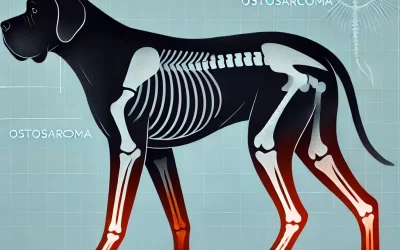
Osteosarcoma in Large Dogs: Why Are They at Higher Risk and How to Reduce It?
Osteosarcoma (OSA) is the most common primary bone cancer in dogs, and it disproportionately affects large and giant breeds. With its aggressive nature and rapid metastasis, this cancer presents a significant challenge for pet owners. However, understanding the risk...

Canine Melanoma: Which Breeds Are More Prone to This Aggressive Cancer?
Melanoma is one of the most concerning cancers in dogs, often appearing in the mouth, skin, nail beds, and even the eyes. While all dogs can develop melanoma, certain breeds are genetically predisposed due to their pigmentation, skin characteristics, and other...

Traditional Chinese Medicine for Canine Tumors: Exploring Herbal Remedies, Acupuncture, and Dietary Therapy
As pet owners seek alternatives to conventional cancer treatments like surgery, chemotherapy, and radiation, Traditional Chinese Medicine (TCM) has emerged as a promising complementary approach for dogs with tumors. TCM views cancer as an imbalance in the body's vital...

Bone Cancer in Dogs: How to Relieve Pain and Improve Quality of Life
Bone cancer, particularly osteosarcoma, is one of the most aggressive cancers in dogs. It causes intense pain, often stemming from tumor growth, inflammation, and bone damage, and can lead to complications like fractures or metastasis to the lungs. For pet owners, the...

How Long Can a Dog Live with a Tumor Without Surgery?
When a beloved dog is diagnosed with a tumor, many pet owners face a difficult question: How long can my dog live without surgery? The answer is not straightforward, as survival time depends on various factors, including tumor type, size, location, and overall health....

What Can Be Done for Dogs in the Late Stages of Cancer? How to Relieve Their Pain?
Watching a beloved dog battle late-stage cancer is an emotional and heart-wrenching journey. While a cure may not be possible, there are ways to enhance their comfort, alleviate pain, and improve their remaining quality of life. This article explores practical,...

Tumor Differences in Small and Large Dogs: Key Insights You Need to Know
When it comes to cancer and tumor development in dogs, size matters—literally. Small and large breeds have different genetic predispositions, metabolic rates, and immune responses, all of which contribute to variations in how tumors develop, progress, and respond to...

Alien Invaders or Harmless Squatters? Decoding Your Dog’s Mysterious Growths
Picture this: You’ve just given your dog a much-deserved belly rub after a fun-filled walk. Suddenly, your fingertips brush against a small bump you’ve never noticed before. Cue the suspenseful music—Has an alien invader (read: malignant tumor) set up camp, or is it...

Revolutionizing Canine Cancer Detection: The Emerging Role of Tumor Biomarkers in Diagnosis and Prognostic Evaluation
Cancer in dogs is a formidable challenge, often diagnosed too late for effective intervention. Traditional diagnostic tools such as biopsies and imaging have their limitations—they can be invasive, costly, or incapable of detecting tumors at early stages. Enter tumor...

Blazing New Trails in Canine Neuro-Oncology: Rethinking Diagnosis and Embracing Stereotactic Radiosurgery
The world of veterinary oncology is witnessing a dramatic shift as cutting-edge technology and visionary research converge to transform our approach to canine brain tumors. While conventional diagnostic methods and traditional treatment modalities have long guided...

How Long Can a Dog Live with a Tumor? Key Factors Affecting Survival Time
Discovering that your dog has a tumor can be distressing, and one of the first questions pet owners ask is, “How long does my dog have?” The answer depends on various factors, including the type of tumor, its location, stage, treatment options, and the dog’s overall...

Is Every Lump on Your Dog a Tumor? How to Identify and Respond
As a pet owner, discovering a lump on your dog can be alarming. The first thought that often comes to mind is, "Is it cancer?" However, not all lumps and bumps are tumors, and even if they are, not all tumors are malignant. Understanding the different types of...