When it comes to canine health, cancer is a formidable adversary that can wreak havoc on multiple systems within the body. One often overlooked aspect of this disease is its profound impact on the cardiovascular system. Understanding how cancer can affect your dog’s heart and blood vessels is crucial for early detection, effective treatment, and overall well-being.
How Cancer Affects the Cardiovascular System
1. Direct Invasion of Cardiac Tissues
Certain cancers, such as hemangiosarcoma, originate in the blood vessels and can directly invade the heart. Hemangiosarcoma commonly affects the spleen, liver, and heart, particularly the right atrium. This aggressive cancer can lead to significant cardiovascular complications, including pericardial effusion, where fluid accumulates around the heart, impeding its normal function.
2. Metastasis to the Heart and Blood Vessels
Cancer cells from primary tumors in other parts of the body can metastasize to the heart and blood vessels. This spread can cause blockages, disrupt blood flow, and lead to secondary tumors within the cardiovascular system. The resulting strain on the heart can compromise its ability to pump blood efficiently.
3. Paraneoplastic Syndromes
Paraneoplastic syndromes are indirect effects of cancer that can significantly impact the cardiovascular system. These syndromes occur when tumors produce substances that interfere with normal bodily functions. For instance, some tumors can cause hypercoagulability, leading to an increased risk of blood clots. These clots can travel to the heart or lungs, causing life-threatening conditions such as pulmonary embolism.
Symptoms to Watch For
Detecting cardiovascular issues related to cancer in dogs requires vigilance. Symptoms to watch for include:
Persistent Coughing: This can indicate fluid buildup in the lungs due to heart failure.
Shortness of Breath: Difficulty breathing or rapid breathing can be signs of cardiovascular compromise.
Lethargy and Weakness: A decline in energy levels may suggest poor blood circulation.
Fainting or Collapsing: These severe symptoms require immediate veterinary attention.
Swelling: Look for swelling in the abdomen or limbs, which could indicate fluid retention.
Diagnostic Approaches
Early diagnosis is key to managing cardiovascular complications in dogs with cancer. Diagnostic methods include:
Echocardiography: This ultrasound-based technique allows veterinarians to visualize the heart’s structure and function, identifying tumors or fluid accumulation.
Electrocardiography (ECG): An ECG can detect irregular heart rhythms caused by cancerous growths or paraneoplastic syndromes.
Blood Tests: Comprehensive blood panels can reveal markers of heart stress or hypercoagulability.
Imaging: X-rays, CT scans, and MRIs can provide detailed images of the heart and surrounding tissues, highlighting abnormalities.
Treatment Options
Treatment for cancer-related cardiovascular issues in dogs depends on the type and stage of cancer, as well as the severity of the cardiovascular involvement. Options include:
Surgery: Removing tumors that directly invade the heart or blood vessels can relieve symptoms and improve heart function.
Chemotherapy: This systemic treatment can shrink tumors and slow their spread, alleviating cardiovascular strain.
Radiation Therapy: Targeted radiation can reduce tumor size and mitigate its impact on the heart.
Medications: Drugs that manage heart failure, control arrhythmias, or prevent blood clots are essential in supportive care.
Understanding the complex relationship between canine cancer and the cardiovascular system is vital for pet owners and veterinarians alike. By recognizing the symptoms, utilizing advanced diagnostic tools, and pursuing appropriate treatments, we can improve the quality of life for dogs battling this dual health challenge. Stay vigilant and proactive in your dog’s healthcare to ensure they receive the best possible care.
Cancer in dogs can lead to a variety of health complications, including blindness. This article explores how different types of cancer can affect a dog’s vision, the symptoms to watch for, and the importance of early detection and treatment.
How Cancer Can Cause Blindness in Dogs
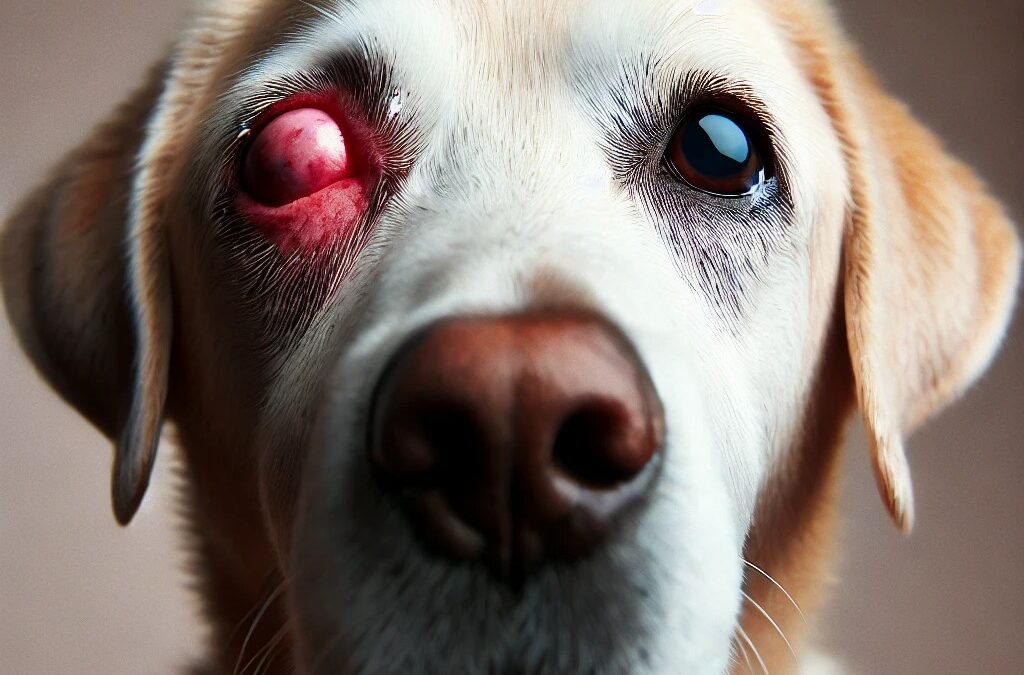
Ocular Tumors: Tumors can develop directly within the eye, affecting structures such as the retina, optic nerve, or other critical components responsible for vision. Common ocular cancers include melanoma, lymphoma, and adenocarcinoma. These tumors can cause significant damage to the eye, leading to partial or complete blindness. Symptoms may include visible masses on the eye, redness, swelling, or changes in eye color.
Brain Tumors: Tumors located in the brain, particularly in areas affecting the optic nerves or visual cortex, can disrupt a dog’s ability to see. The optic nerves transmit visual information from the eyes to the brain, and any pressure or damage from a tumor can impair this process. Symptoms might include sudden vision loss, changes in behavior, seizures, or head tilting.
Metastatic Cancer: Cancer that originates in other parts of the body can spread (metastasize) to the eyes or brain, leading to similar issues as primary tumors in these locations. Metastatic cancer often progresses rapidly, making early detection and intervention crucial.
Paraneoplastic Syndromes: These are indirect effects of cancer that can impact various parts of the body, including the eyes. Certain cancers can cause immune system reactions that damage ocular tissues, resulting in vision loss.
Symptoms to Watch For
If your dog has cancer, it’s important to monitor for signs of vision problems. Symptoms indicating potential blindness include:
Squinting or closing one eye
Excessive tearing or discharge
Redness or swelling around the eyes
Cloudiness or visible masses on the eye
Behavioral changes such as bumping into objects or hesitancy to move in dim light
Sudden or gradual loss of vision
Diagnosis and Treatment
Early detection and intervention are key to managing cancer-related blindness in dogs. Diagnostic methods include:
Physical Examination: A thorough eye exam by a veterinarian to check for abnormalities.
Imaging: Techniques such as MRI, CT scans, or ultrasound to detect tumors in the eyes or brain.
Biopsy: Taking a sample of the tumor to determine its type and guide treatment.
Treatment options vary depending on the type and location of the cancer. They may include:
Surgery: Removal of the tumor to prevent further damage and potentially restore vision.
Radiation Therapy: Targeting the tumor with radiation to shrink it and reduce its impact on vision.
Chemotherapy: Using drugs to treat cancer and slow its progression.
Palliative Care: For advanced cases, focusing on maintaining comfort and quality of life.
Cancer can significantly impact a dog’s vision, leading to partial or complete blindness. Understanding the connection between cancer and blindness, recognizing the symptoms, and seeking prompt veterinary care are crucial steps in managing this condition. By staying informed and proactive, you can help ensure your dog receives the best possible care.