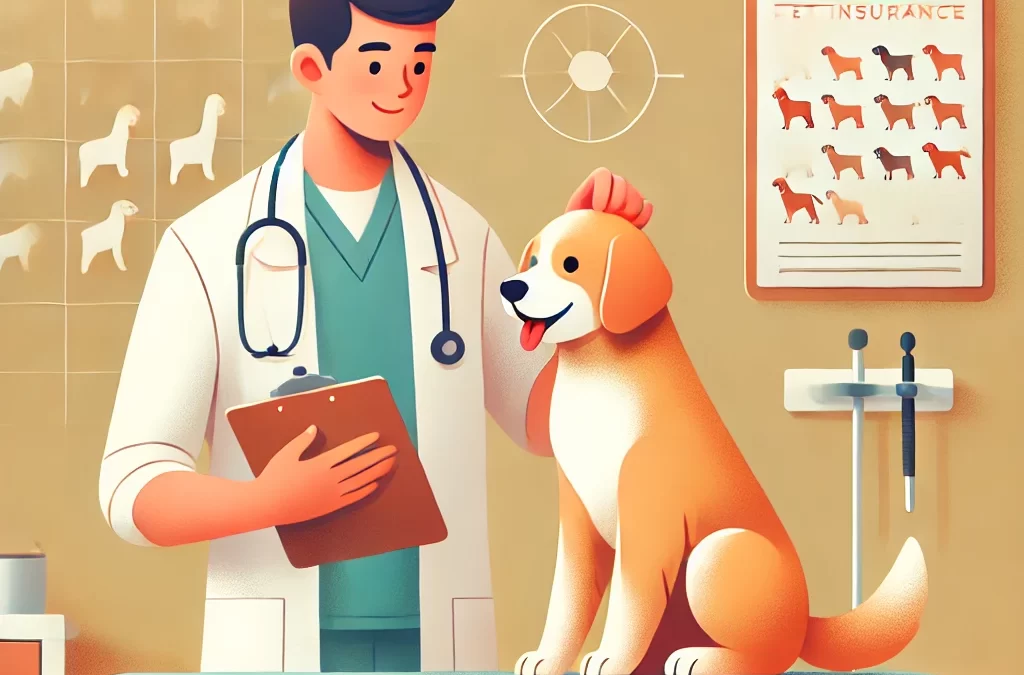
Discovering that your dog has a tumor can be distressing, and one of the first questions pet owners ask is, “How long does my dog have?” The answer depends on various factors, including the type of tumor, its location, stage, treatment options, and the dog’s overall health. Understanding these elements can help you make informed decisions and provide the best possible care for your furry companion.
Types of Tumors and Their Impact on Life Expectancy
Not all tumors are life-threatening. Some are benign and may not affect your dog’s lifespan, while others are malignant and can spread aggressively.
1. Benign Tumors
Benign tumors, such as lipomas (fatty tumors) and sebaceous adenomas, typically do not impact a dog’s lifespan unless they interfere with movement or organ function. In many cases, dogs can live a normal life without treatment, though surgical removal may be considered for comfort.
2. Malignant Tumors (Cancerous Tumors)
Malignant tumors pose a more serious risk as they can invade surrounding tissues and metastasize to other organs. Common malignant tumors in dogs include:
Mast Cell Tumors (MCTs): Can be slow-growing or aggressive. With early removal, many dogs continue to live for years, but advanced cases may significantly shorten lifespan.
Osteosarcoma (Bone Cancer): Highly aggressive, often requiring amputation and chemotherapy. Without treatment, survival time is typically 3–6 months, but with treatment, some dogs live 1–2 years or longer.
Lymphoma: One of the most common canine cancers. With chemotherapy, remission can extend a dog’s life by 1–2 years, but without treatment, survival time is usually 1–2 months.
Hemangiosarcoma: A fast-spreading cancer affecting the spleen, heart, or liver. Prognosis is poor, with survival time of a few weeks to months even with treatment.
Mammary Tumors: If caught early and surgically removed, many dogs recover well. However, malignant cases that have spread significantly reduce life expectancy.
Key Factors Affecting a Dog’s Survival Time
Several variables influence how long a dog with a tumor may live:
1. Early Detection and Diagnosis
The sooner a tumor is identified, the better the chances of effective treatment. Regular veterinary check-ups and monitoring for lumps, weight loss, or behavioral changes can lead to early intervention, which can greatly extend life expectancy.
2. Tumor Type, Location, and Stage
The size, location, and spread of the tumor determine how much it will impact your dog’s health. Tumors affecting vital organs or the nervous system tend to be more dangerous, while skin tumors or those on limbs may be easier to manage.
3. Treatment Options and Response
Treatment significantly affects survival time. Common options include:
Surgery: Can completely remove benign tumors and some localized cancers, potentially leading to full recovery.
Chemotherapy: Often used for cancers like lymphoma. While it may not cure cancer, it can extend a dog’s life and improve quality of life.
Radiation Therapy: Helps shrink tumors that cannot be surgically removed.
Holistic and Palliative Care: Natural remedies, dietary changes, and pain management can improve comfort and well-being for dogs in advanced stages.
4. Overall Health and Age
A younger dog with a strong immune system is more likely to respond well to treatment compared to an older dog with other underlying health conditions. Maintaining a healthy lifestyle with a balanced diet and exercise can support better outcomes.
5. Quality of Life Considerations
Beyond survival time, a dog’s quality of life is a crucial factor. Monitoring pain levels, appetite, mobility, and energy levels can help determine the best course of action. In some cases, humane euthanasia may be the kindest option if a dog is suffering.
How to Support a Dog with a Tumor
1. Work Closely with a Veterinarian
Regular check-ups, diagnostic tests, and tailored treatment plans can help maximize your dog’s lifespan and comfort.
2. Provide a Nutrient-Rich Diet
A cancer-friendly diet rich in lean proteins, omega-3 fatty acids, and antioxidants can support the immune system and overall health.
3. Manage Pain and Discomfort
Pain management, whether through medication, acupuncture, or herbal supplements, can greatly improve a dog’s well-being.
4. Monitor Changes in Behavior
Noticing signs like increased lethargy, loss of appetite, or difficulty breathing can help you adjust care strategies in a timely manner.
5. Consider Alternative Therapies
Some pet owners explore Traditional Chinese Medicine, CBD oil, or other holistic treatments to support their dog’s health alongside conventional treatments.
Final Thoughts
A tumor diagnosis in dogs does not necessarily mean the end is near. Many dogs live happily for months or even years with proper care, treatment, and lifestyle adjustments. The key is early detection, appropriate treatment, and maintaining a high quality of life. Every dog is different, and by working closely with a veterinarian, you can make the best decisions to ensure your pet’s remaining time is as comfortable and fulfilling as possible.
Would you like to explore more about specific tumor types, treatment options, or holistic care approaches?
As a pet owner, discovering a lump on your dog can be alarming. The first thought that often comes to mind is, “Is it cancer?” However, not all lumps and bumps are tumors, and even if they are, not all tumors are malignant. Understanding the different types of growths, their potential causes, and the best course of action can help you make informed decisions about your dog’s health.
Common Causes of Lumps on Dogs
Lumps on dogs can arise for various reasons, ranging from benign fatty deposits to more concerning cancerous tumors. Here are some of the most common causes:
1. Lipomas (Fatty Tumors)
Lipomas are one of the most frequently found lumps on dogs, especially in older or overweight dogs. These are soft, movable, and usually harmless fatty deposits under the skin. While they typically don’t require treatment, a vet may recommend removal if they grow too large or interfere with movement.
2. Sebaceous Cysts
Sebaceous cysts occur when a hair follicle or oil gland becomes blocked, forming a lump filled with sebum (a greasy substance). These cysts can sometimes rupture and ooze a whitish or yellowish discharge. Most are benign, but they may need draining or removal if they become infected.
3. Abscesses
An abscess is a swollen, pus-filled area often caused by infections, insect bites, or wounds. These lumps can be warm, red, and painful to the touch. Abscesses may rupture on their own, but they usually require veterinary treatment, including drainage and antibiotics.
4. Warts (Papillomas)
Canine warts are caused by the papillomavirus and typically appear in younger dogs or those with weakened immune systems. These small, cauliflower-like growths usually resolve on their own but may require removal if they interfere with eating or movement.
5. Histiocytomas
Histiocytomas are benign tumors that commonly affect younger dogs. They appear as small, red, dome-shaped lumps, often on the legs, face, or ears. Many histiocytomas resolve on their own within a few months, though some may require removal if they persist.
6. Mast Cell Tumors (MCTs)
Mast cell tumors are among the most common skin cancers in dogs. They can vary in appearance—some may look like harmless lumps while others may be ulcerated or inflamed. MCTs can be aggressive, so any suspicious lump should be evaluated by a vet promptly.
7. Soft Tissue Sarcomas
These malignant tumors develop in connective tissues and can be slow-growing or aggressive. They often feel firm and may not be easily movable under the skin. Early detection and removal are crucial for a better prognosis.
How to Identify Whether a Lump is Concerning
While some lumps are harmless, others may require immediate veterinary attention. Consider the following characteristics:
Size & Growth Rate: If a lump grows rapidly, it may indicate malignancy.
Texture & Mobility: Soft, movable lumps are often benign, whereas firm, attached lumps can be more concerning.
Color & Appearance: Ulcerated, inflamed, or bleeding lumps warrant immediate examination.
Pain & Discomfort: If your dog reacts negatively to touch, it may indicate an infection or malignancy.
What to Do If You Find a Lump on Your Dog
1. Monitor the Lump
If the lump is small, soft, and not causing discomfort, you can monitor it for a few weeks. Take note of any changes in size, shape, or color.
2. Consult a Veterinarian
If the lump is growing quickly, feels firm, is painful, or has an unusual texture, schedule a vet visit. Your vet may perform a fine needle aspiration (FNA) or a biopsy to determine whether the lump is benign or malignant.
3. Consider Removal if Necessary
Benign lumps that are large, growing, or interfering with movement may need to be surgically removed. Cancerous tumors often require surgery, radiation, or chemotherapy.
4. Maintain a Healthy Lifestyle
A balanced diet, regular exercise, and routine vet check-ups can help support your dog’s immune system and overall health, reducing the risk of tumor development.
Final Thoughts
Not every lump on your dog is a cause for panic, but it’s always best to stay vigilant. Early detection and proper veterinary assessment can make all the difference in ensuring your dog’s health and well-being. If you notice any new or changing lumps, don’t hesitate to consult a veterinarian—your furry friend’s health is worth the extra attention!
Would you like additional information on any of the specific lump types or treatment options?
When a beloved dog is diagnosed with a tumor, it can be a heart-wrenching experience for any pet owner. Conventional medicine offers effective treatments, such as surgery, chemotherapy, and radiation, while natural therapies provide complementary benefits that support the dog’s overall well-being. Combining the two approaches offers a balanced and innovative way to manage canine tumors. This article explores how to design a comprehensive plan that integrates natural therapies with Western medicine for optimal outcomes.
Understanding the Strengths of Each Approach
Conventional medicine excels in directly addressing tumors through surgery, chemotherapy, radiation, and advanced diagnostics. These methods focus on treating the tumor itself but may lead to side effects like reduced immunity, lethargy, or gastrointestinal issues.
Natural therapies aim to enhance the body’s inherent ability to heal and cope with treatments. Options include herbal medicine, dietary adjustments, supplements, acupuncture, and massage. These therapies focus on the dog’s overall well-being, helping to mitigate the side effects of conventional treatments while promoting recovery.
Building a Comprehensive Treatment Plan
Collaborate with your veterinarian to discuss the type and stage of the tumor, available treatment options, and how to integrate natural therapies without compromising conventional treatments. Every dog responds differently, so prioritize individual needs, including age, overall health, and lifestyle.
Introduce natural therapies gradually to avoid overwhelming your dog. Start with dietary adjustments, such as adding cancer-fighting foods like spinach, carrots, and fish oil. Gradually incorporate supplements like CBD oil or medicinal mushrooms. Include stress-relieving practices like acupuncture or massage during recovery periods.
Benefits of Integrating Natural and Conventional Approaches
Enhancing treatment efficacy by using natural therapies like turmeric and medicinal mushrooms can boost immunity and reduce inflammation. Quality of life improves with pain relief and anxiety reduction through acupuncture and CBD oil. Natural antioxidants can reduce the oxidative stress caused by radiation or chemotherapy, supporting holistic healing by addressing emotional, physical, and nutritional well-being.
Monitoring and Adjusting the Plan
Regular check-ins with the vet, frequent monitoring of tumor progression, and observing your dog’s behavior are crucial. Maintain a journal to track dietary changes, supplements, and alternative therapies to identify what works best for your dog.
Myths About Combining Natural and Conventional Treatments
It is a myth that natural therapies interfere with conventional medicine. Most therapies complement traditional treatments when guided by a veterinarian. Natural therapies are not a replacement for evidence-based treatments but work best as complementary methods. Gradual integration ensures the combination is not overwhelming for your dog.
Final Thoughts
Combining natural therapies with conventional medicine offers a promising path for treating canine tumors. By addressing the tumor directly while supporting the dog’s overall health and quality of life, this approach ensures a comprehensive care plan. Collaboration with your vet, thoughtful planning, and close observation will help your furry friend fight their tumor and live their best life.
When it comes to your dog’s health, an integrative strategy brings the best of both worlds—giving you peace of mind and your pet the care they deserve.
As veterinary medicine advances, pet owners are increasingly exploring insurance options to manage the costs of complex treatments like tumor care. For dogs diagnosed with tumors, pet insurance can significantly ease financial burdens. However, understanding whether tumor treatments are covered and how to choose the best policy can be challenging. This guide provides a clear overview to help pet owners navigate their options.
Understanding Pet Insurance Coverage for Tumor Treatments
Most pet insurance policies fall into two categories:
Accident-Only Policies: These cover injuries caused by accidents but typically exclude illnesses, including tumors.
Comprehensive Policies: These plans often cover both accidents and illnesses, including cancer treatments, surgeries, and medications.
However, specifics vary by provider. Key factors affecting coverage include:
Pre-existing Conditions: If your dog was diagnosed with a tumor before you purchased insurance, it is unlikely to be covered.
Type of Tumor: Some policies may distinguish between benign and malignant tumors in terms of coverage.
Treatment Options: Coverage may include diagnostics (e.g., biopsies, imaging), surgeries, chemotherapy, radiation, and even palliative care.
Factors to Consider When Selecting Pet Insurance
When evaluating pet insurance, focus on the following aspects to ensure coverage for tumor-related expenses:
Coverage Limits
Annual or Lifetime Caps: Some policies impose a limit on how much they will pay annually or over the pet’s lifetime.
Per-Condition Limits: Policies may cap the payout for specific conditions like cancer.
Reimbursement Rate and Deductible
Reimbursement Rate: Typically ranges from 70% to 90% of the vet bill. Choose a rate that balances premium costs with out-of-pocket expenses.
Deductible: A higher deductible can lower premiums but requires more upfront payment before coverage kicks in.
Waiting Periods
Most insurance policies have waiting periods, often 14–30 days for illnesses. Treatments for tumors diagnosed during this period won’t be covered.
Inclusion of Advanced Treatments
Look for policies that explicitly cover advanced treatments like:
Chemotherapy and radiation
Immunotherapy
Experimental or alternative therapies
Exclusions
Read the fine print to understand exclusions. Some plans may not cover holistic treatments or long-term medications needed post-surgery.
Comparing Popular Pet Insurance Providers
Here’s a quick comparison of features commonly offered by leading pet insurance companies:
Provider
Tumor Treatment Coverage
Annual Limits
Waiting Period
Notable Features
Trupanion
Yes, comprehensive
Unlimited
5 days
No payout caps
Healthy Paws
Yes, including cancer
Unlimited
15 days
Covers alternative care
ASPCA Pet Health
Yes, with add-ons
$5k–Unlimited
14 days
Flexible coverage tiers
Embrace
Yes
$15k
14 days
Offers wellness add-ons
Tips for Choosing the Right Plan
Assess Your Dog’s Risk Factors: Older dogs or breeds prone to tumors may benefit from policies with extensive cancer coverage.
Review Your Budget: Factor in premiums, deductibles, and potential out-of-pocket expenses.
Ask About Direct Payment Options: Some insurers pay veterinarians directly, reducing upfront costs for owners.
Consider Additional Riders: Riders for chronic conditions or wellness care can complement basic policies.
Alternatives to Pet Insurance
If pet insurance doesn’t seem like the right fit, consider these alternatives:
Pet Health Savings Accounts: Set aside funds for emergencies.
Care Credit: Veterinary financing options for high-cost treatments.
Cancer-Specific Funds: Some organizations offer financial assistance for pets with cancer.
Conclusion
Pet insurance can be a valuable resource when dealing with tumor treatments for your dog, but careful selection is crucial. Understanding policy coverage, exclusions, and costs ensures you choose a plan tailored to your pet’s needs. Start early to avoid pre-existing condition exclusions and provide your furry companion with the best care possible.
If you’d like help comparing insurance options or have questions about your pet’s health, consult your veterinarian or a pet insurance expert for personalized advice.
As devoted cat owners, ensuring the health and well-being of our feline companions is a top priority. While cats are masters of hiding their discomfort, certain early signs of tumors can signal the need for immediate attention. Combining early detection with natural therapies may provide a holistic approach to supporting their treatment and overall quality of life.
Recognizing Early Signs of Tumors in Cats
Understanding the subtle signs of tumors can help in early intervention. Some common symptoms include:
Lumps or Swelling: Unexplained growths under the skin or in the abdomen.
Weight Loss: Sudden or gradual weight reduction without changes in diet.
Changes in Appetite: Increased or decreased eating habits.
Lethargy: Persistent fatigue or reluctance to play.
Behavioral Changes: Increased hiding, aggression, or vocalization.
Vomiting or Diarrhea: Digestive disturbances without clear cause.
If you notice any of these symptoms, consult your veterinarian promptly for diagnosis. Early detection is key to managing the condition effectively.
The Role of Natural Therapies in Supporting Treatment
Natural therapies can complement veterinary care, focusing on improving your cat’s comfort, reducing side effects, and boosting overall well-being. Below are some promising natural approaches:
Nutritional Support A nutrient-rich diet tailored to your cat’s condition is crucial. Key dietary components include:
Omega-3 Fatty Acids: Found in fish oil, these help reduce inflammation and support immune function.
Antioxidants: Vitamins A, C, and E combat oxidative stress and may slow tumor progression.
Protein-Rich Foods: High-quality protein sources like chicken or turkey to maintain muscle mass.
Herbal Remedies Certain herbs are known for their anti-inflammatory and immune-boosting properties:
Turmeric (Curcumin): Known for its anti-cancer properties, it may help reduce tumor growth.
Essiac Tea: A blend of herbs often used to support pets with cancer.
Milk Thistle: Supports liver function, especially during medication or chemotherapy.
TCMVET Baituxiao: A natural supplement designed to reduce and inhibit tumor growth, providing support for cats with tumors.
CBD Oil Full-spectrum CBD oil has gained popularity for its potential to reduce pain, inflammation, and anxiety in cats with cancer. Always use products specifically formulated for pets and consult your vet before introducing CBD.
Acupuncture Acupuncture is a safe and non-invasive method to help manage pain, improve energy levels, and stimulate appetite in cats undergoing cancer treatment.
Benefits of Natural Therapies
Reduced Side Effects: Alleviate the impact of conventional treatments like chemotherapy.
Enhanced Comfort: Improve quality of life by managing pain and stress.
Holistic Healing: Support physical and emotional well-being naturally.
Early detection combined with the right natural therapies, such as TCMVET Baituxiao, can make a significant difference in your cat’s journey. Always consult a veterinarian to ensure the best care plan for your beloved pet.
Cancer in pets is a heartbreaking reality that no pet owner wishes to face. The treatments, though often life-saving, come with a myriad of side effects that can significantly impact a pet’s quality of life. As the search for better ways to support cancer-stricken pets continues, natural therapies are emerging as a beacon of hope. These therapies not only aim to reduce the adverse effects of conventional treatments but also improve the overall well-being of our furry companions.
The Challenge of Side Effects in Cancer Treatment
Conventional cancer treatments like chemotherapy, radiation, and surgery, while effective in targeting tumors, often come with a host of side effects. Common issues include:
Nausea and vomiting
Fatigue and lethargy
Loss of appetite
Pain and inflammation
Immune system suppression
For many pet owners, managing these side effects can feel like an uphill battle. Natural therapies provide an alternative or complementary way to address these challenges while focusing on the pet’s comfort and overall health.
Key Natural Therapies to Reduce Side Effects
Ginger for Nausea and Digestive Support Ginger is a time-tested remedy for nausea. Rich in anti-inflammatory compounds, it can help pets deal with chemotherapy-induced nausea and vomiting. Ginger tea or supplements, when appropriately dosed, can soothe the stomach and improve appetite.
Omega-3 Fatty Acids for Inflammation and Fatigue Found in fish oil, omega-3 fatty acids have anti-inflammatory properties that help reduce pain and promote energy levels. These fatty acids can also support the immune system and aid in maintaining a healthy coat and skin during treatment.
Probiotics for Gut Health Cancer treatments can disrupt gut flora, leading to diarrhea and reduced immunity. Probiotic supplements tailored for pets help restore a healthy gut microbiome, improving digestion and overall health.
Turmeric for Pain Relief and Anti-Inflammation Turmeric contains curcumin, a natural compound with powerful anti-inflammatory and antioxidant properties. It can help manage pain, reduce inflammation, and support the immune system during cancer treatment.
CBD Oil for Pain and Anxiety CBD oil has gained popularity for its ability to manage chronic pain and reduce anxiety in pets. It can help ease the discomfort caused by cancer treatments and improve a pet’s mood, promoting better sleep and relaxation.
Reishi Mushrooms for Immune Support Reishi mushrooms are adaptogens known for their ability to boost immunity and reduce stress. They can help protect pets from infections during immune-suppressing treatments and improve their overall resilience.
Acupuncture for Pain Management Acupuncture is a holistic therapy that has been shown to relieve pain, improve energy levels, and stimulate appetite in pets undergoing cancer treatments. It’s a non-invasive option that many pets tolerate well.
Aromatherapy for Stress Reduction Gentle scents like lavender or chamomile can help reduce stress and anxiety in pets. Essential oils, when used correctly, can create a calming environment for pets dealing with the rigors of cancer treatment.
How Natural Therapies Improve Quality of Life
The ultimate goal of natural therapies is not just to alleviate side effects but to enhance a pet’s quality of life. By targeting specific symptoms and boosting overall well-being, these therapies allow pets to experience:
Increased energy and vitality
Better appetite and digestion
Reduced pain and discomfort
A stronger immune system to fight secondary infections
A Holistic Approach to Cancer Care
Natural therapies work best when combined with conventional treatments and a supportive care plan. This holistic approach ensures that the pet’s body and mind are both nurtured. Regular check-ins with a veterinarian experienced in integrative medicine can help tailor the best treatment plan for each pet.
Real-Life Success Stories
One inspiring story involves Bella, a senior Labrador retriever diagnosed with lymphoma. After starting chemotherapy, Bella’s energy levels plummeted, and she struggled with severe nausea. Her owner incorporated ginger and CBD oil into her care plan, along with acupuncture sessions. Within weeks, Bella’s appetite improved, and she regained her playful demeanor, proving that a combination of conventional and natural therapies can make a world of difference.
A Future of Hope and Healing
As our understanding of natural therapies continues to grow, so does the potential for improving cancer care in pets. These therapies offer hope for reducing the burden of side effects and helping pets live more comfortable, fulfilling lives during their treatment journey.
If your pet is facing cancer, consider exploring natural therapies as part of a comprehensive care plan. Always consult with your veterinarian to ensure the safety and efficacy of any treatment you choose. Together, we can give our pets the best possible chance at health and happiness.