by TCMVET | Oct 11, 2024 | Food & Health
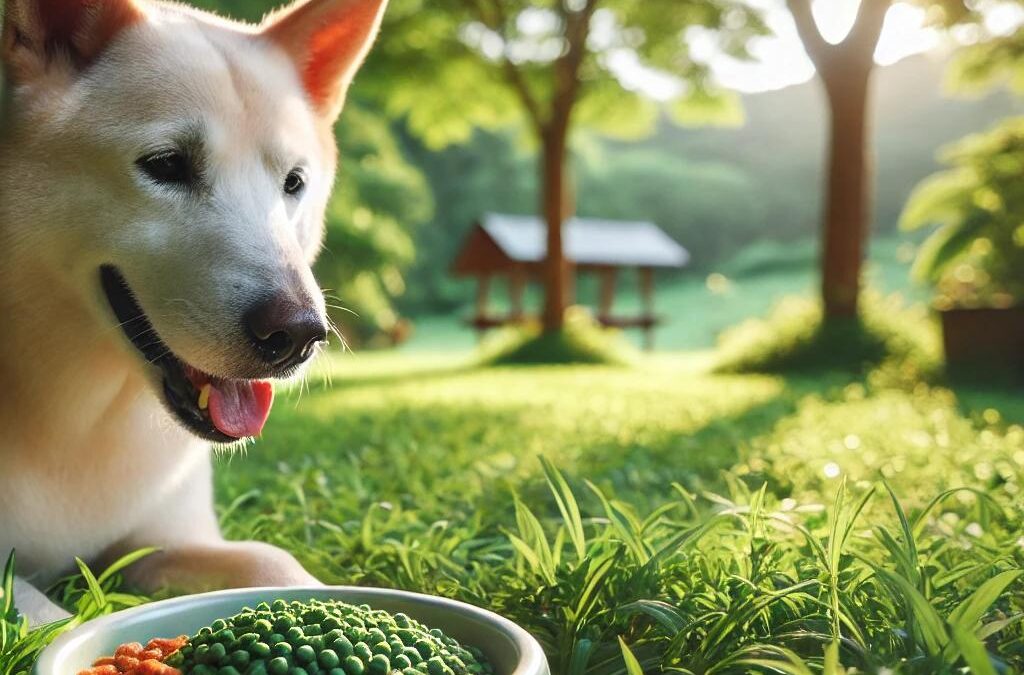
When a dog is diagnosed with cancer, maintaining a healthy weight becomes a critical part of their overall care plan. Cancer can often lead to weight loss due to factors like poor appetite, muscle wasting, and the body’s increased metabolic demands. Ensuring your dog maintains or gains weight can improve their quality of life, boost their immune function, and support the effectiveness of cancer treatments. In this article, we’ll explore practical strategies to help dogs with cancer gain and maintain weight.
Understanding Weight Loss in Dogs with Cancer
Weight loss in dogs with cancer can be attributed to several factors:
- Loss of Appetite: Cancer treatments like chemotherapy and radiation can cause nausea, reducing a dog’s appetite.
- Cancer Cachexia: This condition causes muscle and fat loss, even when a dog eats enough calories. Cachexia is caused by the metabolic changes cancer triggers in the body.
- Increased Caloric Needs: The body often burns more calories while fighting cancer, making it difficult for dogs to maintain their weight.
Given these challenges, providing the right nutrition and care can make a significant difference in your dog’s health and recovery.
Effective Strategies for Weight Gain in Dogs with Cancer
- High-Quality, High-Calorie Diet One of the most effective ways to promote weight gain is to offer your dog a high-calorie, nutrient-dense diet. Focus on feeding:
- Protein-Rich Foods: Protein is essential for maintaining muscle mass, which cancer can rapidly deplete. Choose lean meats like chicken, turkey, or fish, as well as protein-rich eggs.
- Healthy Fats: Fats are a concentrated source of calories. Omega-3 fatty acids, found in fish oil or flaxseed oil, are particularly beneficial for dogs with cancer as they can help reduce inflammation and support immune health.
- Complex Carbohydrates: Although dogs with cancer may benefit from fewer carbohydrates due to cancer cells often thriving on sugars, offering low-glycemic options like sweet potatoes and brown rice can provide energy without spiking blood sugar levels.
- Frequent, Small Meals Dogs undergoing cancer treatment often have reduced appetites. Offering smaller, more frequent meals can encourage them to eat more throughout the day. Avoid overwhelming your dog with large portions and instead focus on consistency and quality of the meals provided.
- Supplements for Weight Gain Consider adding weight-gain supplements designed for dogs to their meals. These can provide a concentrated source of calories and essential nutrients to support muscle mass. Your veterinarian may recommend products like:
- Nutri-Cal: A high-calorie supplement designed to boost energy and promote weight gain.
- Fish Oil: Rich in omega-3s, it helps maintain a healthy weight and reduces inflammation.
- Probiotics: Supporting gut health can improve digestion and nutrient absorption, making it easier for your dog to gain weight.
- Appetite Stimulants If your dog is experiencing a loss of appetite, ask your veterinarian about the possibility of using appetite stimulants. Medications like Mirtazapine or Entyce can be prescribed to encourage your dog to eat more, helping prevent unwanted weight loss during treatment.
- Homemade Nutritional Boosts Some dog owners find success with homemade meals that are both high-calorie and appealing to their dogs. Here are a few ideas to help stimulate your dog’s appetite while providing the nutrients they need:
- Boiled chicken or turkey: Add a bit of chicken broth to enhance the flavor.
- Eggs: Scrambled or lightly cooked eggs are a great protein source.
- Pumpkin or sweet potatoes: Easy to digest and loaded with nutrients.
- Cottage cheese or plain yogurt: High in protein and easy on the stomach.
- Anti-Nausea Medications Cancer treatments can often result in nausea, which discourages dogs from eating. Anti-nausea medications like Cerenia can help control nausea and vomiting, encouraging dogs to eat more and regain their appetite.
- Minimize Stress Stress can reduce a dog’s appetite, so it’s important to create a calm, comfortable environment for your pet. Provide a quiet space where your dog can eat undisturbed and feel safe. Consider incorporating gentle activities, massage, or spending quality time with your pet to reduce their anxiety levels, which can also positively impact their appetite.
Monitoring Your Dog’s Weight and Progress
Regularly monitoring your dog’s weight and body condition is crucial. Weigh them weekly to track progress, and consult your veterinarian if they continue to lose weight despite your efforts. Additionally, keep an eye on their energy levels, appetite, and overall mood, as these can be indicators of how well your chosen strategies are working.
Your vet may also recommend regular blood tests to ensure that your dog is receiving adequate nutrition and that cancer treatments are not affecting their ability to maintain a healthy weight.
Helping a dog with cancer maintain or gain weight is a critical part of their overall treatment plan. By focusing on high-quality nutrition, offering smaller, frequent meals, and using appetite stimulants or supplements as needed, you can support your dog’s weight gain efforts. Always work closely with your veterinarian to create a tailored nutritional plan that meets your dog’s specific needs during their cancer treatment.

by TCMVET | Oct 10, 2024 | Food & Health
Bloody stool in dogs can be a concerning sight for any pet owner, but there are several steps you can take to minimize the risk of digestive issues in your dog. While not all causes of bloody stool can be entirely prevented, implementing these strategies can help keep your dog healthy and reduce the chances of encountering this issue.
1. Keep Your Dog Vaccinated and Dewormed
One of the most common and dangerous causes of bloody stool in dogs is parvovirus, a highly contagious and often fatal disease. Ensuring your dog receives early and complete vaccinations is essential in preventing parvovirus and other illnesses that can cause bloody stool. In addition to vaccinations, routine deworming and parasite prevention are vital for maintaining your dog’s gastrointestinal health.
2. Prevent Your Dog from Eating Harmful Items
Dogs are naturally curious and may eat things they shouldn’t, which can lead to gastrointestinal irritation or injury. It’s important to keep your dog away from spoiled food, garbage, and harmful objects. Training your dog to follow commands like “leave it” can prevent them from consuming dangerous items. For dogs that repeatedly get into trouble, using a muzzle during walks may be necessary to protect them.
3. Maintain a Consistent and Healthy Diet
Frequent or sudden changes in your dog’s diet can contribute to gastrointestinal upset, leading to bloody stool. It’s best to feed your dog a consistent, balanced diet that meets their nutritional needs. If your dog is prone to pancreatitis, consider a low-fat diet to prevent flare-ups and digestive issues.
4. Schedule Routine Veterinary Visits
Regular vet check-ups are essential for detecting potential health issues early. By catching digestive problems in their early stages, your vet can help prevent them from worsening and causing symptoms like bloody stool. Early intervention is key to keeping your dog’s digestive system healthy.
5. Keep Toxic Substances Out of Reach
Certain toxic substances, such as rat poison, antifreeze, and certain plants, can cause bloody stool if ingested. It’s important to store these harmful items securely and out of your dog’s reach. Additionally, keep an eye on your dog during walks or outdoor activities to ensure they don’t consume anything dangerous.
What to Do If You See Bloody Stool
If you notice blood in your dog’s stool, it’s important not to panic. Monitor your dog for any additional symptoms and consult with your veterinarian as soon as possible. Acting quickly can help address the underlying issue and ensure your dog receives the appropriate treatment.
By following these preventative measures, you can reduce the chances of your dog experiencing digestive issues and bloody stool. Regular care, attention to their diet, and keeping harmful substances away are crucial to maintaining your dog’s overall health.

by TCMVET | Sep 24, 2024 | Food & Health
Proper nutrition and general care are essential for keeping your pet healthy and improving its ability to fight diseases, including cancer. Although no specific diet has been proven to prevent cancer in animals, providing a well-balanced and nutritionally appropriate diet significantly enhances your pet’s overall health and quality of life. This article explores the importance of good nutrition and offers practical guidelines to ensure your pet’s health and longevity.
Understanding Your Pet’s Nutritional Needs
Each species of animals has specific nutritional requirements, which have been established through extensive research. These guidelines have been used by commercial pet food producers to create well-formulated products, ensuring your pet receives the nutrients it needs to thrive. When choosing a pet food, it’s essential to understand your pet’s unique dietary needs and to carefully read the labels to ensure the food meets those requirements.
The Role of Nutrition in Disease Prevention
Good nutrition not only promotes general well-being but also strengthens your pet’s ability to combat various diseases. While cancer in pets cannot be directly prevented through diet alone, ensuring your pet is well-nourished helps support a stronger immune system, making it easier for your pet’s body to fight off health issues. Regularly providing a nutritionally balanced diet with the necessary vitamins, minerals, and protein is a cornerstone of maintaining optimal health.
The Impact of Obesity on Pet Health
Obesity in pets is an increasing problem in the United States and has been linked to a variety of health issues, including diabetes, heart disease, and joint problems. While cancer is not the most common condition associated with obesity, excess weight can lead to preventable complications that affect your pet’s quality of life. Preventing obesity is crucial, as it is an avoidable condition that can worsen many health problems.
Veterinarians recommend monitoring your pet’s body condition and adjusting food intake as necessary to maintain a healthy weight. Working with your vet, you can learn to assess your pet’s body condition score (BCS) and make changes to its diet to ensure optimal health. Regular exercise also plays a vital role in maintaining a healthy weight and preventing obesity-related diseases.
Final Thoughts: Ensuring Your Pet’s Health Through Proper Care
In conclusion, providing your pet with a balanced diet and adequate care is essential for its overall well-being. While no diet has been scientifically proven to prevent cancer, the importance of good nutrition cannot be overstated. By offering your pet high-quality food that meets its specific needs and maintaining a healthy body weight, you will enhance its quality of life and strengthen its ability to fight off diseases. Take the time to learn about your pet’s nutritional requirements and work closely with your veterinarian to provide the best care possible.

by TCMVET | Sep 19, 2024 | Food & Health
Slippery elm, a tree native to North America, has long been valued for its medicinal properties. Its bark is commonly used in natural remedies for both humans and animals. Cats and dogs, in particular, can benefit from slippery elm’s soothing, anti-inflammatory, and healing properties. This natural remedy addresses a variety of health issues, including digestive problems, inflammation, skin irritations, and respiratory issues.
How Slippery Elm Benefits the Digestive System
One of the most significant benefits of slippery elm is its ability to soothe and support the digestive system. Cats and dogs frequently experience digestive problems such as diarrhea, constipation, and upset stomachs. These conditions can be uncomfortable, painful, and potentially dangerous. Slippery elm’s mucilage content is the key to its digestive benefits. When mixed with water, mucilage forms a gel-like substance that coats the digestive tract, reducing inflammation and irritation.
This coating effect not only soothes the digestive system but also helps absorb toxins and promote a healthier gut environment. Slippery elm may even support the growth of beneficial bacteria in the gut, helping maintain a balanced microbiome. A healthy gut microbiome is crucial for proper digestion, immune function, and overall health. By reducing harmful bacteria and supporting the “good” bacteria, slippery elm contributes to better digestive health in pets.
Anti-Inflammatory Properties for Pets with Chronic Conditions
Slippery elm is well-known for its anti-inflammatory properties, which can be particularly beneficial for cats and dogs suffering from chronic conditions. Inflammation is a natural bodily response to injury or infection, but chronic inflammation can lead to more serious health issues over time.
Pets suffering from arthritis, allergies, or skin conditions can benefit from slippery elm’s ability to reduce inflammation. The anti-inflammatory effects can also help relieve discomfort associated with respiratory issues and even cancer. By reducing inflammation throughout the body, slippery elm supports your pet’s overall well-being and reduces the risk of long-term complications from chronic inflammatory conditions.
Promoting Healing for Skin Irritations and Wounds
Slippery elm is also highly effective when used topically to promote the healing of wounds, burns, and skin irritations. The mucilage in the bark forms a protective layer over the affected area, soothing the skin and reducing inflammation. This can help relieve itching and pain while speeding up the healing process. It’s a gentle, natural alternative for pets with sensitive skin who may not tolerate harsher treatments.
Whether your pet is dealing with minor skin irritations, hot spots, or burns, applying slippery elm topically can help reduce discomfort and encourage faster recovery. It is particularly helpful for pets with allergies or those prone to skin infections, as it reduces inflammation and promotes healing in a natural, non-irritating way.
Respiratory Health: A Natural Remedy for Coughs and Mucus
In addition to its digestive and anti-inflammatory benefits, slippery elm can also help alleviate respiratory issues in pets. Cats and dogs suffering from coughs, respiratory infections, or other breathing difficulties can benefit from the soothing properties of slippery elm.
When ingested, slippery elm coats the throat and reduces inflammation in the respiratory tract, making it easier for pets to breathe. It also helps expel mucus from the lungs, which is particularly beneficial for pets suffering from respiratory infections. Whether your pet has a persistent cough or struggles with mucus buildup, slippery elm provides a natural way to support respiratory health and ease discomfort.
A Versatile and Natural Remedy for Your Pet’s Health
Slippery elm offers a wide range of health benefits for both cats and dogs. From soothing digestive issues and reducing inflammation to promoting healing and supporting respiratory health, this natural remedy is a gentle yet effective option for many common pet health problems. Whether your pet is dealing with chronic conditions like arthritis or allergies, or experiencing acute digestive or respiratory issues, slippery elm can provide relief and promote better overall health.
Incorporating slippery elm into your pet’s care routine is a safe and natural way to support their well-being, whether used internally for digestion and respiratory health, or topically for skin irritations. Always consult with your veterinarian before introducing any new supplement to your pet’s diet to ensure it is appropriate for their specific needs.

by TCMVET | Sep 15, 2024 | Food & Health
When a dog is diagnosed with cancer, it becomes crucial to provide them with a diet that supports their immune system and overall well-being. Nutrition can play an essential role in managing cancer, improving quality of life, and even aiding in recovery. In this article, we’ll explore the best and worst foods for dogs with cancer, helping you make informed choices to support your dog’s health during this challenging time.
The Best Foods for Dogs with Cancer
1. High-Quality Protein
Protein is vital for dogs, especially those battling cancer. Tumors tend to steal essential nutrients from the body, which can lead to muscle loss and weakness. High-quality proteins help maintain lean muscle mass and support overall strength. The best sources of protein for dogs with cancer include:
- Chicken
- Turkey
- Fish (such as salmon)
- Eggs
- Lamb
Choose organic, grass-fed, or free-range sources when possible, as they are less likely to contain harmful chemicals or hormones.
2. Omega-3 Fatty Acids
Omega-3 fatty acids are known for their anti-inflammatory properties and can help slow down the growth of cancer cells. They can also support your dog’s immune system and reduce inflammation. Good sources of omega-3 fatty acids include:
- Fish oil (especially salmon or sardine oil)
- Flaxseed oil
- Chia seeds
Incorporating these fats into your dog’s diet can provide them with the necessary nutrients to fight cancer more effectively.
3. Antioxidant-Rich Vegetables
Vegetables high in antioxidants help combat free radicals, which can contribute to cancer growth. Including these vegetables in your dog’s meals can support their immune system and slow the progression of the disease. Recommended antioxidant-rich vegetables for dogs include:
- Spinach
- Broccoli
- Carrots
- Blueberries
- Kale
- Sweet potatoes
Cook the vegetables lightly to make them easier for your dog to digest, and avoid using any seasoning.
4. Mushrooms
Certain types of mushrooms, such as shiitake, maitake, and reishi, have shown potential anti-cancer properties. These mushrooms are rich in polysaccharides, which can boost immune function and help slow cancer progression. Adding small amounts of these mushrooms to your dog’s meals can be beneficial, but always consult your veterinarian for guidance on portion sizes.
5. Low-Carbohydrate, High-Fat Diets
Cancer cells tend to thrive on sugar, so reducing your dog’s carbohydrate intake can potentially slow tumor growth. A ketogenic-style diet (low-carb, high-fat) is often recommended for dogs with cancer. Focus on healthy fats like coconut oil, olive oil, and fish oil while reducing grains and starchy foods.
The Worst Foods for Dogs with Cancer
1. Processed Foods and Treats
Processed dog foods, especially those with artificial preservatives, coloring, and flavorings, can harm a dog with cancer. These foods often contain low-quality ingredients that offer little to no nutritional benefit. Avoid feeding your dog:
- Commercially processed treats
- Kibble with chemical additives
- Canned food with high sugar content
Instead, opt for homemade treats or raw, minimally processed food options.
2. Grains and Starches
Cancer cells feed on glucose, so limiting foods high in carbohydrates is crucial. Foods such as grains, potatoes, and corn can raise blood sugar levels, potentially accelerating cancer growth. Avoid these carbohydrate-heavy foods:
- White rice
- Wheat
- Corn
- Potatoes
Substitute these with low-carb options such as leafy greens or non-starchy vegetables.
3. High-Sugar Foods
Sugar can fuel cancer cell growth, so it’s essential to avoid feeding your dog any foods with high sugar content. This includes not only processed sugary treats but also naturally high-sugar fruits. Steer clear of:
- Grapes and raisins (which are toxic to dogs)
- Bananas
- Apples with seeds
- Sugary dog treats
Choose low-sugar fruits like blueberries or cranberries for snacks instead.
4. Dairy Products
Many dogs are lactose intolerant, and dairy can cause digestive upset. In addition, certain dairy products can increase inflammation in the body, which may negatively affect dogs with cancer. Avoid giving your dog:
- Milk
- Cheese
- Ice cream
- Yogurt (unless it’s plain and unsweetened)
If you want to include some dairy, opt for plain, unsweetened, and organic varieties, but introduce them in moderation.
5. Fried and Fatty Foods
Excessive fried or fatty foods can put stress on your dog’s digestive system, leading to inflammation and weight gain. Avoid feeding your dog anything fried, such as:
- Bacon
- Fried chicken
- Fast food
Instead, focus on healthy fats like those from fish oil or coconut oil to provide essential nutrients without causing harm.
Providing the right diet is essential for managing your dog’s cancer and supporting their health. Focus on feeding high-quality protein, omega-3 fatty acids, and antioxidant-rich vegetables, while avoiding processed foods, sugars, and high-carbohydrate items. Always consult with a veterinarian or a pet nutritionist to ensure that you are meeting your dog’s specific nutritional needs and supporting their fight against cancer.

by TCMVET | Sep 15, 2024 | Food & Health
If your dog refuses to eat, it can be a worrying situation for any pet owner. A dog may stop eating for various reasons, ranging from stress and health issues to simply being a picky eater. Understanding the cause and applying the right strategies can help get your dog back to eating properly. Below are several practical tips to encourage a dog to eat that refuses to do so.
1. Rule Out Health Issues
Before addressing behavioral factors, ensure your dog isn’t suffering from any underlying health problems. Loss of appetite can be a sign of illness such as gastrointestinal issues, dental pain, or infections. If your dog hasn’t eaten for more than 24 hours, consult a veterinarian to rule out serious conditions.
2. Create a Calm Feeding Environment
Dogs, like humans, can feel stressed or anxious, which might impact their appetite. Create a calm and quiet space for feeding, away from distractions or loud noises. This environment can help your dog feel more secure and relaxed during mealtime.
3. Stick to a Routine
Consistency is key for dogs. Feed your dog at the same time every day to establish a routine. Remove the food after 20-30 minutes if your dog hasn’t eaten, and offer it again during the next meal. This helps train your dog to understand that food is available at set times, which can encourage them to eat when offered.
4. Try a Different Food
Sometimes dogs refuse food simply because they’ve grown tired of it or don’t like it. Consider switching to a new flavor or type of food, such as wet food if they’re used to dry kibble. Alternatively, try adding a little chicken broth, yogurt, or small amounts of wet dog food to make their regular food more appealing.
5. Warm the Food
Warming up your dog’s food slightly can enhance its aroma and make it more appetizing. You can do this by adding a bit of warm water or gently heating the food in the microwave (for no more than a few seconds). Be sure the food is not too hot to avoid burning your dog’s mouth.
6. Use Positive Reinforcement
Encourage your dog to eat by using positive reinforcement. Praise and reward them with attention or a small treat after they eat. Avoid forcing your dog to eat, as this can create negative associations with mealtime.
7. Exercise Before Meals
Dogs are more likely to eat when they’re hungry. Ensure your dog gets enough physical activity before mealtime. A brisk walk or a game of fetch can stimulate their appetite and make them more likely to finish their food.
8. Hand-Feed or Offer Smaller Portions
If your dog is very reluctant to eat, try hand-feeding small amounts to encourage them. Offering smaller portions can also make meals less overwhelming for dogs that may be feeling unwell or anxious.
9. Avoid Overfeeding Treats
Treats are great for training but can sometimes ruin your dog’s appetite. Make sure you’re not giving too many treats throughout the day, as this can lead to them refusing regular meals. Balance the amount of treats with their overall caloric intake.
10. Consult a Veterinarian or Canine Nutritionist
If your dog continues to refuse food despite your efforts, seek professional advice. A veterinarian or canine nutritionist can help determine if a change in diet or a specific feeding plan is necessary to encourage healthy eating habits.
Getting a dog to eat that refuses can be challenging, but it’s essential to stay patient and try different approaches. Whether it’s adjusting their food, creating a stress-free environment, or consulting a professional, there are many strategies you can implement to ensure your dog stays healthy and nourished.
