
by TCMVET | Nov 8, 2024 | Dog Cancer & Tumors
Dogs hold a cherished place in our lives, embodying loyalty, companionship, and boundless joy. However, certain breeds are genetically predisposed to cancer, making it a significant concern for many dog owners. Understanding which breeds are more susceptible to cancer and why can help owners be more vigilant and proactive in managing their pet’s health.
The Breeds at Higher Risk
While cancer can affect any dog, some breeds show a higher incidence due to their genetic makeup. Here are a few breeds known to be more prone to cancer:
- Golden Retrievers: One of the most beloved dog breeds, Golden Retrievers, unfortunately, have one of the highest cancer rates. Hemangiosarcoma and lymphoma are particularly common in this breed.
- Boxers: Known for their playful and energetic nature, Boxers are prone to developing mast cell tumors and lymphoma. Early detection and regular check-ups are crucial for this breed.
- Rottweilers: Rottweilers are susceptible to osteosarcoma, an aggressive type of bone cancer. Their large size and genetic predispositions make them particularly vulnerable.
- Bernese Mountain Dogs: This breed is admired for its gentle nature but has a high risk of histiocytic sarcoma. Owners should monitor for any unusual lumps or behavioral changes.
- German Shepherds: Renowned for their intelligence and loyalty, German Shepherds can develop hemangiosarcoma and other cancers. Their large size and genetic line contribute to their predisposition.
Understanding the Genetic Link
The genetic component plays a significant role in why certain breeds are more prone to cancer. Selective breeding, while often aimed at enhancing desirable traits, can inadvertently pass on genes that predispose dogs to various cancers. Genetic mutations, hereditary syndromes, and breed-specific predispositions are factors that contribute to the increased risk.
Recognizing the Signs
Early detection can make a significant difference in treatment outcomes. Here are some key symptoms owners should look out for:
- Unexplained weight loss
- Lethargy or decreased interest in activities
- Persistent lumps or growths
- Changes in eating or drinking habits
- Panting or difficulty breathing, especially at night
Preventive Measures and Proactive Care
While some cancers cannot be prevented, owners can take steps to reduce risks and promote overall health:
- Regular Veterinary Check-Ups: Routine visits can help catch potential issues early.
- Balanced Diet and Exercise: Maintaining a healthy weight and ensuring proper nutrition can support the immune system.
- Genetic Testing: For breeds with a high risk, genetic testing can provide insights into potential predispositions.
- Awareness of Breed-Specific Risks: Knowing the risks allows owners to be more observant and proactive in their care.
A Call for Research and Awareness
Ongoing research into canine cancer aims to better understand the genetic and environmental factors that contribute to these conditions. Awareness campaigns and funding for veterinary oncology are essential in advancing treatment options and preventive strategies.
Conclusion
Owning a dog from a breed that is prone to cancer does not mean inevitable heartache; rather, it emphasizes the importance of knowledge and preparedness. By understanding the risks, recognizing the signs, and maintaining proactive care, owners can provide their beloved companions with a higher quality of life and more precious moments together.

by TCMVET | Feb 18, 2024 | Dog Cancer & Tumors
Overview of Canine Histiocytoma
Histiocytomas are benign skin tumors commonly found in young dogs. They arise due to abnormal proliferation of histiocytes, which are crucial cells in the dog’s immune system, protecting the skin against external aggressors. Despite their benign nature, histiocytomas can cause concern due to their appearance.
Characteristics of Histiocytoma
These tumors typically present as small, solitary, hairless lumps, often found on the head, neck, ears, and limbs. They are usually less than 2.5 cm in diameter and may have a red, ulcerated surface. In some breeds, like Shar Peis, multiple histiocytomas can occur simultaneously.
Diagnosis and Identification
Cytology, involving the examination of cells from the tumor, is useful for initial diagnosis but is not always definitive. A more conclusive diagnosis often requires observation of the mass’s regression or histopathological examination post-removal.
Affected Breeds
While any dog breed can develop histiocytomas, certain breeds like Labrador Retrievers, Boxers, Shar Peis, Bulldogs, American Pit Bull Terriers, American Staffordshire Terriers, Scottish Terriers, Greyhounds, and Boston Terriers are more predisposed.
Treatment of Canine Histiocytoma
Histiocytomas generally regress spontaneously within two to three months. In cases where they do not, or if the tumor becomes bothersome, surgical removal might be considered. Simple home care, such as cleaning with salt water and applying apple cider vinegar, can be done under veterinary guidance.
Veterinary Costs
The cost of managing histiocytomas varies, primarily depending on whether surgical intervention is chosen. Expenses may include cytology, pre-anesthetic lab work, anesthesia, surgical excision, and biopsy, typically ranging from $300 to $1,000.
Prevention and Breeding Considerations
There are no specific preventive measures for histiocytomas. However, limiting the breeding of dogs with a hereditary predisposition to these tumors can be beneficial.
Insurance Coverage for Histiocytoma
Pet insurance plans, like those offered by Embrace Pet Insurance, can provide coverage for conditions such as histiocytoma, including diagnostic exams, treatments, and ongoing care.
Managing Histiocytoma at Home
If your vet confirms the histiocytoma is harmless, home care can be applied. This includes cleaning the area with salt water and applying apple cider vinegar. Preventing the dog from licking or scratching the tumor is crucial for healing.
Growth Rate and Management
Histiocytomas usually grow over one to four weeks. To prevent dogs from aggravating the tumor, a cone may be recommended.
Conclusion
Histiocytomas in dogs, while benign, require careful monitoring and occasional medical intervention. Understanding these tumors, their typical behavior, and effective management strategies can help dog owners ensure their pets’ health and comfort. Regular veterinary check-ups are essential to distinguish histiocytomas from more serious conditions and to decide the best course of action.
by TCMVET | Jan 29, 2024 | Dog Cancer & Tumors
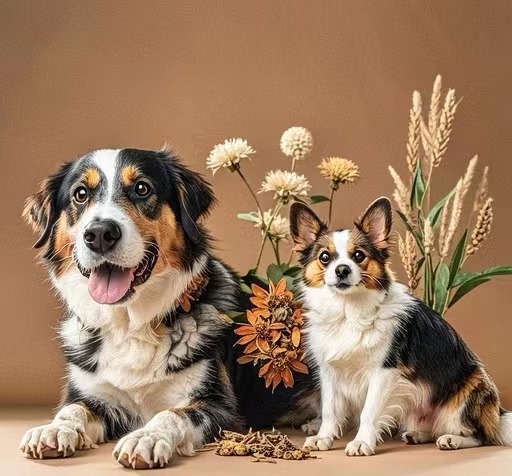
Cancer in dogs is a topic of growing concern for pet owners worldwide. Understanding which breeds are more susceptible to cancer can help in early detection and management. This comprehensive guide delves into various dog breeds and their associated risk levels for developing cancer.
High Cancer Risk Breeds
German Shepherds, Golden Retrievers, and Labrador Retrievers lead the list of breeds with the highest risk. Known for their loyalty and intelligence, these breeds unfortunately face a higher predisposition to cancer. Other breeds in this category include Poodles, Rottweilers, Boxers, Cocker Spaniels, American Water Spaniels, Doberman Pinschers, Shetland Sheepdogs, Miniature Schnauzers, Portuguese Water Dogs, Shih Tzus, Collies, Chows, and Siberian Huskies.
Moderate to High Risk Breeds
In the next tier are breeds like Giant Schnauzers, Standard Poodles, Dalmatians, Irish Wolfhounds, Pomeranians, Saint Bernards, Great Danes, Alaskan Malamutes, Newfoundlands, Basset Hounds, Belgian Sheepdogs, Boston Terriers, Irish Setters, Bulldogs, Lhasa Apsos, Pointers, Pugs, Weimaraners, Shelties, and more. These breeds have a slightly lower but still significant risk of developing cancer.
Low Cancer Risk Breeds
Breeds like Papillons, Chihuahuas, Shar Peis, Cavalier King Charles Spaniels, Pekingese, Akitas, Great Pyrenees, Bloodhounds, Mastiffs, Affenpinschers, American Foxhounds, Bullmastiffs, Chesapeake Bay Retrievers, Bichon Frises, Westies, and Yorkshire Terriers are among those with a lower risk of cancer. These breeds are less prone to the disease, but regular health check-ups are still essential.
Least Risk Breeds
Breeds with the least risk include Airedales, Beagles, Dachshunds, Irish Setters, Jack Russell Terriers, Rough Collies, Briards, Havanese, Maltese, and Corgis. These breeds are less likely to develop cancer, but it’s important to maintain a healthy lifestyle and regular veterinary care.
Conclusion
Understanding the cancer risk in different dog breeds is crucial for early detection and effective treatment. Regular veterinary check-ups, a balanced diet, and a healthy lifestyle are key to ensuring the well-being of your beloved pet, regardless of their breed.
