
by TCMVET | Mar 14, 2024 | Dog Cancer & Tumors
Nasal tumors in dogs are a complex and varied group of cancers, each with its unique characteristics and challenges. Among these, lymphomas, sarcomas, and melanomas are particularly significant. Understanding the differential diagnosis of these tumors is essential for effective treatment and management. This article provides a comprehensive overview of these three types of nasal tumors in dogs.
Lymphoma in Dogs Lymphoma is a type of cancer that originates in the lymphatic system. In the case of nasal lymphoma in dogs, it affects the lymphoid tissue in the nasal cavity. Symptoms can include nasal discharge, nosebleeds, and facial swelling. Diagnosis often involves a biopsy, followed by imaging tests like X-rays or CT scans to determine the extent of the disease.
Sarcomas in Dogs Sarcomas are a group of cancers that arise from connective tissues. In dogs, nasal sarcomas can develop from bone, cartilage, or soft tissue within the nasal cavity. These tumors can cause similar symptoms to lymphoma, making diagnosis challenging. Biopsy and imaging tests are key to distinguishing sarcomas from other nasal tumors.
Melanomas in Dogs Melanoma is a type of cancer that develops from pigment-producing cells called melanocytes. In dogs, nasal melanomas are relatively rare but can be very aggressive. They often present as a darkly pigmented mass within the nasal cavity. Diagnostic procedures typically include a biopsy and detailed imaging to assess the tumor’s spread.
Differential Diagnosis Differential diagnosis is crucial for nasal tumors in dogs, as treatment options and prognosis vary greatly between lymphomas, sarcomas, and melanomas. It involves a combination of clinical examination, imaging, and histopathology. Accurate diagnosis is essential for determining the most effective treatment plan.
Treatment Options Treatment depends on the type and stage of the tumor. Options may include surgery, radiation therapy, chemotherapy, or a combination of these. The treatment approach is tailored to each dog’s specific situation, with a focus on quality of life and longevity.
Nasal tumors in dogs, including lymphomas, sarcomas, and melanomas, require careful differential diagnosis for effective management. Understanding these different types of tumors is key for veterinarians and pet owners in making informed decisions about treatment and care.

by TCMVET | Feb 29, 2024 | Dog Cancer & Tumors
Canine lymphoma and tumors are among the most common types of cancer affecting dogs. As pet owners increasingly seek holistic and less invasive treatment options, the use of Traditional Chinese Medicine (TCM), particularly Chinese herbs, has gained attention. This article explores the role of Chinese herbs in treating canine lymphoma and tumors, offering insight into this alternative approach.
Understanding Canine Lymphoma and Tumors:
Lymphoma, a cancer of the lymphatic system, and other tumors can significantly impact a dog’s health. Symptoms may include swelling in lymph nodes, weight loss, lethargy, and decreased appetite. Early and accurate diagnosis is crucial for effective treatment.
The TCM Perspective on Cancer:
In TCM, cancer is viewed as a result of imbalances in the body’s vital energy, Qi, and the harmony of Yin and Yang. These imbalances lead to the accumulation of toxic substances and Qi stagnation, contributing to tumor growth. TCM treatments, including herbs, aim to restore balance, detoxify the body, and enhance the immune system.
Chinese Herbs for Canine Cancer:
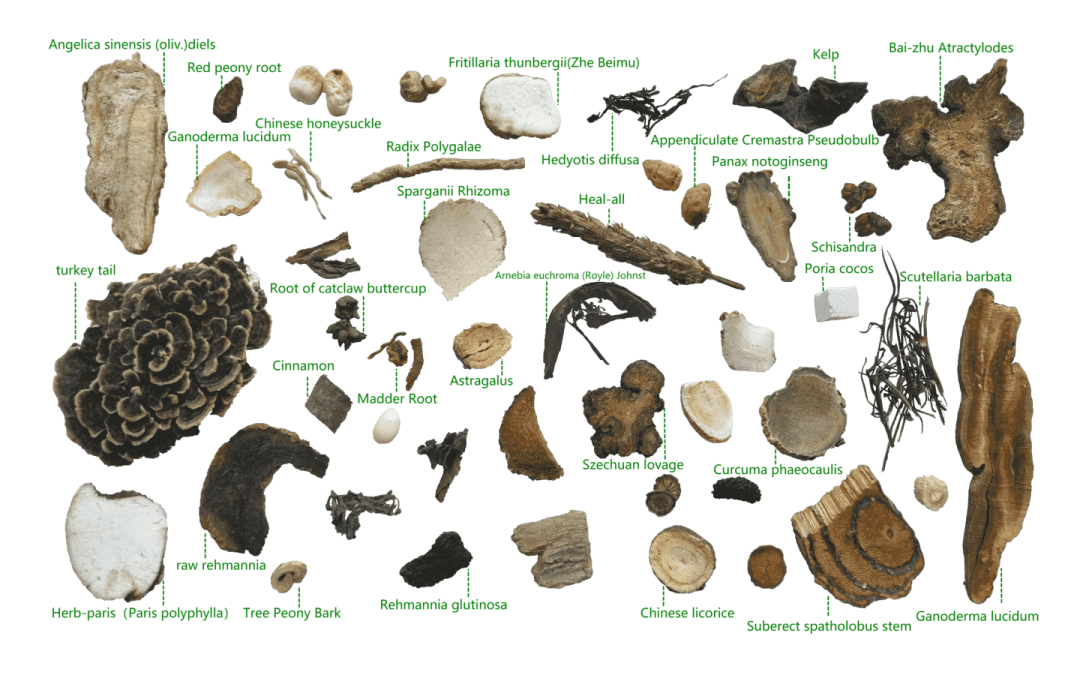
- Astragalus (Huang Qi): Used for its immune-boosting and anti-tumor properties, Astragalus is a staple in treating canine lymphoma.
- Dang Gui (Angelica Sinensis): Known for its blood-nourishing properties, it can help improve vitality in dogs with cancer.
- Sargassum (Hai Zao): Often used for its detoxifying effects and to dissolve lumps, beneficial in treating tumors.
- Scutellaria Baicalensis (Huang Qin): Valued for its anti-inflammatory and tumor-inhibiting properties.
- Turmeric (Jiang Huang): Contains curcumin, known for its anti-inflammatory and antioxidant effects, which may help in combating cancer cells.
Integrating Chinese Herbs with Conventional Cancer Treatments:
Integrating Chinese herbs with conventional treatments like chemotherapy can provide a more holistic approach. These herbs may help mitigate side effects, improve the efficacy of conventional treatments, and enhance the overall quality of life for the dog.
Safety and Considerations:
While Chinese herbs offer benefits, they must be used under the guidance of a qualified veterinarian or a TCM practitioner familiar with canine health. Proper dosing, herb quality, and monitoring are crucial for safety and effectiveness.
The role of Chinese herbs in treating canine lymphoma and tumors is a promising area of holistic veterinary medicine. By incorporating these herbs into a comprehensive treatment plan, pet owners can provide their dogs with a balanced approach to cancer care, focusing on both alleviating symptoms and targeting the underlying imbalances.

by TCMVET | Jan 27, 2024 | Dog Cancer & Tumors
Canine lymphoma, a common form of cancer in dogs, poses significant challenges to pet owners and veterinarians. While conventional treatments like chemotherapy are prevalent, a growing interest in holistic approaches has emerged. This comprehensive guide explores holistic treatments for canine lymphoma, offering insights for those seeking alternative or complementary options. Optimized for SEO, this article targets key phrases and topics related to holistic pet care and canine lymphoma.
1. Understanding Canine Lymphoma: Lymphoma in dogs is a type of cancer that affects the lymphatic system. It’s characterized by the proliferation of malignant lymphocytes, leading to symptoms like swollen lymph nodes, lethargy, and weight loss. Early diagnosis and treatment are crucial for managing this condition.
2. The Role of Diet in Managing Canine Lymphoma: A holistic approach to canine lymphoma often begins with diet. High-quality, nutrient-rich foods can bolster a dog’s immune system. Diets rich in omega-3 fatty acids, antioxidants, and low in processed sugars and carbs are often recommended. Consultation with a veterinary nutritionist can provide personalized dietary plans.
3. Herbal and Supplemental Therapies: Many holistic practitioners advocate for the use of herbs and supplements. Ingredients like turmeric, milk thistle, and Essiac tea have been noted for their potential anti-inflammatory and immune-boosting properties. However, it’s vital to discuss any supplements with a veterinarian, as they can interact with conventional treatments.
4. Acupuncture and Traditional Chinese Medicine: Acupuncture and Traditional Chinese Medicine (TCM) offer alternative ways to support dogs with lymphoma. These practices focus on restoring balance within the body and can help alleviate symptoms and improve overall well-being.
5. The Benefits of Physical Therapies: Physical therapies such as massage and hydrotherapy can improve a dog’s quality of life. These therapies can reduce stress, improve circulation, and enhance muscle tone, contributing positively to overall health.
6. The Importance of a Stress-Free Environment: Creating a stress-free environment is a key aspect of holistic care. Comfortable living spaces, regular exercise, and avoiding stressful situations can play a significant role in a dog’s health and well-being.
Conclusion: Holistic treatments for canine lymphoma encompass a range of practices, from dietary changes to acupuncture. While they may offer supportive care and improve quality of life, it’s crucial to use these treatments in conjunction with traditional veterinary medicine. Always consult with a veterinarian to tailor the best treatment plan for your dog’s unique needs.
by TCMVET | Oct 13, 2023 | Research and News
With the rising trend in holistic health and well-being, pet parents worldwide are seeking natural ways to enhance their dog’s health and longevity. Canine lymphoma, a common malignancy, is no exception. While traditional treatments like chemotherapy play a pivotal role in managing this disease, holistic alternatives offer complementary support. Dive into the world of holistic treatments for canine lymphoma, optimized for SEO and your pet’s well-being.
1. Understanding Canine Lymphoma:
Lymphoma is a cancer of the lymphatic system. Though aggressive, with timely diagnosis and treatment, many dogs can live comfortably for extended periods.
2. Why Consider Holistic Treatment?:
Holistic treatments focus on the whole dog – mind, body, and spirit. The idea is not just to treat the disease but to improve overall quality of life.
3. Dietary Adjustments:
- Anti-inflammatory Diet: Foods like blueberries, turmeric, and fish oils, rich in omega-3 fatty acids, have anti-inflammatory properties which can support overall health.
- High Protein, Low Carb: Some believe a diet low in carbohydrates can be beneficial for cancer patients as cancer cells predominantly use glucose for energy.
4. Herbal Supplements:
- Astragalus: Boosts the immune system and can potentially slow tumor growth.
- Milk Thistle: Supports liver function, especially if your dog is undergoing chemotherapy.
- Echinacea: Enhances immune system function but should be used under veterinary supervision.
5. Acupuncture:
This ancient Chinese practice can alleviate some symptoms associated with lymphoma and side effects of chemotherapy, like nausea and fatigue.
6. CBD and Hemp Oils:
While research is in its infancy, some dog owners report that these oils help with pain management and appetite stimulation. Always choose a high-quality source and consult your vet.
7. Essential Oils:
Lavender and chamomile can be calming for pets undergoing treatment. However, ensure any oil used is pet-safe and properly diluted.
8. Massage and Physical Therapy:
This can help with circulation, muscle tone, and overall well-being. Plus, it’s a great bonding activity!
9. Consultation is Key:
Remember, while holistic treatments can offer support, they should not replace traditional treatments without veterinary consultation. Discuss all therapies, supplements, and diet changes with a holistic or integrative veterinarian to ensure they’re safe and effective.
In Conclusion:
A holistic approach to canine lymphoma aims to enhance quality of life, manage symptoms, and complement traditional treatments. In a digital age where pet parents are proactively seeking health information, blending both science and nature offers a harmonious solution for our beloved four-legged companions. Always prioritize professional advice and trust reputable sources when charting the best path forward for your furry friend.
