
by TCMVET | Oct 19, 2023 | pet Chinese herbal medicine
As our four-legged companions weave their way into the fabric of our lives, the mere thought of ailments like cancer can be overwhelming. However, as veterinary science evolves, so does the interest in natural treatments. The natural realm offers a treasure trove of solutions that can potentially work alongside conventional treatments. Here, we illuminate some of these natural approaches in dog cancer care.
The Allure of Natural Treatment
Natural treatments encompass a broad spectrum of therapies that are derived from nature, be it herbs, specific diets, or holistic practices. The primary appeal lies in their gentleness, reduced side effects, and their potential to improve the overall quality of life for our pets.
Natural Remedies and Practices
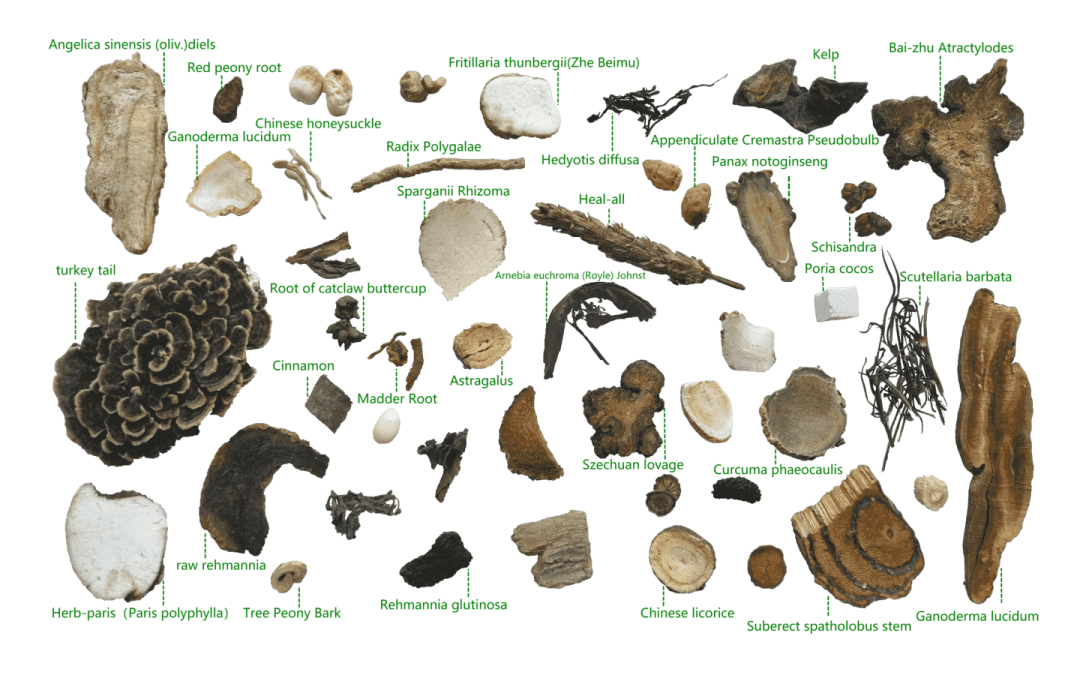
- Turmeric: This golden-hued spice contains curcumin, a compound believed to have anti-inflammatory and anti-cancer properties. Its potential ability to reduce tumor growth and inhibit the spread of cancerous cells makes it a notable consideration.
- Essential Fatty Acids: Found in flaxseed oil and fish oil, essential fatty acids can boost the immune system and have anti-inflammatory effects. This can be especially beneficial in managing cancer-related symptoms.
- Mushroom Therapies: Certain mushrooms, like Reishi and Shiitake, have compounds that might support the immune system and combat cancer.
- CBD Oil: Derived from the hemp plant, CBD oil has gained popularity due to its potential pain-relieving and anti-inflammatory properties.
- Holistic Practices: Acupuncture and massage therapy can enhance a dog’s well-being, reduce stress, and alleviate pain associated with cancer and its treatments.
Incorporating Diet in the Healing Process
A balanced, natural diet rich in antioxidants and essential nutrients can play a pivotal role in a dog’s battle against cancer. Homemade meals, under the guidance of a veterinarian, ensure your pet gets the right nutrients to support recovery.
Nature and Science: A Balanced Blend
While natural treatments offer promise, they should ideally complement, not replace, conventional therapies. Collaborating with veterinary oncologists ensures a comprehensive and integrated treatment approach.
Conclusion
In the fight against canine cancer, nature brings a palette of remedies and practices that can potentially elevate the healing journey. By integrating these natural avenues with traditional treatments, we pave a path filled with hope, love, and holistic care for our loyal companions.
by TCMVET | Oct 13, 2023 | Research and News
With the rising trend in holistic health and well-being, pet parents worldwide are seeking natural ways to enhance their dog’s health and longevity. Canine lymphoma, a common malignancy, is no exception. While traditional treatments like chemotherapy play a pivotal role in managing this disease, holistic alternatives offer complementary support. Dive into the world of holistic treatments for canine lymphoma, optimized for SEO and your pet’s well-being.
1. Understanding Canine Lymphoma:
Lymphoma is a cancer of the lymphatic system. Though aggressive, with timely diagnosis and treatment, many dogs can live comfortably for extended periods.
2. Why Consider Holistic Treatment?:
Holistic treatments focus on the whole dog – mind, body, and spirit. The idea is not just to treat the disease but to improve overall quality of life.
3. Dietary Adjustments:
- Anti-inflammatory Diet: Foods like blueberries, turmeric, and fish oils, rich in omega-3 fatty acids, have anti-inflammatory properties which can support overall health.
- High Protein, Low Carb: Some believe a diet low in carbohydrates can be beneficial for cancer patients as cancer cells predominantly use glucose for energy.
4. Herbal Supplements:
- Astragalus: Boosts the immune system and can potentially slow tumor growth.
- Milk Thistle: Supports liver function, especially if your dog is undergoing chemotherapy.
- Echinacea: Enhances immune system function but should be used under veterinary supervision.
5. Acupuncture:
This ancient Chinese practice can alleviate some symptoms associated with lymphoma and side effects of chemotherapy, like nausea and fatigue.
6. CBD and Hemp Oils:
While research is in its infancy, some dog owners report that these oils help with pain management and appetite stimulation. Always choose a high-quality source and consult your vet.
7. Essential Oils:
Lavender and chamomile can be calming for pets undergoing treatment. However, ensure any oil used is pet-safe and properly diluted.
8. Massage and Physical Therapy:
This can help with circulation, muscle tone, and overall well-being. Plus, it’s a great bonding activity!
9. Consultation is Key:
Remember, while holistic treatments can offer support, they should not replace traditional treatments without veterinary consultation. Discuss all therapies, supplements, and diet changes with a holistic or integrative veterinarian to ensure they’re safe and effective.
In Conclusion:
A holistic approach to canine lymphoma aims to enhance quality of life, manage symptoms, and complement traditional treatments. In a digital age where pet parents are proactively seeking health information, blending both science and nature offers a harmonious solution for our beloved four-legged companions. Always prioritize professional advice and trust reputable sources when charting the best path forward for your furry friend.

by TCMVET | May 31, 2023 | Dog Cancer & Tumors, Medicines & Therapies
CBD oil has gained popularity as a potential treatment option for various health conditions in humans and animals, including canine tumors and cancer. However, it is important to note that while there is some anecdotal evidence and ongoing research, scientific evidence for CBD oil in particular in treating tumors and cancer in dogs remains limited. That being said, here are some potential benefits associated with the use of CBD oil in canine tumors and cancer:
Pain Management: Dogs with tumors or cancer may experience pain, and CBD oil may help ease their discomfort. CBD interacts with the endocannabinoid system in the body and plays a role in regulating pain perception. It may have analgesic properties, helping to reduce pain and inflammation.
Anti-inflammatory effects: CBD oil has been shown to have anti-inflammatory properties. Inflammation often accompanies tumors and cancer, and by reducing inflammation, CBD oil may help alleviate some of the associated symptoms.
Relieves nausea and vomiting: Cancer treatments such as chemotherapy can cause nausea and vomiting in dogs. The reported antiemetic properties of CBD oil may help reduce these side effects and improve the overall health of dogs treated.
Appetite Stimulation: Dogs with tumors or undergoing cancer treatment may experience loss of appetite. CBD oil may help stimulate appetite and encourage eating, which is essential for maintaining proper nutrition and supporting the immune system.
Reduce Anxiety and Stress: A cancer diagnosis and its treatment can be stressful for both dogs and their owners. CBD oil has been studied for its potential anti-anxiety properties, which may help reduce anxiety and stress levels in dogs, promoting a better quality of life.
CBD oil can be used together with herbal medicines, such as TCMVET Baituxiao. There is no conflict between these two products. TCMVET Baituxiao contains herbs and mushrooms, which can help fight tumors, inhibit tumor development, help shrink tumors, and reduce postoperative recurrence rates .
It’s important to remember that every dog is different and the effects of CBD oil may vary. Before using CBD oil or any other alternative therapy for your dog’s tumor or cancer, it is crucial to consult a veterinarian experienced in cannabinoid therapy. They can provide guidance, assess your dog’s specific condition, and determine the appropriate dosage and method of administration, taking into account potential drug interactions or contraindications.
