
by TCMVET | May 31, 2025 | Dog Cancer & Tumors
When a dog undergoes tumor surgery, what comes next is just as important as the operation itself. While stitches may close the surface, the internal systems—immune, digestive, and emotional—require time and active support to fully heal. Traditional Chinese Medicine (TCM) offers a powerful, natural recovery toolkit that complements conventional veterinary care.
In TCM, recovery isn’t just about resting. It’s about restoring balance—boosting Qi (vital energy), nourishing Blood, and harmonizing organ function. Here are five essential herbs commonly used to support dogs after tumor surgery and why they matter.
1. Huang Qi (Astragalus) – The Energy Recharger
Huang Qi is one of the most widely respected immune-enhancing herbs in Chinese medicine. After surgery, it helps rebuild strength and resilience.
- Boosts the immune system
- Enhances energy and vitality
- Promotes tissue repair
- Often used alongside cancer treatments to reduce side effects
Think of it as your dog’s internal power source for recovery.
2. Dang Gui (Angelica Sinensis) – The Blood Restorer
Surgical trauma can lead to Blood deficiency in TCM terms. Dang Gui nourishes and invigorates Blood, helping your dog recover from fatigue and tissue damage.
- Improves circulation
- Encourages muscle and skin regeneration
- Eases post-op pain and stiffness
- Ideal for aging or weak dogs
It acts like a restorative tonic for the whole body.
3. San Qi (Notoginseng) – The Internal First Aid
Known for its ability to stop bleeding and move Blood, San Qi is especially helpful in the first few days post-surgery.
- Promotes wound healing
- Reduces bruising and internal inflammation
- Aids in pain relief without harsh side effects
It’s a gentle, natural ally during the most vulnerable recovery window.
4. Bai Hua She She Cao (Oldenlandia) – The Detoxifier
This herb is widely used in TCM for its cancer-fighting and detoxifying properties. Post-surgery, it helps clear residual inflammation and supports immune defense.
- Clears heat and toxins from the body
- Supports healthy cell function
- Helps prevent recurrence when used in the maintenance phase
Think of it as a gentle sweeper for internal debris.
5. Fu Ling (Poria) – The Gut Soother
Post-operative stress and medications can disrupt your dog’s digestion. Fu Ling helps calm the gut, support fluid metabolism, and ease anxiety.
- Strengthens the spleen (digestion)
- Reduces edema and fluid buildup
- Supports calm behavior and restful sleep
A happy gut means a stronger, faster recovery.
Putting It All Together
These herbs are often used together in custom formulas tailored to your dog’s specific condition, constitution, and post-surgical needs. The beauty of TCM lies in personalization—what works for one dog may not suit another.
Always consult a veterinarian trained in Traditional Chinese Veterinary Medicine (TCVM) to create a safe, effective recovery plan. When used correctly, these herbs can help your dog not only heal but regain strength, spirit, and quality of life.
by TCMVET | May 25, 2025 | Dog Cancer & Tumors
Cancer is one of the hardest diagnoses a pet parent can hear. While chemotherapy and other conventional treatments have become more advanced and accessible for dogs, they often come with a tough cost: fatigue, nausea, appetite loss, digestive issues, and immune suppression.
This is where Traditional Chinese Medicine (TCM) offers something powerful—not as a replacement for modern medicine, but as a complement to help your dog feel stronger, eat better, and recover more smoothly.
Let’s take a closer look at how Chinese herbal support and TCM principles can help ease chemo-related side effects and improve your dog’s quality of life during cancer treatment.
TCM Doesn’t Fight the Tumor—It Supports the Body
While Western medicine directly targets the tumor, TCM focuses on strengthening the body’s internal systems. In cancer care, this means:
- Rebuilding energy (qi) that’s drained by illness and treatment
- Supporting digestion and nutrient absorption
- Regulating the immune response
- Nourishing organs stressed by medication
In TCM terms, chemo and radiation can weaken the spleen, kidneys, and liver, disturb the flow of qi and blood, and generate “toxic heat” in the body. TCM formulas aim to restore that internal harmony.
Common Chemotherapy Side Effects & TCM Solutions
1. Loss of Appetite & Nausea
Many dogs undergoing chemo stop eating well or experience stomach upset. TCM uses herbs like:
- Hawthorn (Shan Zha) – improves appetite and aids digestion
- Pinellia (Ban Xia) – reduces nausea and phlegm
- Licorice Root (Gan Cao) – harmonizes the digestive tract
2. Fatigue & Weakness
Energy loss is one of the most common side effects. Qi-tonifying herbs help rebuild internal strength:
- Astragalus (Huang Qi) – boosts qi and immune function
- Codonopsis (Dang Shen) – supports the spleen and lungs
- Atractylodes (Bai Zhu) – strengthens digestion, helps with fluid retention
3. Low Immunity & Recurring Infections
Some dogs become prone to secondary infections. Gentle immune support from TCM may include:
- Reishi Mushroom (Ling Zhi) – regulates immunity and calms the spirit
- Oldenlandia (Bai Hua She She Cao) – a heat-clearing herb sometimes used alongside medical treatment to support cellular repair
4. Diarrhea or Soft Stool
Chemo can irritate the gut. TCM looks at this as a sign of spleen qi deficiency or damp accumulation:
- Poria (Fu Ling) – supports fluid metabolism
- Dioscorea (Shan Yao) – strengthens digestion without causing dryness
- White Peony (Bai Shao) – soothes the gut and relieves cramping
Safety First: TCM Must Be Tailored to Your Dog
Herbs are not one-size-fits-all. Some dogs may need warming formulas, others cooling; some need tonics, others detoxifiers. The wrong herb—or even the right one at the wrong time—can worsen symptoms or interact poorly with chemo drugs.
Always consult a TCVM-trained veterinarian who understands both herbal therapy and your dog’s cancer treatment plan. High-quality, vet-approved formulations are key.
It’s Not Just About Herbs: Other TCM Therapies Help Too
- Acupuncture – can reduce nausea, boost energy, and relieve pain
- Dietary therapy – food can be used medicinally in TCM, balancing your dog’s constitution
- Massage (Tui Na) – improves circulation, digestion, and comfort
The Goal: Less Suffering, More Vitality
While TCM won’t shrink a tumor, it can ease suffering, improve appetite, and restore strength. For many families, this means more happy moments, better recovery time, and a gentler experience during a difficult journey.
Chemo treats the disease. TCM treats the dog.
If your dog is undergoing cancer treatment, consider exploring Chinese herbal support as part of a well-rounded care plan. With proper guidance, it can make a world of difference.
by TCMVET | May 25, 2025 | Dog Cancer & Tumors
Your dog has been diagnosed with cancer. You’ve started conventional treatment—or maybe you’ve chosen not to—and now you’re wondering:
Can I give my dog Chinese herbs?
Will they help or hurt?
Is it safe, or just wishful thinking?
This is one of the most important—and most misunderstood—questions in holistic veterinary care. While Traditional Chinese Medicine (TCM) can offer meaningful support for dogs with cancer, it must be used carefully, with professional guidance. Chinese herbs are powerful, and when used correctly, they can improve quality of life, reduce side effects, and even slow disease progression. But they are not “natural cure-alls.”
Here’s what you need to know.
1. Yes, But Not All Herbs Are Safe for Every Dog
TCM uses hundreds of herbs with different properties—some boost immunity, some reduce inflammation, others detoxify or regulate digestion. For dogs with cancer, certain herbs may:
- Support appetite and energy (tonics like Astragalus or Codonopsis)
- Ease chemotherapy side effects (like nausea or fatigue)
- Strengthen organ function (e.g. liver, kidneys)
- Regulate the immune response
However, not all herbs are appropriate for all cancers. For example, immune-stimulating herbs may not be recommended in cases of certain lymphomas or autoimmune conditions. Herbs that increase blood circulation might be risky in dogs with internal bleeding tumors. That’s why “one-size-fits-all” herbal solutions can be dangerous.
2. Chinese Herbs Are Best Used Alongside (Not Instead of) Conventional Care
Many pet parents fear chemotherapy or surgery, and hope that herbs can replace them. While that instinct is understandable, Chinese herbal therapy works best when it complements, not competes with, Western medicine.
A good integrative vet may recommend herbs to:
- Reduce fatigue from chemotherapy
- Support detox during drug use
- Strengthen the body’s self-regulation between treatments
- Improve post-surgery recovery
In early-stage cancers or in geriatric pets who can’t tolerate aggressive treatment, TCM can become a primary form of care—but it still must be carefully tailored.
3. Quality and Source Matter More Than You Think
Not all herbal supplements are safe—especially those purchased from unknown brands online. Risks include:
- Heavy metal contamination
- Misidentified herbs
- Unsafe dosages for pets
- Human formulas not adjusted for animal needs
Always choose veterinary-formulated herbal blends or work with a certified veterinary herbalist (TCVM-trained vet). Herbs must be matched to your dog’s diagnosis, constitution, and treatment stage—not just the cancer type.
4. Watch for Interactions
Some herbs can interfere with medications—either by reducing their effectiveness or increasing toxicity. For example:
- St. John’s Wort (used in some Western herbal blends) may interfere with chemotherapy metabolism
- Licorice root may increase cortisol levels or affect blood pressure
- Some tonic herbs may alter liver enzyme activity
This doesn’t mean herbs are dangerous—it just means they must be professionally prescribed, just like drugs.
5. Red Flags and When to Stop
Even safe herbs can cause issues if your dog:
- Becomes lethargic or agitated
- Has changes in stool or vomiting
- Shows allergic reactions (itching, swelling)
- Experiences worsening of any clinical signs
Any of these may signal the wrong herb, wrong dose, or wrong timing. Immediate discontinuation and re-evaluation are essential.
So, Can Dogs with Cancer Take Chinese Herbs?
Yes—but only with care. Chinese herbal medicine is not about randomly adding powders to your dog’s food. It’s a nuanced system rooted in balance, timing, and observation.
With expert guidance, high-quality herbs, and the right treatment goals, TCM can be a valuable ally in your dog’s cancer care. It won’t magically cure cancer—but it might help your dog feel stronger, eat better, and live more comfortably, with greater vitality and less pain.
And that, sometimes, is the most important gift of all.
by TCMVET | Jan 22, 2025 | Dog Cancer & Tumors
As pet owners seek alternatives to conventional cancer treatments like surgery, chemotherapy, and radiation, Traditional Chinese Medicine (TCM) has emerged as a promising complementary approach for dogs with tumors. TCM views cancer as an imbalance in the body’s vital energy (Qi) and aims to restore harmony through herbal medicine, acupuncture, and dietary therapy. But how effective is it? And how can we integrate these treatments into a holistic cancer care plan for dogs?
This article challenges conventional views on canine cancer treatment by diving deep into the ancient wisdom of TCM, merging it with modern veterinary insights to offer a fresh perspective on natural healing.
1. Understanding Cancer in Dogs from a TCM Perspective
In Western medicine, cancer is seen as uncontrolled cell growth often triggered by genetic, environmental, or dietary factors. TCM, however, interprets tumors differently:
- Stagnation of Qi and Blood: Tumors form when energy and blood become blocked, preventing proper circulation.
- Accumulation of Dampness and Phlegm: Excessive moisture in the body can condense into masses.
- Kidney and Spleen Deficiency: Weak organ function can lead to toxin buildup, reducing the body’s ability to clear abnormal cells.
TCM treatment focuses on removing blockages, strengthening organ function, and boosting immunity rather than simply destroying cancer cells.
2. Herbal Medicine: A Natural Approach to Tumor Reduction
Chinese herbal formulas for cancer aim to shrink tumors, enhance immune function, and support organ health. Some commonly used herbs include:
- Baituxiao (白兔肖): Known for its ability to inhibit tumor growth, clear heat, and detoxify the body.
- Huang Qi (黄芪, Astragalus): Strengthens immunity and improves energy flow, often used alongside conventional treatments.
- Ban Zhi Lian (半枝莲, Scutellaria Barbata): Has anti-cancer properties and supports liver health.
- Ling Zhi (灵芝, Reishi Mushroom): A powerful adaptogen that enhances immune response and reduces inflammation.
- Dang Gui (当归, Angelica Sinensis): Promotes blood circulation and prevents Qi stagnation, commonly used for tumors involving the skin or muscles.
These herbs are often prescribed in formulas tailored to a dog’s specific constitution and tumor type, making personalized treatment essential.
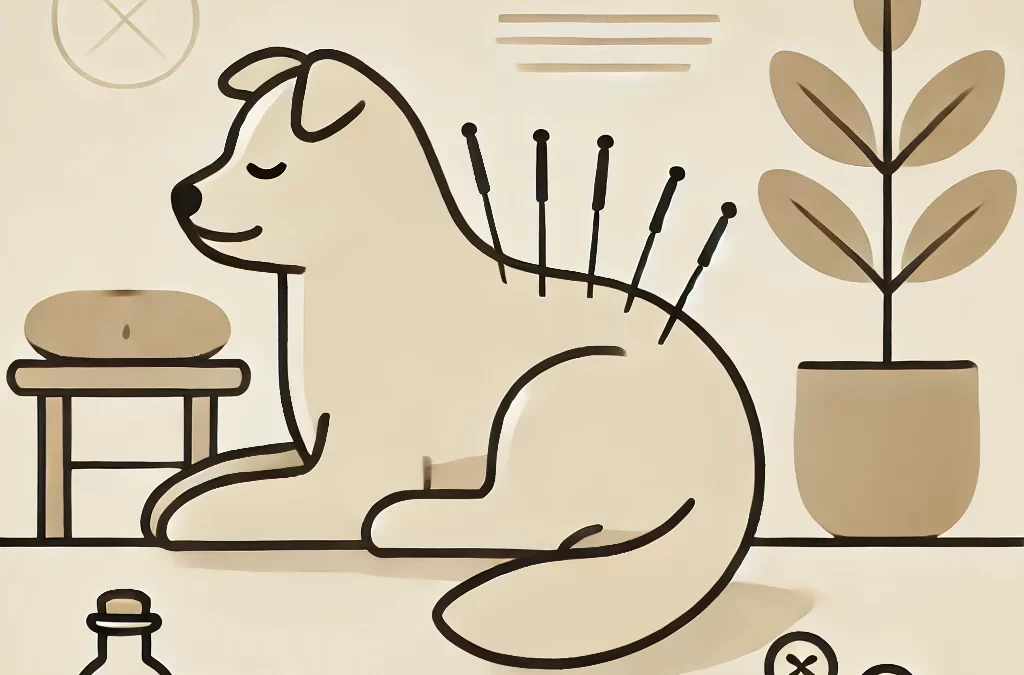
3. Acupuncture: Pain Management and Healing Activation
Acupuncture is widely used in human cancer patients to relieve pain and improve well-being, and the same principles apply to dogs. This practice works by stimulating specific meridian points, which:
- Reduce inflammation and pain
- Boost circulation to help shrink tumors
- Support the immune system to slow cancer progression
- Improve digestion and energy levels in weakened dogs
Acupuncture sessions are non-invasive and well-tolerated by most dogs. Many pet owners notice improvements in their dog’s mobility, comfort, and appetite after treatment.
4. Dietary Therapy: Healing Through Food
Food is medicine in TCM, and dietary adjustments play a critical role in supporting dogs with cancer. The goal is to reduce inflammation, nourish Qi, and prevent tumor growth through balanced nutrition.
Recommended Foods:
- Lean proteins: Duck, rabbit, and fish are preferred over red meat, which can be inflammatory.
- Anti-inflammatory vegetables: Carrots, broccoli, and mushrooms like shiitake and maitake.
- Healthy grains: Millet, quinoa, and barley, which strengthen the digestive system.
- Bone broth: Supports digestion and provides essential minerals.
Foods to Avoid:
- Processed foods with artificial additives
- Excessive fatty or greasy foods, which contribute to Dampness
- Sugary treats, as sugar is believed to feed tumor growth
A carefully tailored diet, combined with herbs and acupuncture, can help maintain energy levels and improve a dog’s overall resilience against cancer.
5. Integrating TCM with Conventional Treatments
While TCM offers powerful tools for managing canine tumors, it works best when combined with Western veterinary care. Many veterinarians now adopt an integrative approach, using TCM alongside surgery, radiation, or chemotherapy to:
- Reduce side effects of conventional treatments
- Strengthen the dog’s body against cancer recurrence
- Improve overall comfort and longevity
6. When to Consider TCM for a Dog with Cancer
TCM is particularly beneficial when:
- Surgery is not an option due to the tumor’s location or the dog’s age.
- The dog experiences severe side effects from chemotherapy or radiation.
- The goal is palliative care to extend quality of life rather than cure the cancer.
Since every dog responds differently, working with a TCM-trained veterinarian ensures a safe and effective treatment plan.
A Holistic Future for Canine Cancer Care
Traditional Chinese Medicine provides a gentle yet powerful approach to treating canine tumors by addressing the root cause rather than just the symptoms. By incorporating herbal medicine, acupuncture, and dietary therapy, pet owners can enhance their dog’s well-being and offer a compassionate, natural path to healing.
Cancer treatment should not just focus on prolonging life but on improving the quality of each day. With the right balance of TCM and Western medicine, dogs can enjoy a more comfortable, fulfilling journey, even when facing a cancer diagnosis.

by TCMVET | Jan 7, 2025 | Dog Cancer & Tumors
When a beloved dog is diagnosed with a tumor, it can be overwhelming for pet owners. The fear of losing a furry companion, coupled with the complexities of treatment options, can leave many questioning the best course of action. While conventional Western treatments like surgery, chemotherapy, and radiation are often recommended, an increasing number of pet owners are seeking alternative therapies, such as traditional Chinese herbal medicine, as a gentler and holistic approach to managing their dog’s condition.
Herbal remedies are rooted in millennia of healing wisdom and have been shown to offer various benefits for dogs with cancer. Unlike aggressive Western treatments, which can sometimes cause significant side effects, herbal medicine seeks to work with the body’s natural healing processes, strengthening the immune system, reducing inflammation, and promoting overall well-being. This article explores how Chinese herbal medicine can complement Western veterinary care, offering a gentler path for dogs battling tumors.
1. The Gentle Power of Herbal Medicine
Traditional Chinese Medicine (TCM) has been practiced for thousands of years, using natural herbs to treat a wide variety of conditions, including cancer. TCM does not view cancer as an isolated condition but as an imbalance in the body’s vital energies, known as “Qi.” By using a combination of herbs that address both the root cause and symptoms, Chinese herbal therapy aims to restore harmony within the body, support the immune system, and potentially inhibit tumor growth.
Common herbs like Dong Quai (Angelica sinensis), Turmeric (Curcuma longa), and Reishi Mushroom (Ganoderma lucidum) are often used to treat cancer in dogs. These herbs are known for their anti-inflammatory, antioxidant, and immune-boosting properties. For example, turmeric contains curcumin, a powerful compound that has been shown to possess anti-cancer effects by reducing inflammation and oxidative stress in the body. Reishi mushrooms have long been celebrated for their immune-enhancing abilities, supporting the body in its natural fight against abnormal cell growth.
2. Supporting the Immune System
A key aspect of herbal therapy for dogs with tumors is its emphasis on boosting the immune system. Cancerous growths often thrive in an environment where the immune system is weak or compromised. By strengthening the dog’s immune defenses, herbal remedies can enhance the body’s ability to target and destroy abnormal cells before they can proliferate.
Herbs like Astragalus (Astragalus membranaceus) and Schisandra (Schisandra chinensis) have been shown to bolster immune function and improve the body’s resistance to disease. These herbs work by stimulating white blood cell production, increasing the body’s ability to fight off infections and abnormal cell growth. This can be especially important in managing tumors and preventing the spread of cancerous cells.
3. Minimizing Side Effects
One of the biggest concerns for pet owners when it comes to cancer treatment is the potential side effects. Chemotherapy and radiation, while effective, often come with a range of unpleasant side effects such as nausea, fatigue, hair loss, and a weakened immune system. In contrast, herbal medicine is generally much gentler, with fewer side effects, and often works in conjunction with Western treatments to reduce the intensity of these adverse reactions.
For instance, Ginseng (Panax ginseng) is known for its ability to help reduce the fatigue and weakness that can result from chemotherapy or radiation therapy. It helps boost energy levels and promotes overall vitality, allowing the dog to feel stronger throughout their treatment journey. Additionally, Milk Thistle (Silybum marianum) is often used in herbal therapy to support liver health, which can be crucial for dogs undergoing toxic treatments like chemotherapy.
4. Customized Herbal Formulas
One of the greatest strengths of Chinese herbal medicine is its individualized approach. In TCM, no two cases are the same. Each treatment plan is personalized based on the dog’s unique symptoms, constitution, and overall health. A licensed veterinary herbalist may prescribe a combination of herbs tailored specifically to the dog’s needs, ensuring a more holistic and targeted approach to healing.
These custom formulas might include a variety of herbs that address the dog’s specific type of cancer, its location, and the overall health status of the pet. For example, a dog with a lung tumor may benefit from herbs that promote respiratory health and reduce coughing, while a dog with a gastrointestinal tumor may require herbs to support digestion and ease discomfort.
5. Complementary Therapy: Not a Substitute for Conventional Treatments
It’s important to note that Chinese herbal medicine is not a substitute for conventional veterinary treatments, particularly in the case of serious tumors. Rather, it should be viewed as a complementary therapy. Many veterinarians who specialize in integrative or holistic care may recommend a combination of herbal remedies and conventional treatments to offer the dog the best chance for recovery and a higher quality of life.
Herbal remedies can help alleviate some of the side effects associated with chemotherapy, improve appetite, boost energy levels, and reduce inflammation, all while supporting the body’s natural healing processes. This integrative approach helps to create a comprehensive treatment plan that addresses not just the tumor, but the dog’s overall health and well-being.
6. The Role of Diet in Tumor Management
In addition to herbs, TCM also places significant emphasis on diet and lifestyle. A nutritious, balanced diet plays a key role in maintaining a healthy immune system and promoting healing. Dogs with cancer may benefit from a diet that is rich in antioxidants, healthy fats, and high-quality proteins. Some herbalists may also recommend specific foods that help balance the dog’s internal energies, further enhancing the healing process.
7. Final Thoughts
While Western medicine has made incredible strides in treating canine tumors, the gentle, holistic approach of Chinese herbal medicine offers pet owners an alternative or complementary treatment that can ease the burden of cancer therapy. With its focus on strengthening the immune system, reducing inflammation, and supporting overall vitality, herbal remedies offer a way to help dogs feel better during their battle with cancer.
As always, pet owners should consult with their veterinarian before starting any new treatment regimen. With careful consideration and professional guidance, Chinese herbal therapy can provide an important addition to the comprehensive care of dogs with tumors, promoting both healing and quality of life in a natural, supportive way.
