
by TCMVET | Jan 17, 2025 | Dog Cancer & Tumors
As a pet owner, discovering a lump on your dog can be alarming. The first thought that often comes to mind is, “Is it cancer?” However, not all lumps and bumps are tumors, and even if they are, not all tumors are malignant. Understanding the different types of growths, their potential causes, and the best course of action can help you make informed decisions about your dog’s health.
Common Causes of Lumps on Dogs
Lumps on dogs can arise for various reasons, ranging from benign fatty deposits to more concerning cancerous tumors. Here are some of the most common causes:
1. Lipomas (Fatty Tumors)
Lipomas are one of the most frequently found lumps on dogs, especially in older or overweight dogs. These are soft, movable, and usually harmless fatty deposits under the skin. While they typically don’t require treatment, a vet may recommend removal if they grow too large or interfere with movement.
2. Sebaceous Cysts
Sebaceous cysts occur when a hair follicle or oil gland becomes blocked, forming a lump filled with sebum (a greasy substance). These cysts can sometimes rupture and ooze a whitish or yellowish discharge. Most are benign, but they may need draining or removal if they become infected.
3. Abscesses
An abscess is a swollen, pus-filled area often caused by infections, insect bites, or wounds. These lumps can be warm, red, and painful to the touch. Abscesses may rupture on their own, but they usually require veterinary treatment, including drainage and antibiotics.
4. Warts (Papillomas)
Canine warts are caused by the papillomavirus and typically appear in younger dogs or those with weakened immune systems. These small, cauliflower-like growths usually resolve on their own but may require removal if they interfere with eating or movement.
5. Histiocytomas
Histiocytomas are benign tumors that commonly affect younger dogs. They appear as small, red, dome-shaped lumps, often on the legs, face, or ears. Many histiocytomas resolve on their own within a few months, though some may require removal if they persist.
6. Mast Cell Tumors (MCTs)
Mast cell tumors are among the most common skin cancers in dogs. They can vary in appearance—some may look like harmless lumps while others may be ulcerated or inflamed. MCTs can be aggressive, so any suspicious lump should be evaluated by a vet promptly.
7. Soft Tissue Sarcomas
These malignant tumors develop in connective tissues and can be slow-growing or aggressive. They often feel firm and may not be easily movable under the skin. Early detection and removal are crucial for a better prognosis.
How to Identify Whether a Lump is Concerning
While some lumps are harmless, others may require immediate veterinary attention. Consider the following characteristics:
- Size & Growth Rate: If a lump grows rapidly, it may indicate malignancy.
- Texture & Mobility: Soft, movable lumps are often benign, whereas firm, attached lumps can be more concerning.
- Color & Appearance: Ulcerated, inflamed, or bleeding lumps warrant immediate examination.
- Pain & Discomfort: If your dog reacts negatively to touch, it may indicate an infection or malignancy.
What to Do If You Find a Lump on Your Dog
1. Monitor the Lump
If the lump is small, soft, and not causing discomfort, you can monitor it for a few weeks. Take note of any changes in size, shape, or color.
2. Consult a Veterinarian
If the lump is growing quickly, feels firm, is painful, or has an unusual texture, schedule a vet visit. Your vet may perform a fine needle aspiration (FNA) or a biopsy to determine whether the lump is benign or malignant.
3. Consider Removal if Necessary
Benign lumps that are large, growing, or interfering with movement may need to be surgically removed. Cancerous tumors often require surgery, radiation, or chemotherapy.
4. Maintain a Healthy Lifestyle
A balanced diet, regular exercise, and routine vet check-ups can help support your dog’s immune system and overall health, reducing the risk of tumor development.
Final Thoughts
Not every lump on your dog is a cause for panic, but it’s always best to stay vigilant. Early detection and proper veterinary assessment can make all the difference in ensuring your dog’s health and well-being. If you notice any new or changing lumps, don’t hesitate to consult a veterinarian—your furry friend’s health is worth the extra attention!
Would you like additional information on any of the specific lump types or treatment options?

by TCMVET | Jan 16, 2025 | Dog Cancer & Tumors
When a beloved dog is diagnosed with a tumor, it can be a heart-wrenching experience for any pet owner. Conventional medicine offers effective treatments, such as surgery, chemotherapy, and radiation, while natural therapies provide complementary benefits that support the dog’s overall well-being. Combining the two approaches offers a balanced and innovative way to manage canine tumors. This article explores how to design a comprehensive plan that integrates natural therapies with Western medicine for optimal outcomes.
Understanding the Strengths of Each Approach
Conventional medicine excels in directly addressing tumors through surgery, chemotherapy, radiation, and advanced diagnostics. These methods focus on treating the tumor itself but may lead to side effects like reduced immunity, lethargy, or gastrointestinal issues.
Natural therapies aim to enhance the body’s inherent ability to heal and cope with treatments. Options include herbal medicine, dietary adjustments, supplements, acupuncture, and massage. These therapies focus on the dog’s overall well-being, helping to mitigate the side effects of conventional treatments while promoting recovery.
Building a Comprehensive Treatment Plan
Collaborate with your veterinarian to discuss the type and stage of the tumor, available treatment options, and how to integrate natural therapies without compromising conventional treatments. Every dog responds differently, so prioritize individual needs, including age, overall health, and lifestyle.
Introduce natural therapies gradually to avoid overwhelming your dog. Start with dietary adjustments, such as adding cancer-fighting foods like spinach, carrots, and fish oil. Gradually incorporate supplements like CBD oil or medicinal mushrooms. Include stress-relieving practices like acupuncture or massage during recovery periods.
Benefits of Integrating Natural and Conventional Approaches
Enhancing treatment efficacy by using natural therapies like turmeric and medicinal mushrooms can boost immunity and reduce inflammation. Quality of life improves with pain relief and anxiety reduction through acupuncture and CBD oil. Natural antioxidants can reduce the oxidative stress caused by radiation or chemotherapy, supporting holistic healing by addressing emotional, physical, and nutritional well-being.
Monitoring and Adjusting the Plan
Regular check-ins with the vet, frequent monitoring of tumor progression, and observing your dog’s behavior are crucial. Maintain a journal to track dietary changes, supplements, and alternative therapies to identify what works best for your dog.
Myths About Combining Natural and Conventional Treatments
It is a myth that natural therapies interfere with conventional medicine. Most therapies complement traditional treatments when guided by a veterinarian. Natural therapies are not a replacement for evidence-based treatments but work best as complementary methods. Gradual integration ensures the combination is not overwhelming for your dog.
Final Thoughts
Combining natural therapies with conventional medicine offers a promising path for treating canine tumors. By addressing the tumor directly while supporting the dog’s overall health and quality of life, this approach ensures a comprehensive care plan. Collaboration with your vet, thoughtful planning, and close observation will help your furry friend fight their tumor and live their best life.
When it comes to your dog’s health, an integrative strategy brings the best of both worlds—giving you peace of mind and your pet the care they deserve.
by TCMVET | Nov 16, 2024 | Dog Cancer & Tumors
When we hear the word “tumor,” our minds often leap to the worst-case scenario: cancer. However, not all tumors are malignant. In fact, benign intestinal tumors in dogs are far less sinister and can often be managed effectively with the right approach. This article dives into the nuances of these benign growths, helping you understand their causes, symptoms, and management strategies.
What Are Benign Intestinal Tumors?
Benign intestinal tumors are non-cancerous growths that develop in the gastrointestinal (GI) tract of dogs. While they don’t invade surrounding tissues or spread to other parts of the body, their presence can still lead to discomfort or digestive issues if they grow large enough to obstruct the intestines or interfere with normal function.
Common Types of Benign Intestinal Tumors in Dogs:
- Adenomas: Develop from glandular cells lining the intestines.
- Leiomyomas: Originate from smooth muscle cells in the intestinal wall.
- Polyps: Small growths that protrude from the lining of the intestines.
Causes: Why Do These Tumors Develop?
While the exact cause of benign intestinal tumors in dogs is unknown, several factors may contribute:
- Genetics: Some breeds, like German Shepherds and Collies, may have a predisposition.
- Chronic Inflammation: Long-term GI inflammation can increase the risk of abnormal cell growth.
- Dietary Factors: Poor-quality diets lacking fiber may play a role in polyp development.
Symptoms: What to Watch For
Benign tumors often grow slowly, making symptoms subtle at first. Over time, as the tumor enlarges, the following signs may appear:
- Chronic Vomiting or Diarrhea: Due to irritation or partial blockage.
- Weight Loss: If the tumor affects nutrient absorption.
- Blood in Stool: Bright red or dark, depending on the tumor’s location.
- Abdominal Pain: If the tumor causes bloating or obstruction.
- Change in Appetite: Fluctuations between hunger and refusal to eat.
Red Flag: Any persistent GI symptom warrants a visit to your veterinarian for a thorough evaluation.
Diagnosis: Pinpointing the Problem
Diagnosing benign intestinal tumors involves a combination of techniques:
- Physical Exam: Palpation of the abdomen for masses.
- Imaging: X-rays or ultrasounds to visualize the intestinal tract.
- Endoscopy: A camera-assisted examination to view and potentially biopsy the growth.
- Biopsy: Definitive diagnosis comes from analyzing a tissue sample to determine if the tumor is benign.
Treatment: Options for Managing Benign Tumors
While benign tumors aren’t life-threatening, they often require treatment to alleviate symptoms or prevent complications.
1. Surgical Removal
- When Is Surgery Needed? If the tumor causes obstruction or severe symptoms.
- Outcome: Surgery is typically curative for benign growths, and dogs recover well post-operation.
2. Endoscopic Polypectomy
- What Is It? A less invasive method to remove polyps or small tumors via an endoscope.
- Advantages: Shorter recovery time and minimal discomfort.
3. Dietary Adjustments
- Why It Helps: A high-fiber diet may reduce inflammation and support gut healing after treatment.
- Foods to Include: Pumpkin, cooked sweet potatoes, and vet-recommended kibble.
4. Monitoring
- For Small Tumors: Regular check-ups to monitor growth without immediate intervention.
Prognosis: What to Expect
Benign intestinal tumors generally have an excellent prognosis when treated appropriately. Regular veterinary visits and follow-ups are crucial to ensure the tumor doesn’t recur or cause further issues.
Prevention: Can You Lower the Risk?
While it’s impossible to guarantee prevention, the following steps may reduce your dog’s risk of developing benign intestinal tumors:
- Balanced Diet: Include high-quality proteins, healthy fats, and sufficient fiber.
- Regular Vet Visits: Routine check-ups can catch potential issues early.
- Watch for Symptoms: Early detection often leads to simpler, less invasive treatments.
A Unique Perspective: The Gut and Overall Health
Interestingly, your dog’s gut health is closely tied to their overall well-being. The presence of a benign tumor might signal underlying imbalances, like inflammation or poor diet, that deserve attention. Treating the tumor is just one part of the journey—addressing the root causes ensures your dog remains healthy and vibrant.
Conclusion: Turning Challenges into Opportunities
Benign intestinal tumors in dogs, while concerning, are manageable and often curable. They offer a reminder to prioritize gut health, provide nutritious meals, and maintain a strong partnership with your veterinarian. With care and vigilance, your furry companion can continue to enjoy a happy, comfortable life.
by TCMVET | Nov 11, 2024 | Dog Cancer & Tumors
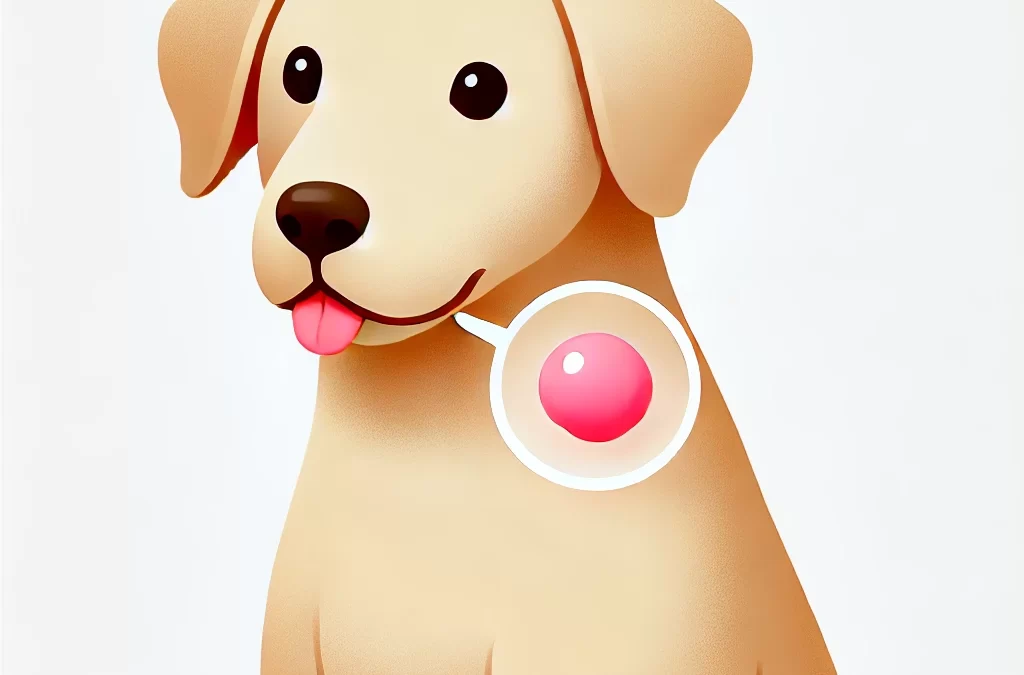
When dog parents discover a lump in their furry friend’s throat, it’s natural to feel concerned. While some lumps may be harmless, others could indicate serious health issues. This article dives into what these lumps might mean, how to identify the concerning signs, and proactive steps to take.
1. Why Do Lumps Develop in Dogs’ Throats?
- Common Causes: Benign growths, such as lipomas or cysts, are often harmless but can sometimes appear near the throat.
- Infections or Inflammation: Swollen lymph nodes could indicate an infection or immune response.
- Tumors: Both benign and malignant tumors can develop in the throat, affecting nearby tissues and organs.
2. Types of Lumps You Might Notice
- Lipomas: Soft and easily movable, usually painless.
- Lymphadenopathy: Swollen lymph nodes that feel firm and are often symmetrical.
- Malignant Tumors: Firm, fixed lumps that may cause discomfort or difficulty swallowing.
3. Recognizing Symptoms Beyond the Lump
- Difficulty Swallowing: This could be an indicator of growth affecting the esophagus or surrounding muscles.
- Coughing or Gagging: If the lump presses against the airway, it could cause respiratory symptoms.
- Change in Appetite or Weight Loss: A serious concern if combined with a persistent throat lump.
4. When Should You Be Concerned?
- Rapid Growth: If the lump grows quickly, it’s essential to have it checked by a veterinarian.
- Pain and Sensitivity: Discomfort or a change in behavior, such as shying away from touch, warrants a closer look.
- Other Symptoms: Unexplained lethargy, persistent coughing, or vocal changes can signal an underlying issue.
5. Diagnosis: What to Expect at the Vet
- Physical Examination: The vet will palpate the area to assess size, texture, and mobility.
- Imaging Tests: X-rays or ultrasound scans provide a view of the lump’s depth and proximity to other organs.
- Biopsy: The most definitive test, where a sample is taken and examined for abnormal cells.
6. Treatment Options
- Watchful Waiting: For benign lumps, the vet may suggest monitoring rather than immediate intervention.
- Surgical Removal: If the lump interferes with daily activities or poses a health risk, surgery is a common choice.
- Natural Supplements and Therapies: Anti-inflammatory supplements or herbal support can benefit some conditions.
- Chemotherapy or Radiation: For malignant tumors, vets may recommend oncology treatments.
7. Prevention and Monitoring
- Regular Check-ups: Routine vet visits can catch unusual growths early.
- Home Monitoring: Gently feel your dog’s throat and other areas for lumps. Keep a log if any changes occur.
- Healthy Diet and Supplements: Nutrient-rich foods and immune-boosting supplements may help reduce the risk of certain tumors.
Conclusion
While finding a lump in your dog’s throat can be unsettling, proactive care and understanding potential causes can bring peace of mind. Always consult a veterinarian for professional advice, and remember that not all lumps are dangerous. By staying vigilant, you’re taking the best steps toward ensuring your dog’s health and happiness.

by TCMVET | Oct 28, 2024 | Dog Cancer & Tumors
Tumors originating from the connective tissue surrounding nerves can affect dogs, presenting various symptoms depending on their type and location. Recognizing these growths early and understanding treatment options is crucial for a better prognosis and improving a pet’s quality of life. This article explores common nerve-related tumors in dogs, including amputation neuromas, neurofibromas, and neurofibrosarcomas.
Types of Nerve-Related Tumors in Dogs
- Amputation NeuromasAmputation neuromas are disorganized growths often seen after surgical amputations or traumatic injuries, such as tail docking in dogs. These growths form when nerve tissue begins to heal and reorganize following an injury. Young dogs with docked tails are especially susceptible, often due to repeated irritation of the tail. Owners may notice that their dog frequently licks or bothers the affected area. Thankfully, surgical removal provides a complete cure, offering a straightforward solution for pets with this condition.
- NeurofibromasNeurofibromas are benign tumors that develop in the connective tissue surrounding nerves. They are generally firm, white lumps that remain localized without spreading to other areas. Neurofibromas typically occur in older dogs, causing mild discomfort depending on their location. While these growths are not cancerous, they may still require surgical removal to prevent issues related to nerve compression or local irritation.
- NeurofibrosarcomasNeurofibrosarcomas are the malignant counterpart to neurofibromas and exhibit a similar appearance as white, firm lumps. These tumors tend to be locally invasive, potentially causing nerve pain or affecting nearby tissues. Complete surgical removal is typically the primary treatment for neurofibrosarcomas. Depending on the tumor’s aggressiveness and the extent of local invasion, additional therapies, such as radiation treatment or chemotherapy, may help slow tumor regrowth. This combined approach may extend a dog’s quality of life, though long-term outcomes vary.
Recognizing Symptoms of Nerve-Related Tumors in Dogs
Identifying nerve-related tumors in dogs can be challenging, as symptoms vary by tumor type and location. Here are some key indicators that may suggest the presence of these tumors:
- Unusual lumps or masses under the skin
- Persistent licking or irritation at a surgical or injury site
- Localized pain or discomfort, especially in older dogs
- Weakness or loss of function in a specific limb or area
If any of these symptoms appear, it’s best to consult a veterinarian for an examination and potentially imaging tests, such as X-rays or MRI scans.
Treatment and Management Options
Surgical removal is the most common and effective treatment for nerve-related tumors in dogs. For benign tumors like neurofibromas, surgery alone is often curative. In cases of neurofibrosarcomas, surgery may be combined with radiation or chemotherapy to improve outcomes and reduce the risk of regrowth. Post-surgical follow-ups are important, as they allow vets to monitor for any recurrence and take timely action if necessary.
Preventing and Managing Complications
While some nerve-related tumors, like amputation neuromas, can be associated with trauma or surgical procedures, there is no specific prevention method for neurofibromas or neurofibrosarcomas. Regular veterinary check-ups, especially for senior dogs, can aid early detection and intervention.
Understanding nerve-related tumors in dogs, including amputation neuromas, neurofibromas, and neurofibrosarcomas, is essential for dog owners, especially as pets age. Recognizing symptoms early and exploring surgical and supportive therapies can significantly enhance a pet’s quality of life and offer better outcomes. Consult with a veterinarian to discuss the best approach tailored to your pet’s condition.
