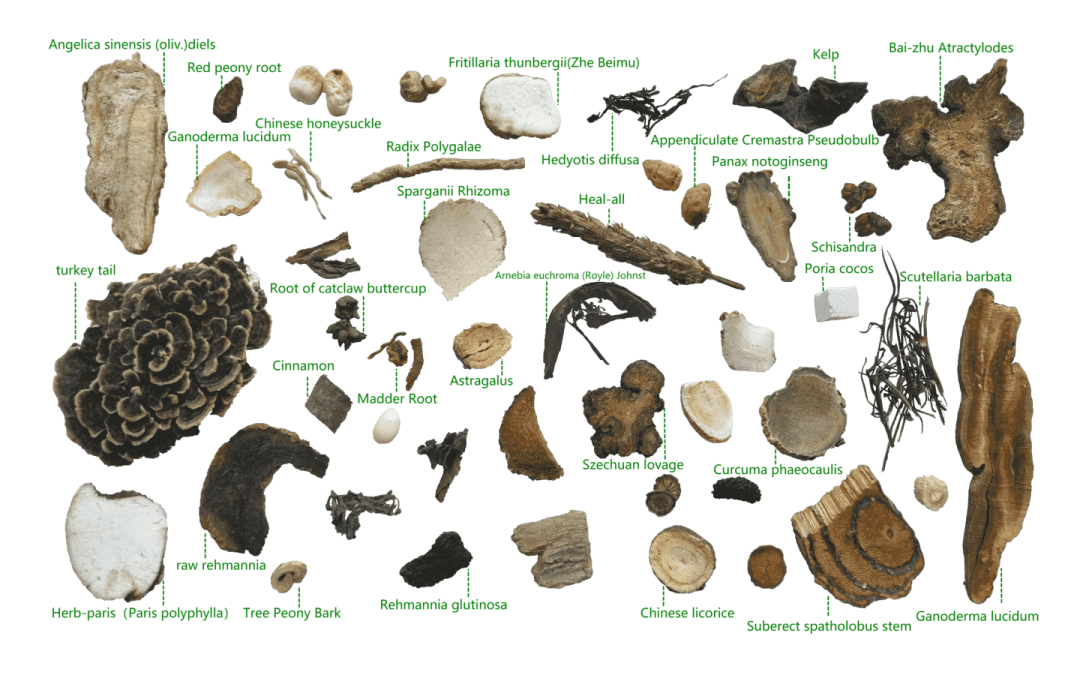
Harnessing Nature’s Power: The Role and Efficacy of Natural Therapies in Treating Pet Tumors
In recent years, the quest for holistic and integrative approaches to veterinary medicine has gained significant traction. Among these, natural therapies have emerged as promising adjuncts or alternatives in the treatment of pet tumors. As pet owners seek more holistic options to complement conventional treatments like surgery, chemotherapy, and radiation, understanding the application and efficacy of natural therapies becomes crucial. This article delves into the innovative use of natural therapies in managing pet tumors, exploring their mechanisms, benefits, and the science backing their use.
Understanding Pet Tumors
Tumors in pets, encompassing both benign and malignant forms, are increasingly common, especially in aging animals. Common types include lymphoma, mast cell tumors, osteosarcoma, and mammary tumors. Traditional treatments, while effective, often come with significant side effects and high costs. This has propelled interest in natural therapies that can potentially enhance treatment outcomes, reduce side effects, and improve the overall quality of life for pets.
Natural Therapies Explored
- Herbal MedicineHerbal remedies have been used for centuries across various cultures to treat a myriad of ailments. In the context of pet tumors, herbs like turmeric (curcumin), milk thistle (silymarin), and graviola (soursop) have shown potential anti-cancer properties. Curcumin, for instance, exhibits anti-inflammatory and antioxidant effects, potentially inhibiting tumor growth and metastasis. Milk thistle supports liver function, which is vital when pets undergo treatments like chemotherapy that can strain hepatic systems.
- Dietary InterventionsNutrition plays a pivotal role in cancer management. Diets rich in antioxidants, omega-3 fatty acids, and phytonutrients can bolster the immune system and combat oxidative stress associated with tumor progression. Incorporating foods like blueberries, kale, and fish oil into a pet’s diet may support conventional treatments and enhance overall health.
- Acupuncture and AcupressureOriginating from Traditional Chinese Medicine, acupuncture involves the insertion of fine needles into specific body points to stimulate healing. In pets with tumors, acupuncture can help manage pain, reduce inflammation, and alleviate side effects from conventional treatments. Acupressure, a needle-free alternative, offers similar benefits through the application of pressure on specific points.
- Essential Oils and AromatherapyAromatherapy employs essential oils like lavender, peppermint, and eucalyptus to promote relaxation, reduce anxiety, and improve appetite in pets undergoing cancer treatment. While not directly targeting tumors, the stress-relieving properties of aromatherapy can enhance the pet’s overall well-being and recovery process.
- Hyperthermia and CryotherapyThese therapies involve controlled application of heat or cold to tumor sites. Hyperthermia can make cancer cells more susceptible to radiation and chemotherapy, while cryotherapy can directly destroy malignant cells. When integrated with natural approaches, these therapies offer a multifaceted attack on tumor cells.
Mechanisms of Action
Natural therapies often work by targeting multiple pathways involved in tumor growth and metastasis. For example:
- Antioxidant Activity: Neutralizing free radicals to prevent DNA damage and inhibit cancer cell proliferation.
- Immune Modulation: Enhancing the pet’s immune response to recognize and destroy cancer cells more effectively.
- Anti-Inflammatory Effects: Reducing chronic inflammation that can contribute to tumor development and progression.
- Apoptosis Induction: Promoting programmed cell death in malignant cells without harming healthy tissues.
Scientific Evidence and Research
While anecdotal evidence and traditional use provide a foundation for natural therapies, scientific research is essential to validate their efficacy. Studies have shown promising results:
- Curcumin has been observed to inhibit the growth of various cancer cell lines in vitro and reduce tumor size in animal models.
- Omega-3 fatty acids have demonstrated anti-inflammatory and anti-proliferative effects in canine lymphoma.
- Acupuncture has been effective in managing chemotherapy-induced nausea and pain in pets, improving their quality of life during treatment.
However, it is crucial to approach natural therapies with scientific rigor, ensuring that treatments are evidence-based and administered safely alongside conventional therapies.
Case Studies and Success Stories
- Luna the Labrador: Diagnosed with lymphoma, Luna’s treatment included chemotherapy complemented by a turmeric-supplemented diet and acupuncture sessions. Over six months, Luna showed significant improvement in energy levels and a reduction in tumor size, highlighting the synergistic effects of combined therapies.
- Max the Maine Coon: Max was treated for a mast cell tumor with surgical removal followed by milk thistle supplements and essential oil aromatherapy. The integrated approach resulted in faster healing and minimal side effects, demonstrating the potential of natural therapies in post-surgical recovery.
Considerations and Cautions
While natural therapies offer numerous benefits, they should not replace conventional treatments but rather complement them. It is imperative to consult with a veterinarian before initiating any natural therapy to ensure compatibility with ongoing treatments and to avoid potential interactions. Dosage, quality of supplements, and individual pet health must be carefully considered to maximize benefits and minimize risks.
Conclusion
Natural therapies present a promising frontier in the management of pet tumors, offering holistic benefits that enhance conventional treatments and improve the quality of life for affected animals. As research continues to uncover the mechanisms and efficacy of these therapies, they hold the potential to revolutionize veterinary oncology. By embracing an integrative approach, pet owners and veterinarians can work together to harness the best of both natural and conventional medicine, fostering better outcomes for our beloved companions.
Future Directions
The future of natural therapies in veterinary oncology lies in comprehensive research, standardized treatment protocols, and education. Collaborative efforts between veterinarians, researchers, and holistic practitioners will be essential to establish evidence-based guidelines and optimize treatment strategies. Additionally, advancements in personalized medicine may allow for tailored natural therapy regimens that cater to the unique needs of each pet, paving the way for more effective and individualized cancer care.
Final Thoughts
The journey toward integrating natural therapies into pet tumor treatment is both exciting and challenging. By staying informed, seeking professional guidance, and prioritizing the well-being of our pets, we can navigate this evolving landscape and unlock the full potential of nature’s healing powers in veterinary medicine.