
by TCMVET | Mar 13, 2024 | Dog Cancer & Tumors
The treatment of fibrosarcomas in dogs often requires a comprehensive approach. Alongside conventional veterinary treatments, the integration of Chinese Herbal Medicine (CHM) is emerging as a promising complementary therapy. This article explores the various treatment options for fibrosarcomas in dogs, focusing on the integration of CHM.
Understanding Fibrosarcomas in Dogs Fibrosarcomas are a type of malignant tumor that originates from fibrous connective tissue in dogs. These tumors are known for their aggressive nature and can occur anywhere in the body, often requiring swift and effective treatment.
Conventional Treatment Options
- Surgery: The primary treatment for localized fibrosarcomas involves surgical removal of the tumor.
- Radiation Therapy: Often used post-surgery to target any remaining cancer cells.
- Chemotherapy: Applied in cases with a higher risk of metastasis.
Integrating Chinese Herbal Medicine CHM offers a holistic approach and can be integrated with conventional treatments to enhance efficacy and mitigate side effects.
- Herbal Formulations: Specific herbs are selected for their anti-cancer properties and ability to boost the immune system.
- Holistic Care: CHM considers the overall health of the dog, aiming to treat the whole body rather than just the cancer.
- Complementary Therapy: Herbal treatments can be used alongside chemotherapy and radiation to improve the overall outcome and quality of life.
Benefits of an Integrated Approach Combining CHM with conventional therapies can offer several benefits:
- Reduction in side effects from chemotherapy and radiation.
- Enhanced immune system function.
- Potential for improved treatment outcomes.
Case Studies and Research Several studies and clinical trials have shown promising results in the use of CHM in conjunction with traditional cancer treatments, although more research is needed in this area.
Choosing the Right Treatment Plan It’s crucial to work with a veterinary oncologist and a trained practitioner in CHM to develop an integrated treatment plan tailored to the individual dog’s needs.
The treatment of fibrosarcomas in dogs can be enhanced with the integration of Chinese Herbal Medicine into conventional treatment plans. This approach aims to offer a more holistic treatment, potentially improving outcomes and quality of life for dogs suffering from this aggressive form of cancer.

by TCMVET | Mar 12, 2024 | Dog Cancer & Tumors
When it comes to managing fibrosarcomas in dogs, treatment often goes beyond medical procedures. Nutrition and lifestyle play a crucial role in supporting the overall health and well-being of dogs undergoing cancer treatment. This comprehensive guide delves into how tailored nutrition and lifestyle changes can positively impact dogs diagnosed with fibrosarcomas.
Understanding Fibrosarcomas in Dogs Fibrosarcomas are a type of malignant tumor that arises from the fibrous tissues of dogs. These tumors are known for their aggressive nature and can occur in any part of a dog’s body, although they commonly develop in the skin and subcutaneous tissues.
Nutritional Management Proper nutrition is paramount for dogs with fibrosarcomas. The goal is to provide a diet that supports their immune system, helps maintain their body weight and muscle mass, and minimizes treatment side effects.
- High-Quality Protein: Proteins are essential for healing and repairing tissues. High-quality protein sources like lean meats are recommended.
- Balanced Fats: Omega-3 fatty acids, found in fish oils, have anti-inflammatory properties and can be beneficial.
- Easily Digestible Carbohydrates: Carbohydrates provide energy, but it’s crucial to choose easily digestible options to reduce strain on the digestive system.
- Antioxidants and Vitamins: Antioxidants, vitamins, and minerals support the immune system. A diet rich in fruits and vegetables can be beneficial.
Lifestyle Adjustments
- Regular Exercise: Depending on the dog’s condition, regular, gentle exercise can help maintain muscle mass and improve mood and overall well-being.
- Stress Reduction: Stress can negatively impact a dog’s health. Creating a calm, comfortable environment is important.
- Regular Veterinary Check-ups: Continuous monitoring of the dog’s health and adjustment of the treatment plan as necessary is crucial.
Integrative Therapies Some pet owners may consider integrative therapies like acupuncture or massage, which can complement traditional treatments by helping manage symptoms and improve quality of life.
Managing fibrosarcomas in dogs extends beyond medical treatment to include nutrition and lifestyle changes. By providing a balanced diet, ensuring regular, appropriate exercise, and maintaining a stress-free environment, dog owners can significantly improve their pets’ quality of life and potentially enhance the effectiveness of traditional cancer treatments.
by TCMVET | Mar 6, 2024 | pet Chinese herbal medicine
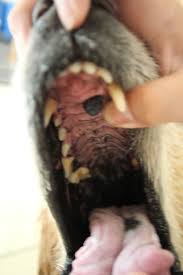
In recent years, the incidence of melanoma in dogs, particularly in pigmented breeds, has been on the rise, leading to an increased interest in diverse treatment methods, including Traditional Chinese Veterinary Medicine (TCVM). This article explores the integration of Chinese herbs in treating canine melanoma, a step towards holistic pet healthcare.
The Prevalence of Canine Melanoma
Canine melanoma is a common cancer, primarily affecting the skin, oral cavity, and other areas. Despite advanced treatments like surgery and chemotherapy, there’s a growing interest in complementary therapies, including TCVM, which has been used for centuries in human medicine and is gaining traction in veterinary care.
Chinese Herbal Medicine: An Overview
Chinese herbal medicine utilizes natural plants and herbs, focusing on restoring balance in the body. In the context of canine melanoma, these herbs are believed to support the immune system, inhibit tumor growth, and alleviate symptoms associated with conventional cancer treatments.
Potential Herbal Remedies for Canine Melanoma
- Yunnan Baiyao: Known for its wound-healing and hemostatic properties, potentially beneficial in reducing bleeding in tumors.
- Astragalus (Huang Qi): Boosts the immune system and may enhance the efficacy of chemotherapy.
- Scutellaria baicalensis (Huang Qin): Contains anti-inflammatory and anti-tumor properties, which might be beneficial in cancer care.
Integrating Chinese Herbs with Conventional Treatments
The combination of Chinese herbs and conventional treatments such as surgery, chemotherapy, or radiation can provide a more holistic approach. It’s crucial to consult with a veterinarian experienced in both Western and TCVM for a tailored treatment plan.
The integration of Traditional Chinese Herbal Medicine in treating canine melanoma represents a promising area in veterinary medicine, offering a complementary approach to enhance pet health and wellbeing.

by TCMVET | Mar 2, 2024 | Dog Cancer & Tumors
“Nature’s Healing: Traditional Chinese Herbs as a Complementary Therapy for Canine Cancer” delves into the realm where ancient practices meet modern veterinary science. This comprehensive article explores how traditional Chinese herbs are being used as complementary treatments in canine cancer, offering a holistic approach to pet healthcare.
Understanding Canine Cancer
Canine cancer, a leading cause of death in dogs, presents in various forms like lymphoma, mast cell tumors, and osteosarcoma. While modern medicine has advanced in treating these cancers, the search for less invasive and more holistic approaches remains paramount.
The Role of Traditional Chinese Medicine (TCM)
TCM, a millennia-old medical practice, uses natural herbs and holistic techniques to treat illnesses. Unlike Western medicine, which often focuses on directly combating diseases, TCM aims to restore the body’s balance and strengthen its natural defense mechanisms.
TCM Herbs in Canine Cancer Treatment
The use of TCM herbs in canine cancer treatment is based on the concept of addressing the underlying imbalances leading to the disease. The article will detail commonly used herbs like:
- Huang Qi (Astragalus): Known to boost the immune system.
- Yunnan Baiyao: Traditionally used to control bleeding and enhance wound healing.
- Dang Gui (Angelica Sinensis): Improves circulation and works as an anti-inflammatory agent.
Integration with Conventional Cancer Therapies
A key focus of the article is the integration of TCM herbs with conventional cancer treatments such as chemotherapy and radiation. This integrative approach can potentially minimize side effects, improve the quality of life, and enhance the overall efficacy of treatment.
Scientific Backing and Veterinary Perspectives
The article examines the scientific research supporting the use of TCM in treating canine cancer, alongside insights from veterinary oncologists who have adopted this approach. It discusses clinical trials and studies that validate the effectiveness of specific herbs.
Case Studies and Success Stories
Real-life case studies and success stories from pet owners and veterinarians will be featured, providing a personal and practical perspective on the use of TCM in canine cancer treatment.
A Guide for Pet Owners
Practical advice for pet owners considering TCM herbs for their dogs will be included. The article emphasizes the importance of consulting with a veterinary professional experienced in both TCM and conventional oncology.
“Nature’s Healing: Traditional Chinese Herbs as a Complementary Therapy for Canine Cancer” aims to enlighten pet owners about the benefits of integrating traditional herbal remedies with modern cancer treatments, offering a more compassionate approach to managing canine cancer.

by TCMVET | Mar 2, 2024 | Dog Cancer & Tumors
The article “Paws and Plants: Exploring Herbal Remedies for Canine Cancer” delves into the increasingly recognized role of herbal medicine in the treatment of cancer in dogs. As pet owners seek gentler, yet effective alternatives to conventional treatments, the world of natural remedies offers promising possibilities.
The Prevalence of Cancer in Dogs
Cancer is a leading cause of death in dogs, particularly in older pets. The disease’s complexity and the variety of forms it takes – from lymphomas to skin cancers – pose significant challenges in treatment.
The Rise of Herbal Medicine in Veterinary Care
Herbal medicine has been gaining traction in the veterinary field as a complementary approach to traditional cancer therapies. This shift is driven by the desire to minimize side effects and improve the quality of life for canine patients during treatment.
Understanding Herbal Remedies
Herbal remedies involve the use of plants and plant extracts to promote health and treat illness. Unlike pharmaceuticals, these remedies work in harmony with the body’s natural processes. They are known for their holistic approach, treating the whole organism rather than just the symptoms of a disease.
Key Herbs Used in Canine Cancer Treatment
- Turmeric (Curcumin): Renowned for its anti-inflammatory and anti-cancer properties.
- Milk Thistle: Supports liver health, crucial when dogs undergo chemotherapy.
- Astragalus: Known to boost the immune system, enhancing the body’s natural defense against cancer cells.
- Hemp Oil/CBD: Gaining popularity for its pain relief and anti-cancer effects.
The Science Behind Herbal Treatments
The article will explore scientific studies and clinical trials that back the efficacy of these herbs in combating canine cancer. It will address how these natural compounds interact with cancer cells and the immune system.
Integrating Herbal Remedies with Conventional Treatments
A significant focus will be on how herbal remedies can be used alongside conventional cancer treatments. This includes understanding the importance of dosage, timing, and interactions with other medications.
Veterinary Insights and Case Studies
Expert opinions from veterinary oncologists and case studies from pet owners who have turned to herbal remedies will be featured. These real-world examples provide insight into the practical application and effectiveness of herbal treatments in managing canine cancer.
Guiding Pet Owners
The article will offer guidance to pet owners considering herbal remedies for their pets. It will stress the importance of consulting with a veterinarian before starting any new treatment and choosing quality, tested products.
“Paws and Plants: Exploring Herbal Remedies for Canine Cancer” aims to educate and empower pet owners by highlighting the potential of herbal treatments in the fight against canine cancer. It underscores the importance of an integrated approach to pet health, combining the best of traditional and modern therapies.
