
by TCMVET | Oct 10, 2025 | Medicines & Therapies
For centuries, traditional Chinese medicine (TCM) has been regarded as a healing system designed for humans — a tapestry of herbs, energy balance, and holistic philosophy. Yet as veterinary science advances, a fascinating transformation is taking place: the shift from “human medicine” to “pet medicine.” Researchers and veterinarians are now exploring how the ancient wisdom of herbal medicine can safely and effectively support animals battling cancer.
🌿 1. Shared Biology, Shared Healing
The concept of “Heaven and Human as One,” a core idea in TCM, emphasizes the interconnectedness of all living beings. Modern biology echoes this principle — many physiological systems in dogs and cats closely resemble those of humans.
This similarity has opened the door for translational research: if certain herbs can modulate human immunity, reduce inflammation, or inhibit abnormal cell growth, could they also help companion animals?
Early studies and clinical observations suggest yes, but with an important caveat — dosage, metabolism, and toxicity vary greatly across species. For example, an herb like Huang Qi (Astragalus membranaceus) that boosts human immunity might also enhance a dog’s resistance to tumor-related fatigue, but at a carefully adjusted dose.
🧬 2. The Science of Transformation: From Herbal Tradition to Veterinary Application
Turning human herbal formulas into safe “pet medicine” isn’t as simple as shrinking the dose.
It requires a multidisciplinary process that merges pharmacognosy, veterinary toxicology, and molecular oncology.
Researchers must identify:
- Which bioactive compounds affect tumor cells or the immune system.
- How these compounds are absorbed, distributed, and excreted by animals.
- Whether they interact with conventional cancer drugs (like chemotherapy or steroids).
Recent progress has focused on herbs such as Ganoderma (Lingzhi), Curcuma (Turmeric), and Oldenlandia diffusa (Bai Hua She She Cao) — all known for their anti-inflammatory and immune-modulating properties. In controlled trials, these herbs have been shown to enhance quality of life, support appetite, and reduce chemotherapy side effects in pets with lymphoma or mammary tumors.
💧 3. Beyond Killing Tumors: The TCM Approach to Harmony
Unlike conventional oncology, which often centers on “destroying the tumor,” TCM’s philosophy aims to restore balance — strengthening the body’s qi (vital energy) and harmonizing internal systems.
For pets, this might mean:
- Supporting liver and kidney function during chemotherapy.
- Improving digestion and reducing stress through herbal tonics.
- Enhancing vitality with adaptogenic herbs like Ginseng or Cordyceps.
Owners who choose integrative care often report that their animals appear more energetic, maintain better appetite, and recover faster after treatment cycles.
⚖️ 4. The Future: Integrative Oncology for Pets
The line between human and animal medicine is blurring. As more data accumulates, we may soon see standardized veterinary herbal formulations that combine ancient botanical wisdom with modern pharmacological precision.
The future of pet oncology could therefore be one of integration, not opposition — where chemotherapy and herbal medicine work hand in hand, and where healing is measured not only by tumor size, but by comfort, spirit, and quality of life.
🌱 Conclusion
The journey from “human medicine” to “pet medicine” reflects more than a scientific shift — it’s a philosophical one.
It acknowledges that health, whether human or animal, is about balance, resilience, and the subtle dialogue between body and nature.
In this evolving landscape, herbal medicine is no longer just a relic of the past — it’s becoming a bridge to a more compassionate and holistic future for veterinary care.

by TCMVET | Aug 27, 2024 | pet Chinese herbal medicine
Traditional Chinese Herbal Medicine (TCM) has long been valued for its holistic approach to health, offering natural remedies that support the body’s healing processes. When it comes to treating feline ear tumors, integrating TCM into conventional veterinary care can provide a more comprehensive approach, addressing both the physical symptoms and the overall well-being of the cat. This article explores how TCM can be effectively used alongside conventional treatments to support cats with ear tumors.
The Role of Traditional Chinese Herbal Medicine in Feline Ear Tumor Treatment
Traditional Chinese Herbal Medicine offers a wide array of herbs that can help manage symptoms, reduce inflammation, and support the immune system in cats with ear tumors. Unlike conventional treatments that focus solely on the tumor itself, TCM looks at the body as a whole, aiming to restore balance and harmony.
Key Herbs in TCM for Treating Feline Ear Tumors
Several Chinese herbs are commonly used in the treatment of feline ear tumors, each with its unique properties:
- Huang Qi (Astragalus): Known for its immune-boosting properties, Huang Qi can help strengthen the body’s natural defenses, making it an excellent supportive treatment for cats undergoing conventional cancer therapies.
- Ban Zhi Lian (Scutellaria barbata): This herb is often used for its anti-inflammatory and anti-cancer properties. It helps to inhibit tumor growth and reduce inflammation, making it beneficial for cats with malignant ear tumors.
- Bai Hua She She Cao (Hedyotis diffusa): Another powerful anti-cancer herb, Bai Hua She She Cao is used to detoxify the body and reduce the size of tumors, providing a natural complement to surgical or radiation treatments.
Combining TCM with Conventional Veterinary Care
Integrating TCM with conventional veterinary treatments, such as surgery, radiation, or chemotherapy, can enhance the effectiveness of the overall treatment plan. TCM can help manage side effects, improve the cat’s quality of life, and potentially reduce the risk of tumor recurrence.
For example, while surgery or radiation may be necessary to remove or shrink a tumor, TCM can help the body recover more quickly, manage pain, and reduce the likelihood of secondary infections. Additionally, TCM’s focus on supporting the immune system can help prevent the spread of cancer to other parts of the body.
The Importance of a Holistic Veterinary Approach
A holistic approach that combines TCM and conventional treatments requires close collaboration between veterinarians and practitioners of Chinese medicine. It’s essential to tailor the treatment plan to each individual cat, taking into account their specific type of tumor, overall health, and response to treatment.
Veterinarians trained in TCM can develop a customized herbal formula that complements the cat’s conventional treatment, ensuring that all aspects of the cat’s health are addressed. This holistic approach can lead to better outcomes, improved quality of life, and a more comprehensive management of feline ear tumors.
Integrating Traditional Chinese Herbal Medicine into the treatment of feline ear tumors provides a holistic approach that can enhance conventional veterinary care. By supporting the body’s natural healing processes and addressing the overall well-being of the cat, TCM can play a vital role in managing both benign and malignant ear tumors. Pet owners interested in exploring this integrative approach should consult with a veterinarian experienced in TCM to develop a tailored treatment plan that meets their cat’s unique needs.
by TCMVET | Mar 25, 2024 | Dog Cancer & Tumors
In the realm of pet care, few things are as distressing as witnessing our beloved companions battle against illness, especially when it comes to formidable foes like tumors. Yet, amidst such challenges, there shines a beacon of hope: TCMVET Baituxiao.
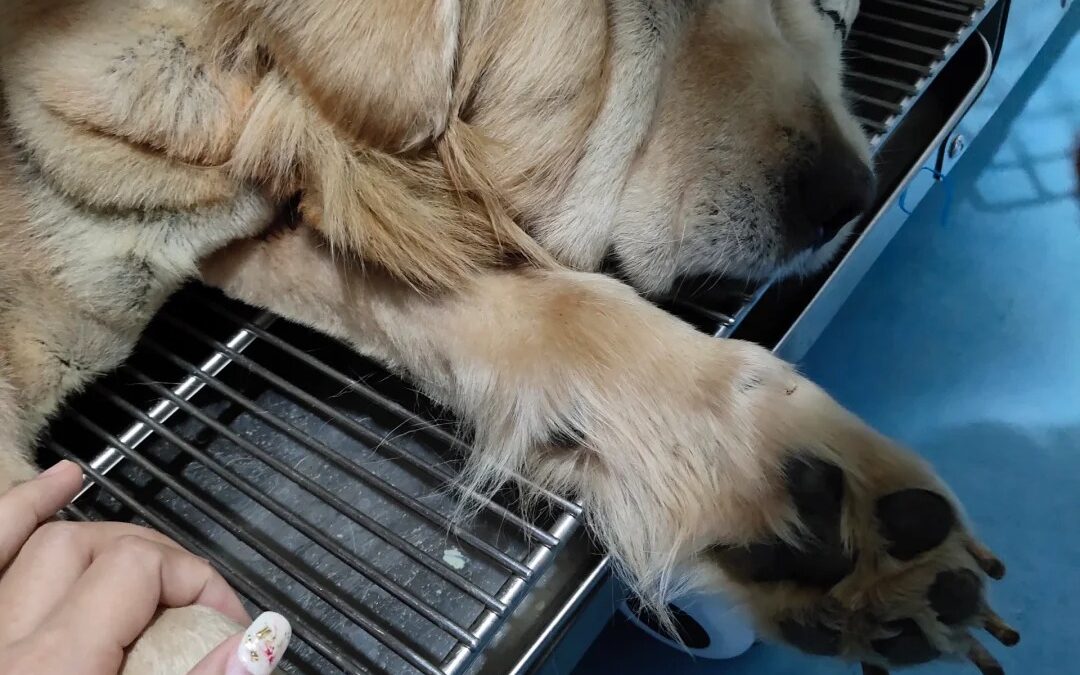
A Story of Struggle and Hope Imagine the plight of a helpless dog, writhing in pain, collapsing under the weight of a massive tumor, and crying out in desperate agony. This poignant image encapsulates the harsh reality faced by many pets and their owners. However, within this darkness lies a glimmer of hope – the potential for relief and healing through the innovative approach of TCMVET Baituxiao.
Understanding TCMVET Baituxiao: A Holistic Solution TCMVET Baituxiao represents a paradigm shift in pet healthcare, drawing upon the rich heritage of Traditional Chinese Medicine (TCM) to offer a holistic solution to various health challenges, including tumors. At its core, Baituxiao aims to restore balance and harmony within the body, bolstering the immune system, reducing inflammation, and potentially aiding in tumor management.
Case Study: A Compelling Journey of Healing Consider the case of a courageous dog facing a life-threatening tumor. Despite the odds stacked against them, the introduction of TCMVET Baituxiao into their treatment regimen marked a turning point in their journey. With diligent care and the support of Baituxiao’s unique blend of herbal remedies, the dog experienced a remarkable improvement in their condition. Gradually, the once agonizing cries were replaced by signs of comfort and vitality, offering a glimmer of hope to their devoted owner.
The Power of Integration: Complementing Conventional Treatment It’s essential to highlight that TCMVET Baituxiao is not a standalone solution but rather a complementary approach to conventional veterinary care. Before embarking on any new supplement or treatment, consulting with a trusted veterinarian is paramount. By integrating Baituxiao into a comprehensive treatment plan, pet owners can harness the collective benefits of both Eastern and Western medicine, maximizing the potential for their pet’s well-being.
Empowering Pet Owners: A Call to Action In conclusion, the journey of pet care is often fraught with challenges, yet it is also filled with moments of profound resilience and hope. TCMVET Baituxiao stands as a testament to the enduring bond between humans and animals, offering a beacon of healing and relief in the face of adversity. As responsible pet owners, let us embrace this opportunity to explore holistic avenues of care and empower our furry companions to live their best lives.
With TCMVET Baituxiao, the path to healing begins anew, promising a brighter and healthier future for our beloved pets.

by TCMVET | Mar 20, 2024 | pet Chinese herbal medicine
The holistic approach of Traditional Chinese Medicine (TCM) has been a cornerstone in human healthcare for thousands of years. However, its application in veterinary medicine, especially for treating cancer in pets, is gaining traction and offering new hope for pet owners seeking alternative or complementary therapies.
Understanding TCM and Its Philosophy
TCM is rooted in the belief that health is achieved through the balance of the body’s energies. Unlike Western medicine, which often focuses on treating symptoms, TCM aims to address the underlying disharmony in the body, viewing the patient holistically.
Chinese Herbs in Cancer Treatment
- The Role of Herbal Medicine: Chinese herbal remedies are an integral part of TCM. They are not only used for treating symptoms but also for targeting the root causes of illnesses. In the context of cancer, these herbs are believed to help restore balance and boost the body’s natural defenses.
- Common Herbs Used: Several herbs are popular in TCM for their anti-cancer properties. These include Astragalus (Huang Qi), known for boosting immunity; Oldenlandia (Bai Hua She She Cao), recognized for its anti-tumor properties; and Turmeric (Jiang Huang), celebrated for its anti-inflammatory effects.
- Personalized Treatment: One of the key features of TCM is the customization of treatment. A TCM practitioner will formulate a herbal regimen based on the specific needs and condition of each pet, taking into account factors like the type of cancer, stage of disease, and overall health.
Integrating TCM with Conventional Cancer Treatments
Many veterinarians and pet owners are finding value in combining TCM with conventional cancer treatments such as chemotherapy and radiation. This integrative approach can help minimize side effects, improve quality of life, and potentially enhance the effectiveness of standard treatments.
The Scientific Backing
While TCM has been practiced for millennia, scientific research into its effectiveness, especially for cancer treatment, is still in the early stages. However, emerging studies suggest that certain Chinese herbs can inhibit tumor growth and enhance the immune response.
The Future of TCM in Veterinary Oncology
As interest in holistic and integrative veterinary care grows, so does the role of TCM in managing and treating pet cancer. Ongoing research and clinical trials continue to explore the potential benefits and efficacy of Chinese herbal remedies in oncology.
TCM offers a time-honored approach to health and wellness, and its application in veterinary oncology is an exciting development. By harnessing the power of Chinese herbal remedies, pet owners have additional tools in the fight against cancer, blending ancient wisdom with modern veterinary care.

by TCMVET | Mar 3, 2024 | Cat Cancer & Tumors
The intersection of traditional Chinese herbal medicine and modern veterinary care is opening new avenues in treating cat cancer. “Paws and Plants” explores how these ancient herbs can complement conventional therapies, offering a holistic approach to feline health.
Understanding Cat Cancer
Cancer in cats can be as complex and varied as in humans, with types like lymphoma, mammary gland tumors, and skin cancer being prevalent. Recognizing early signs is key to effective treatment and improved outcomes.
The Basis of Chinese Herbal Medicine in Cancer Care
Chinese herbal medicine, rooted in a tradition thousands of years old, focuses on restoring balance within the body. It employs a range of herbs that are believed to possess properties beneficial in fighting cancer and mitigating treatment side effects.
Key Herbs in Feline Cancer Treatment
- Astragalus (Huang Qi): Known to boost the immune system and potentially inhibit tumor growth.
- Dang Gui (Angelica Sinensis): Often used for its nourishing properties, it may help in revitalizing cats undergoing cancer treatment.
- Jin Yin Hua (Honeysuckle): Used for its anti-inflammatory and antiviral properties.
- Ginseng (Ren Shen): A well-known adaptogen, aiding in overall health and vitality.
Integrating Herbal Medicine with Conventional Cancer Treatments
Integrating Chinese herbal medicine with conventional cancer treatments like chemotherapy and radiation therapy can offer a more comprehensive approach. This integration should always be done under the guidance of a veterinarian skilled in both areas.
Research and Studies on Herbal Medicine in Veterinary Oncology
There is a growing body of research that supports the use of Chinese herbal medicine in conjunction with conventional cancer treatments. Studies have shown these herbs can help reduce side effects, improve quality of life, and sometimes enhance the efficacy of conventional treatments.
Case Studies: Success with Integrative Approaches
Anecdotal evidence and case studies have highlighted success stories where integrative approaches have benefited feline patients, leading to better tolerance of conventional treatments and improved overall well-being.
The Future of Herbal Medicine in Cat Cancer Care
As interest in holistic and integrative medicine grows, the role of Chinese herbal medicine in veterinary oncology is poised for expansion. Ongoing research and clinical trials will continue to shape and define its role in cancer care.
“Paws and Plants” underscores the potential of integrating Chinese herbal medicine in cat cancer care. This approach offers a more holistic path to treatment, aiming to enhance the quality of life for our feline companions during their cancer journey.
