by TCMVET | Jan 20, 2025 | Dog Cancer & Tumors
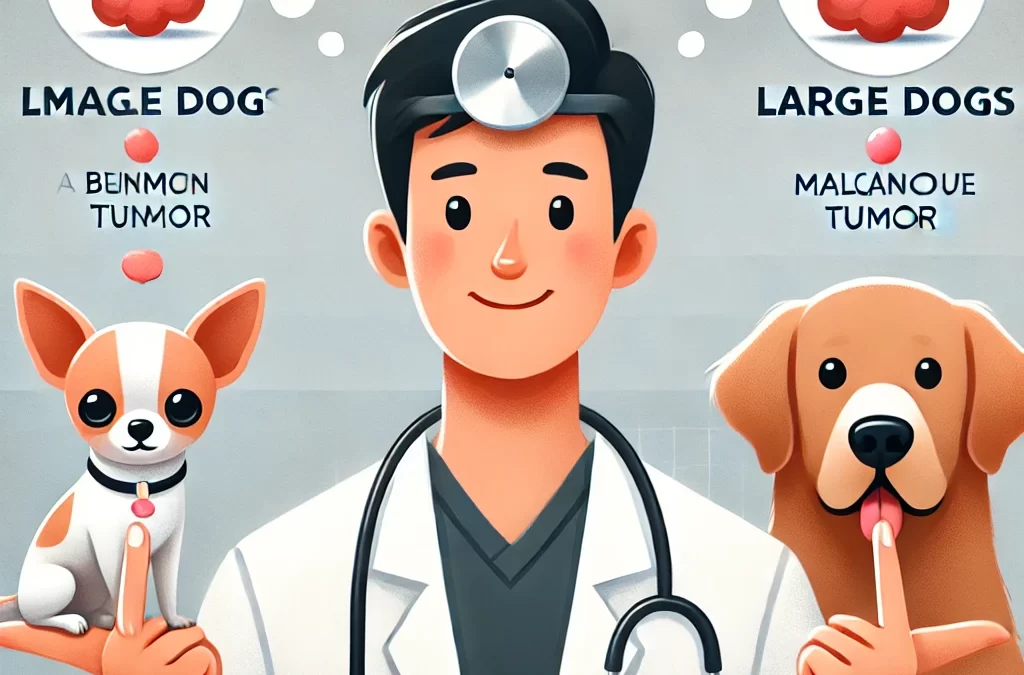
When it comes to cancer and tumor development in dogs, size matters—literally. Small and large breeds have different genetic predispositions, metabolic rates, and immune responses, all of which contribute to variations in how tumors develop, progress, and respond to treatment. If you’re a pet parent concerned about your dog’s health, understanding these differences can help you make informed decisions about prevention, early detection, and treatment.
1. The Genetic Factor: Breed-Specific Tumor Risks
Some cancers are more common in certain breeds, and a dog’s size often plays a role in this predisposition.
- Large Breeds: Dogs like Golden Retrievers, Great Danes, and Rottweilers are more likely to develop osteosarcoma (bone cancer), hemangiosarcoma (blood vessel cancer), and lymphoma. These cancers tend to be aggressive and often metastasize quickly.
- Small Breeds: Breeds like Poodles, Dachshunds, and Chihuahuas are more prone to benign tumors such as lipomas and papillomas, but they can also develop mammary tumors and bladder cancer.
The difference is not just in the type of tumors but also in how these cancers behave and respond to treatment.
2. Tumor Growth Rate and Behavior
Tumor progression varies significantly between small and large dogs due to differences in growth rates and cell metabolism.
- Faster Growth in Large Dogs: Larger breeds grow rapidly as puppies, and this rapid cell division may contribute to a higher risk of developing malignant tumors later in life. Their tumors also tend to be more aggressive.
- Slower Growth in Small Dogs: While tumors in small breeds may develop more slowly, they are still a concern. Benign tumors like lipomas are common but may interfere with mobility if they grow too large. Additionally, small dogs can still develop malignant tumors, such as mast cell tumors, which can spread if left untreated.
3. Life Expectancy and Tumor Onset
Large dogs tend to have shorter lifespans than small dogs, and this impacts tumor development timelines.
- Early-Onset Cancers in Large Dogs: Since large breeds age faster, they are more likely to develop cancer at a younger age—often between 6 to 8 years old. This means owners should begin cancer screenings and preventive care early.
- Later-Onset Tumors in Small Dogs: Small breeds may not show signs of cancer until their senior years (10+ years old), which means long-term monitoring is essential.
Understanding these timelines can help pet owners schedule vet checkups at the right time to catch potential tumors early.
4. Diagnosis and Treatment Challenges
When diagnosing and treating tumors, size plays a role in both detection and the ability to perform procedures.
- Surgical Considerations: Large dogs can better tolerate some surgeries due to their larger body mass, but removing tumors in weight-bearing bones (like with osteosarcoma) can be challenging. Small dogs, on the other hand, may struggle with anesthesia risks, especially if they are very tiny.
- Chemotherapy and Medication Differences: Dosing for chemotherapy is weight-dependent, and larger dogs often require higher drug doses, increasing treatment costs. Small dogs, despite needing lower doses, may experience stronger side effects due to their delicate systems.
5. Prevention and Early Detection Strategies
Regardless of size, early detection is crucial. Here’s what dog owners can do:
- Routine Veterinary Checkups: Regular exams help catch tumors before they grow too large.
- Physical Checks at Home: Running your hands over your dog’s body weekly can help detect unusual lumps.
- Breed-Specific Cancer Screenings: Large breeds should have early X-rays and ultrasounds, while small breeds may benefit from skin and bladder screenings.
- Diet and Lifestyle Adjustments: A balanced diet, regular exercise, and weight management can help support overall health and potentially reduce cancer risks.
Final Thoughts
While tumors affect both small and large dogs, their differences in genetics, tumor behavior, and treatment options mean pet owners need tailored care strategies. Large dogs are more prone to aggressive cancers at younger ages, while small dogs may develop slower-growing tumors later in life. By understanding these distinctions and prioritizing early detection, dog owners can improve their pets’ quality of life and potentially extend their time together.

by TCMVET | Jan 17, 2025 | Dog Cancer & Tumors
Discovering that your dog has a tumor can be distressing, and one of the first questions pet owners ask is, “How long does my dog have?” The answer depends on various factors, including the type of tumor, its location, stage, treatment options, and the dog’s overall health. Understanding these elements can help you make informed decisions and provide the best possible care for your furry companion.
Types of Tumors and Their Impact on Life Expectancy
Not all tumors are life-threatening. Some are benign and may not affect your dog’s lifespan, while others are malignant and can spread aggressively.
1. Benign Tumors
Benign tumors, such as lipomas (fatty tumors) and sebaceous adenomas, typically do not impact a dog’s lifespan unless they interfere with movement or organ function. In many cases, dogs can live a normal life without treatment, though surgical removal may be considered for comfort.
2. Malignant Tumors (Cancerous Tumors)
Malignant tumors pose a more serious risk as they can invade surrounding tissues and metastasize to other organs. Common malignant tumors in dogs include:
- Mast Cell Tumors (MCTs): Can be slow-growing or aggressive. With early removal, many dogs continue to live for years, but advanced cases may significantly shorten lifespan.
- Osteosarcoma (Bone Cancer): Highly aggressive, often requiring amputation and chemotherapy. Without treatment, survival time is typically 3–6 months, but with treatment, some dogs live 1–2 years or longer.
- Lymphoma: One of the most common canine cancers. With chemotherapy, remission can extend a dog’s life by 1–2 years, but without treatment, survival time is usually 1–2 months.
- Hemangiosarcoma: A fast-spreading cancer affecting the spleen, heart, or liver. Prognosis is poor, with survival time of a few weeks to months even with treatment.
- Mammary Tumors: If caught early and surgically removed, many dogs recover well. However, malignant cases that have spread significantly reduce life expectancy.
Key Factors Affecting a Dog’s Survival Time
Several variables influence how long a dog with a tumor may live:
1. Early Detection and Diagnosis
The sooner a tumor is identified, the better the chances of effective treatment. Regular veterinary check-ups and monitoring for lumps, weight loss, or behavioral changes can lead to early intervention, which can greatly extend life expectancy.
2. Tumor Type, Location, and Stage
The size, location, and spread of the tumor determine how much it will impact your dog’s health. Tumors affecting vital organs or the nervous system tend to be more dangerous, while skin tumors or those on limbs may be easier to manage.
3. Treatment Options and Response
Treatment significantly affects survival time. Common options include:
- Surgery: Can completely remove benign tumors and some localized cancers, potentially leading to full recovery.
- Chemotherapy: Often used for cancers like lymphoma. While it may not cure cancer, it can extend a dog’s life and improve quality of life.
- Radiation Therapy: Helps shrink tumors that cannot be surgically removed.
- Holistic and Palliative Care: Natural remedies, dietary changes, and pain management can improve comfort and well-being for dogs in advanced stages.
4. Overall Health and Age
A younger dog with a strong immune system is more likely to respond well to treatment compared to an older dog with other underlying health conditions. Maintaining a healthy lifestyle with a balanced diet and exercise can support better outcomes.
5. Quality of Life Considerations
Beyond survival time, a dog’s quality of life is a crucial factor. Monitoring pain levels, appetite, mobility, and energy levels can help determine the best course of action. In some cases, humane euthanasia may be the kindest option if a dog is suffering.
How to Support a Dog with a Tumor
1. Work Closely with a Veterinarian
Regular check-ups, diagnostic tests, and tailored treatment plans can help maximize your dog’s lifespan and comfort.
2. Provide a Nutrient-Rich Diet
A cancer-friendly diet rich in lean proteins, omega-3 fatty acids, and antioxidants can support the immune system and overall health.
3. Manage Pain and Discomfort
Pain management, whether through medication, acupuncture, or herbal supplements, can greatly improve a dog’s well-being.
4. Monitor Changes in Behavior
Noticing signs like increased lethargy, loss of appetite, or difficulty breathing can help you adjust care strategies in a timely manner.
5. Consider Alternative Therapies
Some pet owners explore Traditional Chinese Medicine, CBD oil, or other holistic treatments to support their dog’s health alongside conventional treatments.
Final Thoughts
A tumor diagnosis in dogs does not necessarily mean the end is near. Many dogs live happily for months or even years with proper care, treatment, and lifestyle adjustments. The key is early detection, appropriate treatment, and maintaining a high quality of life. Every dog is different, and by working closely with a veterinarian, you can make the best decisions to ensure your pet’s remaining time is as comfortable and fulfilling as possible.
Would you like to explore more about specific tumor types, treatment options, or holistic care approaches?

by TCMVET | Oct 30, 2024 | Dog Cancer & Tumors
Cancer remains one of the most common health issues in dogs, affecting all breeds and crossbreeds. However, studies show that certain purebred dogs have a heightened susceptibility to specific cancers, suggesting that genetics may play a significant role in cancer risk. This article explores the connection between breed-specific genetic factors and cancer types in dogs, focusing on recent advances in genetic research that offer new insights into the causes of cancer and potential future treatments.
The Role of Genetics in Cancer Susceptibility in Purebred Dogs
Purebred dogs are often at greater risk for specific cancers due to the limited genetic diversity within their breed lines. Selective breeding over generations has led to unique genetic patterns within each breed, some of which may carry cancer predisposition genes. Unlike the broad genetic diversity in humans, these narrowed gene pools in purebred dogs make genetic research more manageable, allowing for targeted studies on smaller populations.
Common Cancer Types and Breeds at Risk
- Histiocytic Sarcoma
Predominantly seen in breeds like Bernese Mountain Dogs and Flat-Coated Retrievers, histiocytic sarcoma is an aggressive cancer affecting immune cells. Genetic studies on these breeds have uncovered possible genetic links, aiding in early diagnosis and future research.
- Osteosarcoma
Large and giant breeds, such as Great Danes, Greyhounds, and Rottweilers, are more susceptible to osteosarcoma, a painful bone cancer. Genetic analysis has identified potential markers that may predict osteosarcoma risk, contributing to early detection and improved treatment approaches.
- Hemangiosarcoma
Known to impact Golden Retrievers, German Shepherds, and Labradors, hemangiosarcoma is a fast-growing cancer that originates in blood vessel walls. Genome-wide association studies (GWAS) are beginning to reveal genetic traits associated with hemangiosarcoma, providing a clearer picture of its hereditary basis.
- Mast Cell Tumors
Mast cell tumors affect breeds like Boxers, Bulldogs, and Boston Terriers. Genetic research suggests that certain DNA mutations in these breeds may predispose them to this cancer, offering new avenues for understanding mast cell tumor development.
- Lymphoma
Breeds like Boxers and Labrador Retrievers have an increased risk for lymphoma. Recent molecular genetic studies are highlighting specific genes linked to lymphoma in these dogs, supporting the creation of preventive and diagnostic tools.
- Melanoma
Melanoma, commonly seen in breeds such as Schnauzers and Scottish Terriers, affects skin pigmentation cells. Cytogenetic studies have identified genetic alterations in these breeds, which may help predict melanoma occurrence and progression.
- Mammary Tumors
Smaller breeds, including Poodles and Cocker Spaniels, are at higher risk for mammary tumors. Genetic mapping has shown that specific gene variations may increase susceptibility to these tumors, paving the way for improved screening.
Recent Advances: Genome-Wide Association Studies in Dogs
Recent technological advancements have allowed researchers to perform genome-wide association studies (GWAS) on canine breeds, identifying cancer-related genetic markers with precision. These studies pinpoint genetic variations associated with specific cancers, making early diagnosis, preventive measures, and tailored treatments possible. By understanding the underlying genetic components, veterinarians and breeders can make informed decisions to mitigate cancer risks in predisposed breeds.
Implications for Veterinary Oncology and Canine Health
As breed-specific genetic research advances, pet owners and veterinarians will have greater resources for understanding and managing cancer risks in dogs. Knowledge of a dog’s genetic predisposition can lead to early screening, preventive measures, and prompt intervention, ultimately improving the quality of life for at-risk breeds. This research also strengthens the role of dogs as valuable models in comparative oncology, contributing to both canine and human cancer treatment advancements.
Harnessing Genetic Insights for Cancer Prevention in Dogs
The genetic predisposition to cancer in certain dog breeds emphasizes the importance of genetic studies in veterinary oncology. With ongoing genetic discoveries, dog breeds at higher risk for specific cancers can benefit from more personalized healthcare strategies. This research not only improves canine health but also enhances our understanding of cancer genetics across species.

by TCMVET | Oct 30, 2024 | Dog Cancer & Tumors
Hematologic cancers, those impacting blood, bone marrow, and lymphatic systems, are a concerning but common diagnosis in dogs. From lymphomas to mast cell tumors and leukemias, these cancers vary widely in symptoms, progression, and treatment approaches. Understanding the basics can help pet owners recognize signs early, make informed decisions on care, and contribute to improving canine cancer research.
Types of Hematologic Cancer in Dogs and Their Signs
- Lymphoma
One of the most prevalent cancers in dogs, lymphoma, primarily affects lymphoid tissues, including lymph nodes, spleen, and bone marrow. Signs may include swollen lymph nodes, tiredness, and weight loss. Its spread to multiple organs can complicate treatment and often requires a multi-faceted approach.
- Leukemia
Leukemia in dogs affects white blood cells, leading to symptoms like pale gums, lethargy, and possibly fever. There are two main types: chronic, which progresses slowly, and acute, a faster-moving variant. Leukemia often requires quick diagnosis and treatment.
- Mast Cell Tumors
Mast cell tumors are commonly found in the skin but may also affect internal organs. They can appear as lumps under the skin, sometimes causing itchiness or swelling. High-grade mast cell tumors can spread aggressively, which makes early treatment vital.
- Histiocytic Cancer
Histiocytic cancer can arise in the skin or internal organs like the liver and spleen. These aggressive cancers may cause symptoms such as labored breathing, fatigue, and loss of appetite. Prompt diagnosis is essential as this type tends to progress quickly.
Treatment Options for Canine Hematologic Cancers
Veterinary oncologists consider several treatment approaches based on the cancer type, location, and grade. Here are common options:
- Observation and Regular Check-ups
In early stages or slow-growing cases, active monitoring may be advised. Vets may perform regular check-ups to track progression and decide if or when to initiate treatment.
- Chemotherapy
Chemotherapy is a mainstay treatment for lymphomas and leukemias, often administered over several sessions to slow the cancer’s spread. While side effects can occur, many dogs handle chemotherapy well, maintaining quality of life during treatment.
- Surgical Intervention
Surgery may be an option for localized tumors, such as specific types of mast cell or histiocytic cancers. When feasible, surgery can remove the tumor mass, which may reduce symptoms or slow disease progression.
- Radiation Therapy
Radiation is often used alongside chemotherapy or surgery for certain cancers, particularly mast cell tumors. It targets cancer cells in specific areas, reducing tumor size and alleviating symptoms.
The Role of Comparative Oncology in Advancing Cancer Treatment
Comparative oncology, a research field that studies cancer similarities in animals and humans, is contributing significantly to advancements in cancer treatment. Dogs naturally develop cancers that share genetic and biological characteristics with human cancers, providing valuable models for testing treatments and gaining insights. This approach not only aids canine health but also accelerates breakthroughs for human oncology.
Understanding the symptoms and treatment options for hematologic cancers in dogs empowers pet owners to act early and make informed decisions. Additionally, the field of comparative oncology highlights the importance of cancer research in dogs, offering hope for improved therapies and outcomes. For those caring for pets with cancer, staying educated on symptoms and treatment advancements remains key to providing the best possible care.

by TCMVET | Oct 25, 2024 | Dog Cancer & Tumors
When a dog is diagnosed with lymphoma, it can be challenging for pet owners to find ways to support their furry friend’s health and well-being. Gentle, moderate exercise, however, can be a valuable part of managing your dog’s physical and mental health. With a few adjustments, a consistent exercise routine can help keep your dog’s body strong and their spirits lifted.
Benefits of Gentle Exercise for Dogs with Lymphoma
- Improves Circulation
Moderate exercise helps improve blood circulation, which is essential for oxygen and nutrient distribution throughout the body. Good circulation also helps manage swelling, a common issue for dogs with cancer.
- Maintains Strength and Mobility
Aging and illness can weaken muscles, but light activities like leisurely walks allow dogs to maintain strength and flexibility. This support helps them remain more active, even as they face health challenges.
- Boosts Immune Health
Exercise helps regulate the immune system, supporting your dog’s ability to fight infections. Even gentle physical activity can stimulate immune responses, aiding in their overall health.
- Enhances Mood and Reduces Stress
Dogs with cancer often experience mood changes or stress, which can affect their quality of life. Regular time outdoors, especially in calming settings, can improve their mood and help them feel more relaxed.
Types of Suitable Exercise
- Slow Walks in Natural Settings
A slow, peaceful walk is one of the best ways to exercise dogs with lymphoma. Choose quiet, natural settings such as parks or grassy fields where your dog can feel relaxed and less overstimulated.
- Brief Playtime at Home
Sometimes, all a dog needs is a short play session with their favorite toys. This activity can be done indoors, where you can control the intensity, and provides mental stimulation without overexertion.
Observing Your Dog’s Limits
It’s crucial to keep an eye on your dog’s responses during exercise. Watch for any signs of fatigue, rapid breathing, or restlessness, which may indicate that it’s time for a break. Every dog has different needs, so tailor the amount and type of exercise to fit your dog’s individual condition.
Consult with Your Veterinarian
Before beginning or adjusting any exercise routine, consult your veterinarian. They can provide specific advice tailored to your dog’s health status and help you create a balanced approach to fitness that considers their energy levels and physical needs.
Gentle exercise can be incredibly beneficial for dogs with lymphoma, supporting circulation, strength, immune health, and overall mood. By carefully choosing appropriate activities and monitoring their responses, you can help your dog maintain a healthy and positive lifestyle while navigating their health journey.
