
Natural Remedies for Canine Anxiety: Beyond Medication

Natural Remedies for Canine Anxiety: Beyond Medication

Just like humans, dogs can experience anxiety. Their sensitivity to environmental changes and their mood can fluctuate with these changes. While dogs have their own coping mechanisms, there are times when they struggle to adapt to urban life, leading to heightened stress levels. In such cases, veterinarians often prescribe medication to help them combat anxiety. However, there are natural remedies that can be explored alongside medication.

Section 1: Aromatherapy

Aromatherapy has been used for centuries, and certain aromas can have a calming effect on dogs, similar to their impact on humans. It’s essential to choose mild scents, as dogs have a heightened sense of smell, and strong fragrances might make them uncomfortable.

Section 2: Herbal Remedies

Many herbs have calming properties, such as chamomile, which not only soothes the mind but also helps with digestive issues. However, it’s crucial to remember that not all herbs that are safe for humans are safe for dogs. Always consult with a veterinarian before introducing any herbal remedies.

Section 3: Massage Therapy

Massage therapy is an excellent way to relieve stress in dogs. Massages can alleviate muscle and joint discomfort, simultaneously relaxing the dog’s emotions. Additionally, it serves as a means of bonding and physical contact between the owner and the dog, contributing to anxiety reduction.

Section 4: Exercise

Regular exercise plays a significant role in reducing anxiety in dogs. Physical activity prompts the release of endorphins, also known as “feel-good” hormones. Engaging in activities such as running, playing fetch, or even a long walk can contribute to a dog’s happiness and overall well-being.

Section 5: Training

One of the common causes of anxiety in dogs is separation from their owners for extended periods. In such cases, behavioral training can help alleviate separation anxiety. Consultation with a professional dog trainer can result in a tailored plan to help the dog adjust to being alone.

Conclusion: While the natural remedies discussed above can complement medication, they should be considered as supplemental treatments. For severe anxiety cases, medication might be necessary as prescribed by a veterinarian. Nevertheless, these natural approaches can aid in stress reduction and contribute to a happier and healthier life for dogs. It’s essential for dog owners to pay attention to their pet’s behavior, promptly identify any issues, and seek appropriate solutions. After all, most dogs experience anxiety to some extent, and addressing it promptly can lead to a more content and relaxed furry friend.
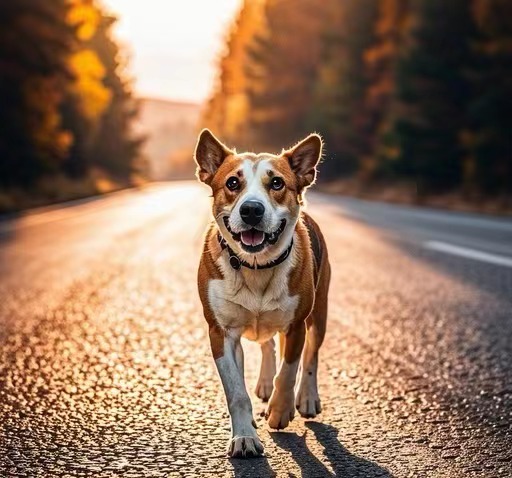
Revolutionizing Canine Care: Natural Treatments for Dog Lipomas Unveiled

Revolutionizing Canine Care: Natural Treatments for Dog Lipomas Unveiled

In the world of canine health, the occurrence of lipomas, often referred to as fatty tumors, is a common concern among dog owners. These benign tumors, though typically harmless, can cause discomfort and concern. This article delves into the realm of natural treatments for dog lipomas, offering a refreshing and holistic approach to managing your furry friend’s health.

Understanding Lipomas in Dogs

Lipomas are soft, fatty growths under the skin, commonly found in middle-aged and older dogs. While they are non-cancerous, their presence can sometimes be unsettling. The exact cause of lipomas is not well understood, but factors like genetics, diet, and lifestyle seem to play a role.

The Rise of Natural Treatment Options

  1. Improved Diet: A key element in treating lipomas naturally is diet modification. Feeding your dog a balanced diet rich in lean proteins, healthy fats, and fresh vegetables can help manage the size and growth of lipomas. It’s also crucial to avoid high-fat and processed foods.
  2. Herbal Remedies: Certain herbs are known for their beneficial properties in reducing fatty growths. Herbs such as turmeric, which contains an active compound called curcumin, have been noted for their anti-inflammatory properties. Integrating these into your dog’s diet can be beneficial, but it’s important to consult with a veterinarian first.
  3. Regular Exercise: Maintaining a healthy weight through regular exercise is essential in managing lipomas. Overweight dogs tend to be more prone to developing these fatty tumors, so a consistent exercise regimen is beneficial.
  4. Massage Therapy: Some pet owners have found success in reducing the size of lipomas through regular massage, which can improve blood flow and aid in the breakdown of the fatty tissue.
  5. Detoxification: Incorporating detoxification methods, like special diets or herbal cleanses, can help reduce the buildup of toxins that may contribute to the development of lipomas.

Seeking Professional Guidance

While exploring natural treatments for dog lipomas, it’s vital to consult with a veterinarian. They can provide tailored advice and ensure that any natural remedies used are safe and effective for your pet.

Conclusion

Natural treatments for dog lipomas offer a gentler, yet effective approach to managing these common growths. Embracing a holistic care routine not only addresses lipomas but also contributes to your dog’s overall well-being, ensuring a happy and healthy life for your beloved pet.

Green yin-yang logo with TCMVET
Privacy Overview

This website uses cookies so that we can provide you with the best user experience possible. Cookie information is stored in your browser and performs functions such as recognising you when you return to our website and helping our team to understand which sections of the website you find most interesting and useful.