by TCMVET | Dec 4, 2025 | Dog Cancer & Tumors
Dog cancer statistics can feel overwhelming for any pet parent, yet understanding the numbers is often the first step toward making informed, compassionate decisions. By examining trends within canine oncology and broader pet health, we can better appreciate the risk factors, the value of early detection, and the supportive options that keep dogs comfortable through every stage of life. This guide breaks down the data, unpacks what veterinarians watch for, and offers practical advice on maintaining a wellness-focused home environment for your furry companion.
—
Why Dog Cancer Statistics Matter to Pet Families
Looking at the data behind canine oncology may seem clinical, but each number represents real dogs and the families who love them. Estimates suggest that one in three dogs will encounter some form of cancer during their lifetime, with the likelihood increasing as they age. Large breeds, dogs spayed or neutered later in life, and certain purebred lines can experience higher risks for specific cancers, though any dog can be affected.
These statistics serve three main purposes:
– Guiding veterinary research. Data helps specialists decide which cancer types require more focused studies or new diagnostic tools.
– Supporting early detection efforts. When owners understand risk categories, they can schedule exams tailored to their dog’s profile.
– Encouraging lifestyle awareness. Seeing how environmental and genetic factors impact cancer rates motivates families to adjust daily habits that contribute to overall pet health.
—
Breaking Down the Major Types of Canine Cancer
Different cancers behave uniquely, making it important to distinguish the most common varieties tracked in canine oncology.
Lymphoma
– Accounts for up to 20% of canine cancers diagnosed annually.
– Frequently appears in middle-aged to older dogs.
– Typically manifests as swollen lymph nodes, though early symptoms can be subtle.
Mast Cell Tumors
– Often present as skin lumps.
– Some breeds—including Boxers, Boston Terriers, and Bulldogs—are more susceptible.
– Range from low-grade lumps to more aggressive forms, emphasizing the need for quick evaluation.
Osteosarcoma
– A bone cancer most prevalent in large and giant breeds.
– Commonly affects limbs, leading to lameness and discomfort.
Hemangiosarcoma
– Begins in blood vessel cells, frequently arising in the spleen, liver, or heart.
– Known for developing silently, making regular wellness checks important.
Transitional Cell Carcinoma
– Impacts the urinary tract, especially the bladder.
– Symptoms include straining or frequent urination, which can resemble urinary infections.
Understanding these categories helps owners recognize the symptoms that warrant prompt veterinary attention, leading to timely diagnostics and supportive care.
—
Trends Revealed by Dog Cancer Statistics
Breed and Size Influences
– Large breeds such as Great Danes, Saint Bernards, and Rottweilers show higher incidence for bone-related cancers.
– Golden Retrievers and Labradors are often noted in canine oncology studies for increased risk of lymphoma and mast cell tumors.
– Mixed breeds typically have diverse genetics, potentially lowering the probability of inherited cancers, though they are not immune.
Age-Related Patterns
– Dogs over seven years old face a notably higher risk of cancer, mirroring human aging trends.
– Early spay/neuter decisions may influence cancer likelihood, but findings vary with cancer type, highlighting the need for personalized veterinary guidance.
Environmental Factors
– Exposure to secondhand smoke, lawn chemicals, and certain household pollutants has been linked to elevated cancer rates.
– Urban living may slightly increase risk compared to rural environments due to pollution, though research continues to clarify specific influences.
Diagnostic Innovations
– Advances in digital imaging and molecular testing have improved early detection rates, increasing the number of cancers identified at a manageable stage.
– Liquid biopsy tests are emerging, allowing vets to detect cancer markers in blood samples, though availability varies by region.
—
How Veterinarians Use Statistics in Canine Oncology
Veterinary oncologists rely on data to refine decision-making throughout the care journey.
1. Baseline Risk Assessment
Statistical models help determine which diagnostic tests are most appropriate when a dog first shows potential warning signs.
2. Outcome Predictions
Survival data allows vets to set realistic expectations and outline supportive options that align with a family’s goals.
3. Clinical Trials
Robust statistics attract funding for new therapies or supportive treatments, ensuring advances continue across the veterinary field.
4. Education for Owners
Sharing risk probabilities with owners empowers them to observe subtle behavioral changes and seek advice sooner.
—
Focus Keyword Section: Dog Cancer Statistics in Everyday Context
Dog Cancer Statistics and Daily Pet Health Choices
Incorporating dog cancer statistics into routine decision-making does not require constant worry; instead, it encourages practical habits that benefit all areas of pet health:
– Scheduled Checkups: Annual exams for younger dogs and twice-yearly visits for senior pets allow vets to notice changes early.
– Baseline Lab Work: Blood tests, urinalysis, and imaging create benchmarks that make future shifts easier to spot.
– Symptom Journaling: Keeping a simple log of appetite shifts, energy levels, or new lumps ensures you can describe issues clearly to your vet.
– Home Environment Adjustments: Limiting chemical exposure and providing clean air through proper ventilation supports overall wellness.
– Weight Management: Maintaining a healthy weight reduces strain on the body, potentially lowering inflammation and supporting immune function.
These steps may seem small, yet accumulated over time they create a proactive framework inspired by what statistics teach us about risk.
—
Reading the Numbers with Context
Statistics require careful interpretation to avoid unnecessary anxiety:
– Population Size Matters: A study involving thousands of dogs offers more reliable insights than one featuring only a few dozen.
– Breed-Specific Data: Numbers should be filtered through your dog’s breed, age, and medical history. Broad averages may not reflect individual realities.
– Correlation vs. Causation: Seeing two factors appear together—like urban living and certain cancers—does not always mean one causes the other.
– Continual Updates: Scientific understanding evolves. What was considered rare a decade ago may now be more prevalent due to improved detection.
By viewing data through these lenses, pet owners can extract practical lessons without feeling overwhelmed.
—
Supporting Your Dog Through the Oncology Journey
Communication with the Veterinary Team
– Prepare questions before appointments; consider bringing a notebook or recording device (with permission) to review details later.
– Ask about the goals of each recommended test—understanding why a vet suggests imaging or biopsies can ease uncertainty.
– Request clear explanations of pathology reports, including what the findings mean for monitoring or supportive care.
Emotional Considerations
– Involve all family members, including children, in age-appropriate discussions about a pet’s condition.
– Seek support from pet loss counselors or online communities specializing in canine oncology experiences.
– Focus on quality time and favorite activities; many dogs maintain excellent spirits when surrounded by familiar comforts.
Practical Home Adjustments
– Ensure easy access to food, water, and resting spots, especially for dogs with mobility challenges.
– Provide non-slip rugs, orthopedic beds, and gentle grooming routines to minimize stress.
– Schedule exercise in short, manageable sessions, paying attention to signs of fatigue.
—
Natural Wellness Perspectives Without Medical Claims
While dog cancer statistics and veterinary treatments form the backbone of care, it’s equally valuable to nurture natural wellness habits that complement professional guidance:
– Balanced Nutrition: Work with your veterinarian to choose nutrient-rich foods that suit your dog’s age and condition. Fresh vegetables, lean proteins, and omega-rich fats often support overall vitality.
– Mental Enrichment: Puzzle toys, scent games, and gentle training sessions offer mental stimulation, which can enhance mood and reduce stress.
– Gentle Movement: Light walks, swimming (if approved), and stretching exercises help maintain muscle tone and joint comfort.
– Calm Environments: Soft music, aromatherapy diffusers with pet-safe essential oils, and quiet spaces help dogs relax, especially after vet visits.
– Human-Animal Bonding: Daily affection and consistent routines reinforce a dog’s sense of security, beneficial for emotional well-being.
These practices nurture the whole dog—body, mind, and spirit—without claiming to treat disease, aligning with evidence-based, holistic pet health philosophies.
—
Frequently Asked Questions
Are certain cancers more common in male or female dogs?
Some trends exist, such as mammary tumors being more prevalent in females and testicular tumors in intact males. However, many cancers, including lymphoma and hemangiosarcoma, affect both sexes at similar rates. Discussing your dog’s reproductive history with a vet helps refine risk assessments.
How often should senior dogs be screened?
Most veterinarians advise wellness exams at least twice per year for dogs over seven. Depending on health history, vets may recommend routine blood panels, abdominal ultrasounds, or chest radiographs to catch issues earlier.
What signs should I watch for at home?
Lumps, unexplained weight loss, decreased appetite, persistent coughing, difficulty breathing, and changes in bathroom habits all warrant veterinary consultation. Statistics reveal that many cancers exhibit subtle early signs, so noticing small changes can be meaningful.
Can lifestyle changes really make a difference?
While no lifestyle adjustment can guarantee cancer prevention, adopting healthier routines—balanced diet, moderated exposure to pollutants, regular exercise—supports immune function and overall resilience. These efforts complement veterinary care and may improve quality of life.
—
Integrating Data with Compassionate Pet Care
Numbers alone cannot capture the unique bond shared with each dog, yet they offer a roadmap for responsible choices. By embracing the insights from dog cancer statistics and staying engaged with the latest developments in canine oncology, pet owners can feel better prepared for whatever lies ahead. Combine this knowledge with proactive vet visits, thoughtful home care, and a focus on natural wellness to provide a life filled with comfort, dignity, and joyful moments.
Remember: you know your dog best. Trust your observations, lean on professional guidance, and take comfort in the growing community of pet owners committed to informed, compassionate care.
by TCMVET | Dec 4, 2025 | Dog Cancer & Tumors
Dog cancer is a topic no pet owner wants to face, yet understanding the basics can make an enormous difference when navigating a diagnosis. From identifying signs of canine tumors to learning about the role of pet oncology specialists, informed decisions help families feel more prepared and proactive. This guide breaks down complex ideas into accessible information, offering support and insights to help you advocate for your dog with confidence.
Understanding Dog Cancer and Canine Tumors
Dog cancer refers to the uncontrolled growth of cells in a dog’s body, forming tumors that may be either benign (non-spreading) or malignant (spreading). While not all tumors are lethal, even a benign mass can affect your dog’s comfort and health, depending on its location and growth rate.
What Are Canine Tumors?
Canine tumors are lumps or growths that emerge from abnormal cell development. They can appear anywhere: under the skin, in organs, bones, or glands. Tumors are broadly categorized into two types:
– Benign tumors: These generally stay localized and grow slowly, often removable depending on location.
– Malignant tumors: These have the potential to spread (metastasize) to other areas, requiring a more comprehensive approach.
Understanding the nature of a tumor requires veterinary evaluation. A specialized test called a biopsy can identify cell types, informing the next steps in your dog’s care plan.
Common Types of Tumors in Dogs
Some of the most commonly diagnosed canine tumors include:
– Lipomas: Typically benign fatty tumors most common in middle-aged and senior dogs.
– Mast cell tumors: Can be benign or malignant and often require thorough examination.
– Osteosarcoma: A bone tumor more common in large breeds.
– Hemangiosarcoma: A cancer involving blood vessels, often affecting the spleen or liver.
– Lymphoma: Originating in the lymphatic system, often seen as swelling in the lymph nodes.
Knowing what types occur most often in dogs can help you stay alert to changes in your pet’s body.
Subtle and Not-So-Subtle Warning Signs
Dogs often mask discomfort, so you may need to watch for small changes. Indicators can include:
– New lumps or bumps
– Sudden changes in size or texture of existing lumps
– Unexplained weight loss or decreased appetite
– Lethargy or reluctance to move
– Persistent coughing or difficulty breathing
– Abnormal bleeding or discharge
– Limping or difficulty walking
– Behavioral shifts like increased anxiety or isolation
Routine health checks, including simple at-home grooming sessions where you can feel your dog’s body, can help you detect changes early.
The Importance of Early Veterinary Assessment
If you notice a mass or concerning symptom, a prompt veterinary visit can provide clarity. Seeing a veterinarian early offers these benefits:
– Professional assessment: Veterinarians evaluate masses by touch, location, and behavior, helping determine urgency.
– Diagnostic imaging: X-rays, ultrasounds, and medical imaging reveal structures beneath the skin.
– Fine needle aspirate or biopsy: These tests collect cells that can be examined under a microscope to determine tumor type.
– Treatment planning: Based on results, your vet or a pet oncology specialist will discuss appropriate options, which may include surgery, medications, or other supportive methods.
Focus Keyword Subheading: Dog Cancer in Pet Oncology Care
Pet oncology, the branch of veterinary medicine focused on cancer, has advanced significantly. Oncologists consider multiple factors before suggesting a plan:
– Age and overall health: Senior dogs may tolerate certain interventions differently than younger ones.
– Tumor type and stage: Some tumors respond to surgical removal, while others may be monitored with non-surgical strategies.
– Location: Tumors in essential organs or along critical pathways (such as nerves or blood vessels) require careful planning.
A pet oncologist provides nuanced insight, guiding families through complex choices. You can ask about potential outcomes, expected timeframes, comfort considerations, and lifestyle modifications that support your dog’s quality of life.
Working With a Veterinary Team
Each dog’s case is unique. A collaborative approach often includes:
– Primary veterinarian: Your regular vet often performs initial exams, diagnostics, and general care.
– Veterinary oncologist: Offers specialized input for complex cases, particularly malignant tumors.
– Surgeon: When removal is considered, boarded surgeons provide expertise for difficult or sensitive sites.
– Pain management specialists: Focus on comfort, mobility, or nervous system support.
– Holistic or integrative veterinarians: May suggest supportive approaches within responsible guidelines.
Bringing organized notes, recording questions, and taking pictures of any changes can help your team review progress accurately and make informed decisions together.
Supporting Your Dog at Home
Once you receive guidance from your veterinary team, there are home care strategies to keep your dog comfortable and safe.
Practical Tips
1. Monitor lumps: Keep a log of size, shape, and behavior of any masses, noting growth or sensitivity.
2. Track appetite and hydration: Make sure fresh water is available and observe any changes in eating habits.
3. Manage activity: Gentle exercise maintains mobility, but avoid strenuous activity if your dog shows discomfort.
4. Encourage rest: A quiet place with soft bedding can help relieve pressure on sensitive areas.
5. Use protective gear: Soft clothing or a bandage cover can prevent your dog from scratching or licking a tumor as directed by a vet.
6. Maintain a consistent routine: Dogs appreciate predictability, especially when adjusting to new health realities.
7. Offer emotional support: Gentle touch and soothing tones are immensely comforting.
Nutrition and Well-Being
While no diet is proven to prevent or eliminate tumors, feeding balanced, veterinarian-approved meals supports overall health. Offer nutrient-rich foods, fresh water, and consider discussing supplements with your vet if appropriate. Always avoid sharp changes without professional guidance. Good nutrition helps maintain energy and immune function.
Emotional Support for Pet Parents
Receiving a dog cancer diagnosis can feel overwhelming. Prioritize emotional care:
– Talk openly: Share your concerns with your veterinarian, family, and friends.
– Stay informed: Understanding the diagnosis can ease fear and help you make decisions.
– Connect with communities: Online groups or local pet parent networks offer empathy and practical advice.
– Give yourself grace: It’s natural to experience sadness, frustration, or uncertainty. Lean on your support system and take breathers when needed.
Deciding on Treatment Paths
The best approach balances your dog’s comfort, medical suggestions, and family preferences. You might consider:
– Active treatment: This may include surgical removal or other veterinarian-guided interventions.
– Supportive care: Focuses on pain relief, mobility, and keeping your dog comfortable.
– Watchful waiting: Some benign tumors grow slowly and may be monitored instead of treated immediately.
Ask your veterinarian about likely outcomes and what signs might prompt a shift in strategy. The goal is compassionate, informed care aligned with your dog’s personality and stage of life.
Communicating with a Pet Oncology Team
Successful collaboration comes from clear communication:
– Prepare questions: Ask about prognosis, side effects, and expectations for daily care.
– Request written summaries: These help you recall details after appointments.
– Discuss quality of life: Evaluate what comfort and happiness look like for your dog.
– Seek second opinions if needed: Another professional perspective can help you feel confident in your plan.
Taking notes and following up with emails or portal messages ensures everyone remains aligned.
Natural Wellness and Holistic Considerations
Many pet owners explore natural wellness approaches alongside conventional care. Responsible use includes:
– Vet-approved supplements: Some families discuss gentle herbal or nutritional supplements to support overall well-being. Always confirm safety with professionals, as interactions or sensitivities can occur.
– Stress reduction: Massage, pet-safe aromatherapy under guidance, and calm environments can promote relaxation.
– Mindful environment: Keep your home comfortable—temperature-controlled, quiet, and free of hazards that could injure or agitate your dog.
Natural wellness focuses on comfort, nourishment, and stress relief, complementing veterinary oversight without replacing it.
Managing Daily Life with a Dog Facing Cancer
Daily life might require small adaptations. Consider:
– Floors and mobility aids: Provide rugs or ramps to help your dog move without slipping.
– Regular grooming: Keeps skin healthy and allows you to check for changes.
– Monitor medications: If your dog takes prescribed medicine, maintain consistent schedules and note effects.
– Frequent check-ins: Observe energy, demeanor, and appetite every day.
Simple adjustments can reduce strain and make each day smoother for both of you.
Planning for Veterinary Visits
To make each visit productive:
1. Bring a health journal: Include weight, appetite notes, behavior changes, and questions.
2. Photograph masses: Images show progression over time.
3. Confirm logistics: Know whether your dog needs to fast or avoid certain activities before appointments.
4. Consider travel comfort: Use supportive harnesses or padded carriers to keep your dog steady.
Preparation ensures efficient appointments and reduces stress for your dog.
Building a Support Network
Seeking support helps you navigate uncertainty:
– Family involvement: Share responsibilities like vet visits, medication tracking, or gentle playtime.
– Friends: Ask for help with errands or dog sitting when needed.
– Professional guidance: Counselors or pet loss support groups offer safe spaces to talk.
– Community resources: Local shelters or pet organizations sometimes host educational sessions about canine tumors and coping strategies.
Having a network means you don’t have to handle everything alone.
Long-Term Monitoring and Quality of Life
Quality of life assessments guide decisions over time. Indicators to consider:
– Pain levels: Changes in posture, limp, or vocalization.
– Appetite and hydration: Consistent eating and drinking.
– Hygiene: Ability to groom or stay clean.
– Mobility: Ease of walking, climbing stairs, or getting up.
– Emotional state: Engagement with family, interest in play, tail wagging.
Using a simple scale or checklist can help identify patterns, giving you and your veterinary team data to discuss.
Final Thoughts on Pet Oncology and Canine Tumors
Facing dog cancer can feel daunting, but knowledge empowers compassionate decision-making. As veterinary medicine evolves, collaboration with trusted professionals, careful observation, and thoughtful adjustments at home can support your dog’s comfort and happiness. Embracing a holistic mindset—nurturing physical needs, emotional bonds, and a calm environment—offers a gentle path that honors your dog’s well-being in every stage of life.
by TCMVET | Dec 1, 2025 | Dog Cancer & Tumors
Dog cancer causes are complex and can be influenced by a mix of genetics, environment, and lifestyle factors. Understanding what might contribute to the development of cancer in dogs can help pet owners make informed decisions and support their dog’s overall well-being. While no single factor predicts cancer, awareness of the most common risks allows you to stay proactive, informed, and prepared to work closely with your veterinarian.
Understanding Cancer in Dogs
Cancer occurs when cells grow and divide uncontrollably, forming tumors or spreading throughout the body. In dogs, cancer can originate in many tissues and manifest in different ways. Some cancers may be localized, while others can affect multiple systems.
Common Types of Canine Cancer
While any tissue can be affected, a few types are particularly prevalent:
– Lymphoma: A cancer of the lymphatic system that affects lymph nodes and related tissues.
– Mast cell tumors: Found in the skin or subcutaneous tissues; their behavior can vary from mild to aggressive.
– Osteosarcoma: Bone cancer, often seen in large or giant breeds.
– Hemangiosarcoma: A cancer of the blood vessels that can develop in organs such as the spleen or heart.
– Mammary tumors: More common in unspayed females or dogs spayed later in life.
Understanding which cancers occur commonly can help owners stay alert for early changes in their dogs’ health.
Genetics, Inheritance, and Canine Cancer
Genetics play a major role in many dog cancer causes, particularly in breeds with known predispositions. A dog’s DNA contains instructions that guide everything from coat color to immune responses. Occasionally, these instructions include mutations or abnormalities that make some dogs more susceptible to certain cancers.
Breeds with Higher Risk
Some breeds are genetically more prone to specific cancers. Examples include:
– Golden Retrievers: Higher risk for lymphoma and hemangiosarcoma.
– Boxers: Known for mast cell tumors and heart-related cancers.
– Rottweilers: Increased likelihood of bone cancer.
– Bernese Mountain Dogs: Predisposed to histiocytic sarcoma.
– German Shepherds: Higher incidence of hemangiosarcoma.
While risk is higher in these breeds, it does not mean a cancer diagnosis is inevitable. Many dogs in these groups live long, healthy lives without ever developing cancer.
How Genetics Influence Risk Factors
Genetics can influence cancer in several ways:
– Inherited mutations: Passed from parents to puppies, these mutations may affect tumor suppressor genes or DNA repair systems.
– Breed-specific traits: The same traits that make breeds unique can sometimes be linked to conditions that influence cancer risk.
– Immune system variability: Some dogs inherit immune traits that make them better—or less capable—of spotting and managing abnormal cell growth.
Genetic testing for certain breeds may offer insights into inherited risks, though it’s still an emerging area in veterinary science. Vets can interpret test results and help owners monitor their dogs accordingly.
Dog Cancer Causes Related to Environmental Factors
While genetics set the stage, environment can influence how those genetic tendencies express themselves. Environmental risk factors can include:
Chemical Exposure
– Secondhand smoke: Dogs exposed to household smoke may face increased risk of nasal or lung cancers.
– Pesticides and herbicides: Prolonged exposure to certain lawn chemicals has been linked to increased cancer incidence in dogs.
– Household cleaners: Some chemicals in cleaning products may be irritants or potential carcinogens if not used and stored carefully.
Ultraviolet (UV) Rays
Dogs with light-colored coats, sparse fur, or areas with minimal pigmentation can be sensitive to sun exposure. UV light can damage skin cells, potentially leading to tumors on lightly furred areas such as the nose, belly, or ear tips.
Urban and Rural Differences
Dogs in urban areas may encounter different pollutants compared with those in rural environments. Air quality, water sources, and lifestyle factors vary, all of which can influence cancer risk. Research continues into how regional environments affect long-term health.
Lifestyle Factors and Daily Routines
Beyond genetics and environmental elements, daily habits and lifestyle choices can influence health risks. While no single factor explains all canine cancers, a balanced lifestyle can contribute to overall wellness.
Nutrition and Weight Management
Although no food prevents cancer, balanced nutrition supports the immune system and helps maintain healthy body weight. Obesity can contribute to inflammation and complicate other health conditions, potentially influencing cancer risk indirectly. Feeding high-quality, complete diets and avoiding excessive treats can help.
Physical Activity
Regular, appropriate exercise supports cardiovascular fitness, joint health, and weight management. The goal is to maintain a healthy lifestyle without pushing dogs into stressful or overly strenuous activities. Each dog’s needs vary—working with a veterinarian helps tailor the right activity plan.
Reproductive Choices
Spaying or neutering may influence certain cancer risks. For example, spaying before the first heat strongly reduces the likelihood of mammary tumors. Conversely, some studies suggest early neutering might be associated with an increased risk of other cancers in certain breeds. Decisions about spaying or neutering should be made with a veterinarian, considering breed, age, lifestyle, and individual health.
The Role of Immune Health in Dog Cancer Causes
The immune system plays a key role in identifying and eliminating abnormal cells. When immune function is weakened—by age, stress, or underlying illness—the body may not detect developing tumors. While boosting immune health is not a guarantee against cancer, maintaining general wellness supports the body’s natural defenses.
Factors Affecting Immune Health
– Age: As dogs get older, immune responses can naturally weaken.
– Chronic stress: Long-term stress may affect immune regulation.
– Infections or chronic diseases: Illnesses can strain the immune system or disrupt its ability to recognize abnormal cells.
Owners can support immune health by focusing on balanced nutrition, regular veterinary care, and minimizing stressors when possible.
Identifying Risk Factors Early
Early recognition of changes gives veterinarians more options for managing a dog’s health. Being observant and proactive is key.
Signs to Watch
While not every change indicates cancer, certain signs warrant attention:
– Persistent lumps or bumps
– Unexplained weight loss
– Changes in appetite or drinking habits
– Altered behavior or energy levels
– Ongoing digestive issues
– Difficulty breathing or persistent coughing
– Skin changes, sores, or non-healing wounds
If you notice these signs, schedule a veterinary visit for evaluation. Early action helps with timely diagnosis and care planning.
Regular Veterinary Visits
Routine veterinary checkups are essential. Annual or biannual exams allow veterinarians to:
– Perform thorough physical exams
– Monitor weight and body condition over time
– Review lifestyle factors and potential changes
– Recommend diagnostic tests when necessary
Vet visits also provide opportunities to discuss genetics, breed-specific risks, and any new research.
Managing Known Risk Factors
Once you understand the risks for your dog, you can take steps to manage their environment and lifestyle.
Practical Tips for Pet Owners
– Maintain a healthy weight: Use measuring cups when feeding and limit high-calorie treats.
– Provide regular exercise: Tailor activities to your dog’s age and breed.
– Reduce chemical exposure: Choose pet-safe cleaning products and minimize use of harsh lawn chemicals.
– Offer shade and sun protection: Especially for light-coated dogs spending time outdoors.
– Keep a health journal: Note changes in behavior, appetite, or energy levels.
– Schedule routine screenings: Discuss blood tests, imaging, or other diagnostics with your veterinarian based on breed and age.
Emphasizing Preventive Care
Vaccines, parasite prevention, and dental care contribute to overall wellness. While they don’t prevent cancer directly, a healthy baseline helps the body cope with health challenges when they arise.
Genetics and Risk Factors: How to Prepare
Learning about potential genetic risks empowers owners to make informed decisions. Knowledge can guide careful observation and selection of preventive strategies.
Working with Breeders and Rescues
If you’re selecting a puppy, ask breeders about genetic testing and health histories. Reputable breeders should be transparent about health screenings. Rescues may offer background information or suggestions for breed-specific care.
DNA Testing and Veterinary Guidance
Canine DNA tests can identify breed composition and potential genetic markers. However, results should be interpreted with veterinary input. Not all markers guarantee disease, and some dogs with no apparent genetic risks may still develop cancer. Veterinary interpretation keeps information in context.
Supporting Older Dogs
Aging dogs face higher cancer risk simply because cell mutations accumulate over time. Senior dogs benefit from more frequent checkups and gentle lifestyle adjustments.
Senior Care Considerations
– Biannual exams: Keep close tabs on organ function, weight, and mobility.
– Modified exercise: Short, regular walks help maintain conditioning.
– Nutritional tweaks: Senior diets or supplements may support joint comfort and digestive health, under veterinary guidance.
– Comfortable environments: Orthopedic beds, ramps, or non-slip mats reduce strain.
Senior dogs often thrive with consistent routines, mental stimulation, and close companionship.
Navigating Uncertainty with Compassion
Dog cancer causes can be challenging to discuss because there aren’t always clear answers. Genetics and risk factors interplay in ways that science is still uncovering. While prevention isn’t always possible, understanding risk equips owners to offer compassionate, attentive care.
Emotional Support for Owners
Caring for a dog with health concerns can be stressful. Reach out to:
– Veterinary teams for practical advice
– Local support groups or online forums for shared experiences
– Friends and family for emotional encouragement
Your well-being matters, too. Caring for yourself helps you care for your dog.
Encouraging Natural Wellness
Integrating natural wellness practices—such as balanced nutrition, appropriate exercise, mental enrichment, and stress reduction—supports overall health. While these practices do not cure or treat cancer, they promote vitality and resilience. Simple steps like spending quality time, offering engaging toys, and maintaining a calm environment can enhance your dog’s day-to-day comfort.
—
Every dog is unique, and so are the factors that influence their health. By learning about potential dog cancer causes, risk factors, and genetics, you can partner with your veterinarian to make thoughtful choices. Focus on consistent care, attentive observation, and a nurturing environment to support your dog’s natural wellness journey.
by TCMVET | Jan 20, 2025 | Dog Cancer & Tumors
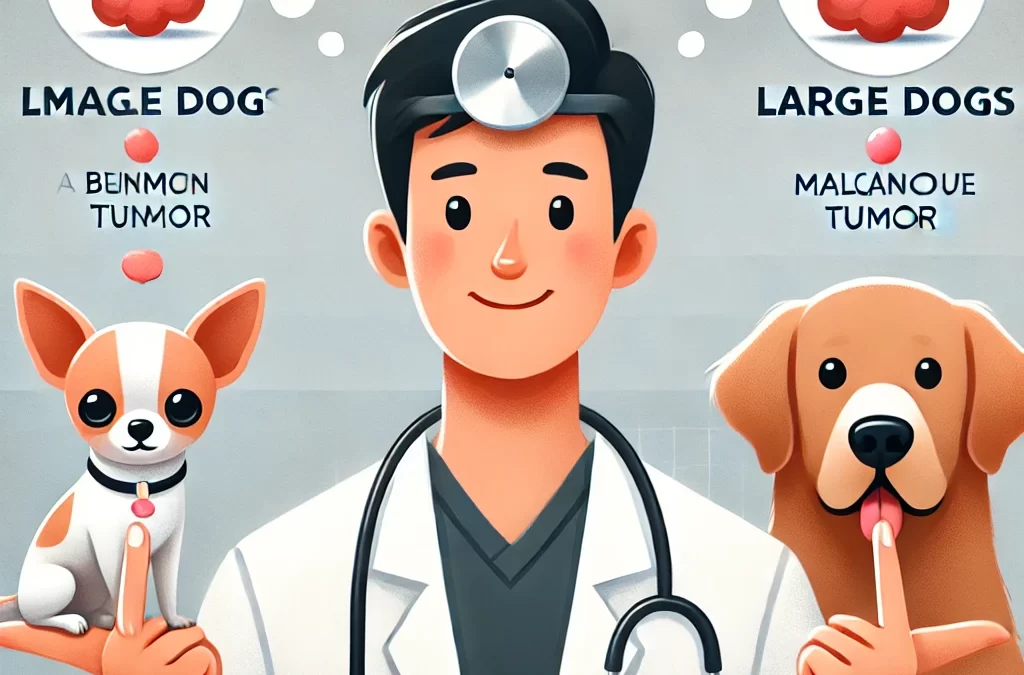
When it comes to cancer and tumor development in dogs, size matters—literally. Small and large breeds have different genetic predispositions, metabolic rates, and immune responses, all of which contribute to variations in how tumors develop, progress, and respond to treatment. If you’re a pet parent concerned about your dog’s health, understanding these differences can help you make informed decisions about prevention, early detection, and treatment.
1. The Genetic Factor: Breed-Specific Tumor Risks
Some cancers are more common in certain breeds, and a dog’s size often plays a role in this predisposition.
- Large Breeds: Dogs like Golden Retrievers, Great Danes, and Rottweilers are more likely to develop osteosarcoma (bone cancer), hemangiosarcoma (blood vessel cancer), and lymphoma. These cancers tend to be aggressive and often metastasize quickly.
- Small Breeds: Breeds like Poodles, Dachshunds, and Chihuahuas are more prone to benign tumors such as lipomas and papillomas, but they can also develop mammary tumors and bladder cancer.
The difference is not just in the type of tumors but also in how these cancers behave and respond to treatment.
2. Tumor Growth Rate and Behavior
Tumor progression varies significantly between small and large dogs due to differences in growth rates and cell metabolism.
- Faster Growth in Large Dogs: Larger breeds grow rapidly as puppies, and this rapid cell division may contribute to a higher risk of developing malignant tumors later in life. Their tumors also tend to be more aggressive.
- Slower Growth in Small Dogs: While tumors in small breeds may develop more slowly, they are still a concern. Benign tumors like lipomas are common but may interfere with mobility if they grow too large. Additionally, small dogs can still develop malignant tumors, such as mast cell tumors, which can spread if left untreated.
3. Life Expectancy and Tumor Onset
Large dogs tend to have shorter lifespans than small dogs, and this impacts tumor development timelines.
- Early-Onset Cancers in Large Dogs: Since large breeds age faster, they are more likely to develop cancer at a younger age—often between 6 to 8 years old. This means owners should begin cancer screenings and preventive care early.
- Later-Onset Tumors in Small Dogs: Small breeds may not show signs of cancer until their senior years (10+ years old), which means long-term monitoring is essential.
Understanding these timelines can help pet owners schedule vet checkups at the right time to catch potential tumors early.
4. Diagnosis and Treatment Challenges
When diagnosing and treating tumors, size plays a role in both detection and the ability to perform procedures.
- Surgical Considerations: Large dogs can better tolerate some surgeries due to their larger body mass, but removing tumors in weight-bearing bones (like with osteosarcoma) can be challenging. Small dogs, on the other hand, may struggle with anesthesia risks, especially if they are very tiny.
- Chemotherapy and Medication Differences: Dosing for chemotherapy is weight-dependent, and larger dogs often require higher drug doses, increasing treatment costs. Small dogs, despite needing lower doses, may experience stronger side effects due to their delicate systems.
5. Prevention and Early Detection Strategies
Regardless of size, early detection is crucial. Here’s what dog owners can do:
- Routine Veterinary Checkups: Regular exams help catch tumors before they grow too large.
- Physical Checks at Home: Running your hands over your dog’s body weekly can help detect unusual lumps.
- Breed-Specific Cancer Screenings: Large breeds should have early X-rays and ultrasounds, while small breeds may benefit from skin and bladder screenings.
- Diet and Lifestyle Adjustments: A balanced diet, regular exercise, and weight management can help support overall health and potentially reduce cancer risks.
Final Thoughts
While tumors affect both small and large dogs, their differences in genetics, tumor behavior, and treatment options mean pet owners need tailored care strategies. Large dogs are more prone to aggressive cancers at younger ages, while small dogs may develop slower-growing tumors later in life. By understanding these distinctions and prioritizing early detection, dog owners can improve their pets’ quality of life and potentially extend their time together.

by TCMVET | Jan 3, 2025 | Dog Cancer & Tumors
Cancer is a word that no pet owner wants to hear. However, the sad reality is that pets, much like humans, are susceptible to cancer. From cats to dogs, the risk of tumors can be a hidden threat, often unnoticed until it’s too late. Early detection, however, is the key to improving your pet’s chances of successful treatment and a higher quality of life. In this article, we’ll explore why regular pet cancer screenings are critical, how they work, and the importance of proactive care.
Why Regular Cancer Screenings Matter for Pets
When it comes to cancer, the earlier it’s detected, the more options are available for treatment. Unfortunately, many pet owners don’t realize their cat or dog has cancer until it’s in a more advanced stage. This is because tumors often grow slowly and don’t show visible signs until they’ve reached a size or stage that’s harder to treat. Cats, in particular, can be good at hiding pain or illness, making it even more difficult for owners to notice early symptoms.
Regular screenings can detect tumors when they’re still small and localized, making them easier to treat. It can be the difference between life and death or a long-lasting, healthy life after treatment. In some cases, early detection can lead to non-invasive treatment options, like surgery or localized radiation, rather than chemotherapy or more extensive surgeries later on.
Common Types of Tumors Found in Pets
The most common cancers in dogs and cats are lymphoma, mast cell tumors, mammary gland tumors, and osteosarcoma. These cancers can be difficult to identify on your own, but with regular vet visits, your pet’s healthcare provider can track changes over time.
- Lymphoma: A cancer of the lymphatic system that can affect both cats and dogs. Symptoms include swollen lymph nodes, weight loss, and lethargy.
- Mast Cell Tumors: These tumors are common in dogs, especially certain breeds, and often appear as lumps under the skin. They can be benign or malignant.
- Mammary Gland Tumors: More common in unspayed female dogs and cats. Early spaying reduces the risk, but regular checks are still important.
- Osteosarcoma: A painful bone cancer that is more common in large dog breeds. It’s often detected when a dog starts limping or becomes unusually lethargic.
How Cancer Screenings Work for Pets
Pet cancer screenings typically involve a combination of physical exams, blood tests, imaging, and sometimes biopsies. During a routine check-up, your veterinarian will examine your pet thoroughly to look for any unusual lumps, bumps, or changes in behavior that could indicate the presence of cancer.
- Physical Examination: Your vet will feel for any abnormal lumps or masses, examine your pet’s coat, and check their overall health.
- Blood Tests: Certain blood markers can suggest cancer, especially if there’s an abnormal count of red blood cells, white blood cells, or platelets.
- Imaging: X-rays, ultrasounds, or CT scans can help your vet detect internal tumors that are invisible to the naked eye.
- Biopsy: If your vet finds a suspicious mass, a biopsy may be taken to confirm whether it’s cancerous.
While the process may sound daunting, it is a small price to pay for the peace of mind knowing that your pet is healthy, or if they’re not, they’re receiving the best possible treatment at the earliest stage.
The Emotional and Financial Benefits of Early Detection
One of the biggest challenges in treating pet cancer is the emotional toll it takes on pet owners. However, knowing that you’re taking proactive steps to protect your furry companion can alleviate some of the stress. Early detection means more treatment options, potentially less aggressive therapies, and in many cases, a better prognosis.
Additionally, early treatment can be more cost-effective than waiting until the cancer is more advanced. The costs associated with cancer treatment, particularly for advanced stages, can be significant. Regular screenings may seem like an investment, but they can ultimately save you money in the long run by preventing expensive treatments down the road.
How to Encourage Regular Pet Cancer Screenings
- Schedule annual check-ups: Even if your pet seems healthy, make sure they see the vet at least once a year for a check-up. This is particularly important for older pets, who are more likely to develop health issues, including cancer.
- Know your pet’s breed: Some breeds are genetically predisposed to certain types of cancer. Research your pet’s breed to understand what they may be more susceptible to.
- Check your pet regularly: While only a vet can diagnose cancer, you can still monitor your pet at home for any unusual lumps, bumps, or behavioral changes.
- Ask your vet about cancer screenings: If you’re concerned about cancer, discuss screening options with your veterinarian. They may suggest a more thorough examination, specific blood tests, or imaging based on your pet’s age and breed.
Conclusion: A Commitment to Your Pet’s Health
Pet cancer is a difficult subject to confront, but it’s one that every pet owner should be aware of. Early detection can save lives, reduce treatment costs, and give your pet a better chance at living a long, healthy life. Regular screenings, coupled with a proactive attitude and good veterinary care, can make all the difference.
Remember, you are your pet’s best advocate. A little prevention now can go a long way in ensuring that your furry friend remains by your side for years to come.
