
by TCMVET | Oct 10, 2025 | Medicines & Therapies
When a pet is diagnosed with cancer, the first instinct of most owners is to look for powerful medicines or surgical options. Yet, in the philosophy of Traditional Chinese Medicine (TCM), healing begins in a much simpler — and more familiar — place: the food bowl.
In TCM, food is more than nourishment. It is medicine in disguise, capable of restoring internal balance, supporting the immune system, and even complementing cancer therapy.
🌿 1. The TCM View: Feeding the Qi, Not Just the Body
In Western nutrition, food is measured by calories, protein, and fat.
In TCM, food is understood by its energetic nature — warm or cool, yin or yang, strengthening or dispersing.
For a pet fighting cancer, the goal is not merely to “feed more,” but to nourish the Qi — the vital energy that supports all life functions.
Cancer, from a TCM perspective, often arises from Qi stagnation, phlegm accumulation, and heat toxins.
Thus, diet therapy focuses on:
- Clearing internal heat and toxins
- Strengthening digestion (the “Spleen” system)
- Supporting Yin to counteract fatigue and dryness
🍲 2. Healing Through the Bowl: Key Ingredients for Recovery
Here are some TCM-inspired food choices that can gently support pets undergoing cancer treatment:
🥩 Lean Proteins — “Tonifying Qi”
- Chicken breast, turkey, and fish provide easy-to-digest protein to sustain strength.
- Rabbit meat and duck are “cooling” proteins, suitable for pets with inflammatory or heat-related conditions.
🍠 Root Vegetables — “Strengthening the Earth”
- Sweet potato, pumpkin, and carrot nourish digestion and energy without burdening the system.
- These foods help rebuild the Spleen Qi, often weakened by chemotherapy or stress.
🌾 Whole Grains — “Balancing Yin and Yang”
- Brown rice, barley, and millet provide steady energy and aid hydration.
- Avoid wheat or corn in sensitive animals — they may promote internal dampness.
🌿 Herbal Additions — “Food-Grade Medicine”
- Goji berries (Gou Qi Zi): Support liver and kidney function, improve appetite.
- Turmeric (Jiang Huang): Anti-inflammatory, helps relieve stagnation.
- Reishi mushroom (Ling Zhi): Strengthens immunity and calmness.
A few sprinkles in homemade pet food or a warm herbal broth can make a big difference — always guided by a veterinarian familiar with TCM principles.
🧘 3. The Art of Balance: No One-Size-Fits-All
In TCM, there is no “anti-cancer diet” that fits every pet.
Each animal has its own constitution — some are warm-natured, others cold; some weak, others overactive.
A dog with heat-type cancer may benefit from cooling foods like duck, mung beans, and spinach.
A cat with a deficiency-type tumor might need warming foods like chicken, yam, and ginger.
Balance is the essence.
Overusing cold or bitter foods can harm digestion; overfeeding rich meats can generate phlegm and stagnation.
TCM food therapy is not about strict rules — it’s about listening to the body’s signals and adjusting gently.
💧 4. Supporting Modern Treatments Naturally
Proper nutrition can make conventional cancer therapies work better.
Pets with balanced diets tolerate chemotherapy more smoothly, recover faster after surgery, and maintain stronger immunity.
Herbal-infused broths, omega-rich fish, and antioxidant vegetables can reduce inflammation and oxidative stress — helping the body repair itself.
The synergy between Western medicine’s precision and Eastern wisdom’s balance is where the real innovation lies.
🌱 5. A New Way to Love: Cooking as Healing
Cooking for a sick pet may sound simple, but in TCM, it is an act of deep care.
Warm, home-cooked meals carry Qi — living energy — that processed kibble lacks.
Every chop, stir, and simmer becomes part of a quiet ritual of healing, reminding both human and animal that nourishment is not just physical — it’s emotional and spiritual, too.
✨ Conclusion
In the TCM view, “medicine and food share the same origin.”
By bringing mindful nutrition into cancer care, pet owners can do more than feed — they can heal.
And perhaps that’s the greatest lesson of all: love, when transformed into nourishment, becomes the most natural medicine in the world.

by TCMVET | Feb 26, 2024 | Dog Cancer & Tumors
In the quest to provide gentle and effective care for our cherished animal companions, many pet owners are turning to the healing power of nature. Wild-crafted herbal remedies offer a natural and holistic approach to addressing various health concerns in pets. In this article, we’ll delve into the world of wild-crafted herbal remedies and explore how they can benefit our beloved companions.
Understanding Wild-Crafted Herbal Remedies: Wild-crafted herbal remedies are derived from plants that are harvested from their natural habitats, rather than cultivated on farms. This method of sourcing ensures that the plants are exposed to their native environmental conditions, which can enhance their potency and therapeutic properties. By harnessing the healing potential of wild-crafted herbs, pet owners can provide their furry friends with gentle yet effective support for their health and well-being.
The Benefits of Wild-Crafted Herbs: One of the primary advantages of wild-crafted herbal remedies is their purity and authenticity. Since these herbs grow naturally in their native habitats, they are less likely to be exposed to pesticides, herbicides, or other contaminants commonly found in conventionally cultivated plants. As a result, wild-crafted herbs retain their natural integrity and efficacy, offering pets a safe and potent source of healing.
Additionally, wild-crafted herbs often contain a diverse array of bioactive compounds, including vitamins, minerals, antioxidants, and phytochemicals. These compounds work synergistically to support various physiological functions in pets, promoting overall health and vitality.
Common Uses of Wild-Crafted Herbal Remedies: Wild-crafted herbal remedies can be used to address a wide range of health concerns in pets, including:
- Skin and Coat Health: Herbs like calendula, chamomile, and burdock root can soothe irritated skin, alleviate itching, and promote a healthy, glossy coat.
- Digestive Support: Peppermint, ginger, and fennel are herbs commonly used to support digestive health in pets, helping to ease digestive discomfort and promote optimal gastrointestinal function.
- Immune System Boost: Echinacea, astragalus, and elderberry are renowned for their immune-boosting properties, helping pets fend off infections and maintain resilience against illness.
- Joint and Mobility Support: Herbs such as turmeric, boswellia, and devil’s claw can help reduce inflammation, relieve joint pain, and improve mobility in pets with arthritis or joint stiffness.
Consulting with Holistic Practitioners: While wild-crafted herbal remedies can offer valuable support for pet health, it’s essential for pet owners to seek guidance from qualified holistic practitioners or veterinarians before administering herbal treatments to their pets. These professionals can provide personalized recommendations based on the pet’s specific health needs, ensuring that herbal remedies are used safely and effectively.
Gentle healing for beloved companions is possible through the use of wild-crafted herbal remedies. By tapping into the healing power of nature and prioritizing purity and authenticity, pet owners can provide their furry friends with natural and holistic support for their health and well-being. With careful guidance from holistic practitioners, pets can enjoy the benefits of wild-crafted herbal remedies and live vibrant, healthy lives by our side.
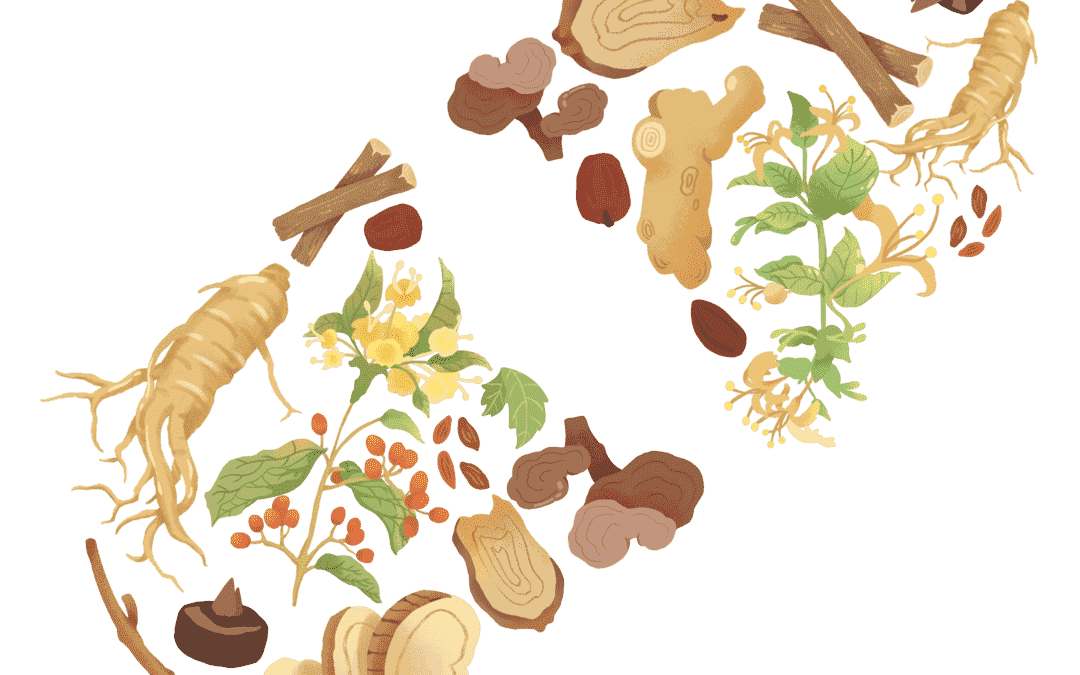
by TCMVET | Oct 8, 2023 | pet Chinese herbal medicine
Embracing the treasure trove of ancient Chinese herbal medicine can offer holistic healing alternatives for your four-legged friends. These herbs, renowned for their therapeutic benefits, have been used for centuries to promote overall health and treat various ailments in both humans and animals. Let’s explore some of these potent Chinese herbs that can be invaluable additions to your dog’s wellness routine, offering a natural approach to healing and prevention.
Section I: The Healing Harmony of Yin and Yang in Canines
Chinese medicine operates on the fundamental principles of Yin and Yang balance. The dynamic equilibrium between these two forces ensures optimal health and vitality in living beings, including dogs. Understanding this balance is crucial when incorporating Chinese herbs, as each herb is believed to either nourish Yin or support Yang, contributing to the restoration and maintenance of health.
Section II: Key Chinese Herbs for Dog Wellness
1. Astragalus (Huang Qi)
This potent herb acts as an immunomodulator, enhancing the dog’s immune system. Astragalus is known for its anti-inflammatory, anti-viral, and anti-cancer properties, making it a robust supplement for preventing and alleviating various health conditions.
2. Rehmannia (Shu Di Huang)
Rehmannia is a revered tonic for the kidneys and liver. It aids in detoxifying the body, improving blood circulation, and supporting the adrenal glands, making it an excellent choice for senior dogs or those with chronic kidney disease.
3. Ginger (Sheng Jiang)
A common household spice, ginger has significant digestive benefits. It aids in alleviating nausea, improving digestion, and reducing inflammation, making it an ideal supplement for dogs with sensitive or upset stomachs.
4. Jiaogulan (Gynostemma)
Jiaogulan acts as a powerful antioxidant and adaptogen. It supports the cardiovascular system, helps regulate cholesterol levels, and provides overall support for the immune system.
Section III: Incorporating Chinese Herbs Safely
While Chinese herbs offer various health benefits, it is crucial to administer them cautiously. Consult with a veterinarian, preferably one experienced in holistic or Chinese medicine, before adding any new supplement to your dog’s diet. Proper dosage, quality of herbs, and understanding potential interactions with other medications or supplements are also vital considerations.
Chinese herbs possess a rich history and tradition of promoting health and preventing diseases in a natural way. Incorporating these herbs into your dog’s wellness routine can provide a holistic approach to health, harnessing the power of nature’s pharmacy to support and enhance the life of your furry friend. By sharing insightful and reliable information about Chinese herbs for dogs, this article aims to improve visibility on search engines, becoming a valuable resource for pet owners exploring natural alternatives for canine health and wellness.
