by TCMVET | Dec 11, 2025 | Dog Cancer & Tumors
Cane Corso cancer risks, early tumor signs in Cane Corsos, common cancers in this breed are all concerns that responsible owners increasingly want to understand as their dogs age. This powerful, loyal guardian can be prone to certain health issues, including tumors and cancer, and knowing what to watch for can make a real difference in quality of life and longevity.
—
A. Breed Overview
The Cane Corso is a large, muscular Italian mastiff originally bred for guarding property and working alongside people. They are:
– Size: Typically 90–120+ pounds, with a solid, athletic build
– Temperament: Protective, intelligent, confident, and deeply bonded to their family
– Lifespan: Often around 9–12 years, although this can vary with genetics, care, and health
– Common traits: Short coat, wide chest, strong bones, and a tendency toward orthopedic and joint issues as they age
Because of their large size and genetic background, this breed is thought to have a higher risk of some cancers compared with many smaller breeds. While not every Cane Corso will develop tumors, veterinary data and breeder reports suggest that cancers such as bone tumors and skin masses are relatively common concerns in these dogs.
Understanding these tendencies doesn’t mean expecting the worst—it simply helps you stay alert and proactive.
—
B. Understanding Cane Corso Cancer Risks, Early Tumor Signs in Cane Corsos, Common Cancers in This Breed
1. Osteosarcoma (Bone Cancer)
One of the more concerning cancers reported in large and giant breeds, including the Cane Corso, is osteosarcoma, a malignant bone tumor.
Why this breed is at risk:
– Large, heavy frame: Big, fast-growing dogs are generally more prone to bone cancers.
– Long limb bones: Tumors often form near the ends of long bones (such as near the shoulder or knee).
Owners may first notice limping, reluctance to use a leg, or localized swelling. These signs are not specific to cancer—many joint and soft tissue problems can cause them—but in a Cane Corso, any persistent or worsening lameness deserves veterinary evaluation.
2. Mast Cell Tumors and Other Skin Masses
Cane Corsos, like many short-coated breeds, can develop skin lumps and bumps, some of which are benign and others malignant.
Common types include:
– Mast cell tumors – can range from low-grade to very aggressive
– Soft tissue sarcomas – tumors of connective or fibrous tissue
– Benign fatty tumors (lipomas) – common with age, but still important to check
Because these masses can look similar on the surface, it’s impossible to know their nature just by appearance. Regularly feeling your dog’s skin and asking your veterinarian to sample any new or changing lumps can help catch issues early.
3. Lymphoma
Lymphoma is a cancer of the lymphatic system and can appear in many breeds, including the Cane Corso. It may show up as:
– Enlarged lymph nodes (under the jaw, in front of the shoulders, behind the knees)
– General fatigue or decreased stamina
– Changes in appetite or weight
While many conditions can enlarge lymph nodes, Cane Corso owners should be comfortable gently feeling common lymph node areas and asking their vet to check anything that feels abnormal.
4. Soft Tissue and Organ Tumors
Large, deep-chested breeds may be prone to internal tumors, including those affecting the spleen, liver, or other abdominal organs. These aren’t visible from the outside, but you might notice:
– A suddenly “bloated” or rounded abdomen
– Weakness or collapse in severe cases
– Gradual weight loss despite normal food intake
Routine wellness checks and, when indicated, imaging (like ultrasound) can sometimes pick up these issues earlier.
5. Influence of Genetics, Sex, and Lifestyle
Several non-clinical factors may influence risk:
– Genetics and bloodlines: Responsible breeders screen for health problems and track cancer incidence in their lines.
– Sex and reproductive status: Certain tumors (such as mammary tumors in females and testicular tumors in males) are influenced by hormone exposure. Decisions about spaying/neutering and timing should always be made with your veterinarian, balancing joint, cancer, and behavioral considerations.
– Lifestyle: Obesity, limited exercise, and exposure to environmental toxins (secondhand smoke, lawn chemicals, excessive sun exposure to lightly pigmented skin) can contribute to overall risk in any dog, including this breed.
—
C. Early Warning Signs Owners Should Watch For
Recognizing early warning signs is one of the most powerful tools you have as a Cane Corso owner.
1. Skin Lumps and Changes
Check your dog’s body with your hands about once a month:
– Feel along the neck, shoulders, ribs, belly, legs, and tail.
– Note any new lump, or an existing lump that:
– Grows quickly
– Changes texture or color
– Becomes painful, red, or ulcerated
– Starts bleeding or oozing
Use a simple “lump log” (notebook or phone notes) to record date, size, location, and any changes. If a lump is larger than a pea or present for more than a month, it’s wise to have it checked.
2. Changes in Energy, Weight, or Appetite
Subtle changes can be easy to dismiss in a strong, stoic breed like the Cane Corso. Pay attention to:
– Gradual or sudden weight loss
– Decreased interest in meals or treats
– General slowing down, fatigue, or reluctance to exercise
– Less enthusiasm for play or walks
These signs do not mean cancer is present, but they signal that a check-up is needed.
3. Mobility Problems and Pain
Because of their size, many Cane Corsos have orthopedic issues. However, unexplained or rapidly worsening lameness should not be ignored, especially if:
– One leg becomes noticeably weaker or more painful
– There is a firm swelling on a limb
– Pain medications (if prescribed) don’t help as expected
Any limping that persists more than a few days, especially in a middle-aged or older dog, is worth discussing with your veterinarian.
4. Bleeding, Coughing, or Other Concerning Symptoms
Other possible warning signs include:
– Unexplained nosebleeds
– Persistent coughing or breathing changes
– Vomiting or diarrhea that won’t resolve
– Dark, tarry stools (could indicate internal bleeding)
– Sudden weakness, collapse, or a distended abdomen
If you see any of these, especially if they appear suddenly or severely, seek veterinary attention right away.
—
D. Senior Care Considerations for the Cane Corso
As Cane Corsos age, their cancer risk rises, just as it does in many large breeds. Thoughtful senior care can improve comfort and may help detect problems earlier.
1. How Aging Affects This Breed
Typical age-related changes include:
– Slower metabolism and tendency to gain weight
– Stiffness or arthritis, particularly in hips, knees, and spine
– Reduced stamina, but often a strong desire to stay close and protective
These changes can mask or overlap with early cancer signs, making regular vet visits especially important.
2. Nutrition and Body Condition
For a senior Cane Corso:
– Aim for a lean, well-muscled body, where you can feel ribs easily under a thin fat layer.
– Work with your veterinarian to choose a balanced diet suitable for large senior dogs, taking into account:
– Joint support needs
– Calorie control to prevent obesity
– Any existing conditions (kidney, heart, or digestive issues)
Avoid drastic diet changes without veterinary guidance, especially if your dog already has health problems.
3. Exercise and Activity Adjustments
Senior Cane Corsos still benefit greatly from regular, moderate exercise:
– Daily walks at a comfortable pace
– Low-impact activities (flat ground, short play sessions)
– Avoiding excessive jumping, rough play, or slippery floors
Gentle exercise helps maintain muscle mass, joint flexibility, and a healthy weight, all of which support overall resilience.
4. Joint Care, Pain, and Weight Management
Because joint pain can mask or mimic signs of cancer, it’s important to manage it thoughtfully:
– Discuss pain control options with your vet if your dog seems stiff or sore.
– Consider supportive measures such as:
– Orthopedic bedding
– Non-slip flooring or rugs
– Ramps instead of stairs where possible
Keeping a Cane Corso at a healthy weight is one of the most effective ways to lower strain on joints and may help reduce certain health risks overall.
5. Recommended Check-Up Intervals
For a healthy young adult, a yearly visit is common. Once your Cane Corso reaches 7–8 years (or earlier if there are health concerns), ask your veterinarian about:
– Twice-yearly wellness exams
– Screening bloodwork and urinalysis
– Periodic imaging (X-rays, ultrasound) if indicated by breed risk and individual history
– Regular oral exams, as dental disease can affect overall health
Frequent, proactive visits allow your veterinary team to spot subtle changes earlier.
—
E. General Tumor Prevention & Wellness Support
No method can guarantee that a Cane Corso will never develop cancer, but good overall wellness habits may help reduce some risk factors and support the body’s ability to cope with disease.
1. Maintain a Healthy Weight
Excess weight:
– Increases inflammation in the body
– Puts extra stress on joints and organs
– Is associated with shorter lifespan in dogs
Use a body condition chart with your veterinarian to monitor shape, not just the number on the scale.
2. Balanced Diet and Hydration
Provide:
– A complete, balanced diet appropriate for your dog’s life stage and activity level
– Fresh water available at all times
– Measured meals rather than free-feeding, so changes in appetite are easier to spot
If you’re interested in home-prepared or specialized diets, work closely with your veterinarian or a qualified veterinary nutritionist.
3. Regular Physical Activity and Mental Engagement
Physical and mental stimulation are especially important for this intelligent, working breed:
– Daily walks, gentle play, and training refreshers
– Scent games, puzzle toys, or basic obedience practice
– Safe opportunities to patrol a yard or property, if available
Staying active supports muscle tone, circulation, and emotional well-being.
4. Reducing Environmental Risks
Where possible:
– Avoid exposing your dog to secondhand smoke
– Use pet-safe lawn and household products, and keep your dog away from sprayed areas until dry
– Limit prolonged sun exposure if your dog has areas of thin or pale skin (such as a white chest or muzzle)
While these steps cannot eliminate risk, they can reduce added burdens on your dog’s system.
5. Thoughtful Use of Supplements or “Natural” Supports
Some owners explore:
– Omega-3 fatty acids
– Joint-supportive products
– General wellness supplements or herbal blends
These may support overall health in some dogs, but they are not substitutes for proper diagnosis or cancer treatment. Always:
– Talk with your veterinarian before starting any supplement
– Avoid products with unproven “cancer cure” claims
– Use reputable brands with clear ingredient lists
—
F. Optional Integrative Care: Complementing, Not Replacing, Conventional Treatment
Integrative or holistic approaches—such as acupuncture, massage, or traditional wellness philosophies—may offer comfort and quality-of-life support for some Cane Corsos living with tumors or cancer.
Examples of supportive goals can include:
– Helping manage pain and stiffness alongside prescribed medications
– Supporting appetite, digestion, and relaxation
– Promoting a sense of overall vitality and balance
These methods should always be guided by a veterinarian (ideally one trained in integrative medicine) and used alongside, never instead of, appropriate diagnostic tests, surgery, chemotherapy, or other treatments recommended by a veterinary oncologist.
—
Conclusion
Cane Corso cancer risks, early tumor signs in Cane Corsos, common cancers in this breed all deserve careful attention from owners of this powerful, devoted dog. By understanding the types of tumors that may occur, watching for changes in lumps, mobility, appetite, and energy, and providing thoughtful senior care, you can improve the chances of catching problems early. Regular check-ups and an open partnership with your veterinarian—especially as your Cane Corso ages—are key to supporting a longer, more comfortable life.
by TCMVET | Dec 11, 2025 | Dog Cancer & Tumors
Mastiff cancer risks, early tumor symptoms in Mastiffs, common cancers in this breed are important topics for any Mastiff owner to understand, because these gentle giants carry some specific health vulnerabilities as they age. Knowing what to watch for and how to support your dog over their lifetime can make a real difference in comfort, longevity, and quality of life.
—
A. Breed Overview
Mastiffs (often referring to the English Mastiff) are massive, powerful dogs with a famously calm, loyal, and protective temperament. They are typically:
– Size: 120–230+ pounds, very large and heavy-boned
– Lifespan: Around 6–10 years, with many entering “senior” status by age 6–7
– Temperament: Gentle, affectionate family guardians; usually laid-back at home
– Common traits: Deep chest, heavy frame, relatively low activity level compared with smaller working breeds
Like many giant breeds, Mastiffs have a shorter average lifespan and are at increased risk for certain orthopedic and heart issues. They are also considered at higher risk for several types of tumors and cancers, especially those associated with large and giant breeds, such as bone cancer and certain blood-related cancers.
While not every Mastiff will develop cancer, the breed’s size, genetics, and rapid growth contribute to a noticeably higher incidence compared with many smaller breeds. Understanding this risk early helps you stay alert and proactive.
—
B. Mastiff Cancer Risks, Early Tumor Symptoms in Mastiffs, Common Cancers in This Breed
Several tumor and cancer types are more frequently seen in Mastiffs and other giant breeds. Below are some of the most relevant ones, in clear, non-technical terms.
1. Osteosarcoma (Bone Cancer)
Osteosarcoma is one of the most concerning cancers in Mastiffs.
– It typically affects the long bones of the legs (forelimbs more than hindlimbs), but can occur elsewhere.
– It often arises in middle-aged to older large/giant dogs, though it can appear earlier.
– Symptoms often begin with lameness that may seem like a sprain or arthritis at first, and can progress to swelling or obvious pain.
Mastiffs’ large size, fast growth as puppies, and heavy weight on their limbs all contribute to the risk of this type of cancer.
2. Lymphoma (Lymphatic Cancer)
Lymphoma is a cancer of the lymphatic system, which includes lymph nodes and immune tissues.
– Owners may first notice enlarged lymph nodes, especially under the jaw, in front of the shoulders, or behind the knees.
– Dogs can seem tired, lose weight, or have reduced appetite, but sometimes feel fairly normal early on.
Large and giant breeds, including Mastiffs, appear to have a reasonably high incidence of this cancer compared with many other breeds.
3. Hemangiosarcoma (Blood Vessel Cancer)
Hemangiosarcoma is an aggressive cancer that develops from blood vessel cells.
– Often occurs in the spleen, liver, heart, or under the skin.
– It can grow quietly with few or no obvious signs until a sudden internal bleed happens.
– Early clues can be subtle: mild fatigue, pale gums, or a vague sense that the dog is “off.”
Deep-chested, large-bodied dogs like Mastiffs are often seen with this type of tumor, especially in the spleen.
4. Mast Cell Tumors (Skin Tumors)
Mast cell tumors (MCTs) are a common skin cancer in many breeds, especially in brachycephalic (short-nosed) dogs such as Bullmastiffs and Boxers. English Mastiffs are related and may also show higher risk.
– They often appear as skin lumps, which may be small or large, firm or soft.
– These lumps can change size, itch, or redden.
– Some can behave aggressively, while others stay more localized.
Because Mastiffs have a lot of loose skin and thick coats in places, it’s especially important to feel for hidden lumps.
5. Soft Tissue Sarcomas
Soft tissue sarcomas are tumors that arise from connective tissues such as muscle, fat, or fibrous tissue.
– Often felt as firm, sometimes deep lumps under the skin or in muscle.
– They may be slow-growing, which can lead owners to ignore them.
– Even slow-growing tumors can invade nearby tissues, so early assessment matters.
Risk Factors in Mastiffs
Several factors influence tumor risk in this breed:
– Giant size and rapid growth: Increases stress on bones and tissues, contributing to bone and connective tissue cancers.
– Genetics and family history: Lines with multiple dogs developing similar tumors may suggest inherited risk.
– Age: Cancer risk rises sharply in middle-aged and senior Mastiffs (often from 6–7 years onward).
– Sex and neuter status: Hormones may influence some cancer types; decisions about spay/neuter timing should be made with a vet, considering both cancer and orthopedic risks.
– Lifestyle and environment: Obesity, exposure to tobacco smoke, excess sun on lightly pigmented skin, and some chemicals may raise risk.
—
C. Early Warning Signs Owners Should Watch For
Recognizing early changes is one of the most powerful things you can do for your Mastiff.
Common Early Signs of Tumors or Cancer
Watch for:
– New or changing lumps
– Any new bump on the skin or under it
– Lumps that grow, change shape, or feel different over time
– Areas that become red, itchy, or ulcerated
– Lameness and mobility changes
– Limping that persists more than a few days
– Reluctance to jump into the car or climb stairs
– Favoring one leg, especially in the front
– Weight and appetite changes
– Unexplained weight loss despite normal or good appetite
– Gradual disinterest in food or treats
– Trouble swallowing or chewing
– Energy and behavior shifts
– Seeming more tired or “old” than expected for their age
– Less interest in walks or play
– Restlessness, difficulty getting comfortable
– Bleeding, coughing, or other internal signs
– Pale gums, episodes of collapse, or sudden weakness (possible internal bleeding)
– Persistent cough, labored breathing, or rapid breathing at rest
– Vomiting, diarrhea, or black/tarry stools
– Recurrent infections or fevers with no clear cause
Practical At-Home Monitoring Tips
Because Mastiffs are big, it’s easy to miss changes. Build habits:
1. Monthly nose-to-tail check
– Run your hands slowly over your dog’s entire body.
– Feel under the neck, along the chest and ribs, belly, limbs, and around joints.
– Gently check around the mouth, gums, and inside the thighs (where some lymph nodes are located).
2. Track weight and body shape
– Weigh your Mastiff regularly (at home if possible, or at your vet’s).
– Note if ribs become more visible or if the belly appears more tucked than usual.
3. Monitor movement
– Pay attention to changes in stride, hesitation on stairs, or stiffness after rest.
– Film short videos of your dog walking every few months; these can help your vet see subtle changes over time.
When to Seek Veterinary Attention
Contact your veterinarian promptly if you notice:
– Any lump present for more than 1–2 weeks that is growing or changing
– Lameness lasting more than a few days, especially if worsening
– Sudden weakness, collapse, or very pale gums (emergency)
– Unexplained weight loss, reduced appetite, or ongoing lethargy
– Persistent coughing, breathing difficulty, or unexplained bleeding
Do not wait to “see if it goes away” when it comes to potential tumors in a Mastiff. Early evaluation does not always mean cancer, but it is key if something serious is developing.
—
D. Senior Care Considerations for Mastiffs
Aging affects Mastiffs earlier and more noticeably than smaller breeds. By around 6–7 years, many are considered seniors, and cancer risk climbs sharply.
How Aging Interacts with Tumor Risk
– Older Mastiffs are more prone to:
– Bone cancer (especially in limbs)
– Internal organ tumors (like spleen or liver)
– Skin and soft tissue masses
– At the same time, arthritis and heart issues become common, which can mask or mimic tumor-related symptoms.
Nutrition and Body Condition
Keeping a senior Mastiff lean but not skinny is crucial:
– Ask your vet to help you assess body condition score.
– Feed a high-quality, age-appropriate diet that supports joint health and maintains muscle.
– Avoid overfeeding; even a few extra pounds are significant on a giant frame and add stress to joints and bones.
Exercise and Activity Adjustments
Senior Mastiffs still need movement:
– Prioritize frequent, gentle walks rather than intense or long sessions.
– Avoid high-impact activities (jumping, hard running on pavement).
– Monitor for pain or fatigue; adjust duration accordingly.
Regular, low-impact activity helps maintain muscle tone, weight control, and circulation, all of which support overall resilience.
Joint Care and Pain Management
Arthritis is extremely common and can hide or complicate cancer signs:
– Discuss joint support strategies with your vet (such as appropriate medications, physical therapy, or supplements).
– Watch for:
– Trouble rising
– Hesitation to use stairs
– Stiffness after lying down
Well-managed pain helps you and your vet more clearly see new or unusual changes that might signal something beyond “just arthritis.”
Wellness Exams and Screening
For senior Mastiffs, consider:
– Veterinary check-ups every 6 months (or as your vet recommends).
– Regular bloodwork, urinalysis, and sometimes imaging (X-rays or ultrasound) based on your dog’s age and history.
– Prompt follow-up on any new lumps or changes.
Partnering closely with a veterinarian who knows your Mastiff’s baseline makes it far easier to spot early warning signs.
—
E. General Tumor Prevention & Wellness Support
Not all cancers can be prevented, but supporting overall health may help reduce certain risk factors and improve your dog’s ability to cope with illness.
Healthy Weight and Diet
– Maintain a lean, stable body weight to reduce stress on bones and tissues.
– Feed a balanced, complete diet appropriate to giant breeds and life stage.
– Ensure fresh water is always available; hydration supports organ function and overall wellness.
Regular Physical Activity
– Provide consistent, moderate exercise:
– Daily walks
– Gentle play
– Mental enrichment (training games, puzzle feeders)
– Avoid both under-exercise (leading to obesity) and over-exercise (joint strain, injuries).
Environmental Risk Reduction
Where possible:
– Avoid tobacco smoke exposure.
– Minimize contact with harsh lawn chemicals or pesticides; follow label instructions strictly and keep dogs off treated areas until safe.
– Protect light-skinned or thin-coated areas from excessive sun if your dog spends long periods outdoors.
Natural and Integrative Support (General Guidance)
Some owners explore:
– Joint-support supplements
– Omega-3 fatty acids
– Gentle herbal or nutritional support for general wellness
These may help overall comfort or resilience for some dogs, but they do not prevent or cure cancer. Always discuss any supplement, herb, or non-prescription product with your veterinarian first to ensure it is safe and appropriate for your Mastiff’s specific health status.
—
F. Optional Integrative Care: Complementing Conventional Veterinary Treatment
Some families choose to add holistic or traditional wellness approaches alongside standard veterinary care, especially after a tumor diagnosis. These can include:
– Acupuncture or massage to support comfort and mobility
– Gentle physical rehabilitation exercises
– Nutritional counseling to support optimal body condition
– Traditional frameworks (such as TCM-inspired ideas of “supporting vitality” or “balancing the body”)
When used thoughtfully, such approaches aim to support quality of life and overall resilience, not to replace surgery, chemotherapy, or other medical treatments. If you are interested in integrative care, look for a veterinarian with training in these methods and coordinate closely with your primary vet or veterinary oncologist.
—
Conclusion
Mastiffs face heightened risks for several serious cancers, particularly bone tumors, lymphoma, hemangiosarcoma, and various skin and soft tissue growths. Learning to recognize early tumor symptoms—new lumps, persistent lameness, weight loss, behavior changes, or unexplained bleeding—offers your dog the best chance for timely care. With regular veterinary check-ups, careful monitoring at home, and thoughtful senior care tailored to this giant breed, you can help your Mastiff enjoy as many comfortable, happy years by your side as possible.
by TCMVET | Dec 11, 2025 | Dog Cancer & Tumors
“Doberman cancer risks, early tumor signs in Dobermans, common cancers in this breed” are essential topics for any Doberman owner who wants to protect their dog’s long-term health. This intelligent, athletic breed is known for its deep bond with people—but also for a tendency toward certain serious health conditions, including several types of tumors and cancer. Understanding what your Doberman may be prone to, and knowing what to watch for as they age, can make a real difference in how quickly problems are found and addressed.
—
A. Breed Overview: The Doberman and Lifetime Health
Doberman Pinschers are medium-to-large, muscular dogs originally bred for protection and working roles. They are:
– Size: Typically 60–100 pounds, with males larger than females
– Temperament: Loyal, alert, people-oriented, and highly trainable
– Lifespan: Around 10–13 years, though this can vary with genetics and health care
– Common traits: Deep chest, sleek short coat (often black-and-tan, red, blue, or fawn), and a strong drive to work and stay active
Dobermans are known for certain inherited conditions, including dilated cardiomyopathy and von Willebrand disease (a bleeding disorder). They are also suspected to have a higher-than-average risk of some cancers compared to many mixed-breed dogs, particularly:
– Lymphoma
– Osteosarcoma (bone cancer)
– Mast cell tumors
– Hemangiosarcoma (a blood vessel cancer)
This does not mean every Doberman will develop cancer, but it does mean owners should be extra vigilant about monitoring for changes and planning for proactive senior care.
—
B. Tumor and Cancer Risks for Dobermans
1. Lymphoma
Lymphoma is a cancer of the lymphatic system, which includes lymph nodes, the spleen, and other immune tissues. Dobermans appear more frequently in studies of dogs diagnosed with lymphoma than many other breeds.
– What it often looks like: Enlarged, firm, non-painful lymph nodes (commonly under the jaw, in front of the shoulders, behind the knees).
– Possible reasons for higher risk:
– Breed genetics and immune system traits
– Larger body size, which is linked to some cancer risks in dogs generally
2. Osteosarcoma (Bone Cancer)
Dobermans, especially larger and taller individuals, may be at increased risk of osteosarcoma, a malignant bone tumor.
– Common sites: Long bones of the legs (front more often than back), sometimes ribs or jaw
– Who’s at higher risk:
– Large, deep-chested dogs
– Middle-aged to older Dobermans
– Typical signs: Lameness that doesn’t go away, localized swelling, or pain in a limb
The breed’s size and bone structure may partly explain why this cancer is more common in Dobermans than in smaller dogs.
3. Mast Cell Tumors
Mast cell tumors (MCTs) are a type of skin cancer that can behave very differently from dog to dog—some are relatively slow-growing, while others are aggressive.
– What owners may notice:
– A new skin lump
– A lump that grows, shrinks, and grows again
– A mass that becomes red, itchy, or ulcerated
– Doberman-specific note: While not as overrepresented as breeds like Boxers, Dobermans are still seen fairly often with MCTs, likely related to their genetics and immune system function.
4. Hemangiosarcoma
Hemangiosarcoma is an aggressive cancer of blood vessels that often affects the spleen, liver, or heart. It can be hard to detect until it’s advanced.
– Why large breeds like Dobermans are at risk:
– Larger body mass and high blood volume may play a role
– Deep-chested structure has been associated with some internal cancers
Dogs may appear perfectly normal until a tumor bleeds internally, causing sudden weakness or collapse.
5. Other Possible Tumors
Dobermans can also develop:
– Soft tissue sarcomas (tumors of connective tissues)
– Melanoma (often in the mouth or on pigmented skin)
Not every mass or bump is cancer, but this breed’s background makes it especially important to have new or changing lumps checked promptly.
—
C. Early Warning Signs Owners Should Watch For
Even for vigilant owners, early tumor signs in Dobermans can be easy to miss at first. Paying close attention and acting on “something seems off” can help catch issues earlier.
1. Skin Lumps and External Changes
Perform a gentle “nose-to-tail” check on your Doberman at least once a month:
– Run your hands over their body to feel for:
– New lumps or bumps
– Existing lumps that change in size, shape, or texture
– Areas that are warm, painful, or ulcerated
– Pay attention to:
– Pigmented spots that suddenly grow, darken, or bleed
– Sores that don’t heal
When to call the vet promptly:
– Any new lump lasting more than 1–2 weeks
– Rapidly growing masses
– Lumps that bleed, ooze, or cause discomfort
A veterinarian may recommend sampling cells from the lump (fine-needle aspirate) or a biopsy to understand what it is.
2. Subtle Behavior and Appetite Changes
Dobermans are usually active and engaged. Subtle shifts can be early clues:
– Reduced interest in play, training, or walks
– Mild but persistent decrease in appetite
– Gradual weight loss despite normal feeding
– Sleeping more, or seeming “tired” earlier in the day
These changes can stem from many causes, not just cancer, but in a high-risk breed they should always prompt a veterinary check.
3. Mobility, Pain, and Bone-Related Signs
Because of osteosarcoma risk, watch for:
– Lameness in one leg that:
– Comes on gradually or suddenly
– Worsens with activity
– Doesn’t improve with a few days of rest
– Swelling around a joint or along a bone
– Reluctance to jump into the car, climb stairs, or get on furniture
If lameness persists more than a few days or worsens, schedule an exam rather than assuming it’s “just a sprain” or arthritis.
4. Internal Signs: Bleeding, Coughing, and Collapsing
Some cancers, like hemangiosarcoma or lymphoma, may cause general or internal symptoms:
– Pale gums
– Distended abdomen or sudden pot-bellied appearance
– Repeated episodes of weakness, collapse, or “almost fainting”
– Persistent cough or breathing difficulty
– Unexplained bruising or nosebleeds
These signs warrant immediate veterinary attention or an emergency visit.
5. Practical At-Home Monitoring Tips
– Keep a notebook or app log for:
– Weight (monthly)
– Appetite and activity changes
– Any new lumps (record size, location, date noticed)
– Take clear photos of lumps or swollen areas every 1–2 weeks to track changes.
– Don’t “wait and see” for weeks in a senior Doberman—err on the side of an exam.
—
D. Senior Care Considerations for Dobermans
As Dobermans age, their risk for many diseases, including tumors, naturally increases. Proactive, senior-focused care can improve both quality and length of life.
1. How Aging Affects Dobermans
Common age-related changes:
– Slowing down on walks or play
– Reduced muscle mass
– Stiffness from arthritis or previous injuries
– Greater sensitivity to heat, cold, and stress
At the same time, cancer risk rises, so subtle signs may be mistakenly written off as “just getting old.” In this breed, it’s important not to assume.
2. Nutrition and Body Condition
Maintaining a lean, well-muscled body is key:
– Work with your vet to keep your Doberman in an ideal body condition score (you should feel ribs easily but not see them sharply).
– Senior or “joint support” diets may be appropriate, especially if your dog is less active.
– Sudden weight loss or gain in an older Doberman always deserves a check-up.
3. Exercise and Activity Adjustments
Dobermans remain active well into adulthood, but seniors may benefit from:
– Moderate, regular exercise: Daily walks, controlled off-leash time in safe areas, light fetch or obedience practice.
– Avoiding:
– High-impact activities like repeated jumping
– Abrupt sprints that strain joints and bones
Gentle, consistent exercise supports heart health, joint function, weight control, and overall resilience if illness develops.
4. Joint Care and Pain Management
Joint stress and pain can mask or mimic signs of bone tumors, so clarify what’s going on:
– Discuss joint supplements, pain management options, and physical therapy with your vet.
– If “arthritis” pain suddenly worsens or becomes localized to one spot, ask your vet to rule out other causes, including osteosarcoma.
5. Weight Control
Extra weight:
– Increases joint stress, making lameness harder to interpret
– Is linked with a higher risk of various diseases, including some cancers
Regular weigh-ins (at home or at the clinic) help catch changes early. Adjust food portions based on your vet’s guidance, not just the bag label.
6. Veterinary Check-Ups and Screening
For adult Dobermans, at least yearly wellness exams are recommended; for seniors (often age 7+):
– Every 6 months is a reasonable goal
– Ask your vet about:
– Screening bloodwork and urinalysis
– Imaging (X-rays, ultrasound) when indicated by exam findings
– Thorough lymph node checks and full-body palpation
Dobermans with known hereditary issues or previous tumors may need more frequent monitoring, as advised by their veterinarian.
—
E. General Tumor Prevention & Wellness Support
No approach can guarantee that a Doberman won’t develop cancer. However, supporting overall health can reduce some risk factors and may help your dog cope better with illness if it occurs.
1. Healthy Weight and Body Condition
Keeping your dog slim is one of the most powerful lifestyle steps you can take:
– Aim for a visible waist from above and a tuck-up behind the ribs.
– Measure food, rather than free-feeding, and adjust based on activity levels.
– Treats should be limited and counted as part of the daily calorie total.
2. Diet and Hydration
– Provide a balanced, complete diet appropriate for your dog’s age and activity level.
– Always ensure fresh water is available.
– If considering home-cooked or raw diets, consult your veterinarian or a board-certified veterinary nutritionist; unbalanced diets can weaken overall health.
3. Regular Physical Activity
Consistent movement supports:
– Cardiovascular fitness
– Digestive health
– Healthy body weight
– Mental well-being (stress reduction)
Aim for daily walks and interactive time. Mental exercise (training, puzzle toys, scent games) also reduces stress, which can influence immune function.
4. Limiting Environmental Risks
Some environmental factors have been linked to increased cancer risk in dogs:
– Avoid chronic exposure to:
– Tobacco smoke
– Pesticides and herbicides, where possible
– Harsh household chemicals
– Use dog-safe cleaning products when feasible, and store chemicals securely out of reach.
5. Thoughtful Use of Supplements and “Natural” Supports
Some owners explore integrative supports such as:
– Omega-3 fatty acids
– Joint-support supplements
– Antioxidant blends or herbal products
While some may help overall wellness, they:
– Should never be used as a substitute for veterinary care or cancer treatment
– May interact with medications or existing conditions
Always discuss any supplement or herbal product with your veterinarian before starting it, especially if your Doberman is older, on medications, or has a history of tumors.
—
F. Integrative Care: Complementing Conventional Veterinary Treatment
Integrative or holistic approaches can sometimes play a supportive role alongside standard veterinary care for Dobermans with tumors or cancer.
Examples of supportive approaches (used under veterinary guidance) may include:
– Acupuncture or gentle physical therapies to support comfort and mobility
– Massage or low-impact exercises to maintain muscle and joint function
– Nutrition counseling to ensure your dog’s diet meets changing needs
– Stress-reduction strategies, such as predictable routines and appropriate enrichment
These methods aim to:
– Improve comfort and quality of life
– Support resilience during or after treatments like surgery, chemotherapy, or radiation
They are not replacements for appropriate diagnostics or conventional treatment. Any integrative plan should be coordinated with your primary veterinarian or a veterinary oncologist to ensure safety and compatibility with ongoing care.
—
Conclusion
Dobermans are extraordinary companions, but they do carry elevated risks for several serious cancers, including lymphoma, osteosarcoma, mast cell tumors, and hemangiosarcoma. By staying alert to early changes—new or growing lumps, shifts in energy or appetite, unexplained lameness, bleeding, or collapse—you give your dog the best chance of timely diagnosis and care. Partnering closely with your veterinarian, especially as your Doberman reaches their senior years, allows for tailored monitoring, wellness support, and prompt investigation of concerns. Thoughtful, breed-aware care over your dog’s lifetime is one of the most powerful tools you have to protect their health.

by TCMVET | Jan 22, 2025 | Dog Cancer & Tumors
As pet owners seek alternatives to conventional cancer treatments like surgery, chemotherapy, and radiation, Traditional Chinese Medicine (TCM) has emerged as a promising complementary approach for dogs with tumors. TCM views cancer as an imbalance in the body’s vital energy (Qi) and aims to restore harmony through herbal medicine, acupuncture, and dietary therapy. But how effective is it? And how can we integrate these treatments into a holistic cancer care plan for dogs?
This article challenges conventional views on canine cancer treatment by diving deep into the ancient wisdom of TCM, merging it with modern veterinary insights to offer a fresh perspective on natural healing.
1. Understanding Cancer in Dogs from a TCM Perspective
In Western medicine, cancer is seen as uncontrolled cell growth often triggered by genetic, environmental, or dietary factors. TCM, however, interprets tumors differently:
- Stagnation of Qi and Blood: Tumors form when energy and blood become blocked, preventing proper circulation.
- Accumulation of Dampness and Phlegm: Excessive moisture in the body can condense into masses.
- Kidney and Spleen Deficiency: Weak organ function can lead to toxin buildup, reducing the body’s ability to clear abnormal cells.
TCM treatment focuses on removing blockages, strengthening organ function, and boosting immunity rather than simply destroying cancer cells.
2. Herbal Medicine: A Natural Approach to Tumor Reduction
Chinese herbal formulas for cancer aim to shrink tumors, enhance immune function, and support organ health. Some commonly used herbs include:
- Baituxiao (白兔肖): Known for its ability to inhibit tumor growth, clear heat, and detoxify the body.
- Huang Qi (黄芪, Astragalus): Strengthens immunity and improves energy flow, often used alongside conventional treatments.
- Ban Zhi Lian (半枝莲, Scutellaria Barbata): Has anti-cancer properties and supports liver health.
- Ling Zhi (灵芝, Reishi Mushroom): A powerful adaptogen that enhances immune response and reduces inflammation.
- Dang Gui (当归, Angelica Sinensis): Promotes blood circulation and prevents Qi stagnation, commonly used for tumors involving the skin or muscles.
These herbs are often prescribed in formulas tailored to a dog’s specific constitution and tumor type, making personalized treatment essential.
3. Acupuncture: Pain Management and Healing Activation
Acupuncture is widely used in human cancer patients to relieve pain and improve well-being, and the same principles apply to dogs. This practice works by stimulating specific meridian points, which:
- Reduce inflammation and pain
- Boost circulation to help shrink tumors
- Support the immune system to slow cancer progression
- Improve digestion and energy levels in weakened dogs
Acupuncture sessions are non-invasive and well-tolerated by most dogs. Many pet owners notice improvements in their dog’s mobility, comfort, and appetite after treatment.
4. Dietary Therapy: Healing Through Food
Food is medicine in TCM, and dietary adjustments play a critical role in supporting dogs with cancer. The goal is to reduce inflammation, nourish Qi, and prevent tumor growth through balanced nutrition.
Recommended Foods:
- Lean proteins: Duck, rabbit, and fish are preferred over red meat, which can be inflammatory.
- Anti-inflammatory vegetables: Carrots, broccoli, and mushrooms like shiitake and maitake.
- Healthy grains: Millet, quinoa, and barley, which strengthen the digestive system.
- Bone broth: Supports digestion and provides essential minerals.
Foods to Avoid:
- Processed foods with artificial additives
- Excessive fatty or greasy foods, which contribute to Dampness
- Sugary treats, as sugar is believed to feed tumor growth
A carefully tailored diet, combined with herbs and acupuncture, can help maintain energy levels and improve a dog’s overall resilience against cancer.
5. Integrating TCM with Conventional Treatments
While TCM offers powerful tools for managing canine tumors, it works best when combined with Western veterinary care. Many veterinarians now adopt an integrative approach, using TCM alongside surgery, radiation, or chemotherapy to:
- Reduce side effects of conventional treatments
- Strengthen the dog’s body against cancer recurrence
- Improve overall comfort and longevity
6. When to Consider TCM for a Dog with Cancer
TCM is particularly beneficial when:
- Surgery is not an option due to the tumor’s location or the dog’s age.
- The dog experiences severe side effects from chemotherapy or radiation.
- The goal is palliative care to extend quality of life rather than cure the cancer.
Since every dog responds differently, working with a TCM-trained veterinarian ensures a safe and effective treatment plan.
A Holistic Future for Canine Cancer Care
Traditional Chinese Medicine provides a gentle yet powerful approach to treating canine tumors by addressing the root cause rather than just the symptoms. By incorporating herbal medicine, acupuncture, and dietary therapy, pet owners can enhance their dog’s well-being and offer a compassionate, natural path to healing.
Cancer treatment should not just focus on prolonging life but on improving the quality of each day. With the right balance of TCM and Western medicine, dogs can enjoy a more comfortable, fulfilling journey, even when facing a cancer diagnosis.
by TCMVET | Jan 20, 2025 | Dog Cancer & Tumors
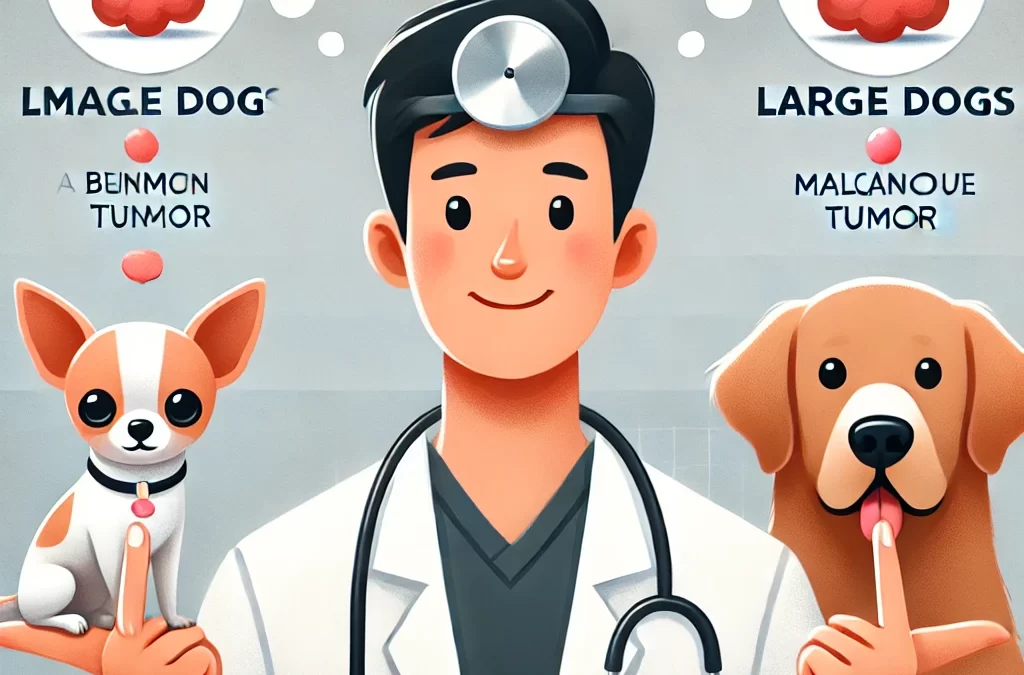
When it comes to cancer and tumor development in dogs, size matters—literally. Small and large breeds have different genetic predispositions, metabolic rates, and immune responses, all of which contribute to variations in how tumors develop, progress, and respond to treatment. If you’re a pet parent concerned about your dog’s health, understanding these differences can help you make informed decisions about prevention, early detection, and treatment.
1. The Genetic Factor: Breed-Specific Tumor Risks
Some cancers are more common in certain breeds, and a dog’s size often plays a role in this predisposition.
- Large Breeds: Dogs like Golden Retrievers, Great Danes, and Rottweilers are more likely to develop osteosarcoma (bone cancer), hemangiosarcoma (blood vessel cancer), and lymphoma. These cancers tend to be aggressive and often metastasize quickly.
- Small Breeds: Breeds like Poodles, Dachshunds, and Chihuahuas are more prone to benign tumors such as lipomas and papillomas, but they can also develop mammary tumors and bladder cancer.
The difference is not just in the type of tumors but also in how these cancers behave and respond to treatment.
2. Tumor Growth Rate and Behavior
Tumor progression varies significantly between small and large dogs due to differences in growth rates and cell metabolism.
- Faster Growth in Large Dogs: Larger breeds grow rapidly as puppies, and this rapid cell division may contribute to a higher risk of developing malignant tumors later in life. Their tumors also tend to be more aggressive.
- Slower Growth in Small Dogs: While tumors in small breeds may develop more slowly, they are still a concern. Benign tumors like lipomas are common but may interfere with mobility if they grow too large. Additionally, small dogs can still develop malignant tumors, such as mast cell tumors, which can spread if left untreated.
3. Life Expectancy and Tumor Onset
Large dogs tend to have shorter lifespans than small dogs, and this impacts tumor development timelines.
- Early-Onset Cancers in Large Dogs: Since large breeds age faster, they are more likely to develop cancer at a younger age—often between 6 to 8 years old. This means owners should begin cancer screenings and preventive care early.
- Later-Onset Tumors in Small Dogs: Small breeds may not show signs of cancer until their senior years (10+ years old), which means long-term monitoring is essential.
Understanding these timelines can help pet owners schedule vet checkups at the right time to catch potential tumors early.
4. Diagnosis and Treatment Challenges
When diagnosing and treating tumors, size plays a role in both detection and the ability to perform procedures.
- Surgical Considerations: Large dogs can better tolerate some surgeries due to their larger body mass, but removing tumors in weight-bearing bones (like with osteosarcoma) can be challenging. Small dogs, on the other hand, may struggle with anesthesia risks, especially if they are very tiny.
- Chemotherapy and Medication Differences: Dosing for chemotherapy is weight-dependent, and larger dogs often require higher drug doses, increasing treatment costs. Small dogs, despite needing lower doses, may experience stronger side effects due to their delicate systems.
5. Prevention and Early Detection Strategies
Regardless of size, early detection is crucial. Here’s what dog owners can do:
- Routine Veterinary Checkups: Regular exams help catch tumors before they grow too large.
- Physical Checks at Home: Running your hands over your dog’s body weekly can help detect unusual lumps.
- Breed-Specific Cancer Screenings: Large breeds should have early X-rays and ultrasounds, while small breeds may benefit from skin and bladder screenings.
- Diet and Lifestyle Adjustments: A balanced diet, regular exercise, and weight management can help support overall health and potentially reduce cancer risks.
Final Thoughts
While tumors affect both small and large dogs, their differences in genetics, tumor behavior, and treatment options mean pet owners need tailored care strategies. Large dogs are more prone to aggressive cancers at younger ages, while small dogs may develop slower-growing tumors later in life. By understanding these distinctions and prioritizing early detection, dog owners can improve their pets’ quality of life and potentially extend their time together.
Page 7 of 10«12345678910»
