
by TCMVET | Mar 12, 2024 | Cat Cancer & Tumors
Fibrosarcomas are among the more daunting diagnoses a cat owner can face. As a form of cancer that arises from fibrous tissue, these tumors pose a serious health threat. However, with advancements in veterinary medicine, there are several effective treatment options available. This article aims to provide an in-depth overview of these treatments, offering hope and guidance to cat owners.
Understanding Fibrosarcomas in Cats Fibrosarcomas are aggressive tumors that can occur in any part of a cat’s body but are commonly found in the skin and subcutaneous tissues. They are characterized by rapid growth and a high potential for recurrence and metastasis.
Surgical Removal The primary treatment for fibrosarcomas in cats is surgical removal of the tumor. The goal of surgery is to remove the entire tumor along with a margin of healthy tissue around it, to ensure no cancerous cells are left behind. The extent of the surgery depends on the tumor’s size and location.
Radiation Therapy Radiation therapy is often used in conjunction with surgery, especially if the tumor cannot be completely removed or if there’s a high risk of recurrence. It involves the use of high-energy rays to kill cancer cells. Radiation therapy is particularly useful for targeting specific areas and minimizing damage to surrounding healthy tissues.
Chemotherapy Chemotherapy is another option, especially in cases where the cancer has spread or there’s a significant risk of metastasis. Chemotherapy drugs can be administered orally or intravenously and work by targeting rapidly dividing cancer cells. The specific drugs and treatment regimen depend on the individual case.
Immunotherapy and Targeted Therapies Newer treatment options include immunotherapy and targeted therapies. These treatments focus on boosting the cat’s immune system to fight cancer or targeting specific molecules involved in tumor growth. While still relatively new, these therapies show promise for improving outcomes and reducing side effects.
Palliative Care In cases where curative treatment is not possible or if a cat is not a candidate for aggressive treatment, palliative care becomes the focus. This includes managing pain, ensuring proper nutrition, and maintaining quality of life.
Follow-Up and Monitoring Post-treatment, regular follow-up is crucial. This may involve physical examinations, imaging tests, and bloodwork to monitor for recurrence and manage any side effects of treatment.
The diagnosis of a fibrosarcoma in a cat can be challenging, but there are several treatment options available that offer hope. Advances in veterinary oncology continue to improve the prognosis for cats with this type of cancer. Early detection and prompt treatment are key to managing fibrosarcomas effectively.
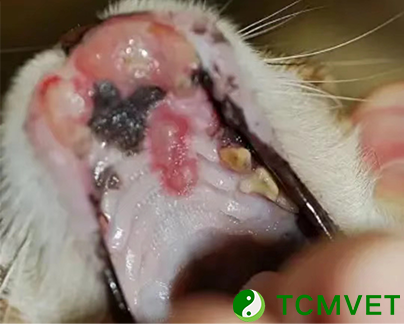
by TCMVET | Mar 7, 2024 | Cat Cancer & Tumors
Squamous Cell Carcinoma (SCC) is a prevalent type of cancer in small animals, particularly affecting dogs and cats. It’s a malignant tumor that originates in the squamous epithelium, which is the outermost layer of the skin, as well as in the linings of the organs and cavities of the body. As a pet owner or a veterinary enthusiast, understanding the treatment options available for SCC in small animals is crucial for managing this disease effectively.
1. Surgical Removal:
Surgery is often the primary treatment for squamous cell carcinoma, particularly when the tumor is localized and has not metastasized. The goal of the surgery is to completely remove the cancerous tissue. In cases where SCC is located in the skin, the surgical removal is relatively straightforward. However, if the tumor is in more complex areas, such as the mouth or near the nail beds, the procedure can be more challenging. Post-surgical histopathology is essential to ensure that the margins are clear of cancer cells.
2. Radiation Therapy:
Radiation therapy is another effective treatment, particularly for tumors that are difficult to remove surgically, such as those in the oral cavity. It involves the use of high-energy rays to destroy cancer cells and shrink tumors. This therapy is often used post-surgery if the margins are not clear or if the cancer is inoperable. For some pets, radiation therapy can be used as a palliative treatment to relieve symptoms and improve the quality of life.
3. Chemotherapy:
Chemotherapy is less commonly used in treating SCC in small animals compared to other types of cancer, but it may be recommended in cases where the cancer has metastasized. It involves the use of drugs to kill cancer cells or slow their growth. Chemotherapy can be administered orally or through injections and often comes with side effects such as nausea, fatigue, and increased susceptibility to infections.
4. Cryosurgery:
For smaller or superficial SCC lesions, cryosurgery might be an option. This treatment involves using extreme cold (liquid nitrogen) to freeze and destroy abnormal cells. It is less invasive than traditional surgery and is usually performed on an outpatient basis.
5. Photodynamic Therapy (PDT):
PDT is a relatively new treatment option that involves using drugs, known as photosensitizing agents, alongside light to kill cancer cells. The drug is absorbed by the cancer cells and, when exposed to a specific wavelength of light, it produces a form of oxygen that kills the cells.
6. Electrochemotherapy:
Electrochemotherapy combines chemotherapy and electric pulses to enhance the absorption of chemotherapeutic drugs by the cancer cells. This treatment is gaining interest for treating tumors that are difficult to treat with conventional methods.
7. Palliative Care:
In cases where the cancer is too advanced, or the animal is not a good candidate for aggressive treatments, palliative care becomes the focus. This involves managing symptoms and maintaining the quality of life with medications, nutritional support, and pain management.
Treatment for squamous cell carcinoma in small animals varies based on the tumor’s location, size, and the general health of the animal. Advances in veterinary medicine have significantly increased the effectiveness of SCC treatments, offering hope and improved outcomes for pets diagnosed with this condition. Regular check-ups and early detection remain key in successfully managing and treating SCC. As always, consultation with a qualified veterinary oncologist is crucial to determine the best course of action for each individual case.

by TCMVET | Feb 18, 2024 | Dog Cancer & Tumors
Understanding Cardiac Tumors in Canine Companions
Cardiac tumors in dogs, though relatively rare, pose significant health risks. These tumors typically develop in two primary areas of the heart: the heart base and the right atrium. Understanding their characteristics, symptoms, and treatment options is essential for dog owners and veterinarians.
Types of Cardiac Tumors in Dogs
- Heart Base Tumors:
- Common Types: Ectopic thyroid carcinomas and chemodectomas, with less frequent occurrences of hemangiosarcomas or other sarcomas.
- Prevalence: More common in brachycephalic breeds like Boxers, Boston Terriers, and Pugs.
- Symptoms and Diagnosis: Often asymptomatic and found incidentally. Symptoms such as pericardial effusion and cardiac tamponade may occur due to hemorrhage, leading to shock or signs of right heart failure.
- Treatment: Surgical removal is challenging due to the tumor’s proximity to major vessels. Partial pericardiectomy can be a viable option to prevent cardiac tamponade. Radiation therapy may offer palliative benefits.
- Right Atrial Tumors:
- Common Type: Hemangiosarcoma, a rapidly growing and aggressive cancer.
- Breeds at Risk: Common in larger breeds like German Shepherds, Golden Retrievers, and Boxers, but can occur in smaller breeds.
- Symptoms and Diagnosis: Presents with sudden lethargy, anorexia, collapse, and potential for sudden death. Often diagnosed when metastasis is already present.
- Treatment: Prognosis is generally grave. Surgical and chemotherapy options are palliative, with median survival times around 157 days. Pericardiectomy can extend life for a short period, and pericardiocentesis offers temporary relief from cardiac tamponade.
Dealing with Cardiac Tumors: Options and Prognosis
The approach to treating cardiac tumors in dogs depends on the tumor type, location, and overall health of the dog. In both types of cardiac tumors, the prognosis is often guarded to poor. Therapeutic interventions focus on prolonging life and maintaining quality of life rather than cure.
- Surgical Interventions:
- In heart base tumors, surgery is complicated and rarely curative. In right atrial tumors, surgery can be palliative, sometimes involving debulking of the tumor.
- Chemotherapy and Radiation:
- These treatments are generally palliative and aim to prolong survival while maintaining quality of life.
- Supportive Care:
- Supportive care, including fluid removal from the pericardial sac (pericardiocentesis), is often necessary. This procedure can provide temporary relief from the symptoms of cardiac tamponade.
Monitoring and End-of-Life Decisions
Regular monitoring and veterinary check-ups are crucial for dogs diagnosed with cardiac tumors. In cases where the prognosis is poor, and the quality of life is significantly affected, owners may have to make difficult decisions regarding euthanasia. The possibility of sudden death is an unfortunate reality in dogs with right atrial tumors.
Conclusion
Cardiac tumors in dogs, particularly at the heart base and right atrium, are serious conditions that require immediate veterinary attention. While treatment options are available, they are often palliative, focusing on extending the dog’s life and alleviating symptoms. Owners must work closely with their veterinarians to monitor their dog’s health and make informed decisions about treatment and care.

by TCMVET | Feb 17, 2024 | Dog Cancer & Tumors
Tumors on a dog’s paws, though not always a cause for immediate alarm, require careful attention and timely veterinary care. These tumors can appear anywhere on the paw, including the pads, between the toes, or at the nail bed, and can range from benign growths to malignant cancers.
Types of Tumors on Dog Paws
Common tumors found on dogs’ paws include:
- Melanomas: Often black and located at the nail bed.
- Squamous Cell Carcinomas: Typically found on the eyelids or conjunctiva.
- Soft Tissue Sarcomas: These can be more invasive.
- Mast Cell Tumors: Can be red or pink, sometimes with a raw surface.
- Plasma Cell Tumors: Another type of growth that can be found on paws.
While some tumors like mast cell tumors can be benign, others have the potential to spread to other body parts, such as lymph nodes or lungs.
Symptoms and Early Detection
Symptoms of paw tumors in dogs may include:
- Visible growths on the paw
- Limping or reluctance to use the affected paw
- Excessive licking of the foot
- Bleeding or the presence of sores
- Changes in the appearance of a nail
Regular checks of your dog’s paws are crucial for early detection of any unusual growths.
Diagnosis and Treatment
Veterinarians typically begin with a physical examination, which may lead to further diagnostic tests such as a CT scan, MRI, or X-rays. A biopsy or cell sample may be collected for analysis. In some cases, sedation might be necessary due to the sensitivity of the paws.
Treatment options vary based on the tumor’s type and stage and can include:
- Surgery: For removing the tumor, sometimes necessitating amputation of a toe or even the leg for extensive tumors.
- Chemotherapy: Recommended for tumors that have spread or have a high risk of spreading.
- Radiation Therapy: Especially for tumors where surgery isn’t viable.
- Palliative Care: Includes pain management and supportive treatments.
Recovery and Management
Post-surgery, dogs typically recover within a couple of weeks, often requiring a cone to prevent them from licking the wound. Dogs undergoing chemotherapy may need frequent blood work to monitor their white blood cell count.
Prevention and FAQs
While most tumors on dog paws aren’t preventable, early intervention often results in better outcomes. Common questions include:
- Why does my dog have lumps on his paws? Lumps can be cysts, tumors, or signs of infection and should be checked by a vet.
- Why is my dog’s paw tumor bleeding? Tumors can bleed due to licking, bumping, or scraping.
- Can there be benign tumors on dog paws? Yes, not all tumors on dog paws are cancerous.
Conclusion
Tumors on dog paws can be a significant health concern but are manageable with timely veterinary intervention. Regular paw checks, understanding the symptoms, and knowing when to seek veterinary care are key steps in ensuring your dog’s health and well-being.
