
by TCMVET | Mar 20, 2024 | Dog Cancer & Tumors
Throat and tracheal tumors in dogs and cats present a significant challenge in veterinary medicine. While Western medicine offers surgery, chemotherapy, and radiation therapy, Traditional Chinese Medicine (TCM) provides a holistic approach to treatment, emphasizing the balance of the body’s natural energies. This article delves into how TCM can be used to treat throat and tracheal tumors in canines and felines, offering an alternative or complementary approach to conventional methods.
Understanding TCM’s Perspective on Tumors
In TCM, tumors are considered manifestations of underlying imbalances in the body’s Qi (vital energy), along with disruptions in the harmony of Yin (the passive, cooling energy) and Yang (the active, warming energy). TCM approaches treatment by addressing these imbalances through various techniques, aiming to restore the body’s natural equilibrium and immune function.
TCM Treatment Modalities
- Herbal Medicine: Specific Chinese herbs are used to target tumors and strengthen the body’s natural defenses. Herbs such as Ban Zhi Lian (Scutellaria barbata) and Bai Hua She She Cao (Hedyotis diffusa) are known for their anti-tumor properties.
- Acupuncture: This ancient practice involves inserting needles at specific points to stimulate the flow of Qi. It can help reduce pain, enhance immune response, and improve the quality of life for pets with throat and tracheal tumors.
- Dietary Therapy: TCM emphasizes the importance of a balanced diet tailored to the individual animal’s condition. Foods that support Yin or Yang are recommended based on the nature of the tumor and the pet’s overall energy balance.
Integrating TCM with Conventional Veterinary Care
TCM is often most effective when used in conjunction with conventional treatments. For instance, acupuncture and herbal medicine can alleviate side effects of chemotherapy or enhance the efficacy of radiation therapy.
Safety and Efficacy
While TCM offers promising alternative treatments, it’s crucial to work with a veterinarian trained in both TCM and Western veterinary practices to ensure the safety and effectiveness of the treatment plan.
Case Studies and Research in TCM for Pet Tumors
Numerous case studies highlight the positive impact of TCM on pets with throat and tracheal tumors. Although research in this area is still growing, these stories offer hope and demonstrate the potential of TCM in veterinary oncology.
TCM offers a valuable perspective in treating throat and tracheal tumors in pets, focusing on holistic health and the balance of natural energies. While it may not replace conventional treatments, it provides a complementary approach that can enhance overall treatment outcomes and improve the quality of life for our canine and feline companions.

by TCMVET | Mar 18, 2024 | pet Chinese herbal medicine
The convergence of traditional Chinese medicinal knowledge with modern technology in the field of canine oral oncology is a fascinating development in veterinary medicine. This union represents a holistic approach to treating one of the most challenging canine diseases. This article delves into how ancient wisdom is being integrated with cutting-edge technology to improve outcomes for dogs suffering from oral cancer.
The Ancient Wisdom of Chinese Medicine
Traditional Chinese Medicine (TCM) has a rich history dating back thousands of years. It is based on the principle of harmony and balance within the body and the universe. TCM uses various practices, including herbal medicine, acupuncture, and dietary therapy, to treat ailments. Key to this philosophy is the concept of Qi, the vital life force that flows through the body, and the balance of the Yin and Yang energies.
Canine Oral Cancer: A Modern Challenge
Canine oral cancer, primarily comprising conditions like melanoma, squamous cell carcinoma, and fibrosarcoma, poses significant challenges in veterinary medicine. These cancers are often aggressive and require a multi-faceted treatment approach. Modern veterinary oncology has made strides in diagnosis and treatment, including surgery, chemotherapy, and radiation therapy.
Integrating TCM in Modern Veterinary Oncology
The integration of TCM in treating canine oral cancer involves using ancient medicinal knowledge alongside modern medical techniques. This approach aims to treat the disease while maintaining the overall well-being of the animal.
- Herbal Medicine: Certain herbs in TCM are known for their anti-inflammatory and anti-cancer properties. They are used alongside conventional treatments to enhance their efficacy and mitigate side effects.
- Acupuncture: Acupuncture is used for pain management and to improve the quality of life of dogs undergoing cancer treatment. It is believed to stimulate the body’s natural healing processes.
- Dietary Therapy: TCM also emphasizes the importance of diet in managing diseases. Nutritional adjustments can support the immune system and help the body cope with cancer and its treatments.
Technology Enhancing Traditional Practices
Modern technology plays a pivotal role in integrating TCM into canine oral oncology. Advanced diagnostic tools, precision in administering treatments, and research into the efficacy of herbal remedies are vital components of this integrative approach.
The Importance of a Balanced Approach
The combination of TCM and modern veterinary oncology stresses the importance of a balanced approach to treatment. This methodology not only focuses on eradicating cancer cells but also on enhancing the overall health and quality of life of the canine patient.
“Tradition Meets Technology” is not just a phrase but a progressive approach in veterinary medicine, particularly in treating canine oral cancer. The blending of ancient Chinese medicinal knowledge with modern technology is paving the way for more comprehensive and compassionate cancer care. As we continue to explore and validate this integration, the potential to revolutionize veterinary oncology remains immense.

by TCMVET | Mar 12, 2024 | Cat Cancer & Tumors
Fibrosarcomas, a form of aggressive cancer in cats, can be a distressing diagnosis for any pet owner. Understanding the prognosis and managing the condition long-term are crucial aspects of care. This article aims to provide a detailed insight into these areas, offering guidance and hope for cat owners.
Understanding Fibrosarcomas in Cats Fibrosarcomas in cats are malignant tumors that originate from fibrous connective tissue. They can occur anywhere in the body but are most commonly found on the skin or beneath it. The aggressive nature of these tumors often means they are invasive and can recur after treatment.
Factors Influencing Prognosis The prognosis for a cat with fibrosarcoma depends on several factors:
- Location and Size of the Tumor: Tumors in certain locations or of significant size can be more challenging to treat effectively.
- Stage of Cancer: Early-stage cancers have a better prognosis.
- Response to Treatment: How well the tumor responds to initial treatment (surgery, chemotherapy, or radiation) can indicate long-term outcomes.
Treatment and Its Impact on Prognosis Treatment typically involves surgical removal of the tumor, possibly followed by radiation therapy or chemotherapy. The success of these treatments in completely removing or reducing the cancer significantly impacts the prognosis.
Long-Term Management Strategies
- Regular Veterinary Check-ups: Monitoring for recurrence or spread of the cancer is vital.
- Nutrition and Diet: A nutritious diet tailored to support a cat’s immune system can aid in recovery and overall health.
- Pain Management: Effective pain management strategies are important for maintaining quality of life.
- Supportive Care: Providing a comfortable and stress-free environment is essential for a cat’s wellbeing.
The Role of Palliative Care In cases where curative treatment is not an option, palliative care focuses on providing the best possible quality of life, managing symptoms, and ensuring comfort.
While the diagnosis of fibrosarcoma in cats can be daunting, understanding the prognosis and implementing a robust long-term management plan can significantly improve a cat’s quality of life. Advances in veterinary medicine continue to enhance the prospects for cats with this condition, emphasizing the importance of early detection and comprehensive care.

by TCMVET | Mar 8, 2024 | Dog Cancer & Tumors
Fatty tumors, also known as lipomas, are common in dogs, especially as they age. These benign tumors are made up of fat cells and typically do not pose a serious health threat. However, their size and location can sometimes cause discomfort or mobility issues for the dog. This article aims to explore ways to manage and possibly reduce fatty tumors in dogs.
Understanding Fatty Tumors in Dogs
Fatty tumors are soft, movable lumps under the skin, often found on the torso, legs, and armpits. They vary in size and can grow slowly over time. While generally harmless, it’s crucial to have any new lump checked by a veterinarian to rule out malignancy.
Causes
The exact cause of lipomas is not known, but factors like genetics, obesity, and age play a role. They are more common in middle-aged to older dogs and certain breeds.
Diagnosis
A veterinarian can usually diagnose a lipoma by feeling it, but they may recommend a biopsy or fine-needle aspiration to confirm it’s a fatty tumor.
Management Strategies
Diet and Exercise
- Maintaining a Healthy Weight: Obesity can be a contributing factor. Feeding a balanced diet and maintaining a healthy weight can help manage the size and number of lipomas.
- Regular Exercise: Regular physical activity helps in overall weight management, potentially reducing the size of fatty tumors.
Medical Interventions
- Surgery: Large or obstructive lipomas may require surgical removal.
- Liposuction: A less invasive option for reducing the size of lipomas.
Holistic Approaches
Some pet owners opt for holistic approaches, such as dietary supplements or herbal remedies, but their effectiveness is not scientifically proven.
Monitoring and Prevention
Regular check-ups with a veterinarian are essential for monitoring existing lipomas and checking for new growths. While complete prevention may not be possible, maintaining a healthy lifestyle for your dog is the best approach.
Conclusion
Fatty tumors in dogs are usually benign but can cause discomfort depending on their size and location. Maintaining a healthy lifestyle through proper diet and exercise is key in managing these tumors. It is always advisable to consult with a veterinarian for accurate diagnosis and appropriate treatment options. With proper care and monitoring, dogs with fatty tumors can continue to lead happy, healthy lives.
by TCMVET | Mar 7, 2024 | Dog Cancer & Tumors
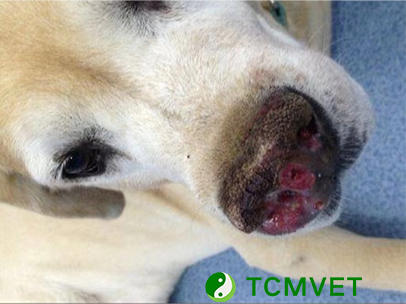
Squamous Cell Carcinoma (SCC) is one of the most common types of cancer affecting pets, particularly dogs and cats. This malignant tumor arises from squamous cells, which are found in the skin and mucous membranes. While treatment options are available, prevention and early detection remain key factors in effectively managing this disease. This article will explore the various strategies and measures pet owners can take to prevent SCC in their pets and the importance of early detection.
1. Understanding Risk Factors:
Knowledge of the risk factors is crucial in preventing SCC. Pets with light-colored or thin coats, and those who spend a considerable amount of time outdoors are at a higher risk due to increased sun exposure. Certain breeds may also be predisposed to this condition. Awareness of these risk factors helps in implementing effective preventive measures.
2. Limiting Sun Exposure:
Since UV radiation from the sun can lead to SCC, especially in areas with less fur such as the ears, nose, and belly, it’s essential to limit your pet’s exposure to intense sunlight. Using pet-safe sunscreens, providing shaded areas, and avoiding outdoor activities during peak sunlight hours can significantly reduce the risk.
3. Regular Veterinary Check-ups:
Regular check-ups with a veterinarian are vital for early detection. These check-ups often include thorough physical examinations that can help identify any early signs of SCC, such as unusual growths or lesions on the skin.
4. Self-Examination of Your Pet:
Pet owners should regularly examine their pets for any signs of SCC. This includes looking for new lumps, sores, or lesions, particularly in sun-exposed areas, and noting any changes in existing moles or spots. Early stages of SCC might appear as small, crusty, or scaly patches.
5. Diet and Nutrition:
A healthy diet rich in antioxidants can help boost a pet’s immune system. Some studies suggest that a diet rich in certain nutrients like omega-3 fatty acids, vitamins A, C, and E might help in reducing the risk of cancer. Always consult with a veterinarian for dietary recommendations tailored to your pet’s specific needs.
6. Spaying/Neutering:
For certain types of SCC, especially those associated with the reproductive organs, spaying or neutering your pet can reduce the risk. This is particularly significant for female dogs and cats, as spaying them can help prevent types of SCC linked to the genital area.
7. Environmental Management:
Minimizing exposure to environmental carcinogens is essential. This includes tobacco smoke, certain chemicals, and pesticides, all of which may contribute to the development of SCC.
8. Early Veterinary Intervention:
If any signs of SCC are detected during self-examinations, it’s crucial to seek veterinary advice immediately. Early intervention can lead to more effective treatment and a better overall prognosis.
Preventing SCC in pets involves a combination of minimizing risk factors, maintaining a healthy lifestyle, and regular medical check-ups for early detection. By understanding the risk factors, implementing preventive measures, and being vigilant about any changes in their pets’ health, owners can play a critical role in protecting their pets from this common form of cancer. Remember, early detection and prompt treatment are the keys to successfully managing SCC in pets.
