
by TCMVET | Jun 14, 2024 | Food & Health
Cancer is a leading cause of illness and death in dogs, making it crucial for pet owners to explore ways to support their furry friends’ health and well-being. One effective approach is incorporating anti-cancer foods into your dog’s diet. These foods are rich in antioxidants, vitamins, and minerals that can help fight cancer and promote overall health. In this comprehensive guide, we’ll explore the best anti-cancer foods for dogs, their benefits, and how to incorporate them into your pet’s diet.
What Are Anti-Cancer Foods?
Anti-cancer foods are natural ingredients known for their cancer-fighting properties. These foods are rich in antioxidants, which help neutralize free radicals, reduce inflammation, and support the immune system. Including these foods in your dog’s diet can help lower the risk of cancer and support overall health.
Top Anti-Cancer Foods for Dogs
- Blueberries
- Benefits: Blueberries are packed with antioxidants, vitamins C and K, and fiber. They help reduce oxidative stress and inflammation, which are linked to cancer development.
- How to Use: Add a handful of fresh or frozen blueberries to your dog’s meals or use them as treats.
- Turmeric
- Benefits: Turmeric contains curcumin, a powerful anti-inflammatory and antioxidant compound. Studies have shown curcumin can help slow the growth of cancer cells.
- How to Use: Mix a small amount of turmeric powder into your dog’s food or use a turmeric supplement designed for pets.
- Broccoli
- Benefits: Broccoli is rich in sulforaphane, a compound that has been shown to have anti-cancer properties. It’s also a great source of vitamins C and K.
- How to Use: Lightly steam broccoli and chop it into small pieces before adding it to your dog’s meals.
- Fish Oil
- Benefits: Fish oil is high in omega-3 fatty acids, which have anti-inflammatory properties and can help slow cancer cell growth.
- How to Use: Add fish oil supplements to your dog’s diet, following the recommended dosage for their size and weight.
- Carrots
- Benefits: Carrots are rich in beta-carotene, an antioxidant that helps protect cells from damage. They also contain vitamins A, C, and K.
- How to Use: Chop raw carrots into small pieces or lightly steam them before adding them to your dog’s meals.
- Green Tea
- Benefits: Green tea contains catechins, which are powerful antioxidants that can help prevent cancer cell growth.
- How to Use: Brew green tea, let it cool, and add a small amount to your dog’s water bowl.
- Pumpkin
- Benefits: Pumpkin is high in fiber, vitamins A and C, and antioxidants that support digestive health and boost the immune system.
- How to Use: Add canned or cooked pumpkin to your dog’s meals as a healthy supplement.
How to Incorporate Anti-Cancer Foods into Your Dog’s Diet
- Start Slowly: Introduce new foods gradually to avoid digestive upset. Start with small amounts and gradually increase the quantity.
- Balanced Diet: Ensure your dog’s diet remains balanced by including a variety of protein sources, healthy fats, and carbohydrates.
- Consult Your Veterinarian: Always consult with your veterinarian before making significant changes to your dog’s diet, especially if your dog has any existing health conditions.
- Homemade Meals: Consider preparing homemade meals for your dog, incorporating anti-cancer foods. This allows you to control the ingredients and ensure they are getting the best nutrition.
Conclusion
Incorporating anti-cancer foods into your dog’s diet is a proactive way to support their health and reduce the risk of cancer. By including nutrient-rich, antioxidant-packed ingredients like blueberries, turmeric, and broccoli, you can help protect your furry friend and enhance their overall well-being. Always consult with your veterinarian before making dietary changes to ensure the best results for your dog’s health.

by TCMVET | May 29, 2024 | Dog Cancer & Tumors
When a pet is diagnosed with cancer, understanding the potential side effects of treatments is crucial for pet owners. Knowing what to expect can help you prepare and make informed decisions to ensure your furry friend maintains the best possible quality of life. This article explores the side effects of common pet cancer treatments and their impact on your pet’s overall well-being.
Surgery Side Effects and Quality of Life
Overview: Surgery is often the first line of treatment for localized cancers, involving the physical removal of tumors.
Common Side Effects:
- Pain and Discomfort: Post-surgery pain is common, but it can be managed with prescribed pain medications.
- Infection: There’s always a risk of infection at the surgical site, which can be minimized with proper care and antibiotics.
- Restricted Mobility: Depending on the surgery’s location, your pet might experience temporary limited mobility.
Impact on Quality of Life: While surgery can be invasive, it often results in a favorable prognosis, especially if the cancer is detected early. Effective pain management and post-operative care are crucial to help your pet recover and return to their normal activities.
Chemotherapy Side Effects and Quality of Life
Overview: Chemotherapy uses drugs to kill or slow the growth of cancer cells, administered orally or intravenously.
Common Side Effects:
- Nausea and Vomiting: These are common but can be managed with anti-nausea medications.
- Loss of Appetite: Pets may eat less during treatment, requiring dietary adjustments or appetite stimulants.
- Immune Suppression: Chemotherapy can lower the immune system, making pets more susceptible to infections.
- Fatigue: Pets often feel more tired and less playful during treatment.
Impact on Quality of Life: Chemotherapy can significantly extend life expectancy and improve the quality of life for pets with metastatic cancer. Side effects are usually manageable, and many pets tolerate chemotherapy better than humans.
Radiation Therapy Side Effects and Quality of Life
Overview: Radiation therapy uses high-energy rays to target and destroy cancer cells, suitable for inoperable tumors or in combination with other treatments.
Common Side Effects:
- Skin Irritation: Radiation can cause redness, dryness, and irritation at the treatment site.
- Fatigue: Pets often experience temporary fatigue following radiation sessions.
- Hair Loss: Localized hair loss might occur in the treated area.
Impact on Quality of Life: Radiation therapy can effectively control tumor growth and provide palliative care, improving the pet’s comfort and quality of life. Side effects are usually localized and temporary, with proper management enhancing overall well-being.
Immunotherapy Side Effects and Quality of Life
Overview: Immunotherapy boosts the body’s immune system to fight cancer, including vaccines and other therapies that stimulate an immune response.
Common Side Effects:
- Mild Fever: Some pets may develop a mild fever as their immune system responds.
- Injection Site Reactions: Swelling or soreness at the injection site is possible.
- Flu-like Symptoms: Pets might experience mild flu-like symptoms temporarily.
Impact on Quality of Life: As a newer treatment modality, immunotherapy shows promise with fewer side effects compared to traditional treatments. It can enhance the pet’s immune response and is often well-tolerated, contributing to a better quality of life.
Managing Side Effects for Better Quality of Life
Regular Monitoring: Frequent vet visits for monitoring and managing side effects are crucial. Supportive Care: Providing a comfortable environment, proper nutrition, and hydration are essential. Medications: Using prescribed medications to manage pain, nausea, and other side effects can greatly improve your pet’s comfort. Emotional Support: Providing love, attention, and a stress-free environment helps in your pet’s overall well-being.
Conclusion
Understanding the side effects of pet cancer treatments and their impact on quality of life is essential for pet owners. Surgery, chemotherapy, radiation therapy, and immunotherapy each come with their own set of challenges, but with proper management and care, you can help your pet maintain a good quality of life. Always consult with your veterinarian to tailor the best treatment plan for your pet’s specific needs.
For more personalized advice and detailed information, consult with your veterinarian or a veterinary oncologist. They can provide insights based on your pet’s unique situation and help you navigate the complexities of cancer treatment.
By staying informed and proactive, you can ensure your beloved pet receives the best care possible, maintaining their quality of life throughout their treatment journey.
by TCMVET | Mar 7, 2024 | Dog Cancer & Tumors
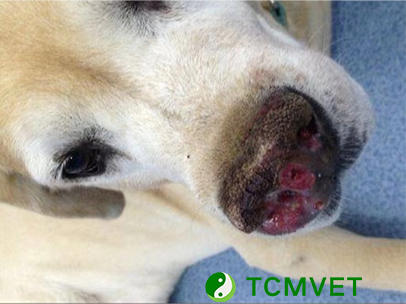
Squamous Cell Carcinoma (SCC) is one of the most common types of cancer affecting pets, particularly dogs and cats. This malignant tumor arises from squamous cells, which are found in the skin and mucous membranes. While treatment options are available, prevention and early detection remain key factors in effectively managing this disease. This article will explore the various strategies and measures pet owners can take to prevent SCC in their pets and the importance of early detection.
1. Understanding Risk Factors:
Knowledge of the risk factors is crucial in preventing SCC. Pets with light-colored or thin coats, and those who spend a considerable amount of time outdoors are at a higher risk due to increased sun exposure. Certain breeds may also be predisposed to this condition. Awareness of these risk factors helps in implementing effective preventive measures.
2. Limiting Sun Exposure:
Since UV radiation from the sun can lead to SCC, especially in areas with less fur such as the ears, nose, and belly, it’s essential to limit your pet’s exposure to intense sunlight. Using pet-safe sunscreens, providing shaded areas, and avoiding outdoor activities during peak sunlight hours can significantly reduce the risk.
3. Regular Veterinary Check-ups:
Regular check-ups with a veterinarian are vital for early detection. These check-ups often include thorough physical examinations that can help identify any early signs of SCC, such as unusual growths or lesions on the skin.
4. Self-Examination of Your Pet:
Pet owners should regularly examine their pets for any signs of SCC. This includes looking for new lumps, sores, or lesions, particularly in sun-exposed areas, and noting any changes in existing moles or spots. Early stages of SCC might appear as small, crusty, or scaly patches.
5. Diet and Nutrition:
A healthy diet rich in antioxidants can help boost a pet’s immune system. Some studies suggest that a diet rich in certain nutrients like omega-3 fatty acids, vitamins A, C, and E might help in reducing the risk of cancer. Always consult with a veterinarian for dietary recommendations tailored to your pet’s specific needs.
6. Spaying/Neutering:
For certain types of SCC, especially those associated with the reproductive organs, spaying or neutering your pet can reduce the risk. This is particularly significant for female dogs and cats, as spaying them can help prevent types of SCC linked to the genital area.
7. Environmental Management:
Minimizing exposure to environmental carcinogens is essential. This includes tobacco smoke, certain chemicals, and pesticides, all of which may contribute to the development of SCC.
8. Early Veterinary Intervention:
If any signs of SCC are detected during self-examinations, it’s crucial to seek veterinary advice immediately. Early intervention can lead to more effective treatment and a better overall prognosis.
Preventing SCC in pets involves a combination of minimizing risk factors, maintaining a healthy lifestyle, and regular medical check-ups for early detection. By understanding the risk factors, implementing preventive measures, and being vigilant about any changes in their pets’ health, owners can play a critical role in protecting their pets from this common form of cancer. Remember, early detection and prompt treatment are the keys to successfully managing SCC in pets.

by TCMVET | Jan 27, 2024 | Food & Health
Cancer in dogs is a challenging ordeal, both for the pet and the pet owner. Alongside medical treatments, dietary adjustments play a crucial role in managing the disease. It is essential to understand which foods should be avoided to prevent further complications and support the dog’s overall health.
1. High Sugar Foods: Cancer cells thrive on sugar. It is advised to limit or eliminate high sugar foods from a dog’s diet. This includes certain fruits, processed treats, and foods with added sugars. Instead, focus on low-glycemic vegetables and high-quality proteins.
2. Processed and Preserved Foods: Processed foods often contain chemicals and preservatives that can be harmful to dogs with cancer. These include certain commercial dog foods, treats, and any human food that is heavily processed. Feeding fresh, whole foods is generally a better choice.
3. Excessive Carbohydrates: While carbohydrates are a necessary part of a balanced diet, excessive carbs, especially refined ones, should be avoided. They can lead to an increase in blood sugar levels, feeding cancer cells. Opt for complex carbohydrates in moderation, such as sweet potatoes or brown rice.
4. Certain Fats: Not all fats are bad, but it’s important to avoid unhealthy fats, such as trans fats and excessive saturated fats found in fried foods and certain cuts of meat. Instead, focus on healthy fats like omega-3 fatty acids, which are found in fish oil and can be beneficial for dogs with cancer.
5. Red Meat and Processed Meats: Red meat and processed meats like bacon and sausages may increase inflammation and are best avoided. Lean meats like chicken, turkey, and certain fish are healthier options for protein sources.
Conclusion: Managing a dog’s diet when they have cancer is a delicate balance. The focus should be on providing high-quality proteins, healthy fats, and low-glycemic vegetables while avoiding high sugar foods, excessive carbohydrates, and unhealthy fats. Always consult with a veterinarian or a pet nutritionist to create a diet plan that is tailored to your dog’s specific needs and health condition.
Remember, each dog is unique, and what works for one may not work for another. A specialized diet, in combination with medical treatment, can significantly improve the quality of life for a dog battling cancer.
