
by TCMVET | Dec 28, 2024 | Dog Cancer & Tumors
When it comes to pets and cancer, one of the most common questions pet owners ask is, “Can my pet inherit cancer from me or its parents?” While genetics do play a significant role in the development of certain diseases, including tumors, it’s important to understand that cancer is a complex condition. There is no single cause, and it’s rarely the result of just one factor.
The Role of Genetics in Pet Tumors
Much like humans, pets can inherit a predisposition to certain types of cancer from their genetic makeup. However, not all tumors are genetic in nature. Some pets may develop cancer as a result of environmental factors, lifestyle, or even random mutations in their cells. Here’s a breakdown of how genetics can influence cancer risk in pets:
- Breed-Specific Predispositions Some dog and cat breeds are genetically predisposed to certain types of tumors. For example, Golden Retrievers and Boxers have a higher risk of developing certain cancers like hemangiosarcoma and lymphoma. Similarly, some cat breeds, like the Siamese, may be more prone to developing specific cancers, such as lymphoma. Understanding your pet’s breed-specific risks is key to early detection and prevention.
- Inherited Mutations In some cases, specific gene mutations can increase the likelihood of tumor development. These mutations can be inherited from a pet’s parents, raising the risk of certain types of cancer. However, not every pet with a genetic mutation will develop cancer, as the condition depends on several other factors, including lifestyle and environmental exposure.
- Genetic Testing for Early Detection While genetic testing for cancer in pets is still a relatively new field, advancements are being made in identifying genetic markers for specific types of tumors. If you have a pet from a breed known to have a genetic predisposition to certain cancers, genetic testing could provide valuable information for early detection and preventive care.
Environmental and Lifestyle Factors
While genetics play a role in cancer development, it’s essential not to overlook the impact of the environment and lifestyle. Factors like diet, exposure to toxins, sun exposure, and lack of exercise can all contribute to the risk of cancer in pets. In fact, some cancers are largely preventable if pets are given a healthy, balanced lifestyle. For example, keeping your pet at an ideal weight, ensuring they get regular exercise, and avoiding excessive sun exposure can all reduce the risk of developing certain types of tumors.
Early Detection and Preventive Care
The key to managing cancer in pets, especially when genetic factors are involved, is early detection. Regular veterinary check-ups are crucial, as they allow your vet to monitor any changes in your pet’s health. Tumors may sometimes go unnoticed until they become more advanced, but regular screenings and being proactive about your pet’s health can increase the chances of identifying problems early.
Preventive Measures:
- Healthy Diet: Provide a balanced diet rich in antioxidants, vitamins, and minerals to support your pet’s immune system.
- Regular Exercise: Ensure your pet remains active to help maintain a healthy weight and reduce the risk of obesity-related cancers.
- Regular Vet Check-ups: Annual or bi-annual check-ups can help identify potential issues before they become serious.
- Genetic Counseling: If your pet belongs to a breed with a known predisposition to cancer, consult with your veterinarian about genetic testing and preventive strategies.
Conclusion
While the genetics of pets can influence the risk of developing tumors, it’s not the only factor. A combination of genetics, lifestyle, and environmental influences contribute to a pet’s overall health. By understanding these factors and providing a healthy, proactive approach to care, pet owners can help reduce the risk of cancer and other related conditions in their beloved companions.

by TCMVET | Dec 23, 2024 | Dog Cancer & Tumors
As a pet parent, there’s nothing more heart-wrenching than the thought of your dog facing a serious health challenge. Among the most common but often misunderstood health threats are tumors. While the word “tumor” may immediately cause panic, it’s crucial to understand the different types, how they affect your dog’s health, and most importantly, how early intervention can significantly improve outcomes.
The Tumor Landscape: Not All Tumors Are Alike
When we talk about tumors in dogs, we need to recognize that not all tumors are malignant (cancerous). Tumors can be classified as benign (non-cancerous) or malignant (cancerous), and each type has distinct behaviors and potential impacts on your dog’s health.
- Benign Tumors: These tend to grow slowly and usually don’t spread to other parts of the body. They can, however, cause discomfort or interfere with nearby organs if left unchecked. Common examples include lipomas (fatty tumors) and fibromas (tumors of connective tissue).
- Malignant Tumors: These are more aggressive and can invade surrounding tissues or spread to other areas through the bloodstream or lymphatic system. Common malignant tumors in dogs include mast cell tumors, osteosarcoma (bone cancer), and hemangiosarcoma (a tumor of the blood vessels).
While benign tumors are often treatable through surgical removal or monitored management, malignant tumors require more intensive treatments such as surgery, chemotherapy, or radiation therapy.
Symptoms: How to Recognize Potential Tumors Early
Tumors may not always be easy to detect, especially in the early stages. However, certain signs and symptoms may indicate the presence of a tumor. Early detection can dramatically improve the chances of successful treatment, so keep an eye out for:
- Lumps and Bumps: A noticeable lump under the skin, which may or may not be painful to the touch, is one of the most common signs. If a lump grows rapidly, seems to harden, or is accompanied by redness or heat, it’s worth investigating.
- Changes in Behavior: Tumors, especially malignant ones, can cause discomfort, pain, and fatigue. If your dog becomes unusually lethargic, refuses to eat, or shows signs of discomfort when moving, it could be due to a tumor pressing on nerves or organs.
- Breathing Difficulties or Coughing: If your dog develops persistent coughing, labored breathing, or changes in their breathing pattern, tumors affecting the lungs or chest area may be the culprit.
- Weight Loss and Loss of Appetite: In cases of cancer, weight loss and a lack of appetite are common signs. This is due to the body expending extra energy to fight the disease or the tumor blocking the digestive system.
- Lameness or Swelling: A sudden limp or swelling in a limb may point to bone cancer (osteosarcoma) or soft tissue tumors pressing on nearby joints.
How Tumors Affect Your Dog’s Overall Health
A tumor, whether benign or malignant, can have a significant impact on your dog’s overall health. The tumor’s location and type will dictate the specific challenges your dog faces.
- Pain: Tumors that press against internal organs, muscles, or nerves can cause significant pain. Malignant tumors are often more aggressive and painful, especially when they spread to bones or other tissues.
- Decreased Mobility: Tumors affecting bones or joints can limit your dog’s ability to move freely, leading to a decrease in activity levels and overall quality of life. For instance, osteosarcoma in the limbs is a common cause of limping and lameness in dogs.
- Organ Dysfunction: Tumors that invade vital organs like the liver, kidneys, or lungs can disrupt normal organ function. This may result in symptoms such as difficulty breathing, vomiting, or changes in urine or stool.
- Weakened Immune System: As malignant tumors grow, they can weaken the dog’s immune system, making it more difficult for the body to fight off other infections or diseases.
Treatment Options: Navigating the Road Ahead
The treatment for a tumor depends on its type, location, and stage. While benign tumors often require no more than observation or minor surgical removal, malignant tumors demand a more comprehensive approach. Here’s a breakdown of possible treatments:
- Surgery: The most common treatment for tumors, especially benign ones, is surgical removal. In cases of malignant tumors, surgery may also be necessary to remove as much of the tumor as possible.
- Chemotherapy: Often used for malignant tumors, chemotherapy can help shrink or slow the growth of cancerous tumors. While chemotherapy can have side effects (such as nausea or hair loss), it may extend your dog’s life and improve their quality of life.
- Radiation Therapy: Radiation is typically used in conjunction with surgery or chemotherapy to target and destroy cancer cells, especially when a tumor cannot be entirely removed.
- Palliative Care: For dogs with advanced or inoperable tumors, palliative care focuses on managing pain and improving comfort. Medications, physical therapy, and dietary changes can all contribute to your dog’s well-being in these situations.
Holistic Approaches: Complementing Traditional Treatments
While traditional medical treatments are often necessary, some pet parents also turn to holistic therapies to complement their dog’s care. These may include acupuncture, herbal supplements, or specialized diets designed to boost the immune system and promote healing. Always consult your veterinarian before exploring these options, as they can interact with conventional treatments.
Prevention and Risk Reduction: Can You Stop Tumors Before They Start?
Though not all tumors can be prevented, certain actions can reduce the risk of certain types of cancer in dogs:
- Regular Vet Checkups: Routine checkups allow your veterinarian to spot any signs of tumors early. Regular blood tests, x-rays, or ultrasounds can be particularly helpful for older dogs or breeds prone to cancer.
- Healthy Diet: A balanced diet rich in antioxidants, vitamins, and minerals can help support your dog’s immune system and overall health. Some studies suggest that obesity may increase the risk of certain tumors, so maintaining a healthy weight is crucial.
- Spaying and Neutering: For female dogs, spaying can significantly reduce the risk of mammary cancer, while neutering male dogs can reduce the likelihood of testicular cancer.
- Exercise: Regular physical activity helps keep your dog fit and healthy, reducing the risk of obesity-related tumors and promoting good circulation, which can help prevent tumor formation.
The Power of Early Detection: What Every Pet Parent Should Know
The earlier a tumor is detected, the higher the chances of effective treatment and recovery. If you suspect something might be wrong, don’t wait for symptoms to worsen. Regularly check your dog for lumps or signs of discomfort, and if you notice anything unusual, consult your vet promptly.
By staying vigilant and informed, you can ensure your dog’s health is prioritized, and any potential tumors are addressed swiftly and efficiently. After all, your dog relies on you to be their advocate, and you have the power to make a difference in their health journey.
Conclusion: You Are Your Dog’s Best Advocate
When it comes to tumors, knowledge is power. As a pet parent, it’s essential to stay informed, be proactive in recognizing potential health issues, and work closely with your veterinarian to ensure the best possible care for your dog. Whether the tumor is benign or malignant, early intervention can improve outcomes and help your dog live a longer, healthier life. Your vigilance and love can make all the difference.

by TCMVET | Dec 21, 2024 | Dog Cancer & Tumors
When you notice a lump on your dog’s skin, it can be alarming. For many pet owners, the first thought might be “Is this cancer?” or “What if it’s something serious?” One common culprit behind such lumps in dogs is lipomas, benign fatty tumors that can appear on the body. But are they dangerous? Let’s explore the facts, myths, and nuances of lipomas in dogs.
What Exactly Are Lipomas?
Lipomas are soft, rubbery growths that develop under the skin. They’re made up of fat cells and typically feel movable when you gently touch them. They can vary in size and location, but most lipomas are harmless. While these fatty tumors are generally non-cancerous, the uncertainty they cause in pet owners is understandable, given their mysterious appearance.
The Good News: Lipomas Are Usually Benign
The good news is that lipomas are almost always benign, meaning they are not cancerous. Most dogs will have one or two lipomas in their lifetime, often as they age. These tumors tend to grow slowly and are not typically painful. The majority of lipomas don’t spread to other parts of the body, making them non-threatening to your dog’s overall health.
When Do Lipomas Become Problematic?
Though most lipomas are benign, some may cause complications if they grow large enough or are located in sensitive areas. Here are some cases where lipomas might pose a problem:
- Pressure on Surrounding Tissues: If a lipoma grows too large, it may begin to press against muscles, nerves, or other vital structures. This could lead to discomfort, pain, or difficulty moving.
- Interference with Movement: Lipomas located on the legs or near joints can limit your dog’s mobility. They might create a sense of heaviness or restrict motion, causing lameness or an altered gait.
- Risk of Malignant Transformation: Though rare, some lipomas may transform into liposarcomas, a malignant form of cancer. These are much less common but more aggressive. The risk is higher if a lipoma becomes unusually hard, grows rapidly, or shows signs of pain.
How Do You Know If Your Dog’s Lipoma Needs Attention?
While most lipomas are harmless, regular monitoring is essential. If you notice any of the following, it’s time to consult a veterinarian:
- Rapid growth: A sudden increase in size could indicate a problem.
- Pain or sensitivity: If your dog seems to be bothered by the lipoma, it may require attention.
- Changes in texture: A hardening or firming of the lipoma could be a red flag.
- New lumps: If your dog develops multiple lumps in a short period, a vet checkup is recommended.
Treatment Options: To Remove or Not to Remove?
In most cases, lipomas don’t require any treatment. If the lipoma is not causing any pain or difficulty, your vet may recommend simply monitoring the lump. However, in cases where the lipoma is problematic—either due to its size, location, or growth rate—surgical removal might be suggested. This is typically a straightforward procedure, but like all surgeries, it carries some risks, especially in older dogs.
Preventing Lipomas: Can It Be Done?
Unfortunately, lipomas are primarily genetic, and there’s no surefire way to prevent them from forming. However, maintaining a healthy weight for your dog through a balanced diet and regular exercise might reduce the risk of developing large lipomas. Obesity tends to exacerbate fatty tumor growth, so controlling your dog’s weight is always a good preventive measure.
Final Thoughts: Lipomas Are Not the Enemy
While lipomas might initially sound scary, they are often more of a nuisance than a danger. In most cases, they are benign and manageable. By staying vigilant and consulting your veterinarian regularly, you can ensure that your dog stays comfortable and healthy, regardless of any lumps and bumps along the way. So, while lipomas can be concerning, remember that they are rarely a cause for alarm.
by TCMVET | Dec 7, 2024 | Dog Cancer & Tumors
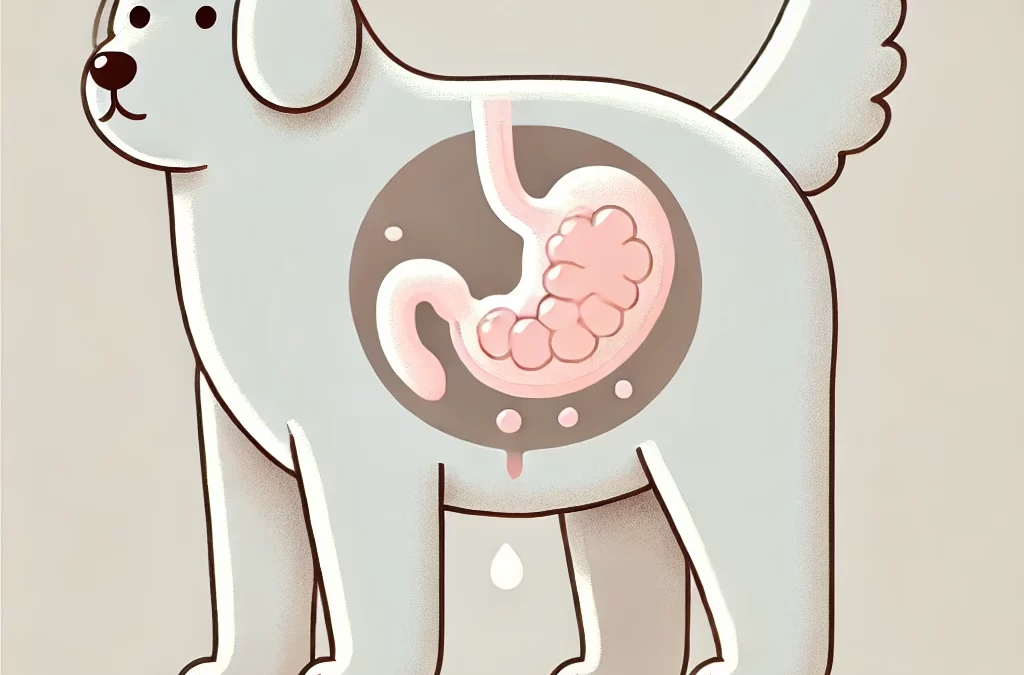
Discovering a large abdominal mass in a dog can be alarming for any pet owner. While it is natural to worry, understanding the potential causes, symptoms, and treatment options can empower you to make informed decisions about your dog’s health.
What is an Abdominal Mass?
An abdominal mass is an abnormal growth in the stomach area that may arise from organs such as the liver, spleen, intestines, or even surrounding tissues. These masses can vary significantly in size and may be benign (non-cancerous) or malignant (cancerous).
Common Causes of Abdominal Masses
- Benign Growths
- Lipomas: Fatty tumors that are generally harmless.
- Cysts: Fluid-filled sacs that may grow over time but are typically non-threatening.
- Malignant Tumors
- Hemangiosarcoma: A common cancer affecting the spleen.
- Lymphoma: Affects lymph nodes and can spread to the abdomen.
- Carcinomas: Tumors arising from epithelial tissues of internal organs.
- Other Causes
- Abscesses: Infections that lead to pus-filled pockets.
- Organ Enlargement: Conditions like liver disease can mimic mass growth.
Symptoms to Watch For
Early detection can significantly impact outcomes. Look for:
- Swollen or distended abdomen
- Weight loss or reduced appetite
- Vomiting or diarrhea
- Lethargy or signs of discomfort
- Difficulty breathing due to abdominal pressure
Diagnosis
Diagnosing an abdominal mass requires a veterinarian’s expertise. Procedures may include:
- Physical Examination: Palpating the abdomen to detect unusual growths
- Imaging Tests: Ultrasound or X-rays to determine the size, location, and nature of the mass
- Biopsy or Fine Needle Aspiration: Collecting tissue samples for analysis
- Blood Tests: Checking for related health conditions
Treatment Options
The treatment depends on the mass’s type and location:
- Surgical Removal: Often the first line of action for operable masses
- Chemotherapy or Radiation: Used for malignant growths, especially if surgery isn’t possible
- Palliative Care: Focuses on maintaining comfort if the condition is untreatable
Proactive Steps for Pet Owners
- Routine Check-ups: Regular veterinary visits can help catch problems early
- Monitor Symptoms: Keep an eye on any changes in your dog’s behavior or appetite
- Proper Nutrition: A balanced diet supports overall health and recovery
- Second Opinions: Don’t hesitate to consult another vet for complex cases
Large abdominal masses in dogs are a serious concern, but with timely veterinary care and proper management, many dogs can achieve good outcomes. Always work closely with your vet to determine the best course of action for your furry friend.

by TCMVET | Nov 30, 2024 | Dog Cancer & Tumors
When it comes to our furry companions, nothing is more heart-wrenching than the diagnosis of a mammary mass. The very word “mass” strikes fear, conjuring images of cancer and invasive treatments. But what if there was more to mammary mass removal in dogs than just the surgical procedure? What if the healing process could encompass not only the physical act of removing the mass but also embrace a holistic, integrative approach that promotes true wellness?
In this article, we’ll explore how mammary mass removal is evolving, pushing the boundaries of conventional veterinary medicine to offer a comprehensive solution for dogs facing this condition.
The Mammary Mass Mystery: Understanding the Basics
Mammary masses are relatively common in female dogs, especially those that have not been spayed. While many masses are benign, some may be malignant, leading to a higher concern for cancer. In fact, approximately 50% of mammary tumors in dogs are cancerous, making early detection and prompt treatment vital.
Traditionally, the primary treatment for mammary masses has been surgical removal, often followed by chemotherapy or radiation if the mass is found to be malignant. This approach is still widely used, but with a growing interest in alternative and complementary therapies, the scope of treatment has expanded.
Surgery: A Foundation, Not the Whole Solution
Surgical removal remains the cornerstone of mammary mass treatment. The goal is to excise the mass completely, reducing the risk of the cancer spreading. However, the act of surgery alone does not guarantee long-term health. The real work begins after the incision has healed.
It’s here that an integrative approach comes into play.
Integrating Holistic Care: The Power of Prevention and Support
While surgery addresses the immediate physical concern, what many dog owners are now discovering is that post-operative care can be just as important in slowing recurrence and promoting overall health. The role of diet, lifestyle, and natural therapies is coming to the forefront as essential components of recovery.
1. Diet and Nutrition: Fueling the Body’s Defenses
Post-surgery, a balanced diet becomes crucial. Research suggests that certain nutrients can support immune function and help fight off cancerous cells. Omega-3 fatty acids (found in fish oil) have anti-inflammatory properties, while antioxidants (such as vitamins C and E) can protect healthy cells from oxidative stress.
Some experts even recommend a raw food diet or an anti-cancer diet for dogs with a history of mammary tumors. These diets emphasize lean meats, vegetables, and herbs that may help strengthen the dog’s immune system and reduce inflammation.
2. Herbal Supplements and Natural Remedies: A Holistic Touch
In addition to conventional treatments, many holistic veterinarians advocate for herbal supplements that can aid in healing. Adaptogenic herbs like ashwagandha or turmeric are known for their anti-inflammatory and immune-boosting properties. Additionally, lignans, found in flax seeds, are often recommended for their potential to inhibit the growth of cancer cells.
These natural remedies can be used alongside traditional treatments to help balance the body’s systems and improve overall vitality.
3. Mind-Body Connection: Stress Reduction and Emotional Healing
A dog’s emotional well-being should not be underestimated in the healing process. Research increasingly supports the idea that stress, anxiety, and negative emotions can affect the body’s ability to recover from illness. Offering a calm, loving environment with plenty of rest and affection can help reduce your dog’s stress levels, allowing their body to heal more effectively.
Massage therapy, gentle exercise, and even canine acupuncture are also being explored as ways to promote circulation, reduce pain, and encourage overall wellness during recovery.
Early Detection and Proactive Care: Prevention is Key
Prevention of future mammary masses or recurrence hinges on early detection. Regular vet check-ups, along with routine mammary gland exams (either during grooming or through veterinary visits), can help catch abnormalities early. For dogs at higher risk—those who haven’t been spayed or have had previous tumors—owners should be vigilant and proactive about any changes in the mammary glands.
In addition, spaying before the first heat cycle has been shown to reduce the risk of mammary tumors in dogs, making it an important consideration for pet owners.
What’s Next? The Future of Mammary Mass Treatment
As veterinary care continues to evolve, the approach to mammary mass removal is becoming increasingly multifaceted. While surgery remains a critical tool, it is no longer the sole focus of treatment. The integration of holistic care practices, early detection, and preventative measures offer a more comprehensive strategy to combat mammary masses and promote overall health in dogs.
By embracing a well-rounded approach that nurtures both the body and the mind, we can ensure that our furry friends have the best chance at a long, healthy, and happy life after mammary mass removal.
Key Takeaways
- Surgery remains essential for mammary mass removal but should be followed by supportive care.
- Diet plays a pivotal role in recovery, with anti-inflammatory and immune-boosting foods helping the healing process.
- Holistic therapies, including herbal remedies and acupuncture, can enhance recovery and overall health.
- Stress reduction and emotional well-being are key components of the healing process.
- Early detection and spaying are crucial for preventing mammary masses and cancers in the future.
By thinking beyond the scalpel and embracing a holistic approach, we give our dogs not only the best chance at recovery but also a path to a richer, fuller life.
