
by TCMVET | Jan 29, 2024 | pet Chinese herbal medicine
TCVM is based on the principles of balance and harmony within the body. It views health issues not as isolated problems, but as imbalances in the body’s natural energy flow, known as Qi. This approach uses various modalities, including herbal medicine, acupuncture, and dietary therapy, to restore balance and promote healing.
Herbal Medicine in TCVM
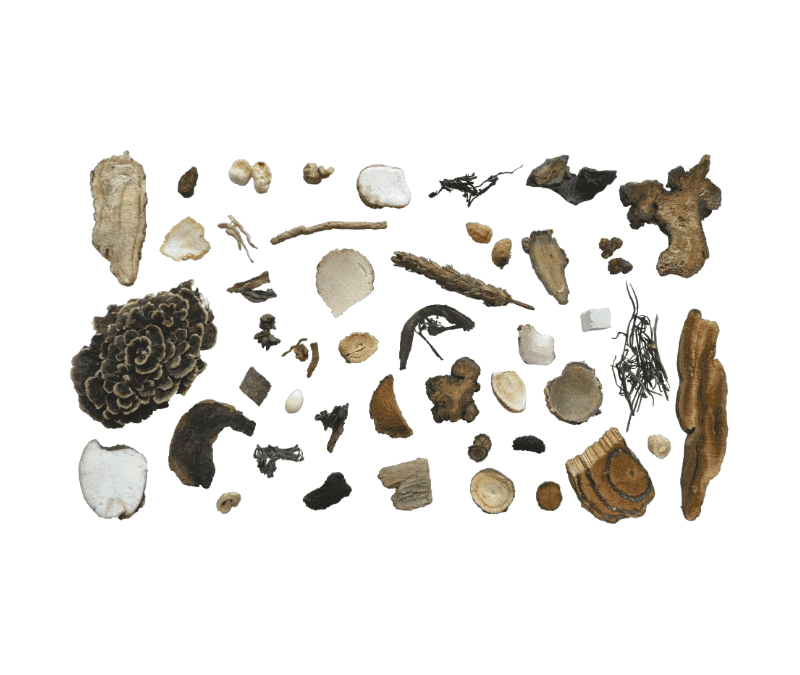
Herbs play a vital role in TCVM. Unlike western medication, which often targets specific symptoms, TCVM herbs work to correct underlying imbalances. For instance, herbs like Astragalus and Ginseng are used for their immune-boosting properties, while others like Siler and Coix Seed may be used to address skin issues.
The Benefits of TCVM for Dogs
- Holistic Care: TCVM treats the whole dog, not just the symptoms, offering a more comprehensive approach to health.
- Customized Treatment Plans: Each dog receives a treatment plan tailored to their specific needs and constitution.
- Natural Solutions: Many pet owners seek natural alternatives to conventional medications, and TCVM provides this option.
- Complementary Approach: TCVM can be used alongside conventional veterinary medicine to enhance overall care.
Success Stories and Research
There are numerous accounts of dogs benefiting from TCVM. Clinical studies, such as those published in the ‘American Journal of Traditional Chinese Veterinary Medicine’, showcase the effectiveness of these treatments in managing conditions like arthritis, digestive disorders, and anxiety.
Finding a TCVM Practitioner
Locating a qualified TCVM practitioner is crucial for the safe and effective treatment of your dog. Look for veterinarians who have undergone additional training in TCVM and are certified in the field.
Conclusion
TCVM offers a rich, time-tested approach to canine health care. By considering the dog’s entire being and focusing on restoring balance, TCVM can play a significant role in maintaining and enhancing the health and wellbeing of our canine companions.

by TCMVET | Jan 29, 2024 | pet Chinese herbal medicine
The realm of pet health care is continually evolving, and one of the most intriguing developments in recent years is the incorporation of Traditional Chinese Veterinary Medicine (TCVM) into Western veterinary practices. Central to TCVM is the use of herbal treatments, a method that has been used in human medicine for centuries and is now gaining traction for pets.
The Basics of TCVM Herbal Medicine
TCVM operates on principles that seek harmony and balance in the body. Herbs in TCVM are chosen based on their properties and how they interact with the pet’s Qi (vital energy), Yin and Yang. Common herbs like Ginseng and Astragalus have been used to boost energy, while others like Gou Qi Zi (Wolfberry) support eye health.
Safety and Efficacy
When it comes to using TCVM herbs for pets, safety and efficacy are paramount. It’s crucial that these treatments are administered or prescribed by a professional TCVM practitioner. Although herbal treatments are generally safe, they need to be used appropriately to avoid any side effects.
Case Studies and Research
There are numerous success stories where TCVM herbs have significantly improved pet health conditions. For instance, a study published in the ‘Journal of Veterinary Science’ highlighted the positive effects of certain TCVM herbs in treating canine arthritis. Such examples underscore the potential of these treatments.
Choosing the Right TCVM Therapy
Finding the right TCVM practitioner is key. Look for licensed veterinarians who have additional training in TCVM. Each pet is unique, and a tailored treatment plan is essential for the best results.
Conclusion
TCVM herbs offer an exciting alternative or complement to conventional pet treatments. They hold a promise for enhancing the wellbeing of our furry companions in a more natural and holistic way. As pet owners increasingly seek out holistic care options, TCVM herbs stand out as a valuable and effective choice.
by TCMVET | Oct 18, 2023 | Research and News
Fatty tumors, also known as lipomas, are common in dogs, especially as they age. While these tumors are benign and usually harmless, many pet owners seek ways to treat or prevent them to ensure the health and comfort of their furry companions. Among various treatments and preventative measures, Chinese herbs have gained increasing attention in recent years. In this article, we will delve into the potential of Chinese herbs in treating and managing fatty tumors in dogs.
Understanding Fatty Tumors (Lipomas)
Lipomas are soft, movable lumps that form under the skin. They’re formed by the overgrowth of fat cells and can vary in size. While they are non-cancerous and typically don’t cause pain, they can become problematic if they grow too large or press against other organs or tissues.
Why Consider Chinese Herbs?
Traditional Chinese Veterinary Medicine (TCVM) has been practiced for thousands of years and offers a holistic approach to treating various ailments in animals. Chinese herbs, in particular, are known to help in balancing the body’s Qi (energy), enhancing the immune system, and promoting overall health. Their natural and holistic nature makes them a favored choice for many pet owners wary of the side effects of conventional drugs.
Chinese Herbs for Lipomas
- Jiaogulan (Gynostemma pentaphyllum): Often called the ‘immortality herb’, Jiaogulan is believed to boost the immune system and improve circulation. It may help in slowing down the growth of lipomas.
- Hawthorn (Crataegus): Traditionally used to support heart health, Hawthorn also has anti-inflammatory properties. This can potentially reduce the size or prevent the growth of fatty tumors.
- Turmeric (Curcuma longa): Known for its powerful anti-inflammatory and antioxidant properties, Turmeric can be beneficial in preventing and managing lipomas.
- Reishi Mushroom (Ganoderma lucidum): This mushroom is renowned in Chinese medicine for boosting the immune system and promoting overall health, potentially preventing the formation of lipomas.
Consultation is Key
While the potential of Chinese herbs in treating lipomas is promising, it’s essential for pet owners to consult with a veterinarian before administering any herbs. Some herbs may interact with medications or have unwanted side effects. A vet knowledgeable in both Western and Chinese medicine can provide the best guidance on the correct dosage and combination of herbs for your dog.
Conclusion
Lipomas are common in dogs and, while mostly harmless, can be a cause for concern. The holistic approach of Traditional Chinese Veterinary Medicine, including the use of Chinese herbs, offers a natural alternative or complement to conventional treatments. With proper consultation and care, these herbs might just be the answer to managing or even preventing fatty tumors in our canine companions.
