
by TCMVET | Jun 21, 2025 | pet Chinese herbal medicine
As pet owners seek gentler alternatives to conventional cancer treatments like chemotherapy and radiation, traditional Chinese herbs (TCM) and other botanicals have surged in popularity. Turmeric, astragalus, reishi mushroom, and hemp extracts are now frequently used in holistic pet care. Yet, while online forums overflow with anecdotal success stories, veterinary oncologists remain cautious—often labeling herbal remedies as “unproven” or even “risky.”
So, where does the truth lie? Are these ancient remedies a hidden lifeline for pets with cancer, or is their effectiveness merely a placebo-driven illusion?
The Controversy: Why Veterinarians Are Skeptical
- Scarce Clinical Evidence
- Most research on herbal anti-cancer effects comes from human or rodent studies—not dogs or cats.
- Rigorous, large-scale veterinary trials are rare, leaving pet owners to rely on small, often biased testimonials.
- Potential Risks and Drug Interactions
- Some herbs (e.g., kava, pennyroyal) are toxic to pets, while others may interfere with chemotherapy.
- Without standardized dosing, the line between “therapy” and “poisoning” can blur.
- The Placebo Effect—But for Whom?
- Pets can’t report side effects or improvements, making it hard to distinguish real benefits from an owner’s hopeful perception.
- A 2022 study found that 40% of pet owners reported improvement with placebos alone (Journal of Veterinary Behavior).
The Promise: Emerging Science and Holistic Potential
Despite skepticism, early research hints at intriguing possibilities:
- Turkey Tail Mushroom (Coriolus versicolor): An NIH-funded study showed extended survival in dogs with hemangiosarcoma when combined with chemotherapy (Frontiers in Veterinary Science, 2020).
- Curcumin (Turmeric): Demonstrated anti-inflammatory and tumor-suppressing effects in canine cell studies (Veterinary Sciences, 2021).
- Yunnan Baiyao: Widely used to manage bleeding in terminal cancer pets, though mechanisms remain unclear.
Integrative vets argue that herbs may enhance quality of life—reducing pain, nausea, or appetite loss—even if they don’t cure cancer.
The Middle Ground: A Call for Balanced Integration
- Partner with a Vet
- Never replace conventional treatment without consultation.
- Seek veterinarians certified in herbal medicine or integrative oncology (e.g., AHVMA members).
- Demand Better Research
- Push for funding into veterinary-specific herbal trials.
- Track your pet’s response meticulously—journaling symptoms, doses, and changes.
- Stay Critical
- Reject grandiose claims (“miracle cure!”).
- Prioritize supplements with third-party testing (e.g., NASC seal).
Conclusion: Hope, Not Hype
The debate over herbal medicine in pet cancer care reflects a deeper tension: our desperation to heal versus science’s slow validation. While herbs may offer palliative benefits or even synergistic effects, they’re not magic bullets—yet.
For now, the wisest path blends caution, collaboration, and curiosity. After all, our pets deserve both cutting-edge science and the wisdom of ancient remedies—neither dismissed nor idolized, but carefully weighed.
What’s your experience? Have you tried herbs for a pet’s cancer? Share your story (or skepticism) below.

by TCMVET | May 20, 2025 | pet Chinese herbal medicine
As more pet owners explore natural wellness options, traditional Chinese herbs are quietly gaining popularity as a gentle yet effective way to support pets’ immune systems. Unlike synthetic supplements that often focus on a single nutrient, Chinese herbal formulas work holistically—supporting the body’s overall balance, resilience, and long-term health.
So how exactly can Chinese herbs help strengthen your pet’s immune defenses? And which herbs are both safe and effective for pets?
Here are five well-known herbal ingredients that have been used for centuries in Traditional Chinese Medicine and are now showing real promise in pet health.
1. Astragalus Root (Huang Qi)
Astragalus is a classic immune tonic in Chinese medicine. For pets, it helps modulate immune function—meaning it can help both boost defenses and calm overactive immune responses. It’s often used for pets recovering from illness, dealing with chronic infections, or simply needing stronger resistance during seasonal changes.
2. Codonopsis (Dang Shen)
Known as a gentler alternative to ginseng, codonopsis helps support energy levels, digestion, and immune strength. In pets, it’s especially helpful for those that are underweight, easily tired, or prone to stress-related immune dips. It also supports nutrient absorption, which is crucial for immune function.
3. Licorice Root (Gan Cao)
Licorice is often called the “harmonizer” in herbal formulas because it enhances the effect of other herbs while soothing inflammation. For pets, it can help with respiratory health, allergic reactions, and immune balancing. It’s commonly used in small doses to reduce inflammation while gently supporting the immune system.
4. Reishi Mushroom (Ling Zhi)
Technically a fungus rather than an herb, reishi is revered for its immune-modulating and anti-inflammatory properties. In pets, it supports resistance to infections, reduces stress, and may even help in managing autoimmune conditions. Reishi is also known to support liver health, which plays a vital role in immunity.
5. Atractylodes (Bai Zhu)
Atractylodes is used in TCM to strengthen the spleen and digestive function—key to building immune strength. In pets with weak appetites, frequent loose stools, or chronic fatigue, this herb can help restore energy and stability from the inside out. A healthy digestive system is the foundation of a strong immune system.
Final Thoughts
Chinese herbs offer a time-tested, natural way to support your pet’s immune health without overloading their system. Whether your pet is facing seasonal challenges, recovering from illness, or simply aging, incorporating carefully selected herbal supplements—formulated specifically for animals—can be a safe and gentle path to better health.
Before starting any herbal supplement, it’s always a good idea to consult with a veterinarian familiar with Traditional Chinese Medicine or holistic pet care.

by TCMVET | Aug 6, 2024 | pet Chinese herbal medicine
Cancer is a devastating diagnosis for any pet owner, but integrating Traditional Chinese Medicine (TCM) into your dog’s treatment plan can offer hope and improved quality of life. TCM, with its centuries-old practices, provides a holistic approach to treating canine tumors, focusing on restoring balance and promoting the body’s natural healing abilities. This article explores how Chinese medicine can be effectively used to treat canine tumors, highlighting its benefits and applications.
Understanding Canine Tumors and TCM
Canine tumors can be benign or malignant, affecting various parts of a dog’s body. Conventional treatments like surgery, chemotherapy, and radiation are often necessary but can come with significant side effects. TCM offers a complementary approach that can enhance the effectiveness of these treatments while minimizing their adverse effects.
Benefits of Chinese Medicine for Canine Tumors
- Immune System Boost: Many Chinese herbs, such as Astragalus and Ginseng, are known for their immune-boosting properties, helping the body fight off cancer cells more effectively.
- Anti-inflammatory Effects: Inflammation is a common issue in cancer patients. Herbs like Turmeric and Ginger possess potent anti-inflammatory properties, reducing pain and swelling.
- Antioxidant Protection: Antioxidants found in herbs like Green Tea and Goji Berries protect cells from damage and support overall health, playing a crucial role in combating cancer.
- Improved Appetite and Digestion: Cancer and its treatments often lead to a loss of appetite. Herbs like Licorice Root and Dandelion can stimulate appetite and support digestive health, ensuring dogs receive the necessary nutrients.
Effective Chinese Herbs for Treating Canine Tumors
- Huang Qi (Astragalus membranaceus): This herb is prized for its ability to strengthen the immune system and enhance the effectiveness of other cancer treatments. It is particularly beneficial for dogs with weakened immune systems.
- Ren Shen (Panax Ginseng): Ginseng provides energy and supports immune function, helping dogs maintain strength and vitality during cancer treatment.
- Jiang Huang (Curcuma longa): Known for its anti-inflammatory and anticancer properties, Turmeric contains curcumin, which can inhibit the growth of cancer cells and reduce tumors.
- Ling Zhi (Ganoderma lucidum): Reishi mushroom is celebrated for its immune-boosting and antioxidant properties. It can improve overall health and combat cancer cells.
- Gou Qi Zi (Lycium barbarum): Rich in antioxidants and nutrients, Goji Berries support overall health and help fight cancer.
How to Incorporate Chinese Medicine into Your Dog’s Treatment Plan
Before introducing any TCM herbs, consult with a veterinarian experienced in TCM or integrative medicine. They can recommend appropriate herbs and dosages tailored to your dog’s specific condition and treatment plan. Combining Chinese medicine with conventional treatments can provide a more comprehensive approach to managing canine tumors.
Case Studies and Success Stories
Numerous case studies and anecdotal reports highlight the positive effects of TCM in treating canine tumors. Dogs receiving Chinese medicine often show improvements in energy levels, appetite, pain management, and overall well-being. These success stories offer hope and encouragement for pet owners considering this holistic approach.
Chinese medicine offers a promising complementary approach to treating canine tumors. With its immune-boosting, anti-inflammatory, and antioxidant properties, TCM can significantly improve your dog’s quality of life. Always work with a knowledgeable veterinarian to ensure the best possible outcomes for your furry friend.

by TCMVET | Aug 6, 2024 | pet Chinese herbal medicine
Feline tumors are a significant concern for pet owners, often necessitating a combination of traditional and alternative treatments. Traditional Chinese Medicine (TCM) offers a natural, holistic approach to managing feline tumors through the use of specific herbs. This article explores the benefits and applications of TCM herbs in treating feline tumors, providing valuable insights for pet owners seeking comprehensive care for their furry friends.
Understanding Feline Tumors and TCM
Feline tumors can be benign or malignant, affecting various parts of a cat’s body. While conventional treatments like surgery, chemotherapy, and radiation are standard, they can have harsh side effects. TCM, which focuses on restoring balance and promoting the body’s natural healing abilities, can complement these treatments, enhancing their effectiveness and reducing adverse effects.
Benefits of TCM Herbs for Feline Tumors
- Immune System Boost: Many TCM herbs, such as Astragalus and Ginseng, are known for their immune-enhancing properties. A robust immune system helps cats combat cancer cells more effectively.
- Anti-inflammatory Effects: Inflammation is a common issue in cancer patients. Herbs like Turmeric and Boswellia have potent anti-inflammatory properties, helping to reduce swelling and pain.
- Antioxidant Protection: Herbs such as Green Tea and Goji Berries are rich in antioxidants, which protect cells from damage and support overall health.
- Improved Appetite and Digestion: Cancer and its treatments often lead to a loss of appetite. Herbs like Licorice Root and Dandelion can stimulate appetite and support digestive health, ensuring cats get the nutrients they need.
Effective TCM Herbs for Treating Feline Tumors
- Astragalus (Huang Qi): This herb is prized for its ability to strengthen the immune system and enhance the effectiveness of other cancer treatments. It is particularly beneficial for cats with weakened immune systems.
- Ginseng (Ren Shen): Ginseng provides energy and supports immune function, helping cats maintain strength and vitality during cancer treatment.
- Turmeric (Jiang Huang): Known for its anti-inflammatory and anticancer properties, Turmeric contains curcumin, which can inhibit the growth of cancer cells and reduce tumors.
- Reishi Mushroom (Ling Zhi): Reishi is celebrated for its immune-boosting and antioxidant properties. It can improve overall health and combat cancer cells.
- Goji Berries (Gou Qi Zi): Rich in antioxidants and nutrients, Goji Berries support overall health and help fight cancer.
How to Incorporate TCM Herbs into Your Cat’s Treatment Plan
Before introducing any TCM herbs, consult with a veterinarian experienced in TCM or integrative medicine. They can recommend appropriate herbs and dosages tailored to your cat’s specific condition and treatment plan. Combining TCM herbs with conventional treatments can provide a more comprehensive approach to managing feline tumors.
TCM herbs offer a promising complementary approach to treating feline tumors. With their immune-boosting, anti-inflammatory, and antioxidant properties, these herbs can significantly improve your cat’s quality of life. Always work with a knowledgeable veterinarian to ensure the best possible outcomes for your feline friend.
by TCMVET | May 22, 2024 | Dog Cancer & Tumors
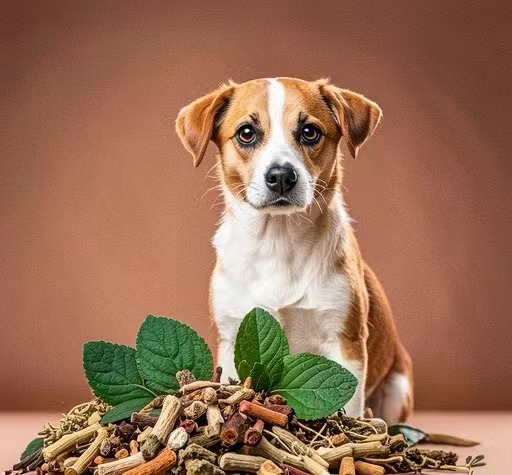
Lymphoma is one of the most common cancers affecting dogs, particularly in middle-aged and older canines. It originates in the lymphocytes, a type of white blood cell, and can affect various organs, including the lymph nodes, spleen, liver, and bone marrow. Conventional treatments like chemotherapy are often effective but can come with significant side effects. As a result, many pet owners are exploring natural treatments to support their dog’s health and enhance their quality of life. Among these, Chinese herbs have gained attention for their potential to complement traditional therapies and provide holistic benefits.
Understanding Lymphoma in Dogs
Lymphoma in dogs presents in several forms, with multicentric lymphoma (affecting multiple lymph nodes) being the most common. Symptoms can include:
- Swollen lymph nodes
- Lethargy
- Weight loss
- Loss of appetite
- Fever
- Increased thirst and urination
Early diagnosis and a comprehensive treatment plan are crucial for managing the disease and improving the dog’s prognosis.
Natural Treatment Approaches
Natural treatments for lymphoma aim to support the dog’s immune system, alleviate symptoms, and enhance overall well-being. These approaches can be used alongside conventional treatments or, in some cases, as standalone therapies. Key natural treatments include:
- Dietary Changes
- High-Quality Protein: Ensuring a diet rich in high-quality, easily digestible protein supports the immune system and overall health.
- Antioxidants: Foods high in antioxidants, such as blueberries, spinach, and carrots, can help combat oxidative stress associated with cancer.
- Omega-3 Fatty Acids: Found in fish oil, these fatty acids have anti-inflammatory properties and can help slow cancer progression.
- Herbal Supplements
- Turmeric: Contains curcumin, known for its anti-inflammatory and anticancer properties.
- Milk Thistle: Supports liver health, crucial for dogs undergoing chemotherapy.
- Echinacea: Boosts the immune system and helps fight infections.
- Acupuncture
- Acupuncture can help relieve pain, improve appetite, and enhance overall vitality. It works by stimulating specific points on the body to promote natural healing processes.
- Chinese Herbs Chinese herbal medicine has a long history of use in treating various ailments, including cancer. For dogs with lymphoma, specific herbs can provide significant benefits:
- Astragalus (Huang Qi): Known for its immune-boosting properties, astragalus helps strengthen the body’s defenses against cancer.
- Reishi Mushroom (Ling Zhi): Has anticancer, anti-inflammatory, and immune-modulating effects.
- Hedyotis Diffusa (Bai Hua She She Cao): Exhibits antitumor properties and helps reduce inflammation.
- Scutellaria Barbata (Ban Zhi Lian): Known for its antitumor and detoxifying effects.
Integrating Chinese Herbs with Conventional Treatments
Combining Chinese herbs with conventional treatments such as chemotherapy can enhance efficacy and reduce side effects. This integrative approach aims to:
- Enhance Immune Function: Herbs like astragalus and reishi can boost the immune system, helping the body fight cancer more effectively.
- Reduce Side Effects: Chinese herbs can alleviate side effects of chemotherapy, such as nausea, fatigue, and loss of appetite.
- Promote Overall Health: Herbs contribute to the dog’s general well-being, improving energy levels, digestion, and vitality.
Case Studies and Research
Several studies and anecdotal evidence support the use of Chinese herbs in managing canine lymphoma. For example, a study on dogs with lymphoma treated with a combination of conventional therapies and Chinese herbal formulas showed improved survival times and quality of life compared to those receiving conventional treatments alone.
Conclusion
Natural treatments, including dietary changes, herbal supplements, acupuncture, and Chinese herbs, offer promising avenues for managing lymphoma in dogs. Integrating these approaches with conventional therapies can provide a holistic treatment plan that enhances the dog’s immune function, reduces side effects, and improves overall health. As always, it is essential to consult with a veterinarian experienced in integrative medicine to develop a tailored treatment plan for your dog’s specific needs. This holistic approach can help ensure the best possible outcomes for dogs battling lymphoma, providing them with a higher quality of life and a better chance of recovery.
