by TCMVET | Oct 19, 2023 | Research and News
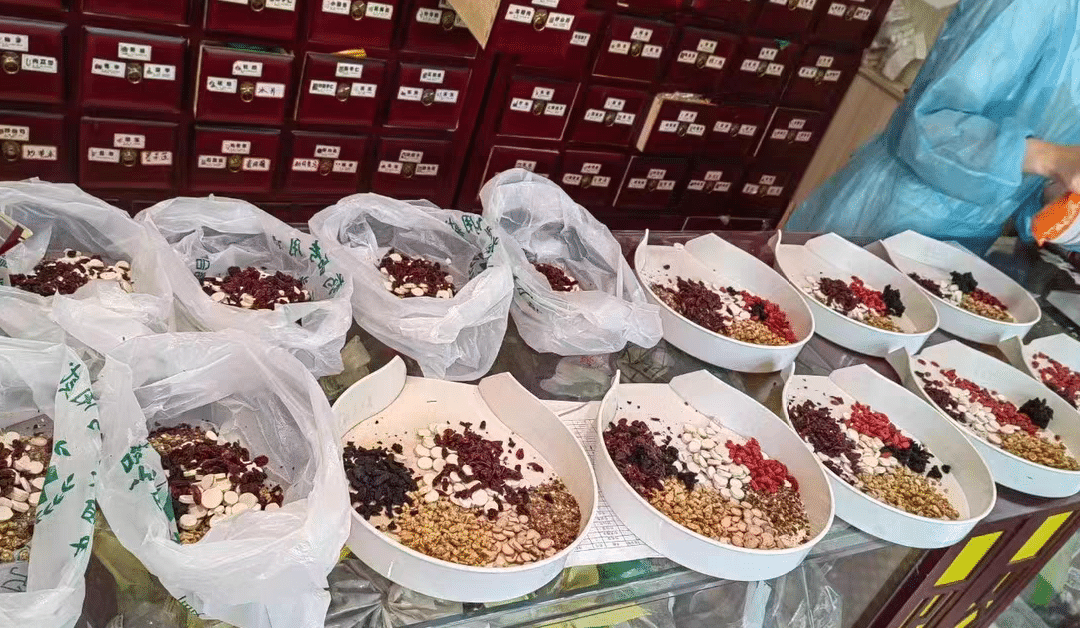
Cancer in dogs is as heart-wrenching as it sounds. As our loyal companions age, they become more susceptible to various diseases, including different forms of cancer. In this era, where blending ancient wisdom with modern science is gaining traction, Chinese herbs are emerging as potential allies in the fight against canine cancer. Let’s delve into how these time-tested botanicals might offer hope and relief.
The Chinese Herbal Legacy
For thousands of years, Traditional Chinese Medicine (TCM) has been a cornerstone of health and wellness in the East. Utilizing a holistic approach, TCM focuses on achieving balance within the body, and herbs play an integral role in this intricate dance of yin and yang.
Chinese Herbs Against Canine Cancer
- Astragalus (Huang Qi): Celebrated for its immune-boosting properties, Astragalus may help in enhancing the body’s natural defense mechanisms, potentially aiding in the fight against cancer.
- Hedyotis (Bai Hua She She Cao): This herb has been traditionally used in TCM to combat tumors. Modern studies are looking into its potential anti-cancer properties.
- Oldenlandia (Bai Hua She She Cao): Often paired with Hedyotis, Oldenlandia is believed to possess properties that may directly target cancer cells.
- Turmeric (Jiang Huang): While Turmeric finds its roots in Indian Ayurvedic practices, it’s also embraced in Chinese herbalism. Curcumin, the active component in turmeric, has shown potential anti-cancer effects in various studies.
- Reishi Mushroom (Ling Zhi): A symbol of longevity in Chinese culture, the Reishi mushroom might support the immune system and inhibit tumor growth.
Integrative Approach: The Way Forward?
It’s essential to remember that while Chinese herbs offer promising benefits, they shouldn’t replace conventional cancer treatments for dogs. Instead, an integrative approach, combining the strengths of both traditional and modern medicine, might be the most beneficial.
Consultation is Crucial
Always consult with a veterinarian or a specialist in veterinary herbal medicine before introducing any new treatment or supplement to your dog’s regimen. They can provide guidance on appropriate dosages, potential interactions, and overall safety.
Conclusion
As we bridge the wisdom of ancient Chinese herbal practices with contemporary veterinary care, there’s renewed hope in the battle against canine cancer. While the journey is ongoing, the combined strength of East and West brings promise to our four-legged friends’ lives.
by TCMVET | Oct 18, 2023 | Research and News
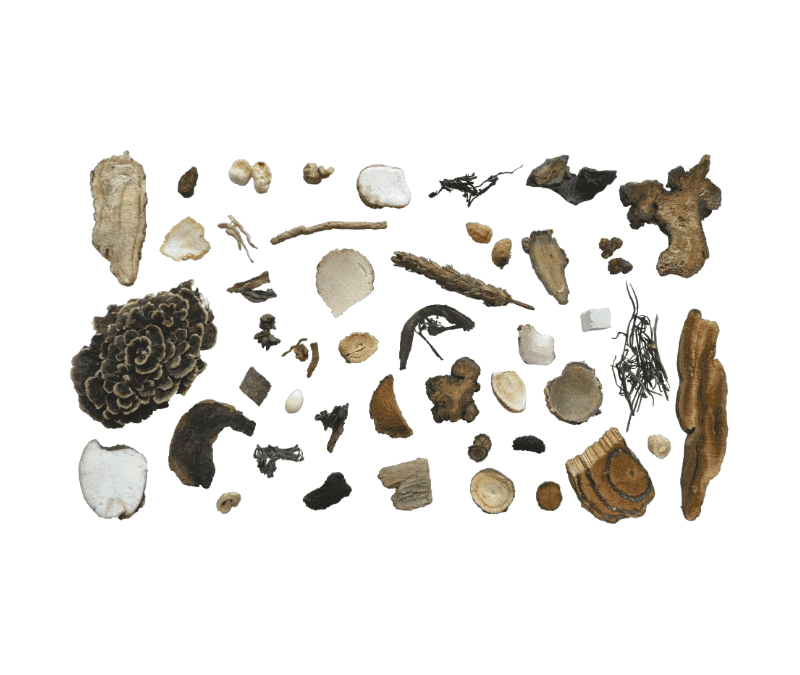
Fatty tumors, also known as lipomas, are common in dogs, especially as they age. While these tumors are benign and usually harmless, many pet owners seek ways to treat or prevent them to ensure the health and comfort of their furry companions. Among various treatments and preventative measures, Chinese herbs have gained increasing attention in recent years. In this article, we will delve into the potential of Chinese herbs in treating and managing fatty tumors in dogs.
Understanding Fatty Tumors (Lipomas)
Lipomas are soft, movable lumps that form under the skin. They’re formed by the overgrowth of fat cells and can vary in size. While they are non-cancerous and typically don’t cause pain, they can become problematic if they grow too large or press against other organs or tissues.
Why Consider Chinese Herbs?
Traditional Chinese Veterinary Medicine (TCVM) has been practiced for thousands of years and offers a holistic approach to treating various ailments in animals. Chinese herbs, in particular, are known to help in balancing the body’s Qi (energy), enhancing the immune system, and promoting overall health. Their natural and holistic nature makes them a favored choice for many pet owners wary of the side effects of conventional drugs.
Chinese Herbs for Lipomas
- Jiaogulan (Gynostemma pentaphyllum): Often called the ‘immortality herb’, Jiaogulan is believed to boost the immune system and improve circulation. It may help in slowing down the growth of lipomas.
- Hawthorn (Crataegus): Traditionally used to support heart health, Hawthorn also has anti-inflammatory properties. This can potentially reduce the size or prevent the growth of fatty tumors.
- Turmeric (Curcuma longa): Known for its powerful anti-inflammatory and antioxidant properties, Turmeric can be beneficial in preventing and managing lipomas.
- Reishi Mushroom (Ganoderma lucidum): This mushroom is renowned in Chinese medicine for boosting the immune system and promoting overall health, potentially preventing the formation of lipomas.
Consultation is Key
While the potential of Chinese herbs in treating lipomas is promising, it’s essential for pet owners to consult with a veterinarian before administering any herbs. Some herbs may interact with medications or have unwanted side effects. A vet knowledgeable in both Western and Chinese medicine can provide the best guidance on the correct dosage and combination of herbs for your dog.
Conclusion
Lipomas are common in dogs and, while mostly harmless, can be a cause for concern. The holistic approach of Traditional Chinese Veterinary Medicine, including the use of Chinese herbs, offers a natural alternative or complement to conventional treatments. With proper consultation and care, these herbs might just be the answer to managing or even preventing fatty tumors in our canine companions.
